 Admin
Admin Pasta Boiling Time in Commercial Manufacturing
The Key to Quality Control and Sustainable Factory Profitability
Controlling pasta boiling time in commercial manufacturing is far more than a small operational detail — it is a critical production decision that directly affects final product quality, packaging efficiency, and inventory turnover speed.
Factories that precisely manage cooking time achieve consistent texture after filling and reheating, reduce waste, and build a sustainable profitability model that supports long-term growth in the ready-meal sector. When timing is optimized, everything runs smoother: production flows faster, packaging becomes easier, and margins improve noticeably.
Why Pasta Boiling Time Matters in Commercial Production Lines
4
Boiling time is the balance point between texture, fillability, and product stability.
Overcooking causes pasta to break apart and lose structure.
Undercooking creates problems during reheating inside the package.
Proper timing:
Maintains shape and firmness
Improves resistance to cooling and storage
Reduces rework and rejected batches
Ensures smooth processing on filling machines
This control directly supports consistent quality and higher production efficiency.
What “Industrial Pasta Boiling Time” Really Means
In commercial manufacturing, pasta is not cooked to full doneness like home preparation.
Instead, factories apply controlled partial cooking, allowing the pasta to finish cooking later during reheating by the consumer or during post-packaging thermal processing.
The goal is to:
Preserve structure
Control moisture absorption
Prevent sticking or clumping
Maintain performance during filling and sealing
This approach ensures better shelf stability and professional product appearance.
Ideal Industrial Boiling Times by Product Type
The ideal time depends on pasta shape and the final meal application. Most operations target 60–80% doneness.
| Final Product Type | Approx. Industrial Boiling Time | Operational Goal | Quality Impact |
|---|---|---|---|
| Pasta with red sauce | 4–6 minutes | Maintain firmness after mixing | Stable, non-crumbly texture |
| Roasted pasta with sauce | 3–5 minutes | Withstand sautéing/roasting | Consistent flavor and color |
| Cream-based pasta meals | 4–5 minutes | Prevent over-absorption | Smooth creamy consistency |
| Frozen ready meals | 3–4 minutes | Survive freezing/thawing | Reduced separation after thawing |
These controlled ranges help standardize performance across production batches.
How Boiling Time Affects Filling and Packaging Lines
4
Incorrect boiling time increases stress on packaging equipment.
Soft pasta leads to:
Blockages
Irregular weights
Messy filling
Higher machine downtime
Correct texture ensures:
Smooth product flow
Accurate dosing
Uniform packs
Better shelf presentation
Fewer customer complaints
This translates directly into faster throughput and lower operating costs.
Production Control Steps Inside the Factory
Effective control follows a clear sequence:
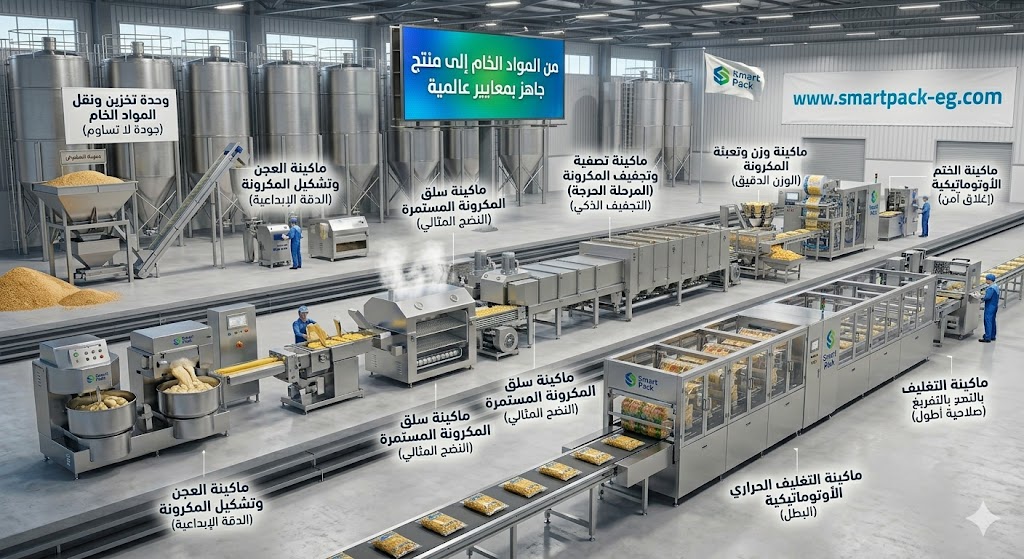
Continuous boiling with controlled water temperature and flow
Immediate texture checks after cooking
Rapid cooling to stop the cooking process
This prevents residual heat from overcooking the pasta before filling.
The Role of Rapid Cooling After Boiling
Rapid cooling is essential.
It:
Stops cooking instantly
Locks in the desired doneness
Reduces excess sauce absorption
Improves filling efficiency
Extends product stability during storage
Without fast cooling, texture quickly becomes inconsistent, hurting both quality and profitability.
The Link Between Boiling Time and Sustainable Profitability
When boiling time is optimized:
Waste and rejected batches decrease
Line speed increases
Fewer bottlenecks occur
Weight consistency improves
Customer satisfaction rises
All of these factors combine to increase margins and ensure long-term operational sustainability.
Common Mistakes That Reduce Quality and Returns
Cooking to full doneness before packaging
Skipping rapid cooling
Inconsistent timing between batches
Ignoring the relationship between cooking time and packaging method
Correcting these issues often leads to immediate financial improvements.
Operational Recommendations for Packaging Factories
Use continuous cookers with adjustable timing
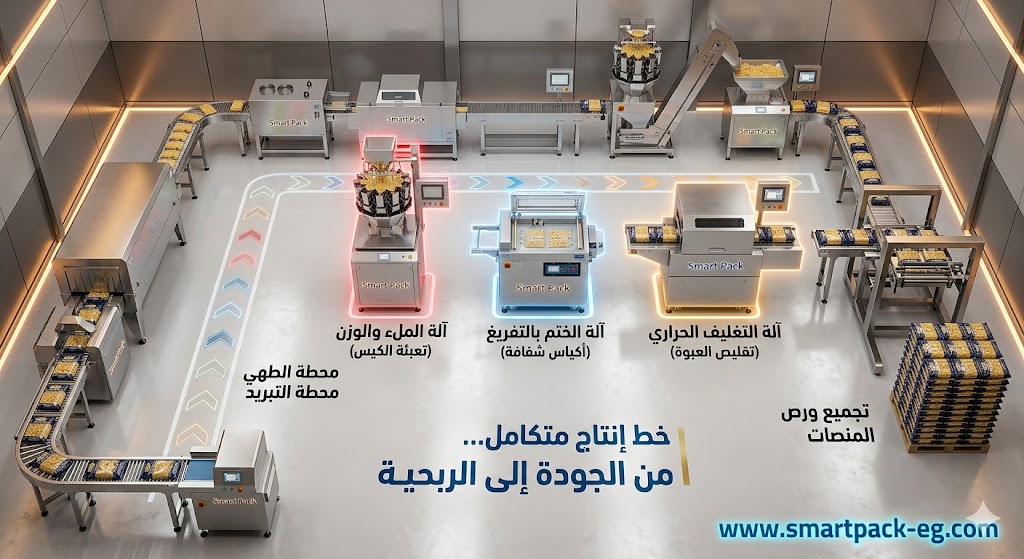
Integrate boiling and cooling as one process
Test texture regularly
Standardize operating procedures
Choose filling systems designed for semi-solid foods
These practices create a stable, flexible, and scalable production environment.
Why Smart Pack Solutions Support Better Control and Profitability
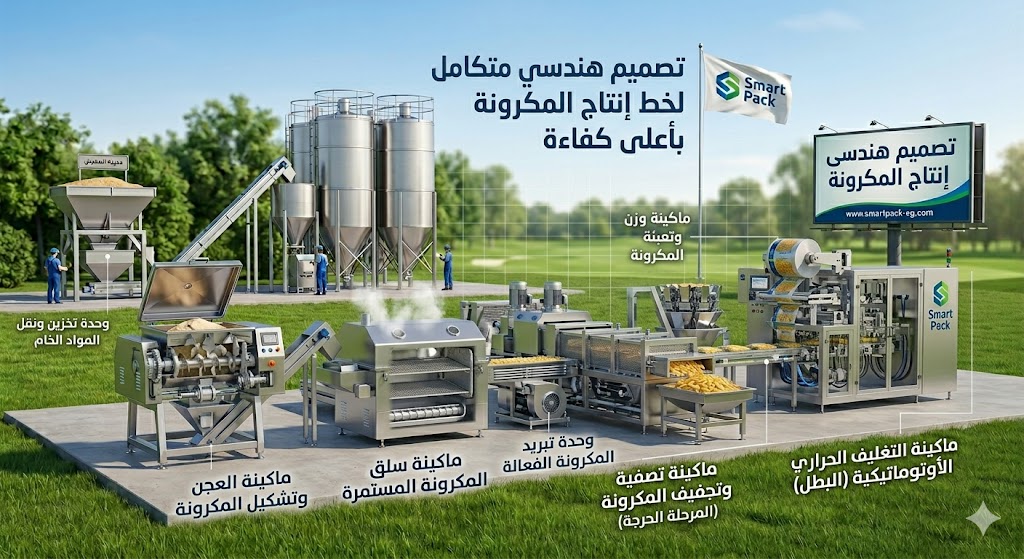
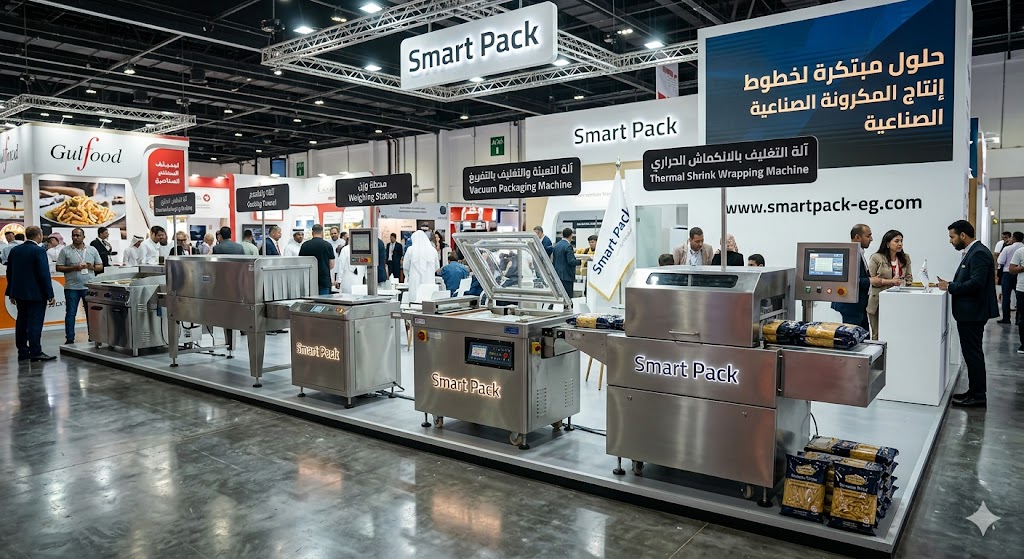
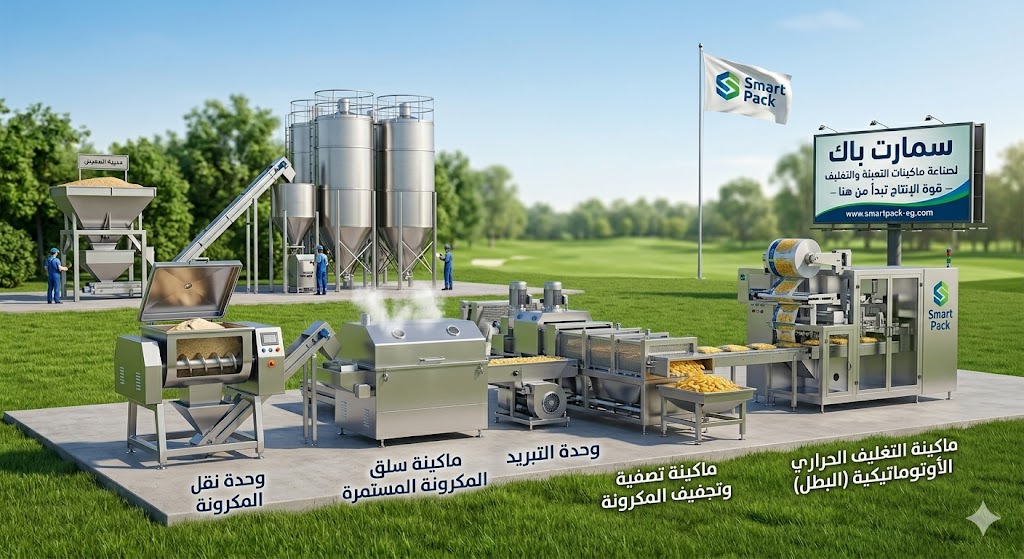
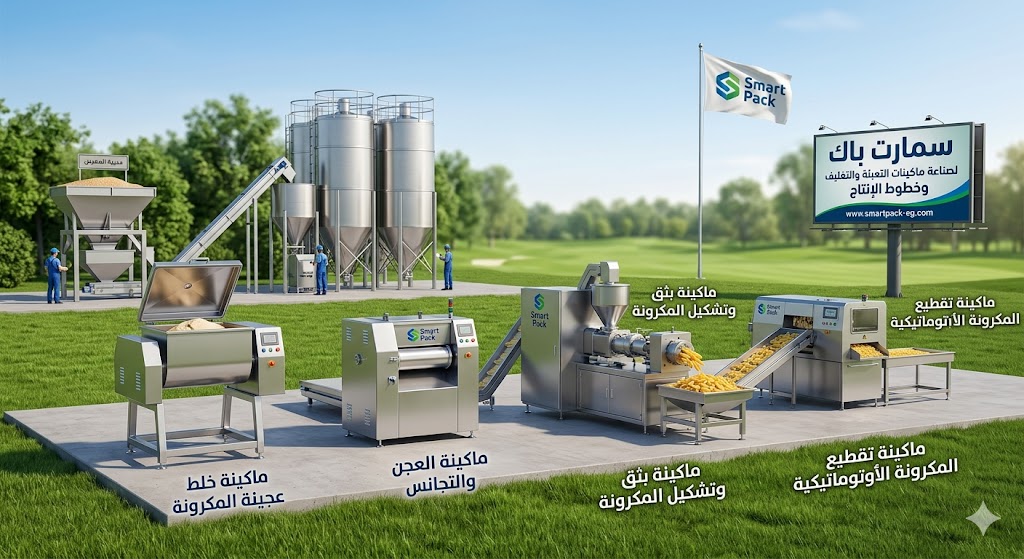
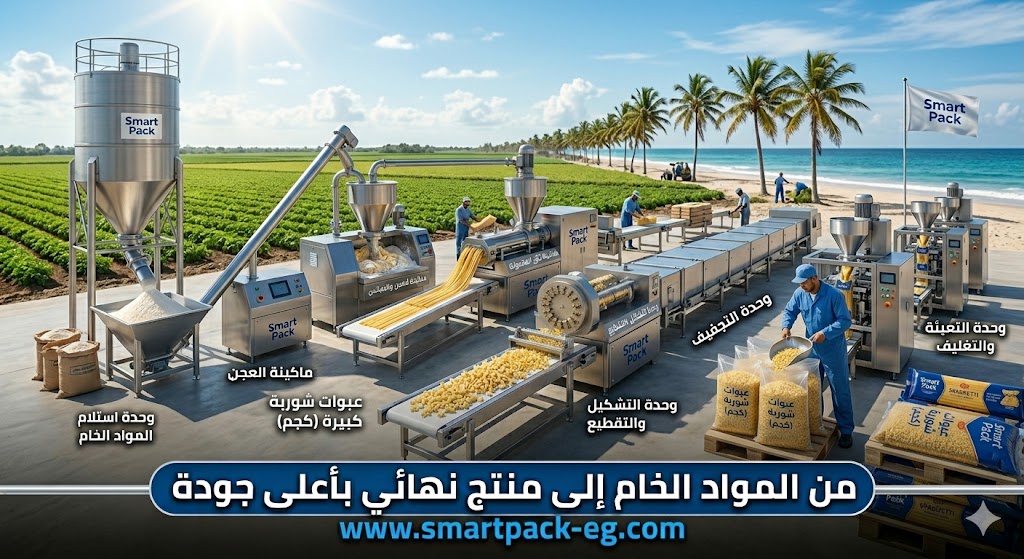
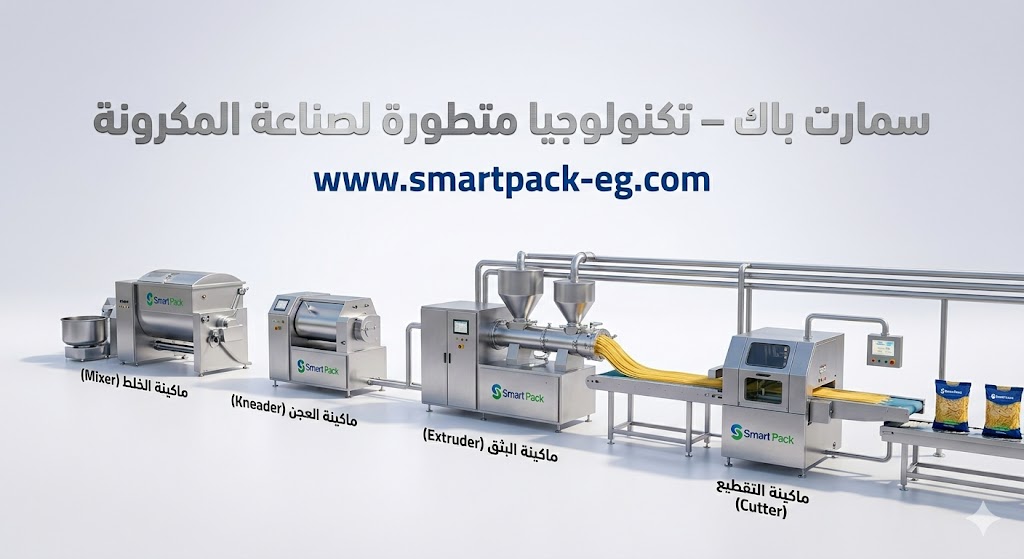
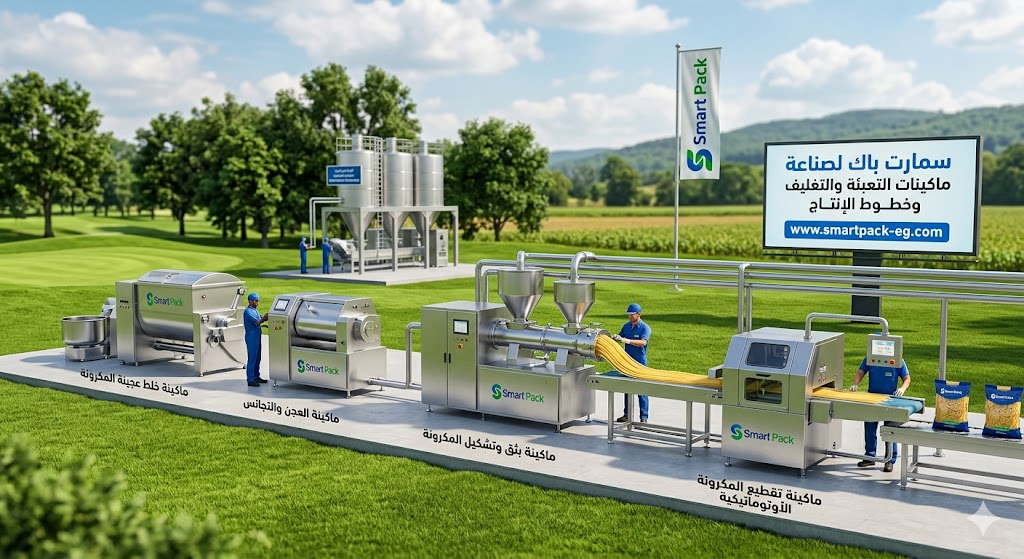
Smart Pack provides integrated production and packaging lines for ready meals that synchronize boiling, cooling, and filling stages. Their systems deliver stable product flow, precise weights, and minimal waste — directly supporting sustainable profitability and faster ROI.
Frequently Asked Questions
What is the ideal pasta boiling time in commercial manufacturing
Typically 3–6 minutes depending on product type, targeting controlled partial cooking.
How does boiling time affect quality control
Proper timing maintains texture, prevents breakage, and stabilizes post-packaging performance.
How does boiling time impact profitability
It reduces waste, minimizes returns, and improves line efficiency.
Does boiling time vary between production lines
Yes, it depends on cooker design, line speed, and post-processing methods.
How does professional packaging improve results after boiling
It protects texture, maintains weight accuracy, and enhances shelf appeal.
If you aim for consistent quality and sustainable profits in ready meals, mastering pasta boiling time and integrating it with a professional production and packaging line is a game-changing move for your factory.