 Admin
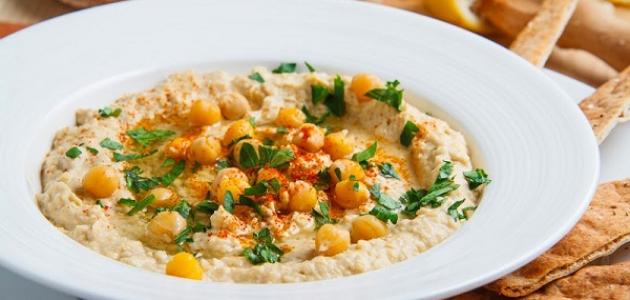
Admin Ready-to-Eat Hummus with Tahini – Restaurant Style
High-Profit Food Business with an Integrated Production Line
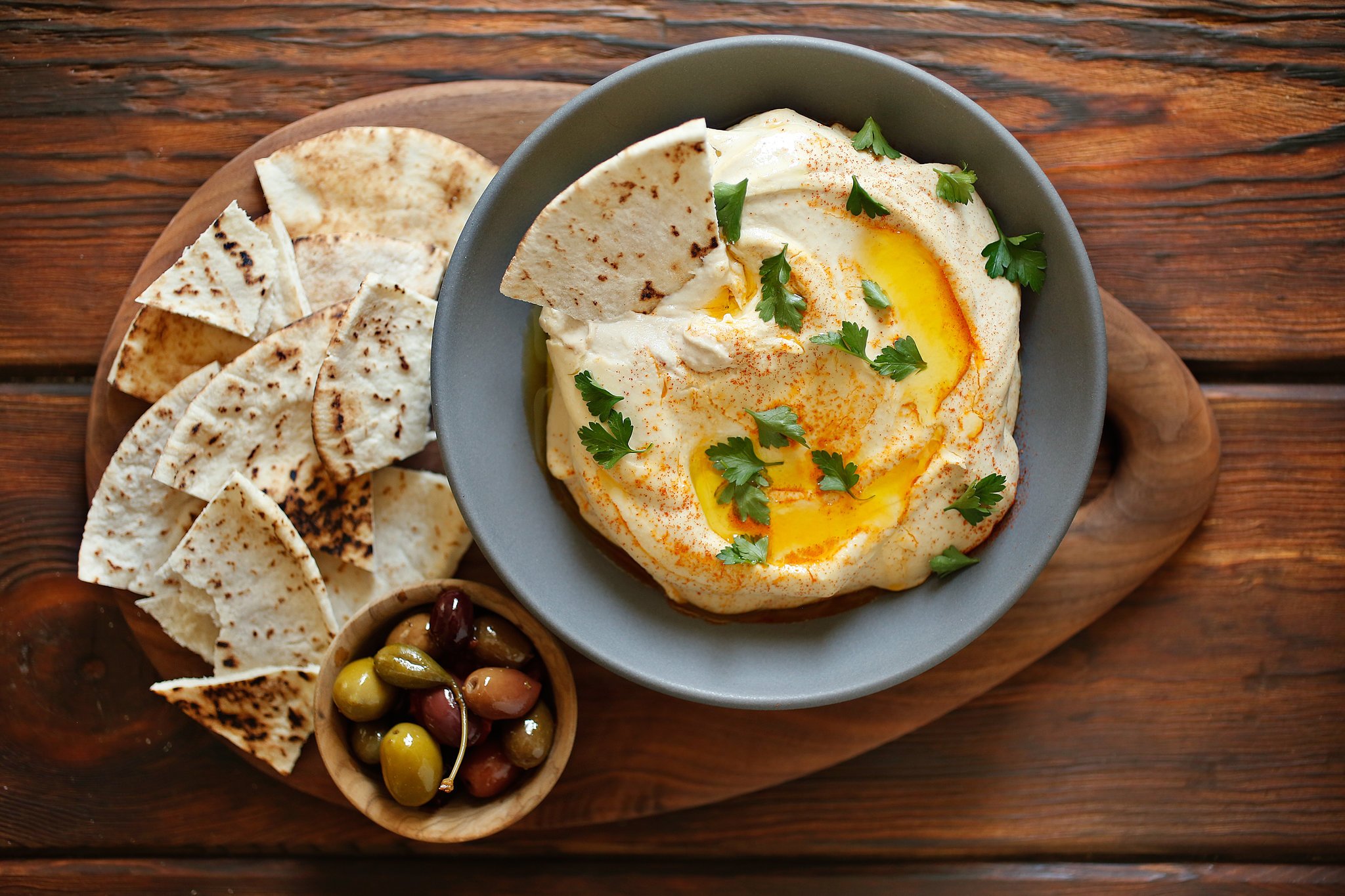
Turning restaurant-style hummus with tahini into a ready-to-eat retail product is no longer just a kitchen recipe — it’s a scalable food business opportunity. With an integrated food production line and professional packaging, you can deliver consistent taste, smooth texture, fast output, and extended shelf life suitable for local distribution and export markets.
The real secret is not only flavor, but texture stability, production efficiency, and reliable packaging that protects quality from factory to shelf.
Why Ready Hummus with Tahini Is a High-Demand Product
4
Demand for this category keeps growing worldwide.
-
Increasing global demand for plant-based and ready foods
-
Daily consumption in restaurants and retail
-
High added value when professionally packaged
-
Easy diversification into flavors and sizes
-
Fast turnover with stable profit margins
This combination makes hummus a reliable and repeat-purchase product.
Core Ingredients for Industrial “Restaurant-Style” Hummus
-
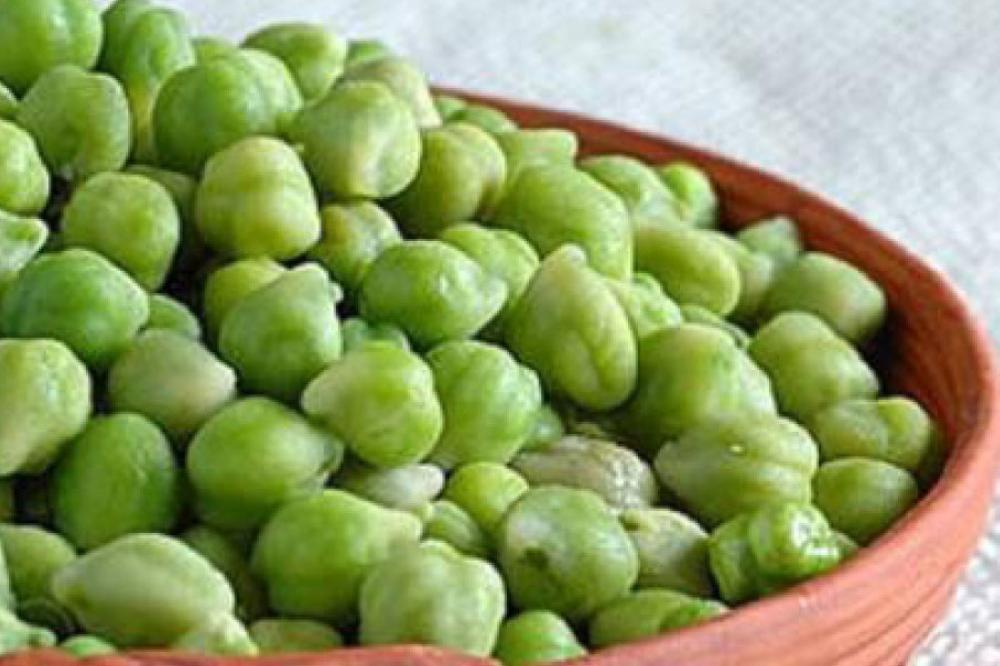
Uniform, high-protein chickpeas
-
Smooth, stable tahini paste
-
Treated water with precise moisture control
-
Natural lemon juice or food-grade concentrate
-
Fresh garlic or garlic paste
-
Food-grade salt
-
Optional approved stabilizers for export
Careful ingredient control guarantees a creamy, stable texture that does not separate inside the package.
Flavor Secrets at Industrial Scale
-
Controlled cooking for soft chickpeas without excessive viscosity
-
High-speed grinding and homogenization for a creamy mouthfeel
-
Gradual tahini addition with temperature control
-
Balanced lemon and salt before filling
-
Texture testing after cooling
These steps eliminate batch-to-batch variation and maintain restaurant-quality taste.
Manufacturing Stages on an Integrated Food Production Line
4
A structured production flow ensures efficiency and consistency.
-
Chickpea sorting and washing
-
Soaking and thermal-controlled cooking
-
Draining and moisture adjustment
-
Grinding and blending with tahini and ingredients
-
High homogenization for smoothness
-
Final flavor and texture adjustment
-
Hygienic transfer directly to packaging
This process minimizes waste and maximizes productivity.
Specifications of the Ideal Production Line
-
Stainless steel cooking kettles with flexible capacities
-
High-efficiency food mixers and grinders
-
Homogenizing units to prevent oil separation
-
Hygienic transfer systems to reduce contamination
-
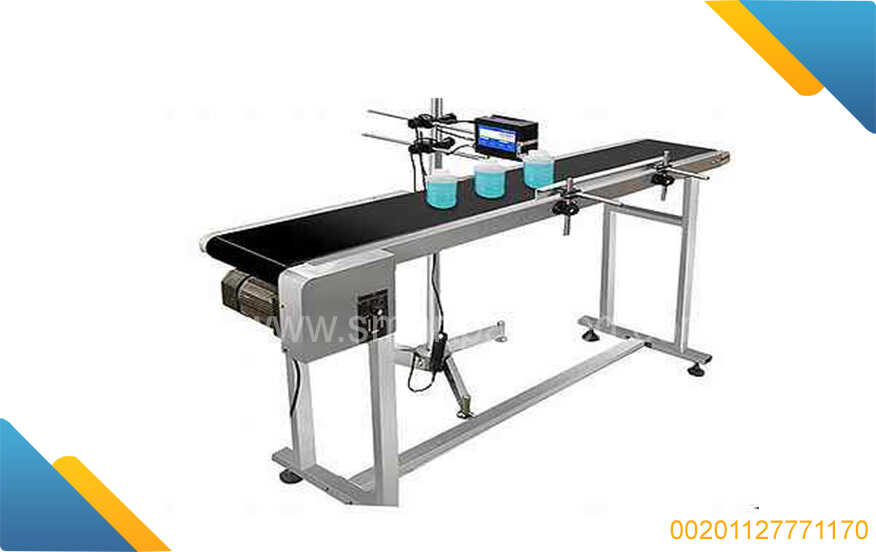
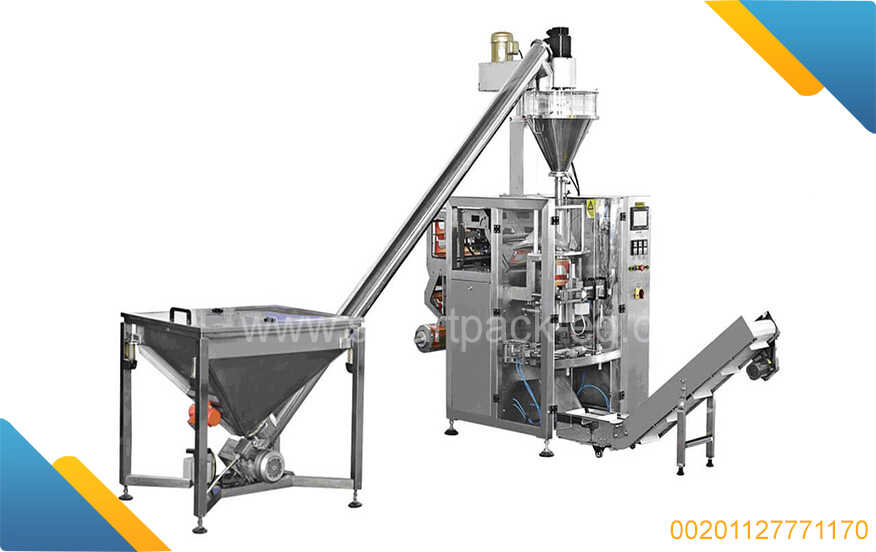
Direct integration with filling and packaging machines
A fully integrated line reduces downtime and increases output.
Packaging and Sealing – The Decisive Success Factor
4
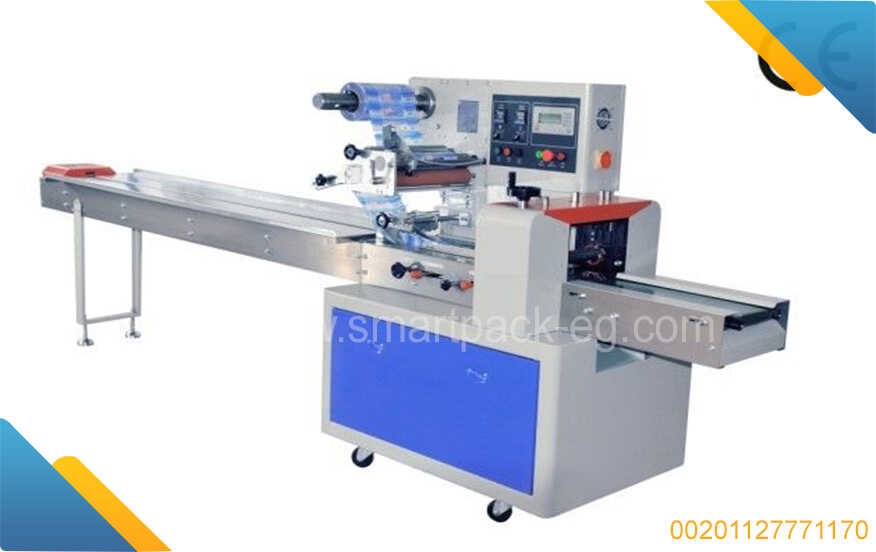
Packaging directly impacts product value and export acceptance.
-
Leak-proof containers prevent contamination
-
Sealing systems extend shelf life
-
Modified Atmosphere Packaging (MAP) options
-
Different sizes for retail and food service
-
Attractive design that justifies premium pricing
Professional packaging turns hummus into a premium retail product.
Manual Production vs Integrated Line
| Comparison Factor | Manual Production | Integrated Line |
|---|---|---|
| Texture consistency | Variable | Stable |
| Shelf life | Short | Longer |
| Retail readiness | Weak | High |
| Waste levels | High | Low |
| Profit margin | Limited | Higher |
Industrial automation clearly delivers better and more predictable profits.
Target Markets Served by the Same Line
-
Retail stores with small attractive cups
-
Restaurants with bulk economical packs
-
Export markets with sealed, longer shelf-life packaging
-
Online sales with clear labeling
-
Private label brands
One flexible line can serve all markets simply by changing the packaging format.
Simplified Profitability Drivers
-
Lower unit costs with higher speed
-
Reduced waste through homogenization and precise filling
-
Higher selling prices for ready-to-eat products
-
Repeat purchases due to consistent quality
-
Easy scaling without major equipment changes
The result is strong and sustainable ROI.
Common Mistakes That Reduce Returns
-
Ignoring texture stability after cooling
-
Using unstable tahini causing separation
-
Poor sealing for distribution
-
Non-hygienic or inflexible lines
-
Skipping transport and shelf-life testing
Avoiding these mistakes protects both reputation and profits.
Why Smart Pack Is a Smart Starting Point
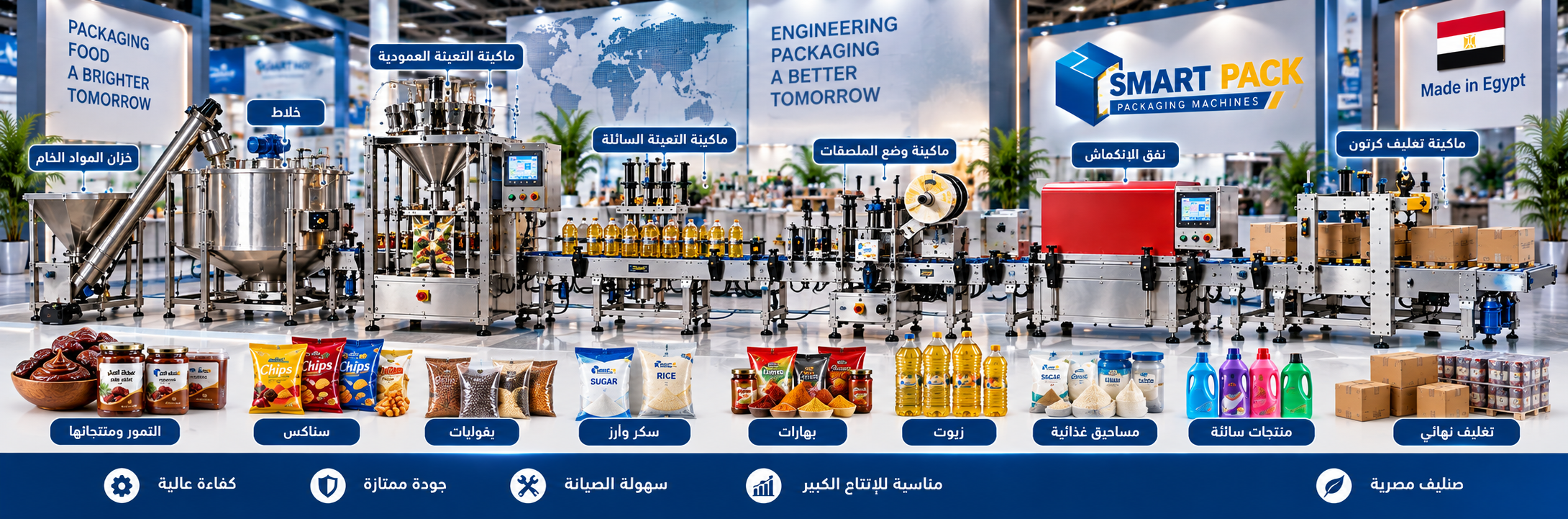
Smart Pack provides advanced filling, packaging, and food production lines for semi-liquid products like hummus, offering:
-
High weighing accuracy
-
Hygienic, airtight filling
-
Flexible sizes for retail and food service
-
Stable operation with minimal waste
-
Technical support for rapid expansion
These solutions help manufacturers launch faster, standardize quality, and scale confidently.
Frequently Asked Questions
How is restaurant-style hummus produced industrially
Through controlled cooking, fine grinding, high homogenization, and texture adjustment before filling.
Is ready hummus with tahini a high-demand product
Yes. Plant-based trends and convenience foods drive strong global demand.
How does an integrated production line improve profits
It standardizes quality, reduces waste, and increases shelf life and speed.
Does packaging affect pricing
Absolutely. Sealed, professional packaging allows higher prices and better acceptance.
How do I start a successful ready-hummus project
Use consistent ingredients, install an integrated line, and invest in professional packaging.
If you want a ready-to-eat product with restaurant-quality taste and strong export potential, hummus with tahini is a powerful opportunity. Partner with Smart Pack to build a complete production and packaging solution that reduces losses, ensures consistency, and opens profitable retail and export markets.