
 Admin
Admin Proper Operation of Filling and Packaging Machines: The Key Link Between Production and Profit
The success of any factory does not depend solely on product quality, but also on the efficiency of filling and packaging machine operations—the critical stage that connects production with sales.
Correct machine operation ensures accurate weight, tight sealing, reduced waste, and a stronger product image in both local and export markets.
When professional operation is combined with the right machine selection from a specialized supplier, packaging becomes not just an operational step—but a true profit driver.
Why Proper Operation of Filling and Packaging Machines Matters
Poorly planned machine operation leads to raw material waste, frequent downtime, customer complaints, and even rejected export shipments.
In contrast, correct operation directly improves line speed, quality consistency, and lowers operating and maintenance costs—exactly what factories seeking sustainable growth aim for.
Step One: Choosing the Right Filling Machine for Your Product
Before operating any machine, the product type must be clearly defined:
-
Liquid products
-
Powder products
-
Granular products
-
Semi-solid products
Each product type requires a different filling system—whether based on pumping, weighing, or volumetric dosing.
Choosing the wrong machine will result in unstable performance, regardless of how good the operation is.
Step Two: Proper Machine Setup Before Operation
Professional operation always starts with correct preparation, including:
-
Thorough cleaning of all product-contact parts
-
Inspecting moving components and ensuring proper fastening
-
Checking air and electrical system readiness
-
Adjusting molds or filling nozzles according to package size
This stage prevents unexpected breakdowns and ensures a stable production start.
Step Three: Accurate Weight or Volume Adjustment
Weight or volume calibration is the most critical factor in package quality. Poor calibration leads to:
-
Increased raw material consumption
-
Non-compliance with specifications
-
Legal and regulatory issues in export markets
Settings are entered via the machine control panel, with multiple test packs produced before full-scale operation begins.
Step Four: Actual Operation and Performance Monitoring
Once operation starts, it is essential to:
-
Monitor product flow into packages
-
Ensure proper sealing or welding
-
Check for stable speed and absence of vibration
Operating without continuous monitoring allows errors to accumulate, making them harder to correct later.
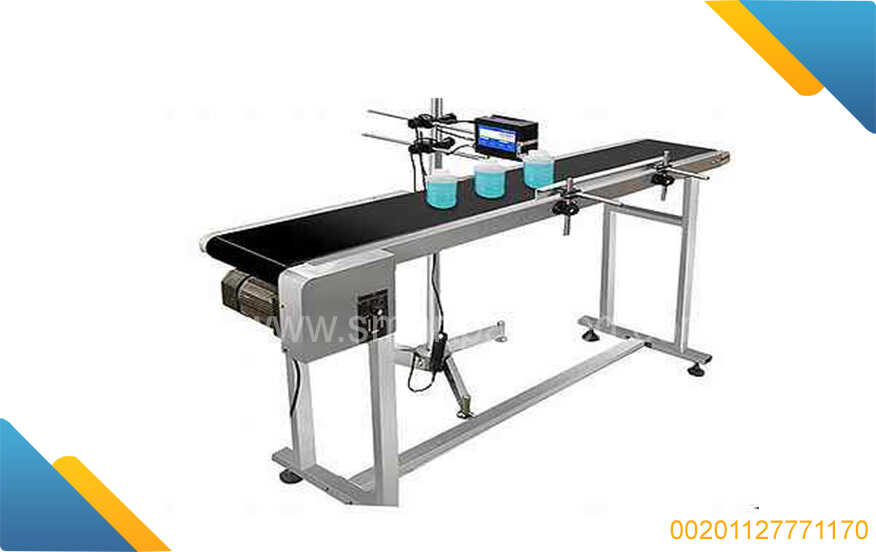
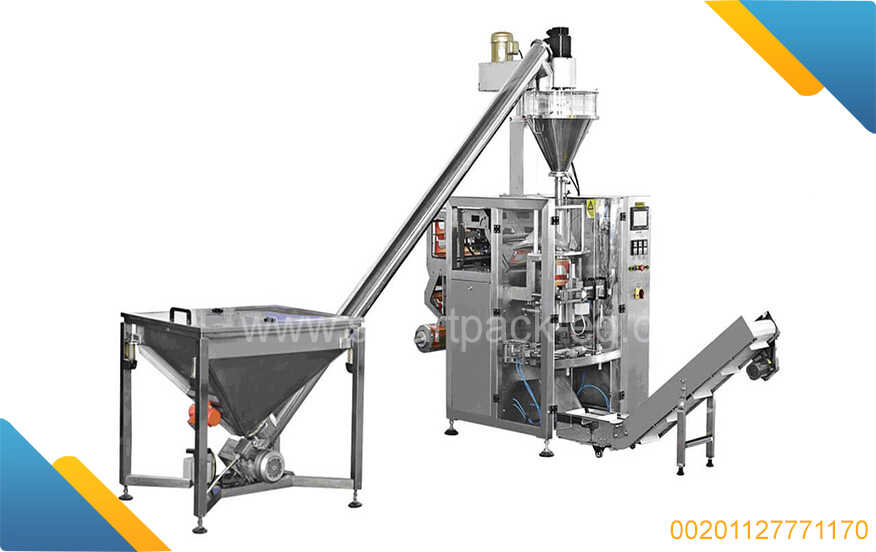
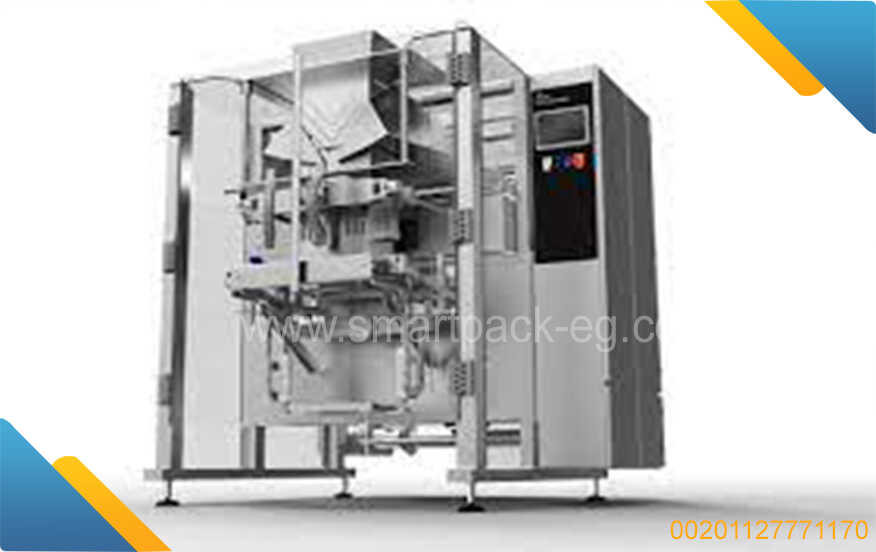
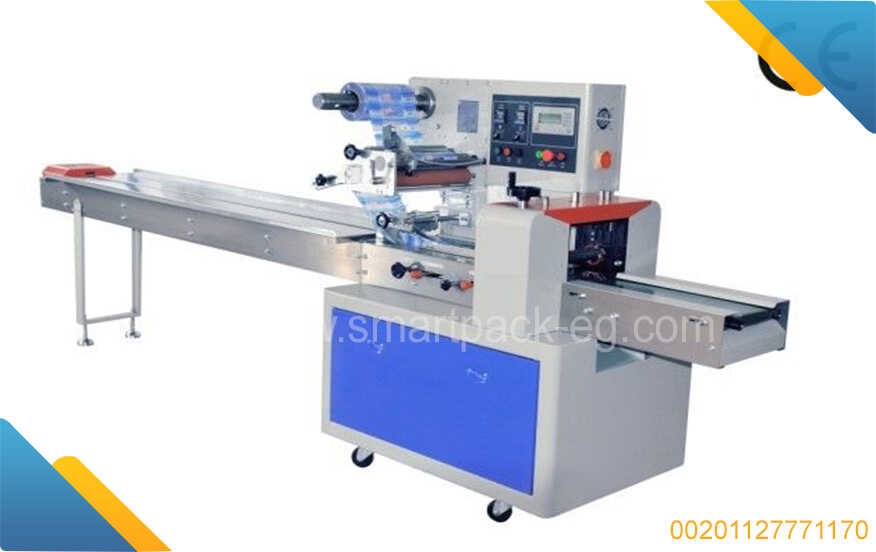
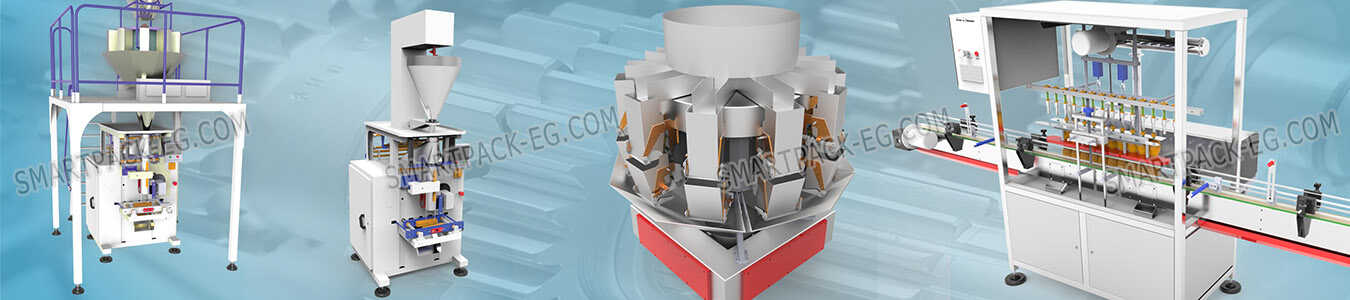
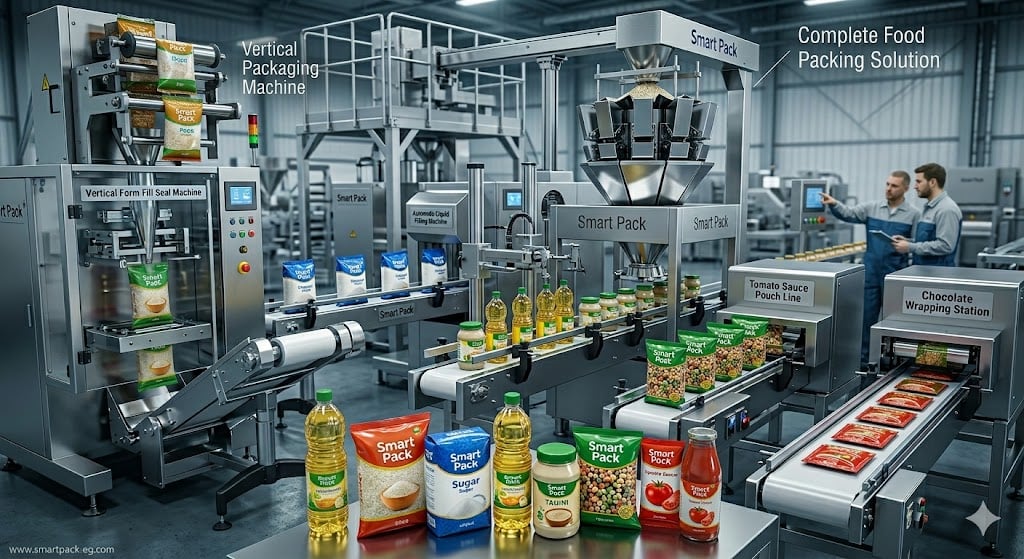
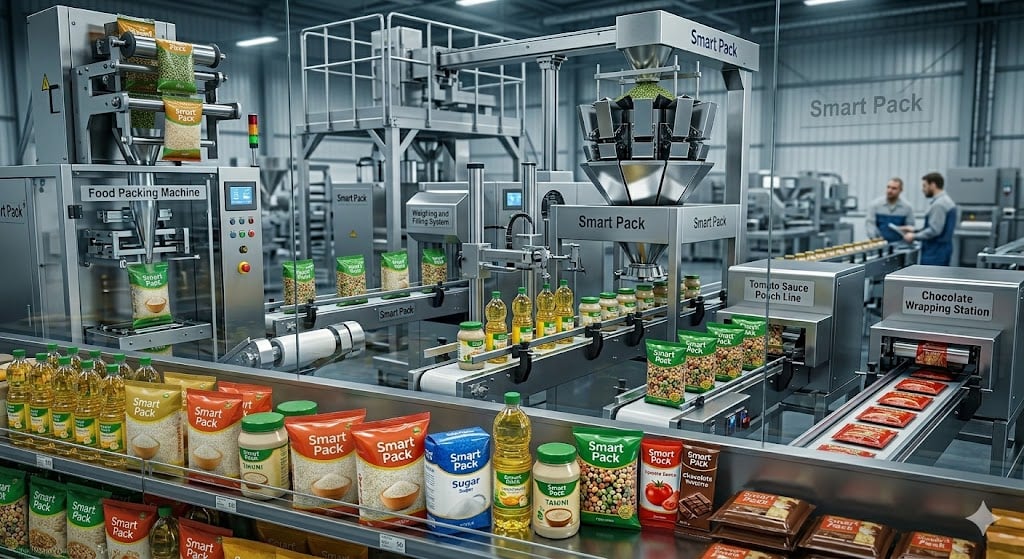
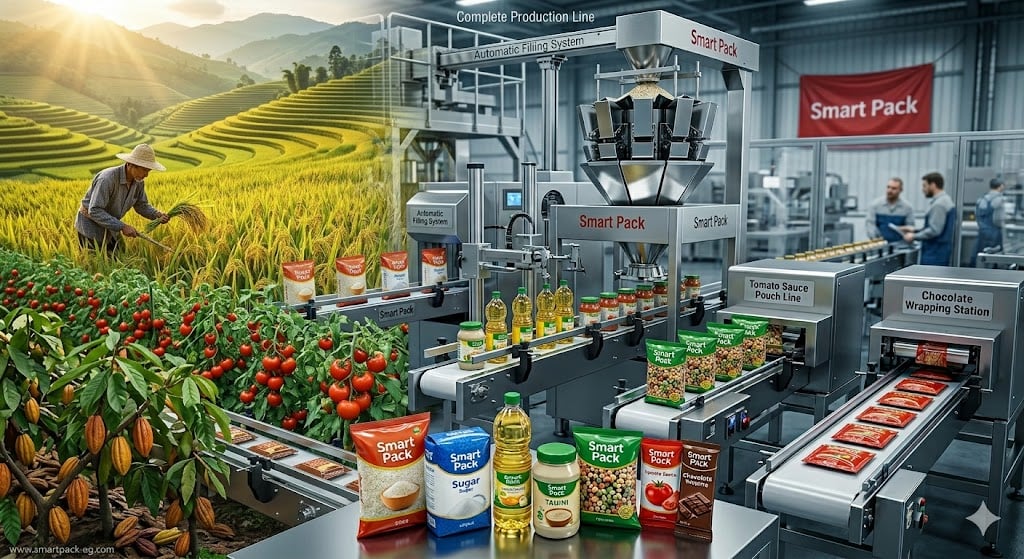
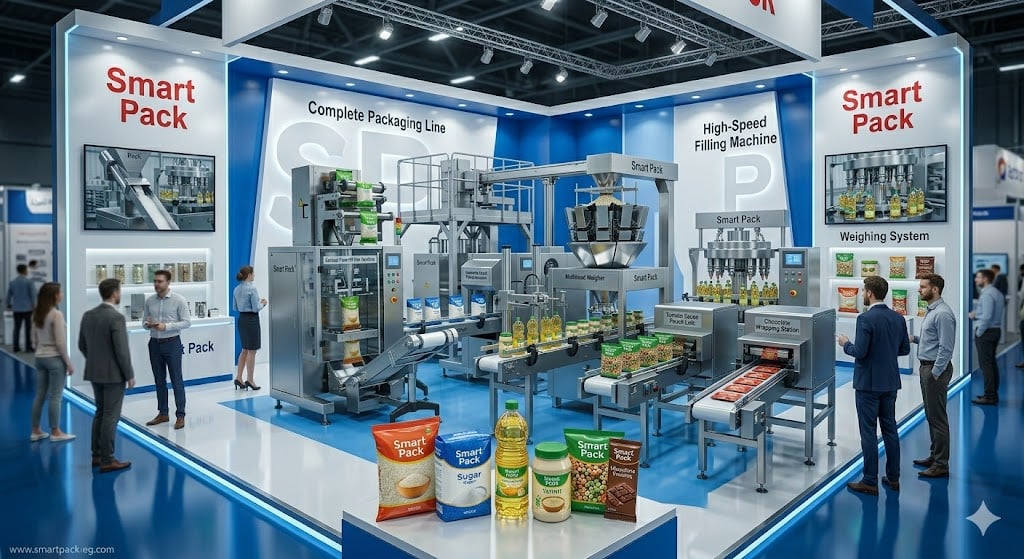
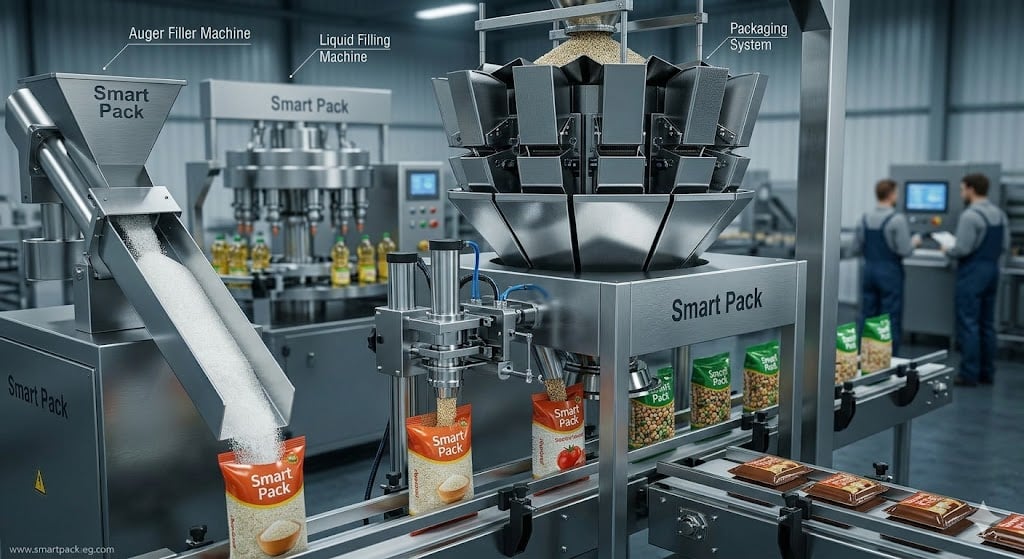
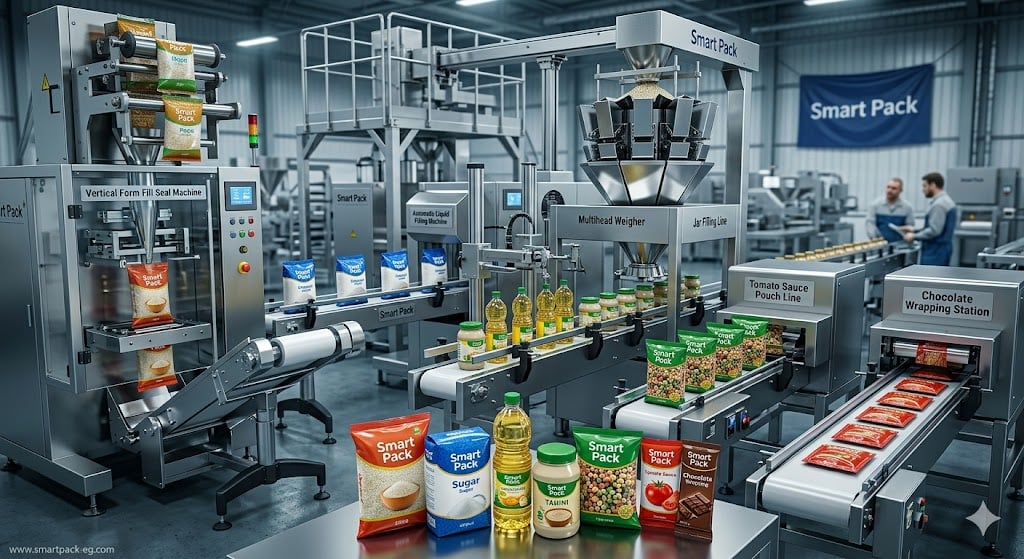
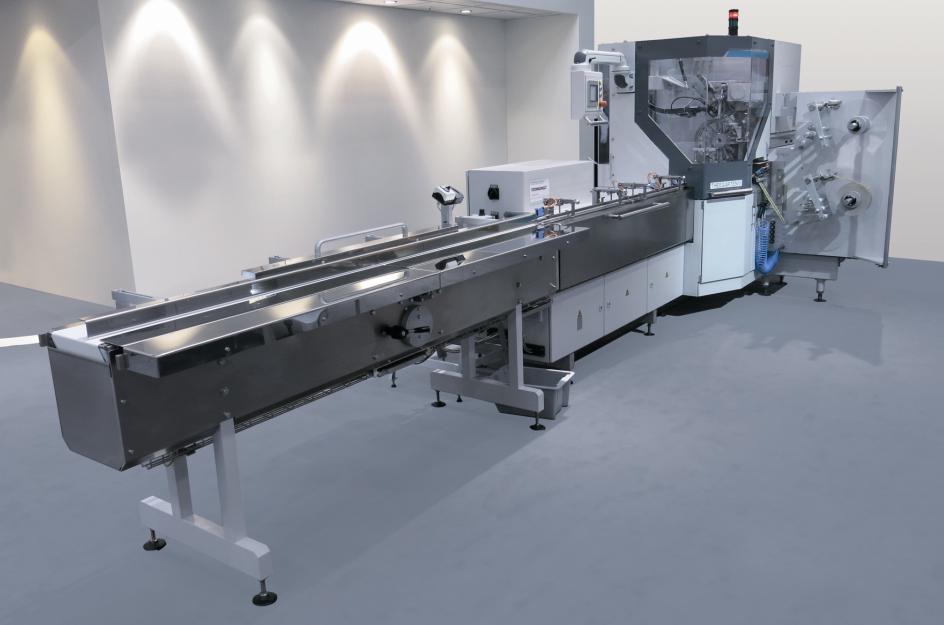
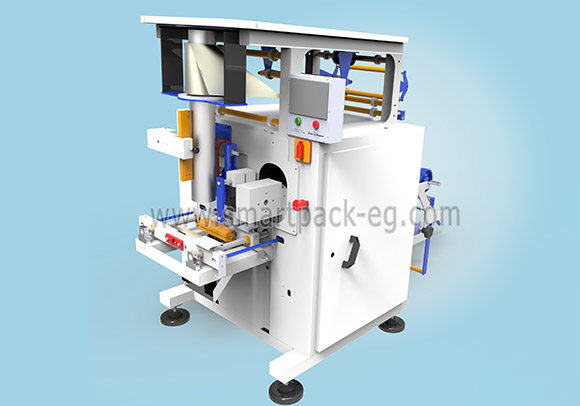
Visual Examples of Filling and Packaging Machines
Step Five: In-Process Quality Inspection
Regular quality checks during operation should include:
-
Package weight verification
-
Seal integrity inspection
-
Product cleanliness inside the package
This simple procedure significantly reduces returns and builds customer trust.
Step Six: Smart Adjustments During Operation
If you notice:
-
Weight variations
-
Weak sealing
-
Changes in line speed
Adjustments should be made directly via the control panel without stopping the entire line.
This requires trained operators who understand the machine—not just how to start it.
Step Seven: Cleaning and Maintenance After Operation
At the end of each shift:
-
Clean the machine thoroughly
-
Inspect wear-prone components
-
Record any technical observations
Preventive maintenance reduces breakdowns, extends machine lifespan, and lowers repair costs.
How Proper Operation Directly Increases Profit
Correct operation leads to:
-
Reduced waste
-
Higher production speed
-
Fewer stoppages
-
Better package quality
-
Greater market acceptance
Each of these points directly translates into a higher profit margin.
Combining Proper Operation with the Right Supplier
Even the best operating practices will not deliver results without machines designed for continuous industrial use.
That’s why successful factories rely on specialized suppliers such as Smart Pack, who provide:
-
Machines tailored to product characteristics
-
Technical support and operator training
-
Future line upgrade possibilities
-
Compliance with local and export market requirements
Best Operational Practices for Factories
-
Understand the product before setting the machine
-
Never start operation without test runs
-
Train operators on the machine itself
-
Never neglect preventive maintenance
-
Work with a supplier that offers real technical support
Frequently Asked Questions
Does machine operation affect export readiness?
Yes. Any error in weight or sealing can result in shipment rejection.
Can multiple products be run on the same machine?
Yes, if a flexible and adjustable machine is selected.
What is the main cause of repeated breakdowns?
Incorrect setup and lack of regular maintenance.
Is operator training necessary?
Absolutely. Training significantly reduces errors and improves line efficiency.
Why is choosing a specialized supplier important?
To ensure stable operation and long-term technical support.
Conclusion
Proper operation of filling and packaging machines is not just a technical procedure—it is a production strategy that directly impacts quality, market performance, and export success.
When professional operation is combined with industrial-grade machines from a specialized supplier, the packaging line becomes a true competitive advantage, boosting factory profitability and strengthening its market position.