 Admin
Admin Sesame Processing and Packaging Investment: A Profitable Industrial Opportunity for Modern Factories
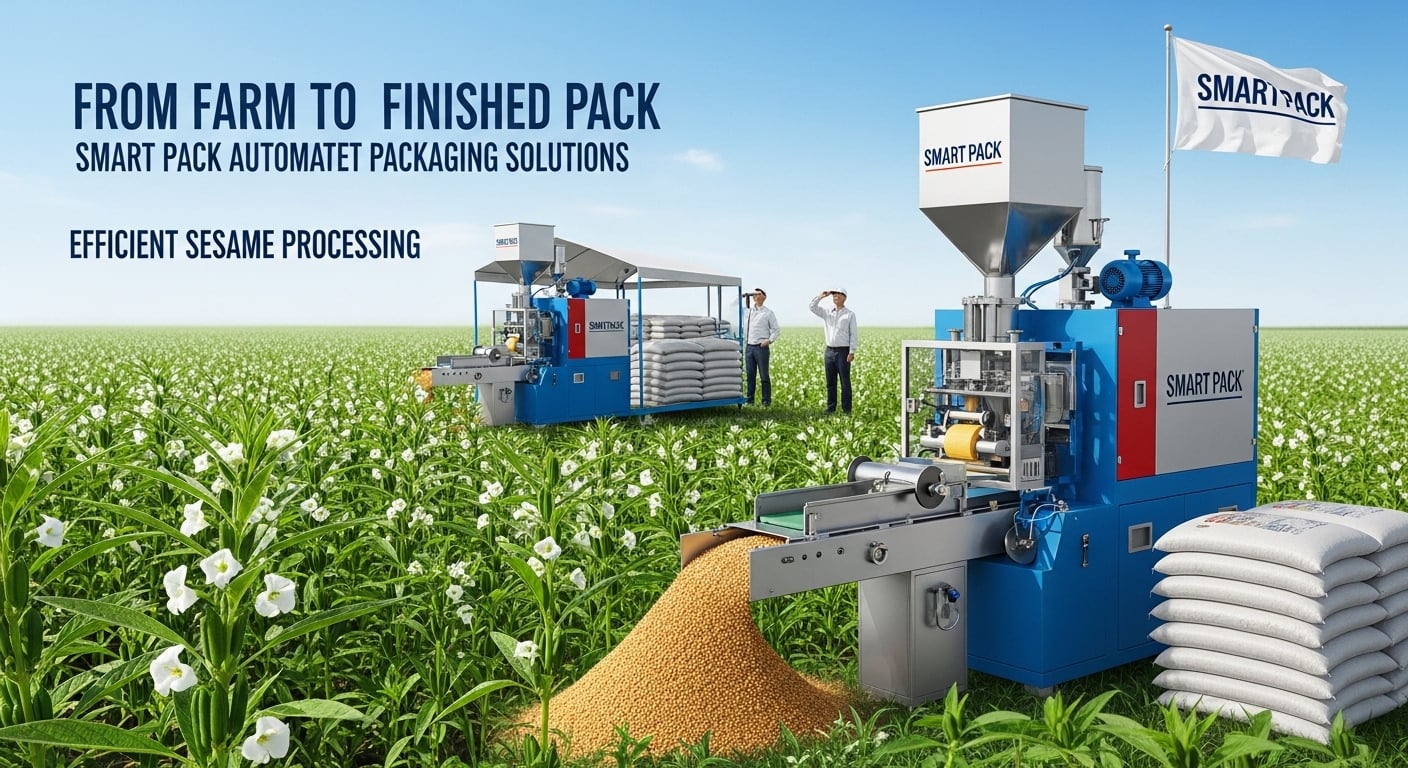
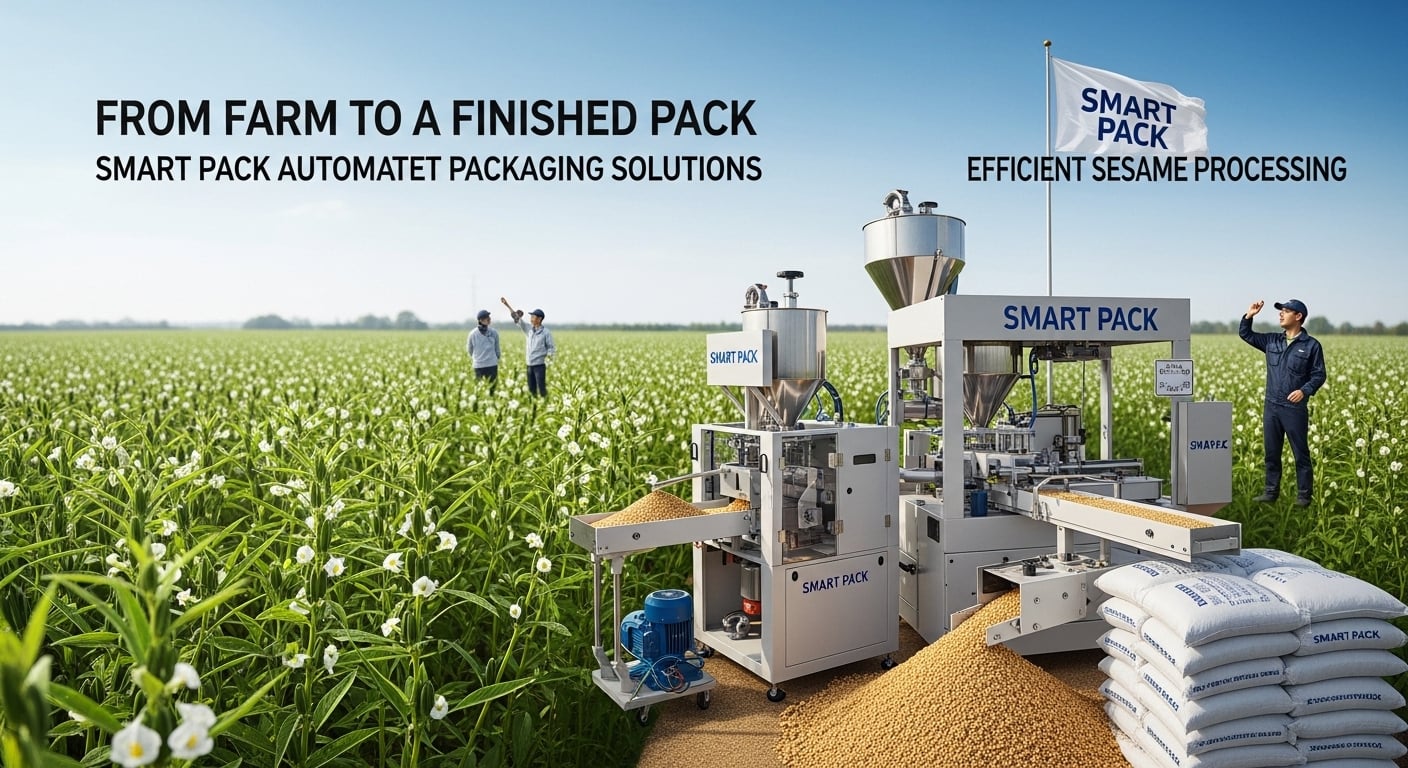
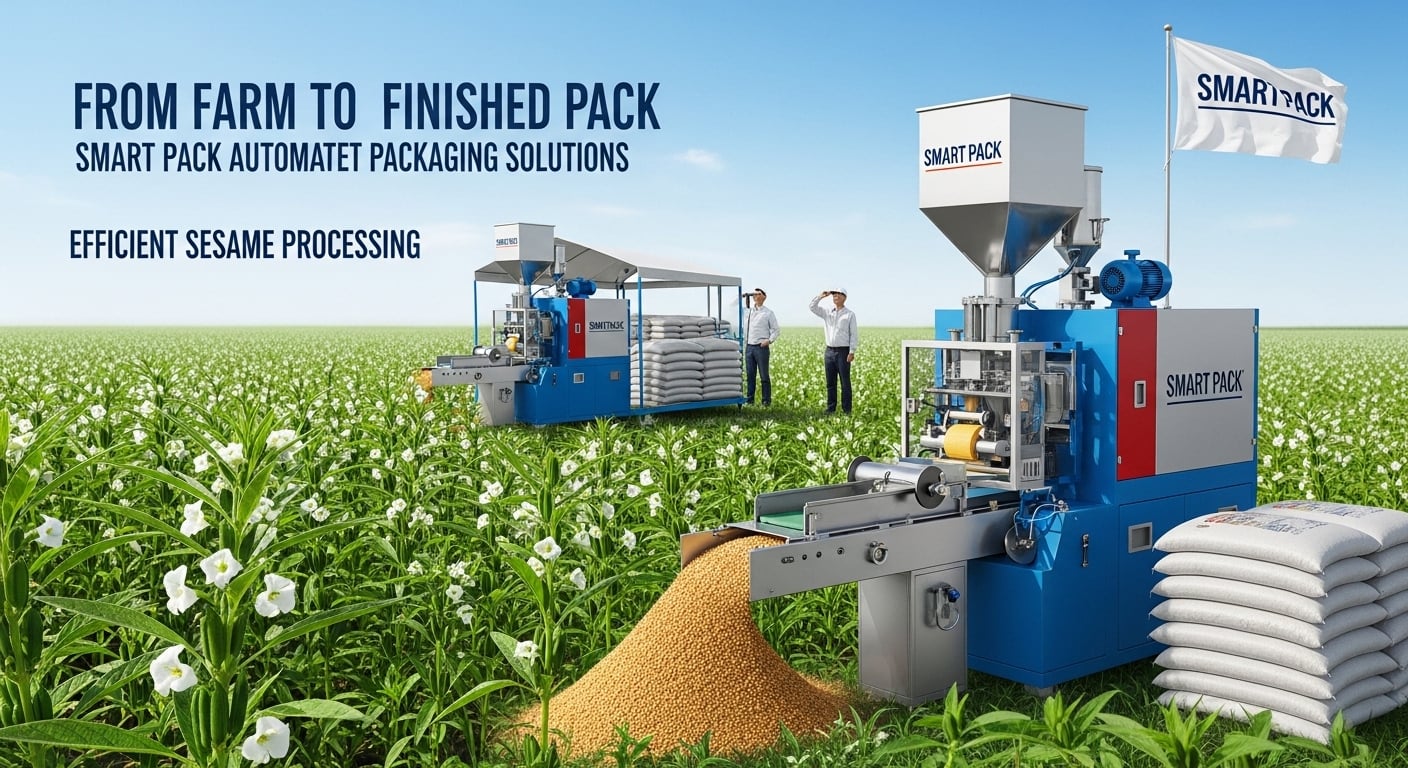
Investing in the sesame industry is no longer just a raw material trade. Today, it has become a fully integrated industrial project capable of generating strong profits when implemented with a well-planned production line and precise filling machines.
The growing demand for sesame and its derivatives in both local and export markets makes this sector a real opportunity for factories seeking a fast-moving, scalable food product.
When sesame quality is combined with a professional production line and market-oriented packaging, the factory transforms into a competitive production entity with sustainable returns.
The Importance of Sesame as a Strategic Raw Material for Factories
Sesame is one of the most important multi-purpose agricultural crops. It is widely used in food manufacturing, confectionery, bakery products, oils, and export-oriented goods, giving factories great flexibility in product diversification and income growth.
Sesame is also relatively easy to store and has a long shelf life when properly packaged, reducing waste and supporting long-term commercial expansion.
Sesame Processing Applications Inside Factories
Whole Sesame Seeds
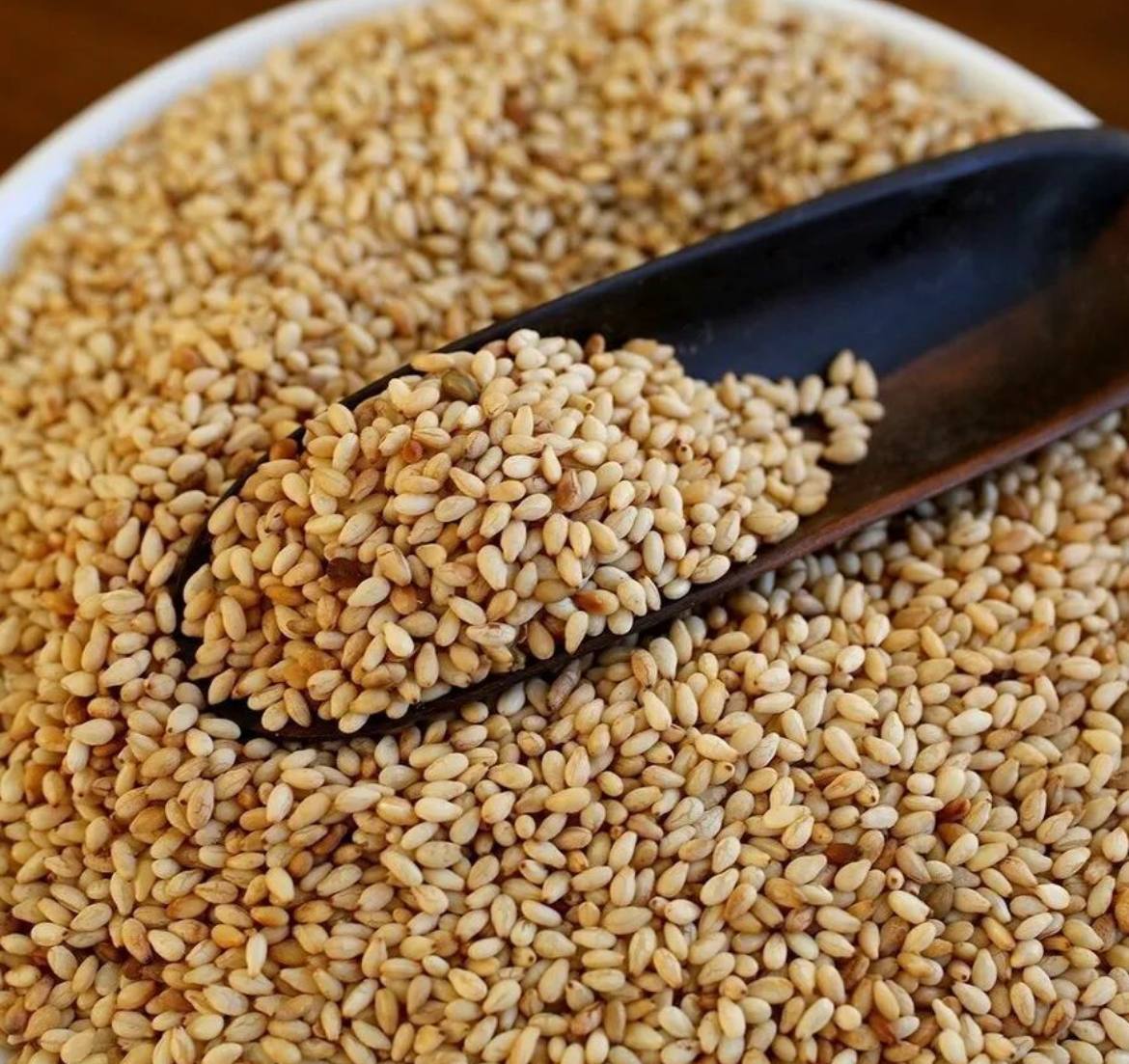
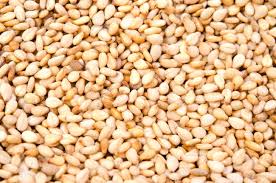
Marketed directly to local and export markets, requiring precise cleaning and packaging to preserve weight and appearance.
Sesame Oil
A high-value product that requires accurate pressing, filtration, and hygienic filling processes in compliance with food safety standards.
Sesame-Derived Products
Including tahini, sesame halva, and various food applications, all of which offer high profit margins when produced industrially.
Stages of the Sesame Production Line in Factories
Receiving and Sorting
Raw sesame is received and sorted to remove impurities and ensure consistent input quality.
Cleaning and Drying
A critical stage to ensure product safety and improve storage characteristics.
Roasting or Processing
Applied according to the final product type, especially in tahini and sesame oil production.
Filling
The filling machine is selected based on product form—seeds, liquid oil, or semi-liquid products.
Packaging and Market Preparation
The stage that determines the product’s readiness for local sales or export.
Suitable Filling Machines for Sesame Products
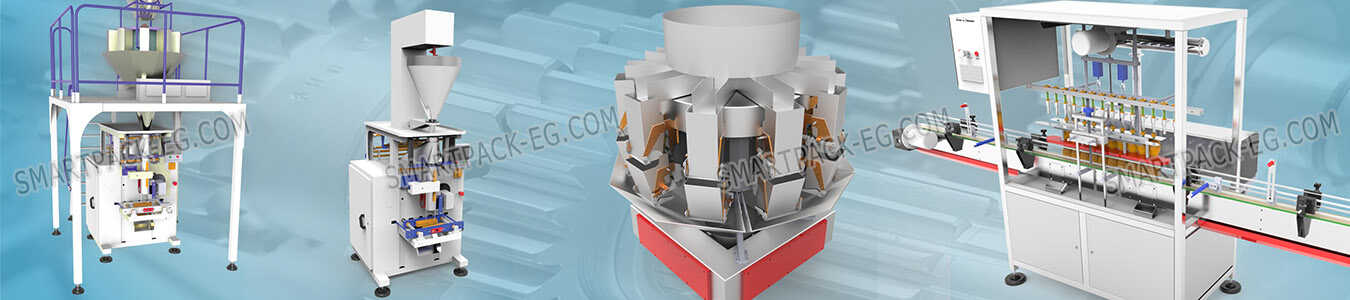
Choosing the right filling machine directly affects weight accuracy, quality consistency, and waste reduction—making it a key factor in factory profitability.
Types of Filling Machines Used
-
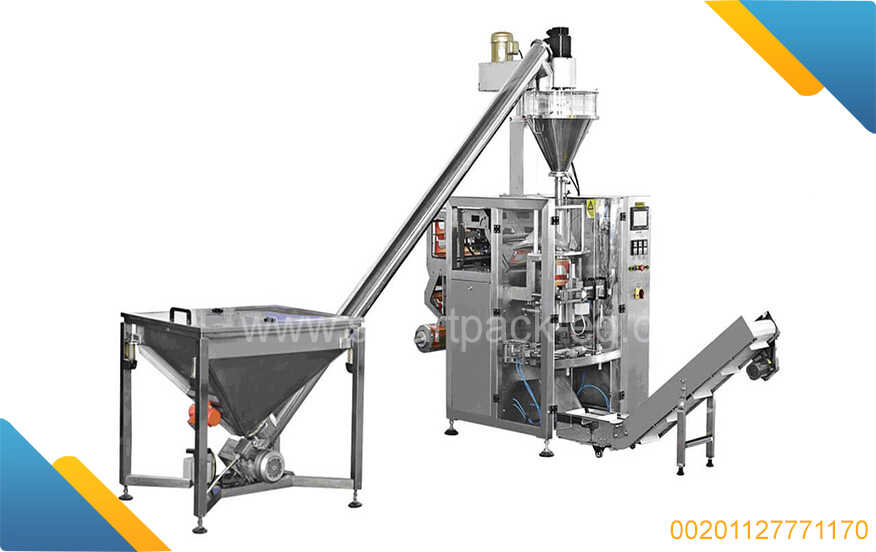
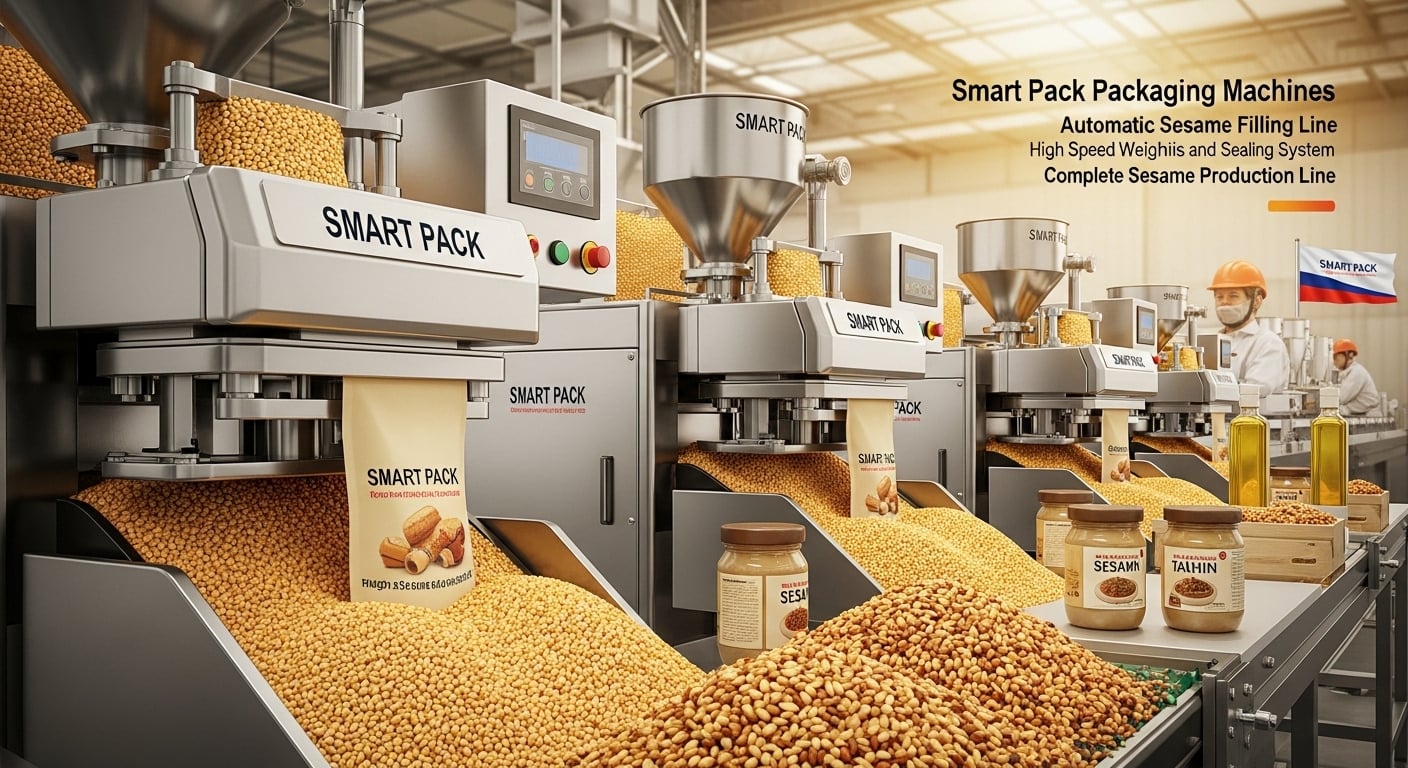
Granule filling machines for sesame seeds
-
Liquid filling machines for sesame oil
-
Semi-liquid filling machines for tahini and dense sesame products
Sesame Filling Machines and Operational Specifications
| Filling Machine Type | Sesame Products Served | Production Capacity | Direct Impact on Profitability |
|---|---|---|---|
| Automatic Granule Filling Machine | Cleaned whole sesame seeds | Stable operation with high weight accuracy | Reduced waste and increased customer trust |
| Liquid Filling Machine | Pressed and filtered sesame oil | Precise filling, easy cleaning, hygienic design | Export readiness and higher market value |
| Semi-Liquid Filling Machine | Tahini and thick sesame products | Accurate portion control with leak prevention | Improved final product quality |
Packaging Machines and Their Role in Marketing Sesame Products
Proper packaging protects sesame products from moisture and damage while giving them a professional appearance that enhances acceptance in international markets.
Types of Packaging Machines Used
-
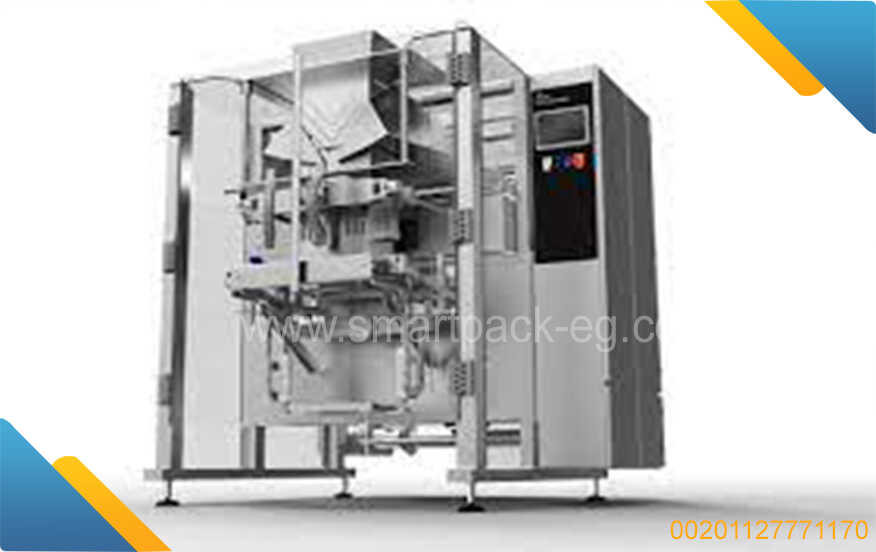
Bag packaging machines for small units
-
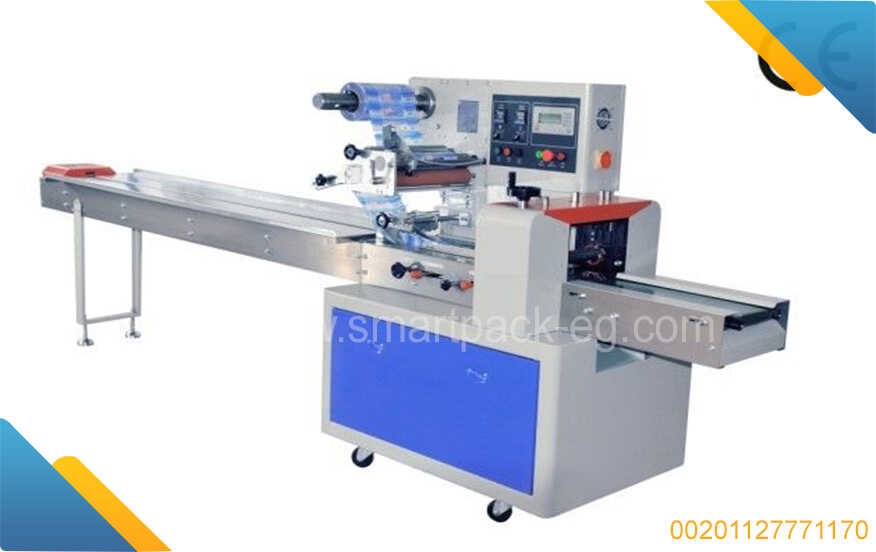
Shrink wrapping machines for grouped products
-
Carton packaging machines for export shipping
Industrial Packaging Machines for Sesame Products
| Packaging Machine Type | Factory Use | Marketing Benefit | Export Relevance |
|---|---|---|---|
| Bag Packaging Machine | Small and medium sesame packs | Improved shelf appearance and display | Suitable for local markets |
| Shrink Wrapping Machine | Bundling multiple units | Protection during transport and reduced damage | Required by distribution chains |
| Carton Packaging Machine | Export shipment preparation | Full protection during long-distance shipping | Essential for international export |
Integrated Sesame Production Line for Factories
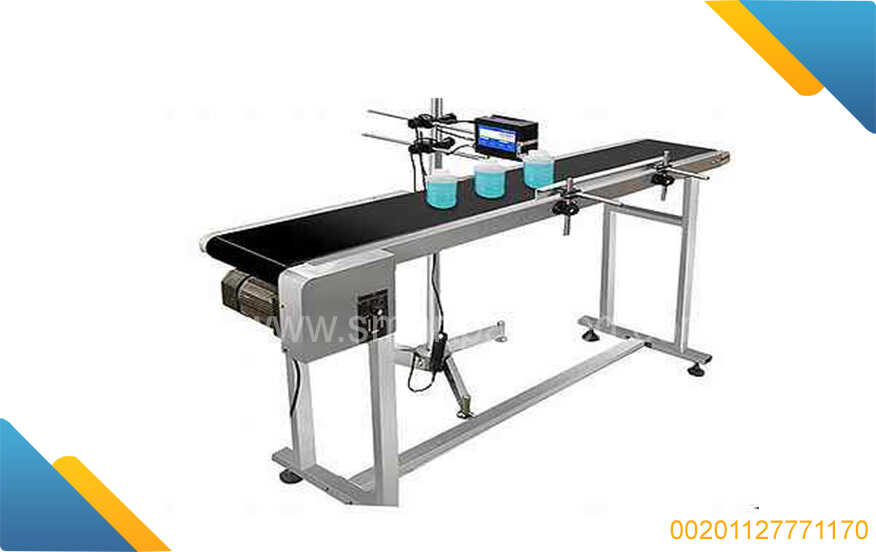
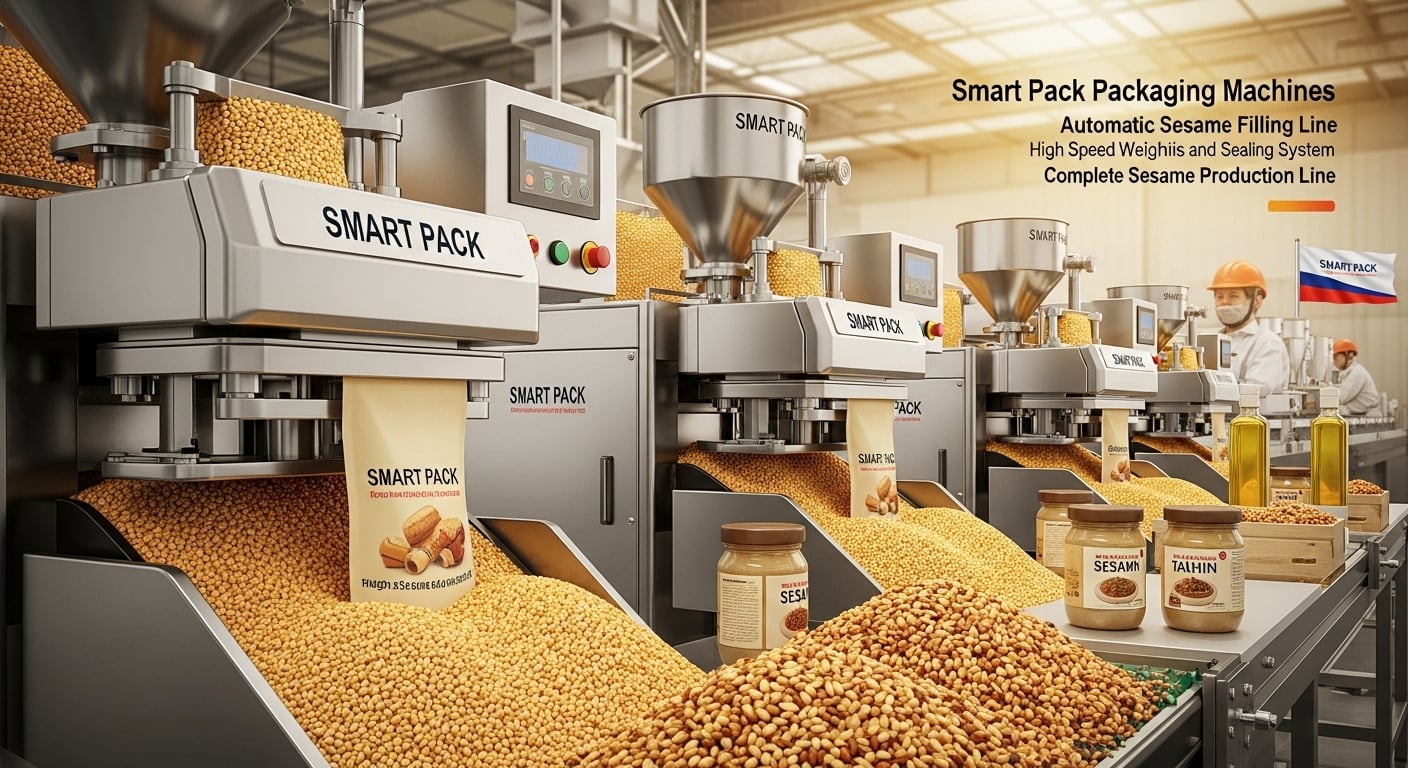
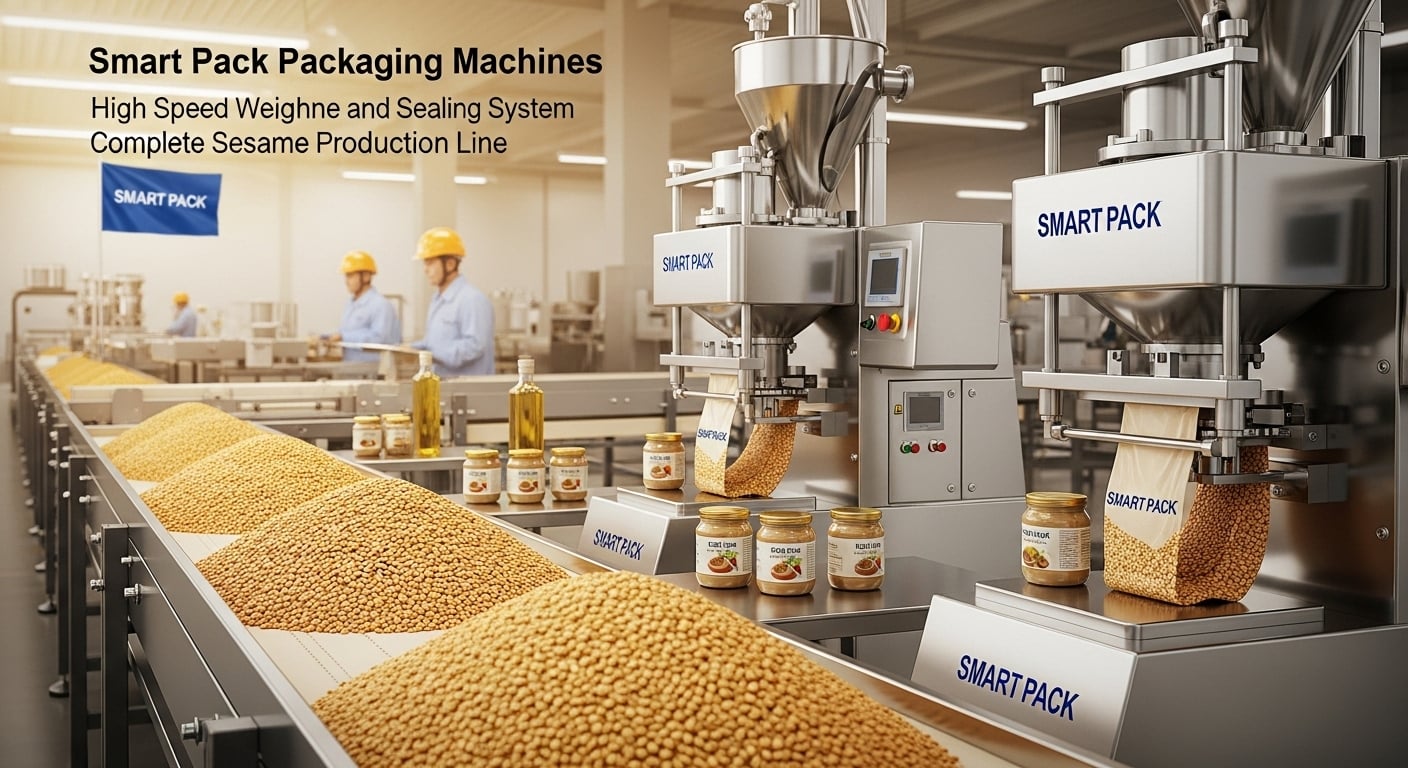
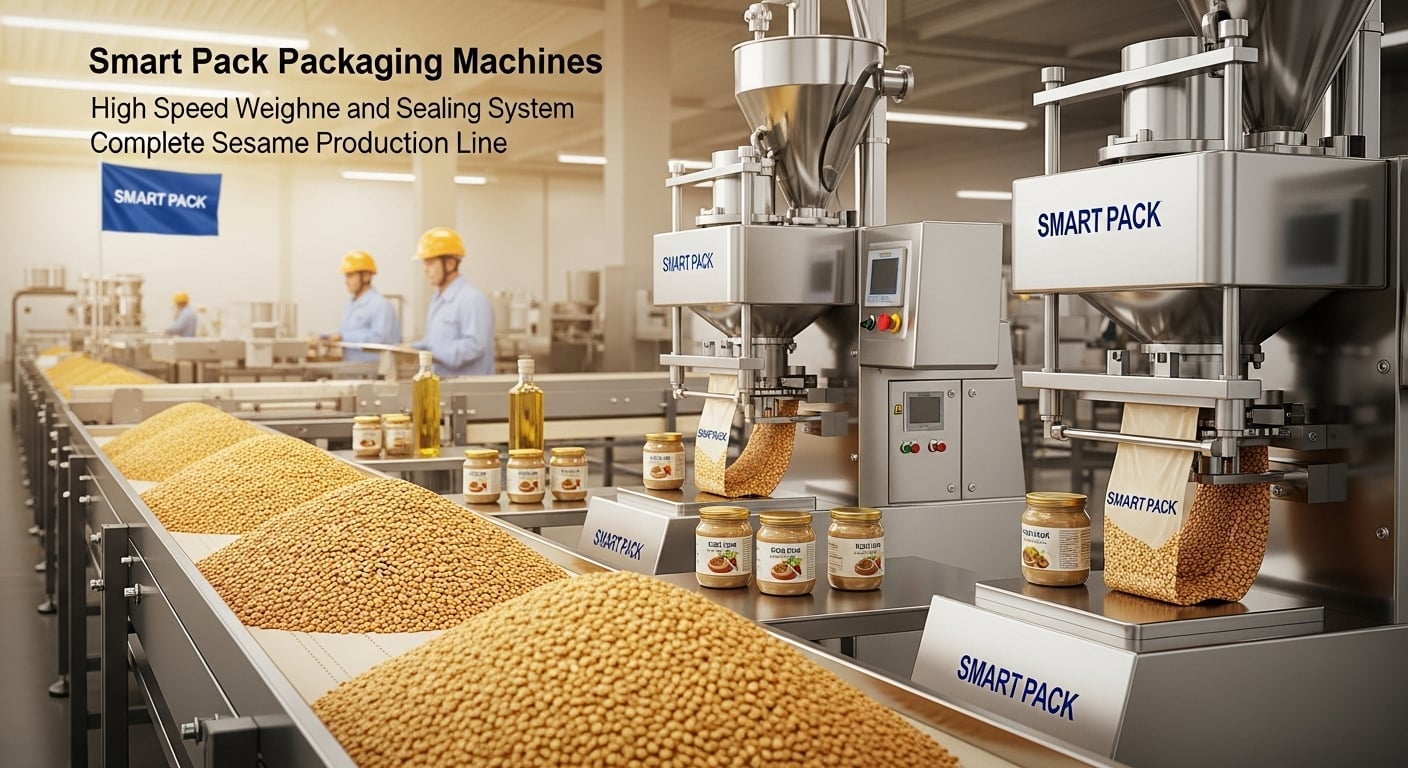
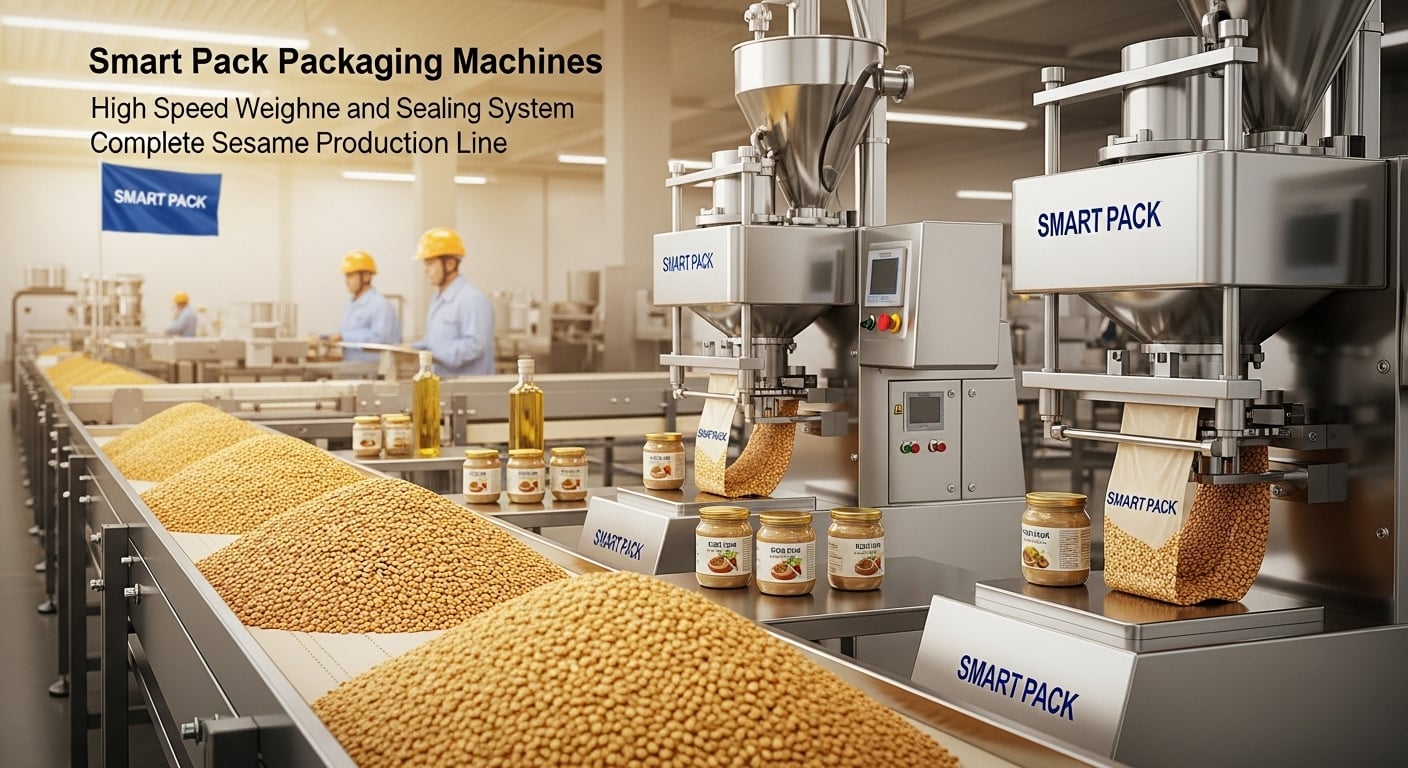
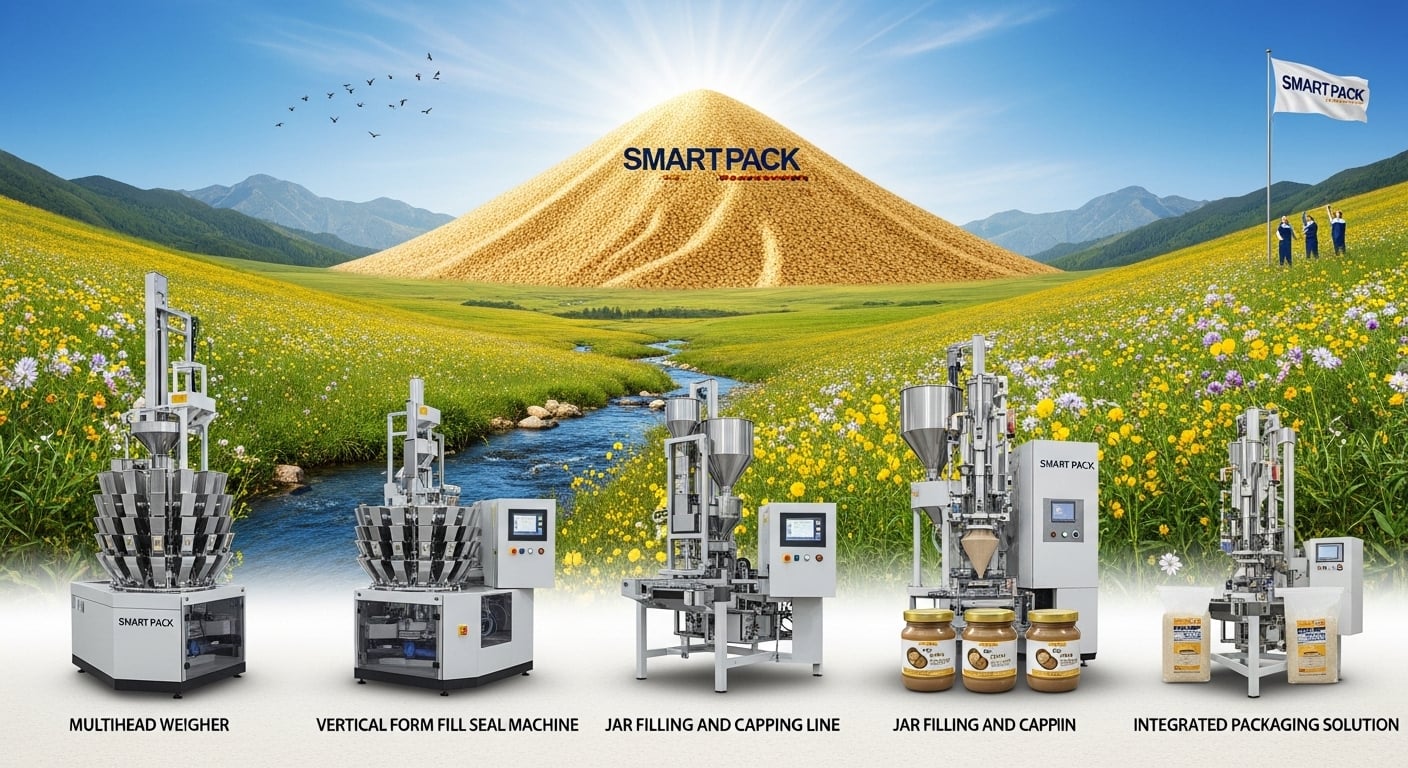
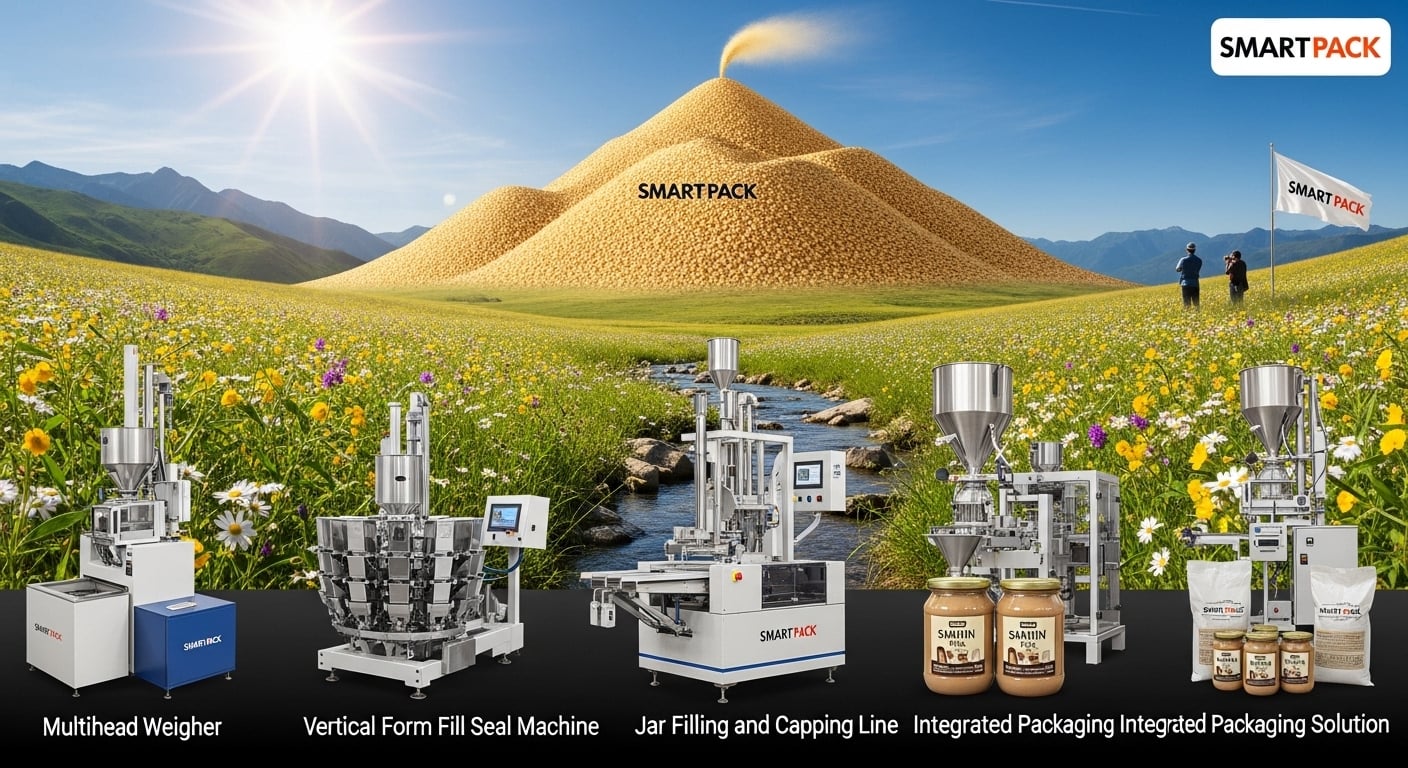
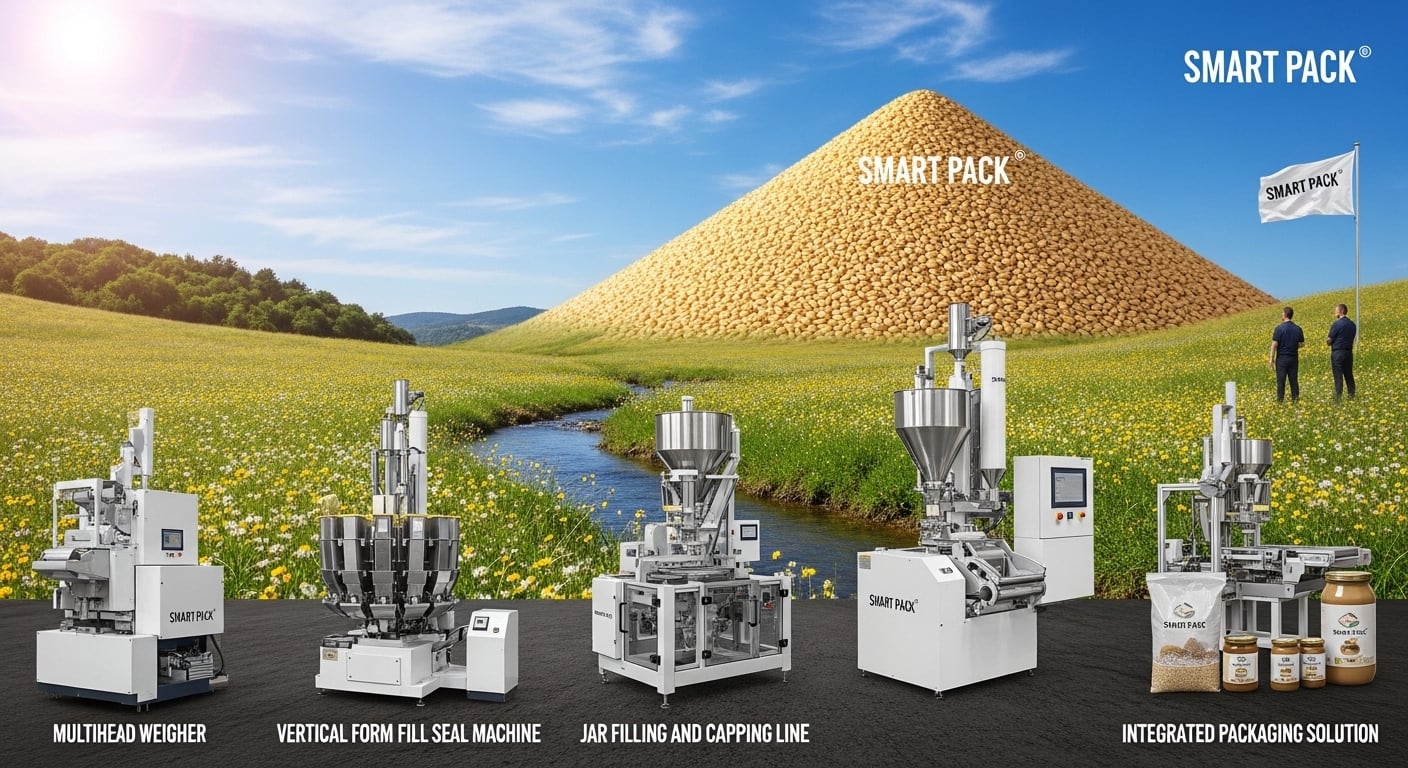
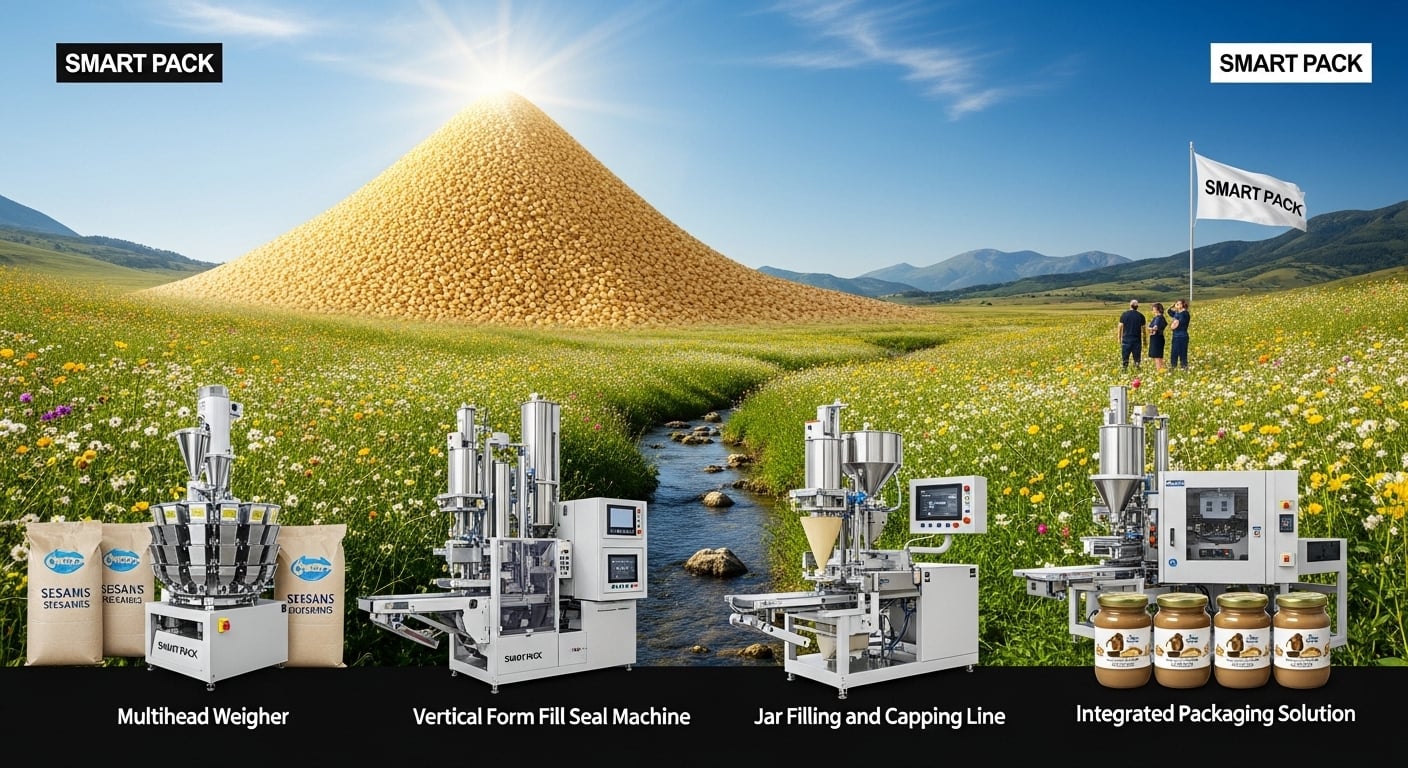
A fully integrated production line connects cleaning, processing, filling, and packaging into one continuous workflow. This reduces labor, increases operational efficiency, and boosts production capacity without compromising quality.
When professionally designed, the factory can expand production and meet both local and export market demand with stability.
At this stage, factories rely on specialized companies such as Smart Pack to provide complete production line solutions tailored to project size and market requirements.
How a Sesame Factory Achieves Maximum Profitability
Profitability in the sesame industry depends not only on sourcing high-quality raw materials, but also on minimizing waste, improving filling efficiency, choosing suitable packaging, and ensuring uninterrupted operation.
The more balanced the production line, the faster capital turnover becomes and the stronger the factory’s competitive position in the market.
Frequently Asked Questions
Is the sesame project suitable for export?
Yes, provided that raw material quality, filling accuracy, and packaging standards are strictly maintained.
Can multiple sesame products be produced in the same factory?
Yes, when a flexible production line is designed to support product diversity.
Which stage most affects product quality?
The filling stage, as it directly influences weight accuracy, preservation, and final appearance.
Does sesame oil require different machines?
Yes, it requires dedicated liquid filling machines.
Why is it better to work with a specialized company?
To ensure correct machine selection and reduce costly operational errors.
A successful sesame factory starts with a carefully planned production line and filling and packaging machines that match product characteristics and market and export requirements.
When the right decisions are made from the beginning, sesame is transformed from a raw material into a profitable and sustainable industrial product.