
 Admin
Admin Feed Barley: A Profitable Industrial Opportunity Driven by Modern Packaging Solutions
Feed barley is no longer just a traditional crop within the animal feed basket. It has become a strategic component in the livestock and food production systems in Egypt and beyond.
The growing demand from poultry and livestock farms—combined with export opportunities—has turned feed barley into a promising industrial investment when managed with a modern, efficient approach.
In this comprehensive guide, we take you through the nutritional and economic value of feed barley, and explain how filling and packaging machines and integrated production lines play a critical role in increasing profitability and long-term sustainability.
What Is Feed Barley and Why Is It a Strategic Product?
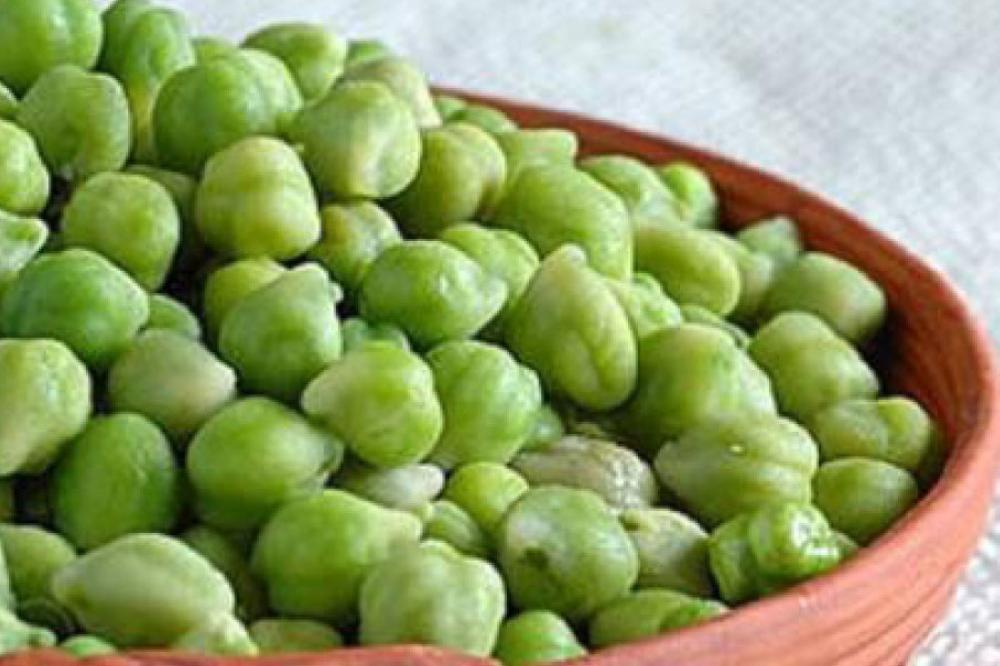
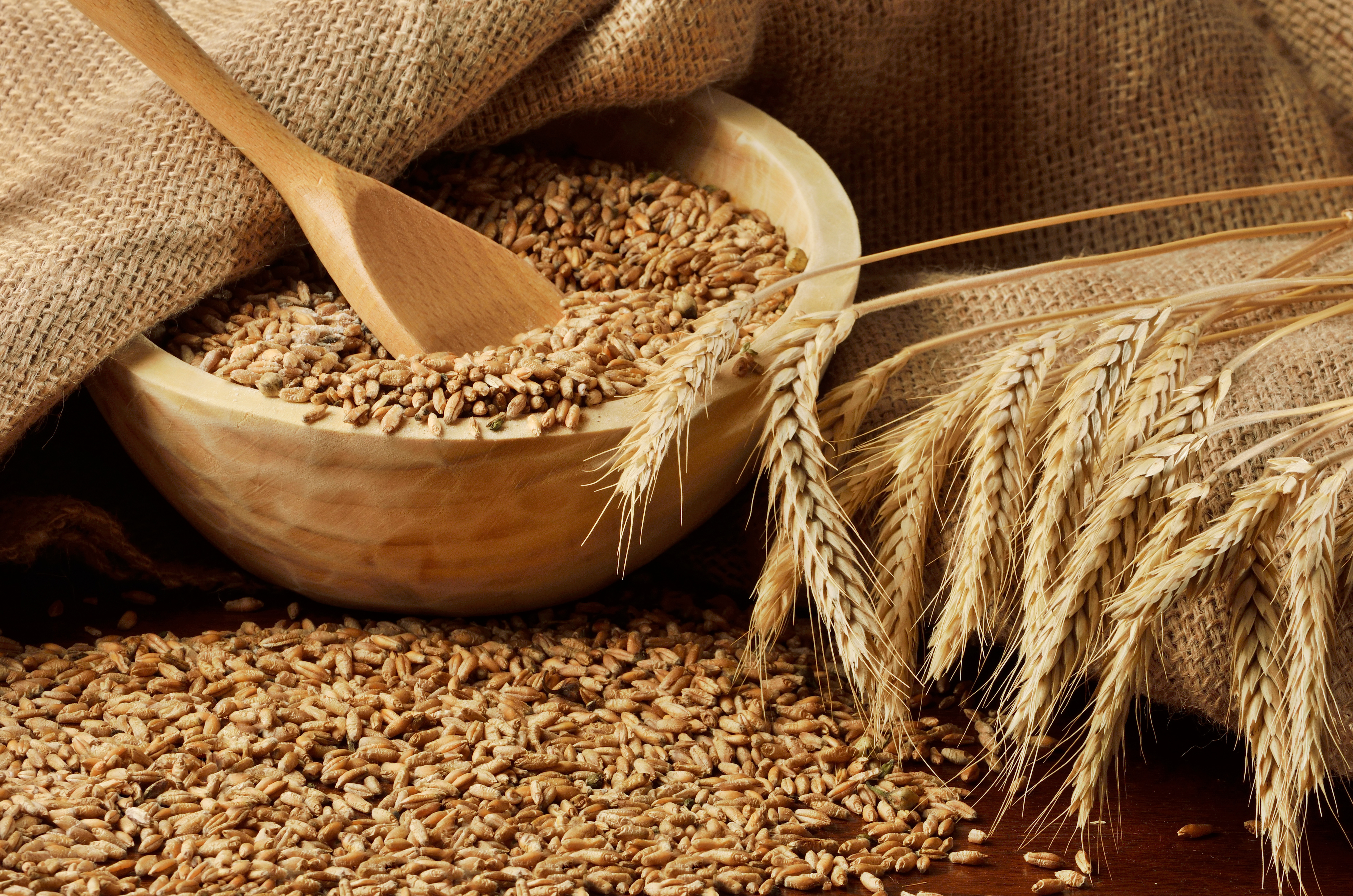
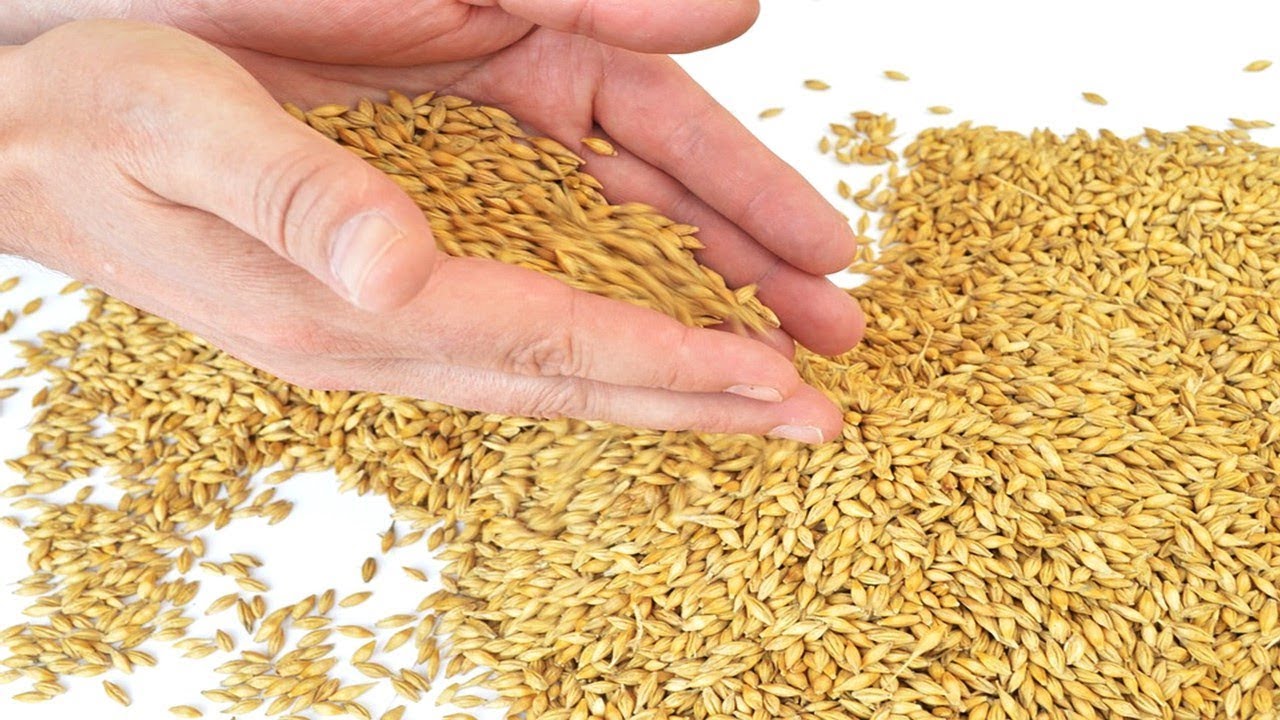
Feed barley is a cereal grain widely used in feeding cattle, poultry, and sheep due to its balanced nutritional profile and ease of digestion compared to other grains.
Feed barley has several advantages that make it a cornerstone of the animal feed industry:
-
Lower production cost compared to yellow corn in certain seasons
-
High suitability for storage and transportation
-
Stable demand from small, medium, and large farms
-
Flexible usage as whole grain, crushed, or ground
Nutritional Value of Feed Barley and Its Impact on Market Demand
The nutritional profile of feed barley directly influences market demand. It contains:
-
A good level of carbohydrates for energy
-
Dietary fiber that improves animal digestion
-
Plant-based protein that supports growth
-
Essential minerals that enhance feed efficiency
This balanced composition makes feed barley a preferred choice for:
-
Livestock production farms
-
Compound feed manufacturers
-
Fattening projects
-
Export markets in selected Arab and African countries
Economic Importance of Feed Barley in the Egyptian Market
Egypt is one of the largest consumers of animal feed due to continuous demand for animal-based products, which directly increases feed barley consumption.
Its economic importance is reflected in:
-
High and stable annual consumption
-
Fast capital turnover
-
Strong profit margins when costs are well controlled
-
Easy scalability on an industrial level
These factors make feed barley filling and packaging projects highly attractive to investors and factory owners.
Feed Barley Export Opportunities and Target Markets
Beyond the local market, feed barley offers strong export potential, especially to:
-
Gulf countries
-
Several African markets
-
Countries that rely on imports to cover feed shortages
However, successful exporting requires:
-
Consistent and accurate weight specifications
-
Durable packaging suitable for shipping
-
Clear labeling and product information
-
Professional filling that minimizes product loss
This is where filling and packaging machines become essential.
Feed Barley Processing Stages Before Packaging
Before packaging, feed barley passes through several key production stages.
Cleaning and Sorting Stage
Removal of impurities, dust, and damaged grains to ensure a clean and uniform final product.
Crushing or Grinding Stage
Depending on market demand, barley may be processed as whole grain, crushed, or finely ground.
Drying Stage (When Required)
To achieve proper moisture levels that prevent spoilage during storage.
Smart Packaging: Turning an Agricultural Crop into a Profitable Industrial Product
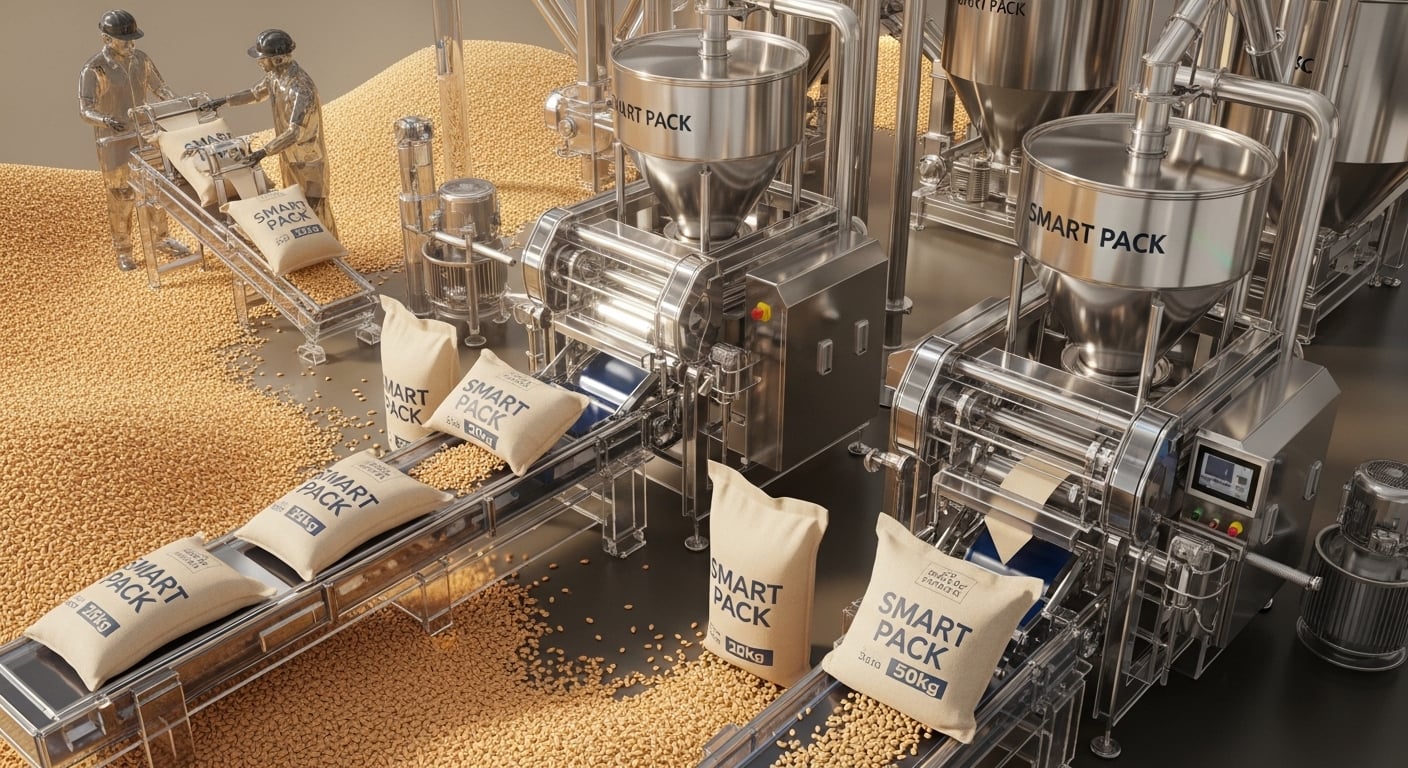
Feed barley filling and packaging machines are the core engine of the project. They control:
-
Weight accuracy
-
Production speed
-
Reduction of material loss
-
Quality and durability of the final package
Types of Feed Barley Packaging Machines
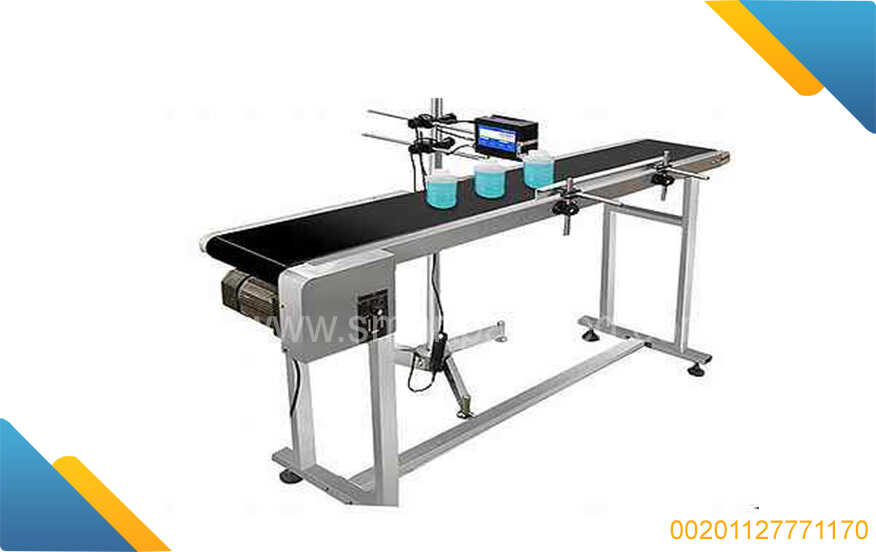
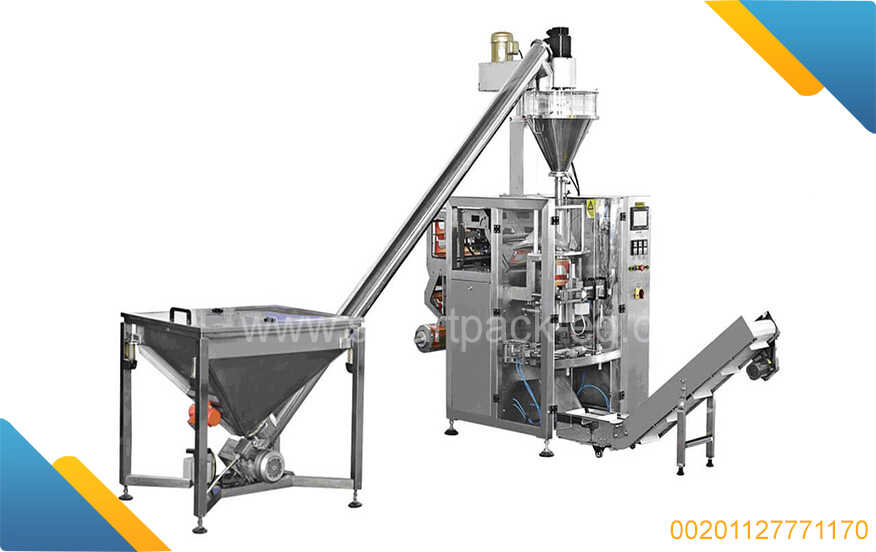
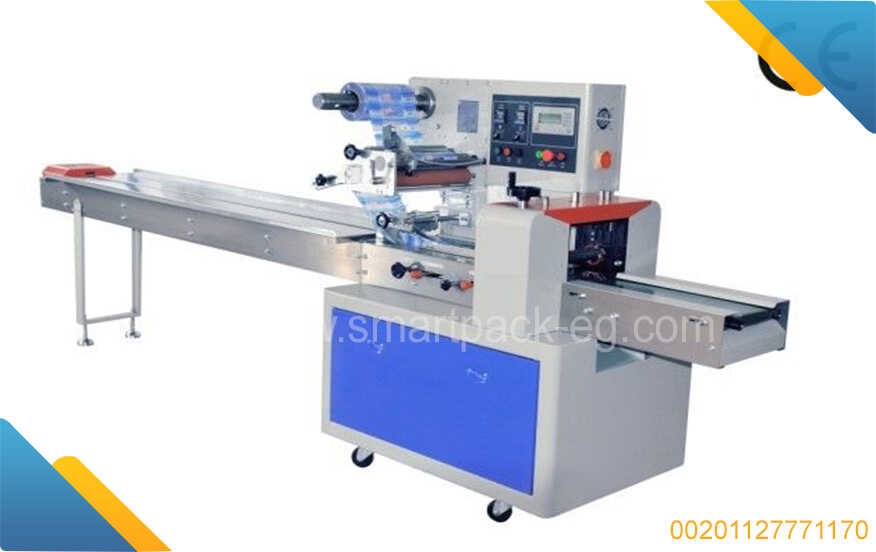
Industrial options include:
-
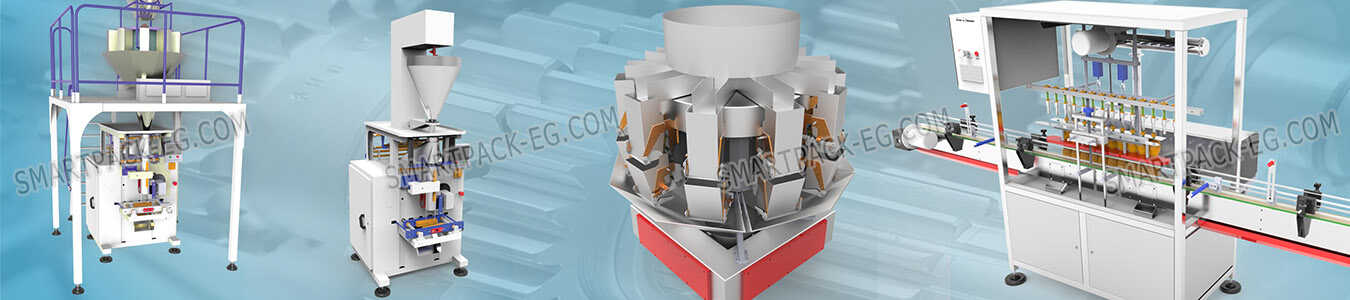
Weighing bagging machines for large sacks
-
Semi-automatic filling machines for medium-scale projects
-
Fully automatic packaging machines for large factories
Integrated Feed Barley Production Lines: Lower Costs, Higher Output
An integrated production line gives factories full control over all stages and delivers significant cost savings over the medium and long term.
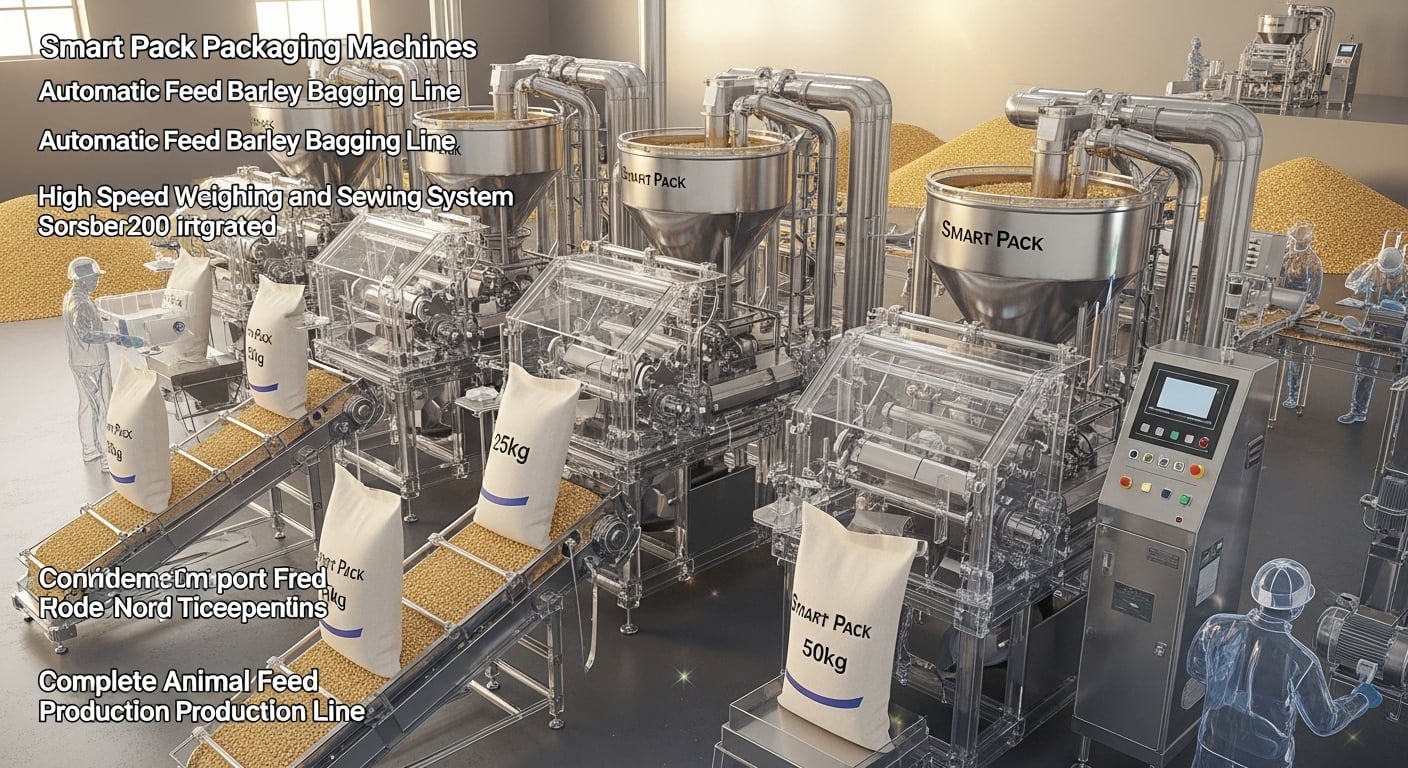
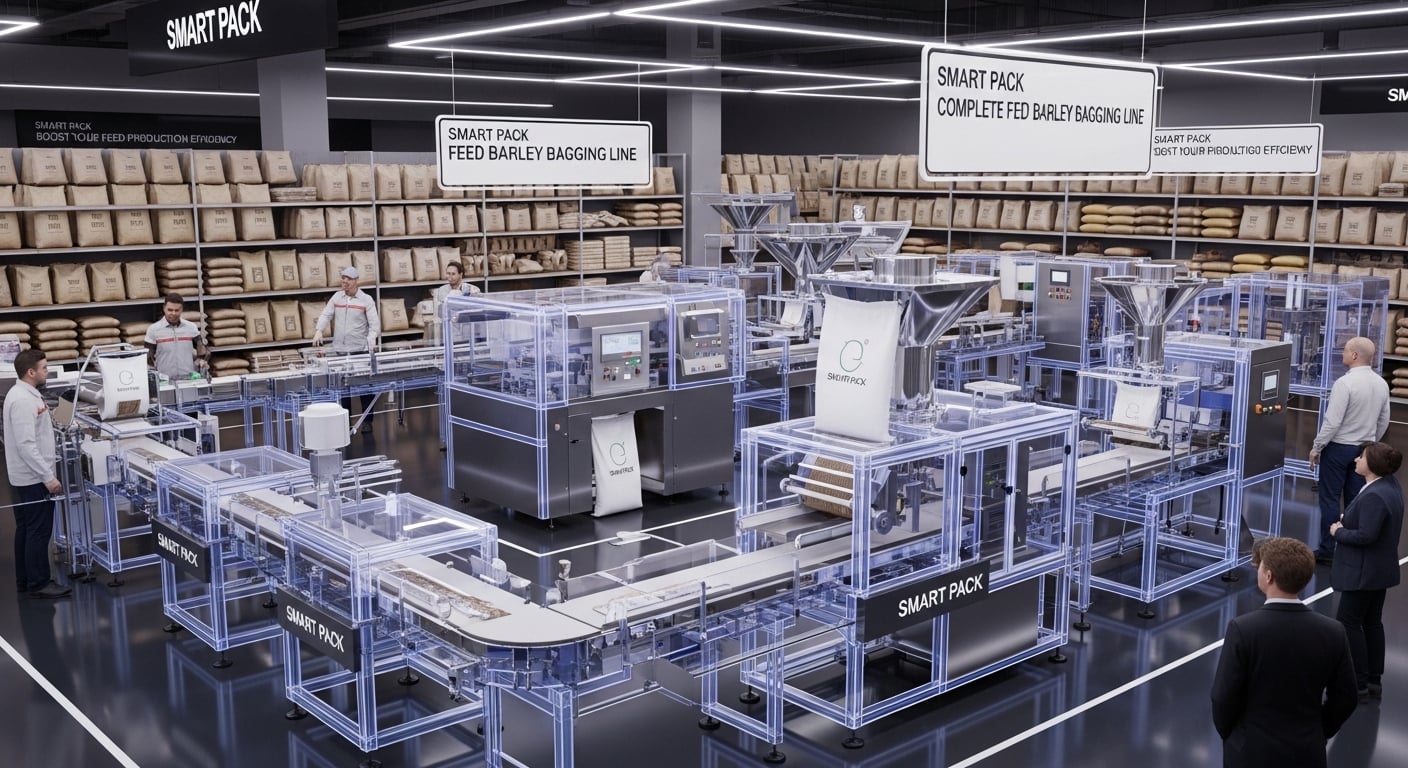
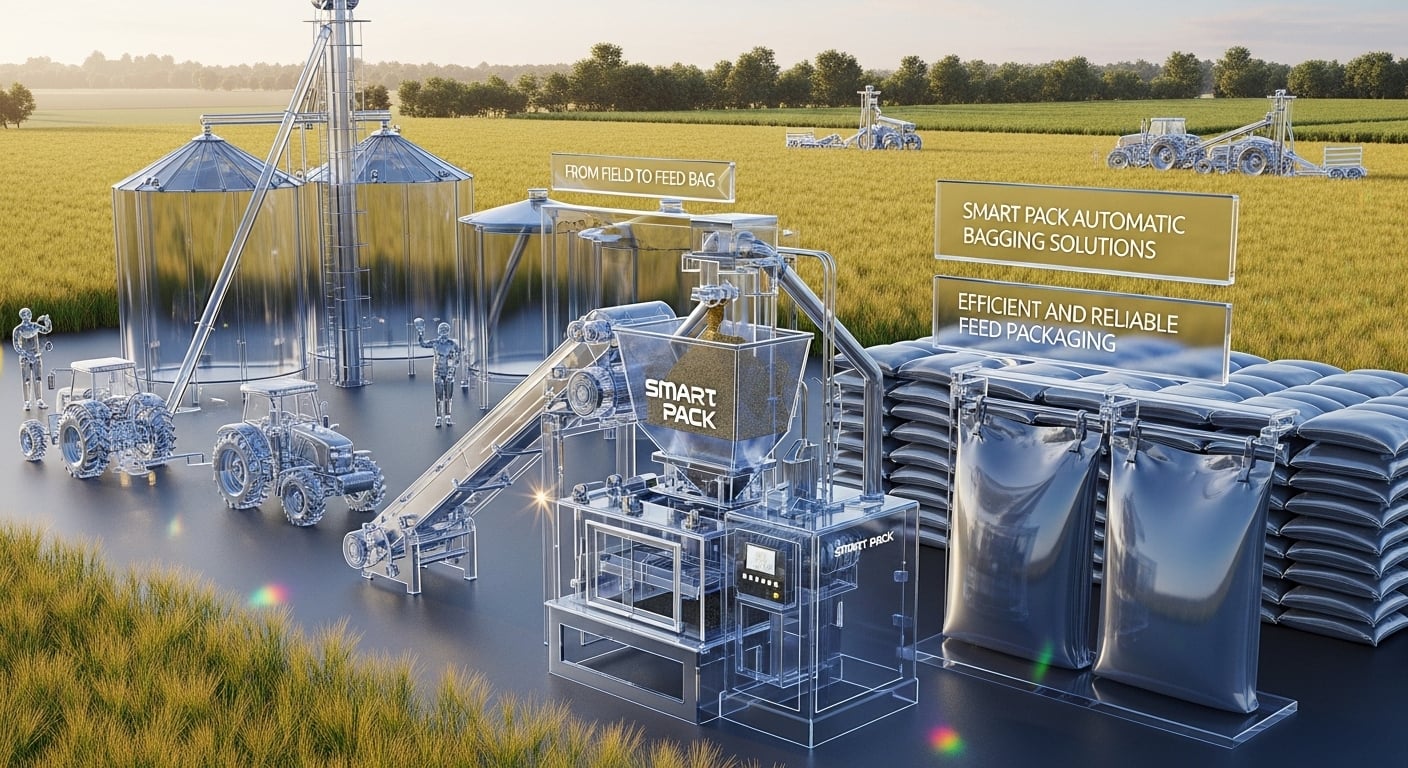
A complete feed barley line includes:
-
Cleaning and sorting units
-
Crushing or grinding units
-
Conveying and handling systems
-
Filling machines
-
Bag sewing or sealing machines
Manual vs. Automatic Packaging for Feed Barley
| Comparison Factor | Manual Packaging | Automatic Packaging |
|---|---|---|
| Production Speed | Low | High |
| Weight Accuracy | Inconsistent | High |
| Product Loss | High | Low |
| Operating Cost | High long-term | Lower |
| Final Appearance | Traditional | Professional industrial |
Automatic packaging clearly outperforms manual methods in efficiency, consistency, and market readiness.
Choosing the Right Machinery Is the Difference Between a Small Project and a Successful Factory
Selecting the right machinery partner is just as important as choosing the product itself. Machine quality directly affects:
-
Production stability
-
Ease of maintenance
-
Equipment lifespan
-
Future expansion capability
Working with a specialized manufacturer like Smart Pack gives you tailor-made solutions for feed projects—whether small-scale operations or large industrial production lines.
Comparison of Small, Medium, and Large Feed Barley Projects
| Project Size | Machine Type | Production Capacity | Investment Level |
|---|---|---|---|
| Small | Semi-automatic | Limited | Low |
| Medium | Semi-automatic / Automatic | Medium | Moderate |
| Large | Fully integrated production line | Very high | High |
Technical and Investment Tips Before Buying Feed Barley Packaging Machines
-
Define the final product form before selecting machines
-
Choose machines designed for continuous operation
-
Ensure easy maintenance and spare parts availability
-
Plan for future expansion from the start
-
Focus on long-term return, not just purchase price
Start Your Feed Barley Project with the Right Industrial Foundation
If you are planning to launch a feed barley packaging project or upgrade an existing factory, choosing the right machinery is the most critical decision for success.
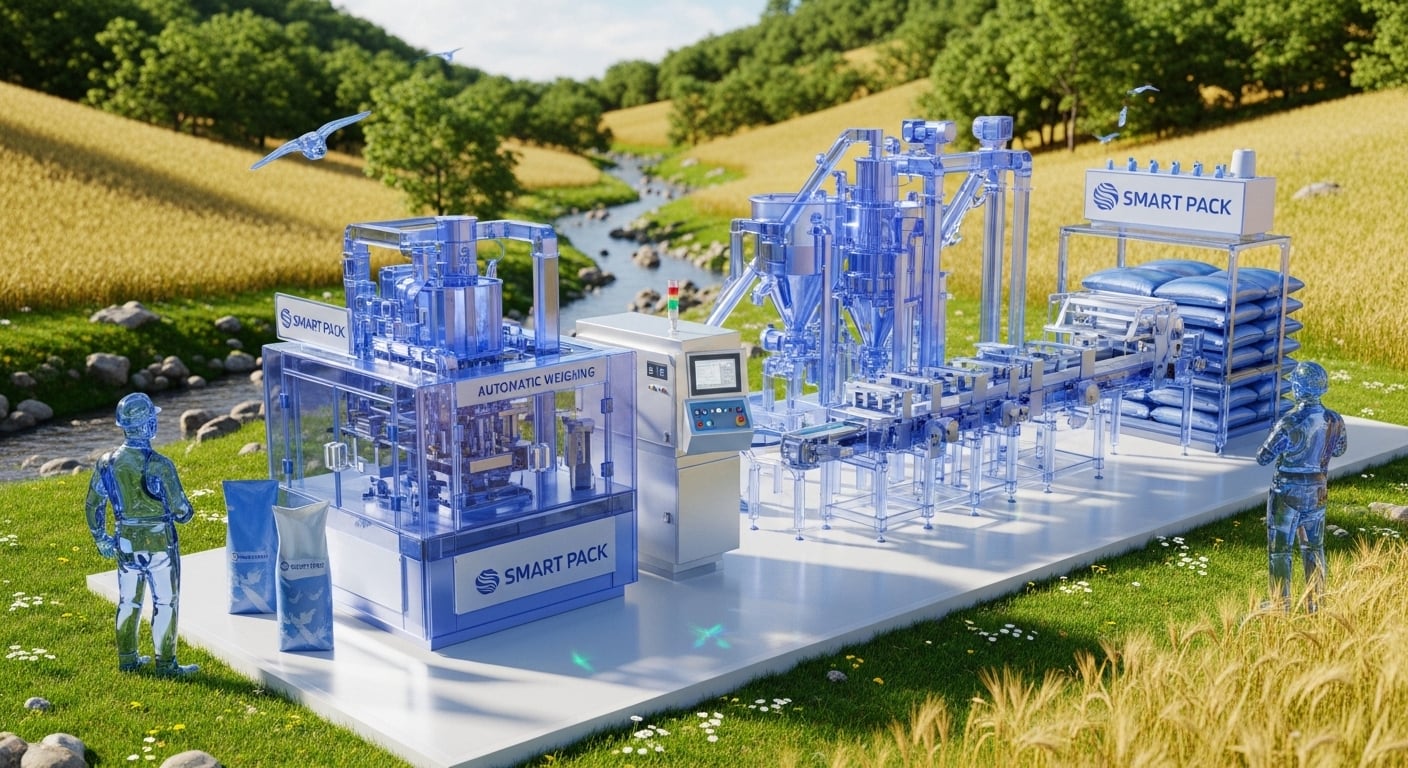
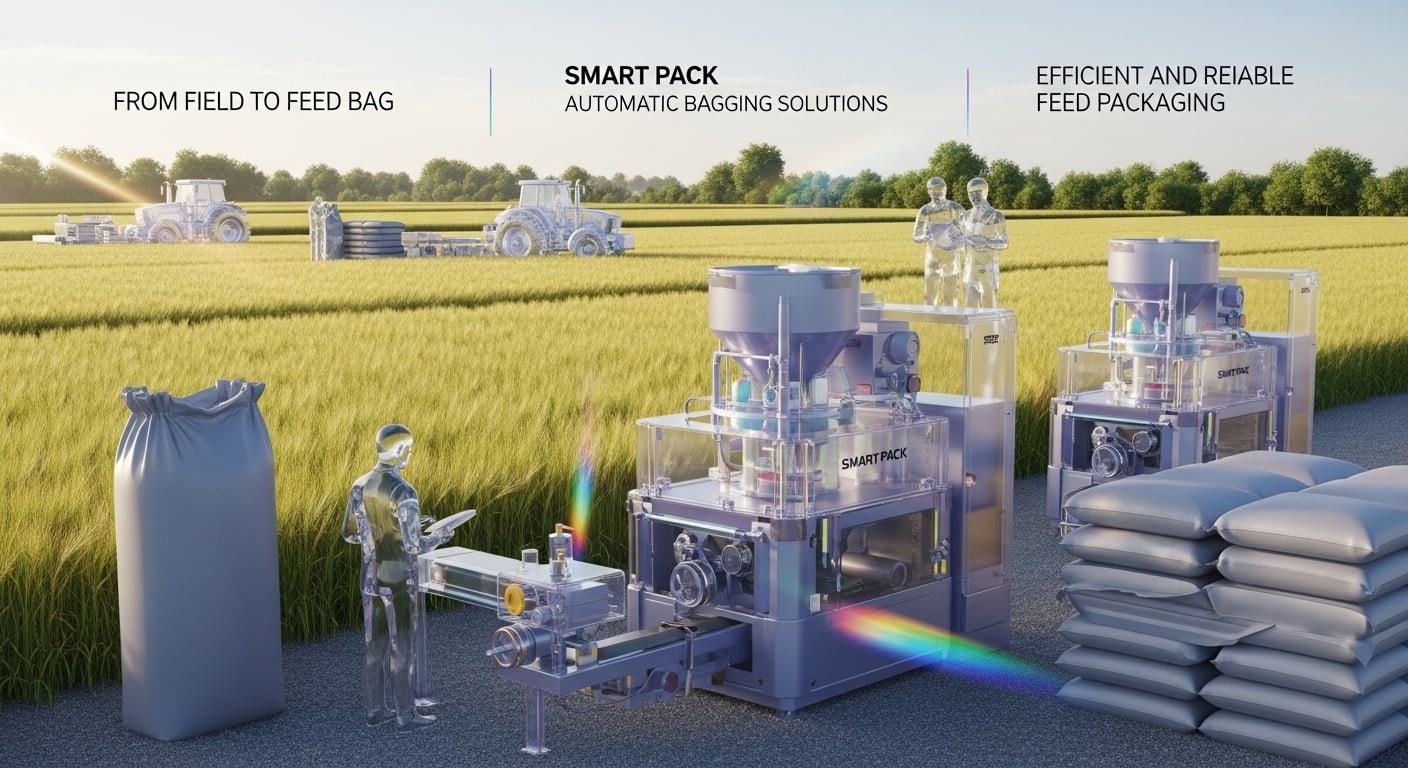
At Smart Pack, we provide complete filling machines and integrated production lines for feed barley that meet local market needs and export requirements.
You can now receive specialized technical consultation to help you identify the most efficient production solution at the best cost.
Start today and transform feed barley from a raw agricultural product into a profitable and sustainable industrial business.
Frequently Asked Questions About Feed Barley Packaging
Can feed barley be packed in different weights?
Yes, machines can be adjusted to handle multiple weights based on market demand.
Are integrated production lines suitable for medium-sized factories?
Yes, they can be implemented with medium capacity and expanded later.
What is the best packaging type for feed barley?
Woven polypropylene bags are the most commonly used due to their strength and durability.
Is export possible after local packaging?
Yes, provided that packaging and quality specifications required by each market are met.