 Admin
Admin From Wheat Grains to High-Quality Final Products: Integrated Milling and Packaging Systems
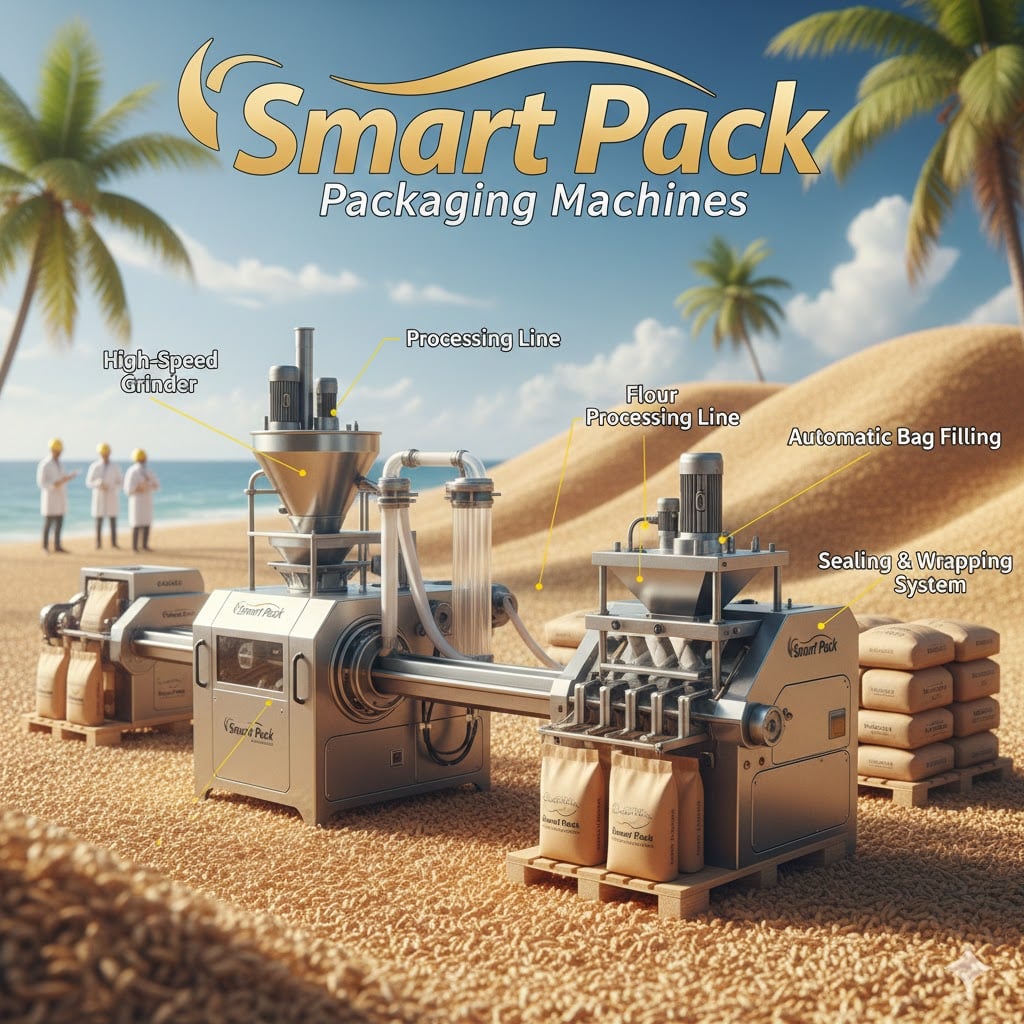
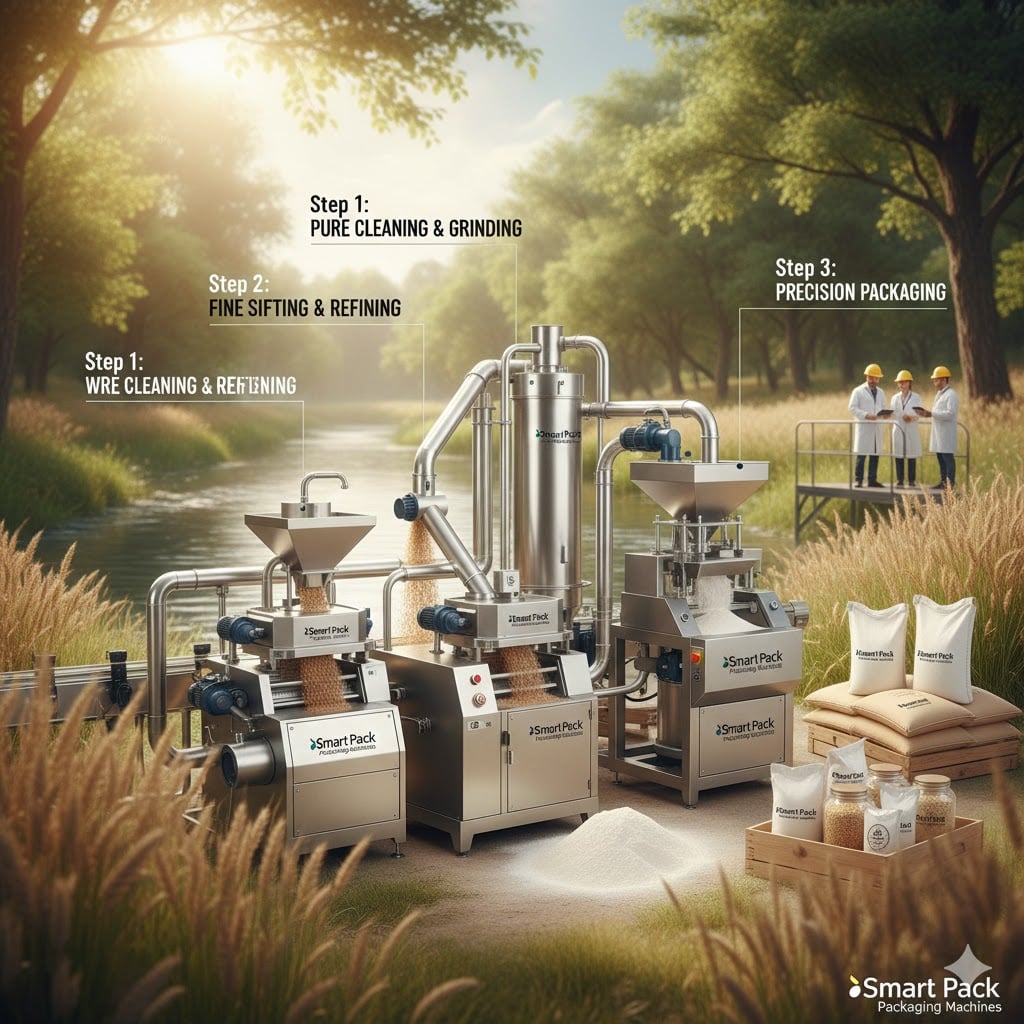
Transforming wheat grains into a high-quality final product requires an integrated system of milling and processing.
Every stage of wheat handling directly affects flour quality and market value.
Selecting the right machinery increases factory efficiency, reduces waste, and boosts profitability.
The Importance of Wheat Milling and Packaging
The flour industry relies on a complete chain of operations that starts with receiving and evaluation and ends with packaging and distribution.
These processes are not purely mechanical—they form the foundation of product quality and food safety.
The main objective of wheat preparation and milling is to separate the endosperm from bran and germ in order to produce different flour grades for various applications.
A factory’s success in meeting market demand depends on the quality of its integrated production line, which includes grain preparation, milling, classification, and reliable modern packaging systems.
Wheat Grain Preparation Processes Before Milling
Receiving and Initial Inspection of Wheat Grains
Wheat arriving from farms or silos is received at the mill, where samples are taken and analyzed to ensure compliance with required standards.
This step helps to:
-
Verify grain quality before processing
-
Separate non-conforming batches to avoid downstream issues
-
Reduce mechanical stress on production equipment
Cleaning Wheat Grains from Imprities
At this stage, foreign materials such as stones, dust, and unwanted particles are removed using advanced cleaning systems.
Common cleaning mechanisms include:
-
Stone separators
-
Vibratory sieves
-
Air aspiration systems
These units ensure that clean wheat enters the milling stage, improving mill performance and reducing equipment wear.
Core Milling Stages and Grain Fractionation
Separating Wheat Kernel Components
The goal of milling is to recover the maximum amount of starch-rich endosperm while minimizing bran content, directly influencing flour extraction rates.
Modern milling is performed through sequential grinding and sifting stages until the required flour specification is achieved.
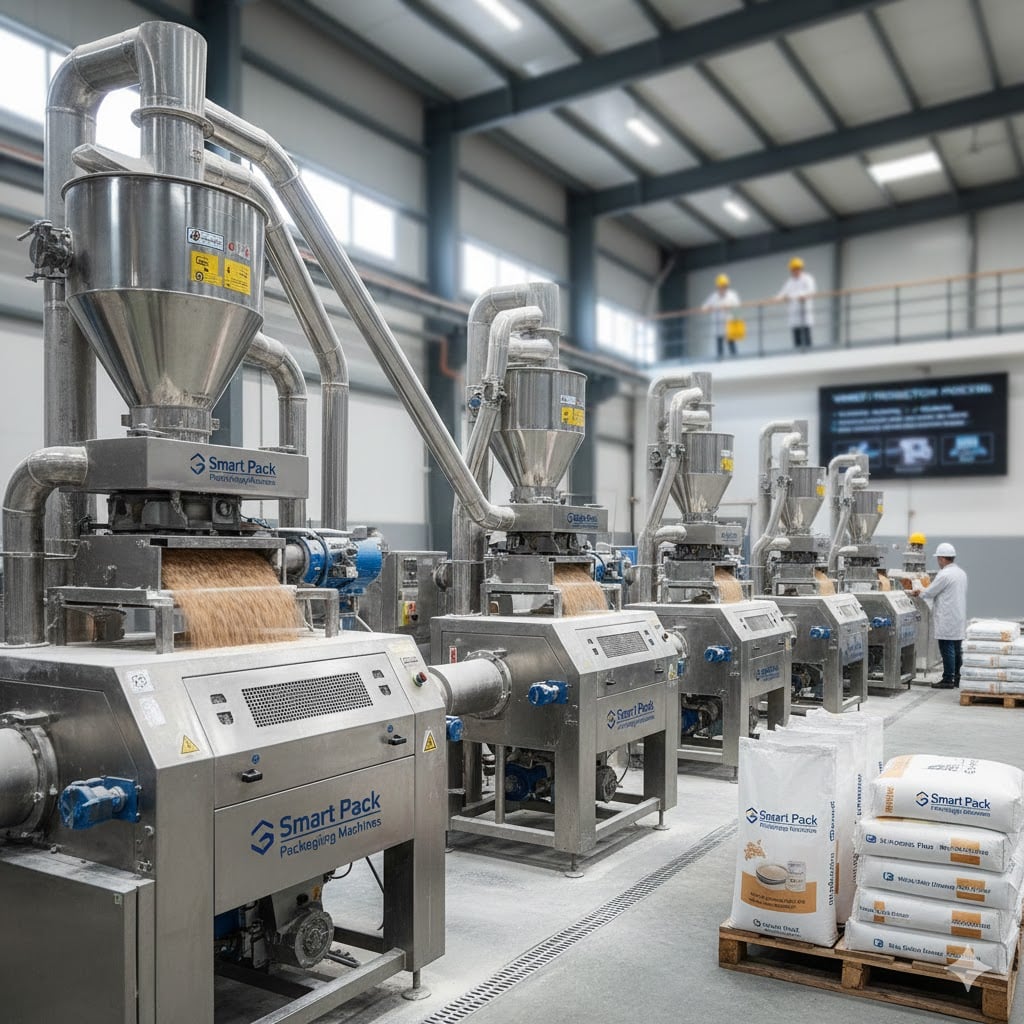
Using Advanced Milling Equipment
Milling equipment typically includes:
-
Multi-stage roller mills
-
Vibrating or plansifter sieves for size separation
-
Quality control and grading equipment between stages
These machines work together to achieve high extraction rates with consistent flour quality.
Packaging Machinery for Wheat Grains and Flour After Milling
Once flour or processed wheat grains are ready, packaging becomes essential to ensure efficient market distribution.
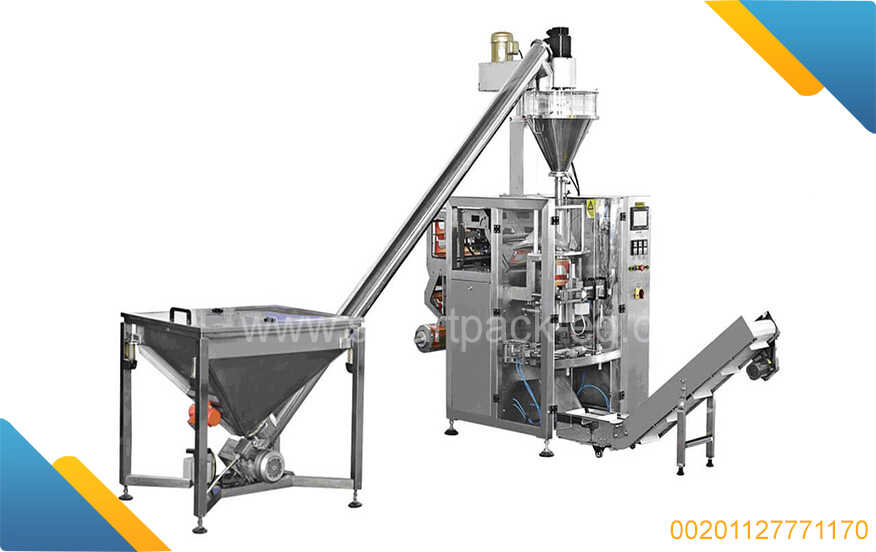
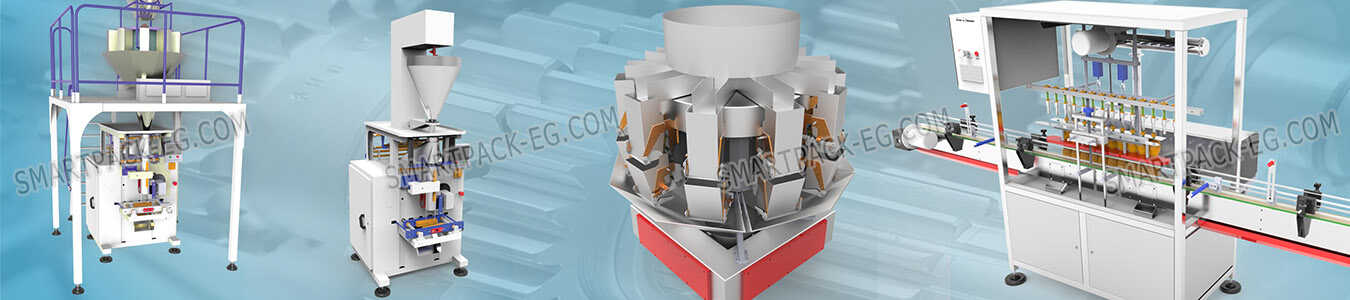
Filling Machines for Granular Products and Flour
These machines fill flour or grains into bags with precise, consistent weights to ensure uniform production quality.
Filling systems include:
-
Electronic weighing units
-
Volumetric filling systems
-
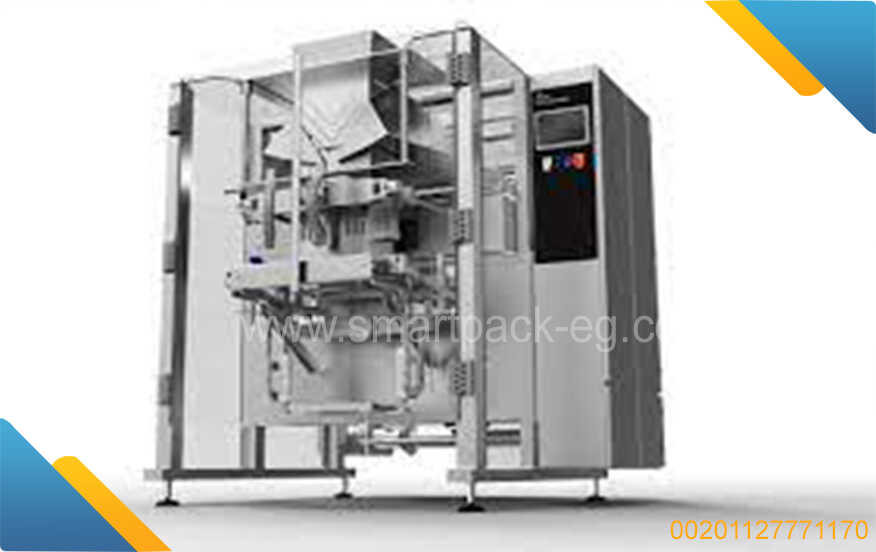
Vertical form-fill-seal (VFFS) machines
They provide high speed and excellent accuracy.
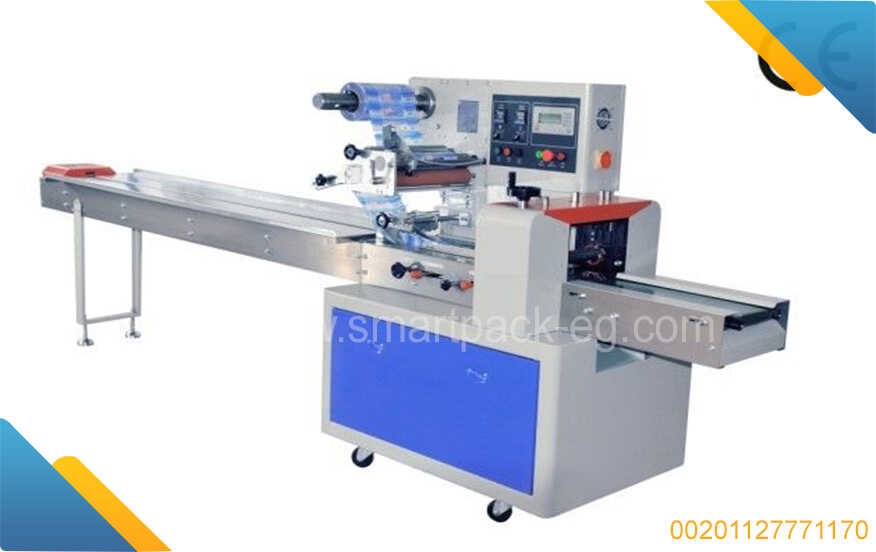
Sealing and Secure Bag Closing Machines
After filling, bags are securely sealed to prevent moisture and air ingress, preserving product quality during storage and transportation.
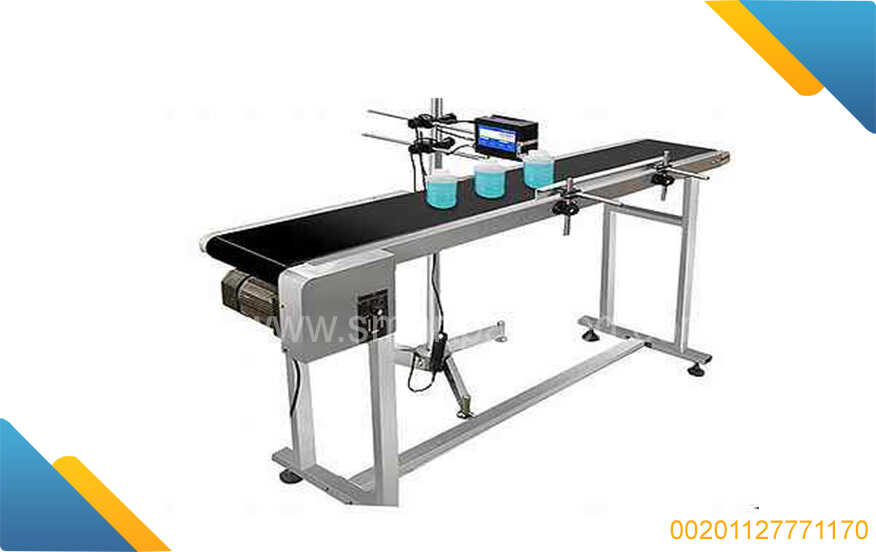
Printing and Labeling Machines
Packaging is completed with printing and labeling operations that include:
-
Product name
-
Package weight
-
Production date
-
Batch or lot number
These details improve traceability and enhance marketing at retail points.
Manual vs Automatic Wheat and Flour Packaging Systems
| Comparison Factor | Manual Packaging | Automatic Packaging |
|---|---|---|
| Speed | Low | High |
| Weight Accuracy | Inconsistent | High |
| Waste Level | High | Low |
| Production Stability | Weak | Excellent |
| Operating Cost | Higher long-term | Lower with continuous operation |
Automatic packaging offers higher speed and consistency, making it the preferred choice for medium and large-scale factories.
How to Choose the Right Milling and Packaging Machines for Wheat Production
Define the Required Production Capacity
Before purchasing machinery, determine the target daily or annual output.
Production capacity influences:
-
Type of mill required
-
Number of packaging units
-
Level of automation across the line
Match Machinery with Flour Quality Standards
Equipment selection should consider:
-
Precision of separation and sifting
-
Accuracy of filling weights
-
Flexibility for different bag sizes
Harmonization between milling and packaging units reduces downtime and increases overall efficiency.
Key Tips Before Buying Wheat Milling and Packaging Machines
-
Ensure the supplier provides technical consultation before purchase
-
Request a live trial using a similar product
-
Verify spare parts availability and after-sales support
-
Confirm compliance with food safety standards
-
Plan for future expansion with upgrade-ready equipment
Why Choose Smart Pack for Wheat Packaging Solutions
By working with Smart Pack for packaging machinery and production lines, manufacturers benefit from:
-
Comprehensive technical studies of the production line
-
Proper machine selection for wheat milling and flour packaging
-
Full installation and commissioning
-
Workforce training for operation and maintenance
-
Continuous after-sales technical support
Partnering with a specialized manufacturer minimizes breakdowns and maximizes long-term production efficiency.
Frequently Asked Questions About Wheat Milling and Packaging
What is the difference between traditional and modern milling?
Modern milling uses multiple stages and precise separation systems to achieve higher flour quality and lower grain breakage.
How do you choose the right flour packaging machine?
Machine selection depends on production volume and required package sizes.
Can packaging machines be integrated with milling systems?
Yes, a fully integrated production line can combine milling and packaging seamlessly.
Is maintenance important after machine installation?
Regular maintenance ensures continuous performance and reduces unplanned downtime.
Why is printing important on flour packages?
It provides essential consumer information and supports brand marketing.
What makes automatic packaging superior to manual packaging?
Automatic systems offer higher weight accuracy and significantly faster production speeds.
Conclusion
Wheat milling, preparation, packaging, and wrapping require a fully integrated system of high-quality machinery to execute each stage efficiently.
Proper planning and correct equipment selection improve flour quality while reducing operating costs.
Partnering with a specialized manufacturer like Smart Pack ensures a strong, efficient, and competitive production line capable of succeeding in the Egyptian market and beyond.