 Admin
Admin The Importance of Production Lines in Modern Factories
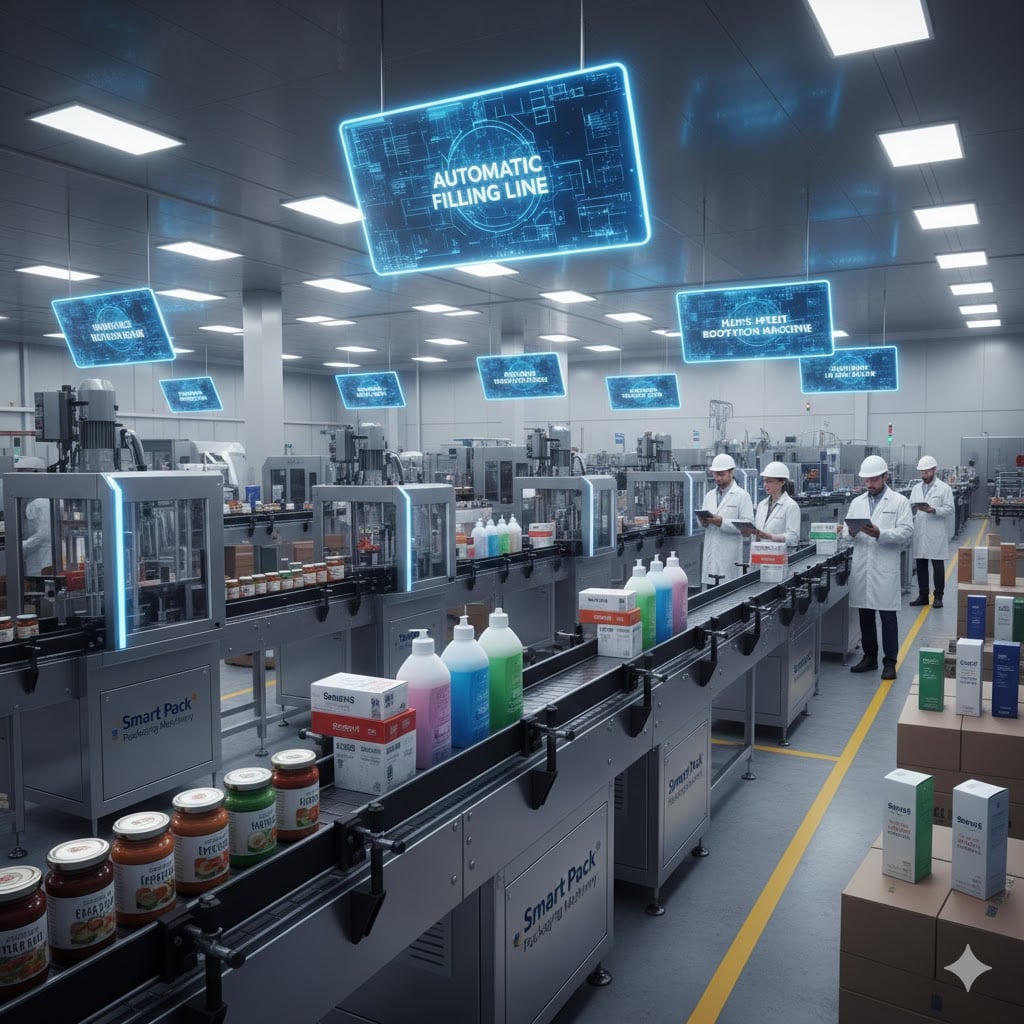
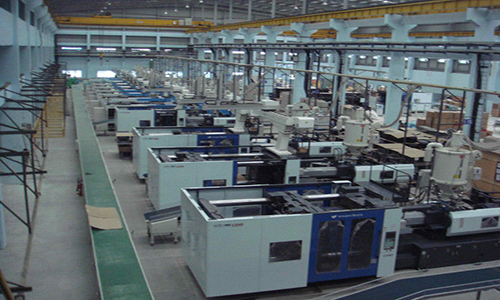
Any successful industrial project is not built on a single machine or a single production stage. Instead, it relies on an integrated production system that starts with raw material intake and ends with a finished, market-ready product.
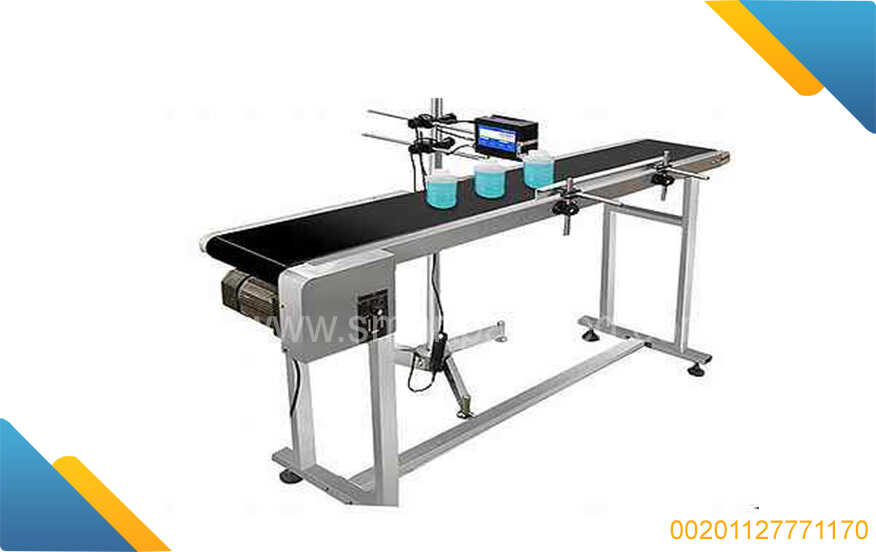
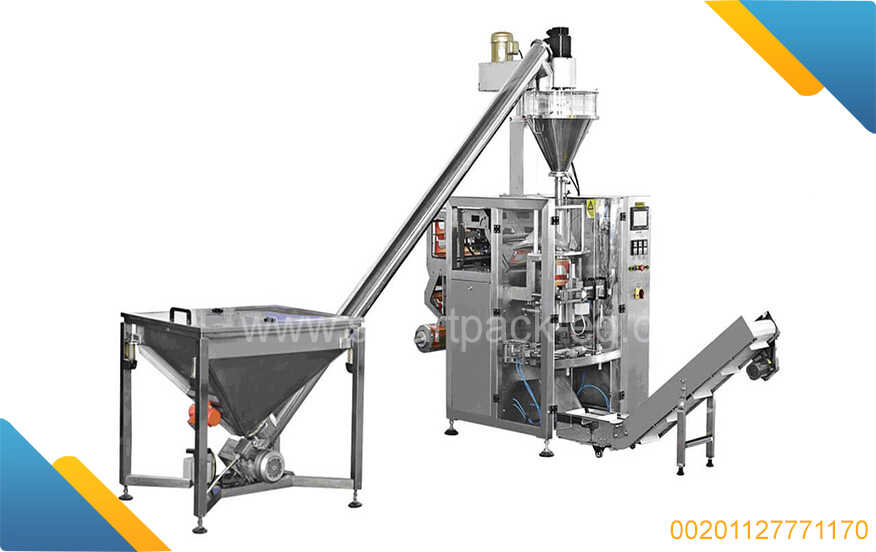
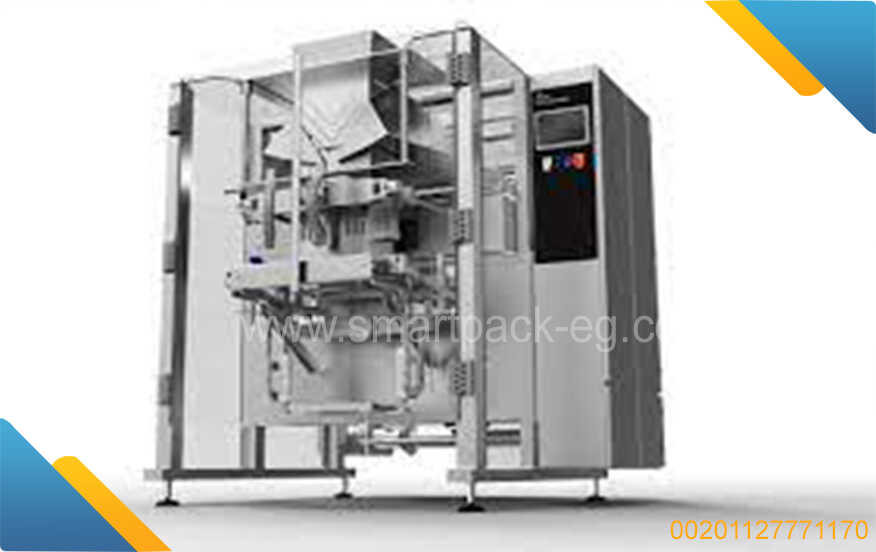
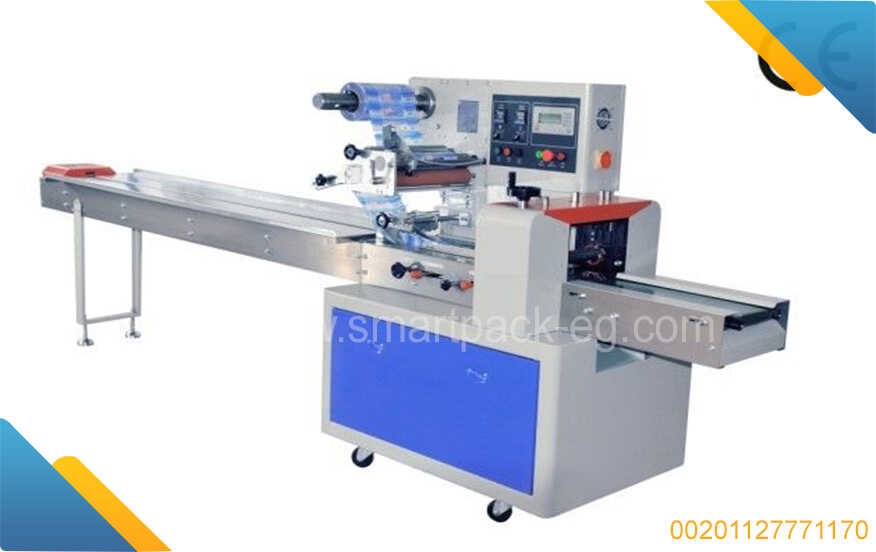
Production lines and filling & packaging machines form the backbone of any factory, as they directly control production speed, product quality, waste levels, and operating costs.
In the Egyptian market, with increasing competition and rising operating expenses, proper production line planning has become a necessity rather than a luxury. Random machine selection or poor planning often leads to production bottlenecks, frequent breakdowns, and limited scalability in the future.
How Production Lines Operate Inside Factories
A production line is a sequence of interconnected processes, where each stage depends directly on the previous one. Any disruption in one stage affects the entire line.
Production lines typically include the following stages:
-
Receiving and inspecting raw materials
-
Preparation, mixing, or processing depending on product type
-
Transferring the product to filling machines
-
Filling the product into suitable containers
-
Secure sealing of containers
-
External packaging or cartoning
-
Collecting finished products for storage or shipment
Harmony between these stages is the real key to production success—not the power of a single machine.
The Central Role of Filling and Packaging Machines
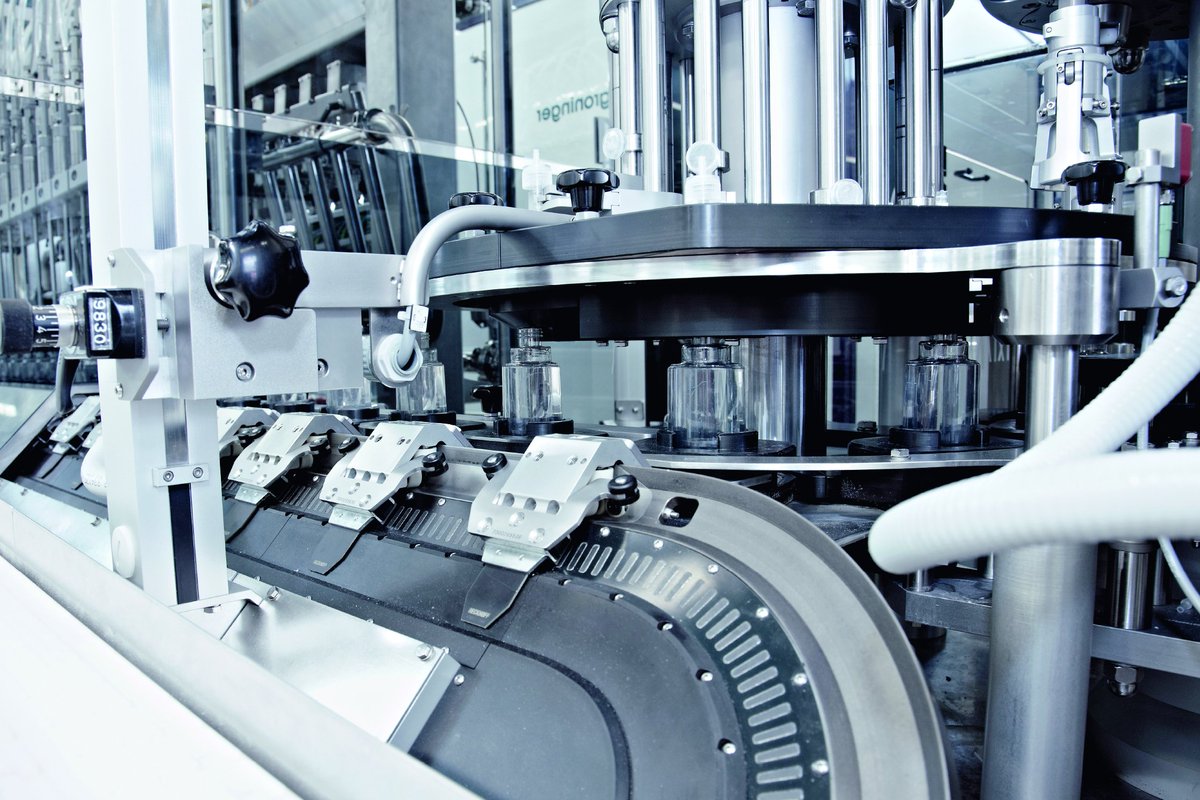
Filling and packaging machines are not just the final step; they are a critical stage that directly impacts:
-
The final appearance of the product
-
Product safety during transport and storage
-
Customer satisfaction
-
Compliance with hygiene and safety standards
-
Product turnover speed in the market
Even if manufacturing quality is high, poor or inaccurate packaging can significantly reduce a product’s market value.
Common Types of Production Lines Used in Factories
Production lines vary depending on the product type. The most common include:
Food Production Lines
Include preparation, cooking, mixing, filling, and packaging under strict hygiene standards.
Chemical Production Lines
Require high-precision filling systems and advanced safety measures.
Detergent and Liquid Production Lines
Focus on accurate filling and leak prevention.
Solid and Powder Production Lines
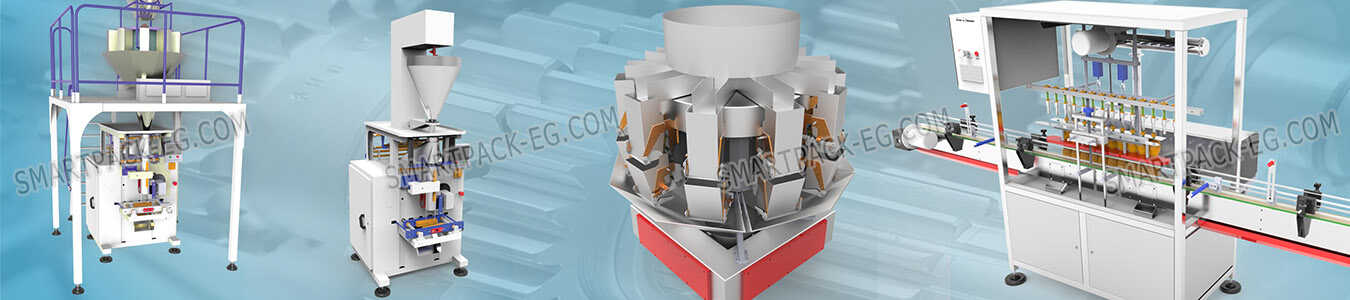
Rely on precise weighing systems and bag or container filling machines.
Random Planning vs. Professional Production Line Planning
| Comparison Factor | Poor Planning | Professional Planning |
|---|---|---|
| Production Speed | Unstable | Consistent and high |
| Breakdowns | Frequent | Significantly reduced |
| Waste | High | Low |
| Scalability | Weak | Flexible |
| Operating Costs | Higher | Lower in the long term |
The real difference becomes clear after one or two years of operation, not in the first month.
Key Specifications for Filling and Packaging Machines
When evaluating any filling or packaging machine, focus on:
-
Quality of materials, especially product-contact parts
-
Filling and weighing accuracy
-
Ease of cleaning and maintenance
-
Stable performance during continuous operation
-
Flexibility to change container sizes or types
-
Clear and user-friendly control systems
These factors directly affect machine lifespan and daily operational efficiency.
Why Investing in an Integrated Production Line Is Better
An integrated production line delivers:
-
Reduced reliance on manual labor
-
Higher and more consistent quality
-
Fewer human errors
-
Increased production capacity
-
Easier management and monitoring
While integrated lines may require higher initial investment, they are more profitable and stable in the medium and long term.
Important Tips Before Buying Filling and Packaging Machines
-
Clearly define your product before purchasing
-
Determine current and future production capacity
-
Do not rely on price alone
-
Request real operational testing
-
Ensure technical support and spare parts availability
-
Choose a supplier who understands the Egyptian market
These steps protect you from costly decisions that are difficult to correct later.
Buying Filling and Packaging Machines from Smart Pack
When working with Smart Pack for filling, packaging machines, and production lines, investors and factory owners gain real added value, including:
-
Comprehensive technical studies before purchase
-
Machine design tailored to the product type
-
Integration of machines into a complete production line
-
Real operational testing before delivery
-
Operator training for operation and maintenance
-
Continuous after-sales technical support
This approach minimizes risk and ensures a stable, long-term investment.
Best Practices When Working with Smart Pack
-
Provide detailed product information
-
Discuss future expansion plans early
-
Request written technical specifications
-
Confirm maintenance and support schedules
-
Treat the company as an industrial partner, not just a supplier
Frequently Asked Questions (FAQ)
What is an integrated production line?
A group of machines working in harmony from manufacturing to final packaging.
Can a production line be upgraded later?
Yes, if flexibility is considered during initial planning.
Do filling machines vary by product type?
Yes, product differences completely change the filling system.
Is a lower price always a good option?
Usually not in the long term.
Is technical support important?
Yes, it is essential for continuous operation.
Can machines be tested before purchase?
Testing is always recommended.
Conclusion
Understanding how production lines and filling & packaging machines operate is the foundation of building a competitive and successful factory.
With proper planning, the right machine selection, and cooperation with a specialized manufacturer like Smart Pack, you can secure a safe investment, consistent quality, and real growth potential in the Egyptian market.