 Admin
Admin How Modern Technology Has Improved Production Efficiency and Product Quality
The Evolution of Packaging: From Manual Work to Smart Automation
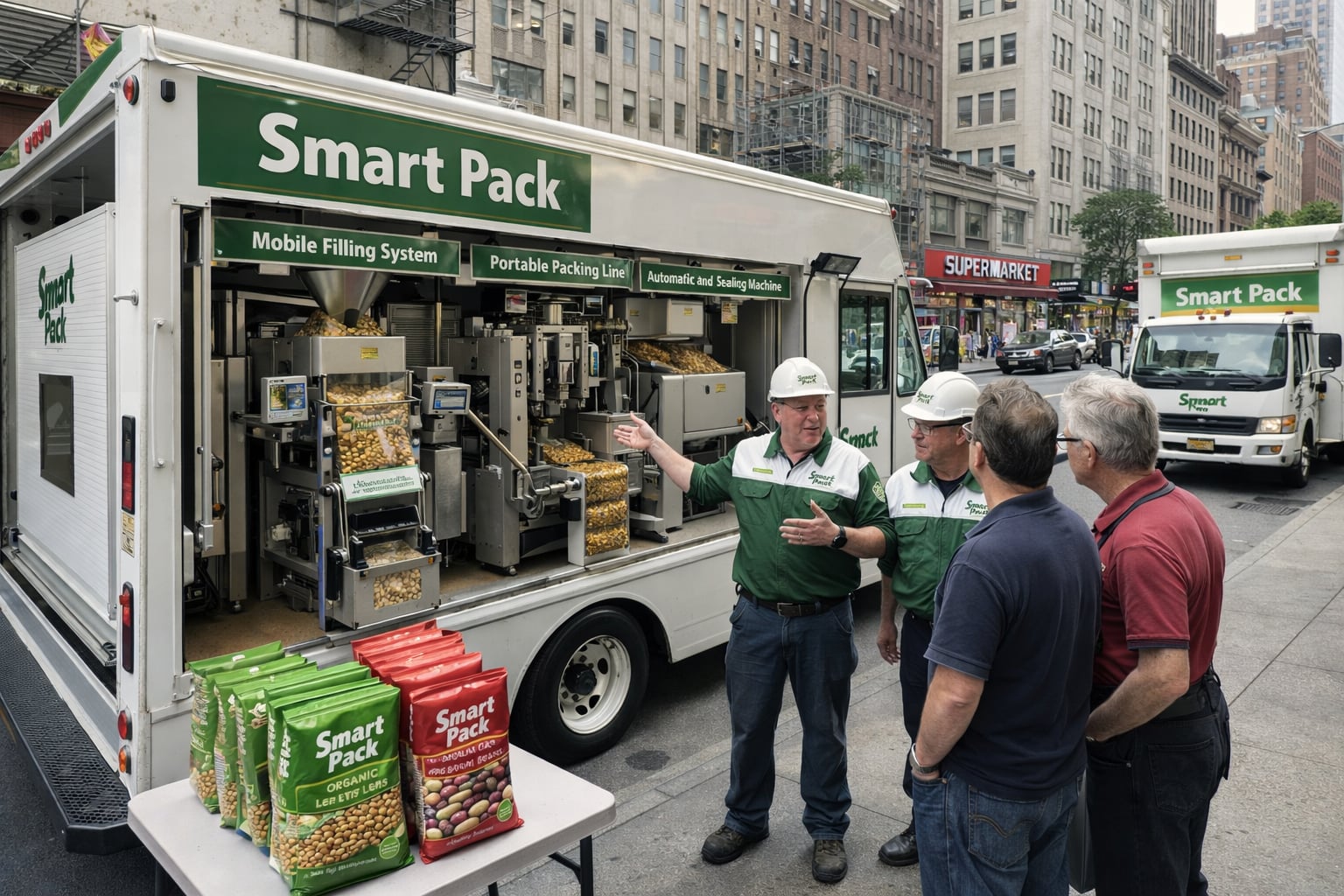
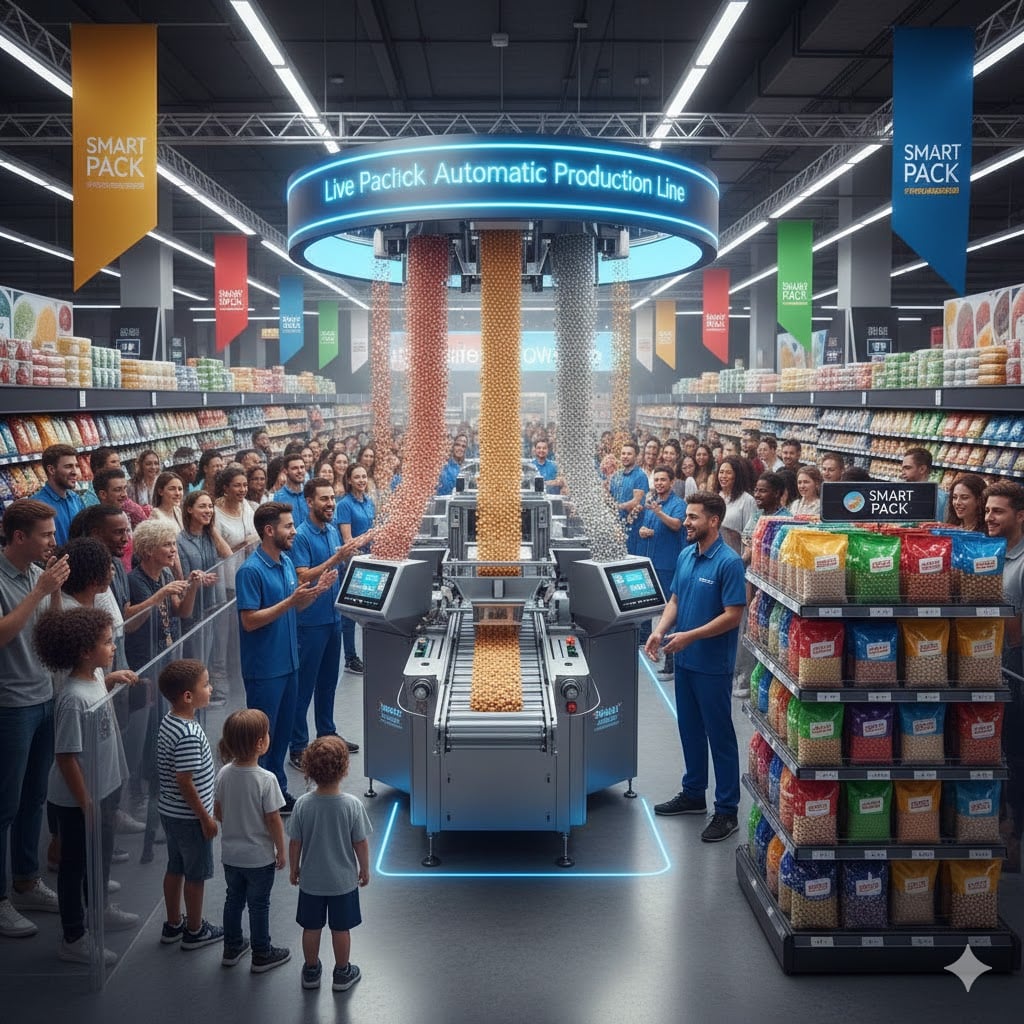
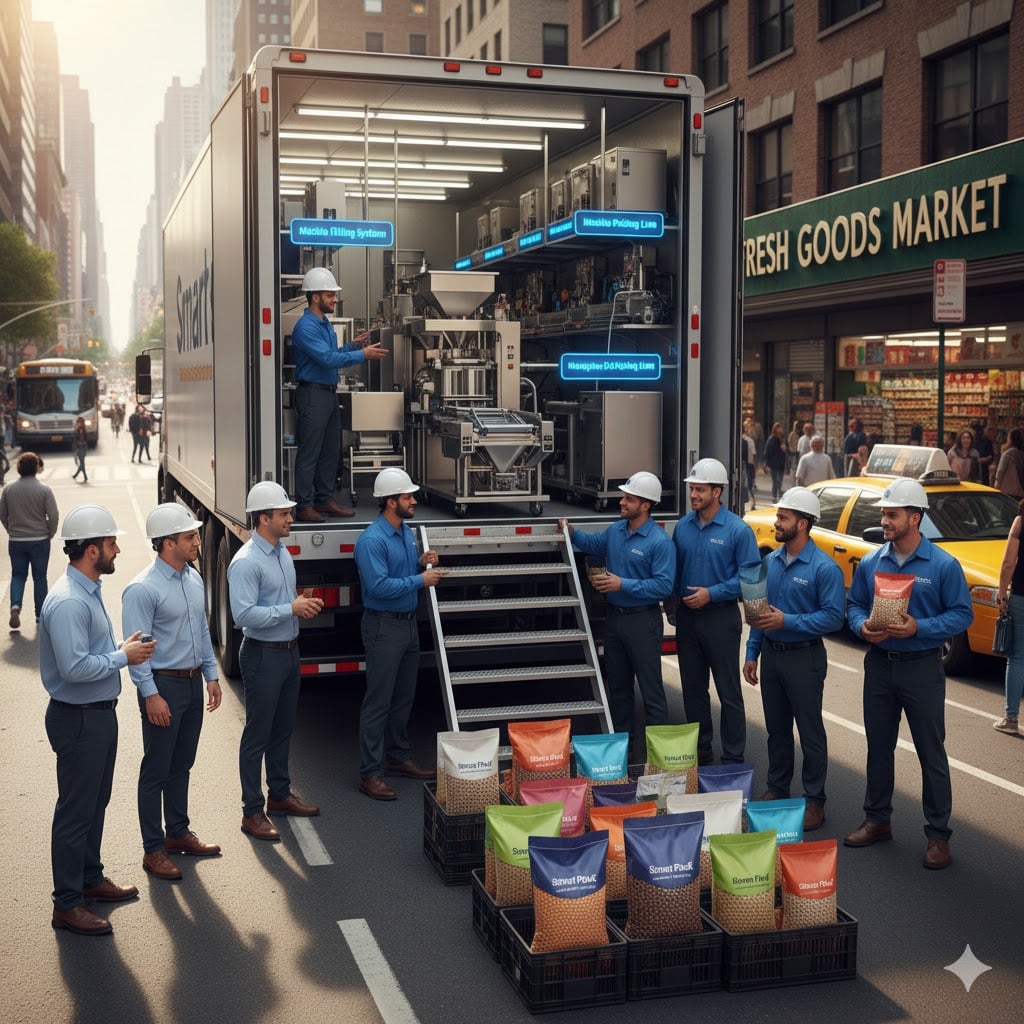
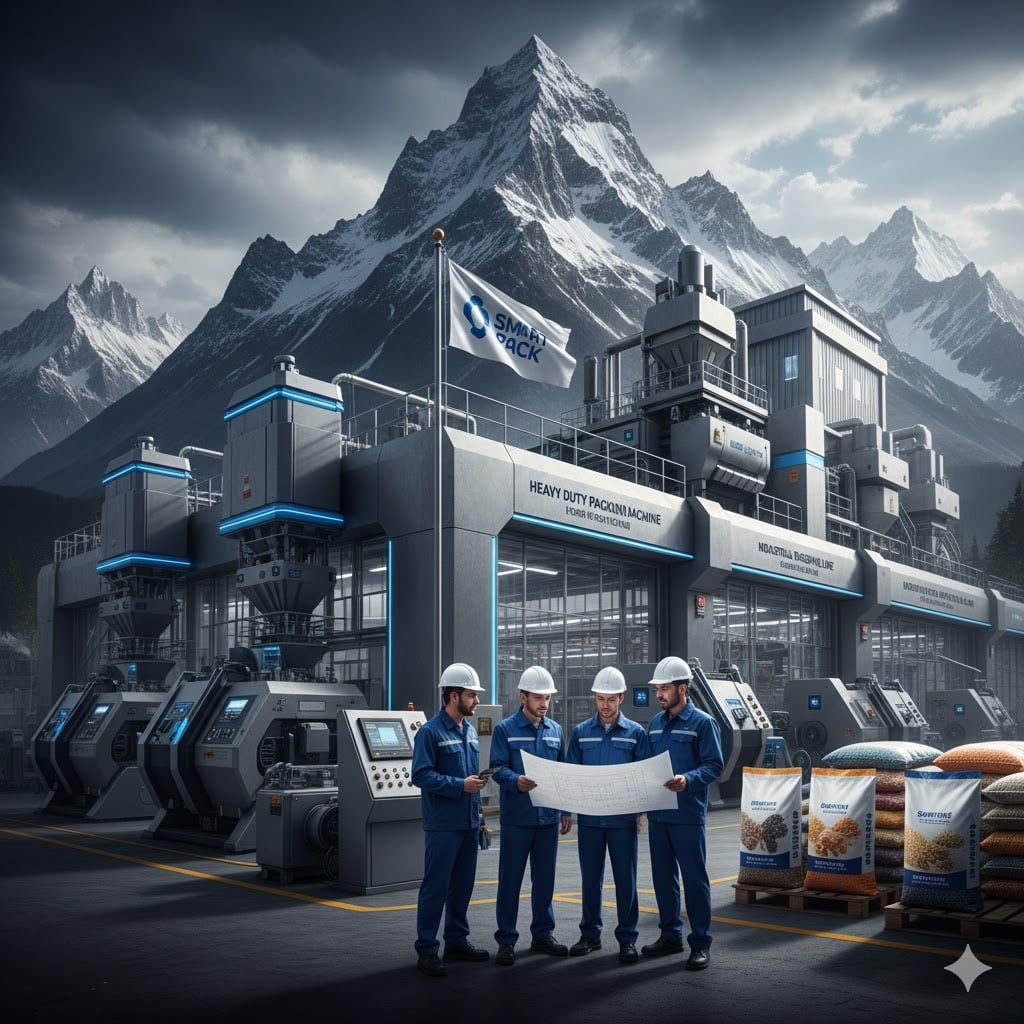
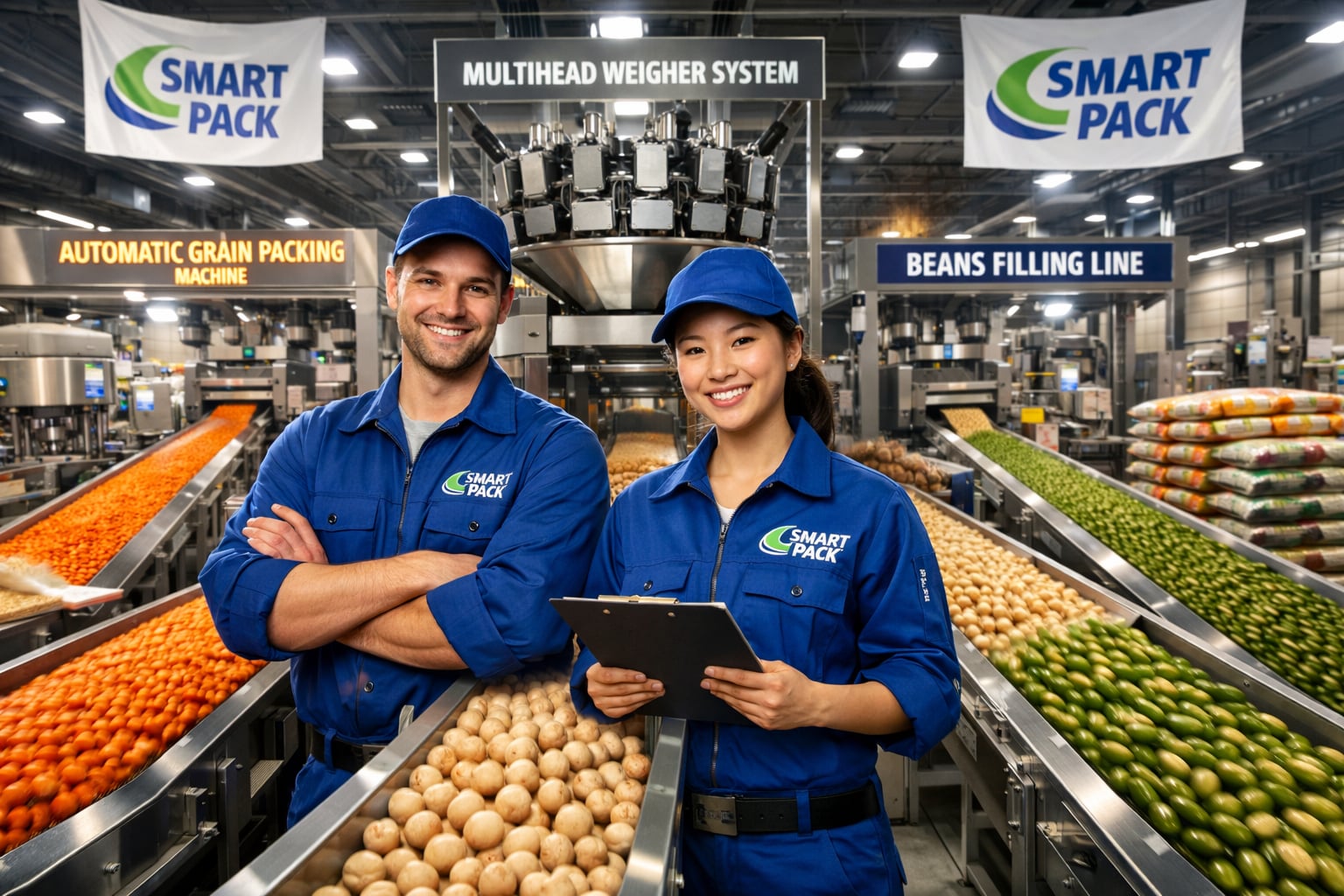
Over the past century and a half, the packaging industry has undergone a fundamental transformation—moving from traditional manual processes to highly advanced automated systems powered by modern control technologies and industrial simulation. This evolution has not only increased production speed but has also redefined standards of quality, precision, waste reduction, and operational flexibility, even for sensitive products such as grains and powders.
While premium goods were once packaged entirely by hand, packaging has now become a critical stage for all products, from food items to industrial goods. This shift clearly highlights the role of technology in ensuring factory competitiveness and long-term production sustainability.
First: What Is the Difference Between Traditional and Modern Packaging?
Traditional Packaging
-
Relies heavily on manual labor
-
Longer production times
-
Inconsistent packaging quality
-
Higher material waste
Modern Automated Packaging
-
High production speed
-
Excellent weight accuracy
-
Minimal waste
-
Professional and consistent package appearance
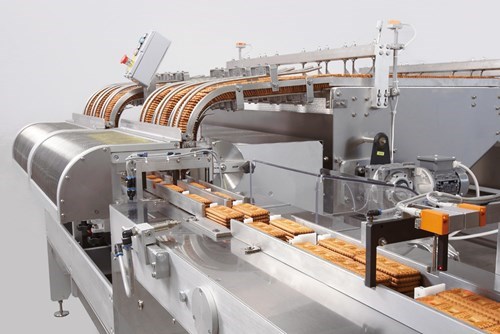
The development of modern packaging machinery has created a qualitative leap in operational performance and process control accuracy. This makes it essential to understand product characteristics before selecting the appropriate mechanical system.
Second: How Has Technology Influenced Packaging Machinery?
1. Smart Control Systems
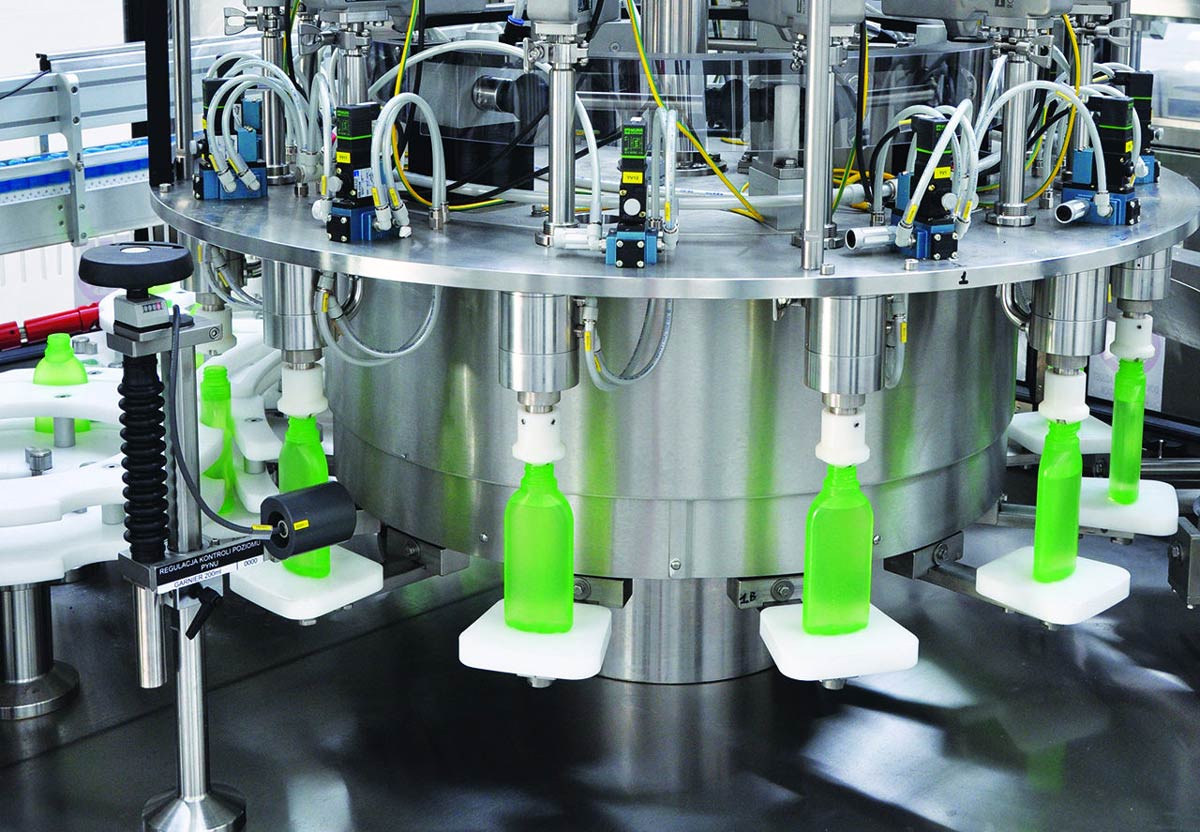
Many modern packaging machines now rely on advanced electronic control systems such as PLCs. These systems allow precise regulation of filling processes, accurate quantity control, and smooth operation with minimal human intervention.
2. High Accuracy in Weight and Sealing
Advanced technologies have significantly reduced margins of error, leading to:
-
Lower material waste
-
Compliance with labeled weight
-
Improved final product appearance
Third: Types and Applications of Advanced Packaging Machines
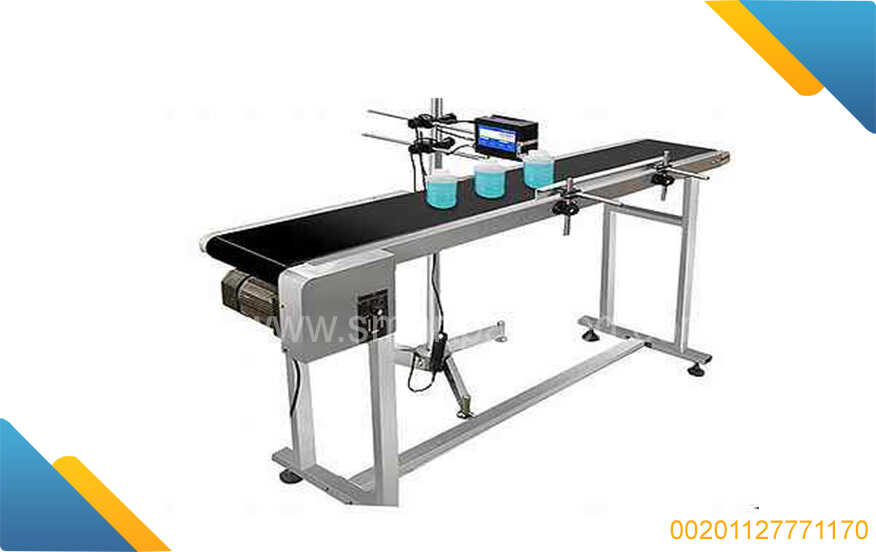
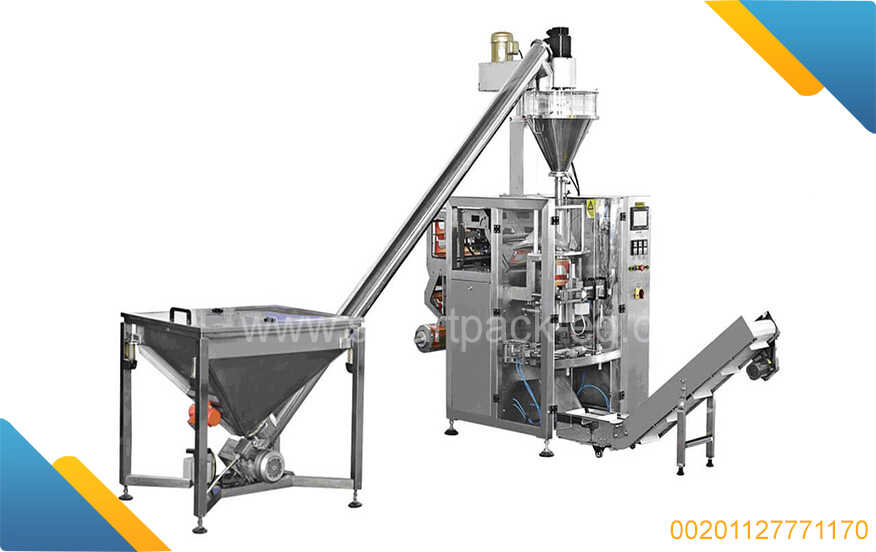
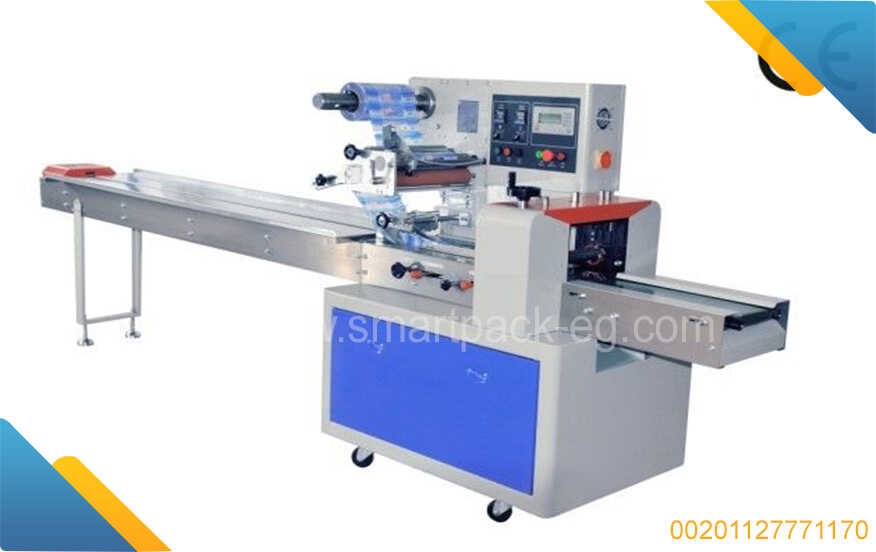
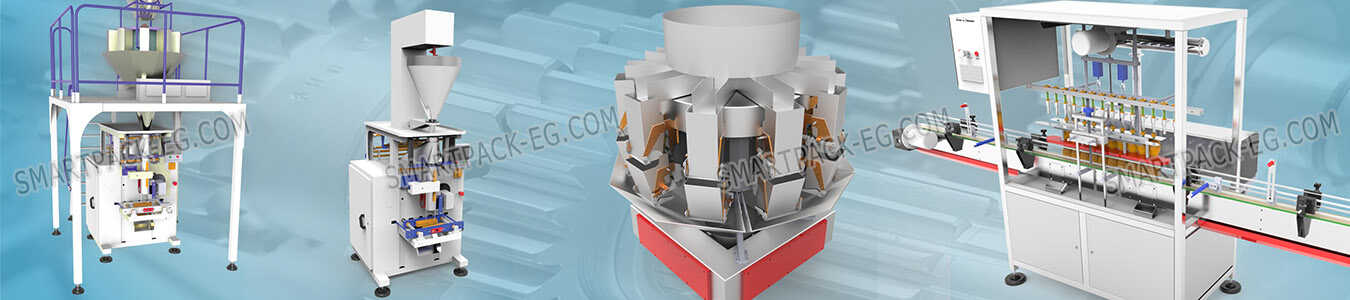
Modern packaging machines can be classified according to product type and filling method:
| Machine Type | Application | Typical Products |
|---|---|---|
| Powder Filling Machines | Light, fine materials | Spices, milk powder |
| VFFS Machines | Complete bags from film roll | Grains, nuts, biscuits |
| Granule Filling Machines | Free-flowing granular products | Rice, lentils, legumes |
| Integrated Packaging Lines | High-volume production | Full-scale packaging plants |
Advanced packaging solutions are used across a wide range of industries—from food to industrial products—while the level of automation varies depending on project size and product nature.
Fourth: How to Choose the Right Packaging Machine for Grain Products?
Key Questions Before Purchasing:
✅ What type of product will you package?
✅ Is it granular or powdered?
✅ What is the targeted daily output?
✅ Do you need flexibility in package sizes?
✅ What level of automation is required?
Answering these questions helps you select a machine that:
✔️ Matches product characteristics
✔️ Delivers efficient production speed
✔️ Fits your operational budget
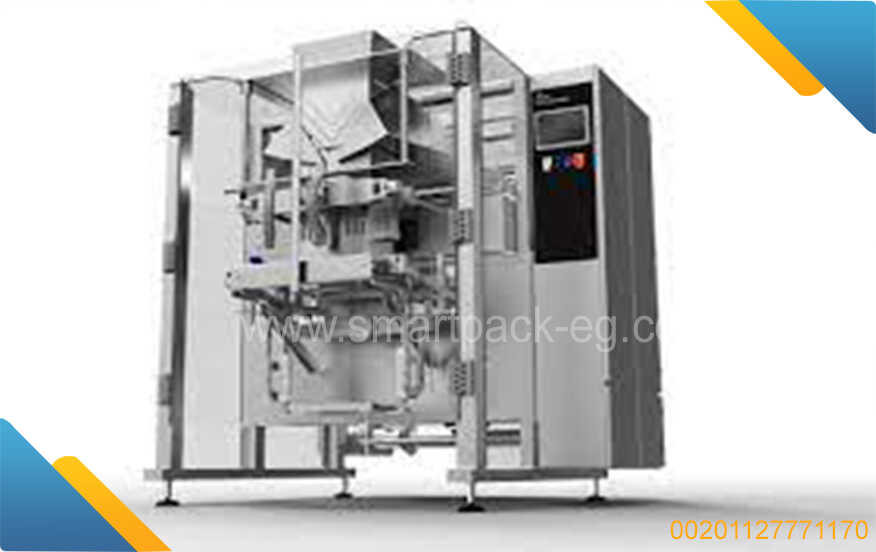
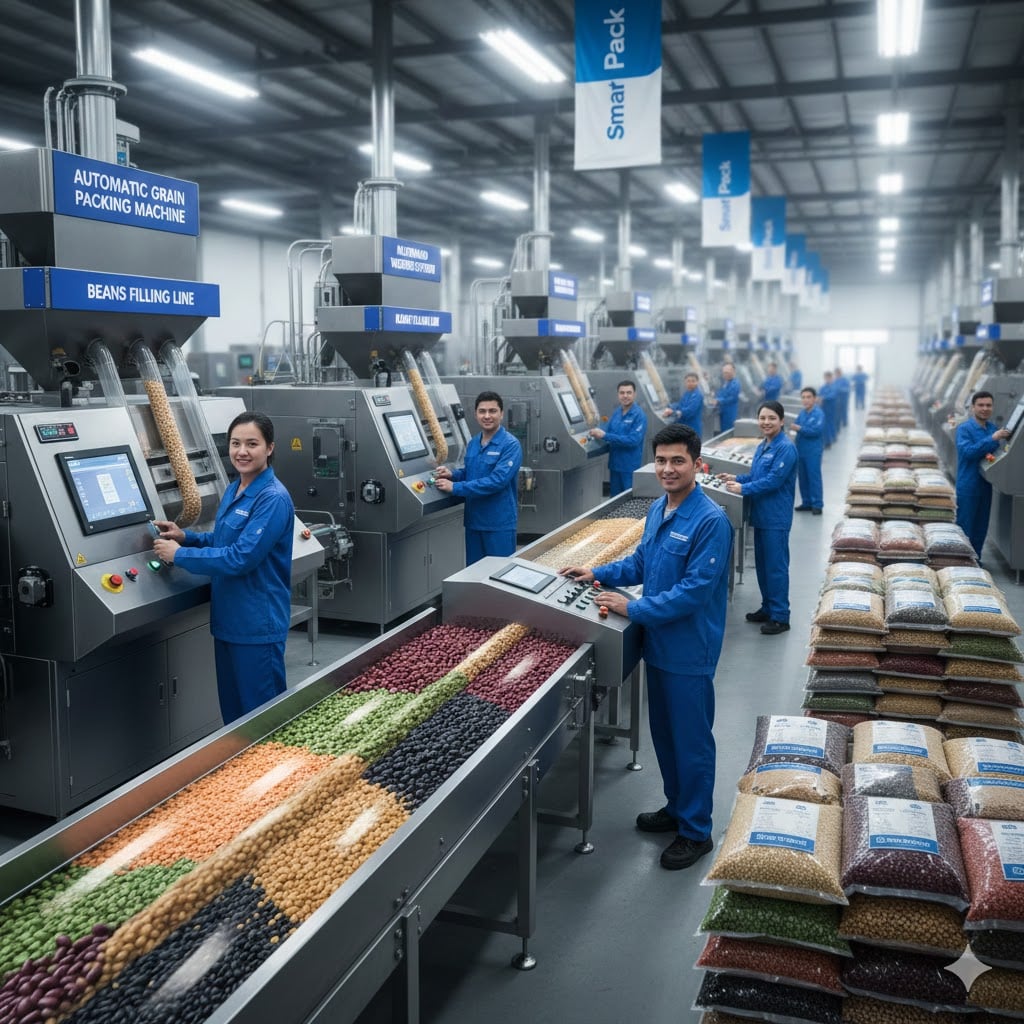
Many grain and powder projects rely on VFFS systems, which are among the most versatile and efficient solutions. These machines form bags from film rolls, fill them, and seal them in a single continuous process.
Fifth: Benefits of Using Modern Packaging Machines
✅ Significantly higher productivity
Automated systems operate much faster than manual or semi-automatic methods.
✅ Reduced material waste
Precise dosing ensures accurate distribution of product inside each package.
✅ Consistent results
Each package is uniform in weight, shape, and quality.
✅ Lower labor dependency
This directly reduces operating costs.
✅ Greater product flexibility
Many systems can handle multiple product types with simple adjustments.
Sixth: Practical Tips Before Buying a Packaging Machine
1️⃣ Clearly Define Your Needs
Prepare a clear plan for production volume, product type, and future expansion.
2️⃣ Don’t Focus on Price Alone
The cheapest option is not always the best—low cost may compromise quality and after-sales support.
3️⃣ Ensure Technical Support and Spare Parts Availability
Reliable support guarantees continuous operation and minimal downtime.
4️⃣ Choose an Experienced Supplier
Working with an experienced manufacturer significantly reduces operational risks.
✅ For this reason, it is always recommended to cooperate with specialized and experienced companies such as Smart Pack, which provide tailored packaging solutions and comprehensive services—from consultation to after-sales support.
Frequently Asked Questions (FAQ)
1. Are all packaging machines suitable for every product?
No. You must select the machine based on the specific product type.
2. What is the difference between VFFS and other systems?
VFFS machines form, fill, and seal bags in one process and support multiple bag styles.
3. Can package size be changed on the same machine?
Yes, modern systems allow relatively easy size adjustments.
4. Is operator training necessary?
Yes. Training is essential to achieve maximum efficiency.
5. Is investing in modern packaging equipment worth it?
Absolutely—modern machines reduce waste and significantly increase productivity.
6. Why is technical support important?
It ensures continuous operation and minimizes downtime.
Conclusion
The packaging industry has experienced remarkable technological advancement, making operations more efficient and precise—especially for grains and powder products. Selecting the right packaging machinery depends on clearly defining production needs, understanding product characteristics, and planning for future expansion. Partnering with a trusted and experienced supplier like Smart Pack ensures stable operation, high-quality output, and long-term success in today’s competitive markets.