 Admin
Admin How to Choose a Packaging Machine That Delivers Maximum Profit Within the First 6 Months
4
Choosing the right filling and packaging machine is not just a technical decision—it is a strategic investment that determines how quickly your factory becomes profitable. The right production line can help you recover your investment within months, while the wrong machine can drain your budget through downtime, waste, and high labor costs.
If you are starting a packaging factory or upgrading your current production, the most important question is not “What is the machine price?” but “How much profit will it generate in the first 6 months?”
This practical guide will help you select the best filling and packaging machines to achieve maximum return on investment in the shortest possible time.
Why Your Packaging Machine Choice Directly Impacts Your Profit
4
Your machine determines your daily output and operational efficiency.
Key profit factors:
-
Machine speed determines how many units you can sell daily
-
Filling accuracy reduces raw material waste
-
Machine reliability prevents costly downtime
-
Reduced labor requirements increase profit margins
-
Full automation increases output while reducing operating costs
Simply put:
Every additional unit per minute equals direct additional profit.
The Golden Rule for Achieving Profit Within 6 Months
Before buying any packaging machine, remember this formula:
Profitability = (Production Speed × Profit per Unit) – (Operating Costs + Downtime + Labor Costs)
If you choose a machine that is:
-
Slow
-
Prone to breakdowns
-
Dependent on manual operation
You will lose money before achieving profitability.
But if you invest in:
-
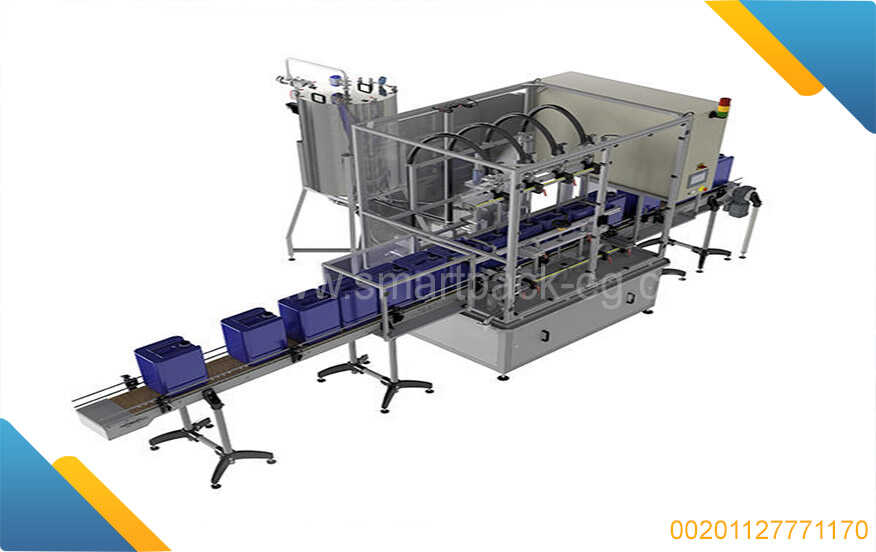
Automatic filling and packaging machines
-
High-precision systems
-
Low-maintenance equipment
-
Fully integrated production lines
You can achieve fast profit recovery within months.
7 Practical Steps to Choose a High-Profit Packaging Machine
Step 1: Identify Your Product Type Precisely
4
Each product requires specialized equipment:
-
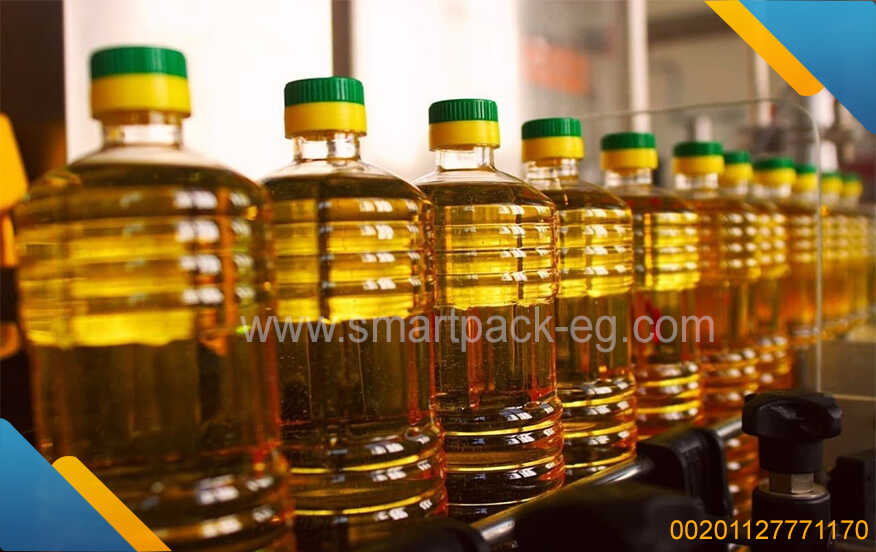
Liquids require precision pump filling machines
-
Powders require auger filling systems
-
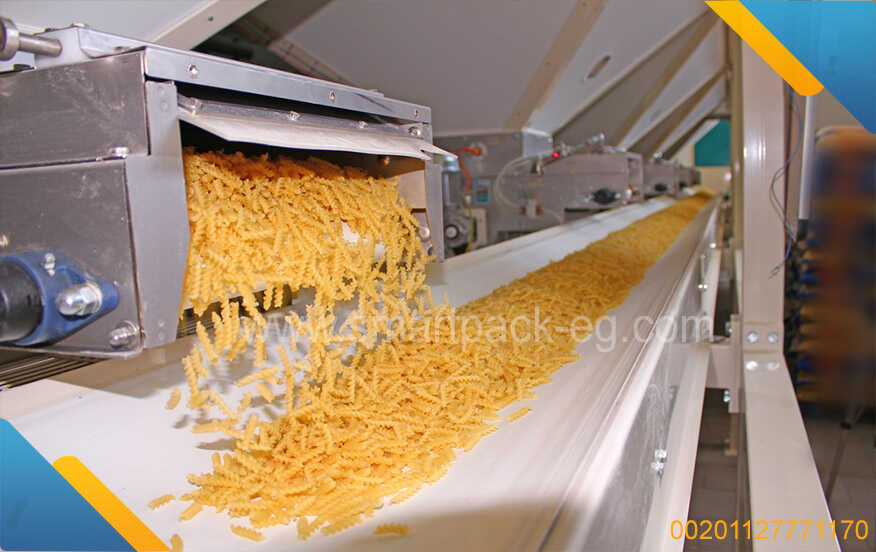
Granules require multihead weighing machines
Using the wrong machine leads to:
-
Product waste
-
Filling inaccuracy
-
Slow production
-
Lost profit
Step 2: Calculate Your Required Daily Production Capacity
Do not choose machines based only on price.
Ask yourself:
-
How many units must I produce daily?
-
How many units must I sell to achieve my profit goals?
Example:
If your target is 20,000 units per day:
-
A machine producing 20 units/minute is insufficient
-
A machine producing 80–120 units/minute achieves your goal efficiently
Step 3: Choose Automatic Machines Instead of Semi-Automatic
4
Profit comparison:
| Factor | Semi-Automatic | Fully Automatic |
|---|---|---|
| Labor requirement | 6–8 workers | 1–2 operators |
| Production speed | Low | Very high |
| Waste level | Higher | Very low |
| Profitability | Limited | Very high |
Automation reduces labor costs and increases output.
Step 4: Focus on Machine Quality, Not Just Price
Important features:
-
Industrial stainless steel construction
-
European electrical components
-
Modern PLC control systems
Cheap machines may break down frequently, causing production losses.
Every hour of downtime equals lost revenue.
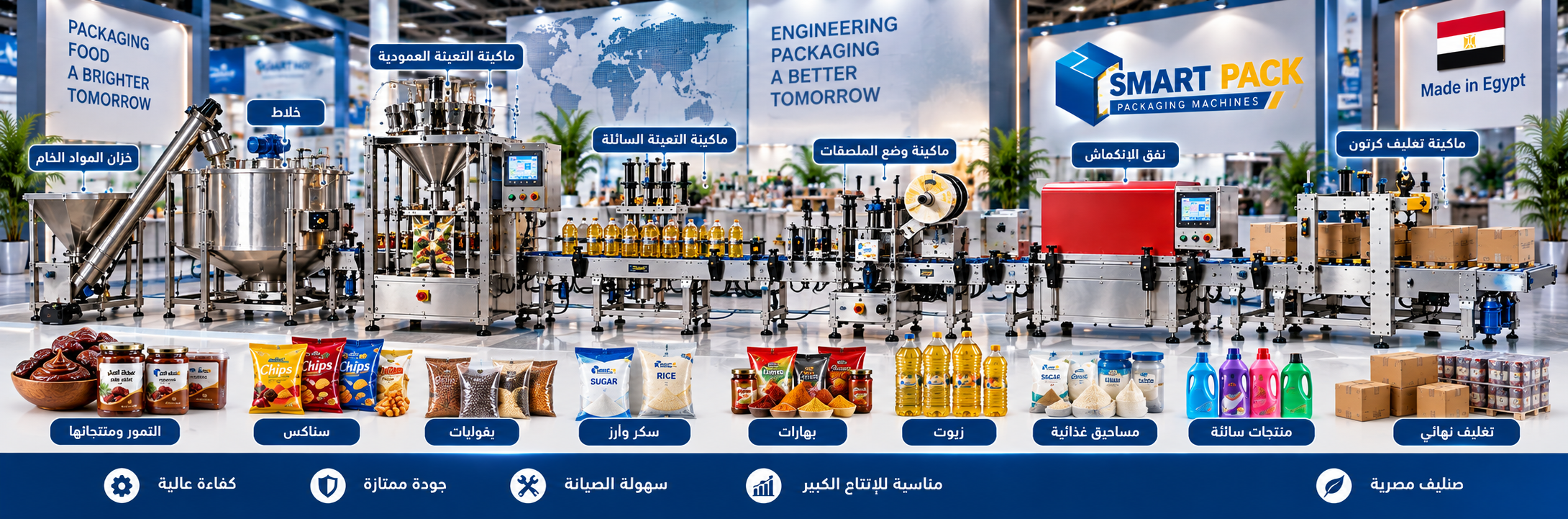
Step 5: Choose a Complete Production Line Instead of Standalone Machines
4
Benefits of complete production lines:
-
Fully automated product transfer
-
Stable production speed
-
Reduced human error
-
Continuous operation
-
Lower cost per unit
Integrated production lines increase profitability by 30–50%.
Step 6: Calculate Return on Investment Before Purchase
Example profit comparison:
| Factor | Standard Machine | Professional Machine |
|---|---|---|
| Daily production | 6,000 units | 20,000 units |
| Profit per unit | $0.30 | $0.30 |
| Daily profit | $1,800 | $6,000 |
| Monthly profit | $54,000 | $180,000 |
Higher-quality machines generate significantly greater profit.
Step 7: Choose a Supplier That Provides Full Technical Support
4
Technical support is critical.
Without fast maintenance, production stops and profit losses increase.
Choose suppliers that provide:
-
Installation support
-
Training
-
Spare parts availability
-
Maintenance services
Real Profit Example Within the First 6 Months
If you invest in a mid-range automatic production line:
-
Equipment cost: $90,000
-
Monthly profit: $30,000–$40,000
-
Total profit in 6 months: $180,000–$240,000
This means full investment recovery plus additional profit.
Smart Tips for Buying Packaging Machines from Smart Pack
Professional recommendations:
-
Request a production analysis before purchasing
-
Choose complete production lines instead of individual machines
-
Ensure spare parts availability
-
Request operator training
-
Invest in high-speed, low-waste machines
-
Choose Smart Pack for customized industrial solutions
The goal is not to buy a machine—it is to buy profitability.
Frequently Asked Questions
What is the fastest way to recover investment?
Choose high-speed automatic production lines.
Are cheaper machines a good option?
They may cost less initially but have higher operating costs.
What machine speed is recommended?
At least 60 units per minute for serious production.
Are complete production lines better than individual machines?
Yes, they reduce labor and increase productivity.
Where can I buy reliable packaging machines?
From specialized suppliers like Smart Pack.
Start with a Production Line That Generates Profit from the First Month
4
With the right production line, you can achieve:
-
Faster production
-
Lower operating costs
-
Reduced waste
-
Maximum profit within 6 months
Contact Smart Pack today to receive a customized filling and packaging solution designed to maximize your factory’s profitability and investment return.