 Admin
Admin Comprehensive Comparison Between Automatic and Semi-Automatic Packaging Machines — Which One Fits Your Factory and Maximizes Production Line Profitability?
-
Decide now: do you want lower upfront cost or higher long-term profit and faster return on investment?
-
The right choice depends on your product type, daily production volume, and expansion plans.
-
This practical comparison will show you the advantages, limitations, and financial impact of each option so you can choose machinery that increases your factory’s profitability.
Motivational Introduction for Factory Owners and Investors
If you operate a packaging factory and want to reduce costs while increasing production efficiency, understanding the difference between automatic and semi-automatic packaging machines is your first strategic step toward higher profitability.
The right decision today can reduce labor costs, minimize waste, improve packaging quality, and strengthen your brand’s reputation in competitive markets.
This detailed comparison is designed to help you make a decision based on real numbers and measurable financial impact within the first six months of operation.
What Is the Difference Between Automatic and Semi-Automatic Packaging Machines?
Fully Automatic Packaging Machines
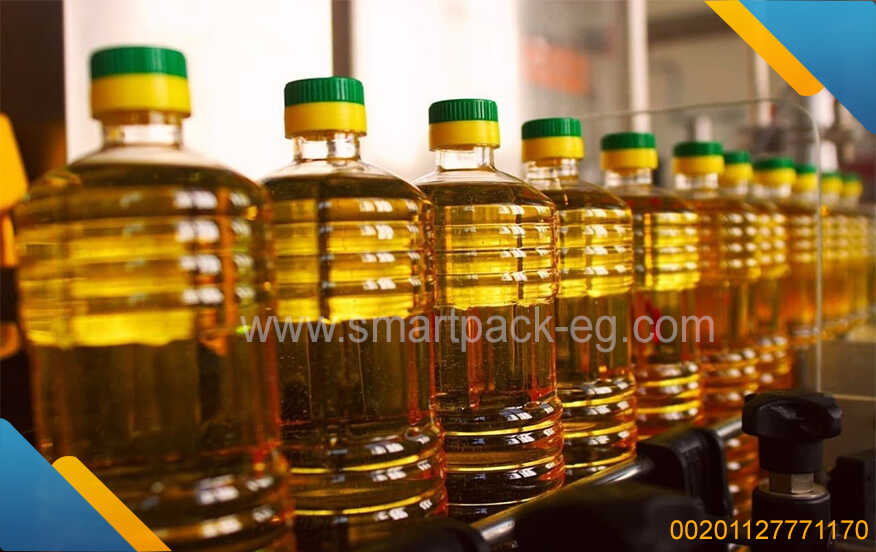
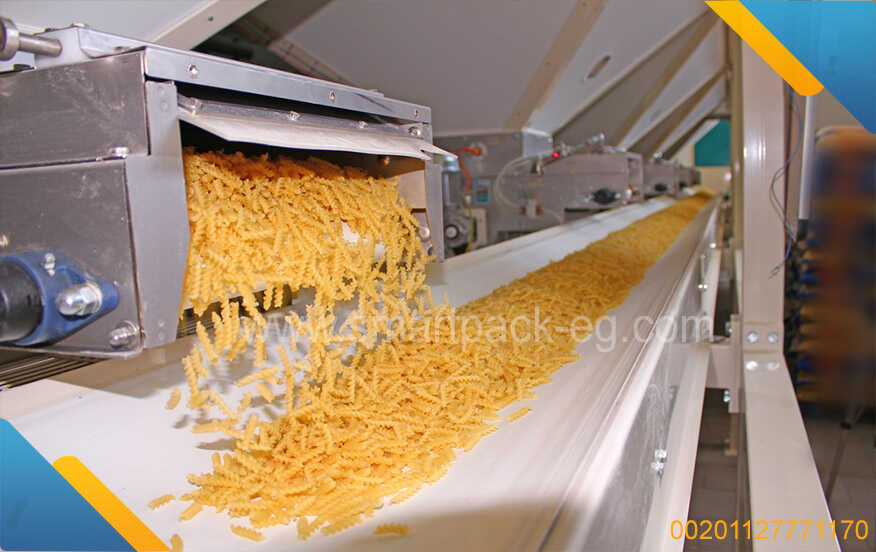
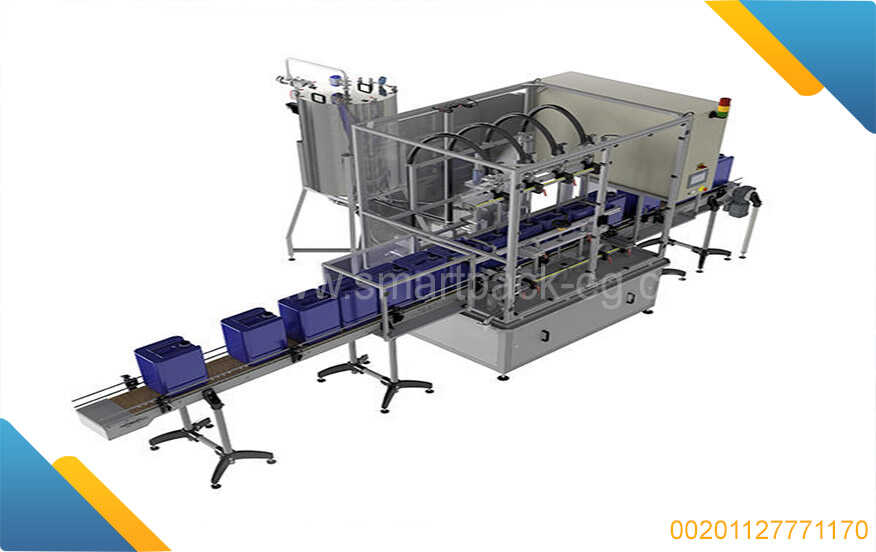
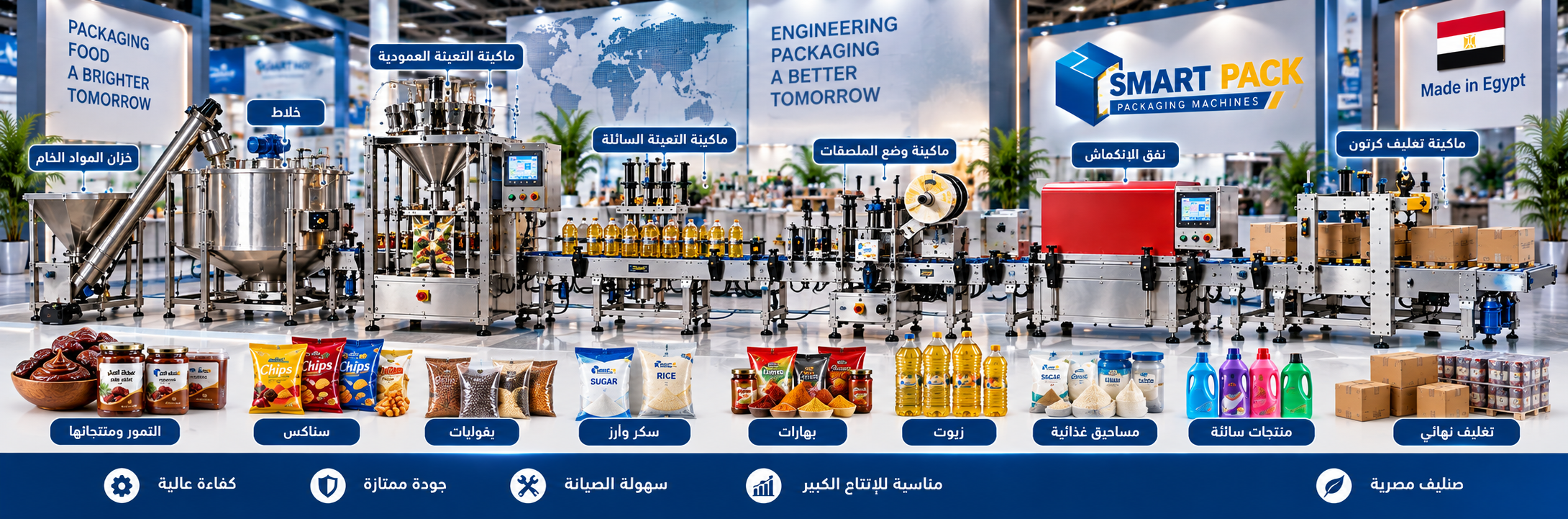
Fully automatic machines operate as part of an integrated production line including filling, capping, labeling, and packaging.
Key characteristics:
-
Controlled by PLC systems and advanced electronic automation
-
Require only 1–2 operators for supervision
-
Capable of continuous operation with minimal human intervention
-
Ideal for high-volume production and export-oriented factories
Semi-Automatic Packaging Machines
4
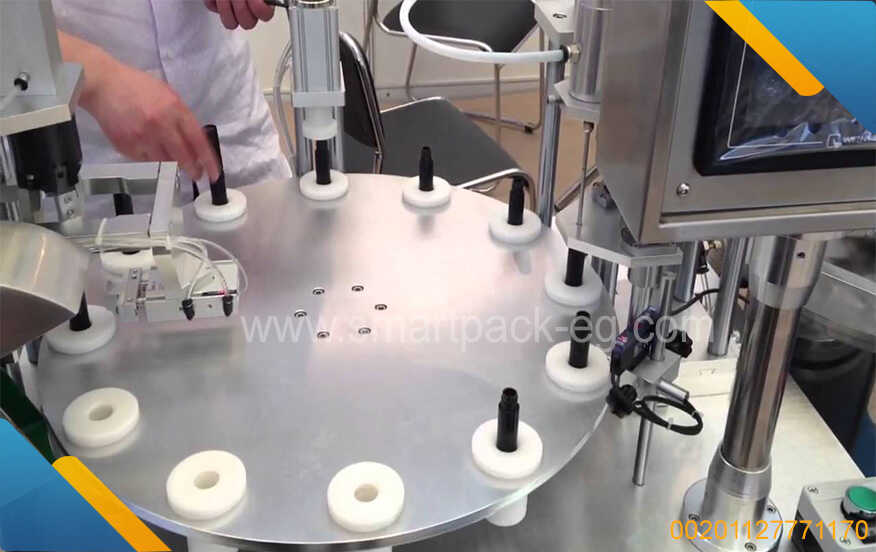
Semi-automatic machines require manual involvement in various stages such as container placement and process control.
Key characteristics:
-
Suitable for small factories and startups
-
Lower initial purchase cost
-
Higher operating cost over time due to labor requirements
-
Ideal for limited production or product testing phases
Detailed Comparison Table: Automatic vs Semi-Automatic Packaging Machines
| Comparison Factor | Automatic Packaging Machines | Semi-Automatic Packaging Machines |
|---|---|---|
| Initial purchase cost | Higher initial investment but designed for long-term industrial use and sustainability | Lower upfront cost, attractive for startups with limited budgets |
| Monthly operating cost | Lower due to reduced labor, optimized energy use, and efficient servo and PLC systems | Higher due to manual labor, slower production, and operational inefficiencies |
| Labor requirements | Only 1–2 operators needed, reducing salaries and human errors | Requires 4–8 workers depending on production volume |
| Production speed | Very high speed (60–200 units per minute), suitable for export and large-scale distribution | Lower speed (5–50 units per minute), suitable for small production |
| Filling accuracy and waste | Extremely high precision, reducing material waste and increasing profit margin | Lower precision, resulting in higher waste and material loss |
| Maintenance and reliability | Requires professional maintenance but offers stable and reliable performance | Easier maintenance but more frequent breakdown risk |
| Scalability | Easy expansion by upgrading software or adding modules | Limited scalability, often requires replacement or additional machines |
| Return on investment (ROI) | Higher long-term profitability due to lower cost per unit and higher capacity | Faster initial affordability but lower overall profitability |
Real Profitability Comparison: Financial Example
4
Semi-Automatic Machine Scenario
-
Daily production capacity: 5,000 units
-
Average profit per unit: $0.30
-
Monthly gross profit: approximately $45,000
-
Net profit after expenses: $10,000 to $15,000
Fully Automatic Production Line Scenario
-
Daily production capacity: 18,000 units
-
Average profit per unit: $0.30
-
Monthly gross profit: approximately $162,000
-
Net profit after expenses: $35,000 to $70,000
Conclusion:
Automatic production lines generate significantly higher net profit and faster capital recovery despite higher initial investment.
Why Choose Automatic Packaging Machines?
4
Automatic machines offer continuous operation, higher productivity, and consistent product quality.
Key advantages:
-
Reduced labor costs
-
Increased production capacity
-
Lower cost per unit
-
Higher product quality and consistency
-
Faster return on investment
Automatic systems are ideal for factories aiming to scale production and secure large distribution contracts.
Why Choose Semi-Automatic Packaging Machines?
4
Semi-automatic machines are ideal for startups and small businesses.
Key advantages:
-
Lower initial investment
-
Suitable for product testing and market entry
-
Flexible for small production volumes
-
Faster initial setup
They allow investors to enter the market quickly with lower financial risk.
Step-by-Step Guide to Choosing the Right Option
-
Define your current and future daily production volume
-
Calculate profit margin per unit
-
Compare total operating costs including labor and maintenance
-
Evaluate spare parts availability and technical support
-
Consider your long-term expansion plans
If your goal is rapid growth and maximum profitability, automatic packaging machines are usually the best investment.
Professional Buying Tips from Smart Pack
4
Request a customized production line design tailored to your factory
Test machines using your actual product before purchase
Ensure spare parts availability and technical support
Calculate cost per unit, not just machine price
Invest in scalable automatic systems for future growth
Working with professional suppliers like Smart Pack ensures long-term operational stability and higher profitability.
Frequently Asked Questions
Are automatic machines always better for investment?
Yes, especially for high-volume production and long-term profitability.
Are semi-automatic machines suitable for startups?
Yes, they are ideal for startups but should be upgraded as demand grows.
How many operators are required?
Automatic machines require 1–2 operators, while semi-automatic machines require 4–8 workers.
Which option provides faster return on investment?
Automatic machines typically provide faster ROI due to higher productivity and lower operating cost per unit.
What if my budget is limited but I want automation?
You can start with a semi-automatic setup or invest in a modular automatic system that allows gradual expansion.
Make the Right Investment Decision for Long-Term Profitability
Higher production speed
Lower operating costs
Reduced waste
Higher profit margins
Contact Smart Pack today for a customized production line solution designed to increase your factory efficiency, reduce costs, and maximize your return on investment.