 Admin
Admin Complete Liquid Production Line vs Standalone Liquid Filling Machine: The Decision That Multiplies Your Factory Profits
4
Choosing between a standalone liquid filling machine and a complete liquid production line is one of the most critical investment decisions for any packaging factory. This decision directly affects your production speed, operating costs, product quality, and long-term profitability.
A complete automated liquid production line can dramatically increase productivity, reduce labor costs, and improve packaging quality—while a standalone filling machine offers a lower initial investment but limited scalability.
Higher production speed, lower cost per unit, and professional packaging quality are the key factors that determine your factory’s competitive strength and financial success.
Why This Decision Is Critical for Packaging Factories
4
Your choice today will impact your factory’s performance and profitability for years.
Key reasons include:
-
Every minute of downtime results in direct production loss
-
Excess labor increases operating costs
-
Packaging quality directly affects customer trust
-
The right production system determines long-term profitability
Whether you produce detergents, oils, beverages, or chemicals, liquid filling and packaging machines are the core of your manufacturing operation.
What Is a Complete Liquid Production Line?
4
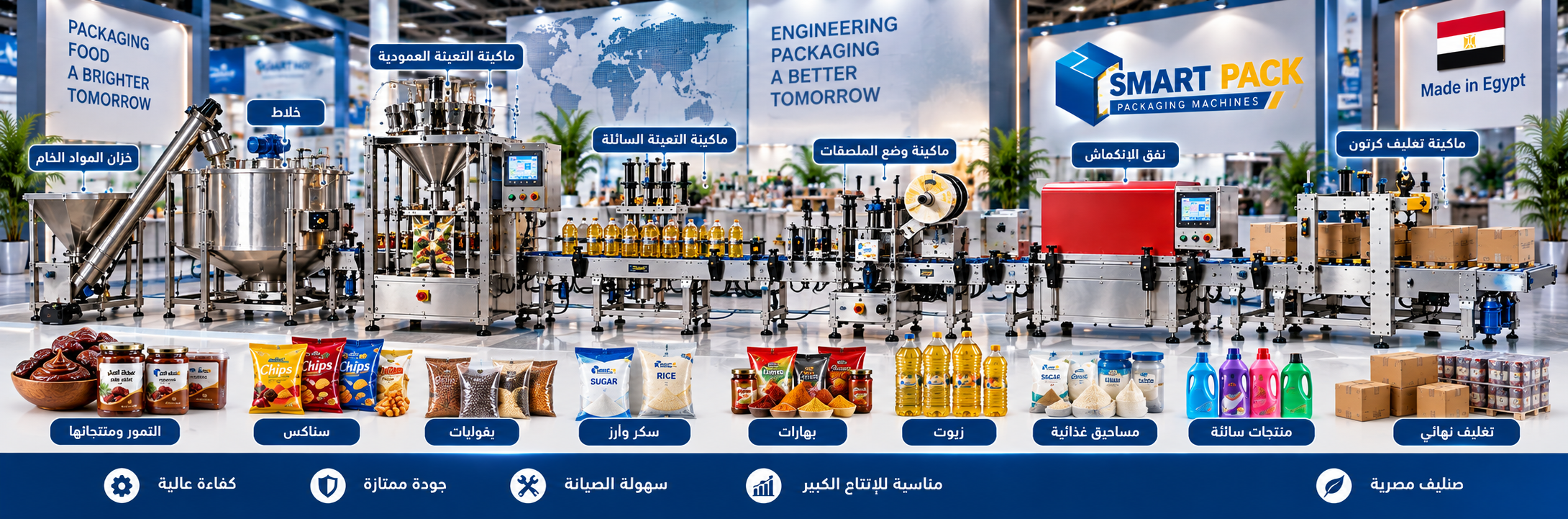
A complete automated liquid production line typically includes:
-
High-precision automatic liquid filling machine
-
Automatic capping machine
-
Labeling machine
-
Shrink wrapping or cartoning machine
-
Conveyor systems
-
Central PLC control system
All components operate in full synchronization, ensuring continuous automated production with minimal human intervention.
What Is a Standalone Liquid Filling Machine?
4
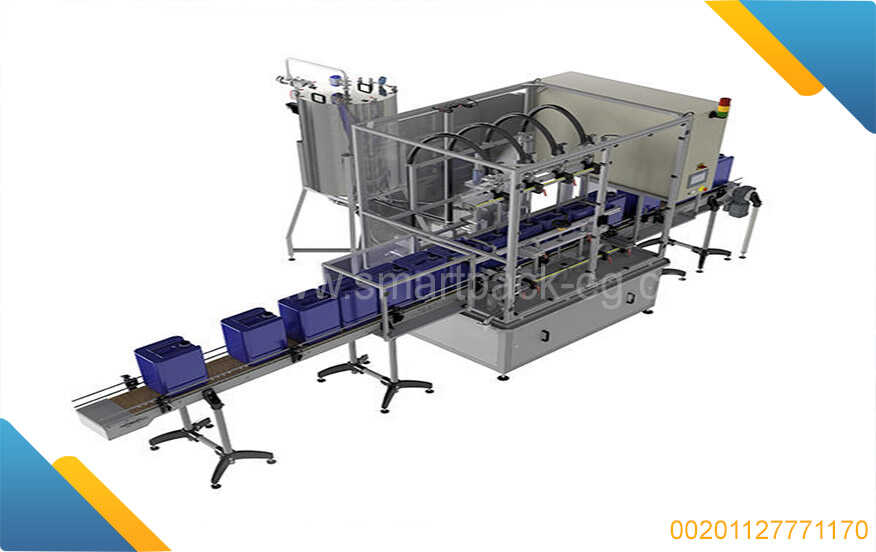
A standalone liquid filling machine performs only the filling process. Other operations such as capping, labeling, and packaging are performed manually or using separate machines.
It is commonly used in:
-
Small factories
-
Startup projects
-
Low production volume operations
This option provides lower initial investment but limited production efficiency.
Practical Comparison: Complete Liquid Production Line vs Standalone Filling Machine
| Comparison Factor | Standalone Liquid Filling Machine | Complete Liquid Production Line |
|---|---|---|
| Operation method | Semi-manual with operator involvement | Fully automatic continuous operation |
| Labor requirement | 5–8 workers | 1–2 operators only |
| Production speed | 15–30 bottles per minute | 60–150 bottles per minute |
| Filling accuracy | Good but inconsistent | High-precision, consistent filling |
| Equipment downtime | Higher due to manual handling | Minimal due to integrated automation |
| Product waste and leakage | Higher | Very low |
| Scalability | Limited expansion capability | Easily expandable and upgradeable |
| Cost per packaged unit | Higher | 30–40% lower |
| Long-term profitability | Moderate | Very high with faster ROI |
Complete production lines provide superior operational efficiency and profitability.
When Should You Choose a Standalone Liquid Filling Machine?
This option is suitable when:
-
Starting a new project with limited budget
-
Testing a new product in the market
-
Production volume is less than 3,000 units per day
-
Factory space is limited
It is a cost-effective entry solution but not ideal for long-term industrial growth.
When Should You Choose a Complete Liquid Production Line?
This is the best choice when:
-
Targeting export markets or large distribution networks
-
Operating high daily production volumes
-
Reducing labor costs
-
Achieving professional packaging quality
-
Investing in long-term industrial growth
Automated production lines provide the highest operational efficiency and profitability.
Profitability Case Study: Liquid Detergent Factory
Example comparison:
Using standalone filling machine:
-
Production: 5,000 bottles per day
-
Labor: 6 workers
-
Monthly net profit: approximately $7,000
Using complete production line:
-
Production: 18,000 bottles per day
-
Labor: 2 workers
-
Monthly net profit: $22,000 – $28,000
Conclusion: Complete production lines generate over 3× higher profit.
Real Investment Return Comparison
| Factor | Standalone Machine | Complete Production Line |
|---|---|---|
| Investment cost | $15,000 – $25,000 | $70,000 – $120,000 |
| Monthly profit | $7,000 | $25,000 |
| ROI period | 3–4 months | 3–5 months |
Despite higher initial cost, complete production lines recover investment faster due to higher production capacity.
Smart Investment Tips When Buying Liquid Production Lines from Smart Pack
4
Professional recommendations:
-
Invest in complete integrated production lines
-
Request customized design based on factory space
-
Choose stainless steel machines resistant to chemicals
-
Select advanced PLC control systems
-
Work with trusted suppliers like Smart Pack
Smart Pack solutions provide European-level quality, competitive pricing, and reliable technical support.
Frequently Asked Questions
Is a complete liquid production line more profitable than a standalone machine?
Yes. Higher productivity and lower labor costs significantly increase profitability.
Can I start with a standalone machine and upgrade later?
Yes, but upgrading later often results in higher installation and integration costs.
What is the best option for detergent factories?
Complete automatic liquid production lines provide the best efficiency and profit.
Does packaging quality differ between the two options?
Yes. Integrated production lines provide higher precision and consistent packaging quality.
Where can I buy reliable liquid packaging machines?
From trusted industrial suppliers like Smart Pack offering full production line solutions.
Upgrade Your Factory with Professional Liquid Production Lines
Investing in a complete liquid production line allows you to:
-
Increase production speed
-
Reduce cost per unit
-
Improve packaging quality
-
Multiply factory profitability
Contact Smart Pack today to receive a free technical consultation and a customized liquid production line designed to maximize your factory’s performance and investment return.