 Admin
Admin Transform Your Factory to Automated Production to Reduce Costs and Increase Competitiveness
4
-
Achieve multiple times faster production without increasing labor
-
Reduce cost per unit and lower operating energy consumption
-
Maintain consistent quality that opens doors to export markets and stronger competition
If your factory still relies on manual or semi-automatic processes, you are losing money every day due to inefficiencies, waste, and excessive labor costs.
Investing in automatic filling and packaging machines and modern production lines is not a technical luxury—it is a direct financial decision that increases profitability and strengthens your competitive position.
Why Automated Production Is Now a Necessity, Not an Option
-
Markets demand higher volumes in less time
-
Energy and labor costs continue to rise
-
Competitors are already using high-speed automated lines
-
Customers expect professional and consistent packaging quality
-
Export markets require standardized, high-precision packaging
A slow factory loses market share—while a fast, automated factory increases profits.
How Your Factory Looks After Automation
4
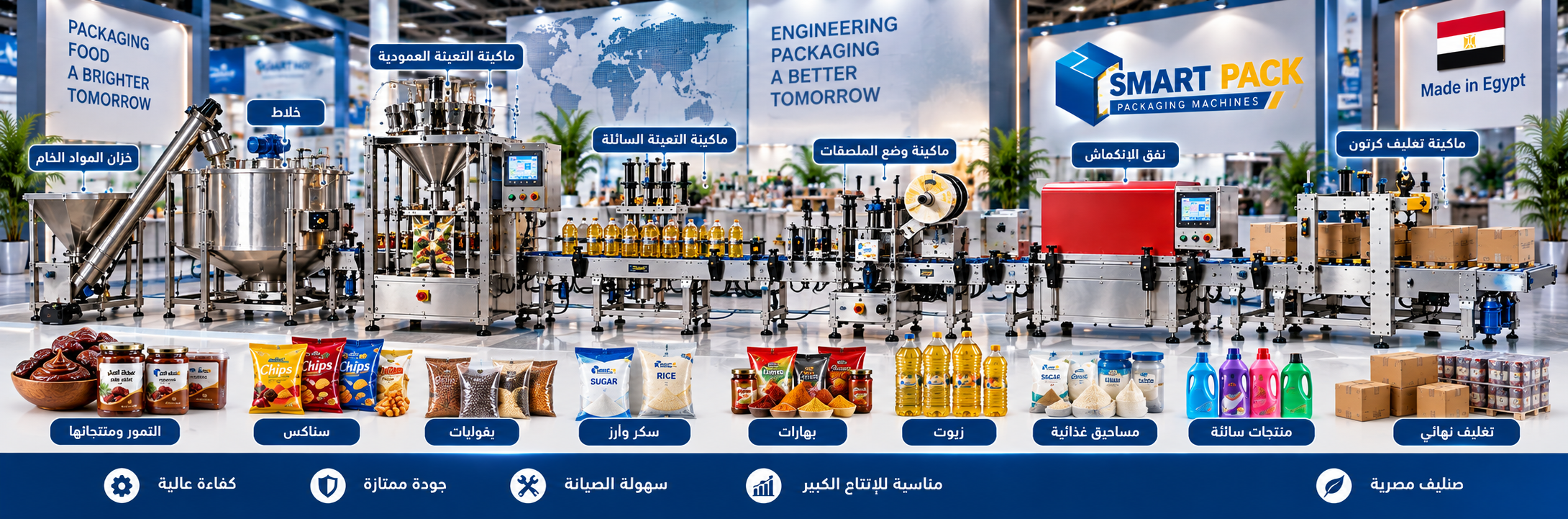
After automation, your production process includes:
-
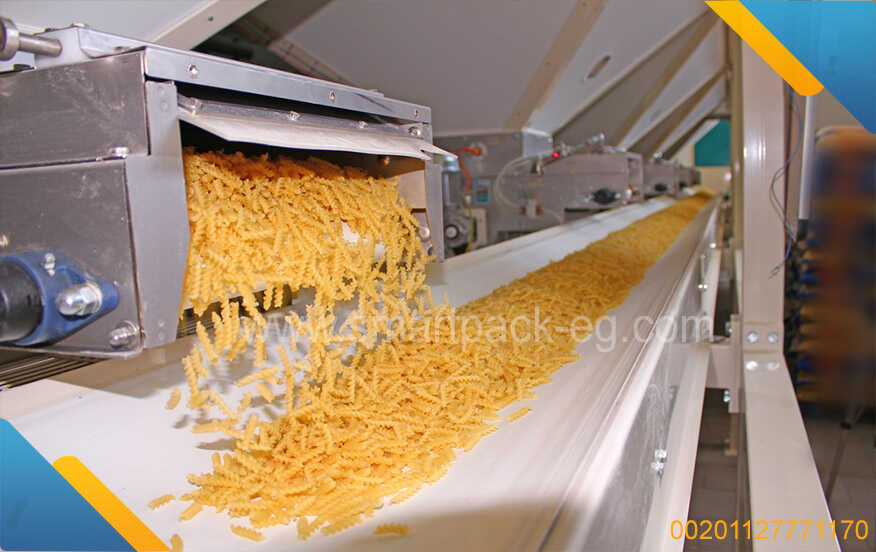
Continuous conveyor systems operating without interruption
-
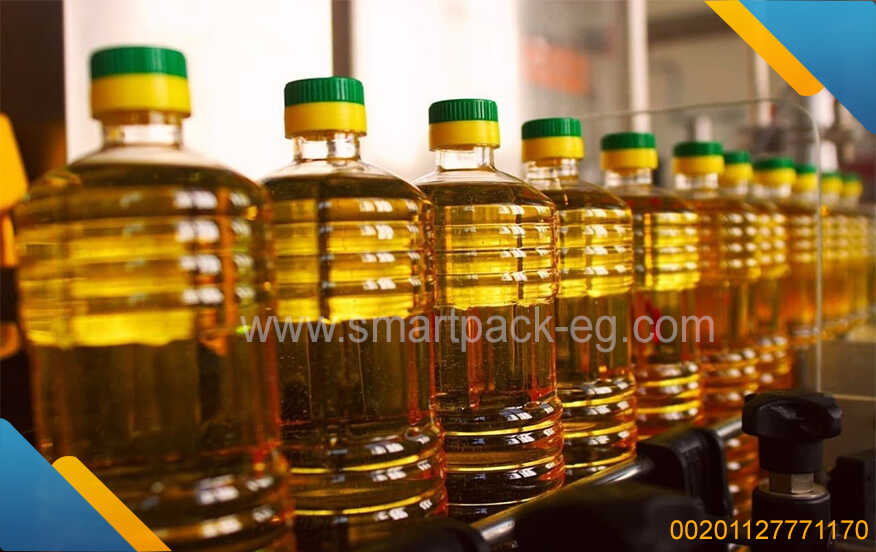
Automatic filling with precise weight control
-
High-speed sealing and packaging machines
-
Automatic date printing and labeling systems
-
One operator supervising instead of a full team
Result: Higher speed, fewer errors, and significantly lower operating costs.
Manual Operation vs Modern Automated Production Lines
| Factor | Manual / Traditional | Modern Automated Production |
|---|---|---|
| Production Speed | Low | Extremely High |
| Labor Requirement | Large workforce | Minimal workforce |
| Waste Level | High | Nearly zero |
| Energy Consumption per Unit | High | Low |
| Packaging Quality | Inconsistent | Consistent and professional |
| Market Competitiveness | Weak | Extremely strong |
Automation simultaneously reduces costs and improves product quality.
Components of a Fully Automated Packaging Production Line
4
A complete automated production line includes:
-
Automatic conveyor systems
-
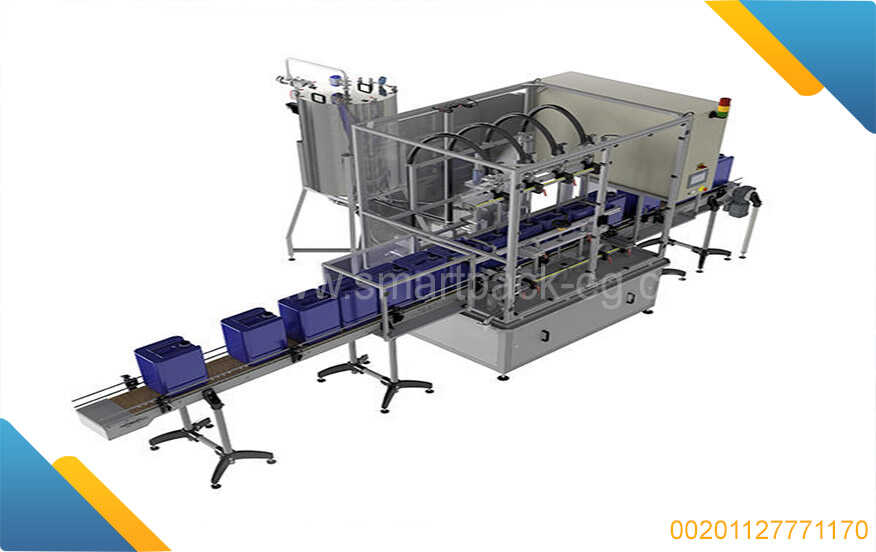
Multi-head filling and packaging machines
-
Liquid, powder, or granule filling machines depending on product type
-
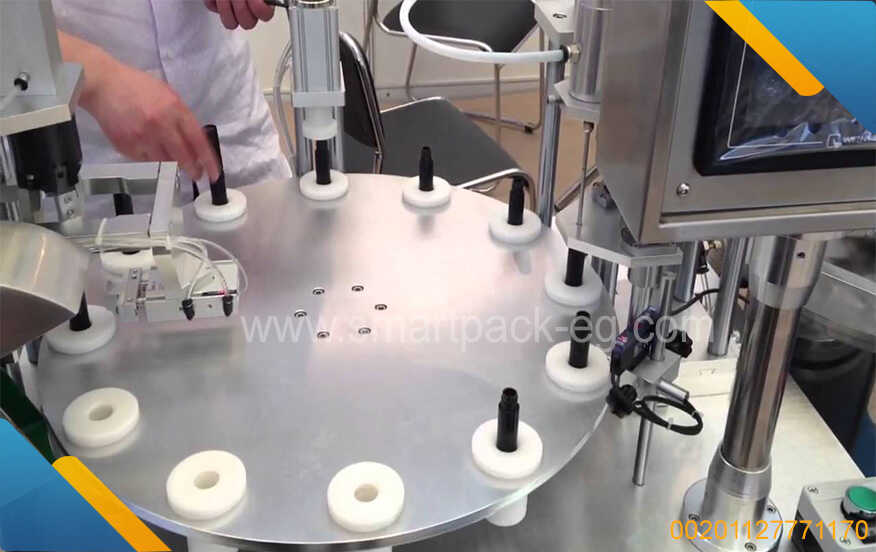
Automatic capping and sealing machines
-
Shrink or horizontal packaging machines
-
PLC control systems for energy efficiency and precision
-
Quality and safety sensors
Each component works together to reduce cycle time and maximize productivity.
Practical Example: Automated Pellet Chips Production Line
4
Production stages:
-
Raw material preparation
-
Forming and drying
-
Frying or baking
-
Cooling
-
High-speed automatic filling and packaging
-
Immediate packaging for distribution
Automation prevents product loss and significantly increases daily profit.
Types of Filling Machines Suitable for Automation
-
Liquid filling machines for detergents and beverages
-
Powder filling machines for food and chemical products
-
Granule filling machines for rice, sugar, and legumes
-
Integrated production lines for medium and large factories
-
Compact automated solutions for smaller facilities
Choosing the right machine is essential for long-term profitability.
Estimated Investment Cost for Automation
Typical medium-scale factory automation investment:
-
Automatic filling and packaging machines: $45,000 – $70,000
-
Packaging and grouping machines: $12,000 – $20,000
-
Conveyor systems and control units: $10,000 – $15,000
-
Installation and commissioning: $8,000 – $12,000
Estimated total investment: $75,000 – $115,000
Profit Comparison Before and After Automation
Before automation:
-
Daily production: 4,000 units
-
Profit per unit: $0.20
-
Daily profit: $800
After automation:
-
Daily production: 12,000 units
-
Same profit margin
-
Daily profit: $2,400
Result: Profit increased approximately 3 times
With reduced labor and energy costs, actual profit may increase even further.
Smart Tips for Purchasing Automated Production Lines
-
Request a customized production line design based on your factory needs
-
Choose energy-efficient filling and packaging machines
-
Ensure warranty and after-sales support
-
Provide proper operator training
-
Invest in integrated production systems instead of separate machines
-
Plan for future expansion from the beginning
The right investment ensures stable, long-term operation.
Investment Strategies to Increase Market Competitiveness
-
Increase production speed to reduce cost per unit
-
Improve packaging quality to increase product value
-
Target export markets for higher profit margins
-
Diversify products using the same production line
-
Monitor production performance regularly
Factories that produce faster at lower cost dominate the market.
Important Questions Before Automating Your Factory
Does automation reduce labor costs?
Yes. Automation significantly reduces labor requirements.
Does automation increase electricity consumption?
No. Energy consumption per unit is significantly lower.
Can automation be implemented gradually?
Yes. You can automate filling first, then packaging stages.
Are automated systems suitable for small factories?
Yes. Compact and cost-effective solutions are available.
How long does it take to recover the investment?
Typically between one and two years, depending on production scale.
Start Automating Your Factory Today and Multiply Your Profits
Every day you continue with traditional production methods means lost profit opportunities.
Upgrade to automated filling and packaging production lines and make your factory faster, more efficient, and more competitive.
Contact us today for a free technical consultation and quotation—and let automation increase your profits from the first day of operation.