 Admin
Admin Comparative Feasibility Study for Food Packaging vs Detergent Packaging Projects
Fast ROI and Scalable Industrial Investment
Do you want to know which project generates faster profits — a food packaging factory or a detergent packaging factory?
This practical feasibility study compares both projects based on:
-
Investment cost
-
Operating cost
-
Production capacity
-
Profit margin
-
Return on investment (ROI)
-
Market risks and competitive opportunities
Both sectors offer strong profitability, but choosing the right one depends on your target market and financial capacity.
Why Food and Detergent Packaging Are Among the Most Profitable Industries
4
These industries are highly profitable because:
-
Food products are essential and in constant demand
-
Detergents are daily-use consumer goods
-
Both require moderate investment compared to heavy manufacturing
-
Strong expansion and export potential
-
Automated production lines significantly increase efficiency and profits
Your ideal choice depends on your available capital and market strategy.
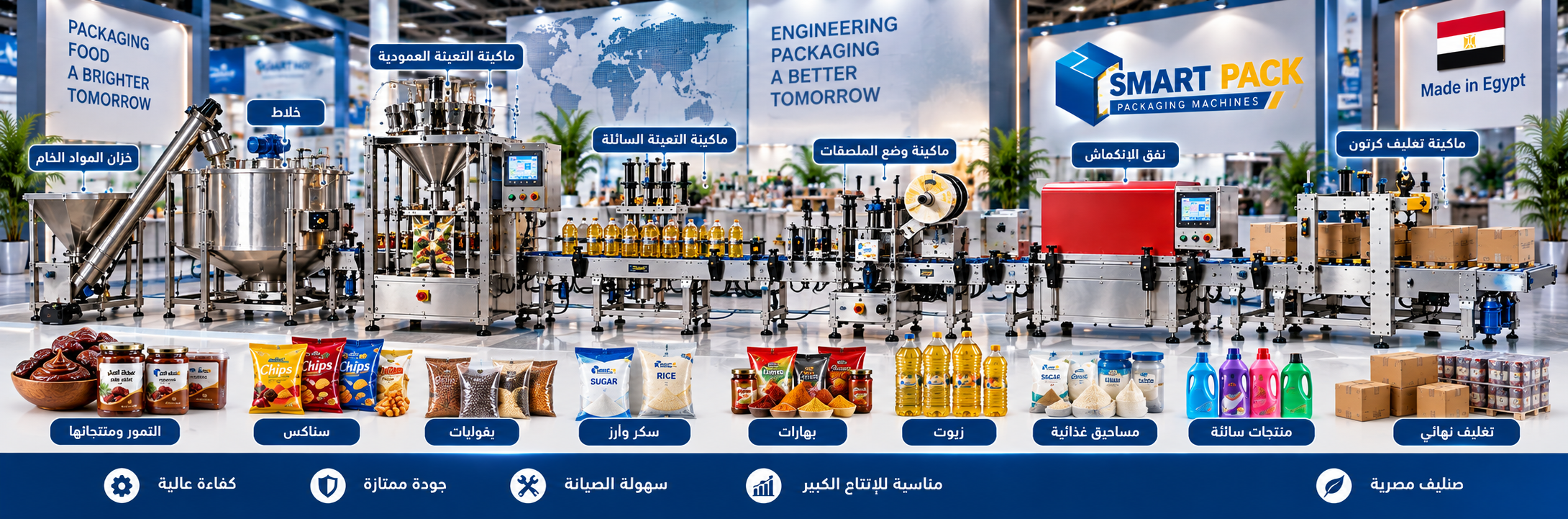
Production Line Layout Overview Inside the Factory
4
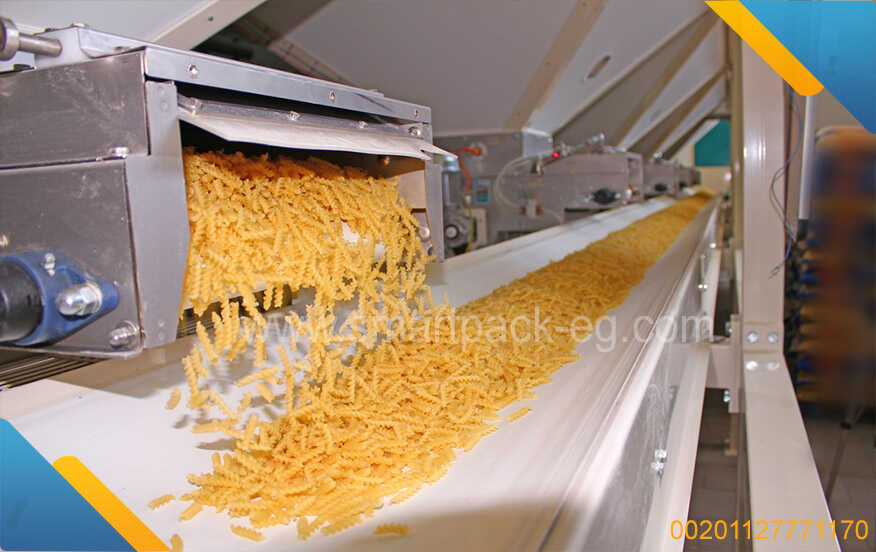
Food Packaging Line Includes:
-
Cleaning and preparation equipment
-
Powder and granule weighing and filling machines
-
Vertical or horizontal packaging machines
-
Sealing and expiration date printing systems
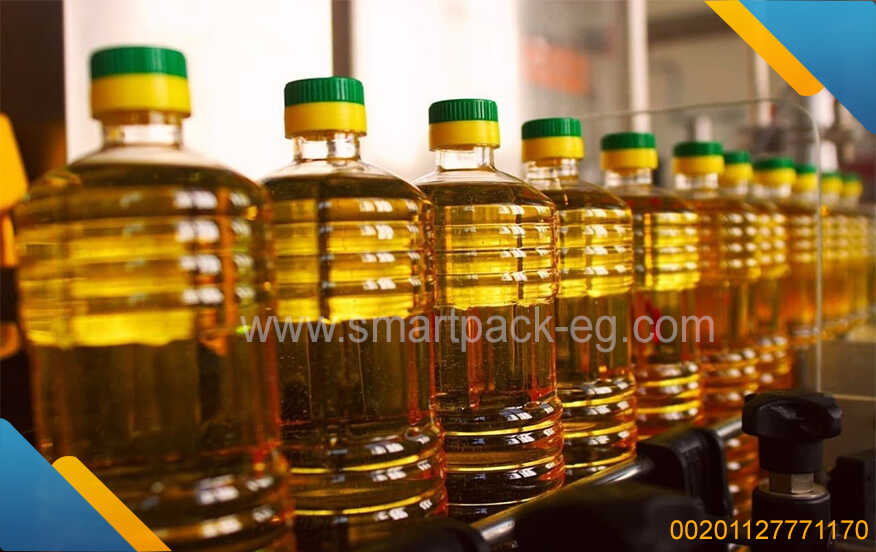
Detergent Packaging Line Includes:
-
Mixing and preparation tanks
-
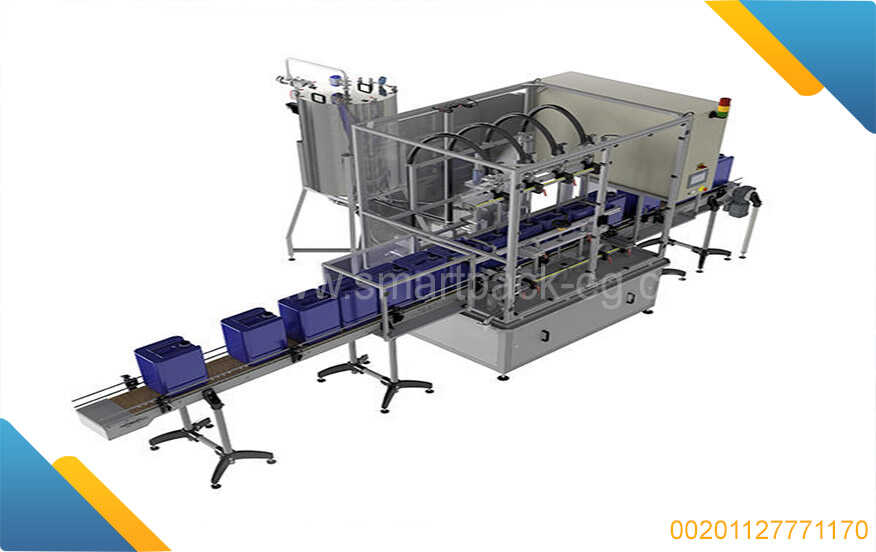
Liquid detergent filling machines
-
Automatic cap sealing systems
-
Shrink wrapping and carton packaging units
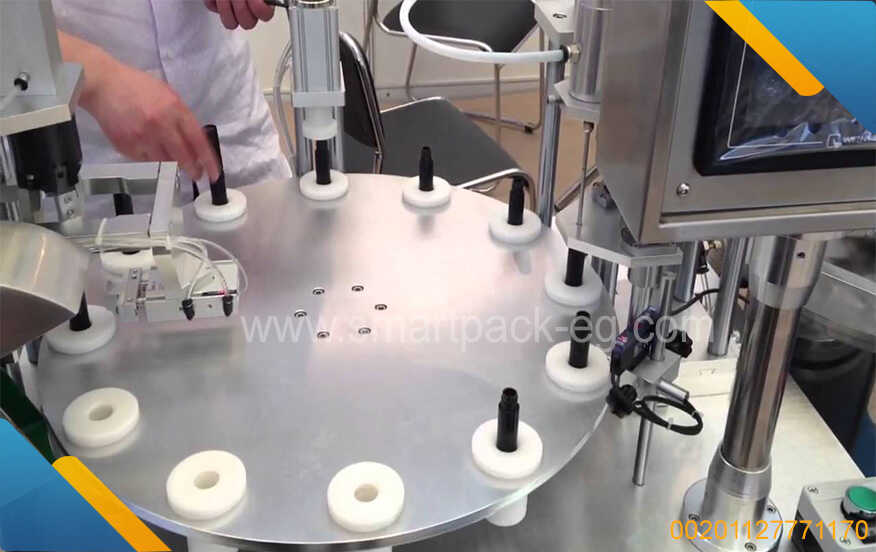
Both lines can be fully automated to maximize productivity and reduce operating costs.
General Comparison Between Food and Detergent Packaging Projects
| Comparison Factor | Food Packaging Project | Detergent Packaging Project |
|---|---|---|
| Product Nature | Perishable, requires quality preservation | Non-perishable |
| Machine Requirements | Powder, granule, and liquid filling machines | Liquid filling and packaging machines |
| Complexity Level | Medium to high | Medium |
| Market Demand | Stable and daily demand | Stable with seasonal fluctuations |
| Initial Investment | Medium to high | Medium |
| Labor Requirement | Medium | Lower |
| Profit Margin | Very good | Higher |
| Export Potential | Excellent | Excellent |
| Regulatory Requirements | High | Moderate |
| Operating Cost | Moderate | Lower |
Estimated Monthly Operating Costs
Food Packaging Project
-
Filling and packaging machines: $50,000 – $85,000
-
Monthly energy consumption: $1,800 – $2,500
-
Labor cost: $1,000 – $1,800
-
Maintenance and spare parts: $500 – $900
-
Estimated monthly operating cost: $3,800 – $5,200
Detergent Packaging Project
-
Automatic filling line investment: $40,000 – $70,000
-
Monthly energy consumption: $1,500 – $2,000
-
Labor cost: $800 – $1,500
-
Maintenance cost: $400 – $800
-
Estimated monthly operating cost: $3,200 – $5,000
Estimated Daily Production and Profit Margin
| Project | Daily Production | Unit Type | Profit Margin per Unit |
|---|---|---|---|
| Food Packaging | 8,000 – 12,000 units | Food package | $0.20 – $0.35 |
| Detergent Packaging | 10,000 – 15,000 units | Detergent bottle | $0.30 – $0.45 |
Detergents often offer higher margins due to lower raw material costs compared to selling price.
Profitability and ROI Analysis
Food Packaging Project Example
-
Daily production: 10,000 units
-
Average selling price: $0.50
-
Profit margin per unit: $0.25
-
Daily profit: $2,500
-
Monthly profit: $75,000
-
Annual profit: $900,000
-
Investment cost: $70,000
-
ROI: Within one year
Detergent Packaging Project Example
-
Daily production: 12,000 units
-
Average selling price: $1.10
-
Profit margin per unit: $0.40
-
Daily profit: $4,800
-
Monthly profit: $144,000
-
Annual profit: $1,728,000
-
Investment cost: $60,000
-
ROI: Less than one year
Conclusion:
Both projects are highly profitable, but detergent packaging often delivers faster ROI and higher profit margins.
Strengths and Weaknesses Analysis
Food Packaging Strengths:
-
Consistent daily demand
-
Strong export opportunities
-
Ability to produce multiple products
Weaknesses:
-
Strict health and safety requirements
-
Higher operating costs
-
Storage and shelf-life challenges
Detergent Packaging Strengths:
-
Higher profit margin per unit
-
Lower operating costs
-
High and stable production capacity
Weaknesses:
-
Strong competition in some markets
-
Requires effective marketing strategies
Success Tips for Both Projects
For Food Packaging Factories:
-
Maintain strict quality standards
-
Focus on high-demand products
-
Use high-speed filling and packaging machines
-
Invest in attractive packaging design
-
Plan export strategy early
For Detergent Packaging Factories:
-
Choose high-precision filling machines
-
Optimize energy consumption
-
Target supermarkets and retail stores
-
Invest in digital marketing strategies
Important Questions Before Making Your Decision
Which project is better for beginners?
Detergent packaging often provides faster returns and higher margins.
Can both projects operate together?
Yes, if you have sufficient space and production planning.
Which project requires less capital?
Detergent packaging typically requires lower initial investment.
Can both projects export products?
Yes, with proper packaging quality and compliance.
How can I ensure fast ROI?
Invest in modern automated production lines and target high-demand products.
Your Next Step Toward a Profitable Factory
Whether you choose food packaging or detergent packaging, investing in automatic filling and packaging production lines ensures:
-
Efficient production operations
-
High product quality
-
Reduced cost per unit
-
Rapid profit growth
Contact us today for a customized feasibility study tailored to your target market — and transform your idea into a profitable industrial business.