 Admin
Admin Automatic Filling Machines for Sale — Maximum Production Speed and Lower Operating Costs
One strategic step separates your factory from doubling its production capacity.
A faster production line means higher sales, lower costs, and stronger profit margins.
Invest today in automatic filling and packaging machines that convert every operating hour into direct profit.
Why Are Packaging Factories Moving Toward Full Automation?
4
Manufacturers are shifting to automation for measurable financial and operational advantages:
-
Increase daily output by up to 200–300% compared to manual or semi-automatic operations
-
Reduce energy consumption per unit through high-efficiency motors and smart control systems
-
Minimize labor costs, waste, and human error while improving final product quality
-
Enable 24/7 continuous production with stable weight accuracy and performance
-
Achieve faster return on investment due to lower operating costs and increased sales volume
When you invest in automated production lines, you are not just buying a machine — you are building a profit-generating system that works around the clock.
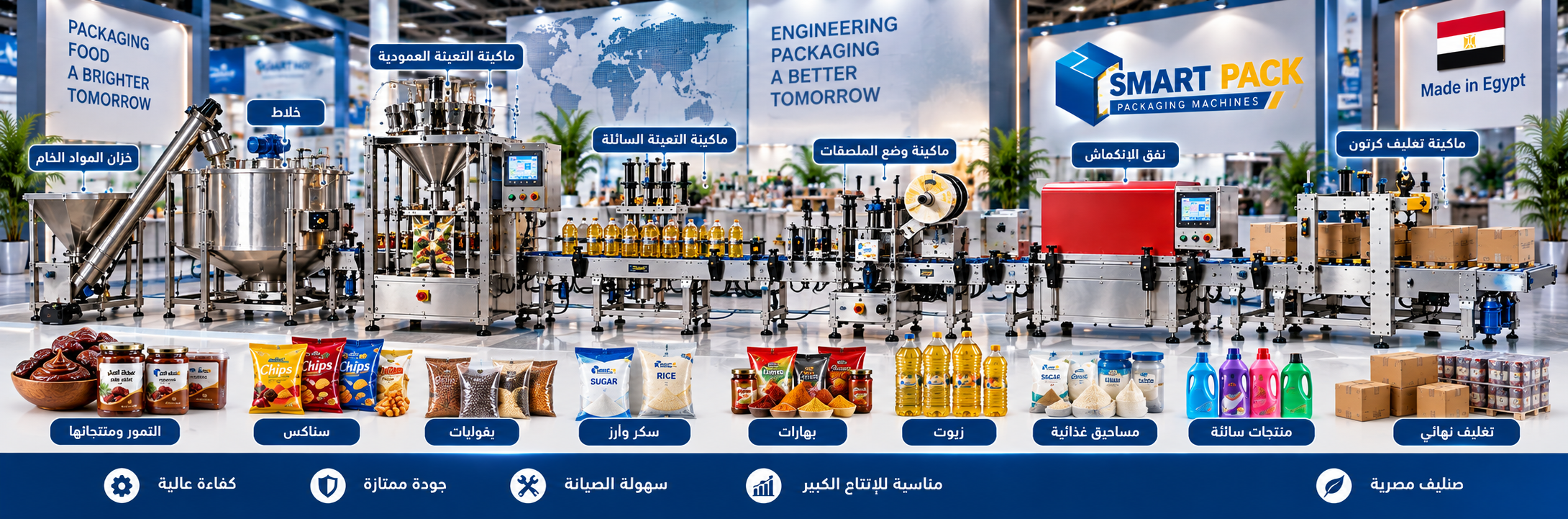
Inside Modern Packaging Factories: A Real Production Flow
4
A modern automated facility operates with seamless integration:
-
Raw material receiving and preparation
-
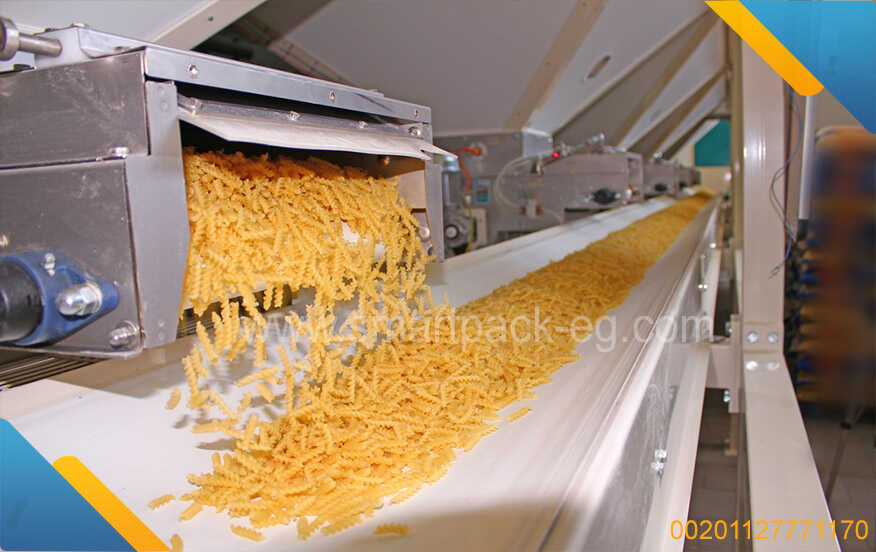
Automated conveyor transfer without manual handling
-
High-speed precise filling operations
-
Sealing, wrapping, and secure closing
-
Quality inspection and finished product ready for distribution
This streamlined workflow reduces cycle time and significantly increases units produced per shift.
What Is Pellet Chips and How Is It Produced Industrially?
As a practical example of automation in the food industry:
-
Pellet chips are semi-finished snacks that are fried or baked before final packaging
-
They require high-speed filling lines to maintain freshness and crunchiness
-
Any delay in packaging leads to product waste and reduced quality
Industrial Production Stages
-
Mixing and raw material preparation
-
Forming and cutting
-
Frying or baking
-
Cooling and drying
-
Precise automatic weighing and filling
-
Final packaging and storage
In this process, the speed and precision of the filling machine directly determine overall profitability.
Production Line Specifications and Core Equipment
4
A high-performance production line may include:
-
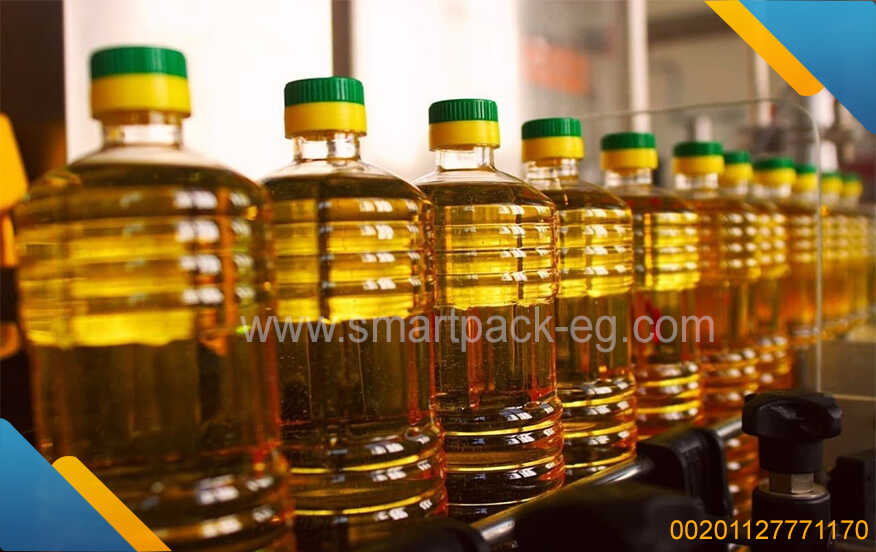
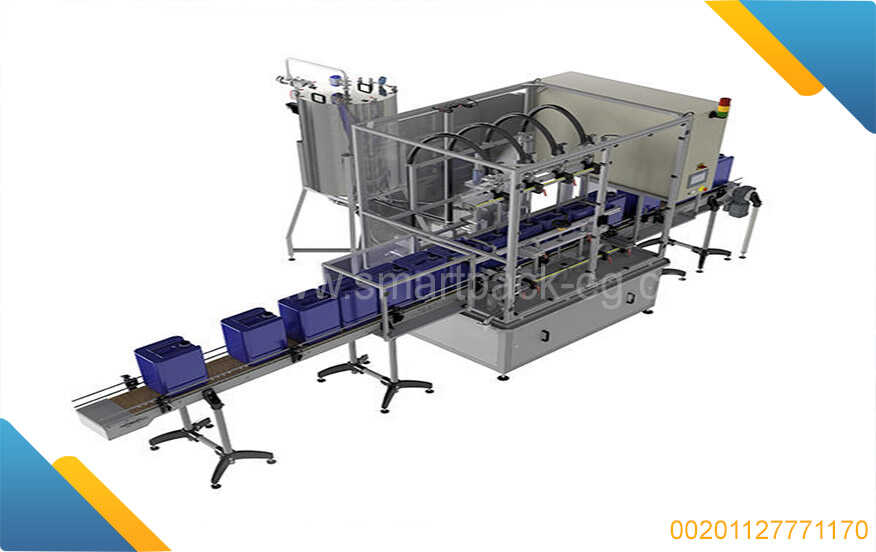
Automatic liquid filling machines for detergents, beverages, and oils
-
High-viscosity detergent filling machines with anti-drip systems
-
Powder filling machines for food products and chemical powders
-
Vertical or horizontal packaging machines for sealing and wrapping
-
PLC smart control systems to optimize energy efficiency
-
Automated conveyors connecting all stages without interruption
Each component is engineered for higher speed, lower energy consumption, and continuous operation.
Types of Filling Machines Based on Project Size
-
Semi-automatic machines for startups and small projects
-
Fully automatic machines for medium-sized factories
-
Integrated production lines for large-scale manufacturing and export
-
Multi-function machines allowing fast packaging format changes
The right choice today saves years of high operating expenses.
Detailed Comparison of Filling and Packaging Machines
| Machine Type | Approximate Production Speed | Energy Consumption per Hour | Investment Cost | Ideal Industrial Use |
|---|---|---|---|---|
| Automatic Liquid Filling Machine | 40–120 units/min | Low to moderate with energy-efficient motors | Medium | Detergents, beverages, oils |
| Automatic Powder Filling Machine | 25–80 units/min | Low | Medium | Spices, flour, powdered products |
| Shrink / Heat Packaging Machine | Very high wrapping speed | Low | Low | Secondary packaging and bundling |
| Integrated Production & Filling Line | Continuous high-volume output | Economical per unit | High | Large packaging factories |
Automation Level Comparison and Expansion Strategy
| Operation Level | Labor Requirement | Daily Output | Cost per Unit | Profitability |
|---|---|---|---|---|
| Manual | High | Low | High | Limited |
| Semi-Automatic | Moderate | Medium | Medium | Good |
| Fully Automatic | Very low | Very high | Very low | Excellent and stable |
The real difference in profit appears with full automation.
Market Study and Expected Profit Example
Estimated model for a detergent filling factory using automatic packaging machines:
-
Integrated production line cost: $80,000
-
Daily production: 10,000 units
-
Profit margin per unit: $0.25
-
Estimated daily profit: $2,500
-
Estimated monthly profit: $75,000
Even after deducting electricity, labor, and maintenance, investment recovery can occur within only a few months.
Higher speed combined with lower energy usage directly increases net profit.
Smart Buying Tips for Filling and Production Lines
-
Request a full factory needs assessment before selecting capacity
-
Choose energy-efficient filling and packaging machines with advanced motors
-
Ensure spare parts availability and local maintenance support
-
Request a live machine trial before final purchase
-
Prefer integrated production lines over disconnected standalone machines
-
Work with a supplier that provides operator training and extended warranty
Making the right purchase decision from the beginning prevents years of downtime and losses.
Investment Advice for Factory Owners
-
Start with a medium-capacity line that allows future expansion
-
Focus on electricity cost per unit rather than machine price alone
-
Accurately calculate break-even point
-
Diversify product range to increase market demand
-
Invest in attractive packaging to command higher selling prices
The most profitable factories are those that manage costs intelligently before scaling output.
Frequently Asked Questions
What are the best filling and packaging machines for medium-sized factories?
Fully automatic machines or integrated production lines provide the best balance between speed and cost efficiency.
Does a detergent filling machine require special specifications?
Yes. It must handle high viscosity liquids, prevent leakage, and operate with precision valves.
How much electricity does a filling line consume?
It varies by capacity, but modern automated lines are significantly more energy-efficient than manual production.
Can production capacity be expanded later?
Most modern production lines are modular and allow additional filling or packaging units to be added easily.
What guarantees fast return on investment?
High-speed filling machines combined with low energy consumption and proper production planning ensure rapid capital recovery.
Upgrade Your Factory Today
If your goal is higher production, lower costs, and faster profits, the right time to invest is now.
Contact our team for a customized quotation and tailored production line plan. Choose automatic filling and packaging solutions that strengthen your competitive position from day one of operation.
One smart decision today can multiply your factory’s profits for years to come.