 Admin
Admin Choosing the Optimal Operating System for Your Factory: A Complete Comparison Between Manual, Semi-Automatic, and Fully Automatic Machines
Start making the right investment decision today—one that doubles your factory’s output and reduces operating costs by selecting the filling and packaging system that aligns perfectly with your production and profitability goals.
Choosing between a manual, semi-automatic, or fully automatic system can determine whether your factory operates at peak efficiency with growing profits—or struggles with high costs and limited production capacity.
This comparative guide will clearly show you which system fits your business model and how each option directly impacts capital investment and long-term profitability.
1. Why Comparing the Three Packaging Systems Is Critical to Factory Success
4
Every factory aims to:
-
Increase production
-
Reduce operating costs
-
Improve product quality
-
Ensure on-time delivery
But how you achieve those goals depends entirely on whether you choose:
-
A Manual System
-
A Semi-Automatic System
-
A Fully Automatic System
The wrong choice can cost you thousands of dollars every year.
2. Understanding the Difference Between the Three Systems
1 – Manual System
A labor-dependent setup where workers operate simple machines individually. Equipment is not integrated into an automated production line.
2 – Semi-Automatic System
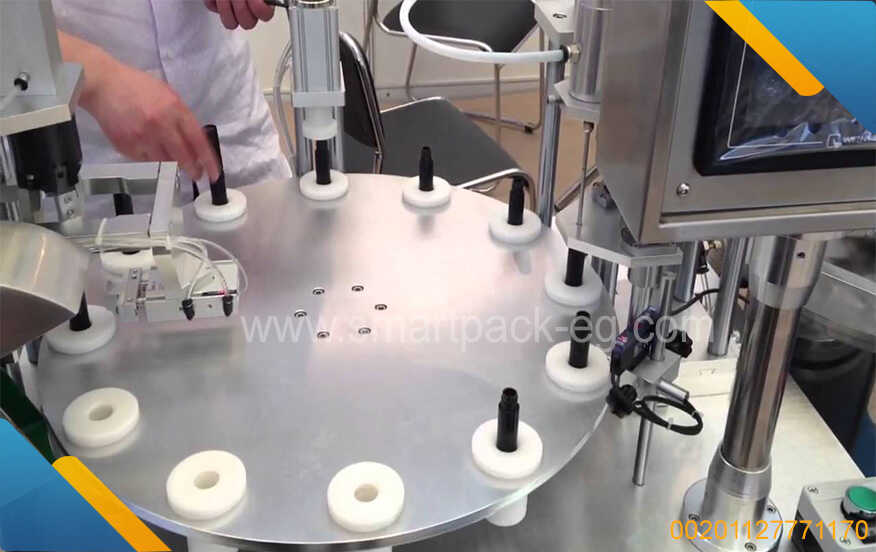
A hybrid solution combining manual input with partial automation. Machines perform certain tasks automatically, but operator involvement remains essential.
3 – Fully Automatic System
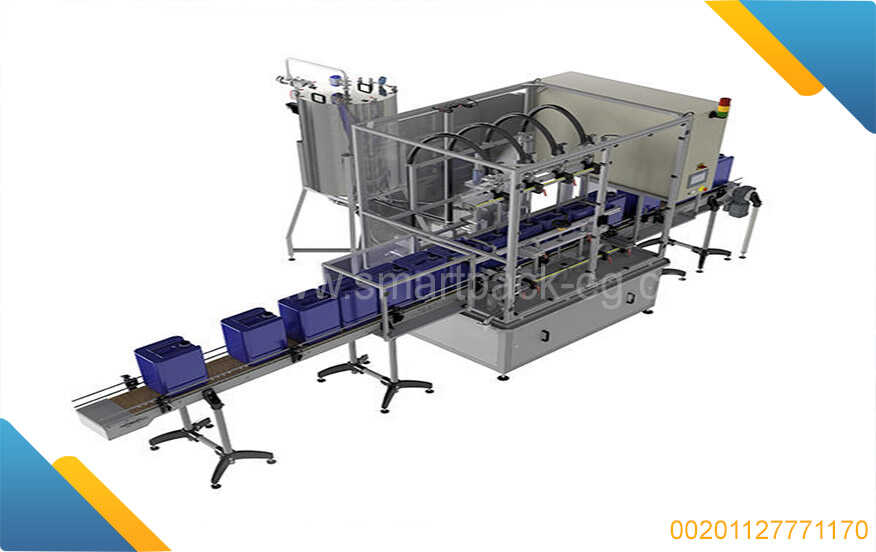
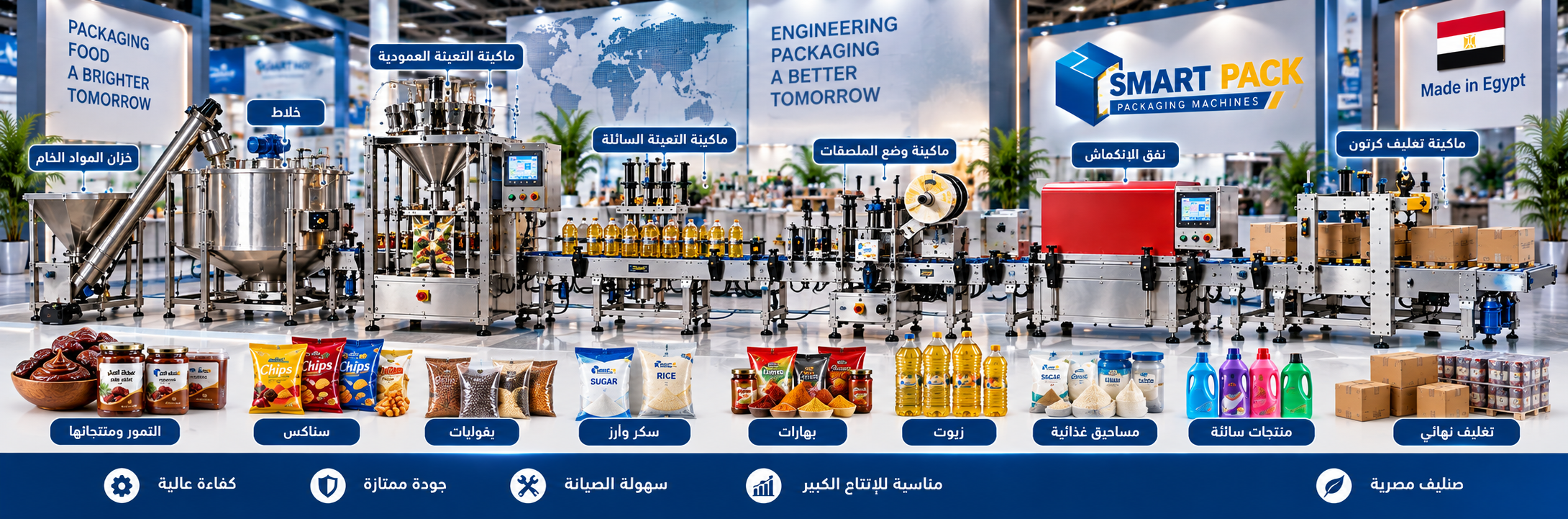
An integrated production line where multiple filling and packaging machines operate in complete synchronization through PLC control systems and intelligent automation software, requiring only supervision and monitoring.
3. Powerful Comparison Table: Which System Fits Your Project?
| Factor | Manual Machines | Semi-Automatic | Fully Automatic |
|---|---|---|---|
| Production Speed (units/hour) | 200–600 | 1,200–2,000 | 5,000–10,000+ |
| Initial Investment | Low | Medium | Higher |
| Labor Requirement | Very High | Moderate | Very Low |
| Cost per Unit | High | Moderate | Very Low |
| Filling Accuracy | Low | Good | Very High |
| Scalability | Weak | Good | Excellent |
| Downtime | Frequent | Moderate | Rare |
| Waste Control | Poor | Average | Highly Efficient |
| Expected Profitability | Low | Medium | Very High |
4. How to Choose Based on Your Factory’s Situation
Best for Small Startups and Tight Budgets
Manual systems may be suitable if:
-
You are launching a small project
-
Order volumes are limited
-
Budget constraints are severe
However:
-
Labor becomes a major recurring cost
-
Production capacity remains limited
-
Large contracts are difficult to fulfill
The Balanced Choice Between Cost and Performance
Semi-automatic systems are ideal if:
-
Production target is 1,200–2,000 units/hour
-
You want to reduce labor without major investment
-
You seek better quality than manual systems
Limitations:
-
Cannot match full automation speed
-
Less total control over precision and efficiency
The Best Option for Rapid Growth and Export Markets
Fully automatic systems are recommended if:
-
You handle increasing large-scale orders
-
You want to drastically reduce labor costs
-
You require maximum precision and consistency
-
You plan future expansion
Benefits:
-
Extremely high production speed
-
Stable daily operation
-
Faster return on investment
5. Why Full Automation Is the Optimal Choice for Packaging Factories
4
-
Higher output capacity
-
Reduced weight errors and waste
-
Lowest operating cost per unit
-
Easy scalability
-
Designed for continuous operation
-
Ideal for export markets and large contracts
Most importantly:
A fully automatic filling and packaging line becomes a daily profit-generating asset—not just fixed equipment.
6. Profitability Comparison Between the Three Systems
| Metric | Manual | Semi-Automatic | Fully Automatic |
|---|---|---|---|
| Daily Production | 6,000 | 16,000 | 40,000+ |
| Cost per Unit | $0.45 | $0.32 | $0.20 |
| Selling Price | $0.80 | $0.80 | $0.80 |
| Net Daily Profit | $2,100 | $7,680 | $17,600 |
| ROI Period | Very Slow | Moderate | Very Fast (<9 months) |
These figures clearly show that full automation offers the fastest path to strong ROI and measurable profitability.
7. Professional Advice When Purchasing from Smart Pack ⭐
4
-
Choose a fully integrated automatic production line for maximum output and sustainable profits
-
Request a factory needs assessment before selecting your system
-
Ensure installation, commissioning, and technical support are included
-
Train your maintenance and operation team
-
Work with a specialized supplier like Smart Pack for integrated industrial packaging solutions
The right choice increases operational efficiency and multiplies profits without unnecessary risk.
8. Quick Answers to Help You Decide
What is the biggest difference between semi-automatic and fully automatic?
Production speed, labor reduction, and operational stability.
Is manual operation suitable for modern factories?
Only for very small or experimental projects.
How many workers does each system require?
Manual: 6–10
Semi-Automatic: 3–4
Fully Automatic: 1–2 supervisors
Which system provides the fastest ROI?
Fully automatic systems due to lower operating costs and higher output.
Can a semi-automatic line be upgraded later?
Yes, if expandable and modular machines are selected from the beginning.
Start Making the Right Decision for Your Factory
Whether you are upgrading an existing facility or launching a new industrial project, choosing the right operating system—manual, semi-automatic, or fully automatic—is the key to higher output, lower operating costs, and strong profits in record time.
Contact Smart Pack today for a customized factory assessment and quotation for advanced filling and packaging production lines that elevate your productivity and double your profitability.
Make the smart decision now—and invest in your factory’s future with maximum operational efficiency.