 Admin
Admin Choose Industrial Filling Machines That Boost Factory Efficiency and Double Output with Lower Operating Costs
Invest today in high-efficiency filling and packaging machines and fully automatic production lines that reduce breakdowns, labor, and waste — while giving your factory faster production speed and stronger profitability than your competitors from day one.
In today’s packaging, food, and chemical industries, success is no longer defined by factory size alone — it depends on how intelligently you choose your filling and packaging equipment.
The difference between a profitable production line and a struggling one is simple:
Did you buy the right machine — or just the cheapest one?
That’s where real profits begin… or silent losses accumulate.
1. Why Choosing the Right Industrial Filling Machine Determines Total Factory Profitability
4
-
Every second of machine downtime = direct production loss
-
Every weight inaccuracy or leakage = raw material waste
-
Every unnecessary worker = ongoing monthly operating cost
-
Every packaging delay = fewer fulfilled orders and lower profits
Choosing professional filling and packaging machines means:
-
Faster production
-
Consistent quality
-
Lower operating costs
-
Higher profit margin per unit
Simply put:
A high-quality machine generates daily profit — a weak one drains capital.
2. Core Criteria for Selecting the Right Filling & Packaging Machines
These are your reference points before making any purchasing decision:
1. Product Type and Physical Characteristics
-
Liquid – viscous – foamy – powder – granules – solid pieces
-
For example: a detergent filling machine requires anti-foam systems and high weight precision
Each product requires the appropriate type of filling machine. One machine does not fit all.
2. Required Production Capacity
-
How many units per hour do you actually need?
-
Are you planning expansion within 1–2 years?
-
Will you operate one, two, or three shifts?
Buying based only on today’s needs is a common mistake.
Always invest in a scalable filling and production line.
3. Automation Level
-
Manual
-
Semi-automatic
-
Fully automatic
-
Fully integrated filling and packaging line
The higher the automation:
Lower labor + Higher speed + Greater profitability.
4. Manufacturing Quality and Materials
-
Food-grade stainless steel
-
European electrical components
-
Heavy-duty industrial frame
-
Easy cleaning and maintenance
A cheap machine can cost you multiples of its price in future breakdowns.
5. Filling Accuracy and Waste Reduction
-
High-precision weight sensors
-
PLC control system
-
Automatic calibration
-
Less than 1% error rate
A difference of just 5 grams per unit can mean thousands of dollars lost monthly.
3. Key Components of a Professional Industrial Filling Line
4
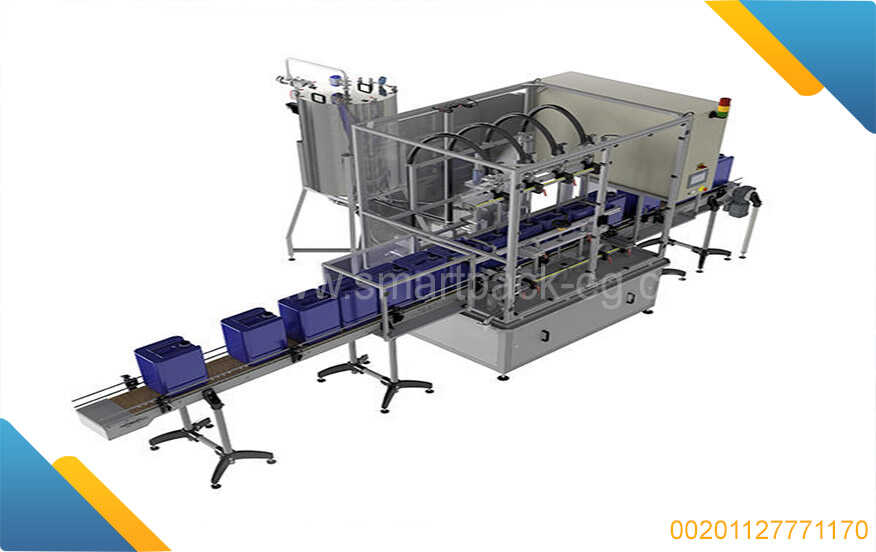
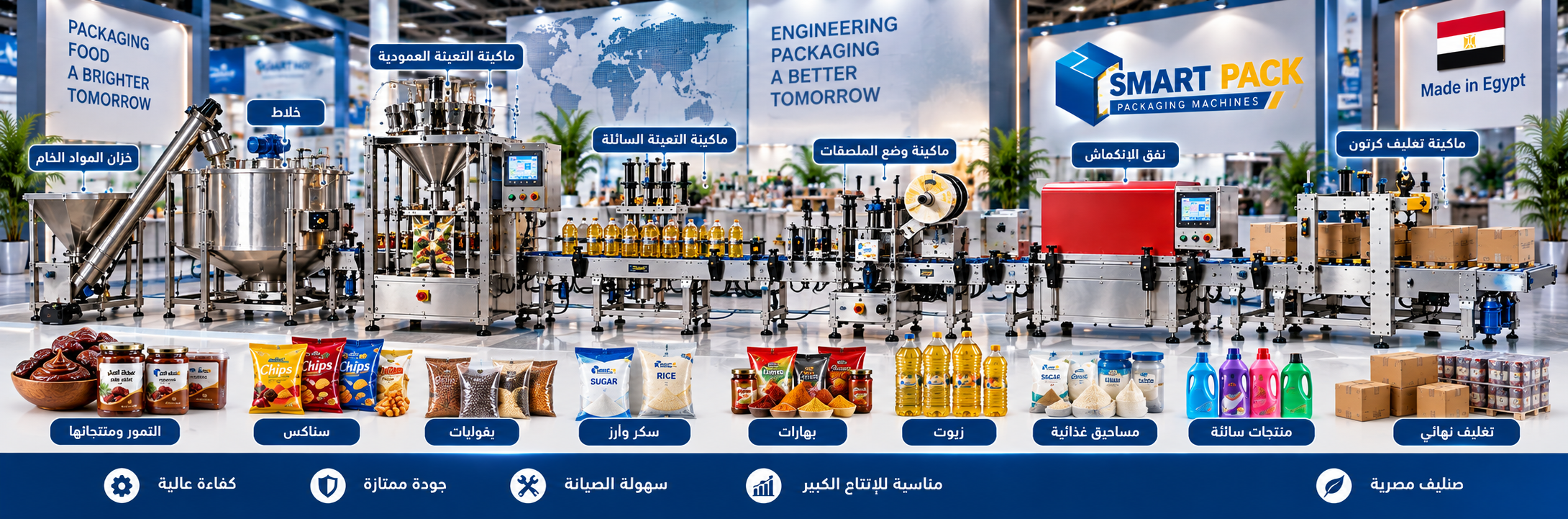
A complete industrial filling and packaging line includes:
-
Filling machine (liquid, powder, grains, viscous products)
-
Capping or sealing machine
-
Packaging or shrink wrapping machine
-
Conveyor and sorting systems
-
Control and monitoring systems
-
Date coding and quality inspection units
When fully integrated, these components turn your factory into a continuous, high-performance production system.
4. Comparison of Industrial Filling Systems
| System Type | Hourly Output | Workers Required | Operational Stability | Industry Use | Cost per Unit | Expected Profitability |
|---|---|---|---|---|---|---|
| Manual | 300–600 units | 8–10 | Low & unstable | Very small projects | Very High | Low |
| Semi-Automatic | 1200–2000 units | 3–4 | Moderate | Startup production lines | Medium | Moderate |
| Fully Automatic | 5000–10,000+ units | 1 supervisor | Very High & stable | Large packaging factories & export | Very Low | Very High |
The difference can triple net profit within the same factory space.
5. Cost & Profit Example – Factory Using Automatic Production Line
| Item | Estimated Value |
|---|---|
| Integrated filling & packaging line cost | $55,000 – $70,000 |
| Daily output | 22,000 units |
| Unit production cost | $0.20 |
| Selling price | $0.50 |
| Net profit per unit | $0.30 |
| Daily profit | $6,600 |
| Capital payback period | 7–9 months |
The right machines compress years of growth into just months.
6. Professional Buying Tips from Smart Pack
4
-
Request a fully integrated production line design, not a single standalone machine
-
Ensure installation and commissioning services are included
-
Choose a supplier offering training, maintenance, and spare parts
-
Test the machine using your actual product before purchase
-
Work with a specialized provider like Smart Pack for maximum efficiency and long service life
The right choice from the beginning saves years of breakdowns and financial losses.
7. Quick Answers to Help You Decide Confidently
What is the most important criterion when buying a filling machine?
Production capacity + build quality + filling accuracy.
Is full automation always better?
Yes, for medium and large factories aiming to reduce operating costs.
What is the best detergent filling machine?
A stainless steel piston filling machine with anti-foam control.
Is buying a full production line better than separate machines?
Yes. It reduces breakdowns and improves production flow integration.
How long does ROI usually take?
Often less than one year at full production capacity.
Start Upgrading Your Factory Efficiency Today
Do not let outdated equipment limit your growth while the market demands higher speed and better quality.
Contact Smart Pack today for a customized quotation on filling and packaging machines and an automatic production line that doubles output, reduces costs, and delivers the strongest possible return on investment.
Make the decision today — and let your factory operate at maximum power and profitability.