 Admin
Admin 10 Critical Questions Before Buying a Packaging Machine for Your Factory
Your investment guide to choosing industrial packaging machines and production lines that increase operational capacity, reduce costs, and multiply profits.
If you are planning to purchase a packaging machine, you are about to make a decision that will impact your factory’s profitability for years.
The right choice can double your output and cut operating costs in half.
The wrong choice can lead to repeated breakdowns, losses, and full production line shutdowns.
Professional investors never buy equipment randomly. They start with the right questions.
This guide outlines the 10 strategic questions you must ask before purchasing any packaging machine or industrial production line to ensure maximum return on investment.
Why Asking the Right Questions Before Buying Saves Millions
4
-
Industrial production lines are long-term capital assets.
-
Every hour of downtime costs thousands of lost units.
-
The machine directly affects product quality, brand reputation, and export potential.
Simply put:
Every smart question before purchase = higher profits after operation.
1. What Production Capacity Do You Actually Need?
Many factories buy machines below market demand, then replace them within two years.
Define clearly:
-
Monthly demand volume
-
Daily operating hours
-
Future expansion plans
-
Number of shifts
Golden rule:
Choose a packaging machine with 25–40% higher capacity than your current needs.
2. What Type of Product Will Be Filled and Packaged?
4
The product determines the machine type:
-
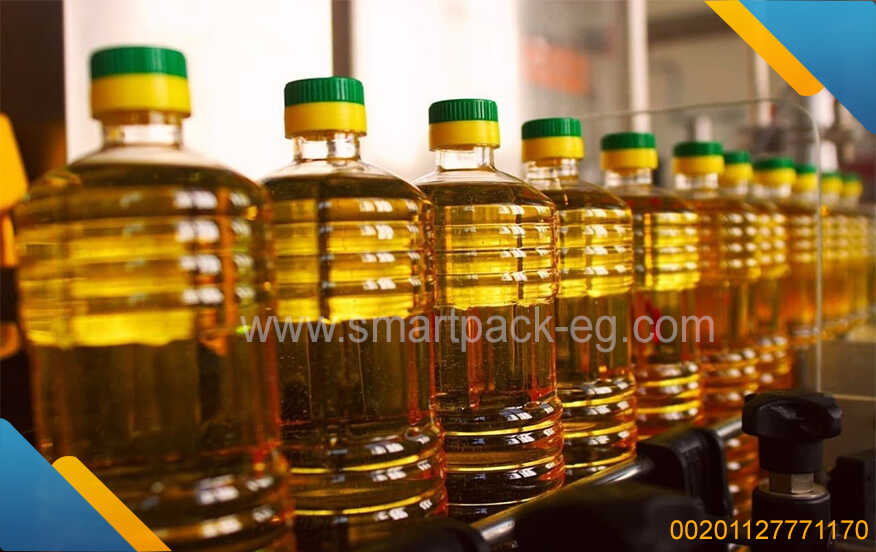
Liquids → Liquid filling machines or detergent fillers
-
Powders → Auger filling systems
-
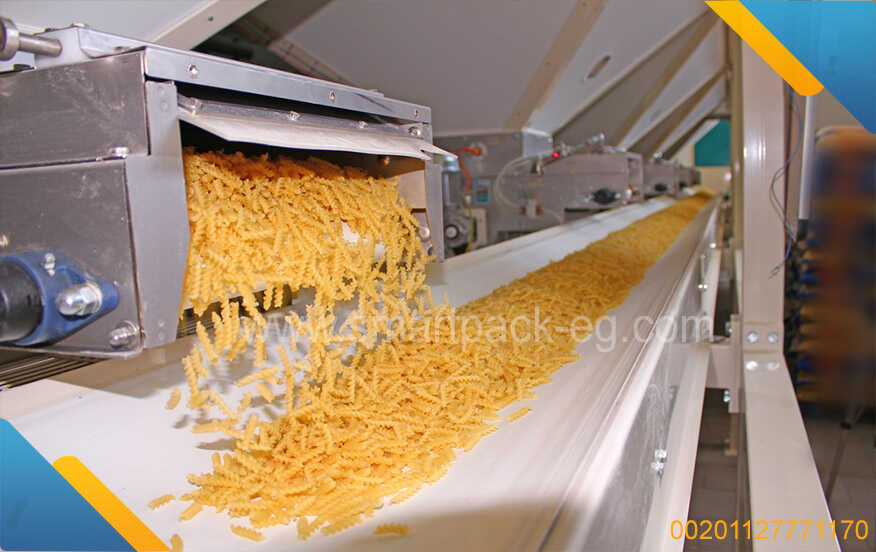
Grains and snacks → Vertical VFFS machines
-
Carton packaging → Automatic cartoning machines
Choosing the wrong type leads to inaccurate filling, waste, and financial loss.
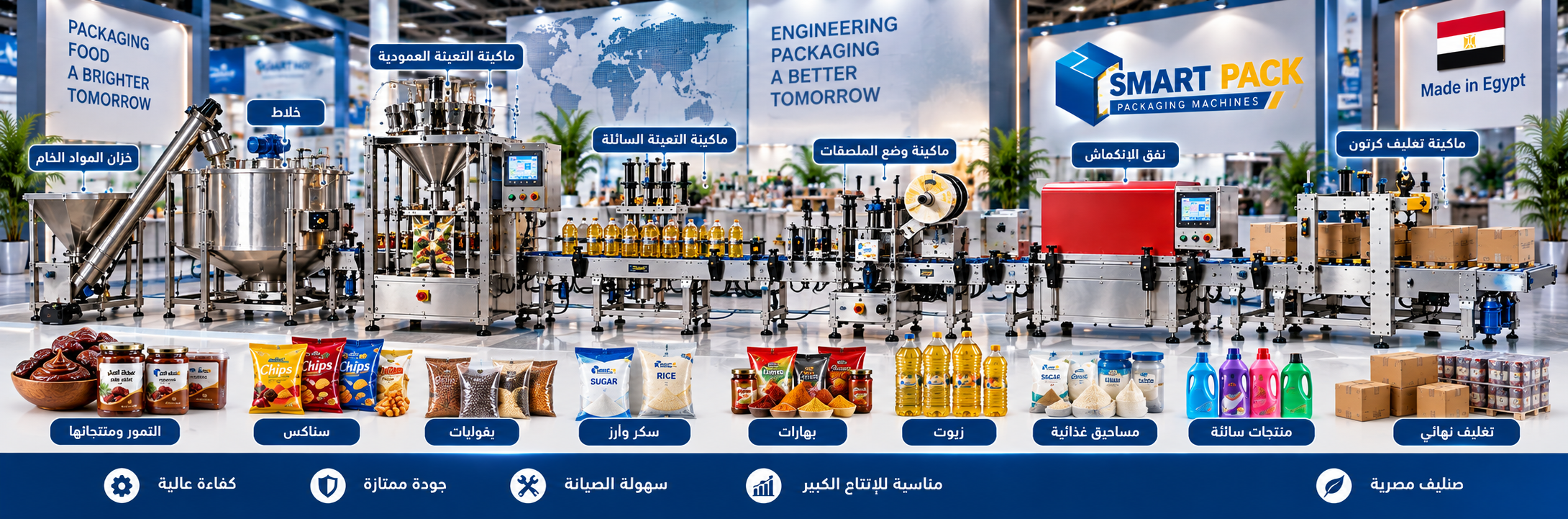
3. Should You Buy a Standalone Machine or a Complete Production Line?
| Option | Operational Description | Impact on Packaging Factories | Profitability |
|---|---|---|---|
| Standalone Machine | Manual transfer between stages | Slower, more human error | Lower profit |
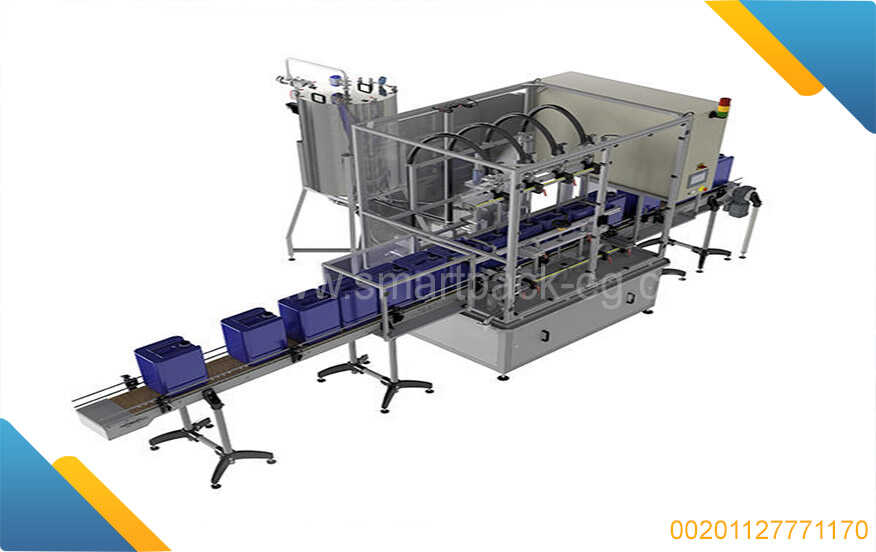
| Integrated Production Line | Fully automated filling and packaging | Speed, stability, consistent quality | Higher long-term profit |
An integrated line is always the professional industrial choice.
4. What Is the Operating Cost — Not Just the Purchase Price?
Do not be misled by a low upfront price.
Ask about:
-
Electricity consumption
-
Labor requirements
-
Maintenance cost
-
Spare parts availability
-
Waste percentage
A cheaper machine may cost you far more annually.
5. What Level of Automation Fits Your Factory?
4
Available options:
-
Semi-automatic
-
Fully automatic
-
Smart PLC-controlled production lines
Investment principle:
Higher automation = fewer workers + fewer errors + higher output + greater profits.
6. Is the Machine Built with Industrial-Grade Materials?
Check for:
-
Food-grade stainless steel 304 or 316
-
Heavy-duty industrial motors
-
European or Japanese components
-
Easy disassembly and cleaning
Low-quality materials mean continuous breakdowns.
7. How Easy Is Maintenance and Are Spare Parts Available?
A question that can save your factory from shutdown:
-
Are spare parts available locally?
-
What is the technical support response time?
-
Is maintenance team training included?
Factories waiting two weeks for spare parts may lose a month of profit.
8. Does the Supplier Provide a Real Trial Before Purchase?
4
Always request:
-
A live test with your product
-
Speed measurement
-
Filling accuracy test
-
Packaging quality inspection
Never buy a machine you have not seen in operation.
9. What Is the Expected Return on Investment?
Practical ROI Model
| Item | Estimated Value |
|---|---|
| Production Line Cost | 2,000,000 EGP |
| Daily Output | 15,000 units |
| Net Profit per Unit | 2 EGP |
| Monthly Net Profit | 900,000 EGP |
| Payback Period | Less than 20 months |
The right investment decision can fund itself in under two years.
10. Are You Working with a Trusted Supplier Like Smart Pack?
Why the supplier matters more than the machine:
-
Customized production line design based on your factory layout
-
Heavy-duty manufacturing for continuous operation
-
Full technician training
-
Fast maintenance and technical support
-
Extensive experience in industrial packaging machinery
Working with Smart Pack ensures operational stability and long-term investment security.
Final Comparison Table
| Criteria | Low-Quality Machine | Professional Industrial Machine from Smart Pack |
|---|---|---|
| Operational Lifespan | Short and unstable | Long and reliable for years |
| Breakdowns | Frequent | Rare |
| Production Speed | Limited | Very high |
| Maintenance Costs | High | Low |
| Profitability | Weak | High and sustainable |
Quick Investment Tips for Packaging Factory Owners
-
Do not choose the cheapest — choose the most profitable
-
Calculate downtime cost before purchase price
-
Invest in automation
-
Select the right machine type for your project
-
Work with a strong local supplier for faster support
Frequently Asked Questions
What is the best packaging machine for large factories?
Fully integrated high-speed automatic production lines.
Are detergent filling machines different from others?
Yes, they require corrosion-resistant materials and industrial-grade components.
Are production lines more cost-effective than standalone machines?
Yes, because they reduce labor, minimize waste, and increase speed.
How long is the typical payback period?
Between 12 and 24 months in most factories.
Why choose Smart Pack?
For manufacturing quality, technical support, and strong local market expertise.
Ready to Make the Right Decision?
If you are searching for industrial packaging machines and production lines that deliver maximum productivity and minimum operating cost, do not leave a million-pound decision to chance.
Contact Smart Pack today for a free consultation and customized production line design.
Start multiplying your factory’s profits from day one of operation.