 Admin
Admin A Detailed Feasibility Study for Establishing a Comprehensive Filling and Packaging Factory
Introduction: Why a Filling and Packaging Factory Is a Smart Investment
Establishing a filling and packaging factory has become one of the most promising industrial investments in the Egyptian and Arab markets, driven by the rapid expansion of food & beverage, detergents, chemicals, pharmaceuticals, and building materials sectors.
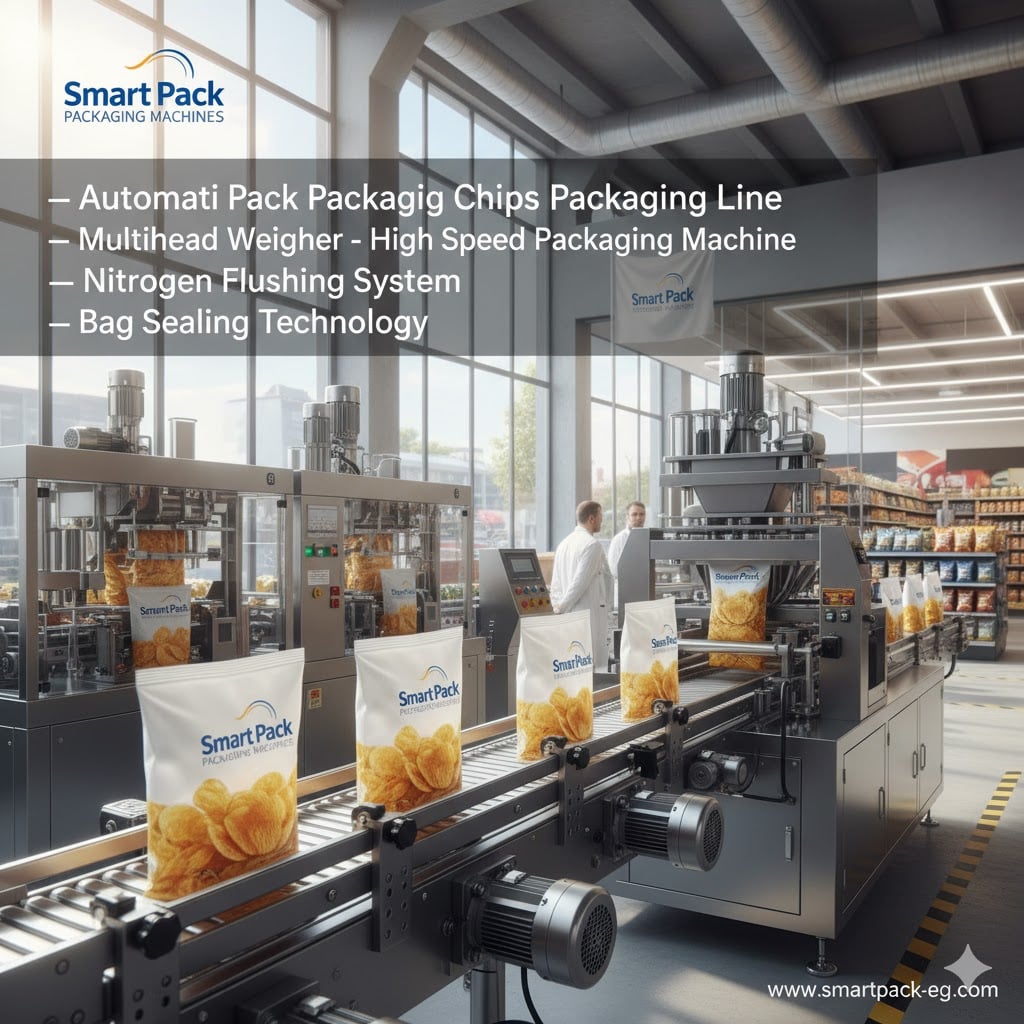
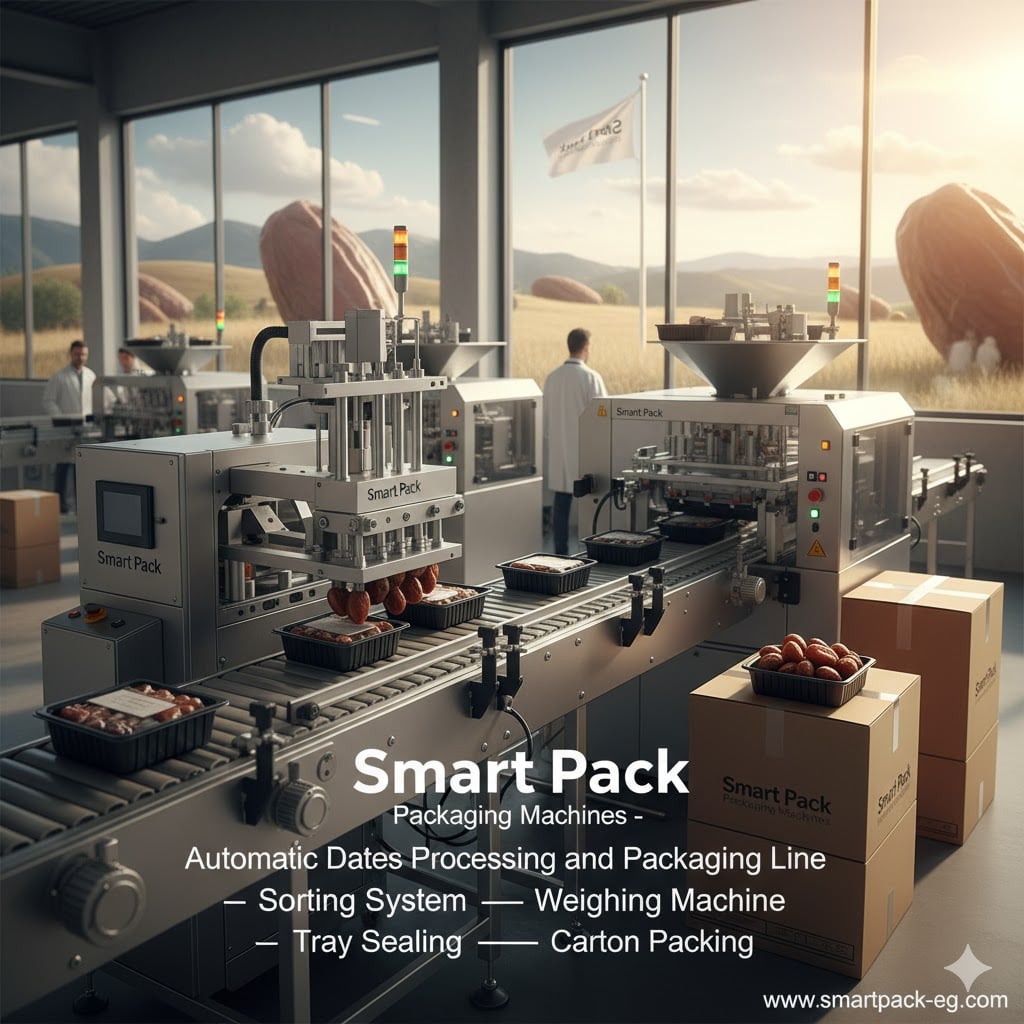
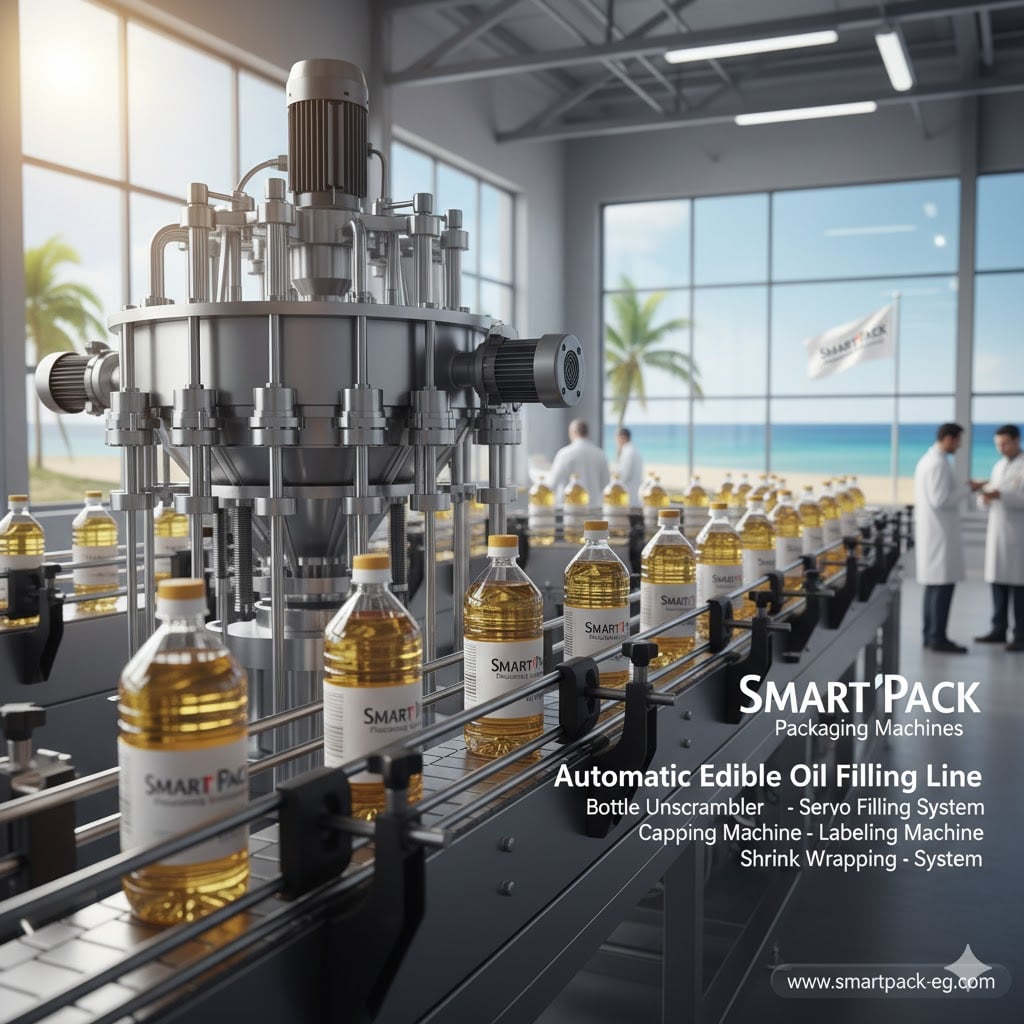
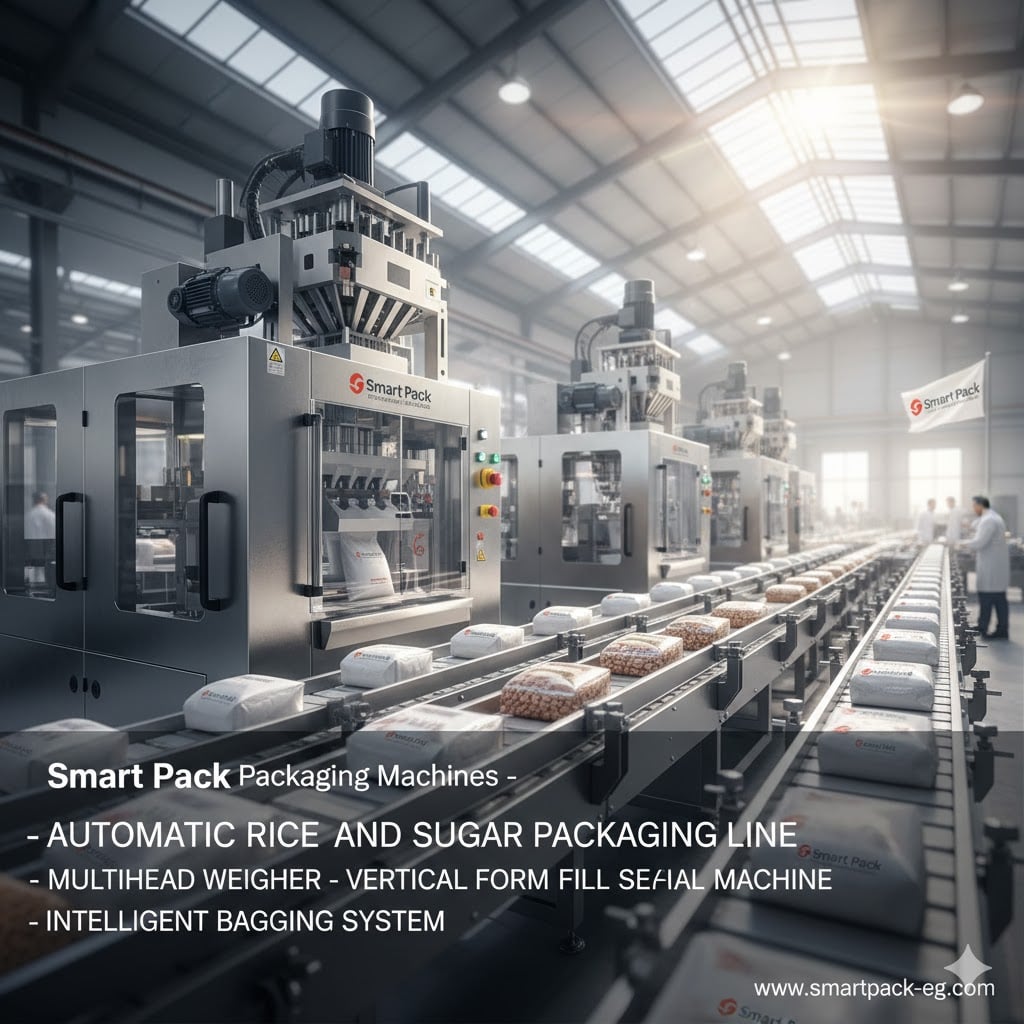
With proper planning, this project can generate stable returns and provide a strong competitive advantage—especially when partnering with a specialized supplier in designing and manufacturing filling and packaging machinery and production lines, such as the integrated industrial solutions offered by
Smart Pack,
which are tailored to factories of all sizes.
The Importance of a Feasibility Study Before Launching a Packaging Factory
A feasibility study is the true foundation of any successful industrial project. It gives investors a clear, comprehensive view before committing capital by defining demand, costs, expected returns, and potential challenges—thereby reducing risks and increasing success rates.
Through a well-prepared feasibility study, investors can:
-
⭐ Determine the optimal factory size
-
⭐ Select the target product categories
-
⭐ Define the required production capacity
-
⭐ Build a realistic financial plan
-
⭐ Make informed machinery purchasing decisions
Market Analysis and Growth Opportunities in the Packaging Industry
The packaging sector is witnessing significant growth due to changing consumption habits and rising demand for ready-to-use packaged products. Key target industries include:
-
Food industries
-
Pharmaceutical industries
-
Detergents and chemicals
-
Building materials
-
Cosmetics and personal care
This diversity allows a packaging factory to serve multiple sectors simultaneously, reducing dependence on a single revenue stream and enhancing long-term financial stability.
Basic Requirements for Establishing a Filling and Packaging Factory
Location and Space
Choosing a site close to transportation routes and suppliers is recommended, with enough space for installing production lines and allowing future expansion.
Workforce
A typical factory requires:
-
Machine operators
-
Production supervisors
-
Packaging workers
-
Maintenance technicians
Licensing
All industrial and environmental licenses must be obtained before full operation.
Required Machinery and Production Lines
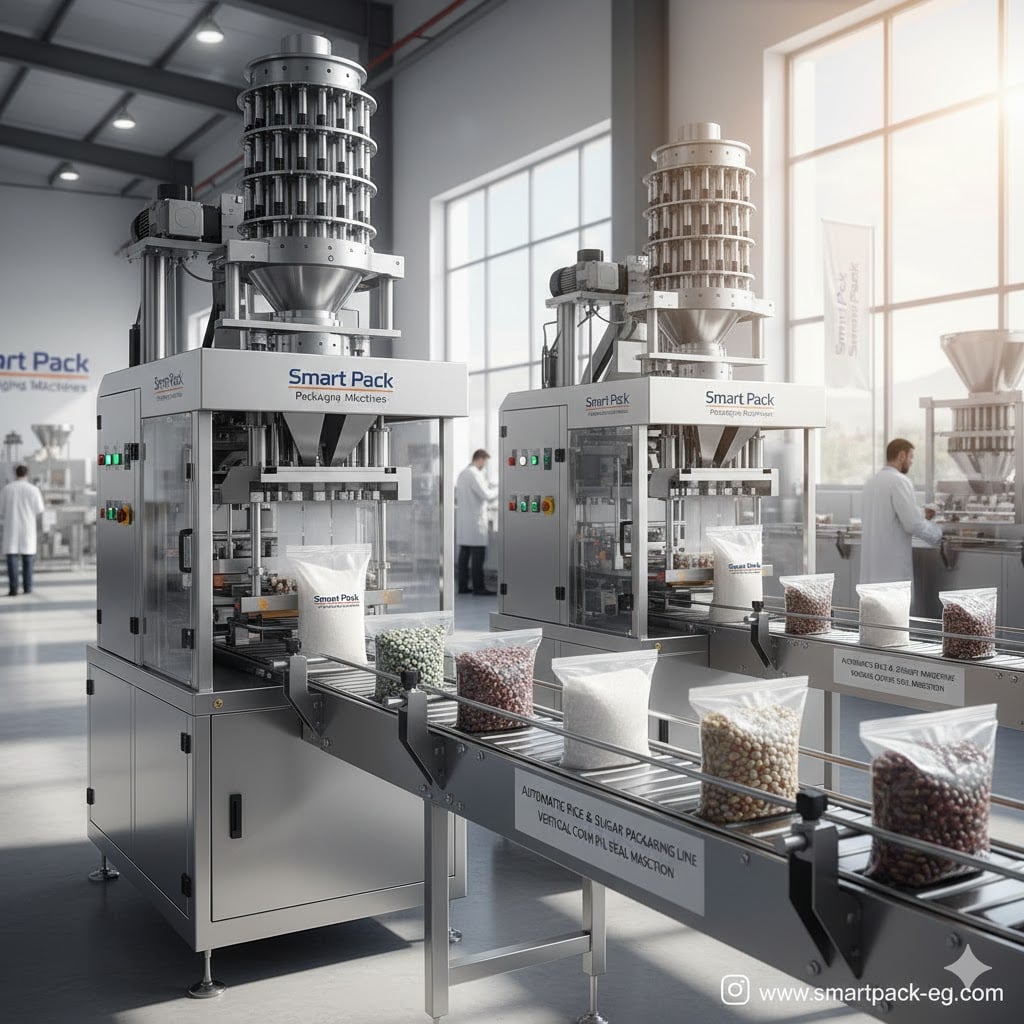
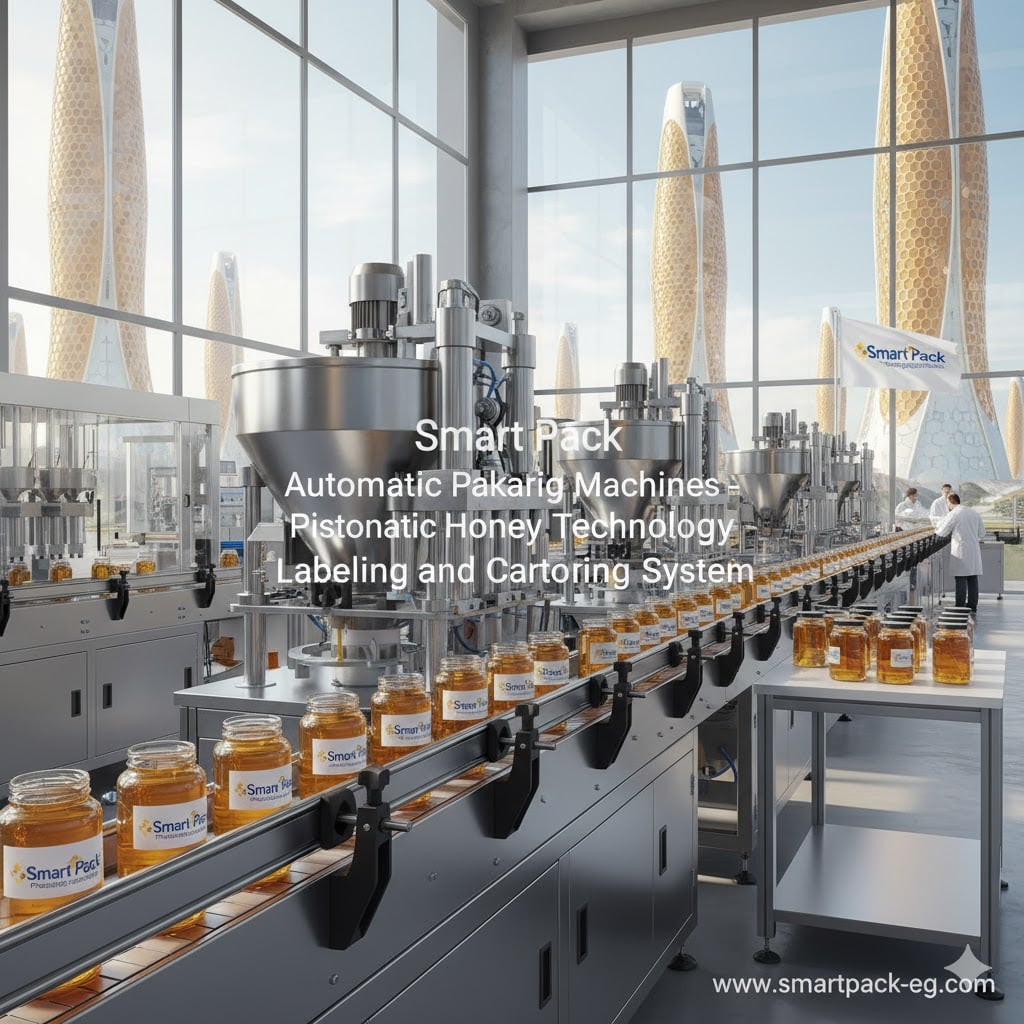
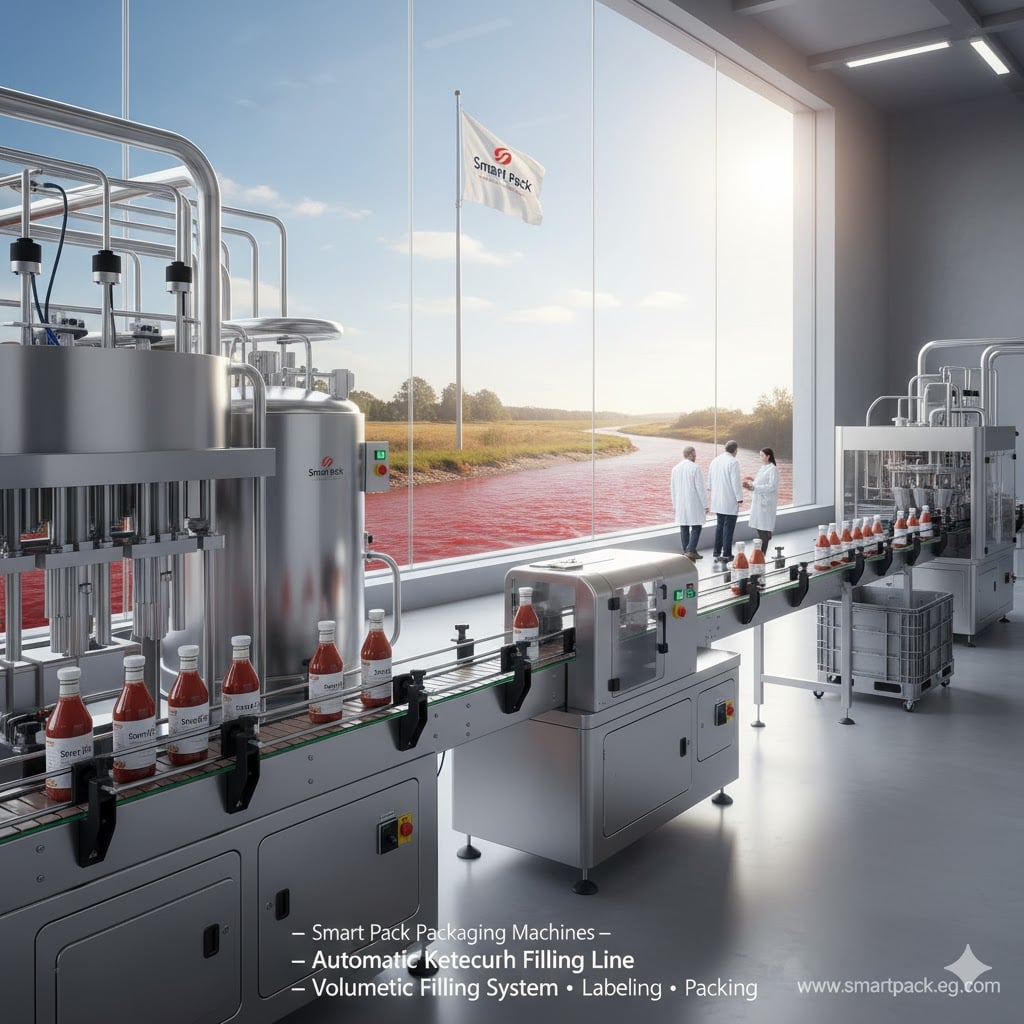
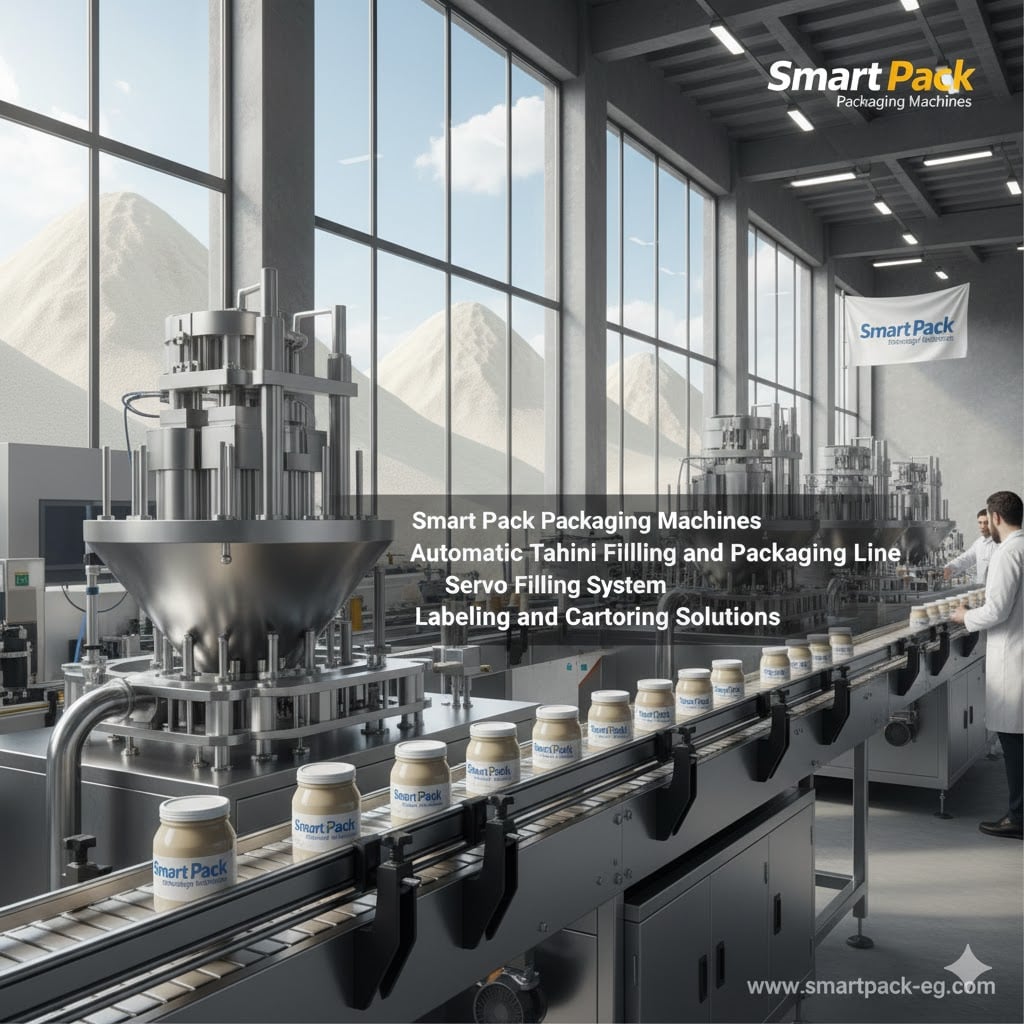
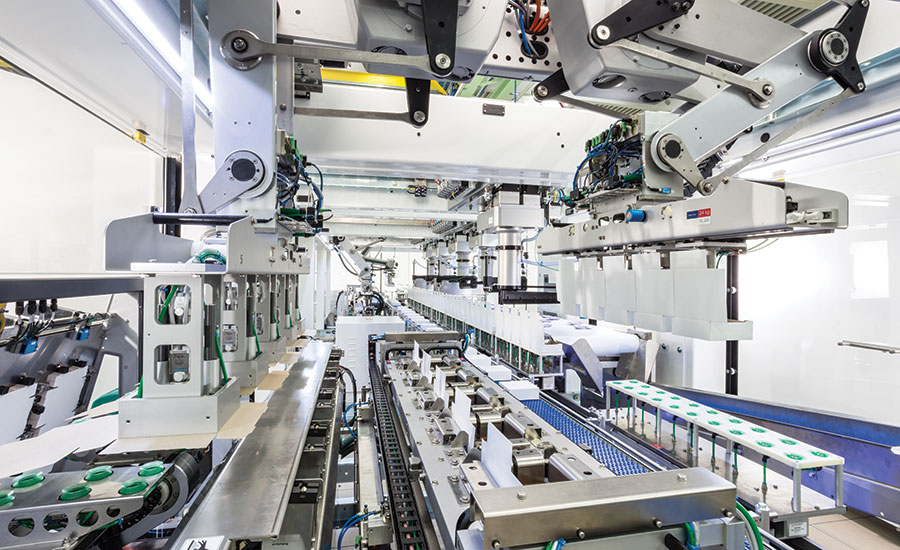
Selecting the right machinery is the most critical success factor. Depending on product type, a packaging factory may require:
-
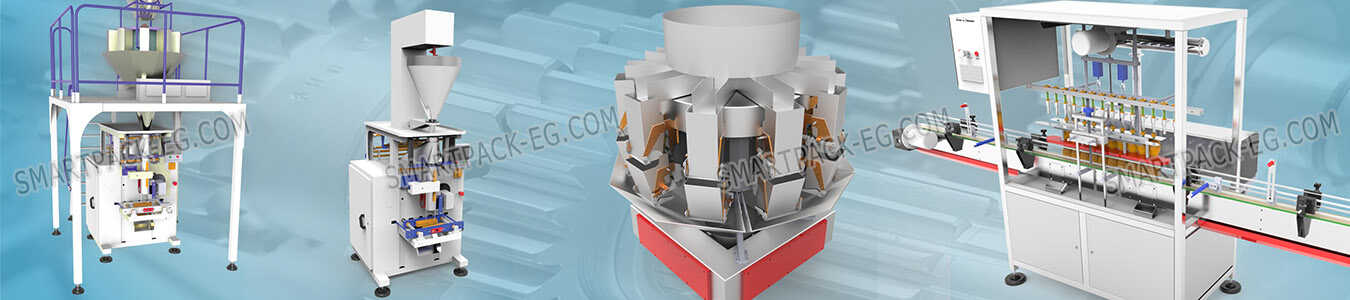
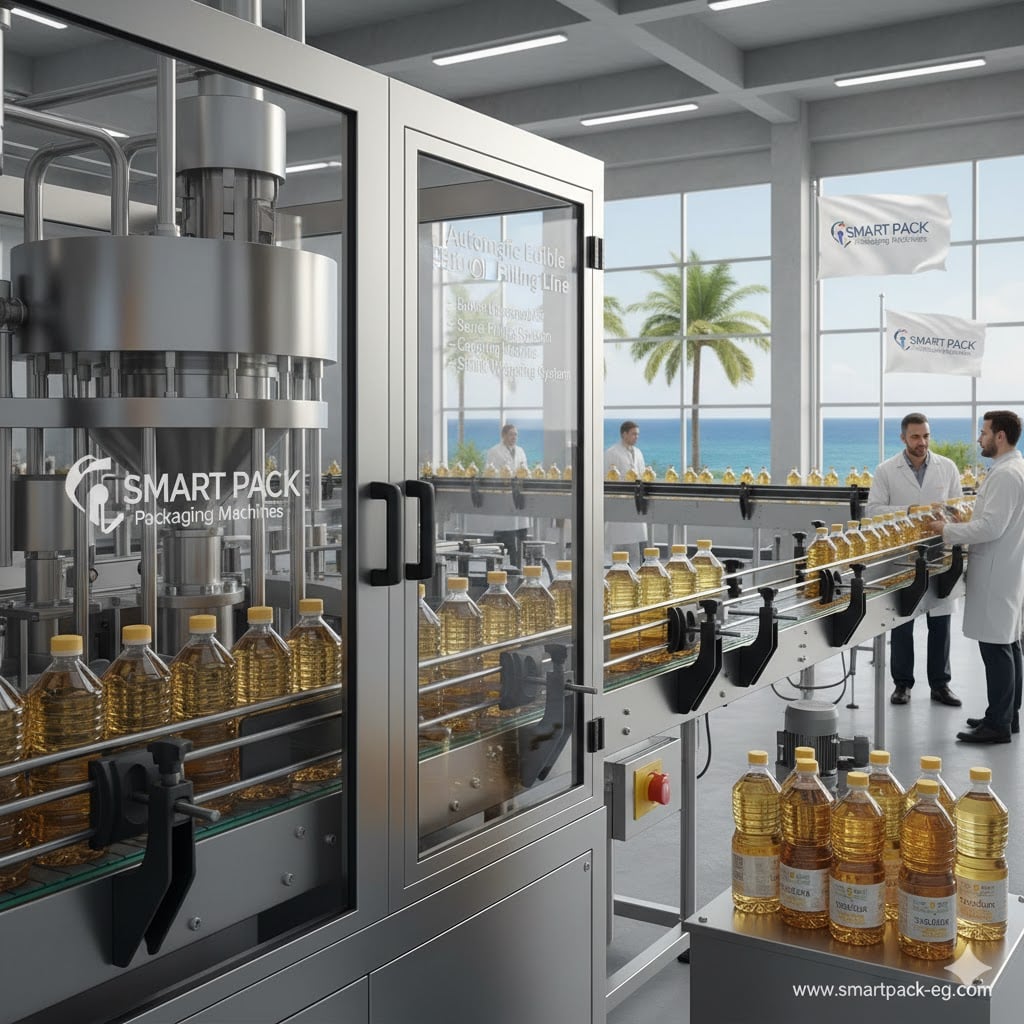
Liquid filling machines
-
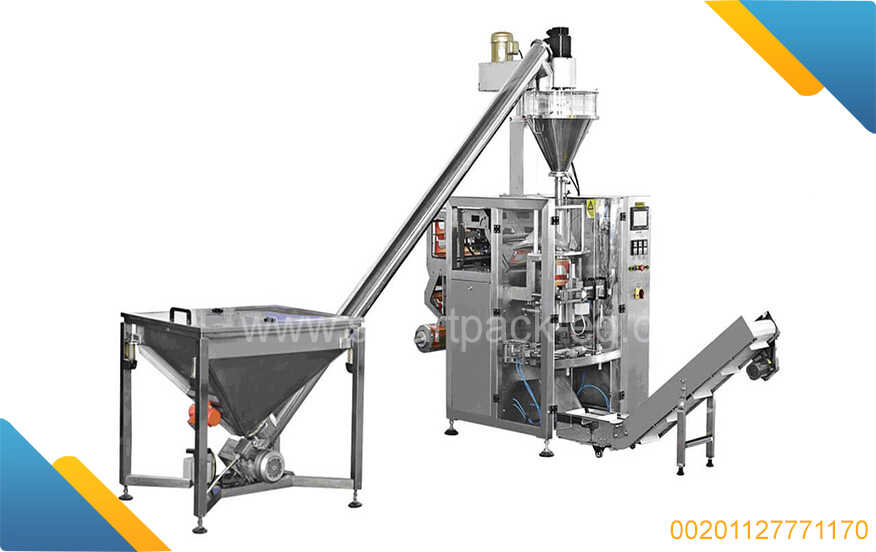
Powder filling machines
-
Granule filling machines
-
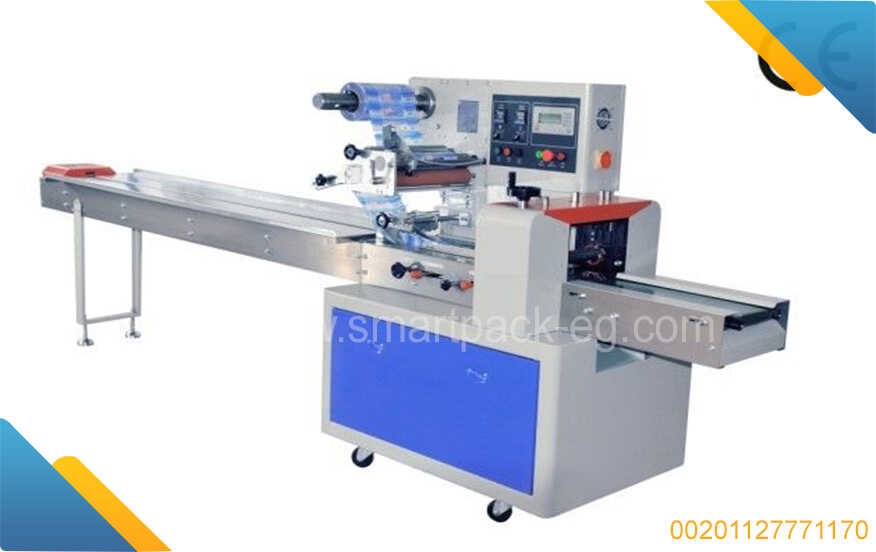
Packaging and wrapping machines
-
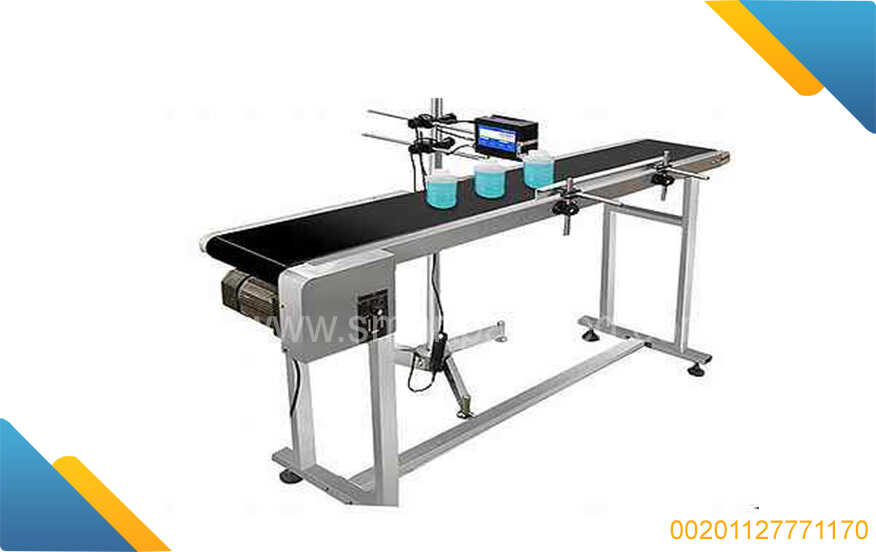
Labeling machines
-
Conveyor systems
It is strongly recommended to work with a specialized manufacturer that offers scalable, integrated solutions, such as those provided by Smart Pack, where production lines can be custom-designed to meet current and future factory needs.
Machinery Overview Table
| Machine Type | Main Use | Suitable Sectors |
|---|---|---|
| Liquid filling machine | Oils, juices, detergents | Food – Chemical |
| Powder filling machine | Flour, cement, spices | Food – Building materials |
| Vacuum packaging machine | Sensitive products preservation | Food |
| Labeling machine | Sticker and label application | All sectors |
| Conveyor systems | Product transfer between stages | Production lines |
Estimated Costs of a Filling and Packaging Factory
Project costs are divided into:
-
Fixed costs: machinery, production lines, site preparation
-
Operating costs: labor, energy, maintenance
Costs vary based on factory size and machinery type, but proper planning helps allocate the budget efficiently without unnecessary financial strain.
Expected Return on Investment (ROI)
ROI depends on:
-
Daily production volume
-
Product type
-
Pricing of the packaged product or service
-
Operational efficiency
In many cases, a well-designed factory achieves positive returns within a relatively short period, provided the machinery and production line are correctly selected.
Why Automation Is Essential for Factory Success
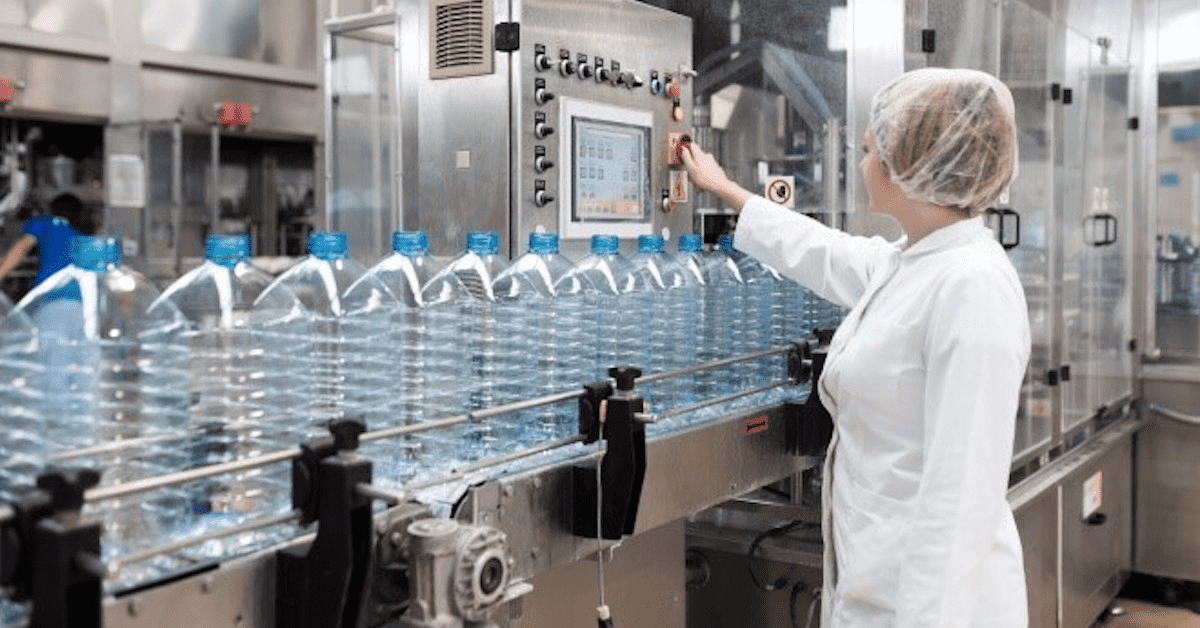
Automation in filling and packaging provides clear competitive advantages:
-
⭐ Higher production speed
-
⭐ Reduced human errors
-
⭐ Consistent product quality
-
⭐ Lower operating costs
-
⭐ Improved working environment
Key Tips When Purchasing Filling and Packaging Machines
Before making a purchase decision:
-
⭐ Define the product type precisely
-
⭐ Choose machines that support future expansion
-
⭐ Ensure availability of maintenance and spare parts
-
⭐ Select a supplier with proven industrial experience
-
⭐ Compare technical specifications—not price alone
Working with a trusted supplier like Smart Pack helps avoid many common purchasing mistakes.
Frequently Asked Questions (FAQ)
Why is a feasibility study important before starting?
It minimizes risks and supports sound financial and technical decisions.
Can I start with a small production line?
Yes, and expand later as demand grows.
Are locally manufactured machines suitable?
Yes, they offer easier maintenance and faster technical support.
Can the production line be customized?
Absolutely—lines can be designed according to product type and capacity.
What is the most critical success factor?
Choosing the right machinery and production line, supported by effective management.
Conclusion
Establishing a filling and packaging factory is a highly promising industrial project when executed with proper planning. A detailed feasibility study, the right machinery selection, and partnering with a reliable industrial supplier are the core pillars of success. Relying on integrated packaging solutions from Smart Pack provides operational stability and a real opportunity for sustainable growth and long-term profitability.