 Admin
Admin Tomato Sauce Production and Packaging Machines | Complete Processing, Filling, and Packing Lines from Manufacturing to Export
4
Invest in advanced tomato sauce production and packaging machines and fully automatic processing and filling lines engineered specifically for packaging factories and food industries. Boost daily output in tons, lower operating costs, and guarantee consistent texture, precise filling, and professional packaging that opens export markets and doubles your profit margins. Smart Pack delivers integrated industrial solutions that transform your factory into a high-performance production hub.
A Powerful Start for Packaging and Food Factory Owners
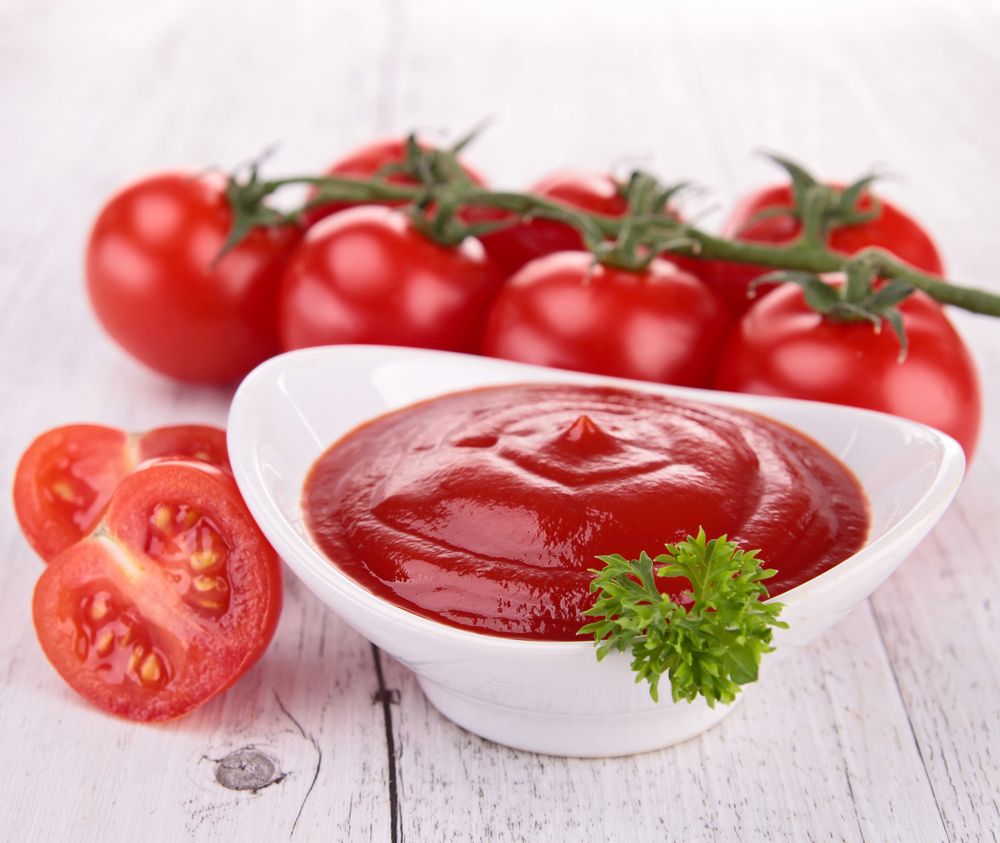
Tomato sauce is not a seasonal product.
It is a daily essential in every home, restaurant, and food facility.
That means continuous demand all year long.
But real profits do not come from cooking alone.
They come from fast industrial production, high concentration and stable quality, accurate filling with zero waste, and attractive packaging ready for retail and export.
Factories using automatic production and packaging lines can produce several times more volume at nearly the same operating cost.
Production Stages Inside Tomato Sauce Factories from Receiving to Packaging
4
The process is carefully designed for maximum hygiene, productivity, and minimal loss.
Fresh tomatoes are received and sorted.
They are washed and cleaned thoroughly.
Crushing and pulping extract juice and pulp.
Cooking and concentration increase thickness and flavor.
Homogenizing and filtering ensure smooth texture.
Automatic filling machines dose the sauce precisely.
Sealing, labeling, and cartoning prepare the product for sale and export.
Every stage focuses on food safety, high efficiency, and reduced waste.
Main Components of a Tomato Sauce Production Line
A professional industrial line includes essential equipment that works together seamlessly.
Automatic washing and sorting units remove impurities and damaged fruit.
Crushers and pulpers extract maximum juice yield.
Steam kettles concentrate and cook the sauce to the required density.
Stainless steel mixing tanks allow seasoning and formulation.
Homogenizers create a smooth, uniform texture.
Food-grade pumps maintain continuous product flow.
Automatic filling and packaging machines handle bottles, pouches, or containers, followed by capping, labeling, date printing, and carton packing.
Together, these machines form a complete processing, filling, and packaging line for food factories.
Step-by-Step Factory Operation
Raw materials are prepared and inspected.
Extraction and concentration begin.
Cooking controls flavor and viscosity.
Partial cooling stabilizes the product.
Automatic filling machines dispense exact volumes.
Containers are sealed and capped.
Final packaging and labeling are completed.
Products are stored or shipped for export.
The entire workflow is closed, hygienic, and fast.
Types of Filling and Packaging Machines for Tomato Sauce
4
Different markets require different packaging solutions.
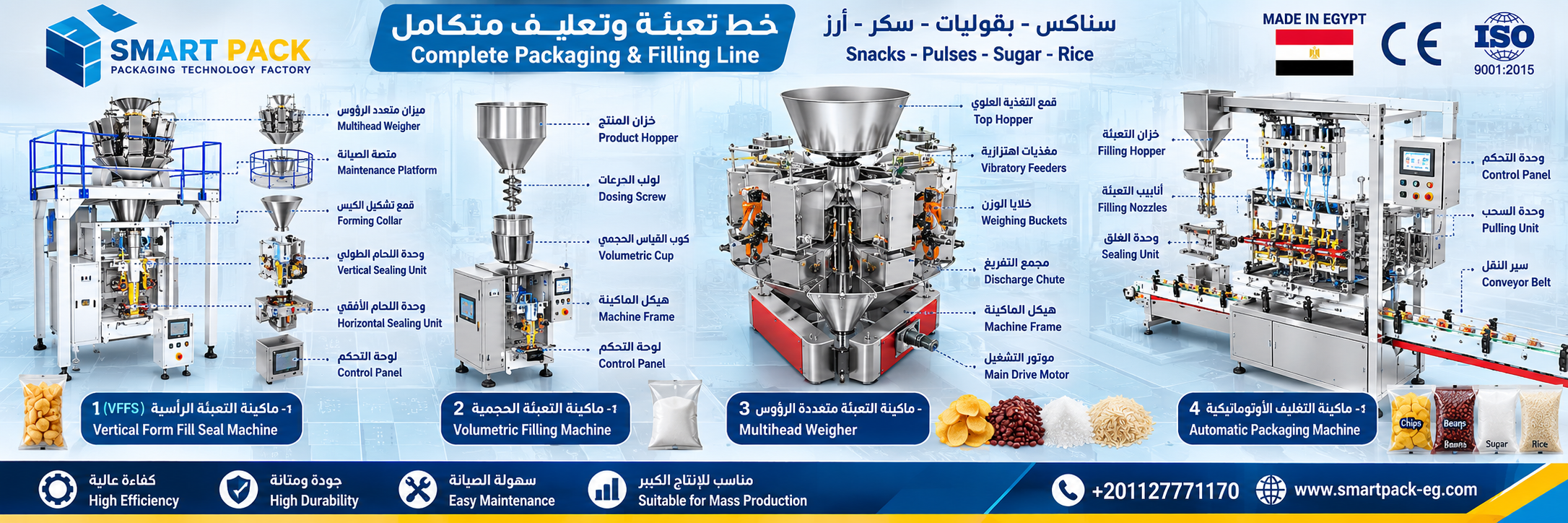
Piston fillers are ideal for high-viscosity sauces and ensure drip-free precision.
Automatic bottle fillers handle glass or PET containers for retail shelves.
VFFS sachet machines produce economical single-use packs.
Shrink wrapping and cartoning machines create professional transport-ready packs.
Fully automatic integrated lines deliver maximum efficiency with minimal labor.
Bottle packaging suits premium retail markets.
Sachets offer low-cost mass distribution.
Large containers serve restaurants and bulk buyers.
Comparison Table for Tomato Sauce Filling and Production Equipment
| Machine Type | Hourly Capacity | Factory Application | Estimated Cost | Expected Profit Return | Investment Advantage |
|---|---|---|---|---|---|
| Piston Filler | 1200–3000 packs | Accurate sauce filling without dripping | Medium | Fast payback | Reduced waste |
| Sachet Machine | 2500–6000 bags | Economic small packs | Medium | High sales volume | Low unit cost |
| Automatic Bottle Line | 2000–4000 bottles | Premium retail packaging | Medium | Higher margins | Professional look |
| Integrated Production Line | 3–8 tons/day | Large factories and export | Higher | Multipled profits | Lowest cost per kg |
Final Product and Export-Ready Packaging Formats
4
Retail bottles for supermarkets.
Economic sachets for fast-moving markets.
Large containers for restaurants and factories.
Cartons prepared for shipping and export.
Professional packaging strengthens brand value and customer trust.
Market Demand and Export Opportunities
Tomato sauce enjoys daily household consumption worldwide.
Restaurants and hotels generate constant bulk demand.
The product is easy to store and ship.
Export opportunities are strong in African, Middle Eastern, and international markets.
It is one of the most stable, safe, and profitable food products to manufacture.
Costs, Profits, and Expected ROI
A medium-scale integrated line typically costs between 180,000 and 320,000 USD.
Monthly operating costs range from 15,000 to 22,000 USD.
Daily production reaches four to eight tons.
Profit margins range from 25 to 35 percent.
Factories often achieve monthly profits of 35,000 to 55,000 USD and recover capital within nine to thirteen months.
This makes tomato sauce production a powerful and scalable food investment.
Smart Investment Tips for Packaging Factories
Start with a complete integrated line instead of separate machines.
Choose high-precision viscous filling technology.
Offer multiple package sizes for different markets.
Focus on attractive, export-ready packaging.
Design your factory from the beginning for future expansion.
Professional Buying Advice from Smart Pack
Select integrated tomato sauce processing and packaging lines instead of manual solutions.
Invest in high-speed automatic systems to increase capacity and lower costs.
Request real production testing before delivery.
Ensure warranty coverage, spare parts, and after-sales support.
Choose expandable equipment that grows with your business.
Frequently Asked Questions
What is the best filling machine for viscous sauces
Piston or volumetric fillers provide the highest accuracy and prevent dripping.
Can bottles and sachets run on the same line
Yes, with minor adjustments to filling modules.
How much can a medium factory produce daily
Typically four to eight tons per day.
Is an integrated line better than separate equipment
Yes, it reduces downtime, improves efficiency, and lowers operating costs.
Why choose Smart Pack solutions
Because Smart Pack provides complete industrial systems with installation, warranty, and technical support to ensure stable production and higher profitability.
Equipping your factory today with advanced tomato sauce production and packaging lines means higher quality, faster output, lower costs, and stronger export potential. With Smart Pack’s industrial solutions, you can build a competitive brand and secure sustainable profits year after year.