 Admin
Admin Excellent choice. Almond milk production is one of the fastest-growing segments in the global plant-based food industry. It combines health benefits, premium pricing, and strong export demand. For packaging and food factories, this means continuous sales, high turnover, and stable profits with automated liquid filling lines.
Here’s your professional English translation with a strong marketing and industrial tone, supported by visual sections to help you present the project to investors and manufacturers.
Professional Almond Milk Production Line
A High-Demand Plant-Based Beverage That Transforms Packaging Factories into Profitable Health Food and Export Businesses
If you are looking for a fast-growing global plant-based product that sells at a higher price than traditional dairy milk and targets health-conscious consumers, almond milk is one of the strongest investment opportunities in the healthy food industry.
Demand is rising rapidly in supermarkets, cafés, diet stores, pharmacies, and fitness markets. With automatic liquid filling and food packaging lines, you can produce thousands of liters daily with consistent quality and low operating costs.
Installing a complete beverage production and packaging line transforms raw almonds into a premium, high-profit product ready for local distribution and export.
Why Almond Milk Is a Golden Investment Opportunity for Food Packaging Factories
4
High-demand plant-based healthy product worldwide
Ideal for lactose-intolerant and vegan consumers
Higher selling price than regular milk
Easy product diversification (plain, sweetened, vanilla, chocolate)
Perfect for mass production with automated liquid filling lines
This means higher value per liter, faster sales, and strong, stable profits.
Health Benefits That Drive Demand and Increase Sales
Lactose-free and cholesterol-free
Low in calories
Rich in Vitamin E and antioxidants
Suitable for vegan and diet lifestyles
Easy to digest for children and adults
Ideal for coffee, smoothies, cereals, and desserts
Every health benefit becomes a powerful marketing message that supports premium pricing.
Core Raw Materials Used in Almond Milk Production
4
High-quality raw almonds
Demineralized water
Natural vegetable oils for texture
Natural sweeteners or sugar (optional)
Natural flavors
Added vitamins or calcium
Food-grade stabilizers
Better almond quality equals better taste, whiter color, and stronger customer trust.
Production Stages Inside the Factory
4
Cleaning and washing almonds
Soaking to soften and improve extraction
Grinding with industrial mills
Mixing with water to create almond slurry
Filtration to remove fibers
Thermal pasteurization for food safety
Adding flavors or fortifications
Storage in sanitary sterile tanks
The result is pure, smooth almond milk ready for safe filling and distribution.
Automatic Filling and Packaging Stage
4
Precise filling into bottles or cartons
Sealed caps or heat welding
Production and expiry date printing
Brand labeling
Cartoning and palletizing for distribution
Modern packaging machines ensure higher speed, improved hygiene, and minimal product loss.
Types of Machines and Equipment for Almond Milk Factories
Washing and soaking tanks
Industrial grinders or mills
Liquid mixing tanks
Filtration and separation systems
Pasteurization and heating units
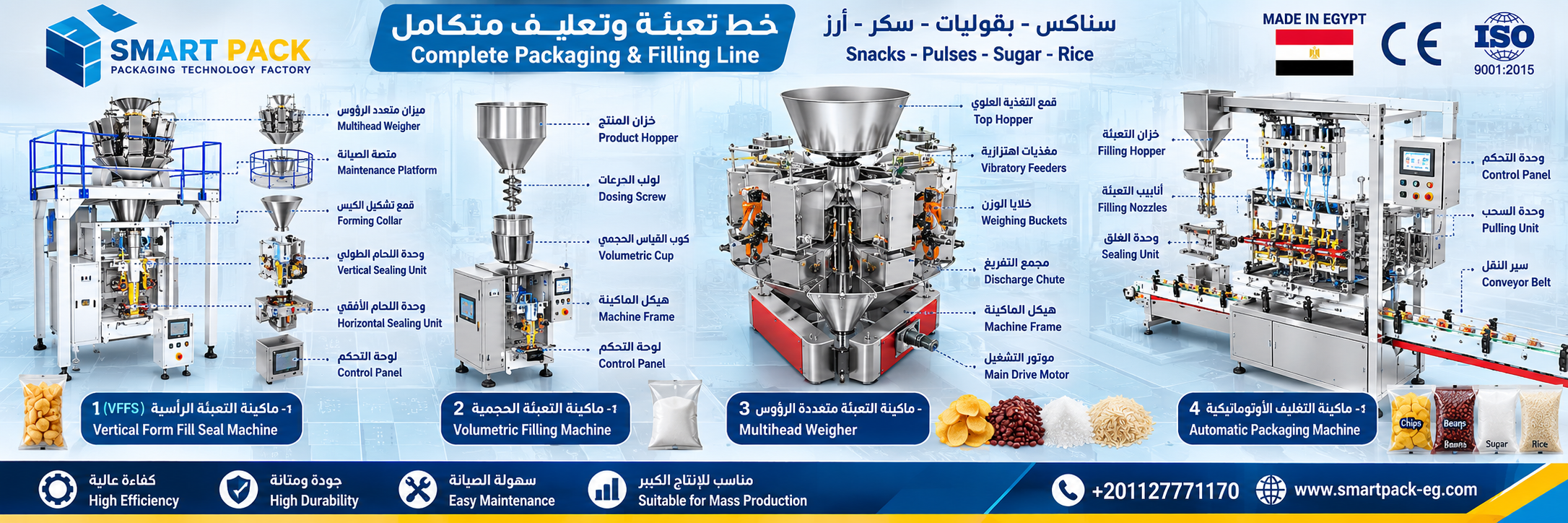
Automatic liquid filling machines
Complete integrated production and packaging lines
Automation reduces labor, lowers cost per liter, and maximizes daily profitability.
Production Line Comparison
| Line Type | Application | Daily Capacity | Automation Level | Labor Reduction | Waste Reduction | Profit Impact | Suitable Factory Size |
|---|---|---|---|---|---|---|---|
| Semi-automatic | Small batches | Medium | Semi | Moderate | Good | Gradual growth | Small factories |
| Automatic bottle filling | Fast, precise filling | High | Fully automatic | High | Excellent | Lower cost per liter | Medium factories |
| Fully integrated line | From grinding to packaging | Very high | Fully automatic | Very low | Maximum | Highest ROI | Large industrial plants |
Market Opportunities
Strong global growth in plant-based foods
Increasing demand in cafés and coffee chains
Growth of vegan and healthy lifestyles
Excellent export potential to Gulf and European markets
Ability to produce oat, soy, or coconut milk using the same line
Plant-based beverages are among the fastest-growing and most profitable food categories worldwide.
Cost, Profitability, and ROI Overview
| Item | Estimated Level |
|---|---|
| Raw material cost | Low to medium |
| Production line cost | Medium |
| Daily output | Thousands of liters |
| Selling price | Premium |
| Profit margin | High and stable |
| Payback period | Short to medium |
Each liter delivers strong profit thanks to high health value and premium pricing.
Smart Buying Tips from Smart Pack
Choose food-grade stainless steel equipment
Install high-speed automatic filling systems
Use pasteurization units for safety and shelf life
Design attractive branded packaging
Partner with Smart Pack for turnkey supply, installation, training, and technical support
Frequently Asked Questions
Is almond milk production profitable
Yes, due to rising demand and higher selling prices.
What are the best filling machines
High-precision automatic liquid filling and carton packaging machines.
Can other products be made on the same line
Yes, oat milk, soy milk, and coconut milk.
Is the product suitable for export
Absolutely, plant-based beverages have strong global demand.
Where can I buy reliable production lines
From specialized industrial suppliers like Smart Pack.
Start Your Production Line Today
High-value healthy product
Low operating costs with automation
Strong and growing global market
Excellent export opportunities
Fast and sustainable ROI
Start today with Smart Pack’s almond milk production line and transform your factory into a competitive, profitable health food brand generating daily revenue and long-term industrial growth.