 Admin
Admin How to Choose the Right Packaging and Filling Machine for Your Production Line
A Practical Industrial Guide for Long-Term Success
Introduction
In today’s modern industrial world, a packaging and filling machine is no longer just an additional piece of equipment on the production line. It is a core structural element that directly determines product quality, consumer trust, and long-term business sustainability.
When a factory begins producing any product—whether food, pharmaceutical, chemical, or non-edible goods—the product passes through several stages before reaching the consumer. Packaging and filling is one of the most critical stages, because it is where the product’s value is transformed from a raw commodity into a market-ready, attractive product.
Choosing the right machine gives a company real operational strength. It ensures consistent performance, reduced waste, and fast fulfillment of large orders. A wrong choice, on the other hand, can be extremely costly—not only financially, but also in terms of brand reputation and responsiveness to market demand.
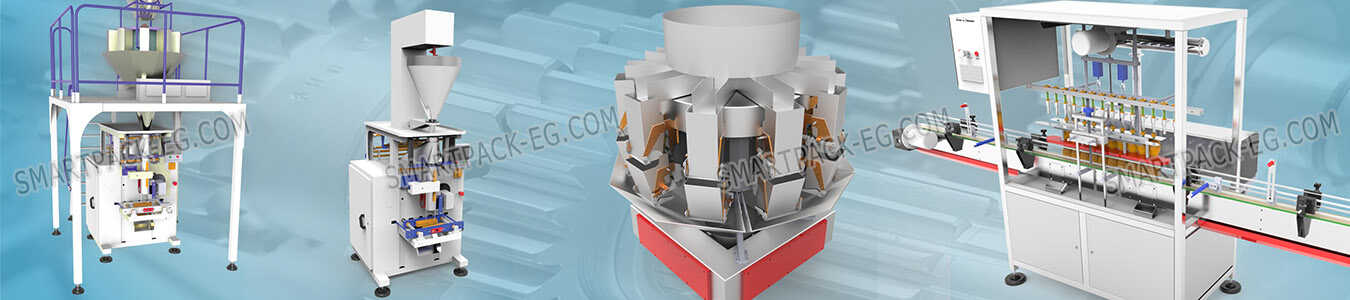
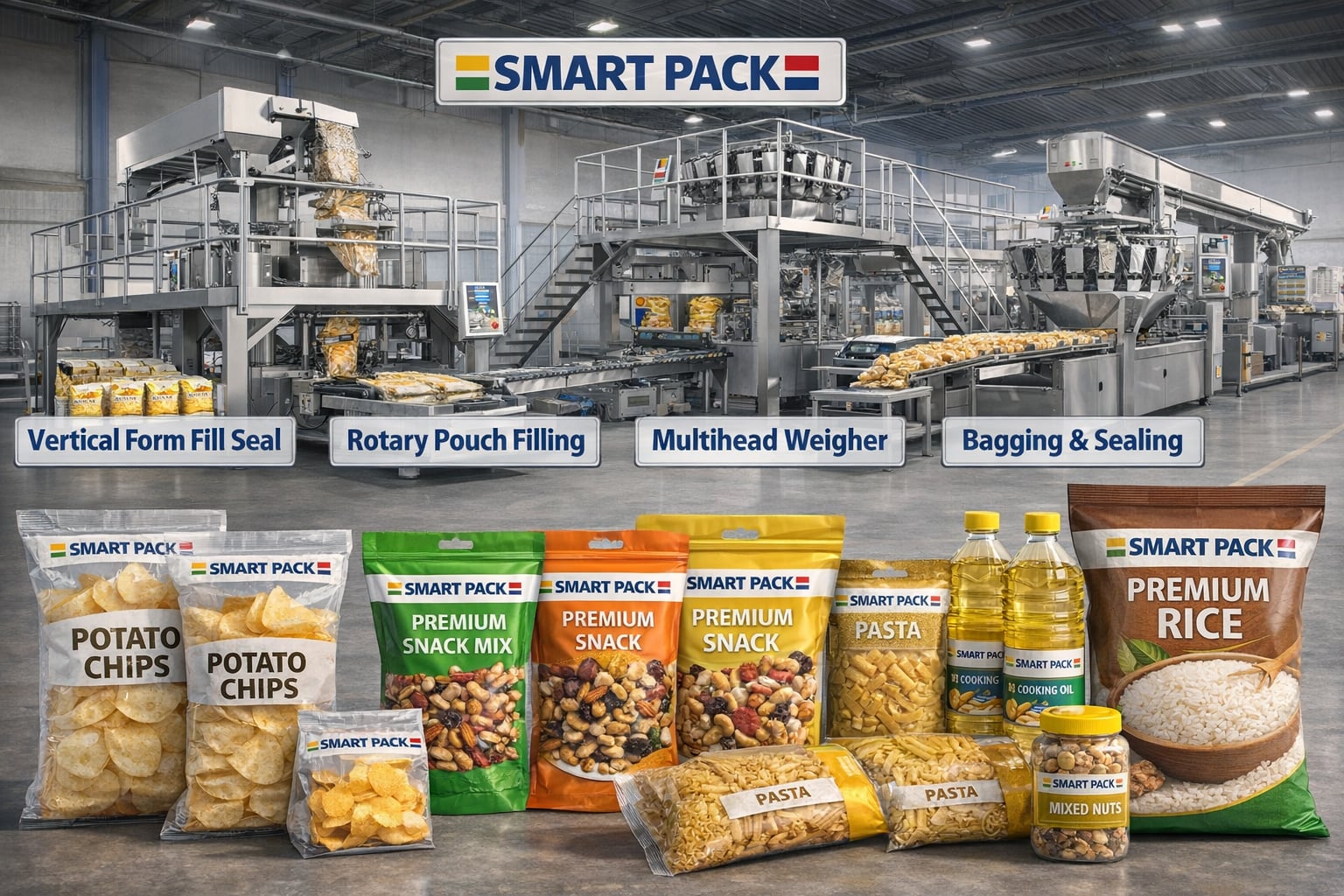
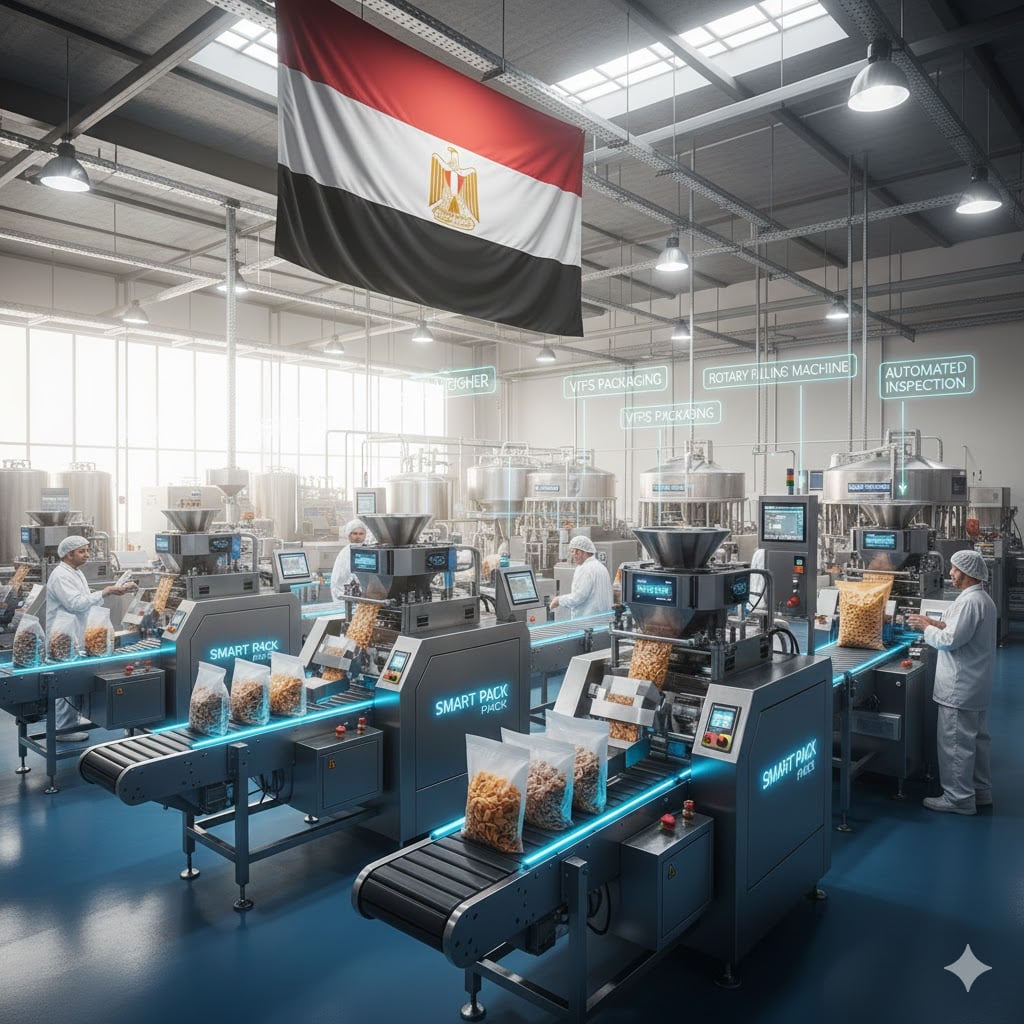
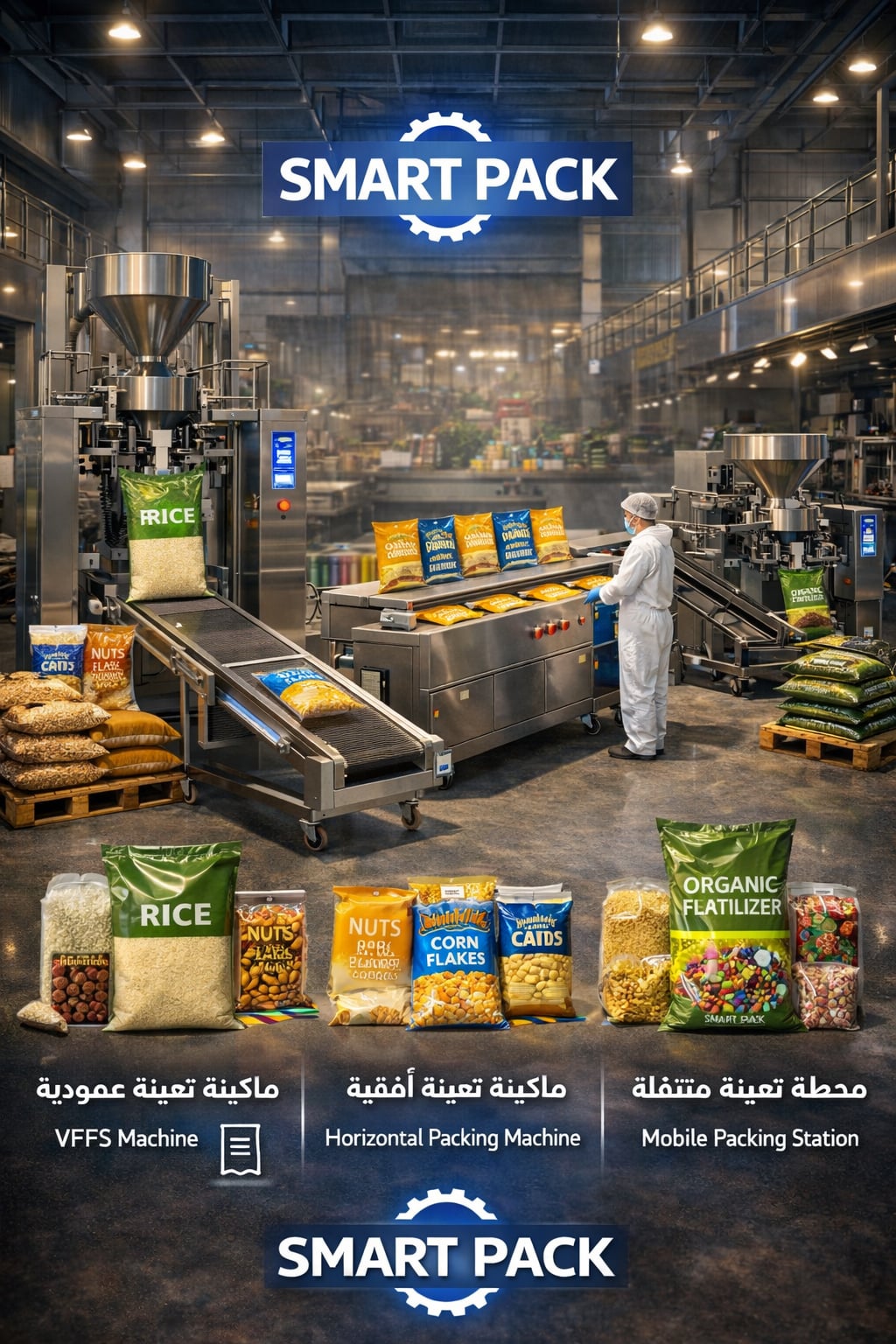
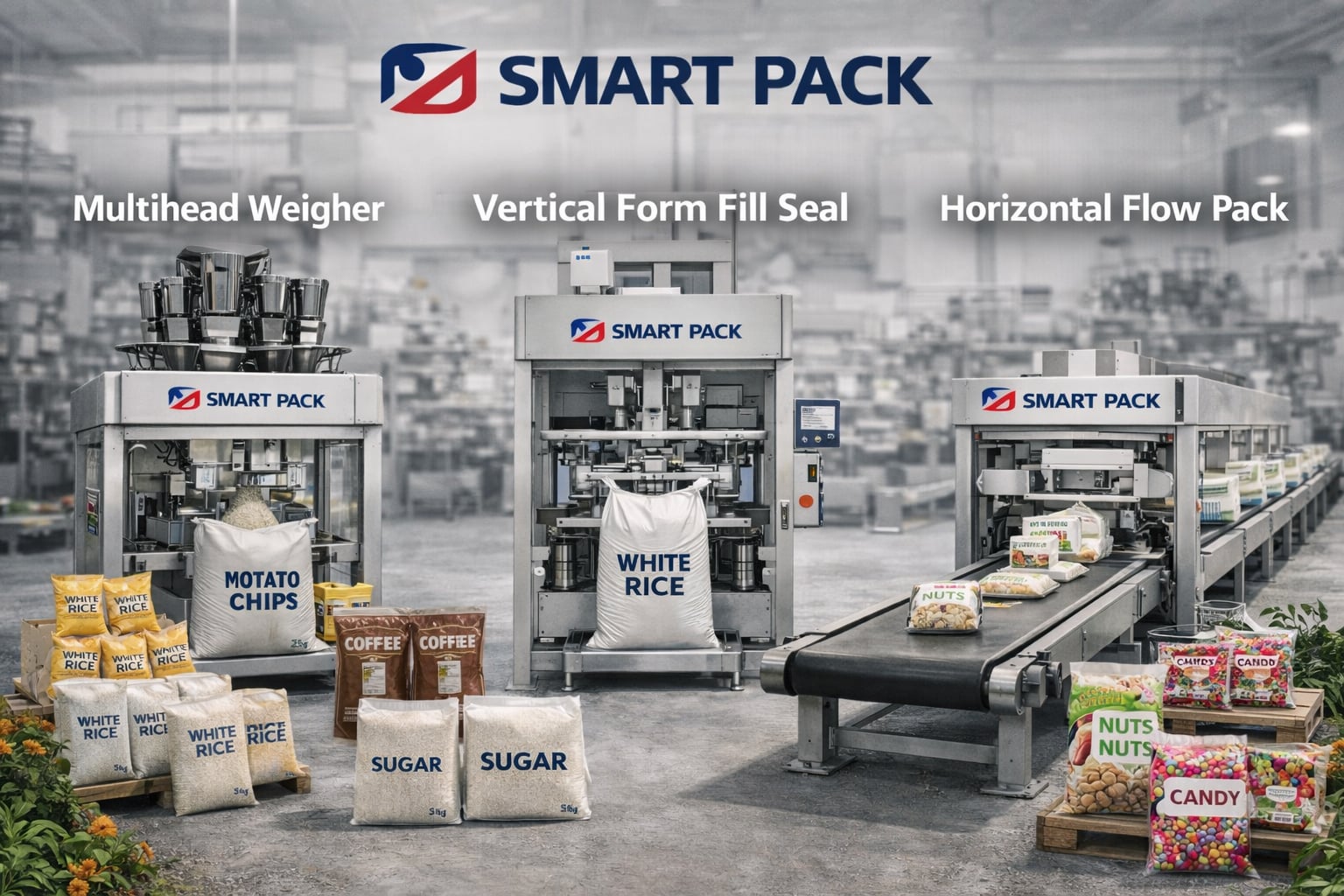
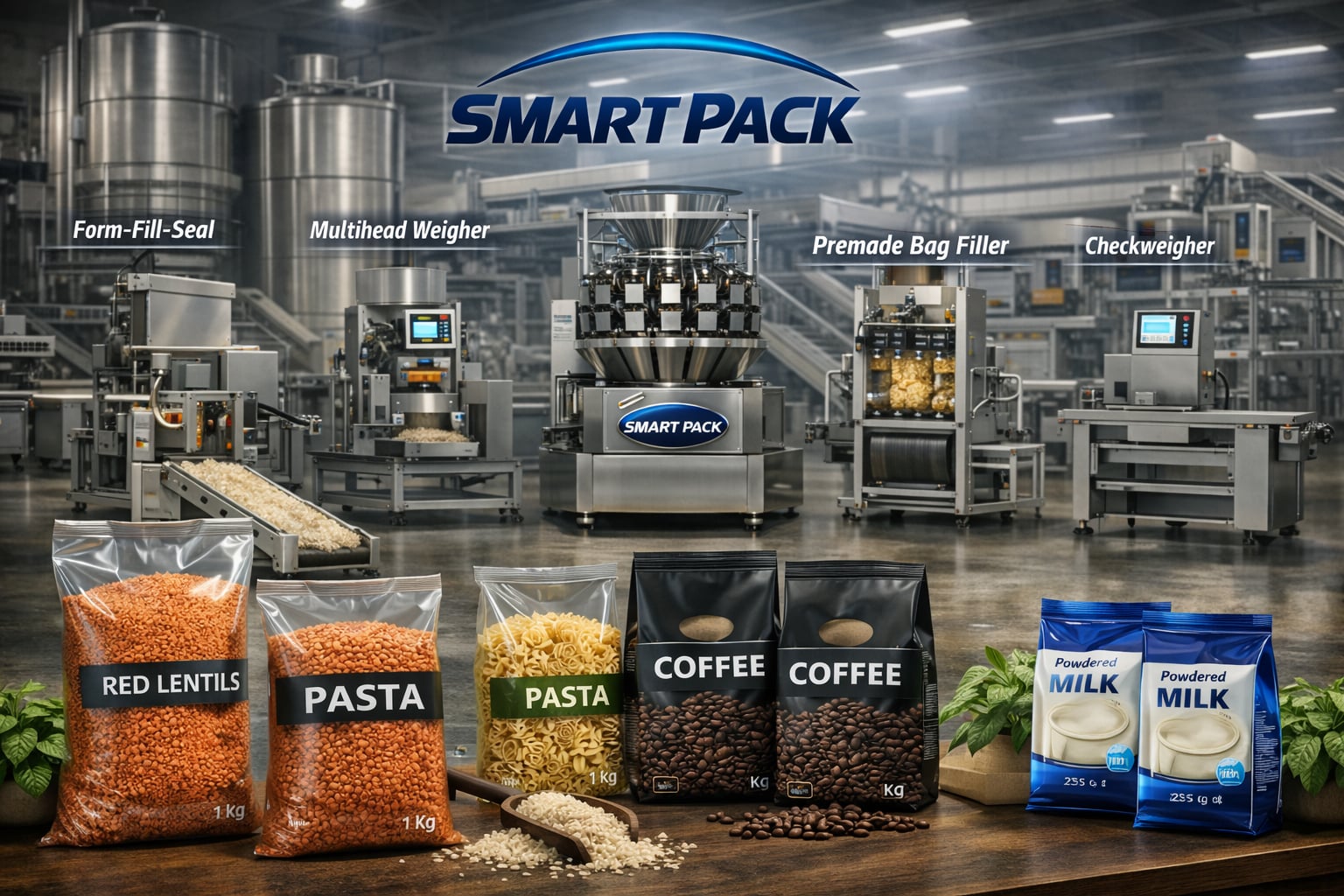
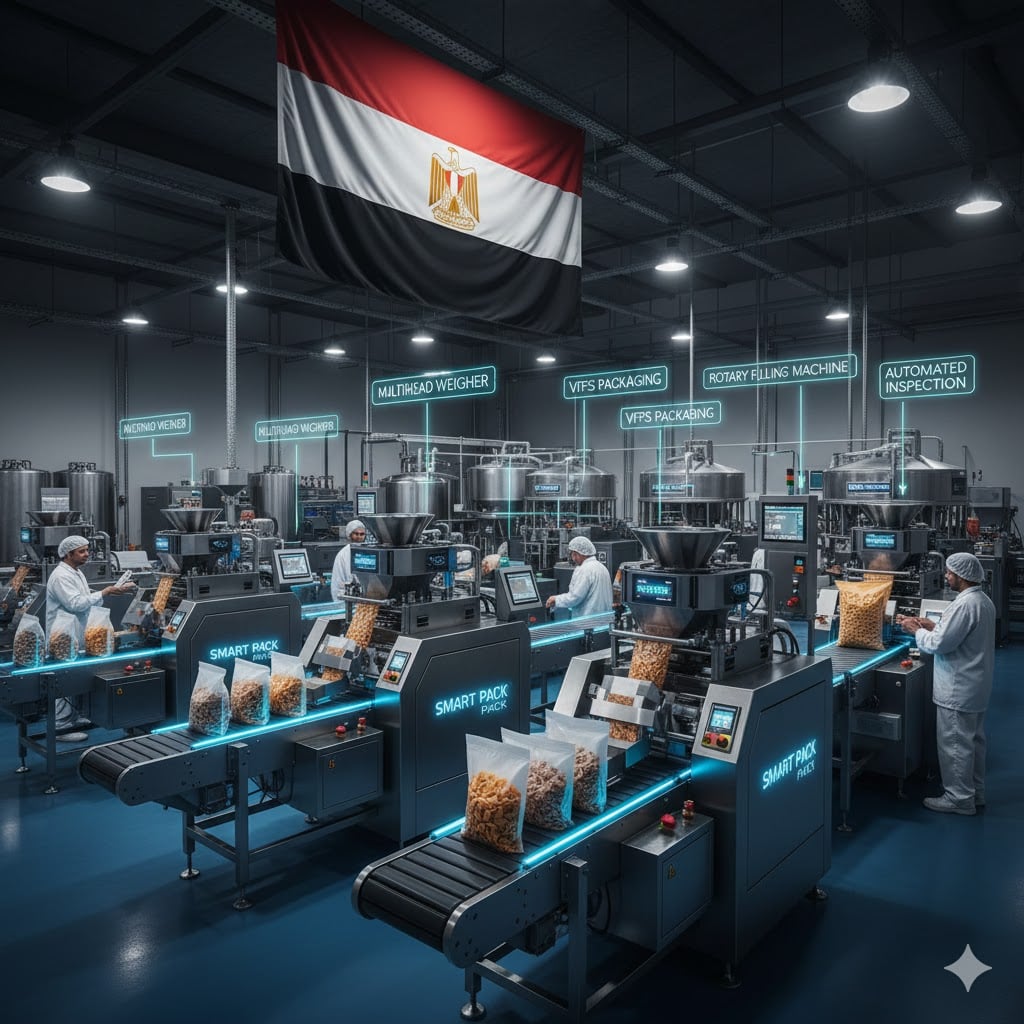
In this article, we explain in detail how to choose the right packaging and filling machine, highlight the key differences between available options, and support the explanation with visual examples for better understanding.
1. Understand Your Product Before Choosing the Machine
Before looking at any machine, you must answer the following questions:
-
What is the product consistency? Liquid, powder, granules, or solid?
-
Does the product require protection from moisture or oxygen?
-
What is the expected package size? Small, large, or multiple sizes?
-
Does the product require airtight sealing or special closure?
-
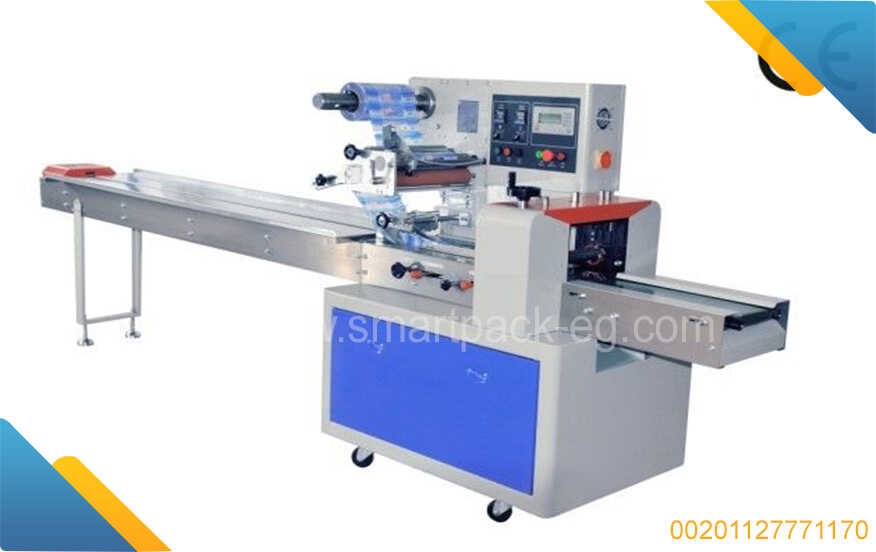
Will you use shrink wrapping or single-unit packaging?
The answers to these questions define the technology your filling and packaging machine must have.
Practical example:
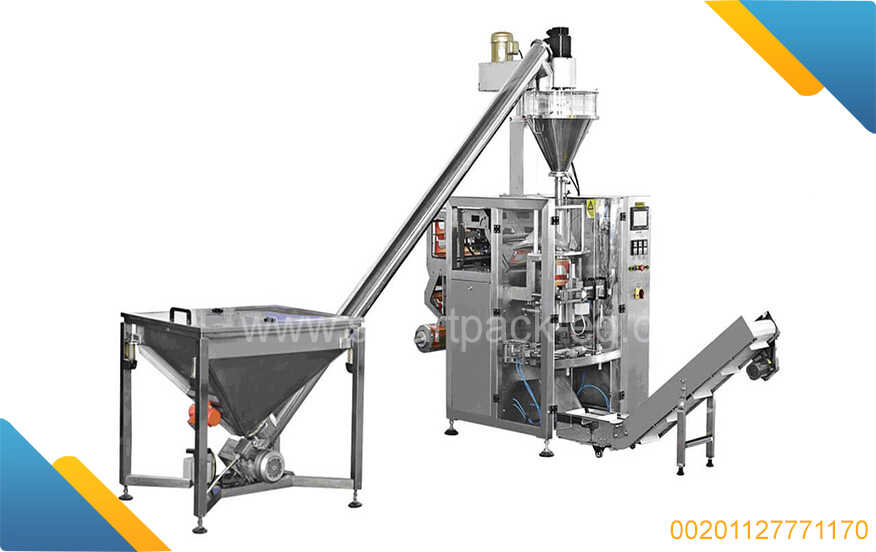
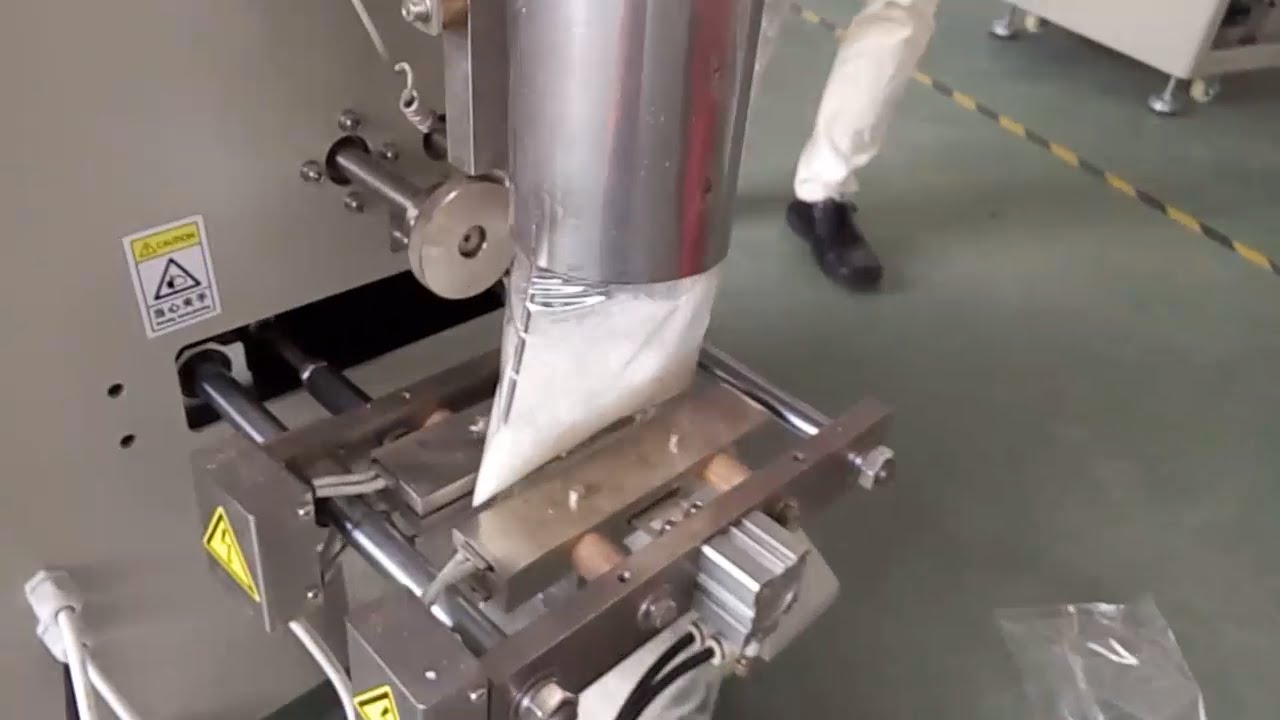
Powder products such as flour or milk powder require machines equipped with high-precision dosing systems like an Auger Filler to ensure accurate weight in every package.
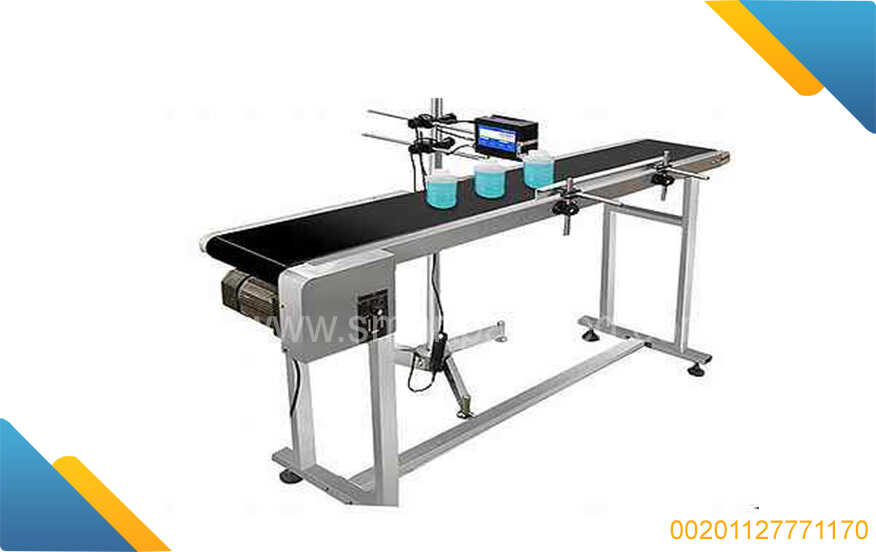
Liquid products such as oils, sauces, or detergents require flow-controlled pumps to guarantee consistent filling levels.
2. Durability and Resistance in Industrial Operating Conditions
There is a huge difference between a trial-level machine and one designed for true industrial operation. In industrial environments:
-
Production lines run for long hours
-
Output volumes can be very high
-
Maintenance downtime must be minimal
-
Heat and mechanical stress are expected
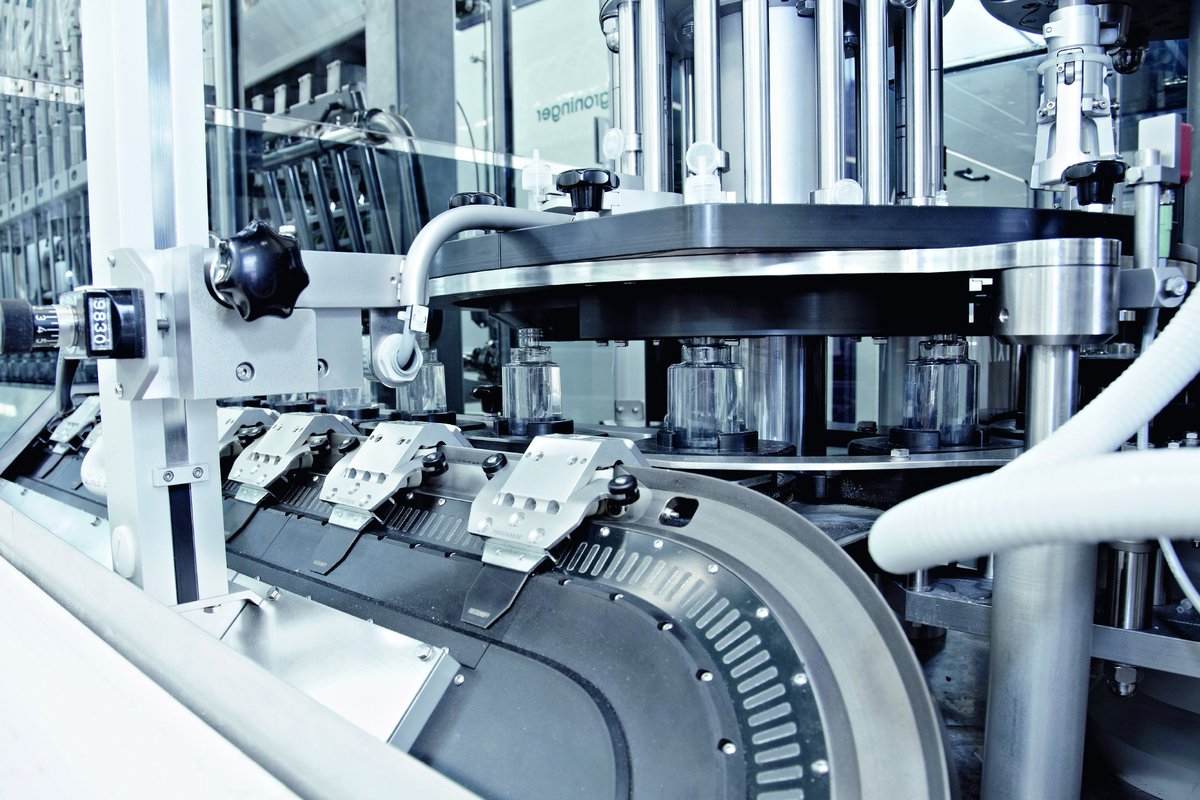
For these reasons, it is essential to choose machines built with stainless steel or heavy-duty materials, equipped with powerful motors and reliable electronic control systems capable of continuous operation without unplanned stoppages.
Tip:
Machines marketed as “industrial” should have verifiable build quality, certified materials, and proven standards that withstand intensive use—not just the label.
3. Ease of Operation and Maintenance
Even the most advanced machine has no real value if operators cannot use it easily and correctly. Poor usability often leads to operational errors, product waste, and downtime.
When evaluating a packaging or filling machine, make sure it offers:
-
✅ A clear and user-friendly control panel
-
✅ A well-documented operating manual
-
✅ Easy access to spare parts
-
✅ Simple routine maintenance procedures
A machine that is easy to operate and maintain reduces training time, minimizes errors, and keeps your production line running smoothly.
Conclusion
Choosing the right packaging and filling machine is not a secondary decision—it is a strategic investment that directly impacts product quality, operational efficiency, and market competitiveness. By fully understanding your product, selecting durable industrial-grade equipment, and prioritizing ease of operation and maintenance, you build a production line capable of long-term growth and stability.
A well-chosen machine does not just package your product—it protects your brand, optimizes your costs, and strengthens your position in the market.