 Admin
Admin The Difference Between Flour and Fine Flour
A Smart Investment Entry Point to a High-Profit Production Line
Understanding the difference between flour and fine flour is not just a technical or linguistic detail — it is a strategic investment decision. Your choice directly determines the type of production line, the packaging machinery you need, your operating costs, and how quickly you generate returns. Manufacturers who select the right product from the start can build a highly profitable food processing line that serves the local market while unlocking strong export opportunities.
Why the Difference Between Flour and Fine Flour Matters for Investors
4
This decision shapes your entire business model.
-
Defines the final product and target market
-
Impacts production line complexity and cost
-
Changes packaging and handling requirements
-
Influences profit margins and inventory turnover
-
Opens or limits export opportunities
The wrong choice increases costs without returns, while the right one creates a lasting competitive advantage.
What Is Flour from an Industrial Perspective
4
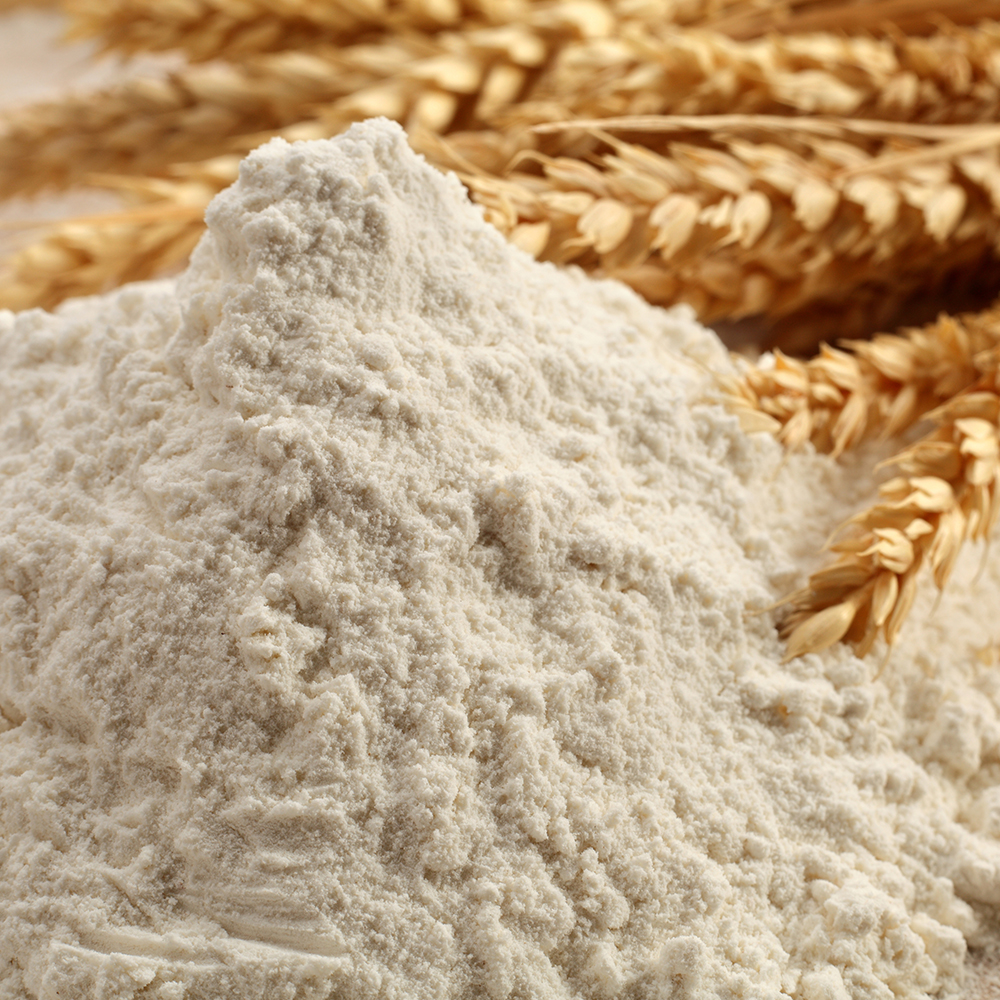
Flour is typically a simpler, high-volume product.
-
Produced by grinding grains to different levels of coarseness
-
Can be whole grain or partially refined
-
Commonly used in bakeries and traditional bread production
-
Consumed daily in large quantities
-
Lower price per unit but very high sales volume
Flour suits factories targeting mass markets with fast product turnover.
What Is Fine Flour from an Industrial Perspective
4
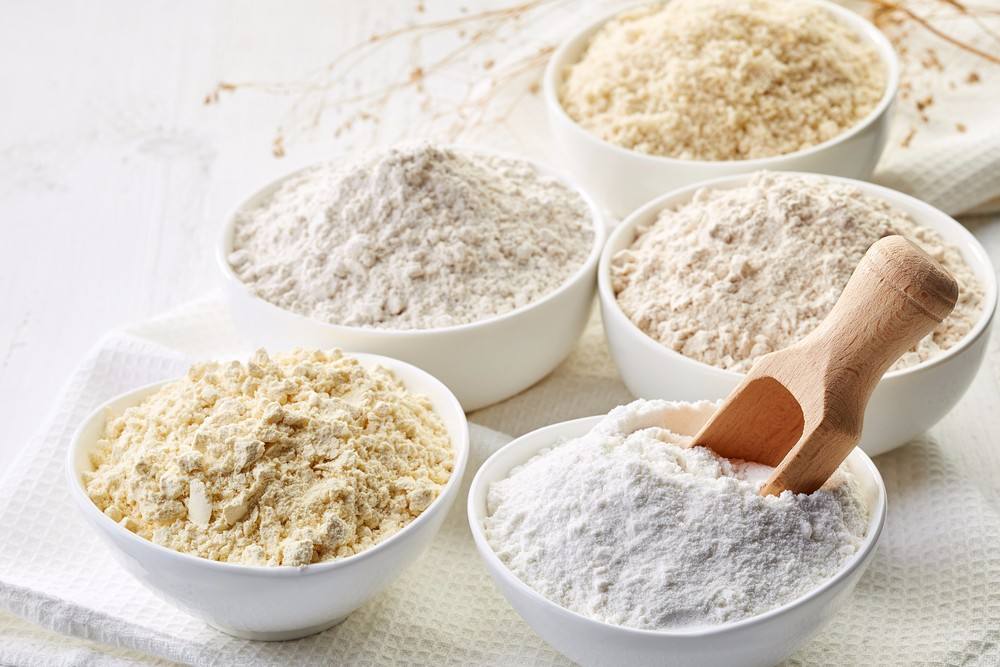
Fine flour is a more processed and value-added product.
-
Refined and treated with higher precision
-
Carefully controlled purity and consistency
-
Used in pastries, desserts, and ready-made foods
-
Lower consumption volume but higher value
-
Higher price and stronger margins
Fine flour serves specialized markets and premium food products.
Production Line Differences Between Flour and Fine Flour
4
Production technology directly affects profitability.
-
Flour lines focus on basic grinding and grading
-
Fine flour lines require precise sieving and purification
-
Fine flour demands tighter quality control
-
Flour is easier and cheaper to operate
-
Fine flour requires more expertise but yields higher profits
This is the classic trade-off between volume and margin.
Packaging and Marketing Differences
Packaging is where profitability becomes visible.
-
Flour is often sold in medium or large bags
-
Fine flour is marketed in smaller, more diverse packages
-
Fine flour benefits from premium, retail-friendly designs
-
Flour tolerates simpler packaging
-
Fine flour gains stronger value from professional presentation
Better packaging directly supports higher pricing.
Which Product Is More Profitable for Factories
-
Flour generates cumulative profit through volume
-
Fine flour delivers higher profit per unit
-
Flour carries lower marketing risk
-
Fine flour offers premium value but requires consistent quality
-
Combining both creates a balanced, smart portfolio
The right choice depends on your strategy, not just the product.
Target Markets for Each Product
-
Flour supplies bakeries and mass markets
-
Fine flour serves premium retail and food manufacturers
-
Fine flour is easier to export at higher value
-
Flour is stronger in local markets
-
Both succeed when supported by the right production line
Market alignment is key to success.
Choosing a High-Profit Food Production Line
-
Choose flour for fast turnover
-
Choose fine flour for higher margins
-
Select a flexible line that handles both
-
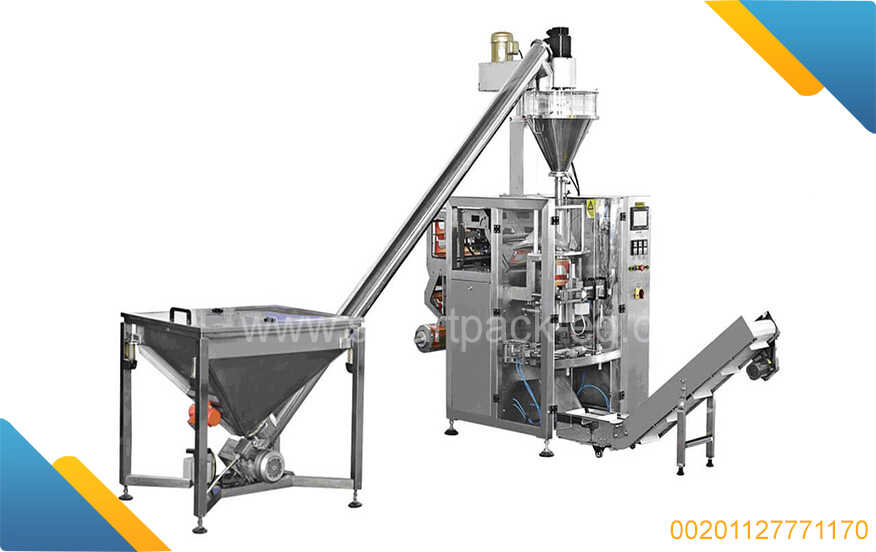
Integrate professional packaging systems
-
Start with one product, then expand
Flexibility reduces risk and increases growth potential.
The Role of Packaging Machines in Maximizing ROI
4
Packaging is not a cost — it is a profit driver.
-
Accurate weight reduces complaints and returns
-
Faster filling boosts productivity
-
Attractive packaging supports premium pricing
-
Reduced waste increases margins
-
Export-ready formats open new markets
Smart packaging multiplies the value of your product.
Common Investment Mistakes to Avoid
-
Choosing a product without market research
-
Installing a non-scalable production line
-
Ignoring packaging quality
-
Over-relying on manual labor
-
Overlooking export requirements
Avoiding these mistakes shortens the path to profitability.
Why Smart Pack Is a Smart Choice
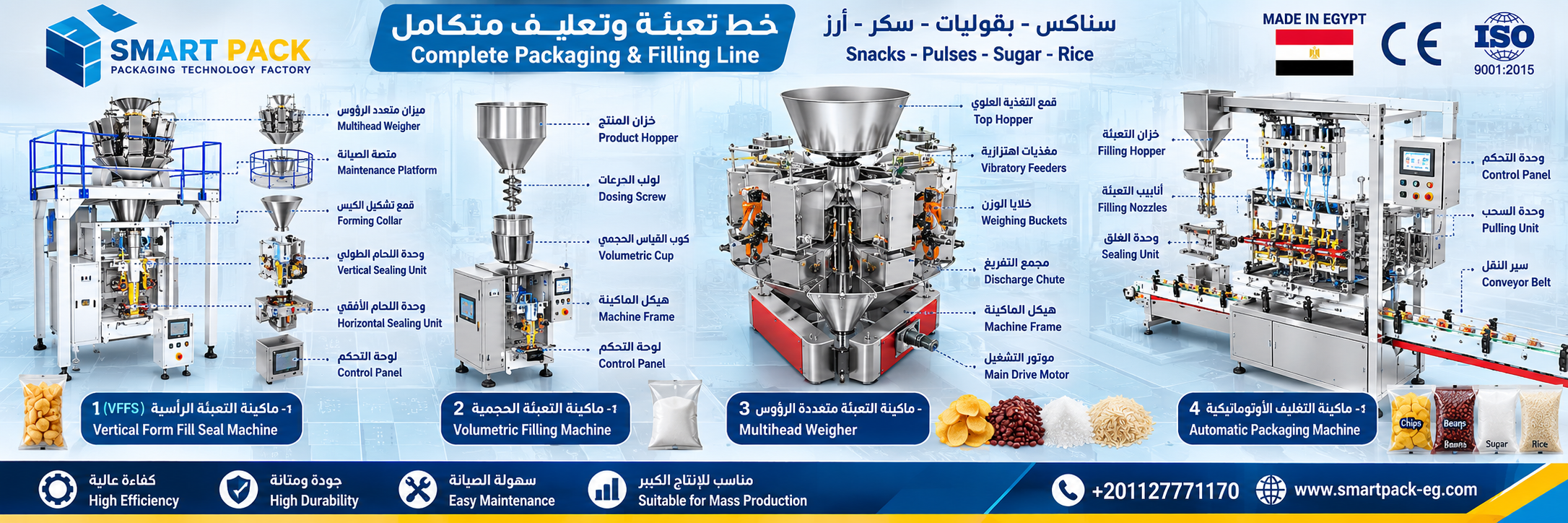
Smart Pack provides complete production and packaging solutions for both flour and fine flour, offering:
-
High-precision weighing
-
Flexible bag sizes and formats
-
Stable, long-term operation
-
Export-ready compliance
-
Technical support for rapid expansion
These solutions help you launch faster and scale with confidence.
Frequently Asked Questions
Which is better for investment, flour or fine flour
It depends on your strategy. Flour suits high volume, while fine flour offers higher margins.
Can both products run on the same line
Yes, with a flexible production and packaging system.
Which is easier to market
Flour performs better locally, while fine flour is stronger for exports.
Does packaging affect profitability
Absolutely. It influences pricing, waste reduction, and customer acceptance.
How do I choose a high-profit food production line
Study your market, select the right product, and combine it with professional packaging.
If you are looking for a smart entry into the food manufacturing sector, start by understanding the difference between flour and fine flour and choose a production and packaging line that matches your profit goals. Connect with Smart Pack today to build a high-margin, fast-moving, and export-ready food business.