 Admin
Admin Pasta Is Not a Simple Food Product
It’s a Strategic Industrial Product That Delivers Fast Turnover and Stable Profits
Pasta may look like a basic staple to consumers, but for factories it is a powerful industrial opportunity. When manufactured with the right raw materials and processed on professional production and packaging lines, pasta becomes a fast-moving, long-shelf-life product that delivers consistent profitability and easy market expansion.
Factories that understand pasta ingredients from both an industrial and marketing perspective can build a high-demand product that is easy to store, simple to distribute, and highly scalable across retail, food service, and export markets.
Why Understanding Pasta Ingredients Matters for Packaging Factories
4
Ingredient selection affects far more than taste. It directly determines:
Ease of operation on production lines
Texture stability after cooking or reheating
Resistance to breakage during filling
Product appearance inside the pack
Market acceptance and repeat purchases
Using poor raw materials results in waste, customer complaints, and weak brand performance.
1. The Core Ingredient of Industrial Pasta
The foundation of industrial pasta is durum wheat semolina.
Durum wheat offers the right protein and gluten content, which provides:
Firm texture after cooking
Better resistance to boiling and drying
Attractive appearance in the package
Smooth automatic processing on production lines
Low-quality semolina leads to crumbling, dust formation, and packaging difficulties.
2. The Role of Water in Industrial Pasta Quality
Water is not a secondary component.
Water quality directly affects:
Dough consistency
Final pasta color
Drying stability
Production efficiency
Professional factories use treated or demineralized water to ensure consistent quality across every batch.
3. Approved Functional Additives in Industrial Production
Some lines use carefully measured additives to improve industrial performance without affecting food safety, such as:
Natural texture improvers
Fortified vitamins for health-focused markets
Natural color enhancers
Anti-sticking agents during processing
The goal is not complexity, but better manufacturability and packaging efficiency.
4. Difference Between Homemade and Industrial Pasta
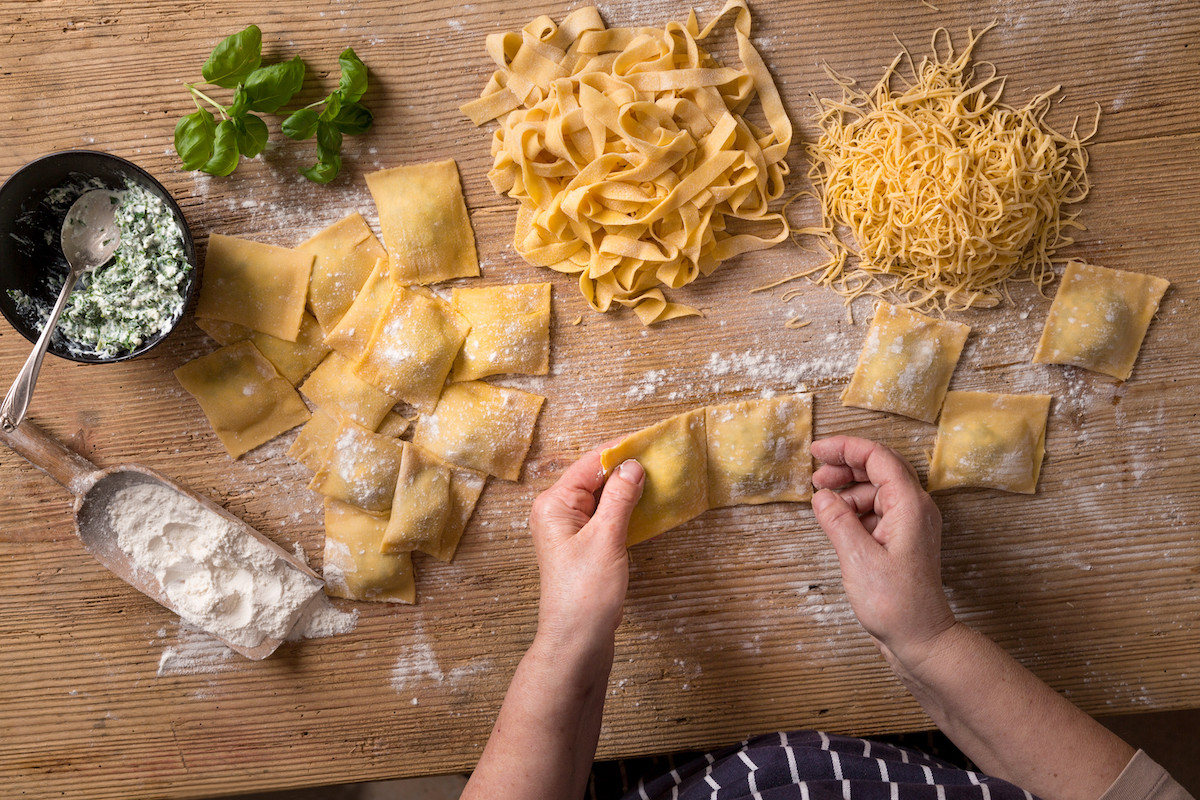
Homemade pasta usually relies on:
Regular flour
Eggs
Manual preparation
Industrial pasta relies on:
Specified durum semolina
Precise moisture control
Mechanical mixing
Controlled industrial drying
This difference makes industrial pasta suitable for mass marketing and long-term storage.
5. How Ingredients Affect Filling and Packaging Lines
Well-formulated pasta:
Does not break during conveying
Keeps its shape inside the package
Fills faster
Reduces waste and returns
Poor formulation causes:
Clogged filling machines
Inconsistent weights
Deformed packaging
Lower consumer trust
4
6. Pasta Types Suitable for Commercial Manufacturing
Not all shapes generate the same profitability.
The most commercially successful types include:
Short pasta for retail markets
Long pasta for export
Instant or quick-cook pasta
Pre-cooked pasta for ready meals
The selected type directly influences the required packaging machinery.
7. Quick Market Overview
Pasta is one of the most attractive food products because it is:
Fast moving
Long shelf life
Low risk
Globally demanded
Brands that combine strong ingredients with professional packaging quickly dominate both local and export markets.
8. Expected Profitability with Proper Formulation
With the right ingredients and organized production:
Unit cost decreases
Waste is reduced
Filling speed increases
Profit margins rise
The difference between a successful and weak product usually lies in formulation, not marketing alone.
9. Why Packaging Is Critical for Pasta Success
Even the best pasta can fail if the packaging is poor.
Professional packaging:
Protects product shape
Reflects quality
Simplifies storage and display
Improves purchase decisions
This is where specialized pasta packaging lines become essential.
10. Why Choose Smart Pack Solutions for Pasta Lines
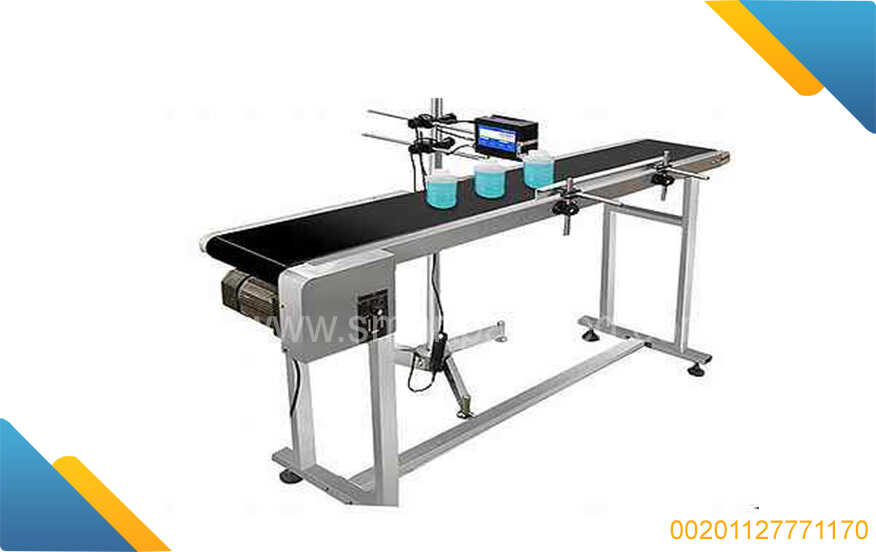
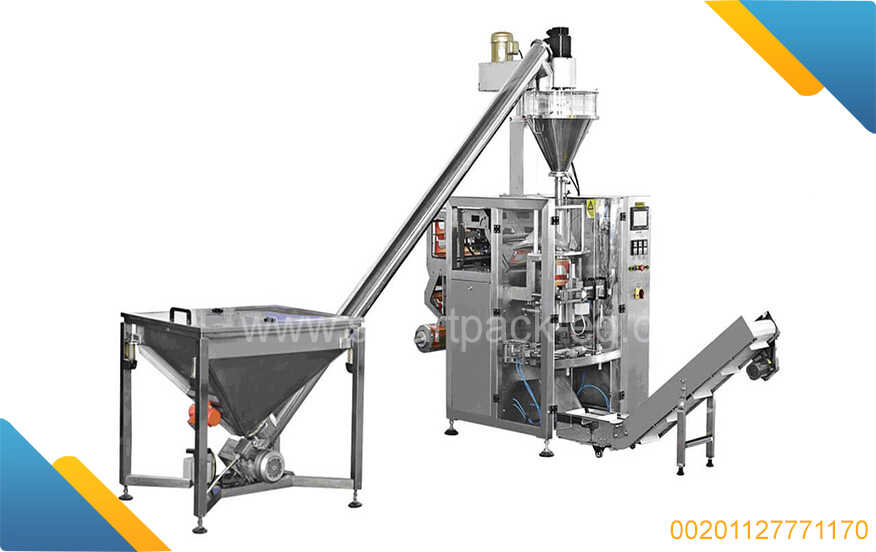
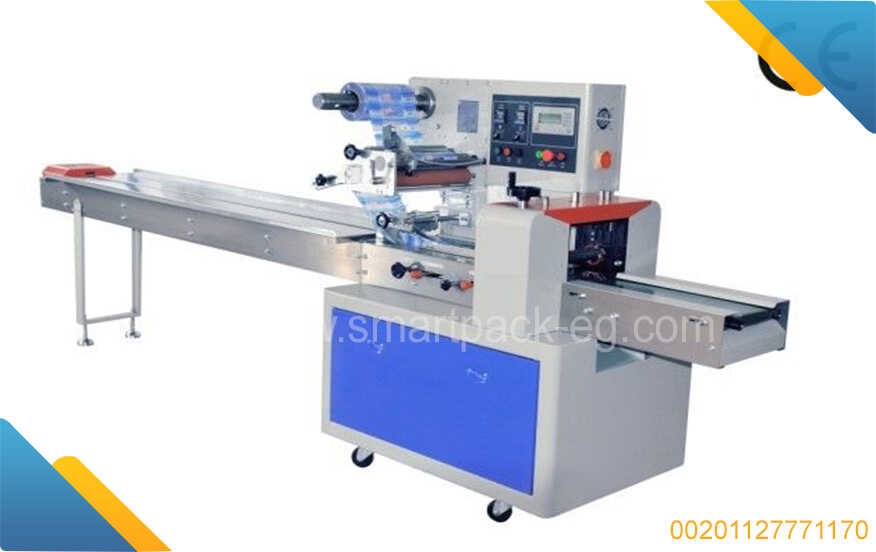
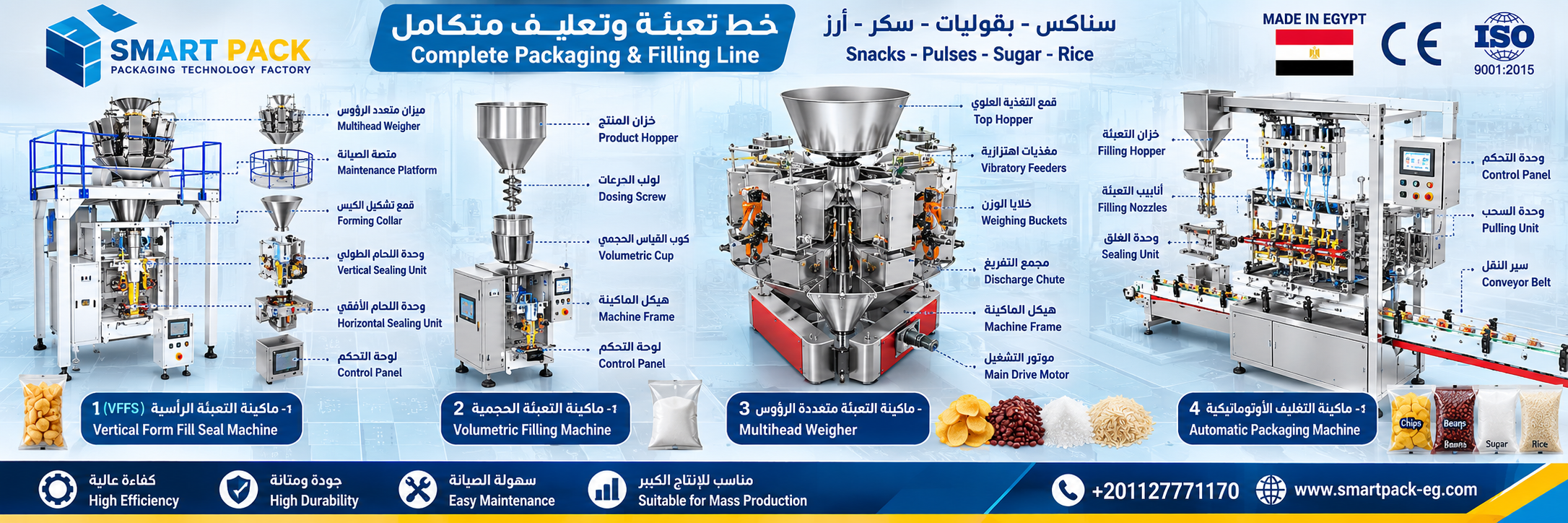
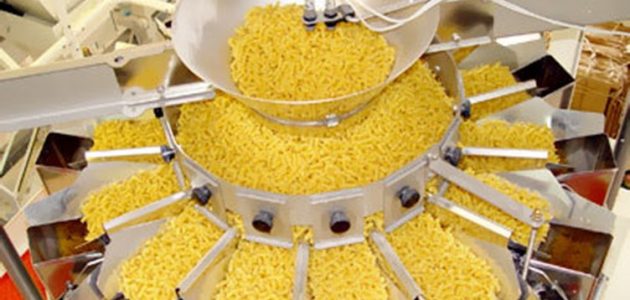
Smart Pack provides filling and packaging machines and complete production lines specifically designed for pasta products of all shapes. Their systems deliver high weighing accuracy, fast operation, and reliable technical support to help factories achieve maximum return with minimal waste.
Frequently Asked Questions
What is industrial pasta made of
Mainly durum wheat semolina and water, with measured functional additives for improved texture and processing.
How do ingredients affect market success
Better ingredients mean stable texture, improved packaging, and stronger consumer trust.
Do pasta ingredients vary by production line
Yes. Retail, ready-meal, and export pasta may require different formulations.
What is the link between ingredients and packaging
Correct formulation reduces breakage, improves filling speed, and enhances pack appearance.
Why is pasta a strong product for factories
Because it offers long shelf life, easy storage, fast turnover, and stable margins.
If you’re planning to manufacture high-demand pasta with strong commercial scalability, start with the right ingredients and finish with a professional production and packaging line. Contact Smart Pack today to equip your factory with specialized solutions that maximize profitability and long-term success.