 Admin
Admin How to Produce Seafood Pasta with an Integrated Production and Packaging Line
A High-Value Ready Meal That Opens Restaurant and Retail Markets
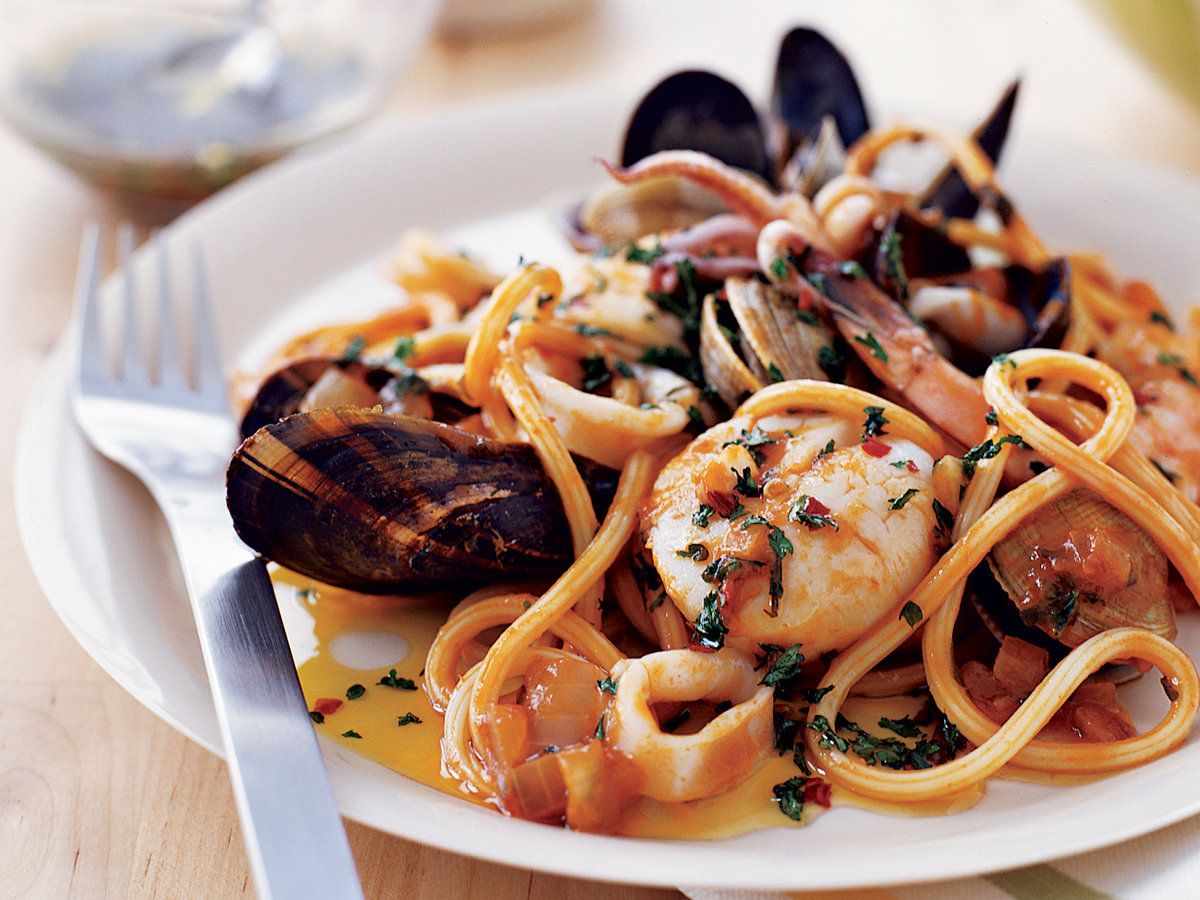
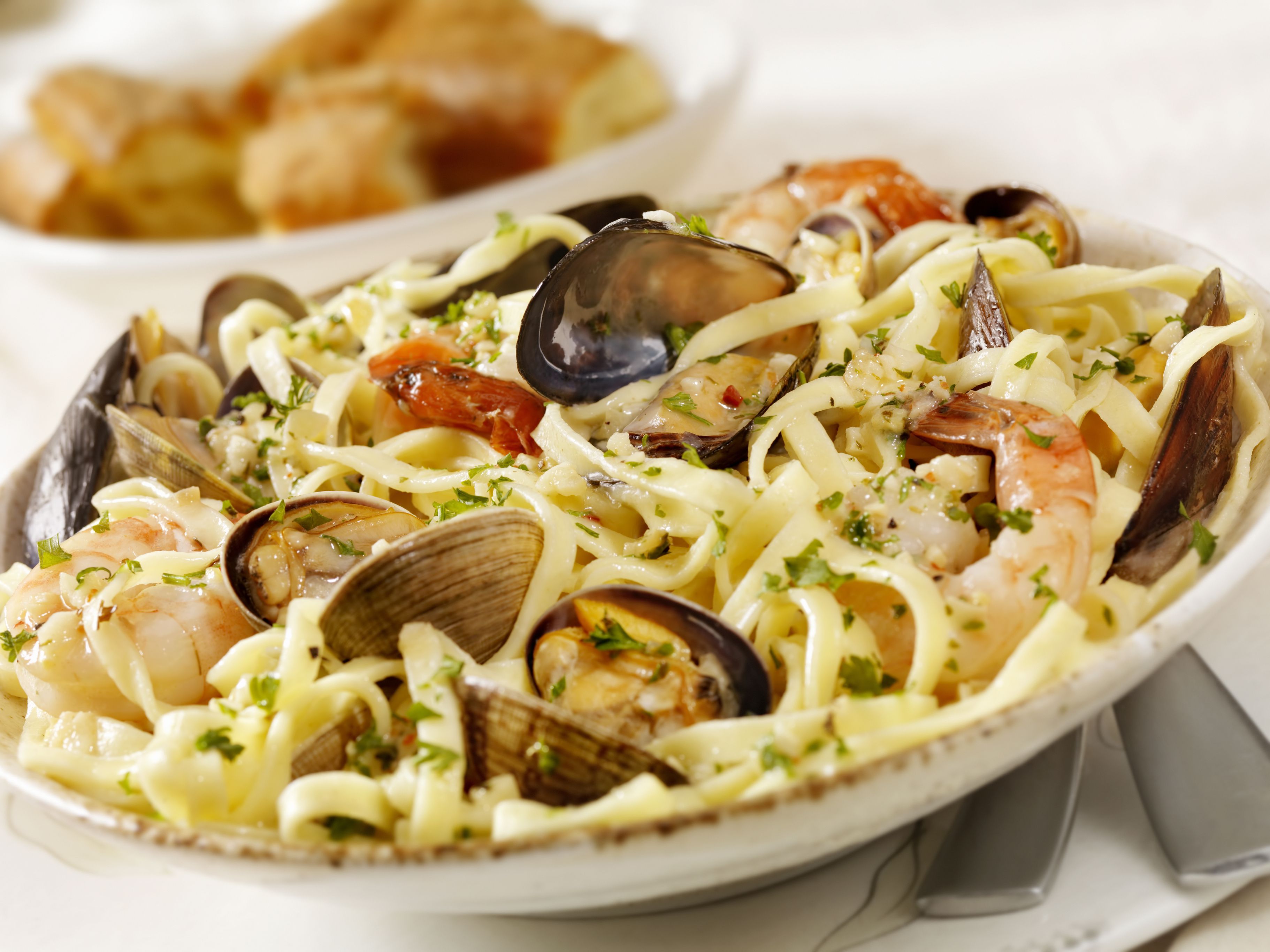
Seafood pasta is one of the highest-value ready meals on the market because it combines premium seafood protein with a distinctive restaurant-style taste that modern consumers love. When this recipe is transformed into an industrial ready-to-eat product using an integrated production and packaging line, factories gain access to restaurant chains, supermarkets, and e-commerce channels — all with strong margins and clear scalability.
This isn’t just another pasta dish. It’s a premium category that allows higher pricing, stronger brand positioning, and faster expansion into professional food service markets.
Why Seafood Pasta Is a Strategic Product for Restaurants and Retail
4
Demand for ready-made seafood meals continues to grow, especially products that offer consistent quality and quick preparation.
Seafood pasta provides several commercial advantages:
Higher selling price compared to traditional pasta
Premium brand perception
Strong demand in restaurants and catering
Easy integration into retail frozen or chilled sections
Flexible portion sizing without compromising value
From an industrial perspective, costs can be optimized by controlling seafood ratios and pack sizes while maintaining perceived product quality.
Industrial Concept of Ready-Made Seafood Pasta
The industrial version relies on partially cooked pasta combined with thermally processed seafood and a stable sauce that withstands cooling, freezing, and reheating.
Operational success depends on:
Firm pasta texture after reheating
Seafood that retains tenderness and flavor
Uniform distribution inside the pack
Hermetic packaging to ensure food safety
These factors ensure a consistent, professional, market-ready product.
Seafood Pasta Production Line Specifications
4
Investing in a complete, integrated line is essential to guarantee quality and confidently serve restaurant and retail clients.
A typical line includes:
Industrial pasta boiling unit with adjustable timing
Seafood preparation and thermal cooking system
Stainless steel sauce mixing tank
Automatic blending unit for pasta and seafood
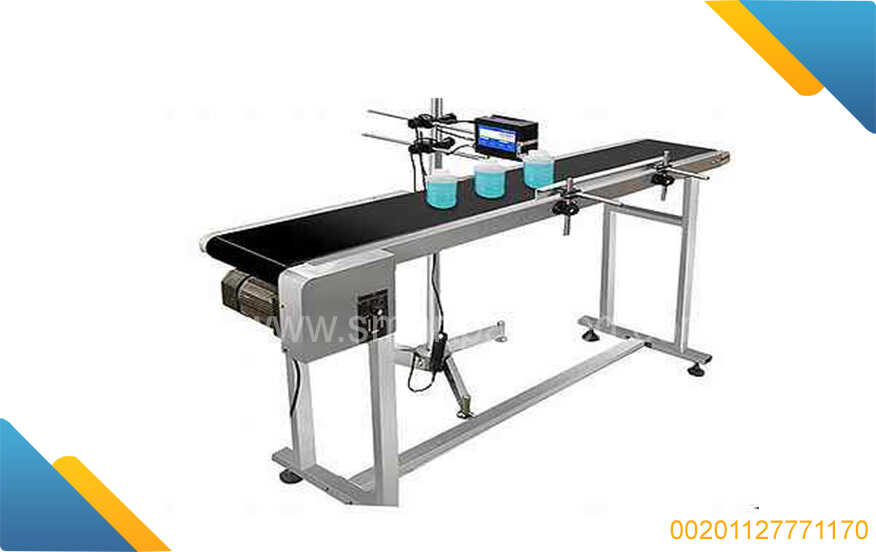
Rapid cooling conveyor to stop cooking
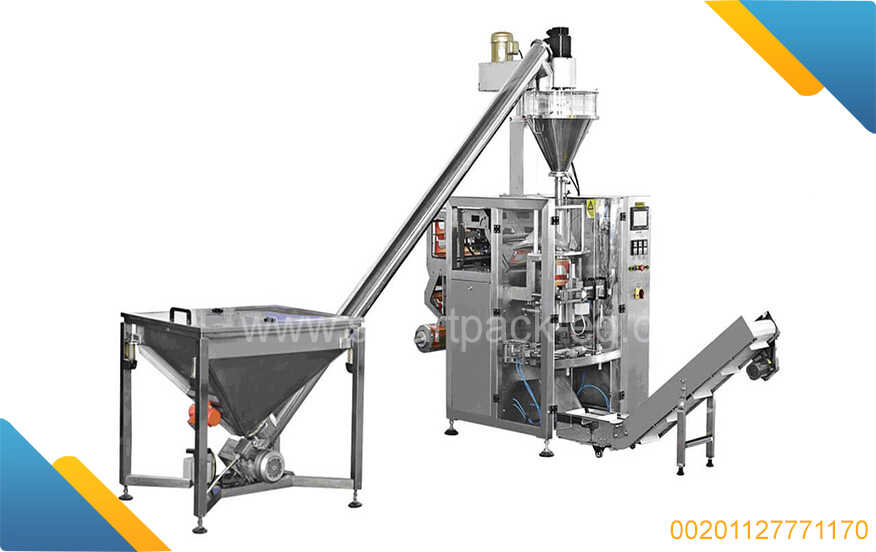
Semi-solid food filling and packaging machines
Electronic weighing and hermetic sealing systems
This setup reduces waste and ensures consistent performance across batches.
Step-by-Step Factory Operations
The process begins with partial boiling of pasta to maintain firmness.
Simultaneously, seafood is thermally processed with precise timing to prevent dryness or toughness.
The sauce is prepared separately, then all components are blended in a controlled mixing unit.
After mixing, the product passes through rapid cooling and moves to filling, where packaging machines ensure accurate weights and a professional retail-ready appearance.
Suitable Filling and Packaging Machines for Seafood Pasta
Because seafood pasta is a mixed semi-solid product, specialized packaging solutions are required:
Semi-solid filling machines
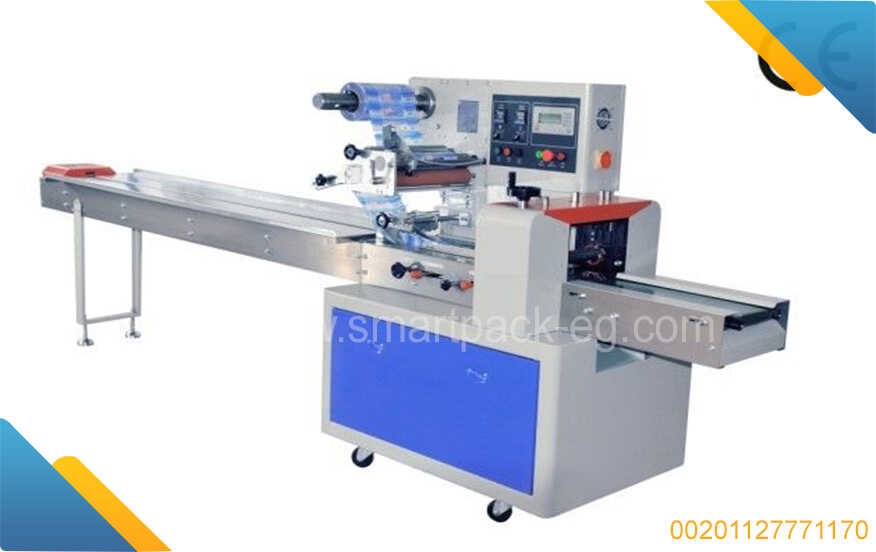
Tray filling with heat sealing
Vacuum or modified atmosphere packaging
Automatic lines with fast size changeover
The correct equipment directly affects acceptance by restaurants and retail chains.
Production and Packaging System Comparison
| Production System | Output Capacity | Investment Level | Flexibility | Restaurant Ready | Retail Ready |
|---|---|---|---|---|---|
| Semi-automatic | Medium | Low–Medium | Good | Good | Good |
| Fully automatic | Very High | Medium–High | Excellent | Excellent | Excellent |
| Export-focused | Massive | High | Excellent | Global | Global |
Higher automation leads to faster ROI and easier large-scale contracts.
Market Study and Entry Opportunities
Restaurants seek ready meals that:
Reduce preparation time
Lower labor costs
Maintain consistent taste
Minimize waste
Retailers prefer:
Practical packaging
Reliable shelf life
Professional presentation
Multiple portion sizes
Seafood pasta satisfies both markets, making it easier to secure supply contracts and accelerate inventory turnover.
Costs, Profits, and Return on Investment
Although seafood ingredients increase raw material costs, the final selling price is significantly higher, resulting in stronger margins.
With an organized production line:
Unit costs decrease
Waste is minimized
Output speed increases
Profit margins rise
ROI improves further by offering multiple sizes and flavor variations on the same line.
Smart Investment Tips for Packaging Factories
Start with one stable seafood recipe
Control seafood cooking precisely to maintain tenderness
Use separate pack sizes for restaurants and retail
Invest in flexible lines to add more seafood products later
Treat packaging as both a safety and trust factor
Why Choose Smart Pack Solutions
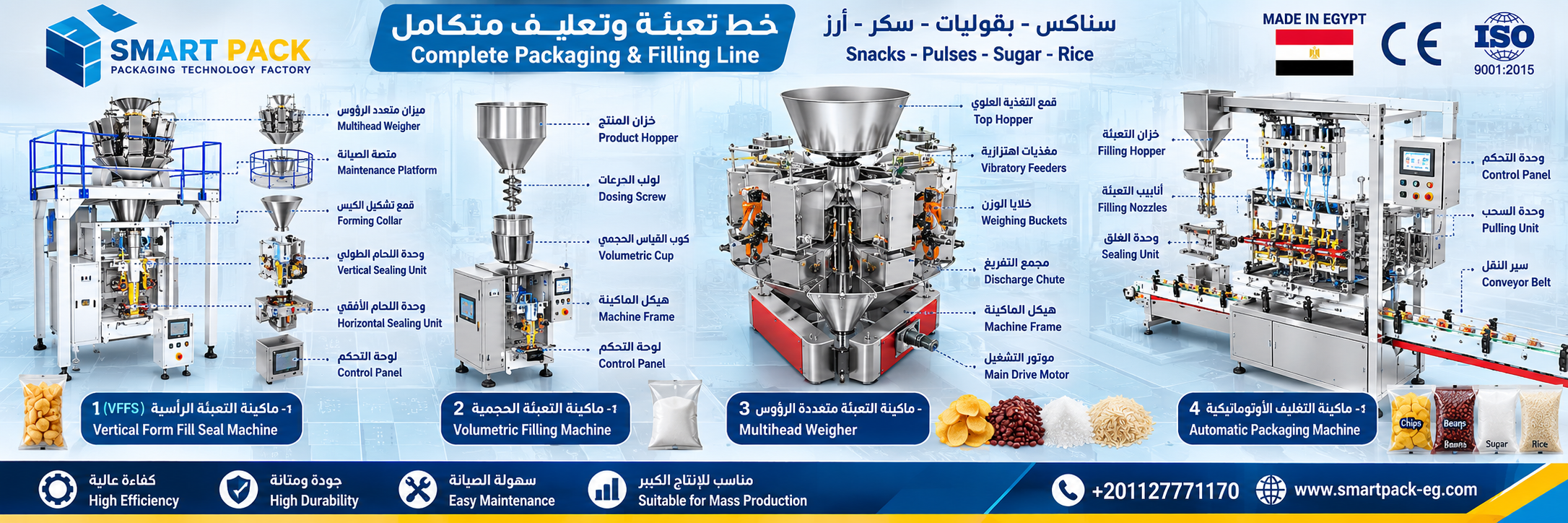
Smart Pack provides specialized filling and packaging machines and complete production lines for ready meals and mixed products. Their flexible systems and technical support ensure stable operation, lower waste, and faster entry into restaurant and retail markets.
Frequently Asked Questions
How is seafood pasta produced industrially
By partial pasta boiling, controlled seafood cooking, sauce blending, rapid cooling, and hermetic packaging.
How does seafood pasta open restaurant markets
Through consistent quality, customized portion sizes, and easy-to-prepare packaging.
How does it support retail sales
With practical packs, suitable shelf life, and attractive professional presentation.
What production lines are suitable
Boiling, seafood preparation, mixing, cooling, and automated semi-solid filling lines.
Why is seafood pasta considered high-value
Because it allows premium pricing, strong margins, and fast expansion across multiple sales channels.
If you’re looking for a premium ready meal that opens restaurant and retail markets while delivering strong profitability, seafood pasta with an integrated production and packaging line is a powerful and exciting opportunity for your factory.