 Admin
Admin How to Produce Roasted Pasta with Red Sauce as a Profitable Commercial Manufacturing Opportunity
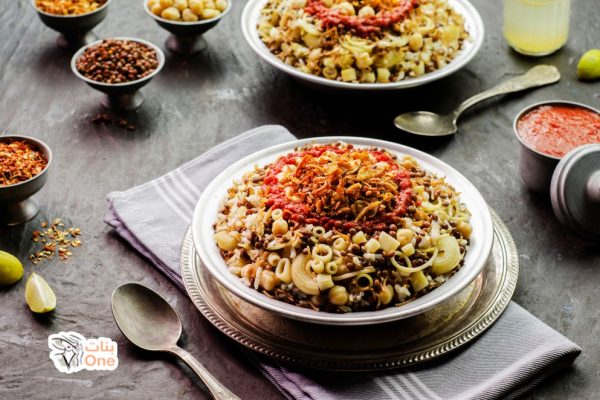
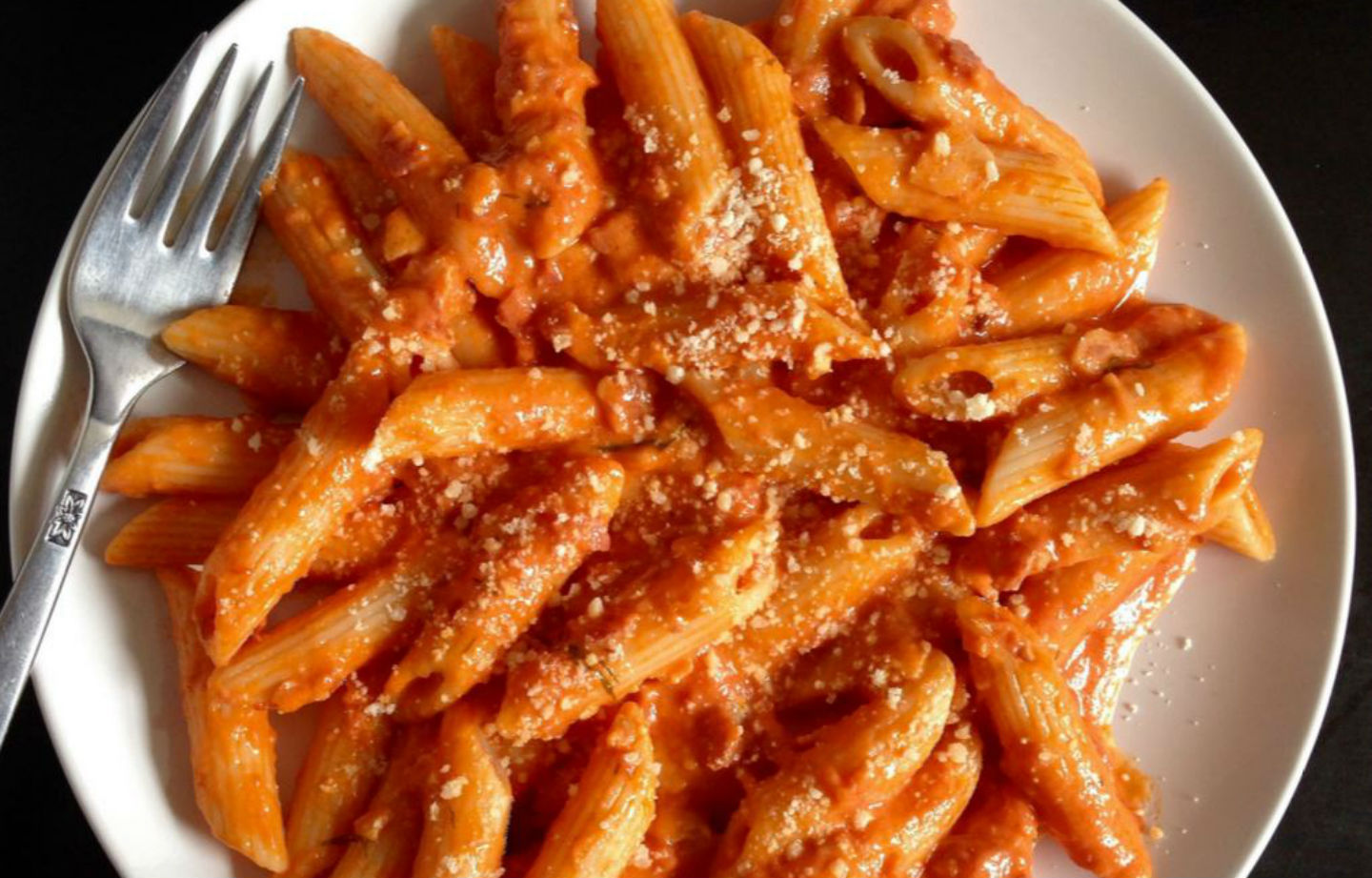
Roasted pasta with red sauce is one of the fastest-moving ready meals in today’s food market. It combines a familiar homemade taste, low and controllable production costs, and smooth operation on a wide range of food processing lines.
When this recipe is transformed into a ready-to-eat commercial product using an integrated production and packaging line, factories gain a high-return opportunity that opens doors to supermarkets, catering contracts, and central kitchens — all while maintaining stable, scalable profit margins. It’s a smart, practical product with strong and consistent demand.
Why Roasted Pasta with Red Sauce Is a Fast-Moving Product for Factories
4
This product relies on affordable, widely available ingredients such as pasta, tomatoes, and vegetable oils, making cost control simple and predictable.
Key advantages include:
Stable raw material prices
Wide consumer acceptance
Short shelf time and quick inventory turnover
Easy production of multiple sizes or variants on the same line
From an industrial perspective, factories can run several SKUs (family packs, single meals, spicy versions, vegetable blends) without major additional investment.
Industrial Concept of Ready Roasted Pasta with Sauce
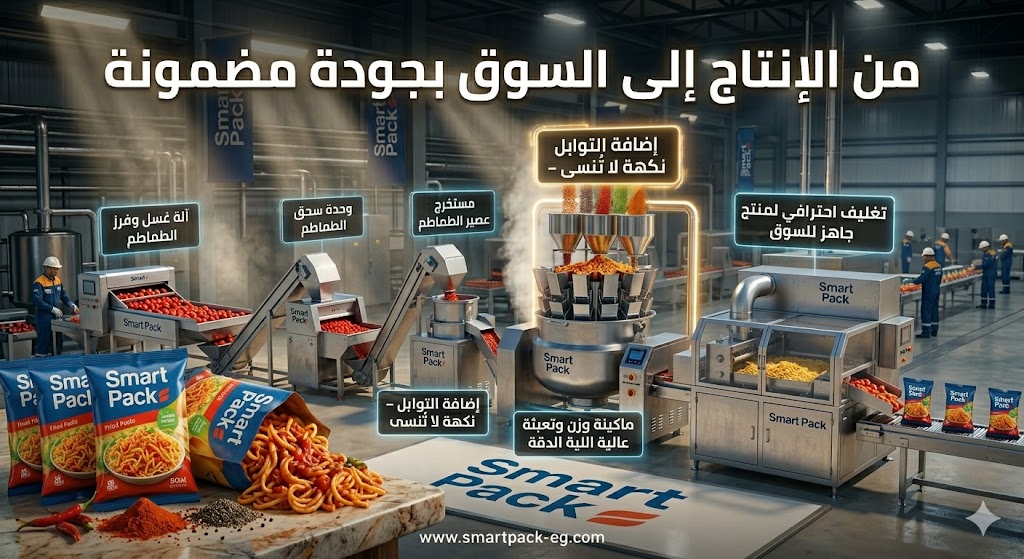
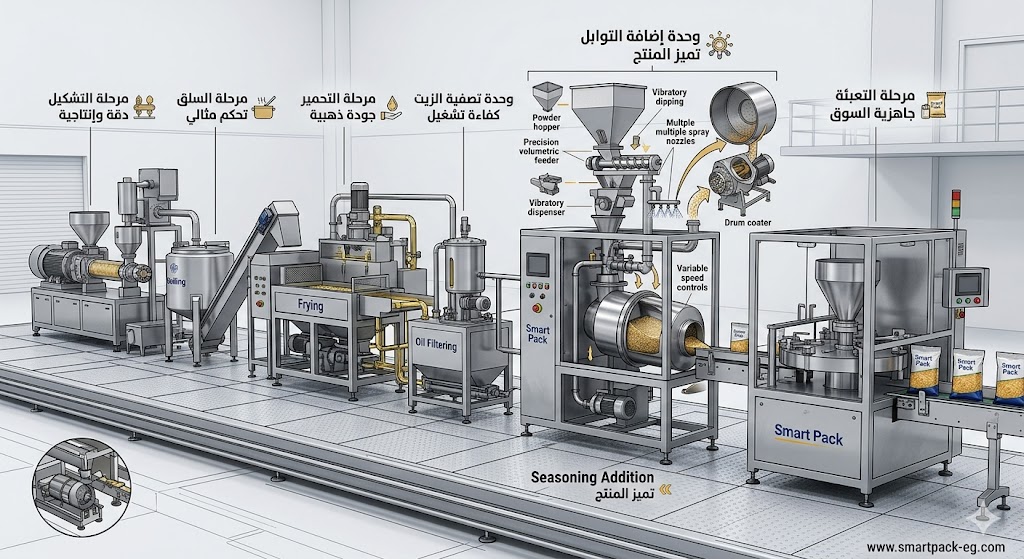
The industrial version involves partially boiling pasta, lightly roasting or sautéing it to enhance flavor and texture, then blending it with a thermally processed red sauce with stable viscosity.
Commercial success depends on:
Firm texture that doesn’t become mushy after reheating
Sauce that doesn’t separate or clump
Even ingredient distribution
Hermetic packaging that preserves safety and freshness
These factors ensure a reliable, retail-ready meal.
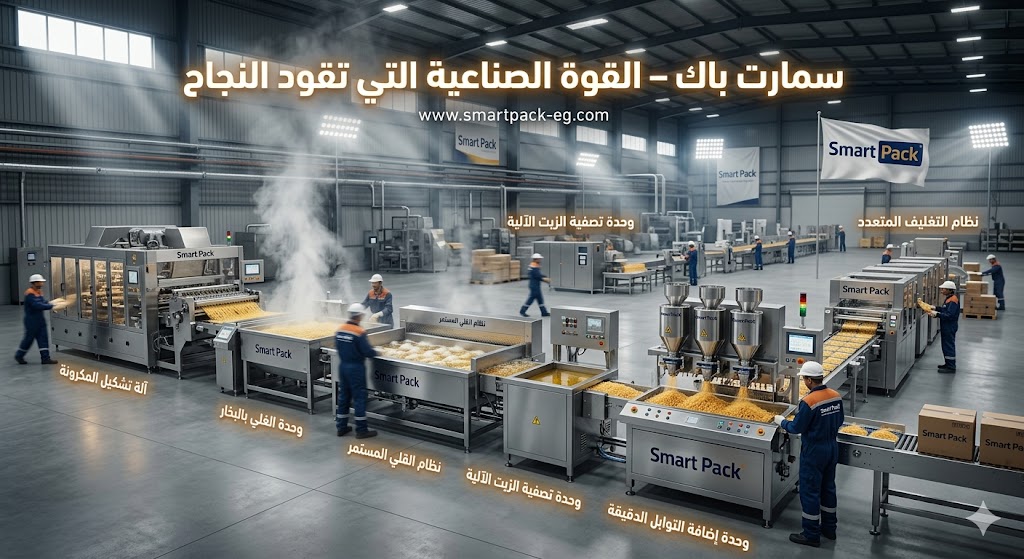
Roasted Pasta with Sauce Production Line Specifications
4
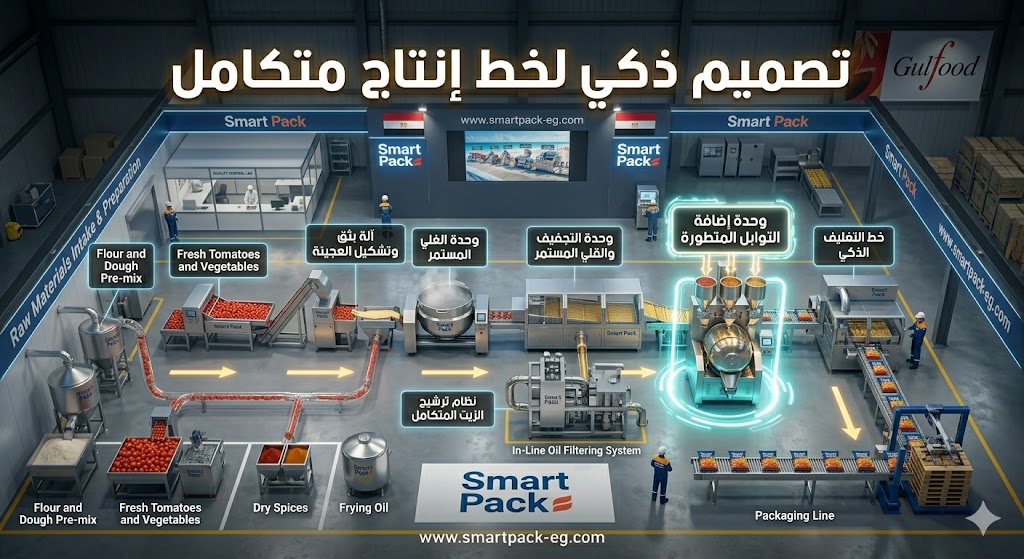
Investing in a fully integrated production line is the key to consistent quality and fast operation.
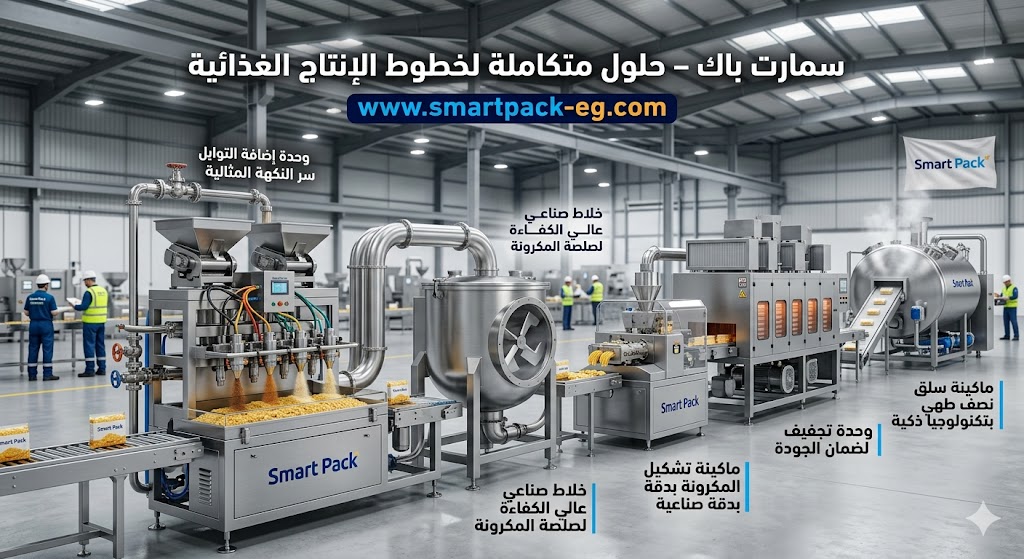
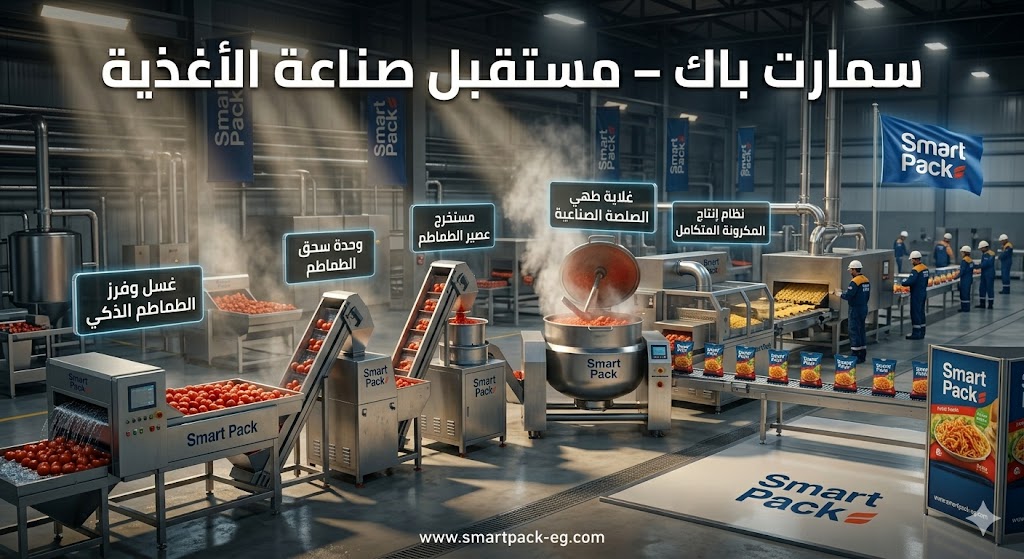
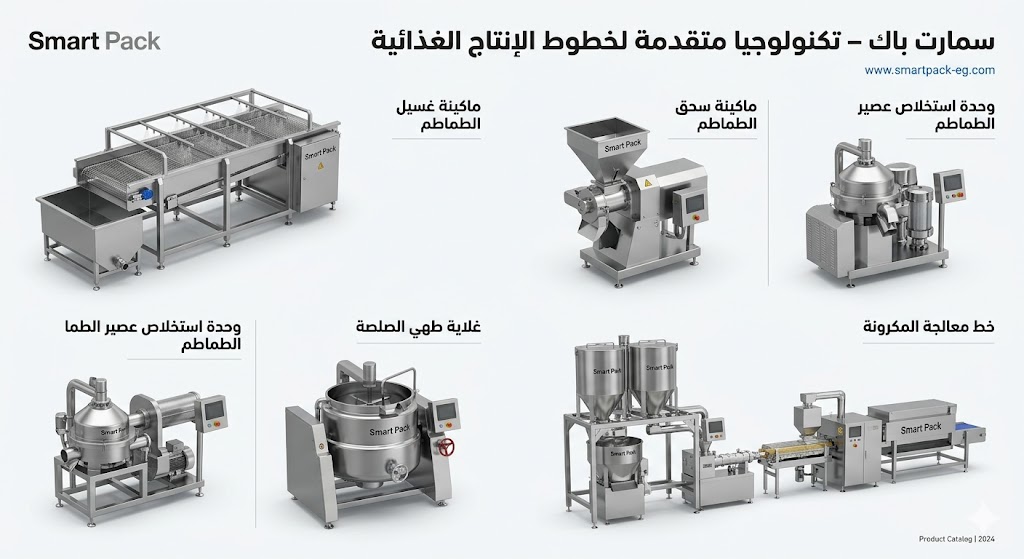
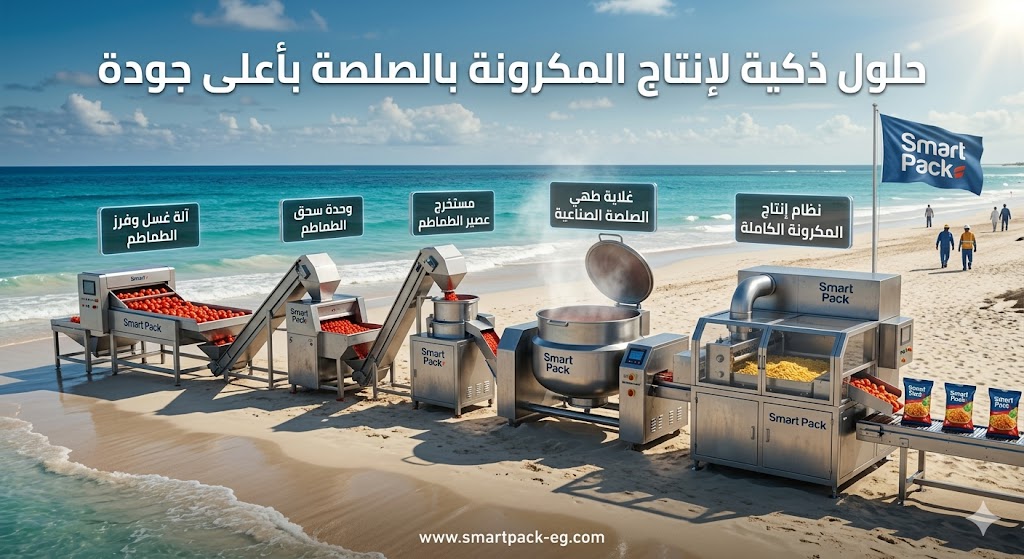
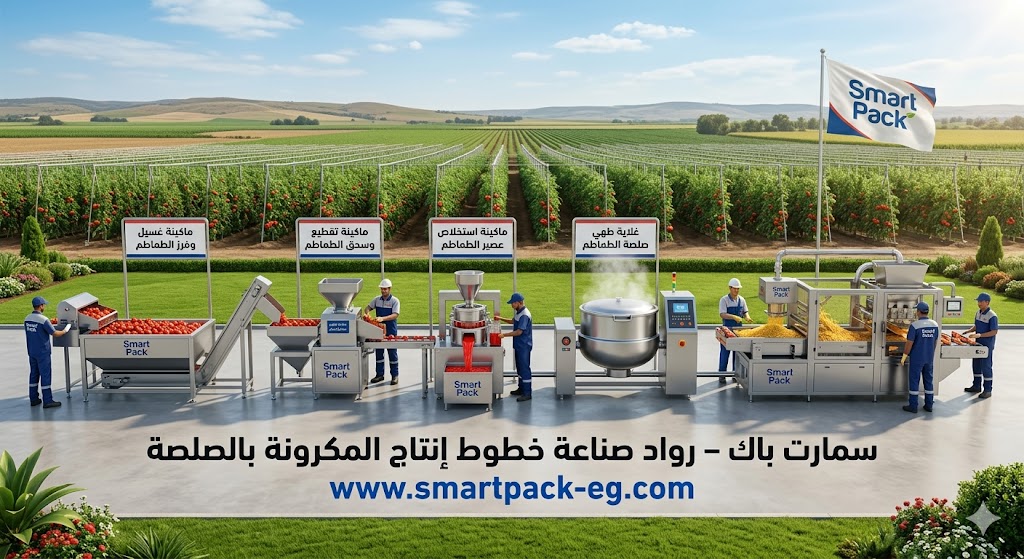
A typical line includes:
Industrial pasta boiling unit with time control
Continuous roasting or sautéing system
Red sauce preparation and cooking unit
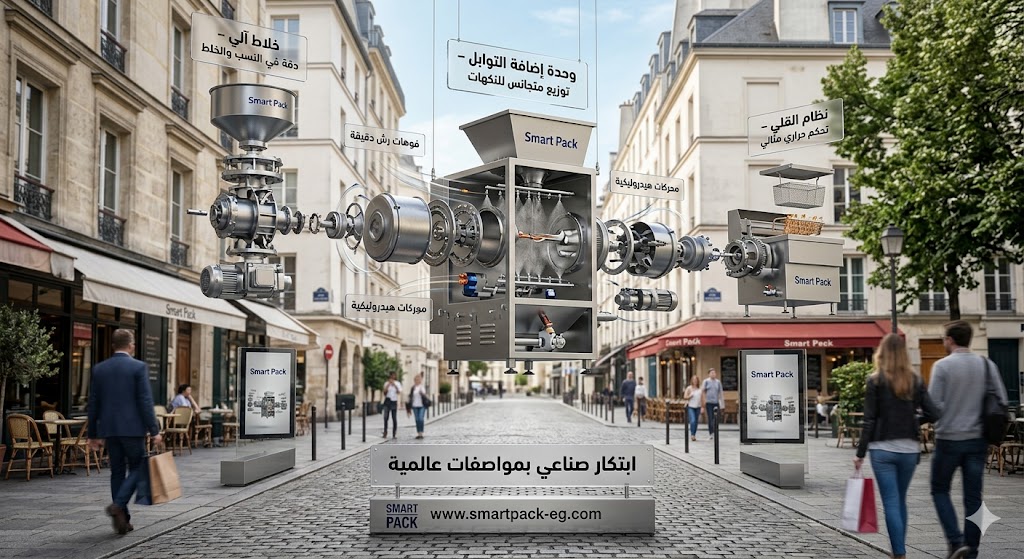
Industrial mixer to combine pasta and sauce
Rapid cooling conveyor to stabilize texture
Filling and packaging machines for semi-solid foods
Precision weighing and hermetic sealing systems
This integration minimizes waste and ensures a standardized, market-ready product.
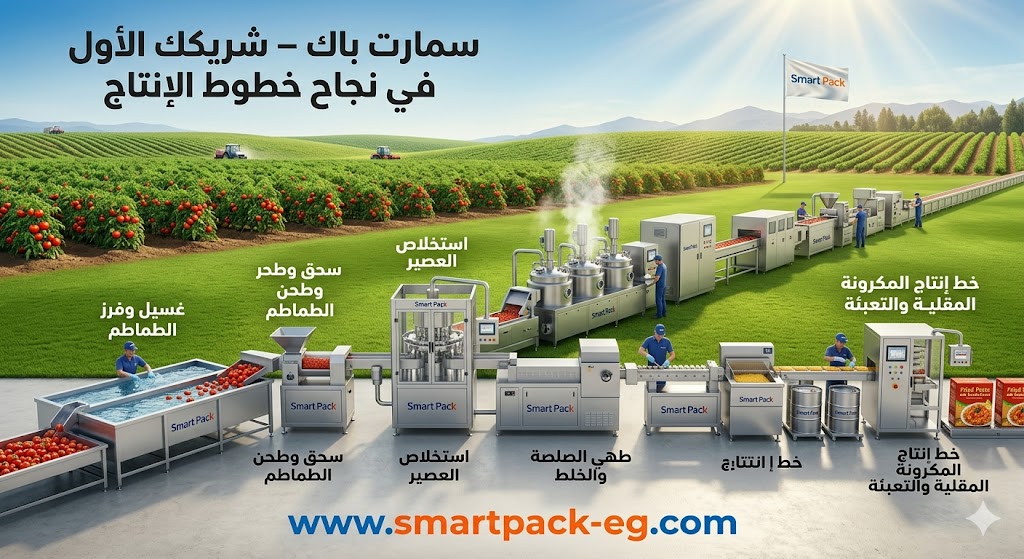
Step-by-Step Factory Operations
First, pasta is partially boiled to maintain firmness after reheating.
Next, it is lightly roasted in controlled vegetable oil to add flavor, color, and a signature texture without excess oil absorption.
Meanwhile, red sauce is prepared with controlled acidity and viscosity.
After blending, the product passes through rapid cooling and then moves to the filling stage, where packaging machines ensure precise weights, clean sealing, and professional presentation.
Suitable Filling and Packaging Machines
Because the product is semi-solid, specialized equipment is required:
Semi-solid food filling machines
Tray filling with heat sealing systems
Vacuum or modified atmosphere packaging
Automatic lines with quick size changeover
The right machinery directly improves speed, hygiene, and consumer confidence.
Production System Comparison
Semi-automatic systems provide moderate output with lower investment and good flexibility.
Fully automatic lines deliver very high capacity, superior consistency, faster turnover, and higher, more stable margins.
Export-oriented lines support large-scale production and premium packaging with maximum returns.
Higher automation equals faster ROI.
Market Demand and Sales Dynamics
Demand for traditional-style ready meals continues to grow, especially products that require minimal preparation.
Roasted pasta with red sauce is ideal for:
Individual retail packs
Family-size meals
Promotional supermarket offers
Catering and institutional supply
Fast stock turnover improves cash flow and reduces storage costs.
Costs, Profits, and ROI
Raw materials are cost-effective, and organized production brings major savings:
Lower unit costs
Reduced waste
Higher production speed
Improved margins
ROI increases further when adding variations such as vegetables, spices, or meat options on the same production line.
Smart Investment Tips for High-Return Production
Start with a stable, repeatable recipe
Control roasting carefully to standardize taste
Choose stackable, practical packaging
Invest in flexible lines for quick product expansion
Treat packaging as a marketing tool, not just a container
Why Choose Smart Pack Solutions
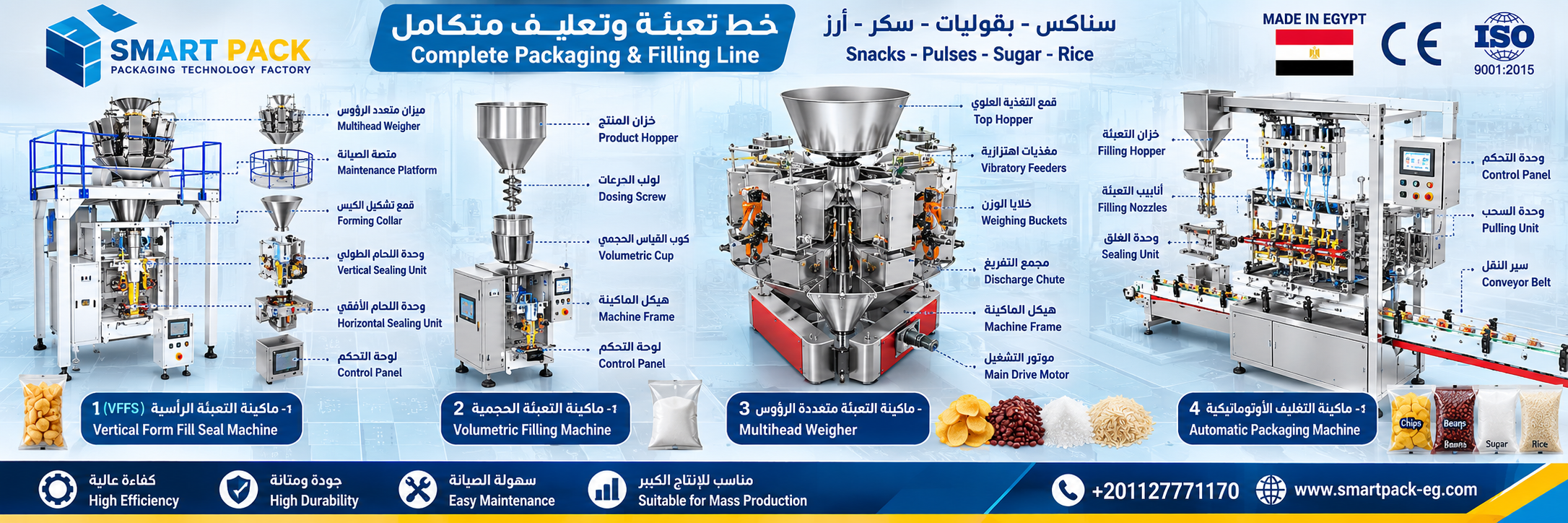
Smart Pack provides specialized filling and packaging machines and complete food production lines for ready meals and semi-solid products. Their flexible systems and technical support help factories maintain stable operations and achieve faster profitability.
Frequently Asked Questions
How is roasted pasta with sauce produced industrially
By partial boiling, controlled roasting, stable sauce preparation, mixing, rapid cooling, and hermetic packaging.
Why is it a fast-turnover commercial opportunity
Because of broad consumer acceptance, low costs, and practical ready-to-sell packaging.
How does the production line increase profitability
By standardizing quality, increasing speed, and reducing waste.
What production lines are suitable
Boiling, roasting, sauce preparation, mixing, and automated semi-solid filling lines.
Why is it considered a high-return product
It offers reasonable pricing, fast sales cycles, and easy product diversification.
If you’re looking for a fast-selling ready meal and a high-return production opportunity, roasted pasta with red sauce is a practical and profitable choice. Investing in professional filling and packaging solutions will help your factory scale faster, compete stronger, and secure sustainable growth.