

 Admin
Admin How to Produce Red Sauce Pasta on an Integrated Production and Packaging Line
A High-Demand Ready Meal That Opens New Markets for Packaging Factories
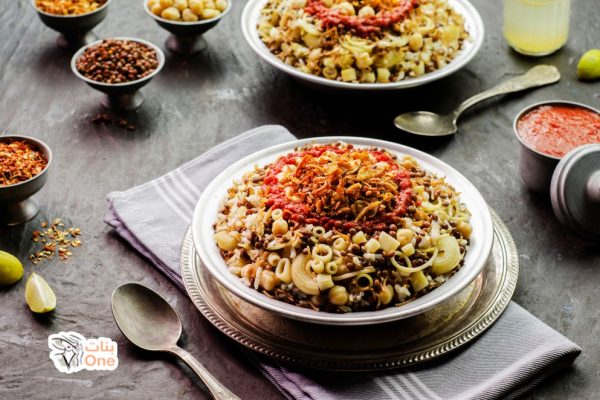
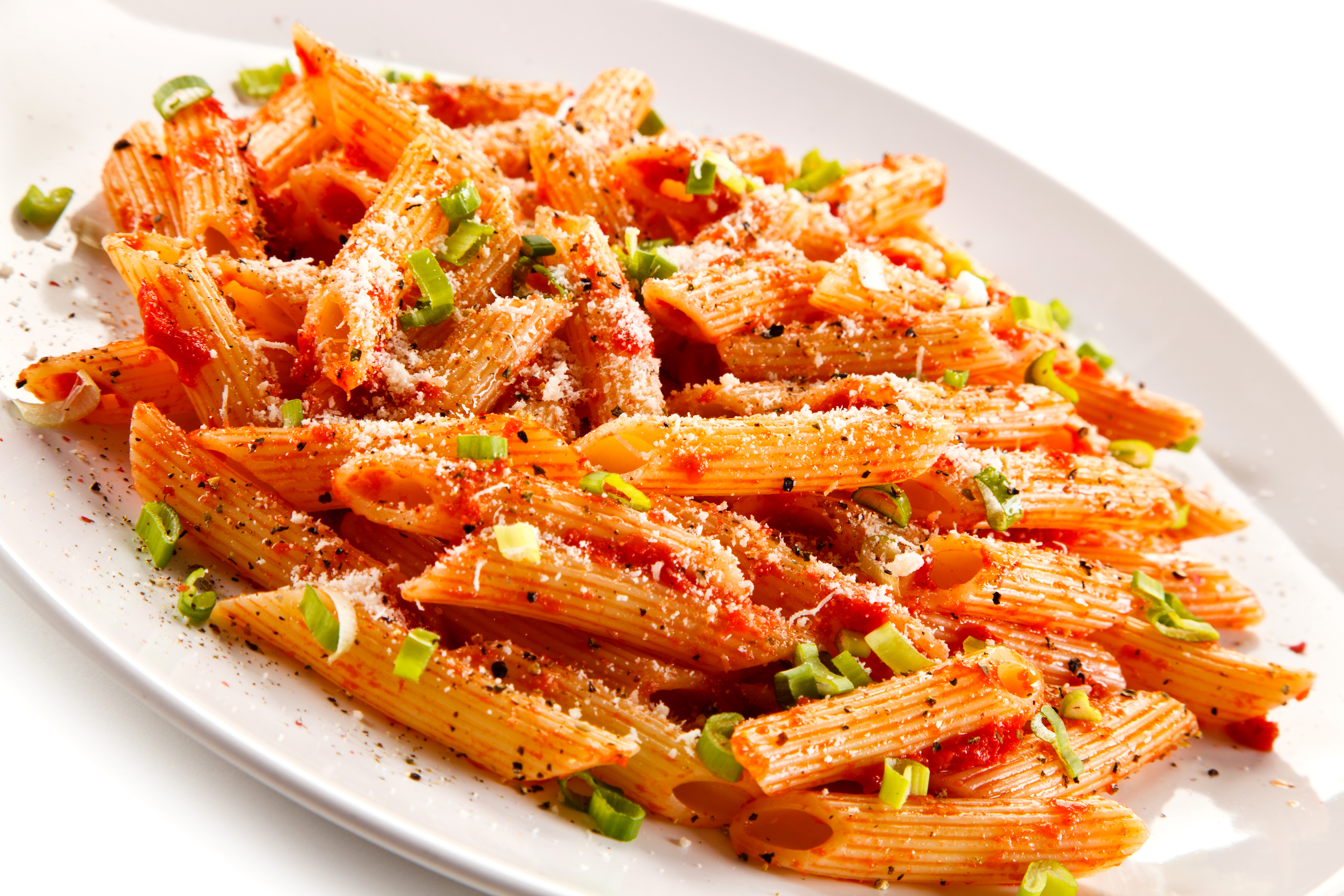
Ready-made food products built on simple, familiar recipes are the fastest way for filling and packaging factories to unlock new markets. Red sauce pasta stands at the top of this category thanks to its universal acceptance, easy industrial processing, and flexible packaging formats.
Transforming this classic recipe into a ready-to-eat product manufactured on a fully integrated production and packaging line gives factories a real opportunity to increase sales, improve margins, and expand into wider local and export distribution channels. It’s a smart, scalable product with strong commercial potential.
Why Red Sauce Pasta Is an Ideal Product for Market Expansion
4
Red sauce is based on affordable and price-stable ingredients such as tomatoes and tomato paste, making cost control easier compared to creamy or protein-heavy meals.
In addition, red sauce pasta:
Appeals to all age groups
Fits many dietary preferences
Is easy to sell in supermarkets, quick-service restaurants, catering companies, and online stores
From an industrial perspective, it runs smoothly on different production lines and can later be upgraded with vegetables, meat, or other variants without major equipment changes.
Industrial Concept of Ready Red Sauce Pasta
The industrial version consists of partially cooked pasta combined with thermally processed tomato sauce that remains stable during storage, transport, and reheating.
Product success depends on:
Consistent pasta texture after reheating
Non-separating, non-clumping sauce
Uniform ingredient distribution
Tight packaging that ensures food safety and shelf life
These features guarantee a reliable, consumer-friendly ready meal.
Red Sauce Pasta Production Line Specifications
4
Investing in a complete production line ensures consistent quality and smooth scalability.
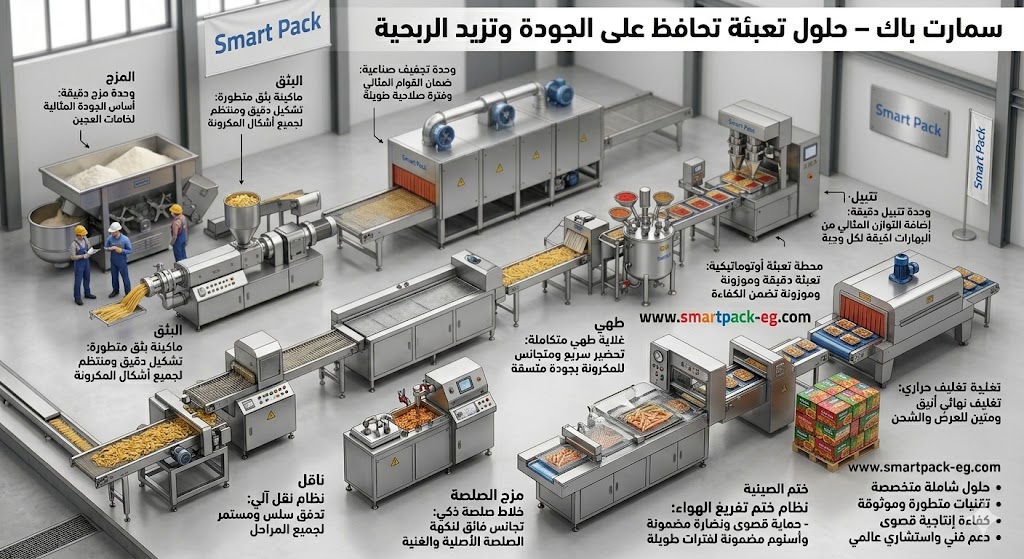
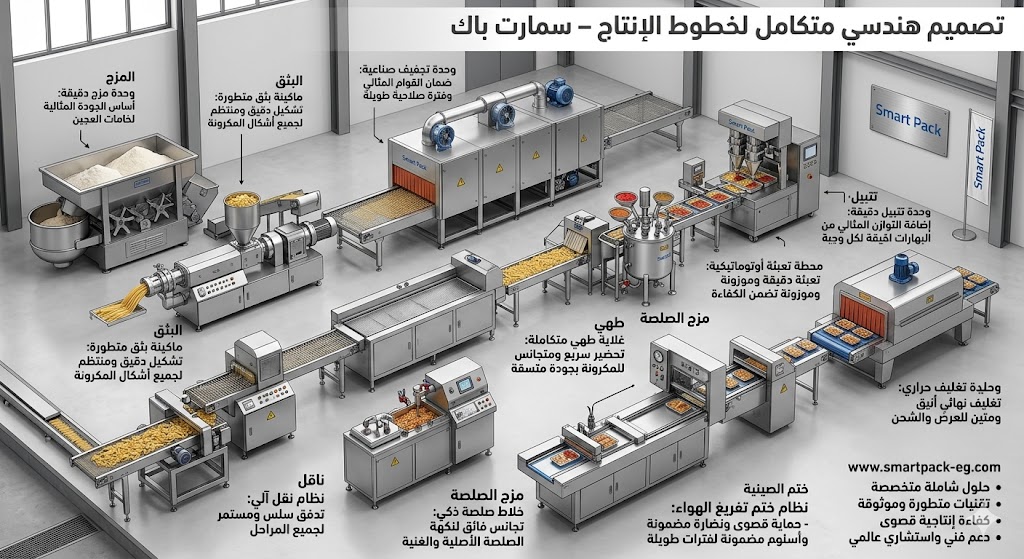
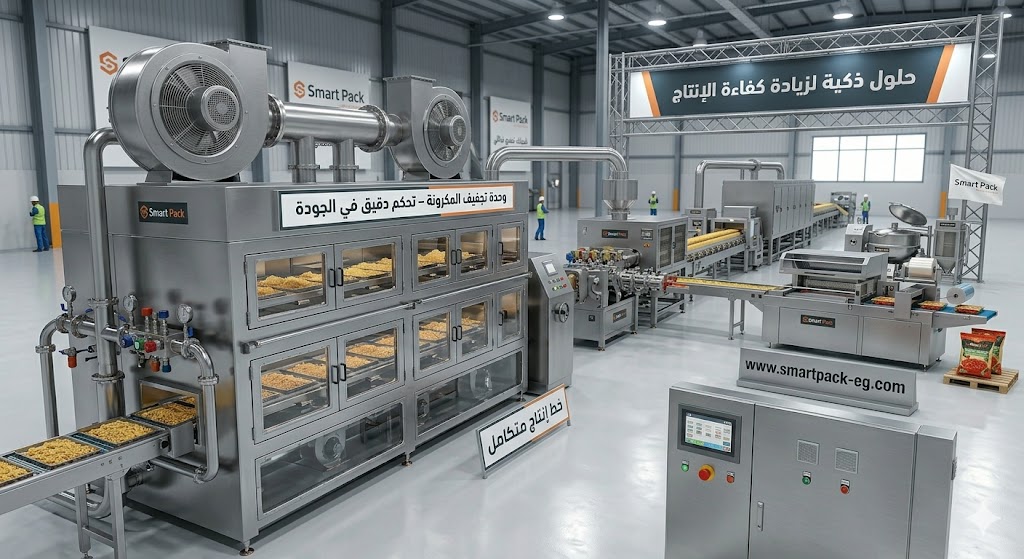
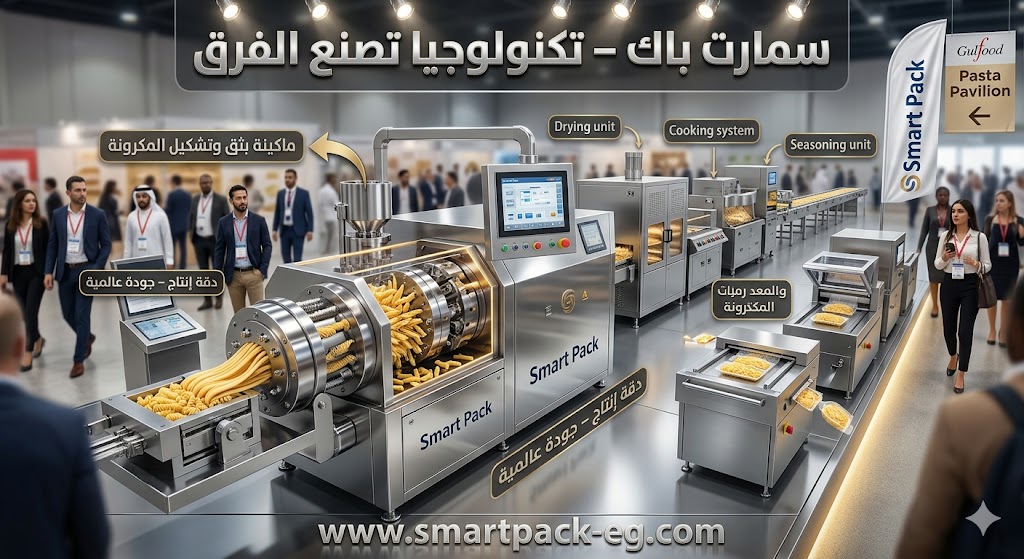
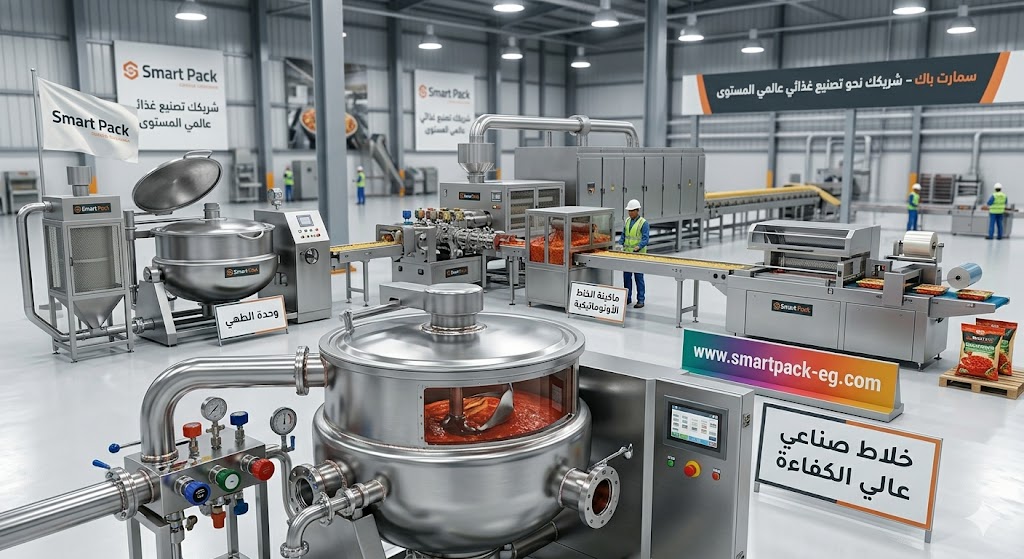
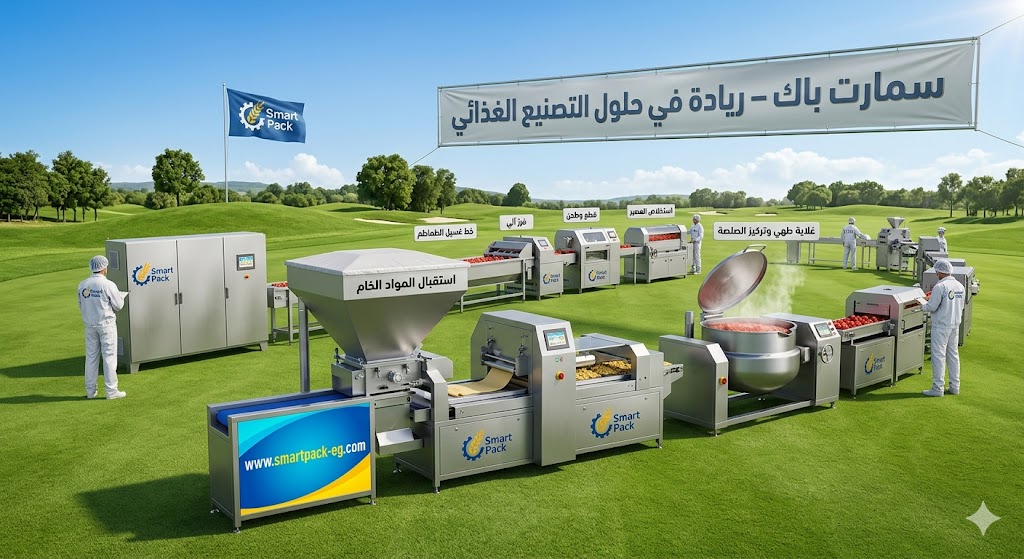
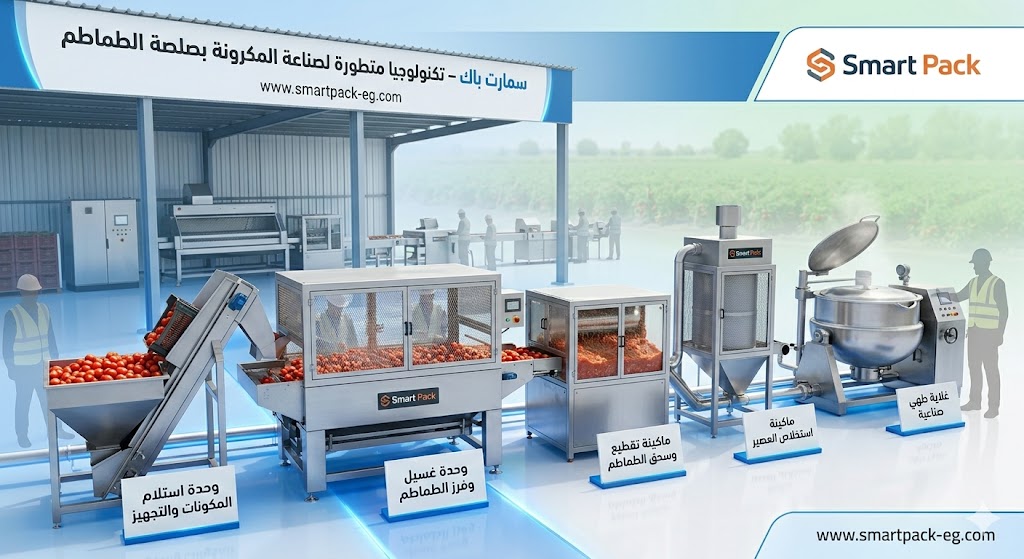
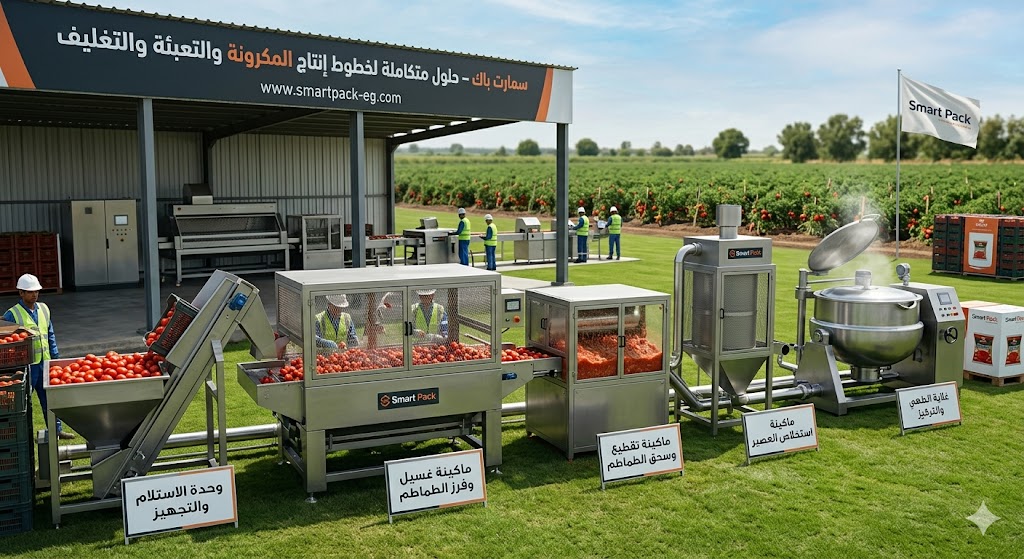
A typical line includes:
Industrial pasta cooking unit with time control
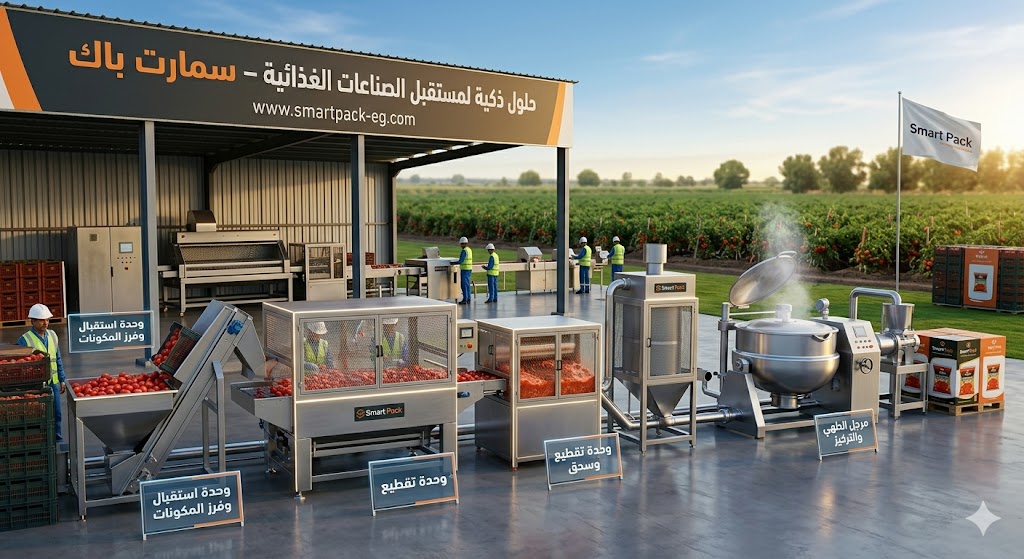
Tomato sauce preparation and cooking system
Industrial mixer for blending pasta and sauce
Rapid cooling conveyor to stabilize texture
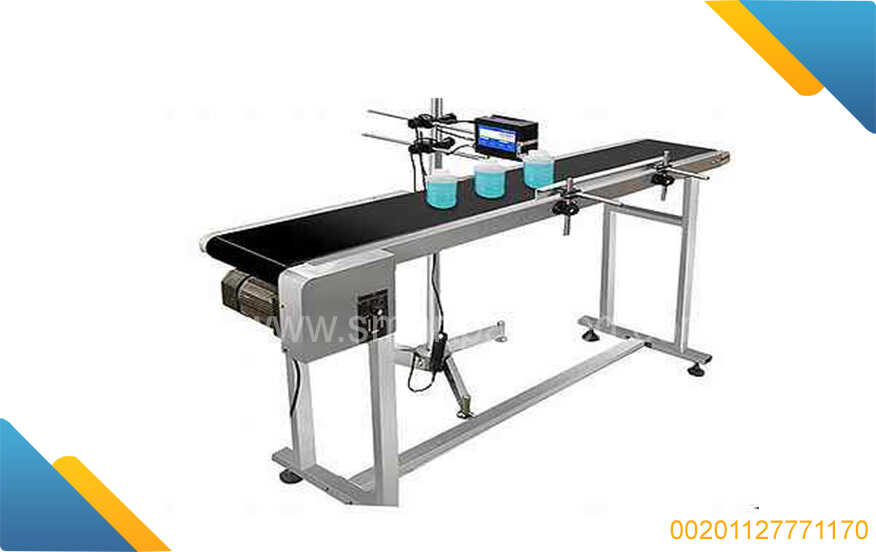
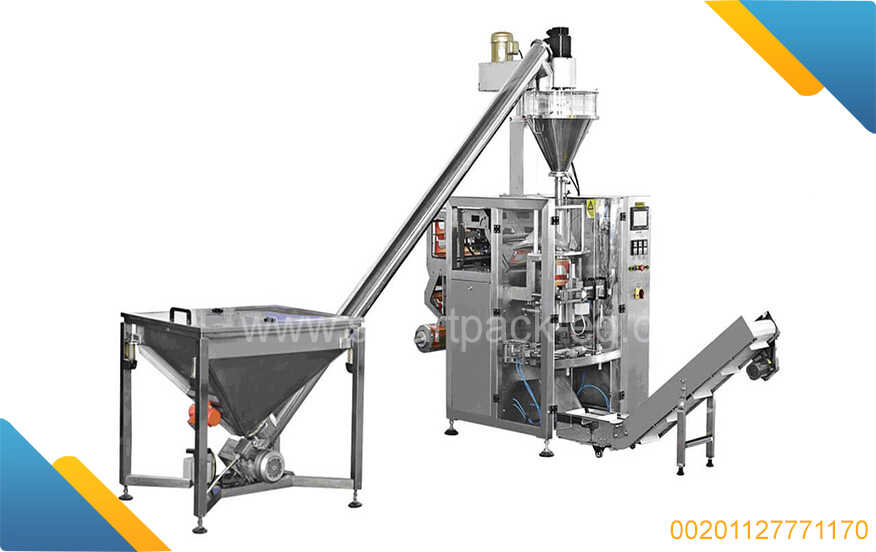
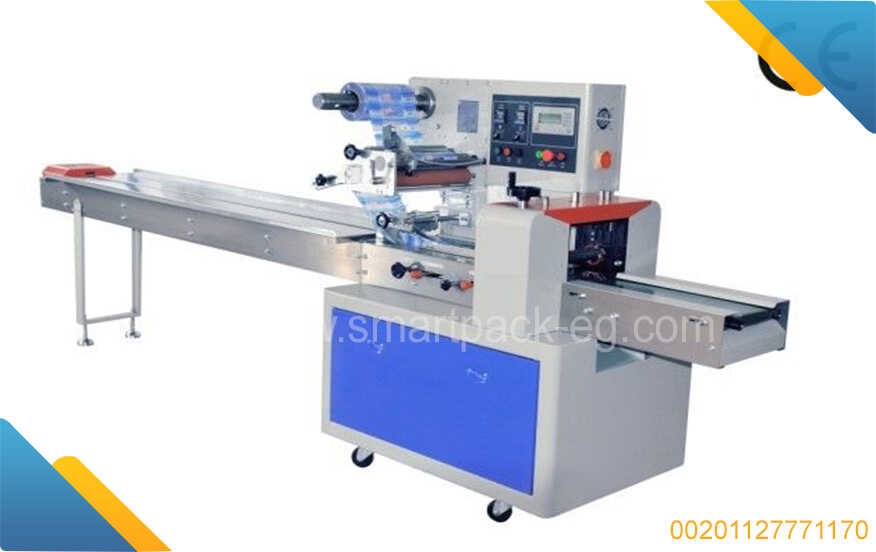
Filling and packaging machine for semi-liquid foods
Electronic weighing and hermetic sealing system
This integration reduces waste and delivers a uniform, retail-ready product.
Step-by-Step Factory Operations
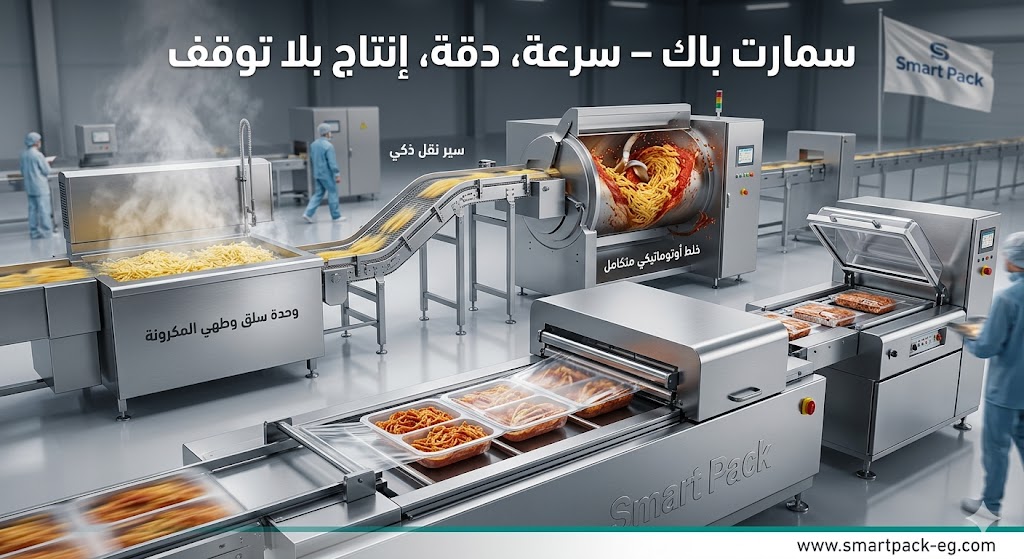
The process begins by cooking pasta to a semi-cooked stage to preserve texture after reheating.
At the same time, red sauce is prepared from tomato concentrates and approved ingredients, with careful control of acidity and viscosity.
After mixing, the product is rapidly cooled and transferred to filling. Here, filling and packaging machines ensure precise weights, proper shape, and secure sealing of every pack.
Suitable Filling and Packaging Machines
Because the product has a semi-liquid consistency, accurate filling solutions are essential:
Medium-viscosity liquid filling machines
Tray or heat-sealable pouch filling systems
Vacuum or modified-atmosphere sealing machines
Automatic lines with easy size changeover
Choosing the right equipment directly improves speed, efficiency, and market trust.
Comparison of Production Systems
Semi-automatic lines offer moderate capacity with lower investment and good flexibility.
Fully automatic lines provide very high output, excellent consistency, easier retail acceptance, and higher, more stable profit margins.
Export-oriented systems support large-scale production with premium packaging and maximum returns.
More automation means faster ROI and stronger competitiveness.
Market Potential and Expansion Opportunities
Red sauce pasta enjoys strong demand locally and is also export-friendly due to its simple, widely accepted ingredients.
Professional packaging in single and family sizes allows entry into:
Supermarkets
Central kitchens
Catering contracts
Wholesale and export markets
Easy storage and transport give factories excellent flexibility for geographic expansion without major cost increases.
Costs, Profits, and Return on Investment
Core ingredients are low to medium cost, while the final product can be sold at attractive retail prices.
With an organized production line:
Unit costs decrease
Waste is minimized
Production speed increases
Profit margins rise
ROI improves even more with higher volumes and diversified packaging formats.
Smart Investment Tips for Packaging Factories
Start with a stable, easy-to-run recipe
Focus on texture consistency more than complex flavors
Use practical, stackable packaging
Choose flexible lines that allow future variants like vegetable or meat pasta
Treat packaging as a key marketing tool
Why Choose Smart Pack Solutions
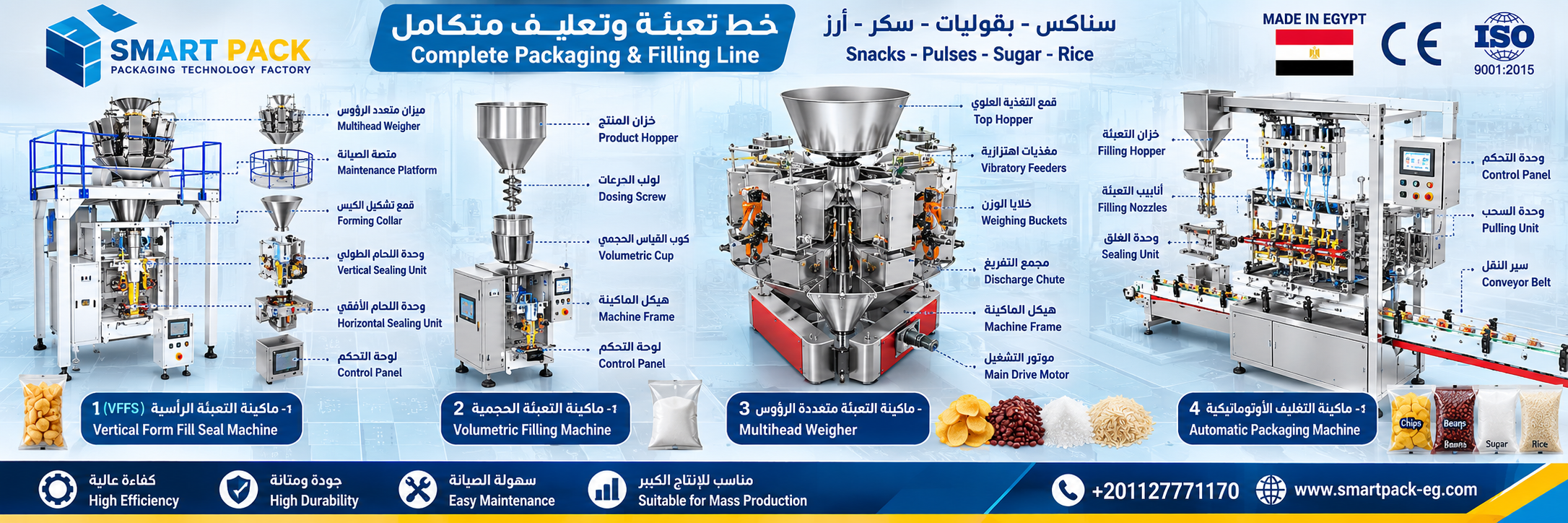
Smart Pack provides filling and packaging machines and complete production lines designed for ready meals and semi-liquid foods. Their flexible systems and technical support help factories operate smoothly and achieve faster returns on investment.
Frequently Asked Questions
How is red sauce pasta produced industrially
By partially cooking pasta, preparing a stable tomato sauce, blending, rapid cooling, and hermetic filling.
How does this production line open new markets
Through consistent quality and professional packaging suitable for retail, catering, and export.
What is the role of integrated packaging
It extends shelf life, improves product appearance, and increases consumer confidence.
What production lines are suitable
Automated pasta cooking, sauce preparation, mixing, and semi-liquid filling lines.
Why is red sauce pasta highly profitable
Because of low production costs, high demand, and flexible sales channels.
If you’re looking for a ready-to-eat food that’s simple to manufacture and capable of opening new markets, red sauce pasta produced on an integrated production and packaging line is a practical and profitable choice. Equip your factory with professional solutions to boost competitiveness and secure sustainable growth.