





 Admin
Admin Indian Spice Ingredients with Smart Industrial Standards to Upgrade Machinery and Increase Profit Margins
4
Indian spices are not just bold flavors—they represent a high-value industrial system built on ingredient diversity, precise grinding, and stable blending. Smart factories do not treat Indian spices as a single product, but as a scalable product family that can be customized, expanded, and exported with strong profit margins.
Success here depends not only on the recipe, but on aligning ingredients with machinery and production lines to achieve maximum operational efficiency and minimum waste.
This guide explains Indian spice ingredients according to smart industrial standards and how they directly contribute to machinery optimization and higher profitability.
Why Indian Spices Are a High-Profit Industrial Opportunity
Wide usage across households, restaurants, and food factories
Continuous global demand with no seasonality
Ability to produce dozens of products on the same production line
Moderate raw material costs with high selling prices
Easy storage and long shelf life
Strong export potential to Asia, Europe, and Africa
These factors make Indian spices one of the most profitable spice categories when managed industrially.
The Smart Industrial Principle Behind Indian Spice Formulations
Each ingredient must serve both flavor and machinery
Unified grind size to reduce mixing and filling issues
Low moisture content to protect production lines
Selection of storage-stable ingredients
Formulation designed for automated packaging
A smart formula protects machines while preserving product quality.
Core Ingredients in Industrial Indian Spice Blends
Industrial-Grade Ground Turmeric
Base for color and earthy flavor
Must be finely and uniformly ground
Directly affects mixer and filling machine performance
Ground Cumin
Aromatic core of most Indian blends
Requires controlled grinding to prevent clumping
Boosts flavor value without increasing cost
Ground Dried Coriander
Balances heat and intensity
Helps stabilize flavor across batches
Easy to process on industrial lines
Black or White Pepper
Primary heat source
Grind size must be controlled to avoid oil separation
Impacts powder stability during storage
Ground Dried Ginger
Adds warm, desirable heat
Used in low ratios with high impact
Ideal for homogeneous industrial blending
Cloves and Cinnamon (Precise Ratios)
Highly potent ingredients
Must be dosed accurately
Overuse affects both flavor and machine performance
Dried Chili Pepper
Signature element of Indian spices
Requires optimal drying to prevent machine blockage
Directly influences market consumption level
How Industrial Standards Improve Machinery Performance
Uniform grinding reduces vibration in filling machines
Homogeneous mixing prevents weight variation
Low moisture protects sealing systems
Stable powders prevent hopper clogging
Higher filling speed with fewer breakdowns
Every formulation improvement equals higher machine efficiency.
High-Efficiency Indian Spice Production Line Specifications
4
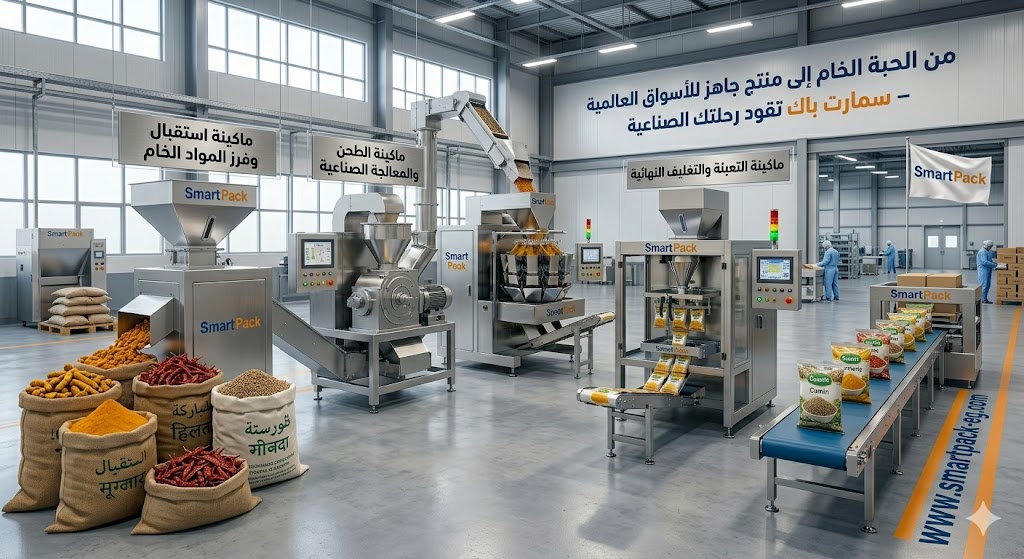
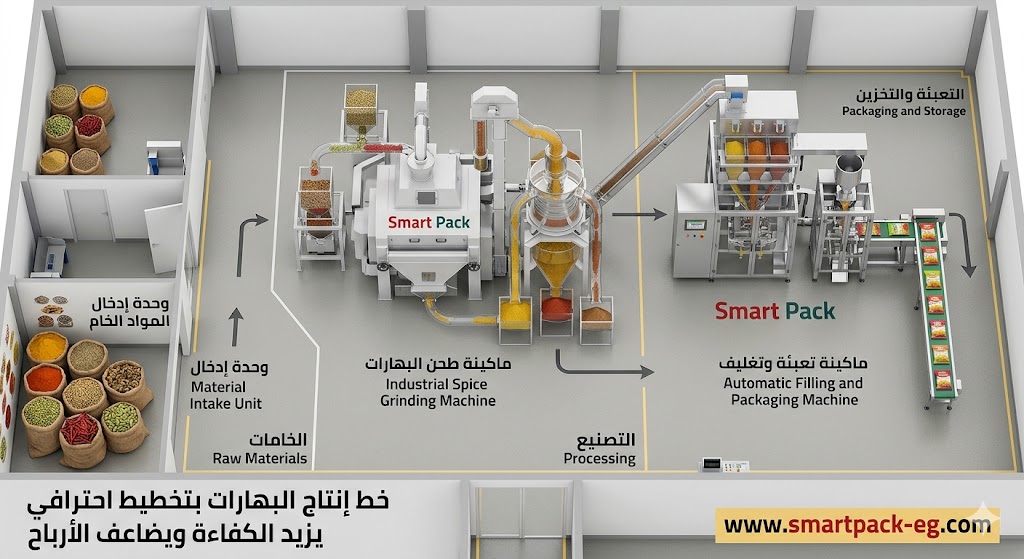
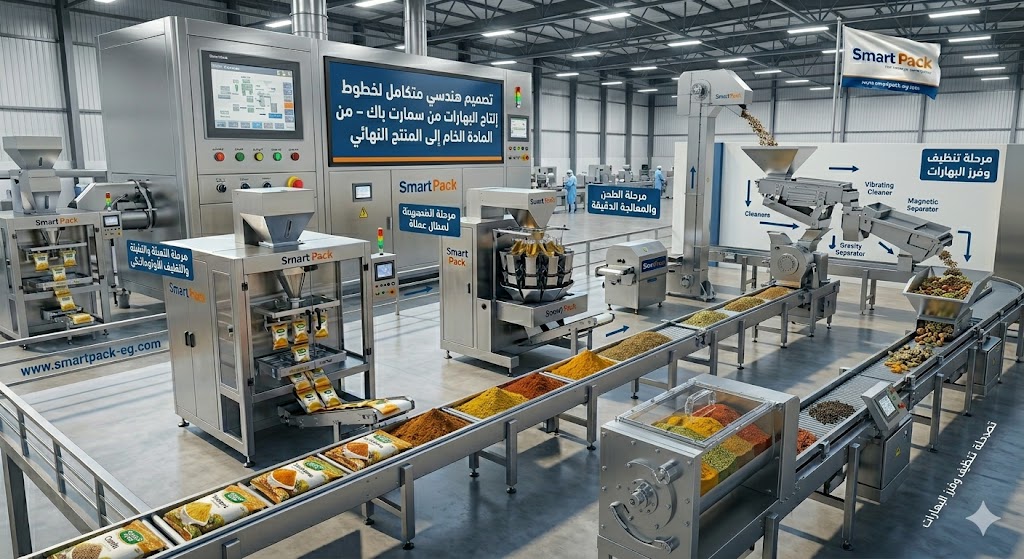
Multi-stage industrial spice grinding machines
High-homogeneity food powder mixers
Sieving systems for particle size uniformity
Humidity and temperature control units
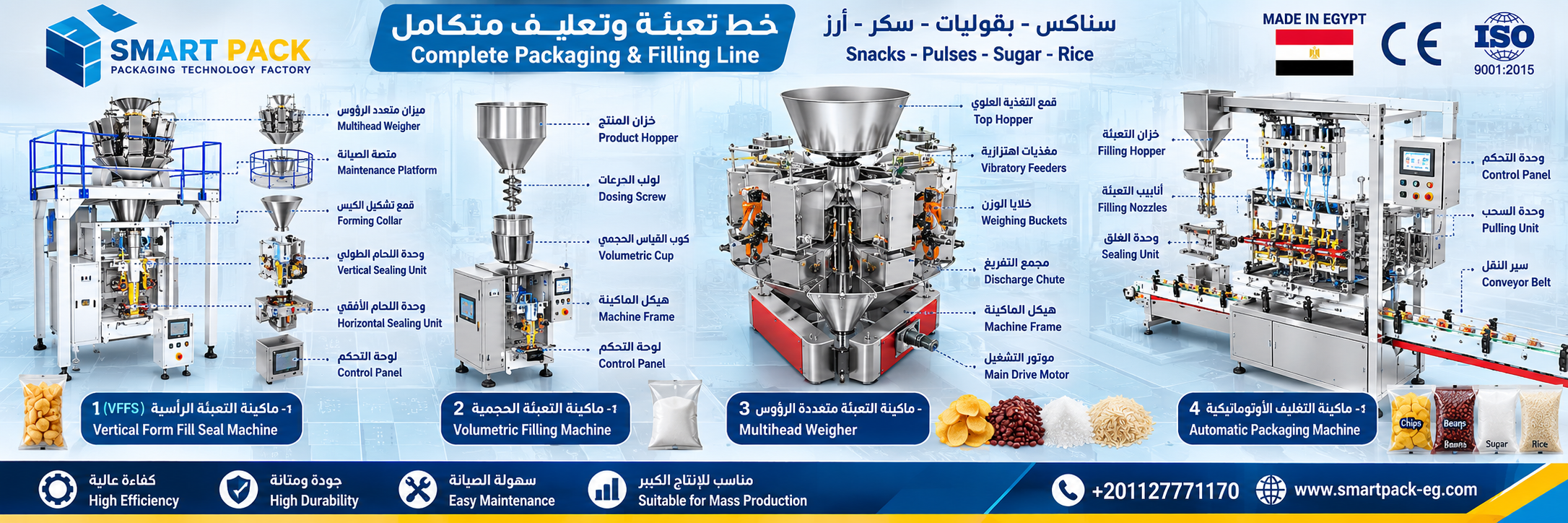
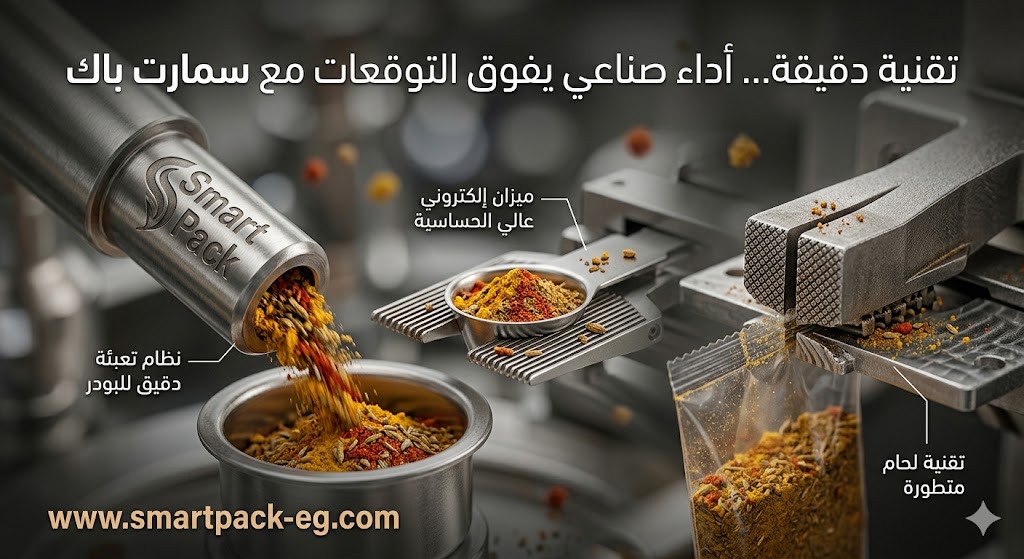
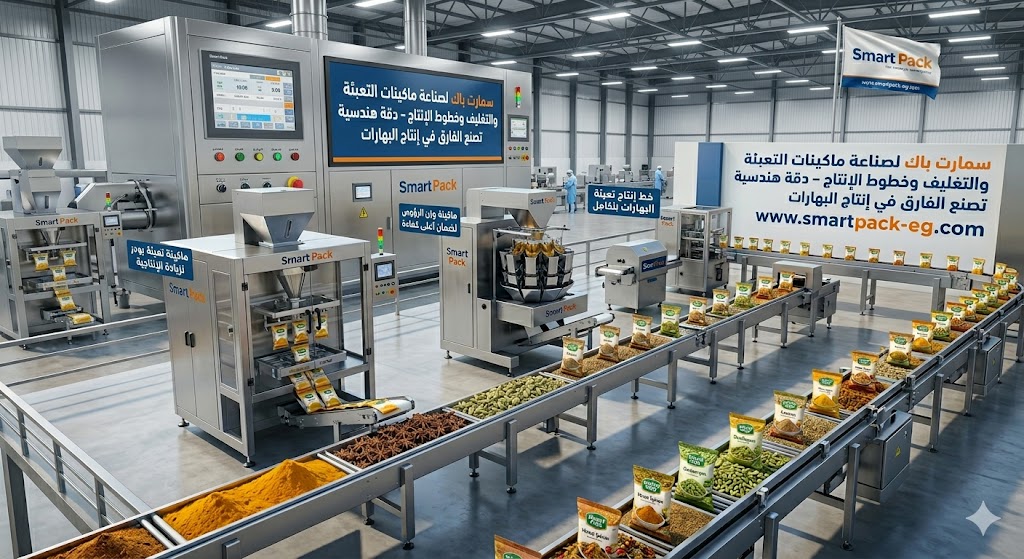
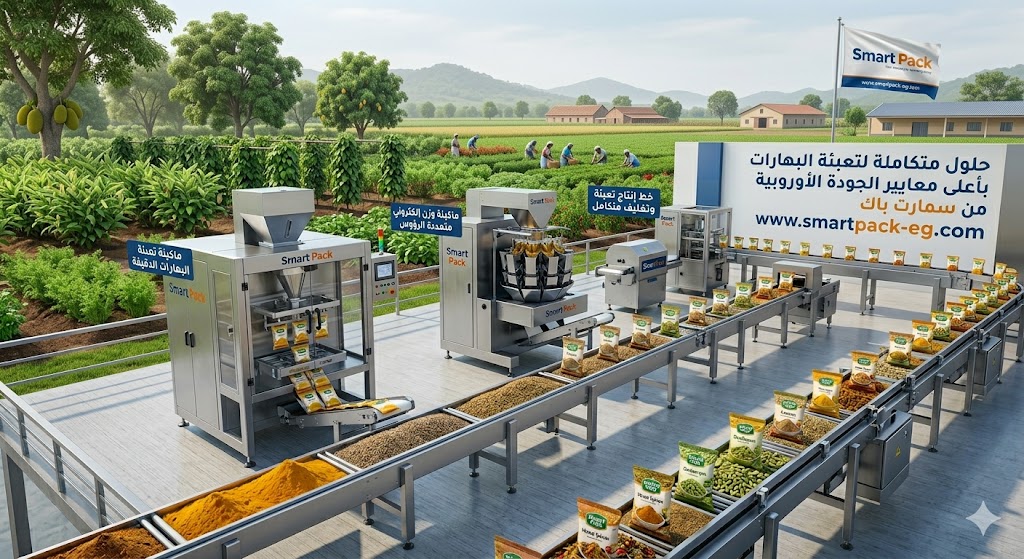
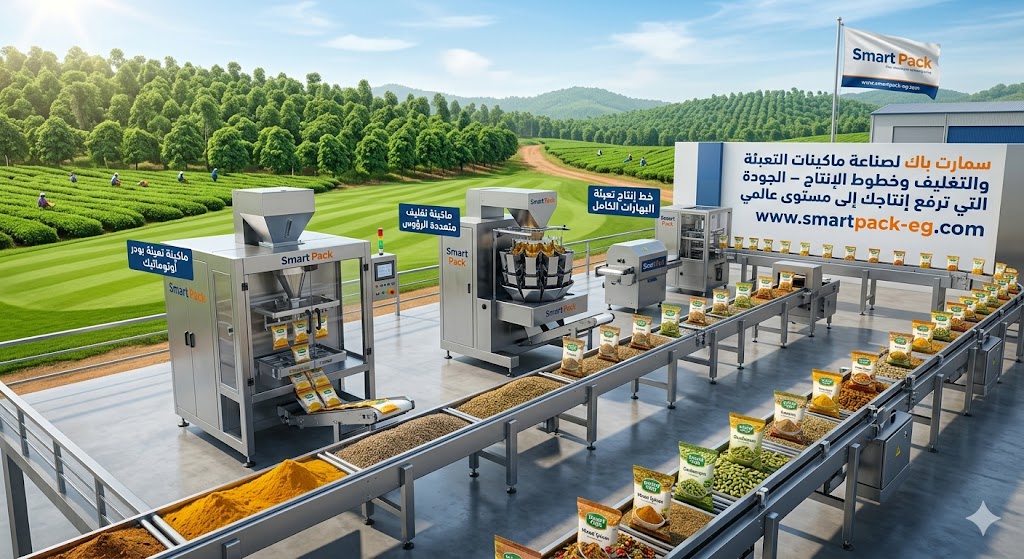
Automatic powder filling and packaging machines
High-precision weighing systems to reduce waste
These specifications increase output capacity and lower unit cost.
Factory Processing Stages
Receiving and sorting raw spices
Additional drying when required
Separate grinding for each ingredient
Particle size sieving
Blending according to approved formulation
Flavor and stability testing
Transfer to filling and packaging
Grinding and mixing control are the foundation of profitability.
SEO-Optimized Comparison Tables
Industrial Indian Spice Ingredient Type | Machine Impact | Effect on Profit Margin
Uniformly ground spices | Stable machine operation | Reduced waste
High-moisture spices | Frequent breakdowns | Operational losses
Industrially balanced Indian blend | Faster filling | Higher profitability
Non-standard blends | Weight inconsistency | Lower quality
Spice Production Line Type | Automation Level | Operational Efficiency
Semi-automatic spice lines | Medium | Suitable for startups
Fully automatic spice lines | High | Highest profit margins
Marketing Impact of Industrial-Grade Quality
Consistent flavor in every package
Fewer complaints about variation
Easier distribution expansion
Higher acceptance by restaurants
Export readiness
An industrially stable product is easier to market and commands a higher price.
Brief Market Study
Growing global demand for Indian spices
Expansion of Asian and international cuisines
Rising demand for ready spice blends
Strong opportunities for new brands
High export scalability
Cost and Profitability Analysis
Raw material costs
Grinding and blending costs
Packaging and labeling costs
Operating and maintenance expenses
Expected Results
Net profit margins between 40% and 65%
Significant reduction in machine downtime
Higher output without increasing labor
Smart Industrial Tips to Increase Profit Margins
Do not grind all ingredients to the same size randomly
Invest in sieving to reduce waste
Design formulations to match machine capabilities
Monitor humidity daily
Start with one blend, then expand
The Role of Machinery in Achieving Profitability
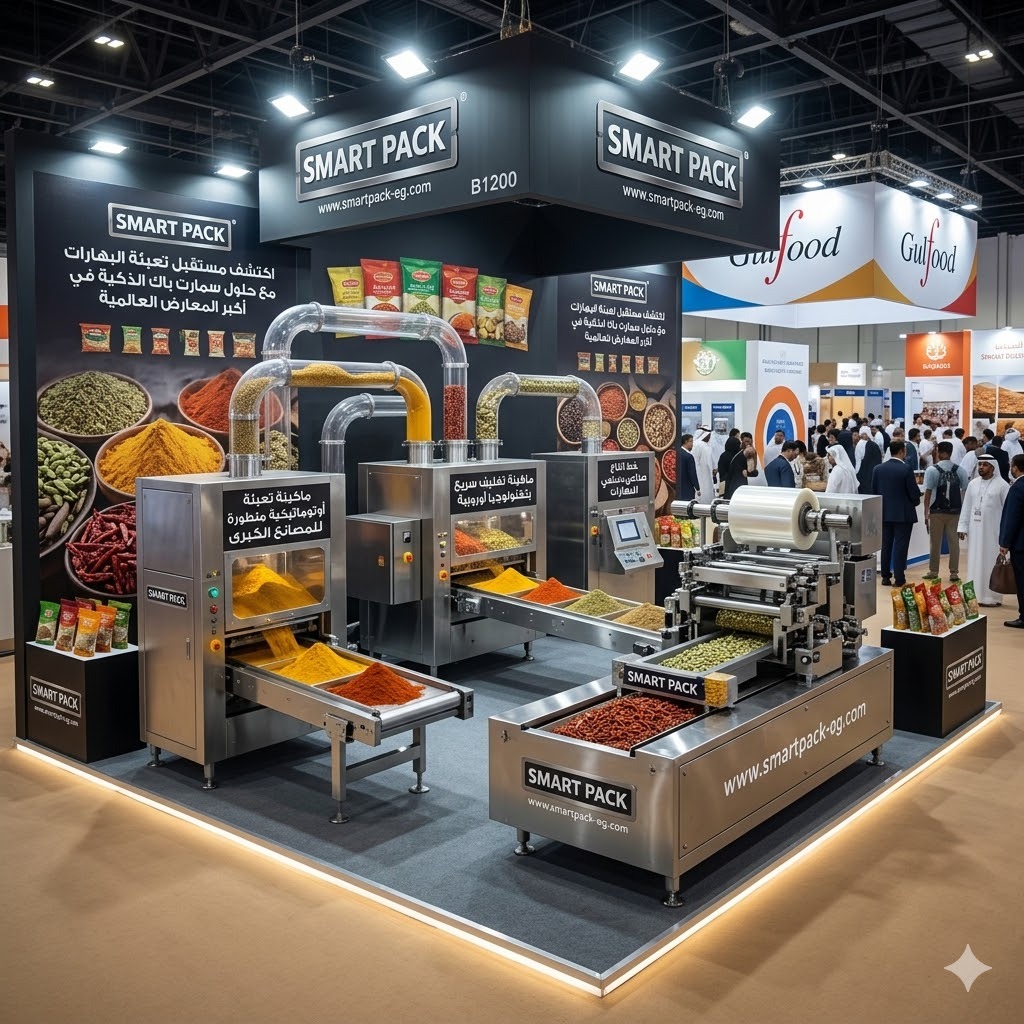
A strong formulation requires compatible, high-performance machinery. This is where collaboration with Smart Pack becomes critical by providing:
Industrial spice grinding and mixing machines
High-precision food powder filling and packaging machines
Flexible spice production lines
Accurate weighing systems to minimize loss
Technical support and operational expertise
Frequently Asked Questions
Are Indian spices suitable for small factories?
Yes, production can start with semi-automatic lines.
Does moisture directly affect profitability?
Absolutely—through breakdowns and material loss.
Is exporting Indian spices easy?
Yes, with stable formulations and proper packaging.
What is the most important factor for higher margins?
Reducing waste and improving machine efficiency.
Is formulation more important than machinery?
Both are industrially interdependent and equally critical.
Indian spice ingredients are not just a recipe—they are a profit-driving industrial tool when designed with smart standards that serve machinery as much as flavor.
Factories that balance formulation quality with operational efficiency achieve lower unit costs, higher output, and easier market expansion. In the spice industry, industrial intelligence is the real differentiator between an average product and a high-profit one.