
 Admin
Admin How the COVID-19 Crisis Reshaped Factory Operations and Production
The COVID-19 pandemic was not merely a temporary health crisis—it became a real stress test for factories’ ability to survive and adapt under unprecedented operating conditions. Partial shutdowns, labor shortages, and mobility restrictions forced manufacturers into a clear choice: either stop and absorb losses, or restructure operations and production intelligently.
Factories that treated the crisis as a turning point rather than a threat managed not only to sustain production, but in some essential sectors—such as detergents, disinfectants, hygiene products, and packaging—achieved noticeable growth.
Operational Challenges Faced at the Peak of the Pandemic
At the onset of the crisis, factories encountered immediate challenges that disrupted daily operations:
-
Reduced workforce availability due to health restrictions
-
Shortened working hours or shift-based operations
-
Transportation and access limitations to production sites
-
Stricter safety and hygiene requirements on production lines
-
Slower manual processes dependent on high human density
Together, these factors caused significant output declines in factories relying on traditional, labor-intensive operations.
Why Some Factories Were Hit Harder Than Others
The difference was not factory size, but operational strategy.
Factories heavily dependent on:
-
Manual labor
-
Non-integrated production lines
-
Lack of emergency planning
-
Low automation levels
were the most affected.
Meanwhile, factories that had already invested in:
-
Automated machinery
-
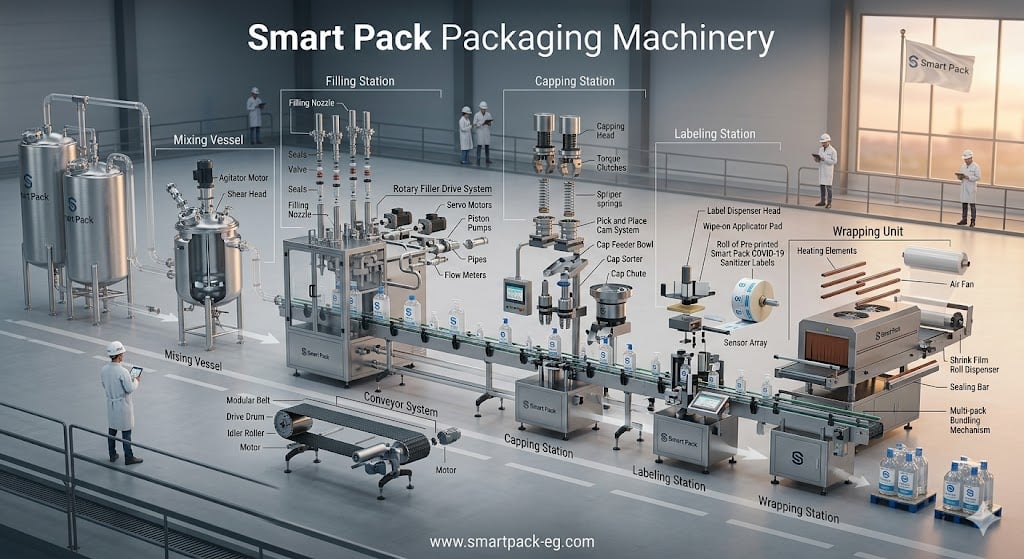
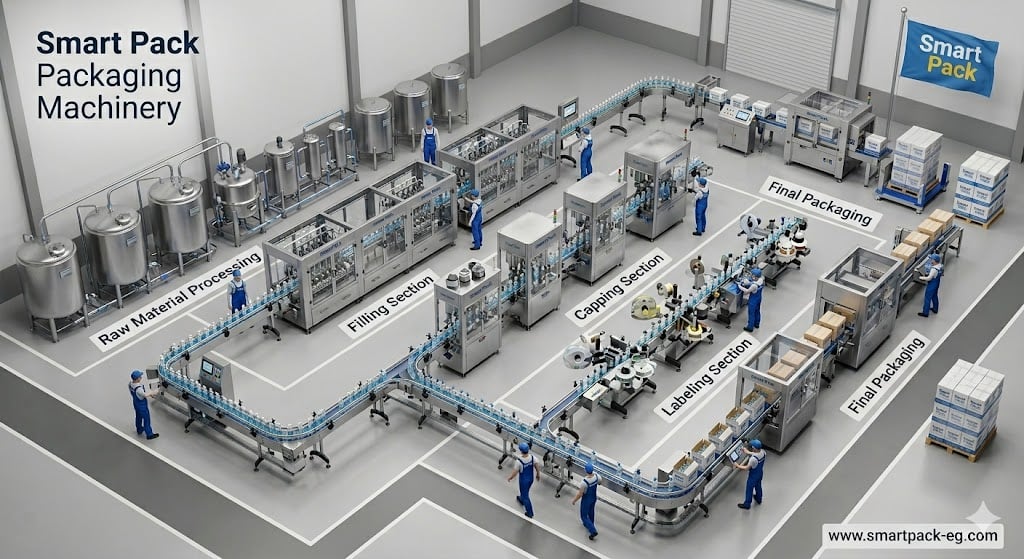
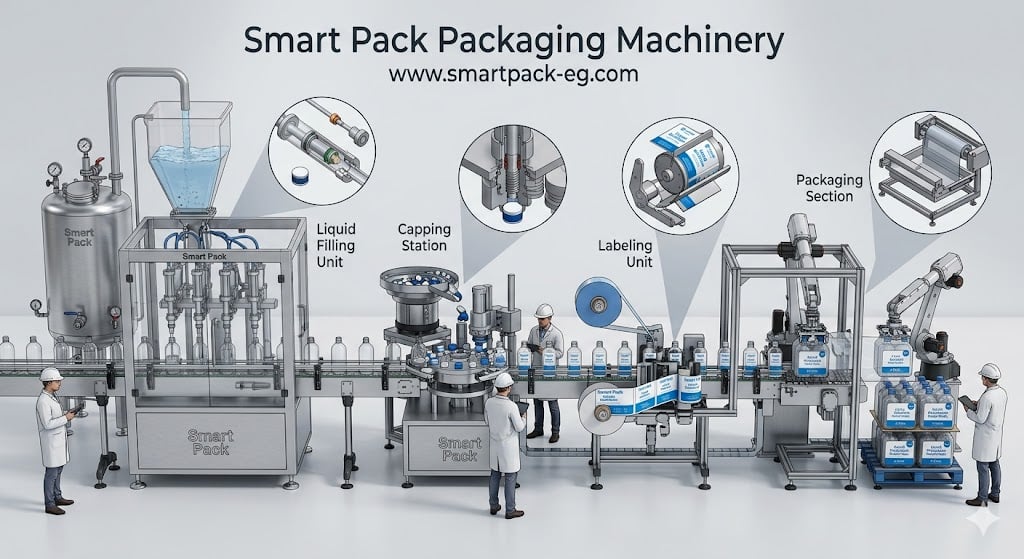
Integrated filling and packaging lines
-
Reduced human intervention
-
Well-organized production flows
were able to continue operating with minimal losses.
Smart Operational Shifts During COVID-19
Successful factories implemented fundamental changes during the pandemic, including:
-
Redistributing labor across production lines
-
Shifting to semi-automated operations
-
Reducing the number of workers in production areas
-
Increasing machine efficiency to offset labor shortages
-
Focusing on high-demand essential products
These changes were not temporary fixes; they evolved into a new operating model that many factories continue to refine post-crisis.
The Role of Automation in Protecting Production Continuity
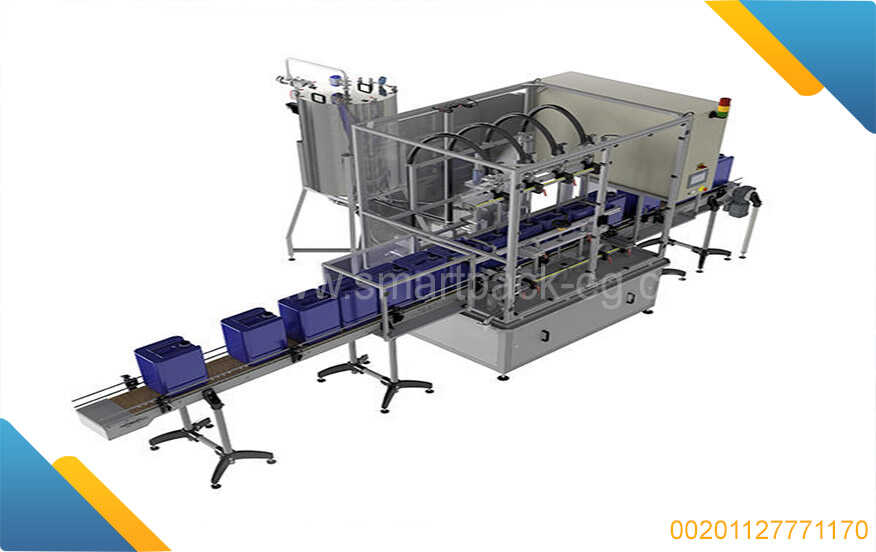
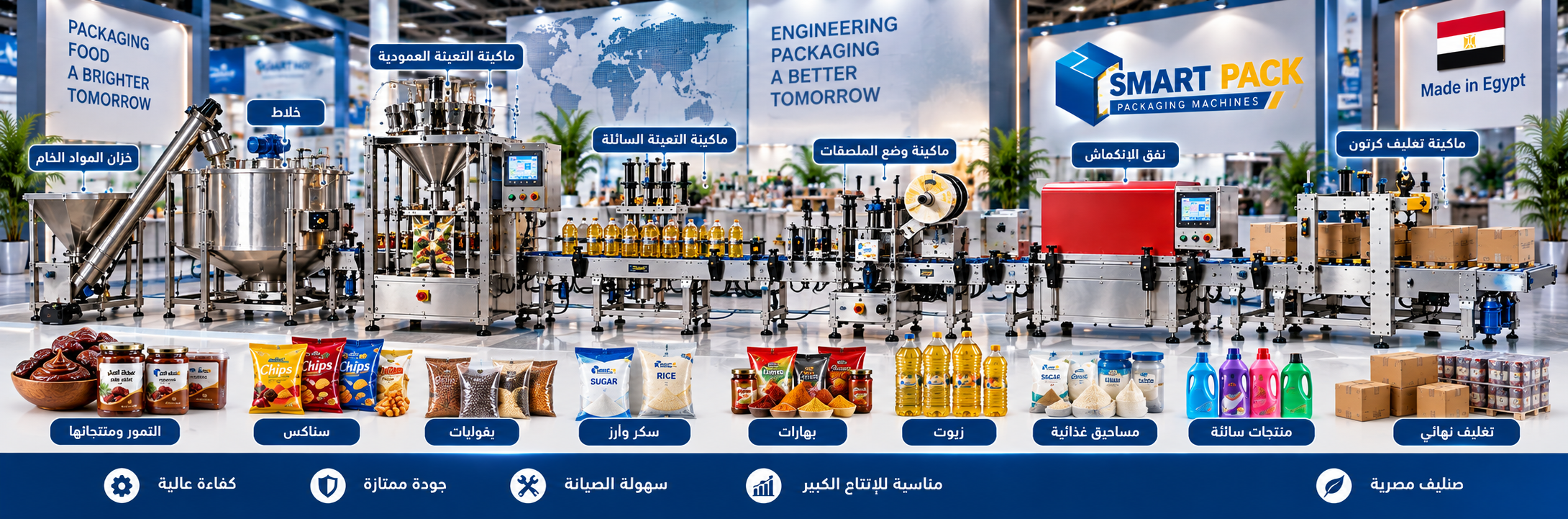
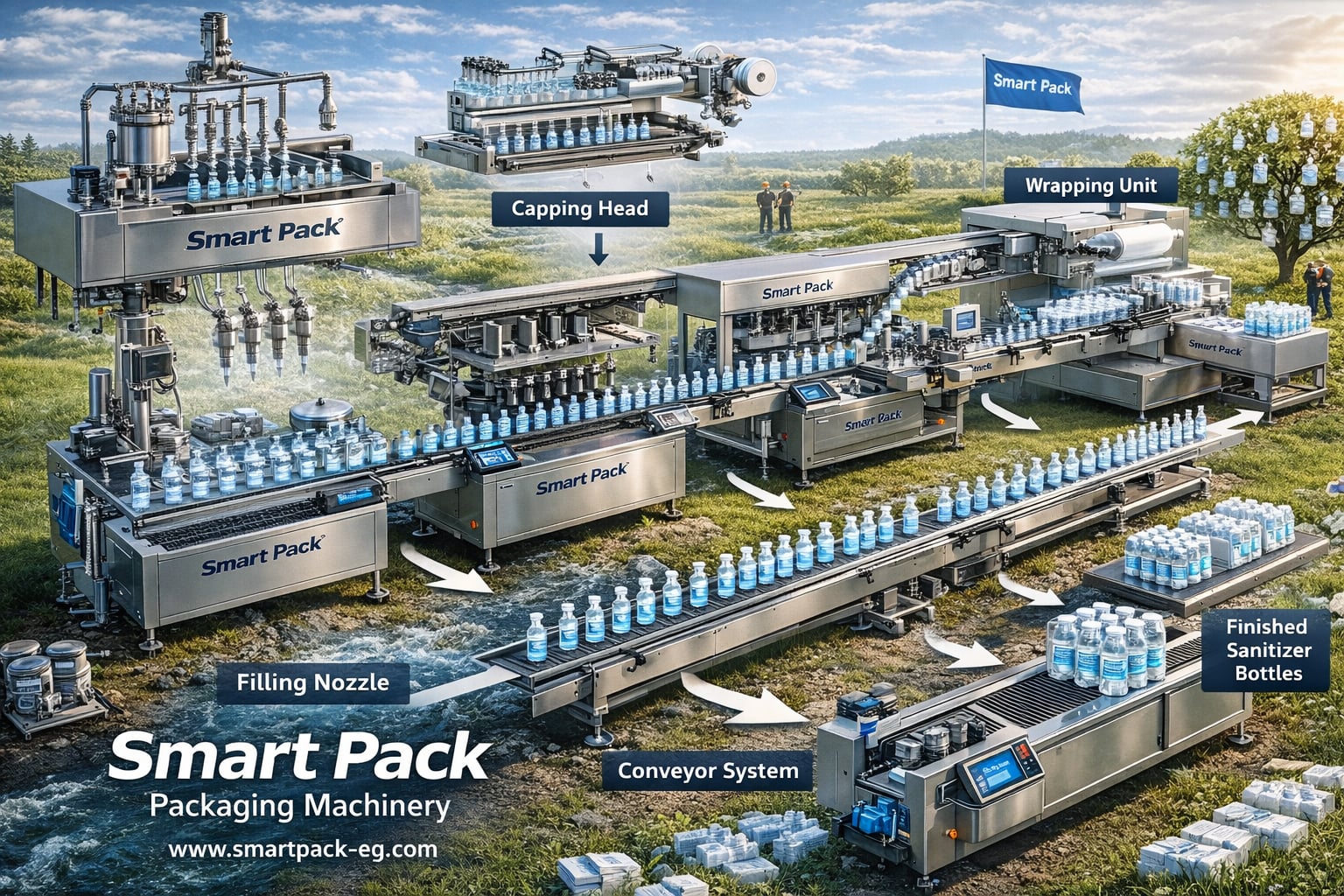
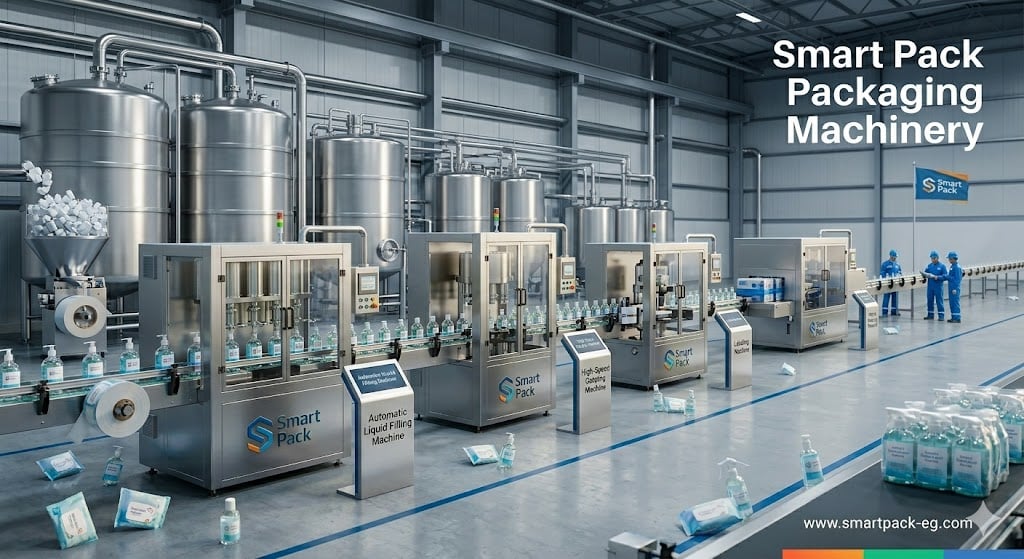
During COVID-19, automation was not a luxury—it was a lifeline. Factories equipped with automated filling and packaging machines were able to:
-
Maintain stable production rates
-
Reduce human contact
-
Comply with strict safety standards
-
Operate lines with fewer workers
-
Meet surging demand for essential goods
This was especially evident in industries such as:
-
Detergents
-
Disinfectants
-
Liquid soap
-
Sanitizers
-
Food products
How Demand Shifts Influenced Production Decisions
Demand patterns shifted sharply during the pandemic, with increased demand for:
-
Hygiene and cleaning products
-
Sanitizers and disinfectants
-
Small and medium packaging sizes
-
Fast packaging turnaround
At the same time, demand for secondary or non-essential products declined. Agile factories quickly redirected production lines by adjusting:
-
Packaging sizes
-
Filling line speeds
-
Product mix
This agility enabled real growth during a highly volatile market period.
Packaging as a Critical Operational Factor During Crises
Packaging was no longer a final step—it became a core operational driver affecting:
-
Speed to market
-
Distribution flexibility
-
Waste reduction
-
Overall operational efficiency
Factories using modern packaging machines managed to:
-
Operate with small production teams
-
Increase output without adding labor
-
Maintain consistent quality
-
Expand into multiple packaging formats
Key Operational Lessons Learned from the COVID-19 Experience
Major lessons manufacturers learned include:
-
Overreliance on labor is an operational risk
-
Automation increases crisis resilience
-
Integrated production lines offer higher security
-
Packaging is a strategic—not just operational—element
-
Machinery investment is a long-term decision, not a short-term cost
These lessons pushed many factories to fully restructure their production lines after the pandemic.
Post-Crisis Upgrades to Filling and Packaging Lines
After the crisis eased, many factories began to:
-
Replace outdated filling machines
-
Shift toward automated production lines
-
Reduce human-related downtime
-
Increase capacity without expanding physical space
This highlighted the importance of working with suppliers capable of:
-
Understanding product characteristics
-
Designing suitable production lines
-
Delivering scalable solutions
-
Providing reliable after-sales support
Frequently Asked Questions About Factory Operations During Crises
Can factories continue operating during health crises?
Yes—provided operations are structured and automation minimizes human contact.
What operational aspect was most affected during COVID-19?
Heavy reliance on dense manual labor in production lines.
Is automation still justified after the crisis?
Absolutely. It boosts efficiency and reduces future operational risks.
Do filling and packaging lines really impact continuity?
Directly—they determine production speed and required workforce size.
What is the most important post-COVID operational decision?
Reassessing production lines and adopting more flexible, sustainable solutions.
Operational Takeaway for Manufacturers
COVID-19 was not the end of manufacturing—it was a filter that revealed the difference between factories operating with yesterday’s mindset and those investing with tomorrow’s vision.
Factories that emerged stronger were those that:
-
Invested in automation
-
Upgraded filling and packaging lines
-
Reorganized operations
-
Reduced dependence on manual labor
Today, any factory aiming for stability and growth recognizes that investing in modern filling and packaging machinery and advanced production lines is no longer optional—it is a fundamental step to ensure resilience and profitability in any future crisis.