 Admin
Admin Liquid Soap, Shower Gel, and Shampoo Manufacturing as Profitable Industrial Projects
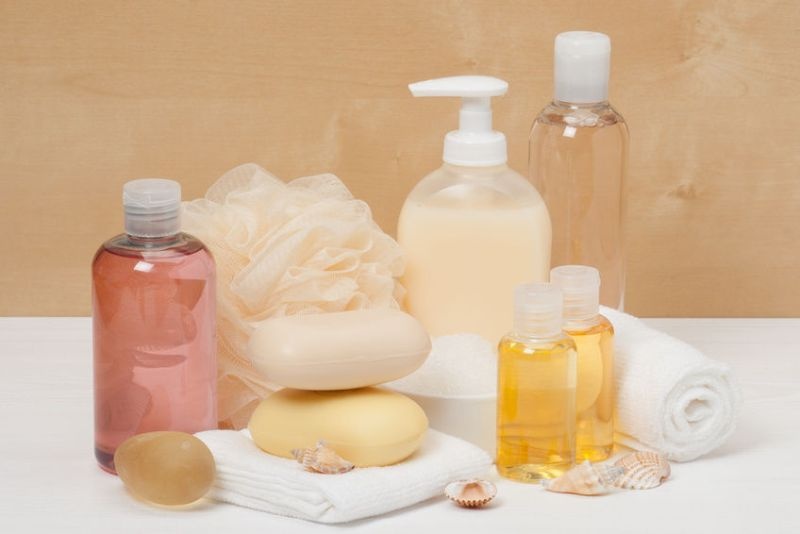
In today’s modern manufacturing landscape, producing liquid soap, shower gel, and shampoo is no longer a small-scale activity based on random formulas. It has evolved into a fully integrated industrial sector connected to complete production chains and recognized as one of the most profitable and stable markets locally and globally, driven by rising health awareness and personal hygiene standards.
These products are widely used in households, commercial facilities, hotels, hospitals, and beauty centers—ensuring sustained, multi-segment demand and long-term industrial viability.
Strong and Consistent Demand for Liquid Soap, Gel, and Shampoo
Products such as liquid soap, shower gel, and shampoo are not limited to household use. Their applications extend to:
-
Hospitals and medical centers
-
Food facilities and hotels
-
Cleaning and facility service companies
-
Beauty salons and spas
-
Wholesale and retail distribution
This diversity of applications makes demand stable and non-seasonal, positioning these products as ideal candidates for long-term industrial investment.
Core Ingredients and Industrial Product Formulation
Manufacturing these products relies on carefully engineered chemical formulations that deliver the required functional properties, including:
-
Surfactants to enhance cleaning performance
-
Viscosity and stability agents
-
Fragrances and perfumes
-
Preservatives and color enhancers
These ingredients must be mixed correctly within a controlled industrial process to ensure product stability, consistency, and final quality.
Manufacturing Stages Inside Industrial Plants
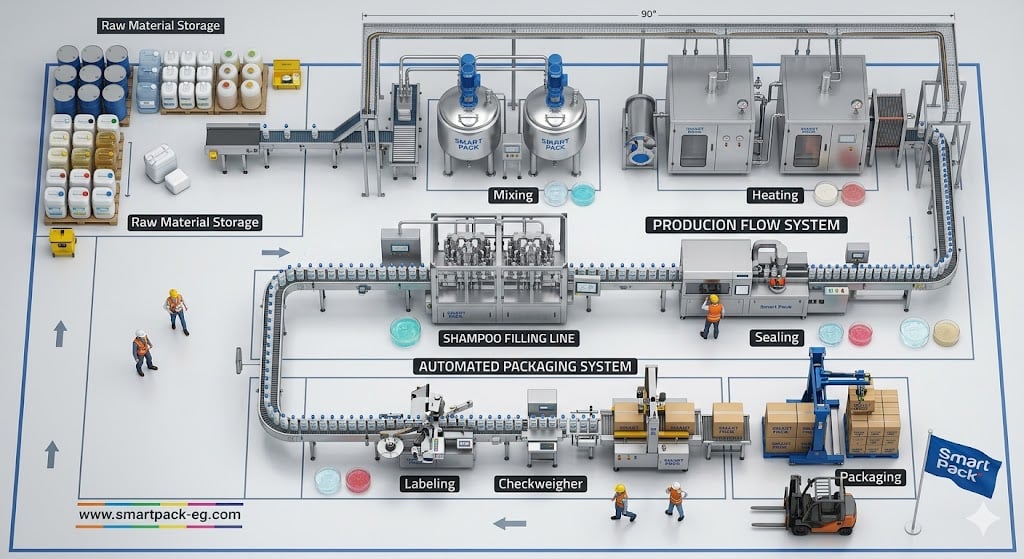
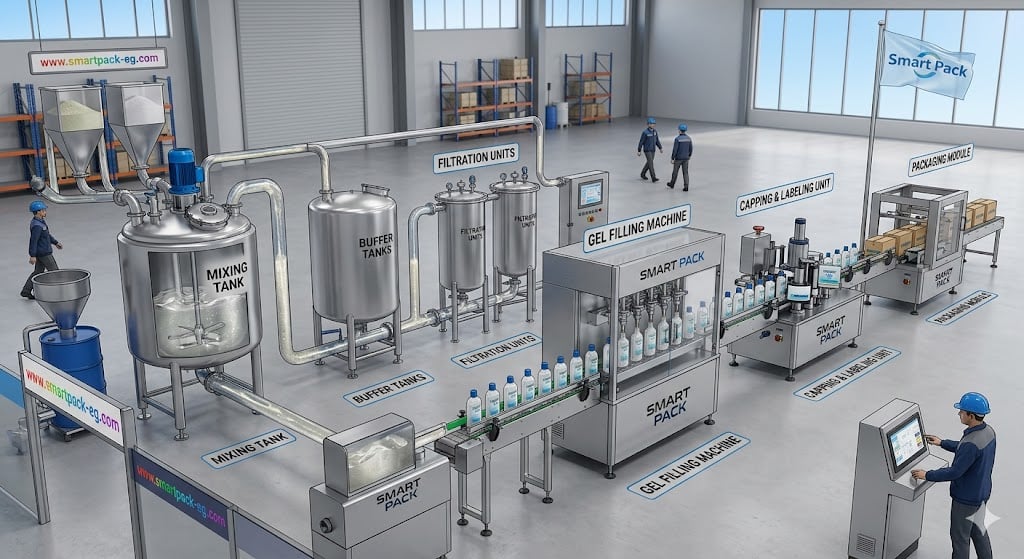
The production of liquid soap, gel, and shampoo follows a comprehensive industrial workflow with multiple stages:
Stage One: Raw Material Preparation
Raw materials are received and inspected to ensure compliance with industrial specifications.
Stage Two: Mixing and Processing
Ingredients are blended in specialized preparation tanks with controlled temperature and foam management to achieve a homogeneous formulation.
Stage Three: Quality Testing
Samples are taken regularly to verify pH balance, viscosity, and performance characteristics.
Stage Four: Filling
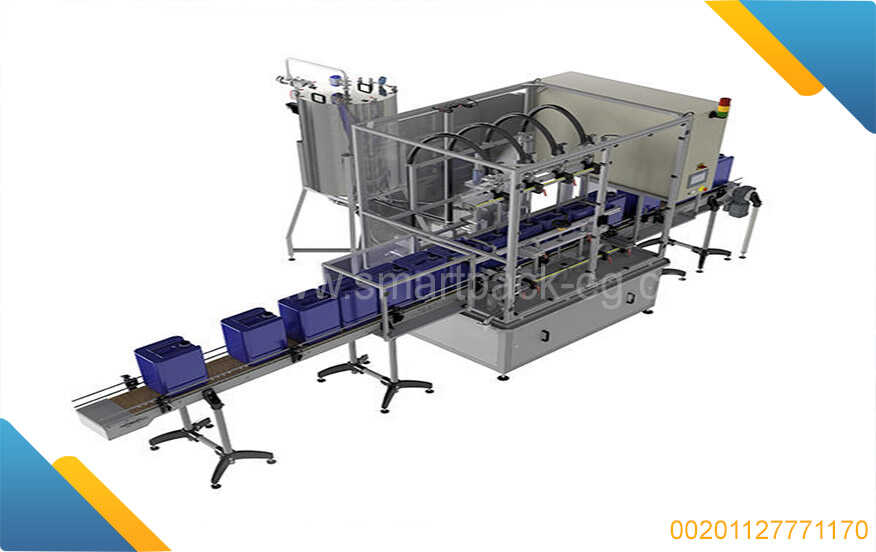
Once quality is confirmed, the product is transferred to appropriate filling machines and packed into containers of various sizes.
Filling and Packaging: A Key Factor in Product Success
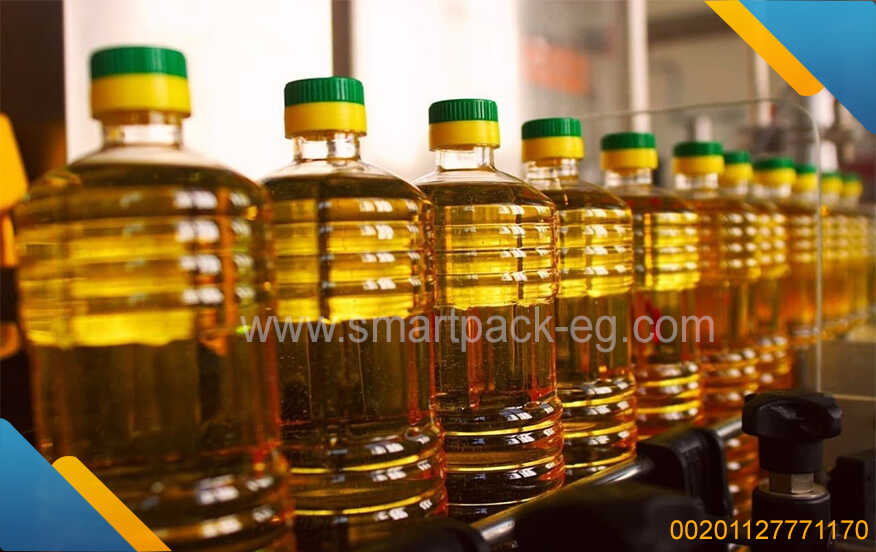
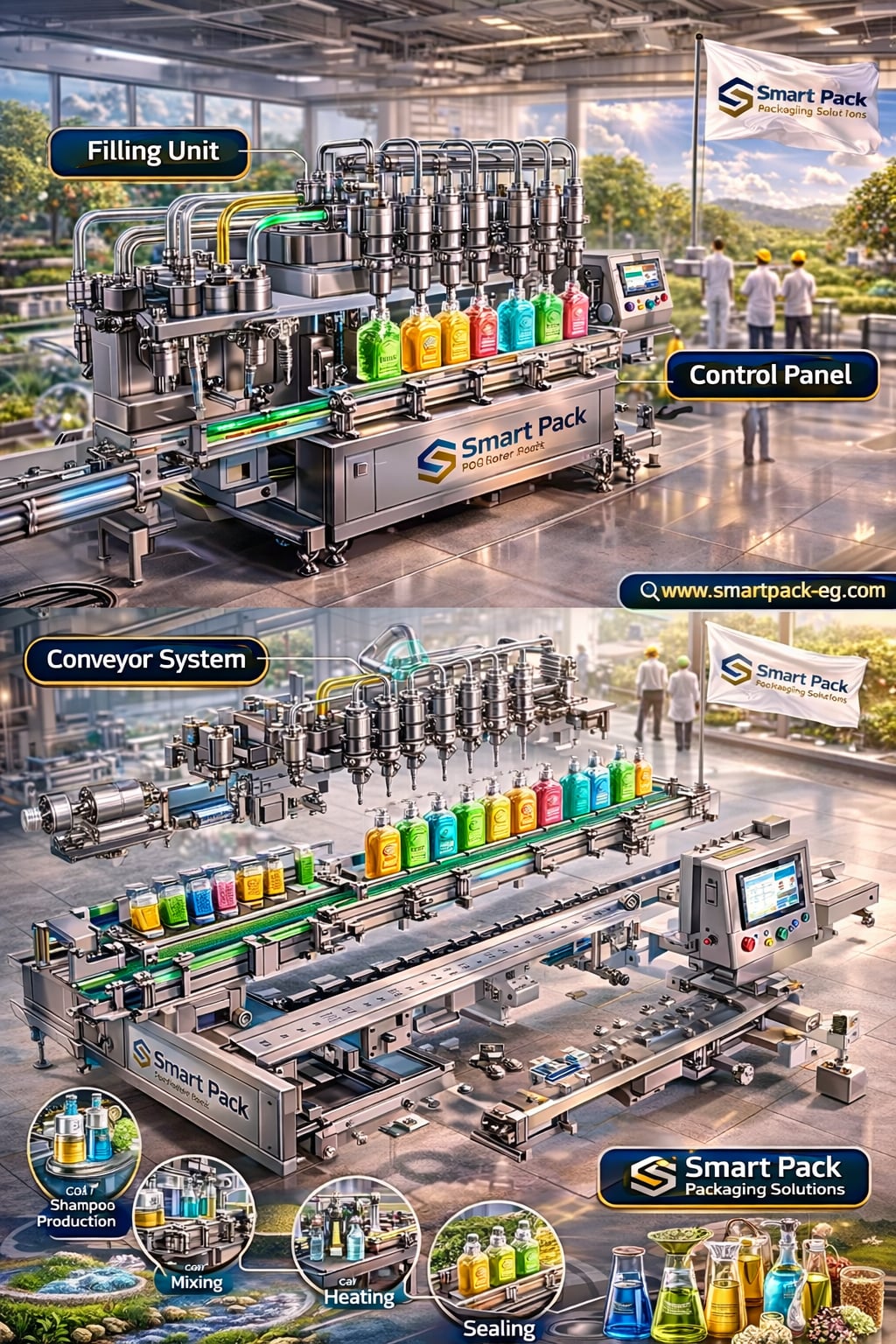
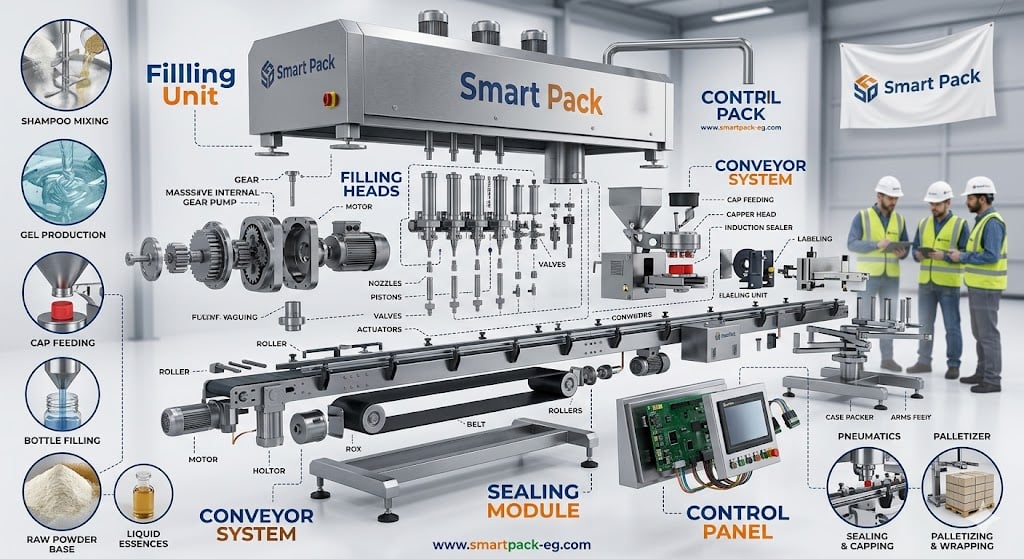
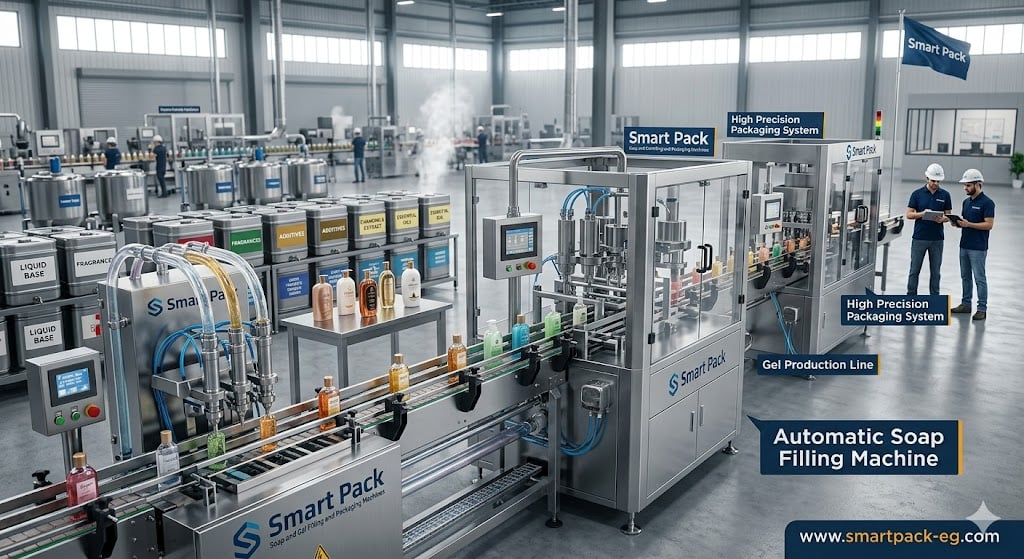
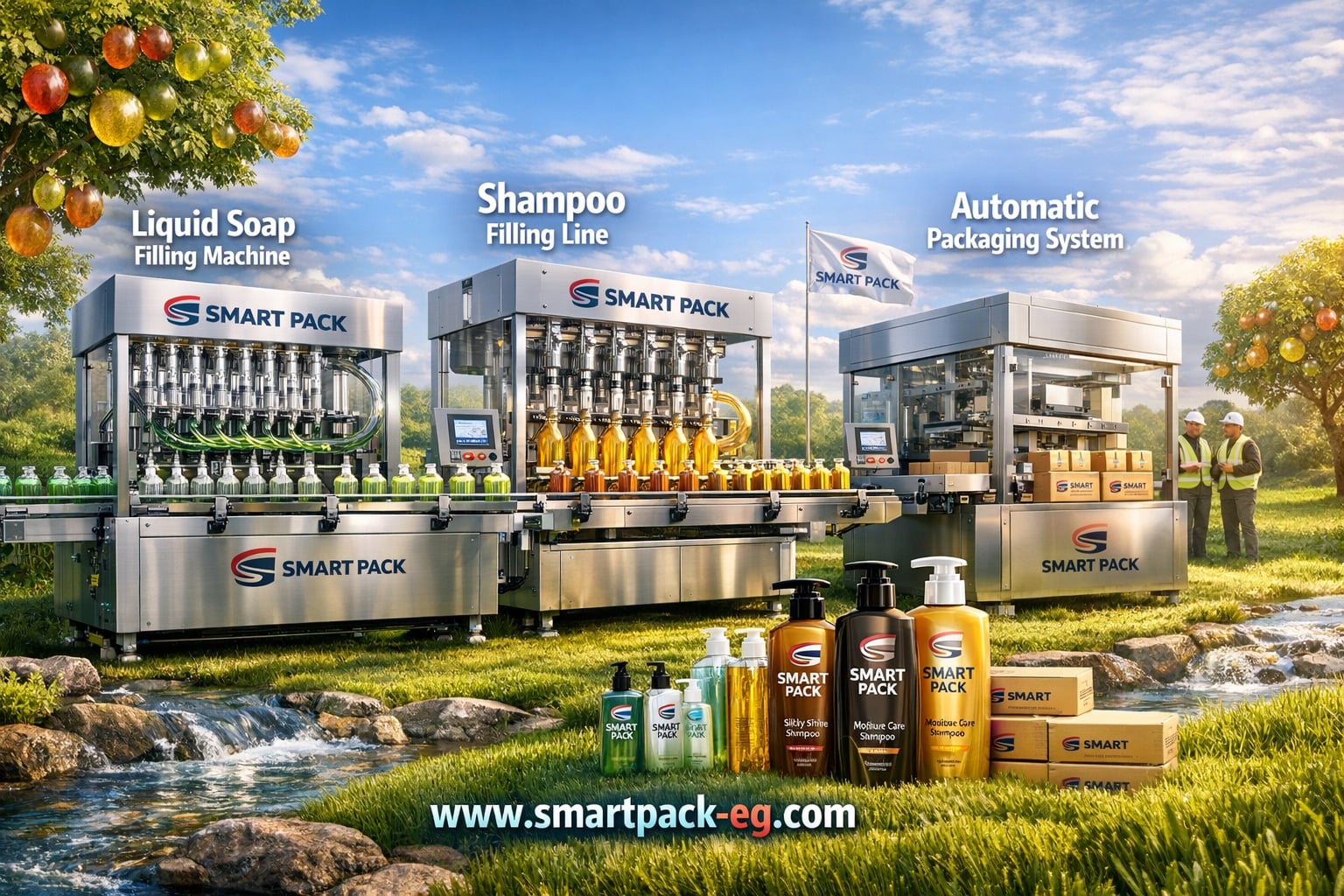
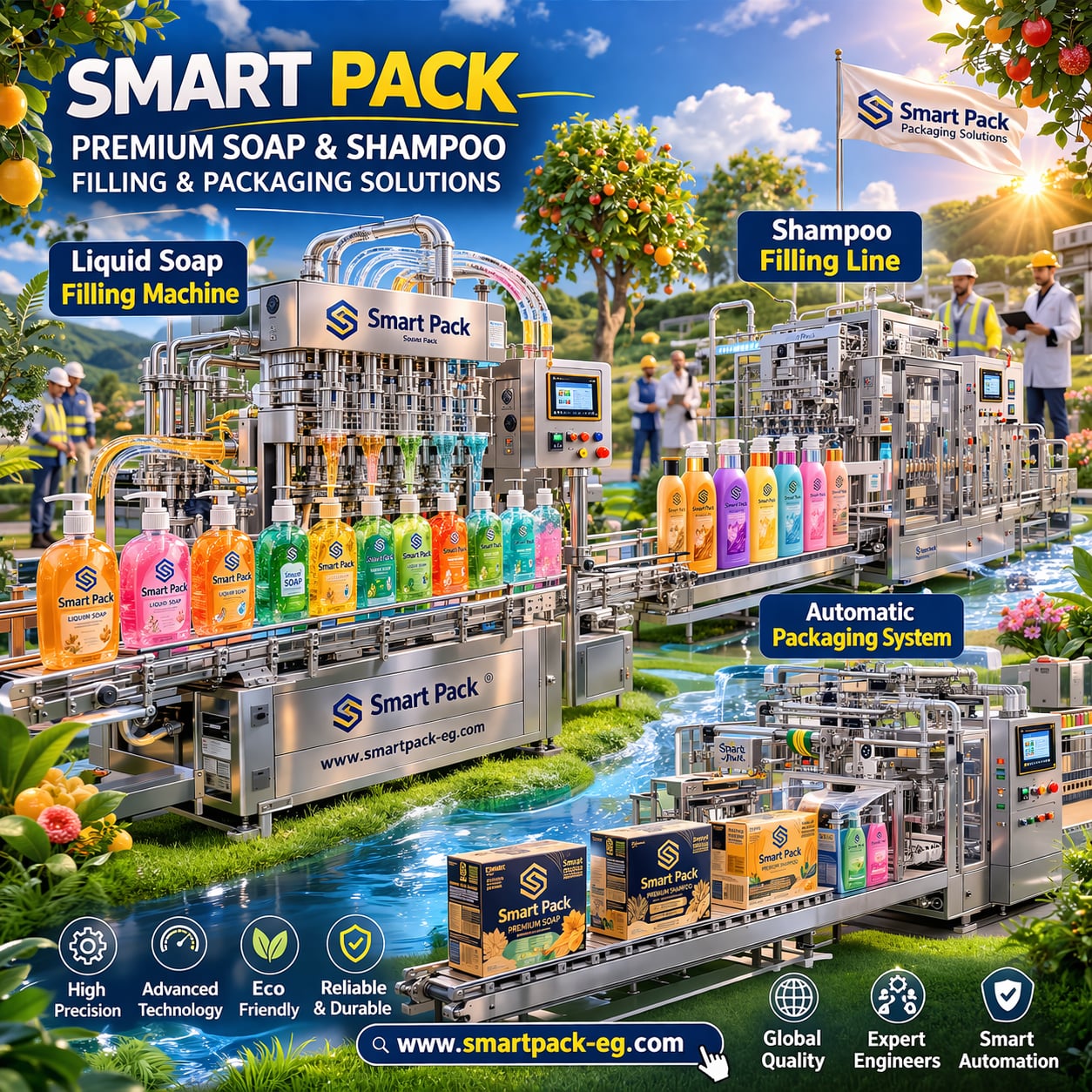
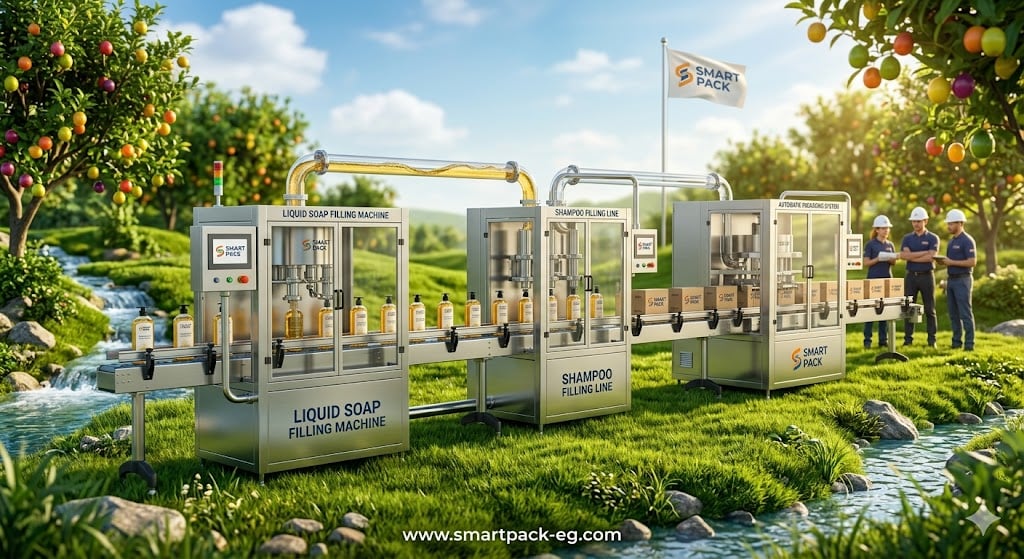
Filling and packaging are not merely mechanical steps—they are strategic components of the product itself, directly influencing consumer acceptance and market access. Modern filling and packaging machines enable:
-
Precise volume control
-
Secure sealing that minimizes waste
-
Enhanced visual appeal for marketing
-
Accurate handling of viscous and liquid materials
Suitable Filling Machines and Production Lines
| Product Type | Machine Type | Industrial Application |
|---|---|---|
| Liquid soap | Liquid filling machine | Small and medium containers |
| Shampoo | Integrated liquid filling machine | Dedicated shampoo lines |
| Shower gel | Gel filling machine | Multiple container formats |
| Integrated production | Complete filling & packaging line | High-volume, scalable production |
The right equipment selection should align not only with product type but also with planned demand and future expansion strategies.
Market Outlook and Profitability Potential
The liquid soap and shampoo industry continues to grow globally due to rising hygiene awareness and improved purchasing power. Market studies indicate increasing annual consumption, creating strong opportunities for attractive returns—especially when production efficiency is combined with reliable distribution channels.
Smart Tips Before Investing in Machines and Production Lines
Before setting up or expanding your factory, it is essential to:
-
Define real market size and demand levels
-
Choose machines capable of precise temperature control, mixing, and homogenization
-
Select flexible production lines that can be upgraded as demand grows
-
Work with suppliers that provide technical support and consulting before and after sales
These factors directly impact operational stability and long-term profitability.
Frequently Asked Questions
What is the difference between liquid soap and shampoo manufacturing?
The difference lies in ingredient types and active formulation requirements based on intended use.
Can multiple products be manufactured in the same factory?
Yes. Flexible production lines can produce liquid soap, gel, and shampoo with minor adjustments.
Does filling and packaging affect profitability?
Absolutely. Professional packaging influences product perception and purchasing decisions.
What level of investment is needed for a small factory?
Investment depends on capacity and selected equipment, but it can be scaled gradually.
When does return on investment typically begin?
With efficient operations and marketing, ROI often appears within the first year.
The Right Investment Decision Starts with an Integrated Production Line
Manufacturing liquid soap, gel, and shampoo is not about producing a single item—it is about building an integrated industrial system that opens real opportunities across multiple markets.
Factories that invest in the right filling and packaging machines, robust production lines, and work with experienced suppliers can achieve faster growth and higher profitability.
Smart Pack delivers integrated industrial solutions that include:
-
Pre-purchase technical consultations
-
Recommendations for high-quality equipment
-
Custom-designed filling and packaging lines
-
Ongoing after-sales technical support
If you’d like, I can also:
-
Optimize this content with targeted SEO keywords
-
Convert it into a sales or landing page
-
Adapt it for a specific local or export market
Ready for the next step.