 Admin
Admin Disinfectant Manufacturing: Turning a Chemical Product into a Profitable Integrated Industrial Project
The modern disinfectant market is no longer limited to traditional household use. It has expanded into large-scale industrial and commercial sectors such as:
-
Food processing factories
-
Hospitals and medical centers
-
Cleaning and facility management companies
-
Educational institutions
-
Wholesale and retail markets
These sectors do not rely on basic or unreliable products. They require high-performance disinfectants with effective formulations, strong antimicrobial action, standardized packaging, and professional filling that ensures product stability during storage and transportation.
In this context, disinfectant manufacturing is not a short-term venture—it is a fully integrated industrial sector with clear financial returns, capable of creating manufacturing, filling, and packaging opportunities connected to long-term supply chains.
Why Is Demand for Disinfectants Strong and Sustainable?
Demand for disinfectants is directly linked to:
-
Modern occupational health and safety standards
-
Mandatory sanitation requirements in industrial facilities
-
Growing public health awareness
-
Disease prevention and epidemic preparedness
These factors ensure that disinfectant demand is non-seasonal and continuously growing, making large-scale disinfectant manufacturing an excellent industrial investment opportunity.
Core Disinfectant Formulation Components and Application Differences
Household and industrial disinfectants rely on balanced chemical formulations designed to ensure:
-
Effective action against bacteria and viruses
-
Compatibility with targeted surfaces
-
Long-term stability of active ingredients
Key industrial components typically include:
-
Antimicrobial compounds at controlled concentrations
-
Emulsifying agents for uniform mixing
-
Stabilizers to enhance shelf life
-
Solvents that improve surface distribution
Formulation concentrations can be adjusted depending on whether the product is intended for domestic or industrial use, ensuring appropriate disinfection strength.
Manufacturing Stages in Modern Disinfectant Plants
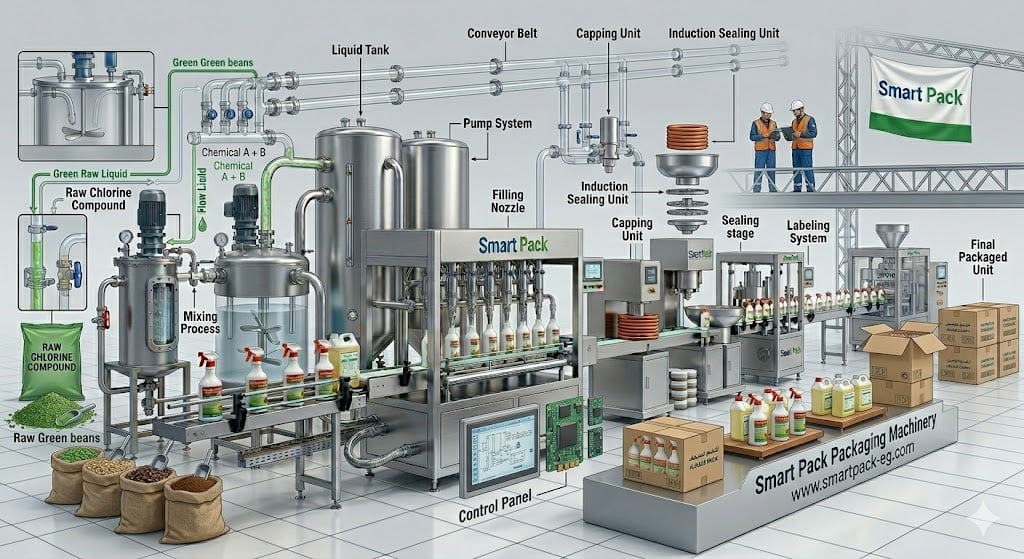
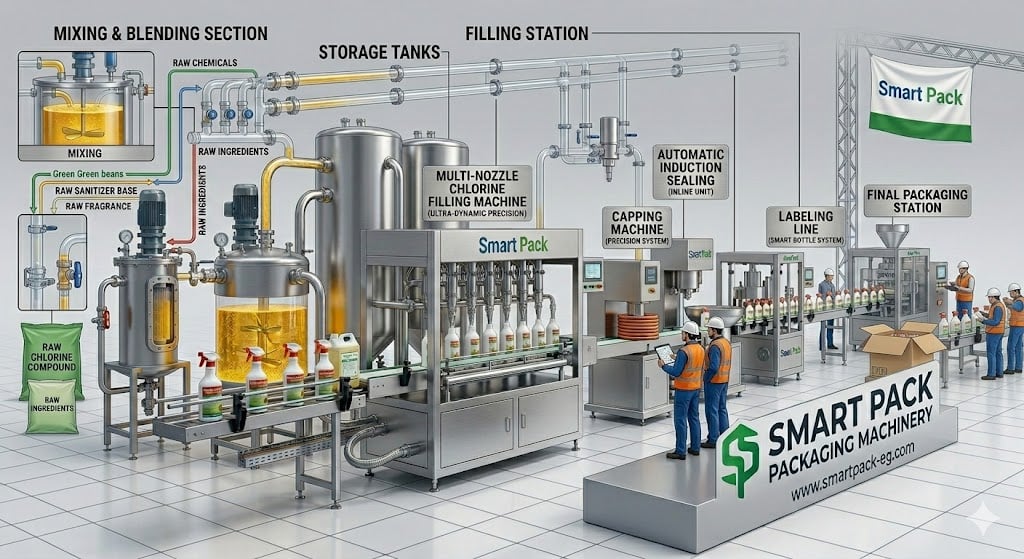
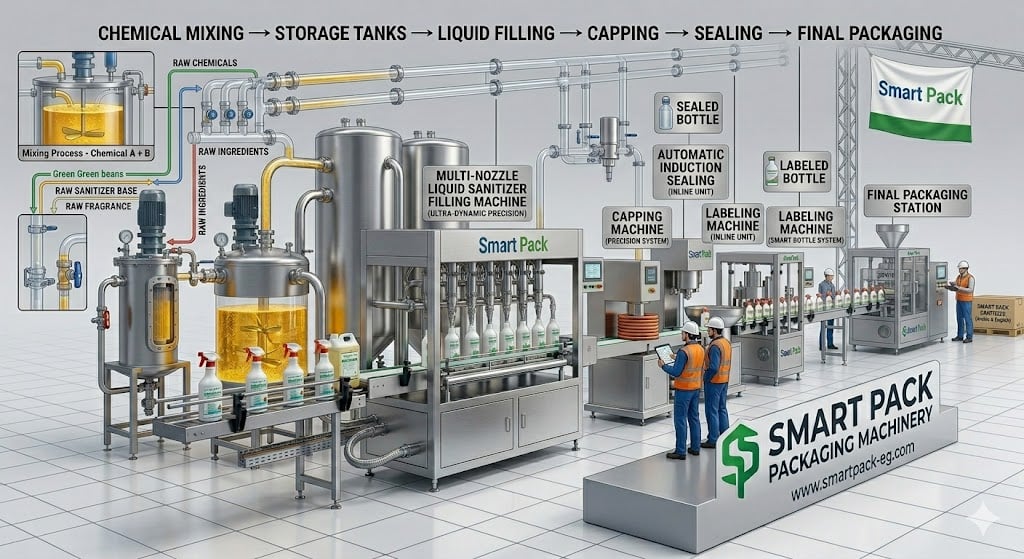
Advanced industrial disinfectant manufacturing follows several essential stages:
Raw Material Preparation
Careful selection of high-quality raw materials that comply with industrial and regulatory standards.
Mixing and Processing
Conducted in specialized tanks with controlled temperature and homogenization systems to ensure proper dispersion of active ingredients.
Testing and Quality Verification
Laboratory tests verify concentration levels, antimicrobial effectiveness, and microbiological stability before filling.
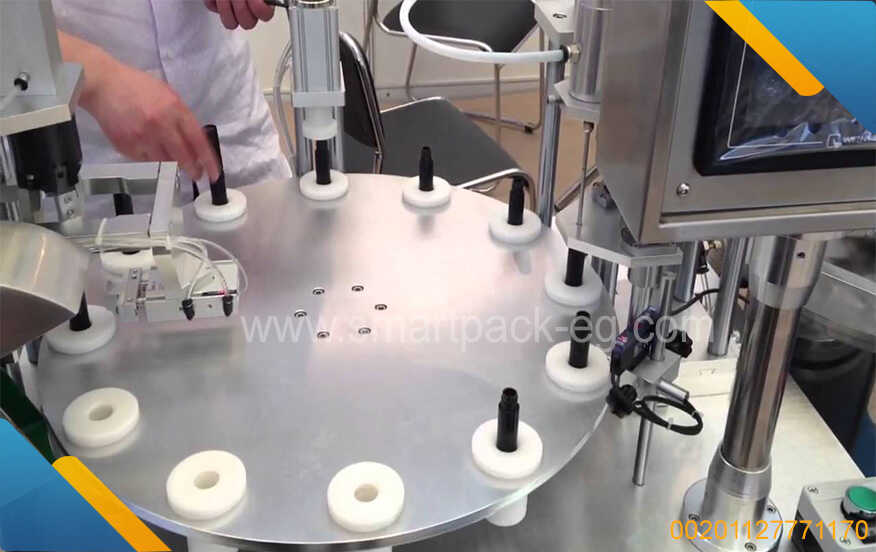
Filling and Packaging
A critical stage that transforms the formulation into a market-ready commercial product, using packaging that preserves effectiveness and ensures ease of use.
Filling and Packaging: The Engine of Commercial Value
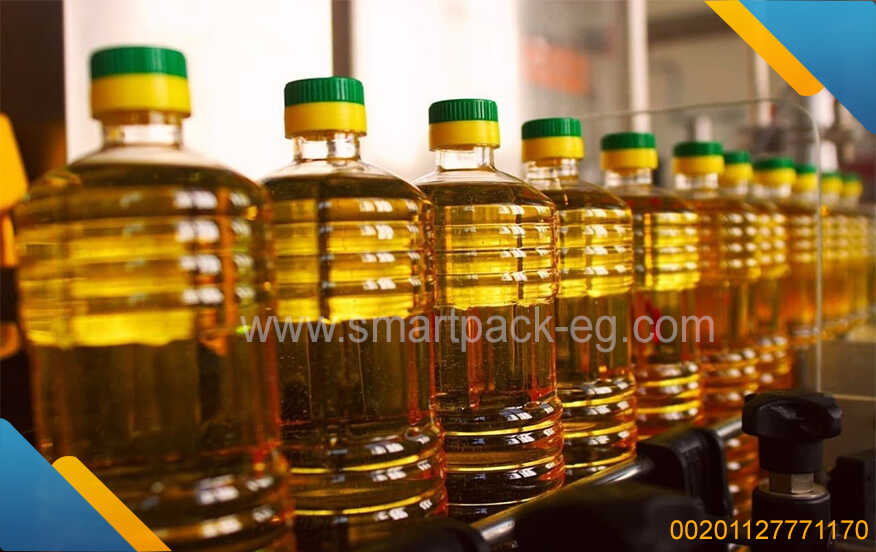
In disinfectant manufacturing, filling and packaging are not merely operational steps—they are key commercial and marketing drivers that directly influence:
-
Product safety during storage and transport
-
Customer perception and brand credibility
-
Market access at local and international levels
-
The manufacturer’s overall marketing strength
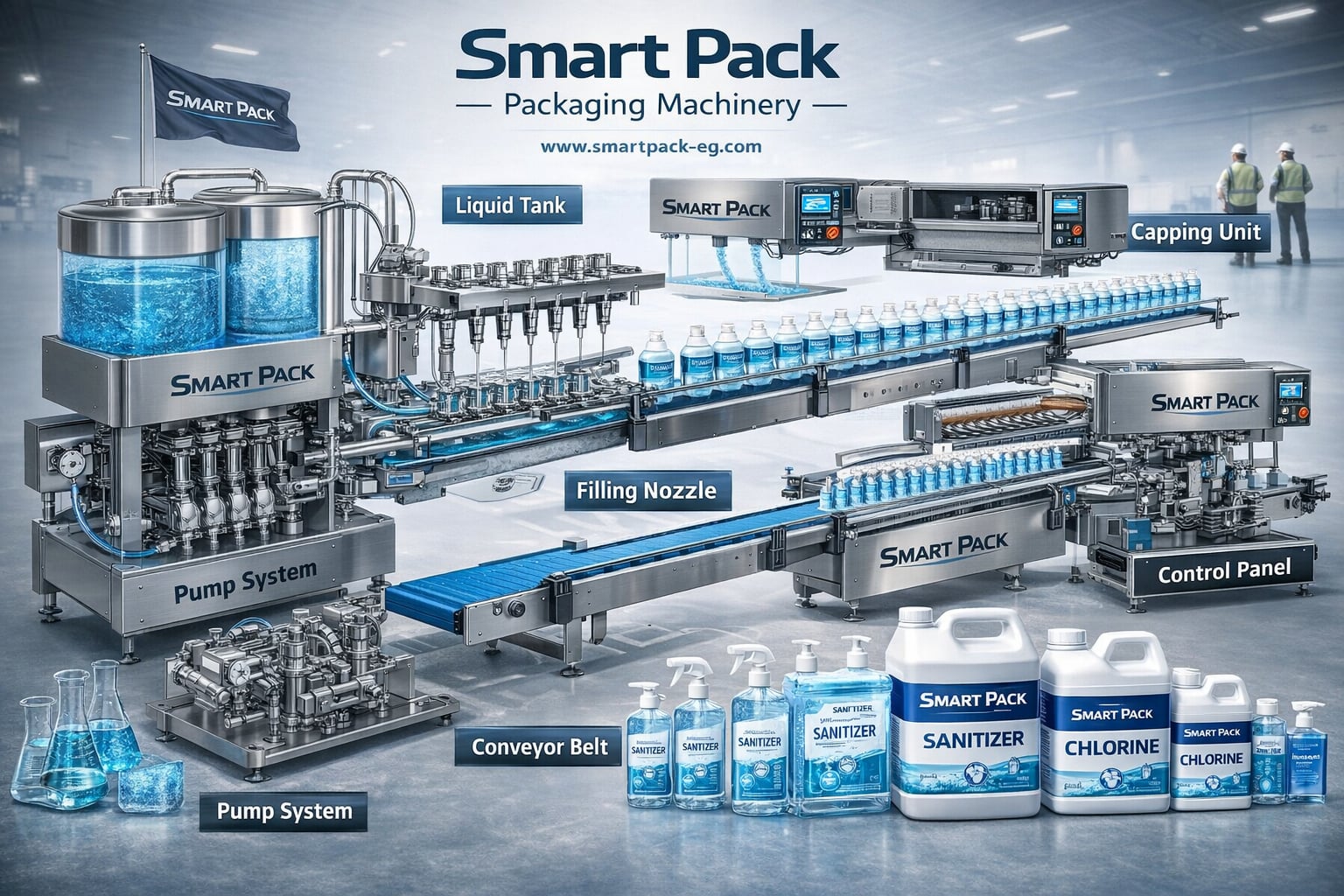
Proper filling systems ensure:
-
High filling accuracy
-
Leak-proof sealing
-
Production speeds aligned with market demand
-
Flexible container sizes (from 250 ml bottles to 20-liter jerrycans and beyond)
Selecting the Right Filling and Packaging Equipment
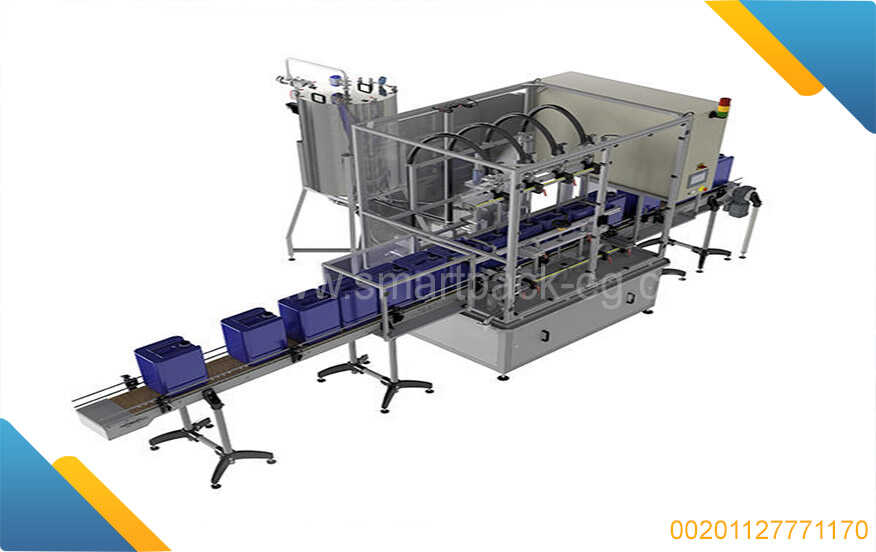
| Market Scale | Machine Type | Notes |
|---|---|---|
| Small factories | Semi-automatic liquid filling machine | Ideal for startups |
| Medium factories | Automatic liquid filling machine | Higher speed and precision |
| High-volume production | Complete filling and packaging line | Large capacity and operational stability |
| Large supply contracts | Fully integrated automatic line | Best for export-oriented factories |
Equipment selection should be based not on price alone, but on target market size and future expansion plans.
Integrated Production Lines Deliver Stability and Competitive Strength
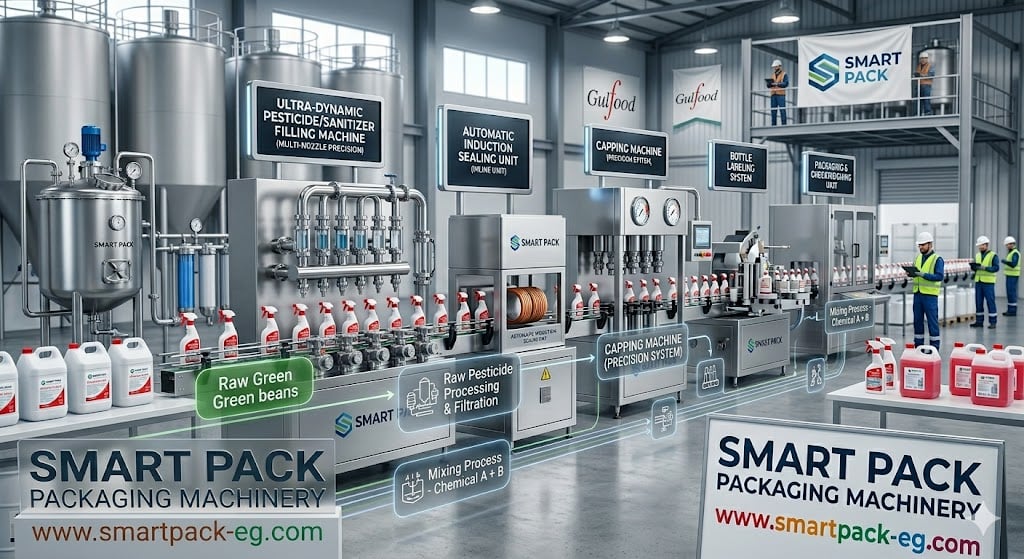
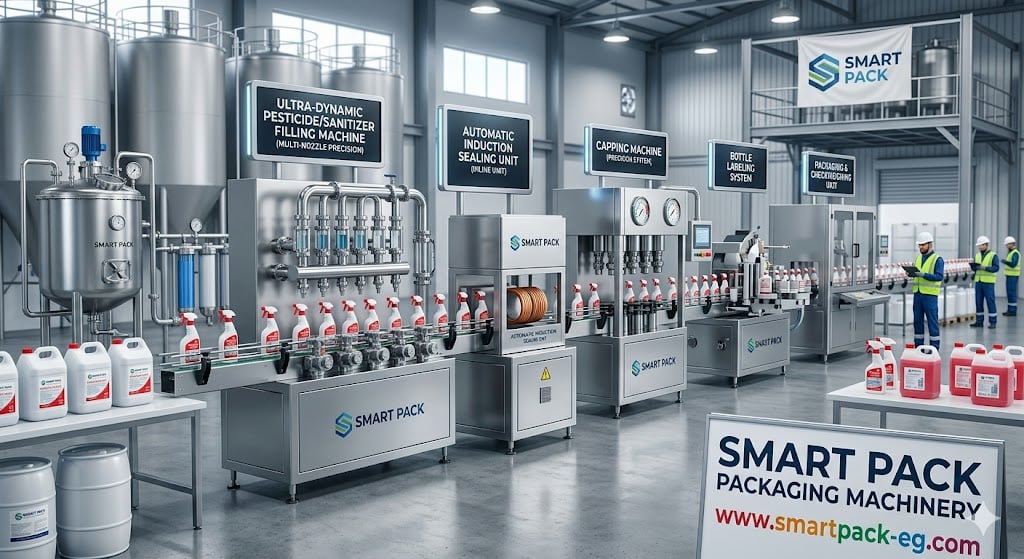
Relying on integrated production lines in disinfectant manufacturing provides:
-
Seamless coordination between production stages
-
Reduced downtime and human error
-
Capacity to fulfill large-scale orders
-
Flexibility to add new products such as hand sanitizers or spray disinfectants
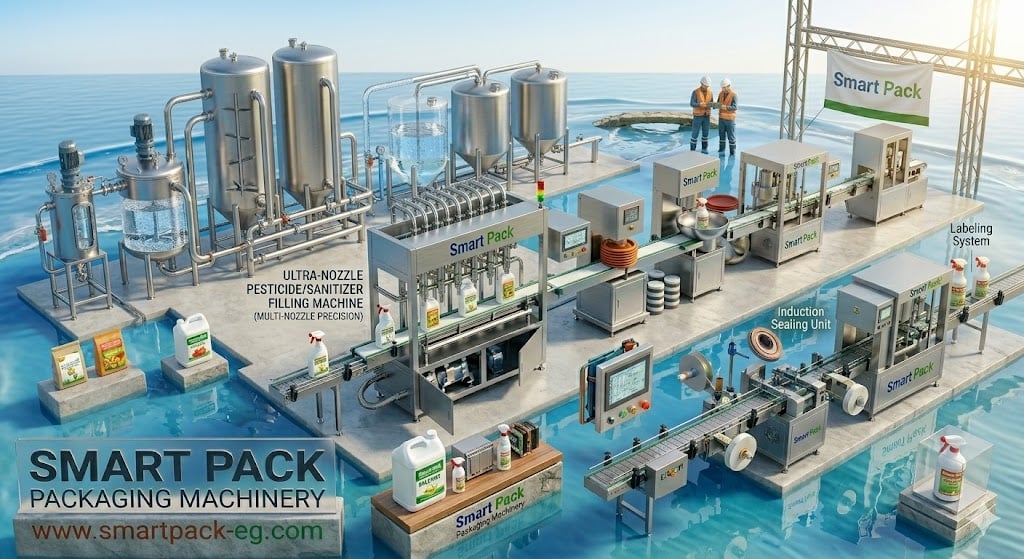
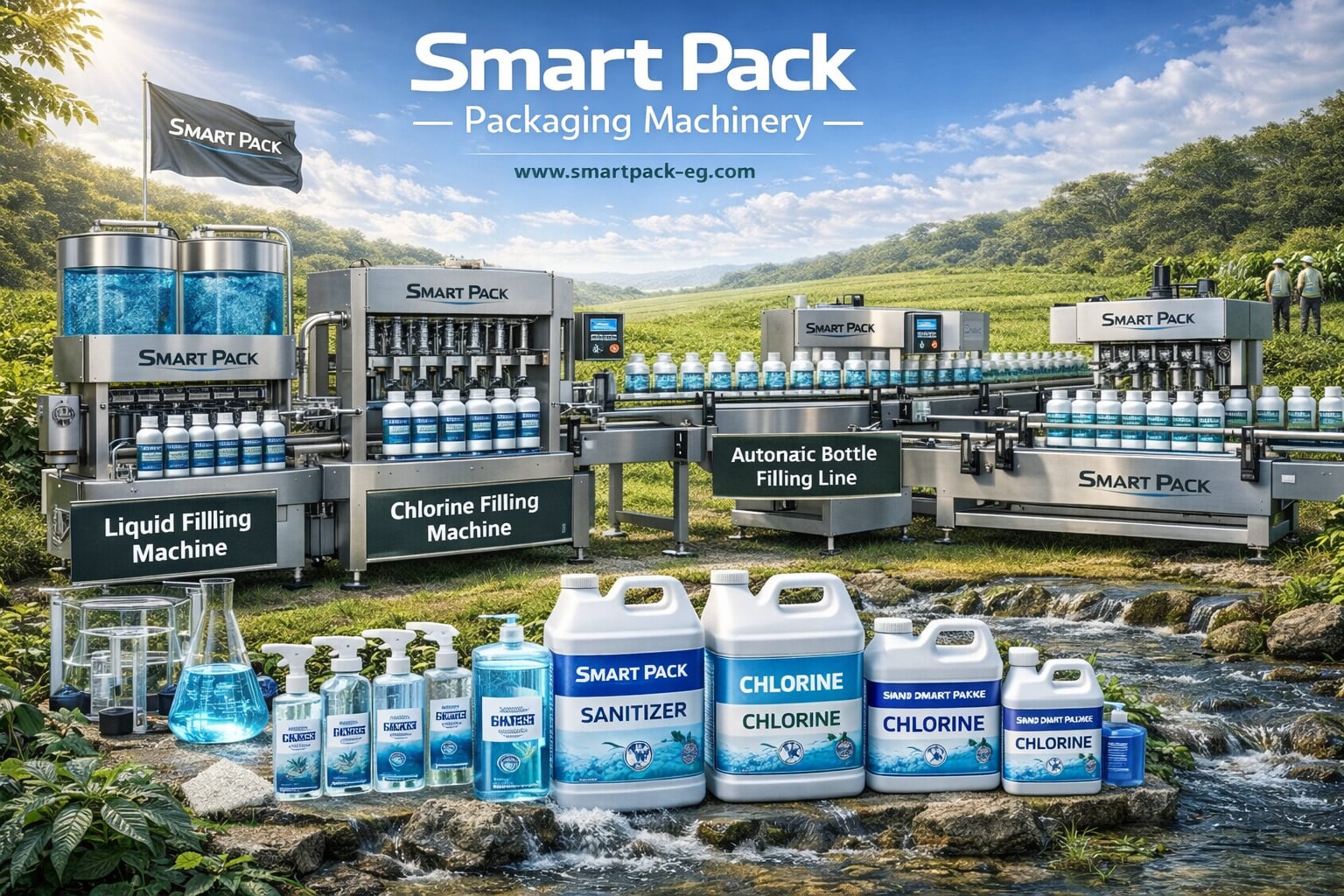
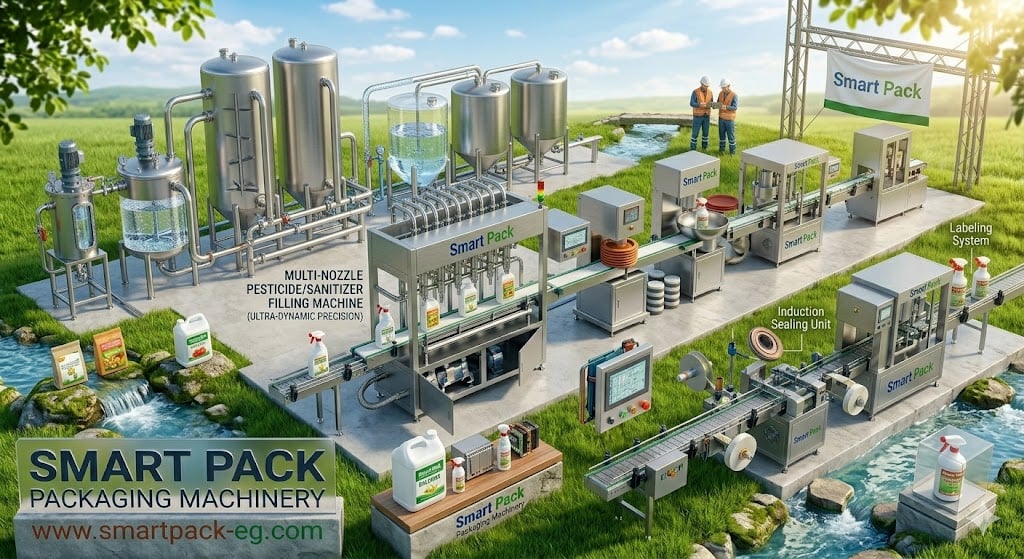
Many successful factories depend on fully engineered production lines supported by specialized filling and packaging experts—not just standalone machines.
Market Analysis and Expected Costs
Production costs typically include:
-
Raw materials
-
Mixing and monitoring equipment
-
Filling and packaging machines
-
Operating costs (labor, energy, maintenance)
In return, manufacturers can achieve:
-
Strong profit margins
-
Long-term supply contracts
-
Fast capital turnover
-
Real export opportunities
Supplying commercial facilities and cleaning service companies significantly improves financial stability and reduces dependence on local retail markets.
Smart Investment Tips Before Purchasing Filling and Production Lines
To maximize returns from a disinfectant manufacturing project:
-
Accurately define your real market demand
-
Select packaging formats suited to each market segment
-
Choose machines compatible with liquid chemical products
-
Verify maintenance capabilities and after-sales support
-
Calculate future production capacity—not just current needs
This level of planning significantly reduces operational risk and improves return on investment.
Is Disinfectant Manufacturing Suitable for Medium-Scale Factories?
Yes. Many factories start with flexible production lines and expand as demand grows.
What Is the Difference Between Household and Industrial Disinfectants?
Primarily the concentration of active ingredients and the packaging format.
Can the Project Export Products?
Yes, when international quality and packaging standards are met.
Does Packaging Affect Marketing Performance?
Absolutely. Professional packaging directly reflects product quality and market value.
When Does the Project Typically Break Even?
Often within a relatively short period when production and marketing are well managed.
The Smart Industrial Decision Starts with the Right Supplier
Manufacturing disinfectants to industrial standards requires more than a formulation—it requires robust, integrated production lines that enable real market competitiveness.
Factories that work with experienced filling and packaging solution providers such as Smart Pack benefit from:
-
Pre-purchase technical consulting
-
Custom production line design
-
Filling and packaging machines suitable for chemical liquids
-
Continuous technical support
This approach ensures higher product quality, stable operations, and stronger long-term financial returns.