
 Admin
Admin Insecticide Manufacturing in Jordan: From Local Expertise to a Scalable Industrial Project
Insecticide manufacturing has become a core segment of the agricultural chemical industry worldwide due to its critical role in crop protection and agricultural productivity. In Jordan, specialized factories manufacture agricultural and insecticides in compliance with strict quality, registration, and export standards. This proven expertise demonstrates the strong potential to transfer local know-how into profitable and stable industrial projects serving local, regional, and international markets.
What Are Insecticides and How Are They Used Industrially?
Insecticides are chemical compounds designed to eliminate or control insect populations in agricultural fields and storage environments. They are typically manufactured in forms such as:
-
Liquid concentrates
-
Emulsifiable concentrates
-
Wettable powders
These products are later diluted or mixed according to application requirements.
They play a vital role in crop protection, loss prevention during storage, and improving agricultural yields—making them highly demanded products in modern farming systems.
Why Is Insecticide Manufacturing a Profitable Industrial Business?
Many countries rely heavily on imported insecticides. Establishing local manufacturing lines offers several strategic advantages:
-
Supply chain stability
-
Greater quality control
-
Ability to customize formulations for regional needs
-
Reduced import costs
-
Export and supply opportunities to neighboring markets
Jordan’s experience shows that local factories can produce insecticides meeting international safety and quality standards and successfully export to markets such as Egypt and others under regulated licensing frameworks.
Key Components Used in Industrial Insecticides
Industrial insecticides are based on active chemical ingredients that affect the insect nervous or digestive systems, including compounds such as:
-
Pyrethroids
-
Organophosphates
-
Carbamates
These active ingredients are blended with solvents and stabilizing dispersing agents to ensure ease of application and consistent performance.
In most cases, factories do not synthesize these actives from scratch but formulate and process approved active ingredients according to modern agricultural standards.
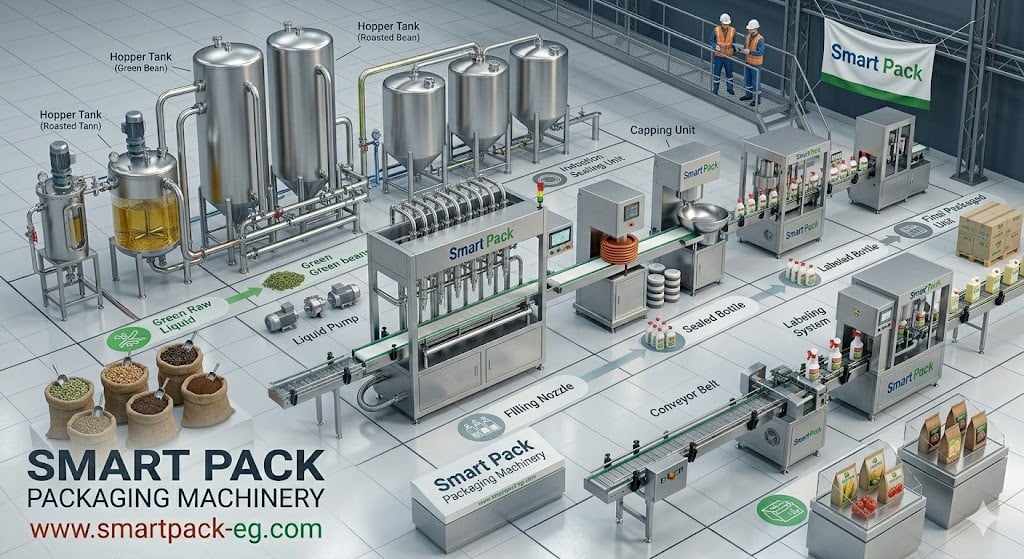
Manufacturing Stages in an Industrial Insecticide Plant
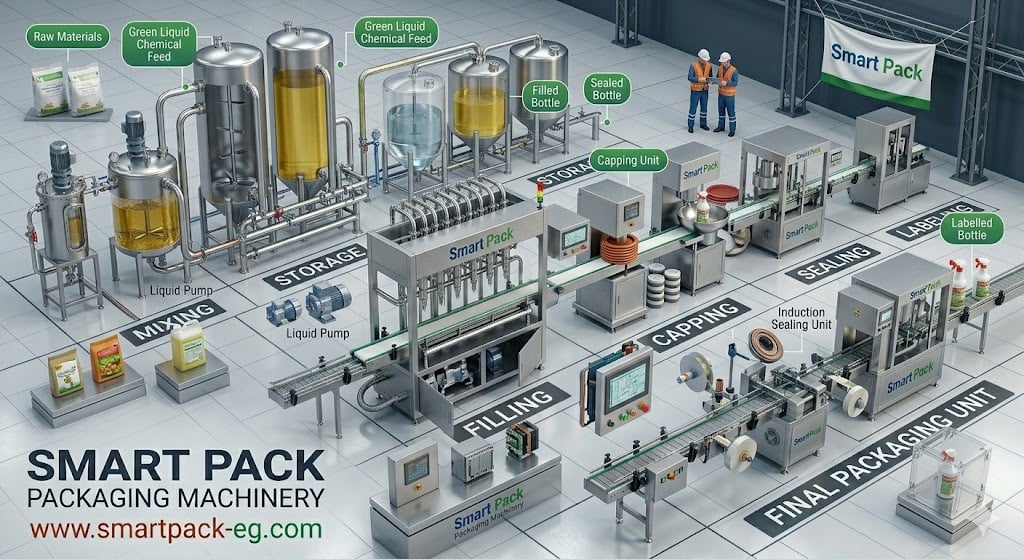
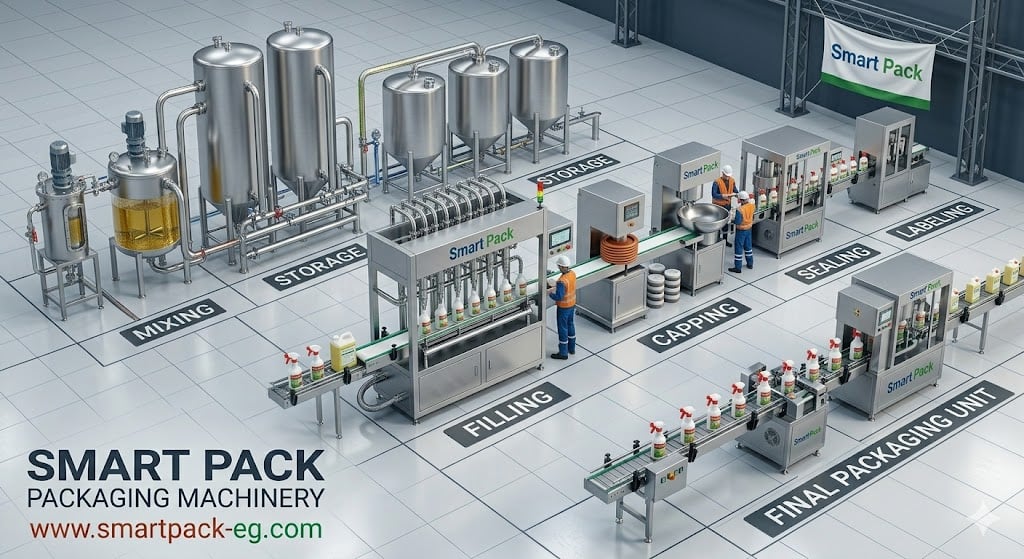
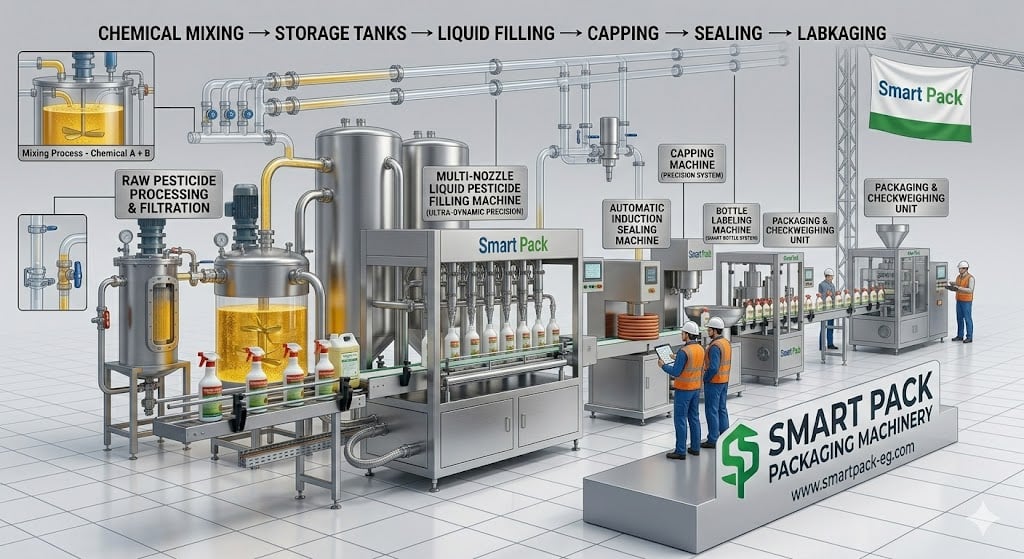
An insecticide production line consists of integrated industrial stages, including:
Raw Material Receiving and Inspection
Raw materials are received and tested to ensure compliance with specifications and regulatory requirements before entering production.
Mixing and Formulation
High-efficiency mixing tanks are used to blend active ingredients with solvents and additives, producing a homogeneous and storage-stable formulation.
Quality Control
Before filling, laboratory tests confirm active ingredient concentration and evaluate properties such as stability, solubility, and emulsion quality.
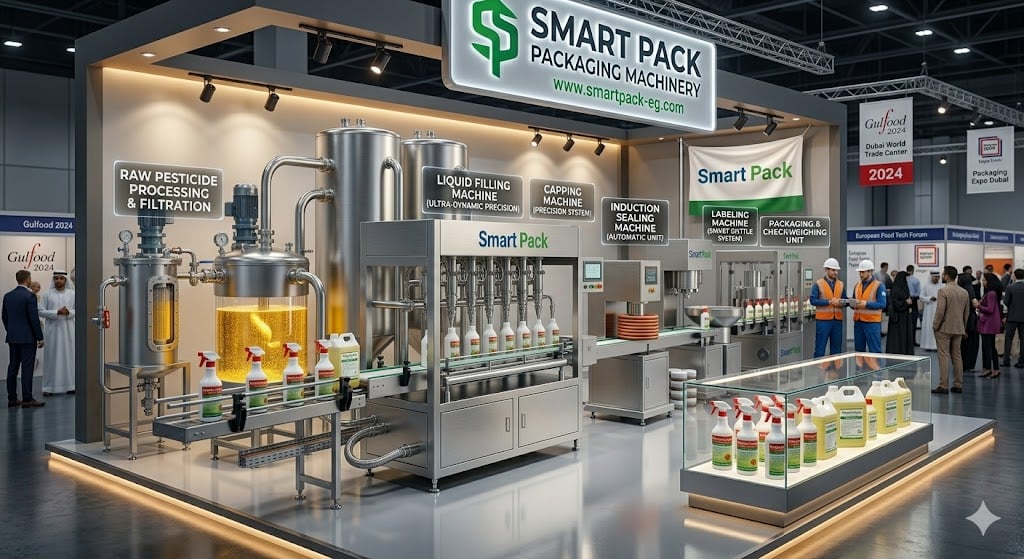
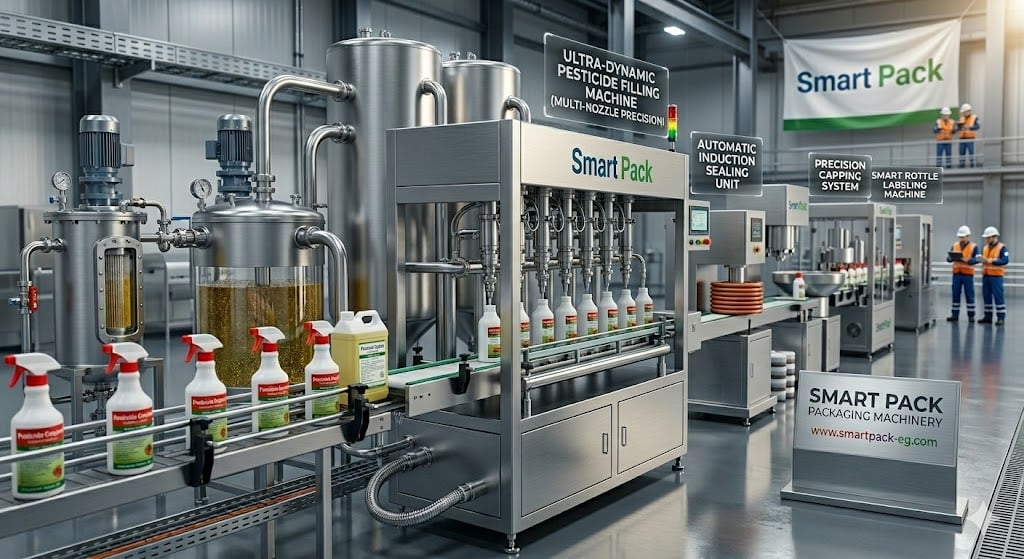
Filling and Packaging: The Core of a Market-Ready Product
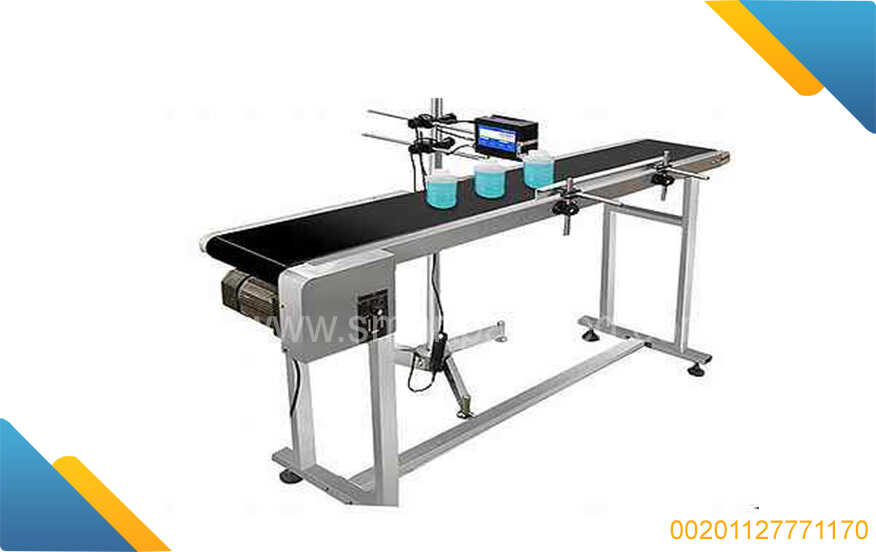
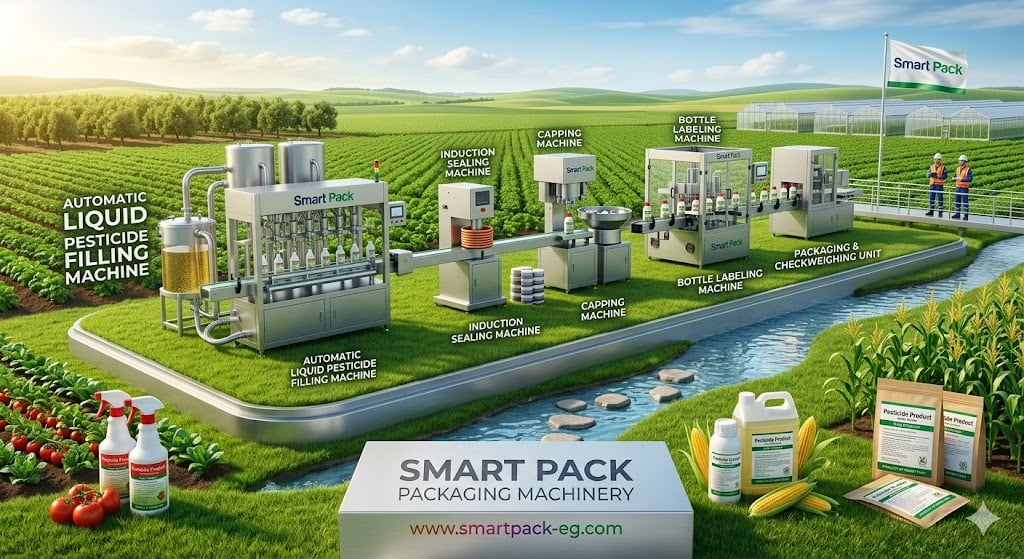
Once formulation and quality approval are complete, filling and packaging transform the product into a market-ready commodity. This stage includes:
-
Selection of safe containers and sealing systems
-
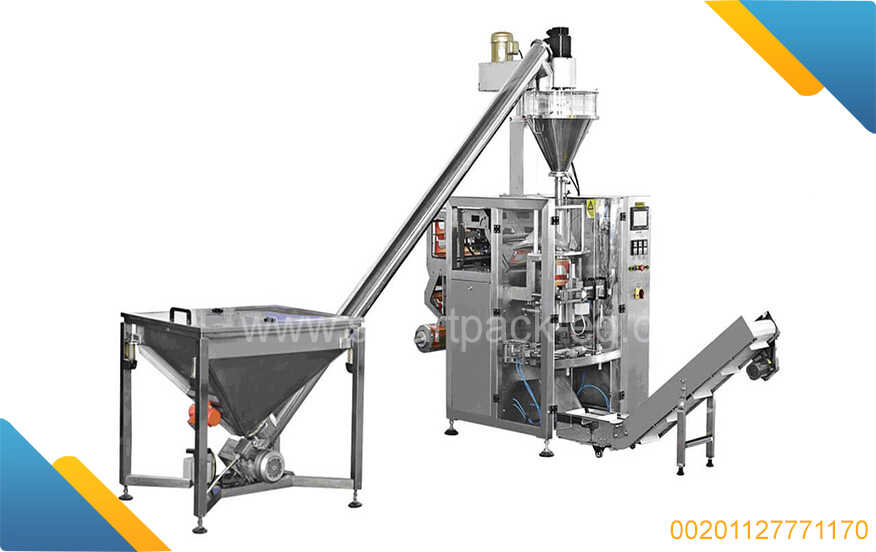
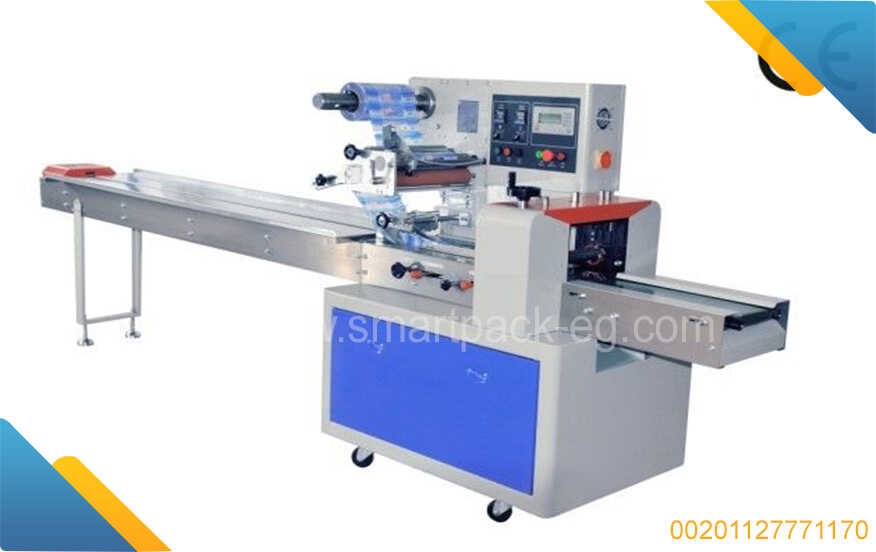
Automatic or semi-automatic filling units
-
Clear labeling with safety instructions and warnings
Proper packaging not only protects product quality during transport and storage but also enhances competitiveness when marketing to farmers and commercial buyers.
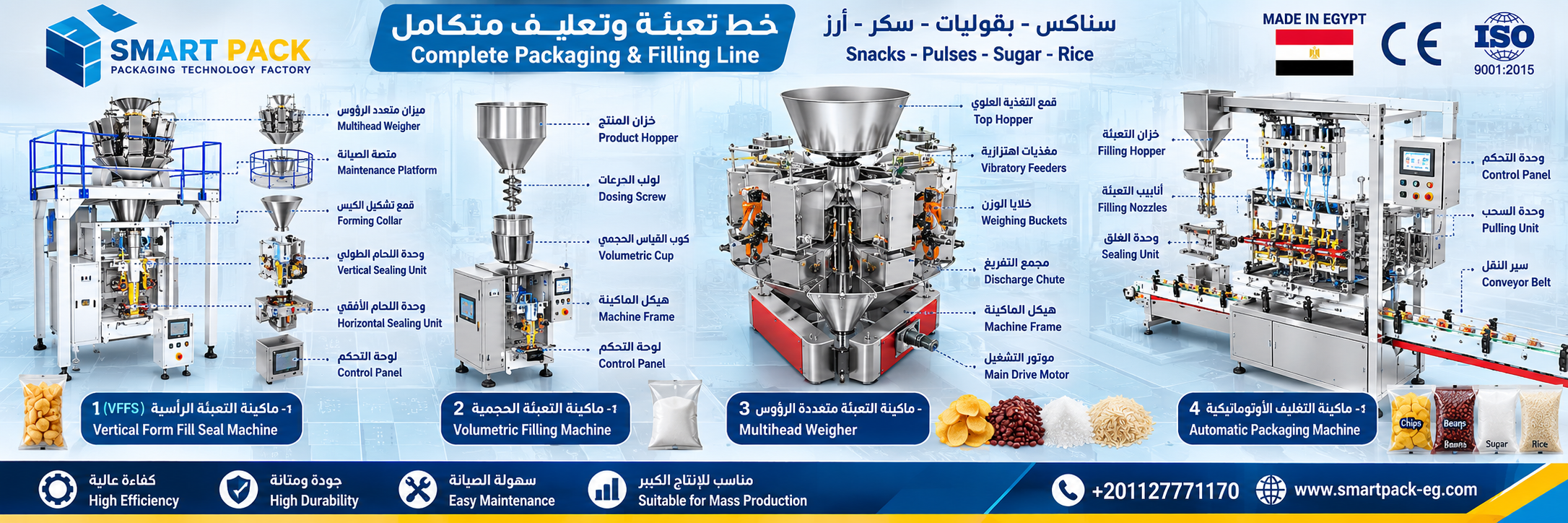
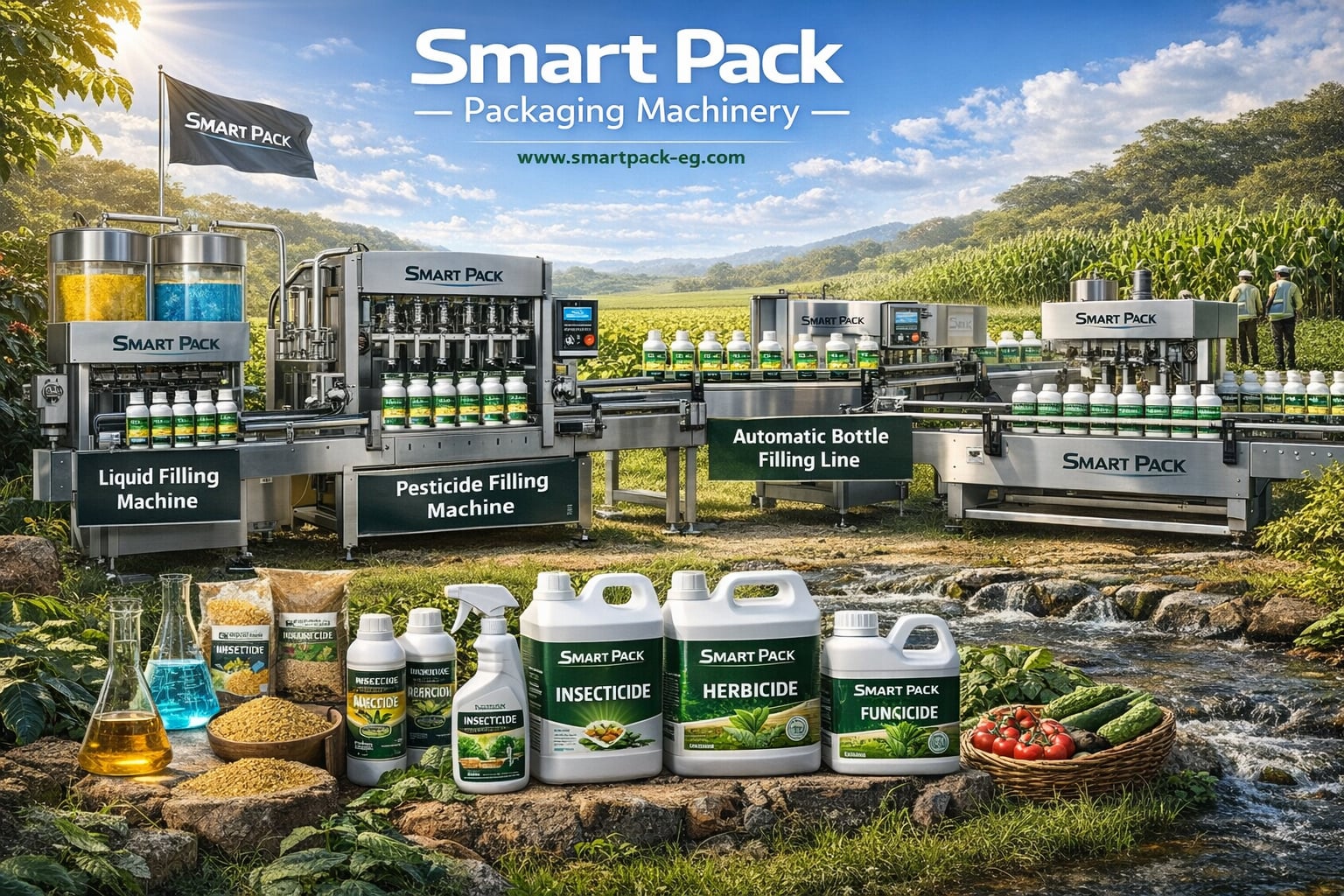
Suitable Filling Machines and Production Lines
| Product Type | Machine Type | Application |
|---|---|---|
| Concentrated liquid insecticides | Liquid filling machine | Small and medium containers |
| Wettable formulations | Liquid / bulk filling machine | Faster output |
| Medium-scale production | Semi-automatic filling line | Medium factories |
| Full-scale production | Fully automatic filling line | High-volume manufacturing |
Selecting the right equipment is a strategic industrial decision tied to future expansion plans and expected contract volumes.
Registration and Licensing Requirements in Jordan
Insecticide manufacturing in Jordan is governed by strict regulatory requirements, including:
-
Registration of active ingredients and commercial products
-
Manufacturing licenses from relevant authorities
-
Toxicity and efficacy testing to ensure environmental and human safety
-
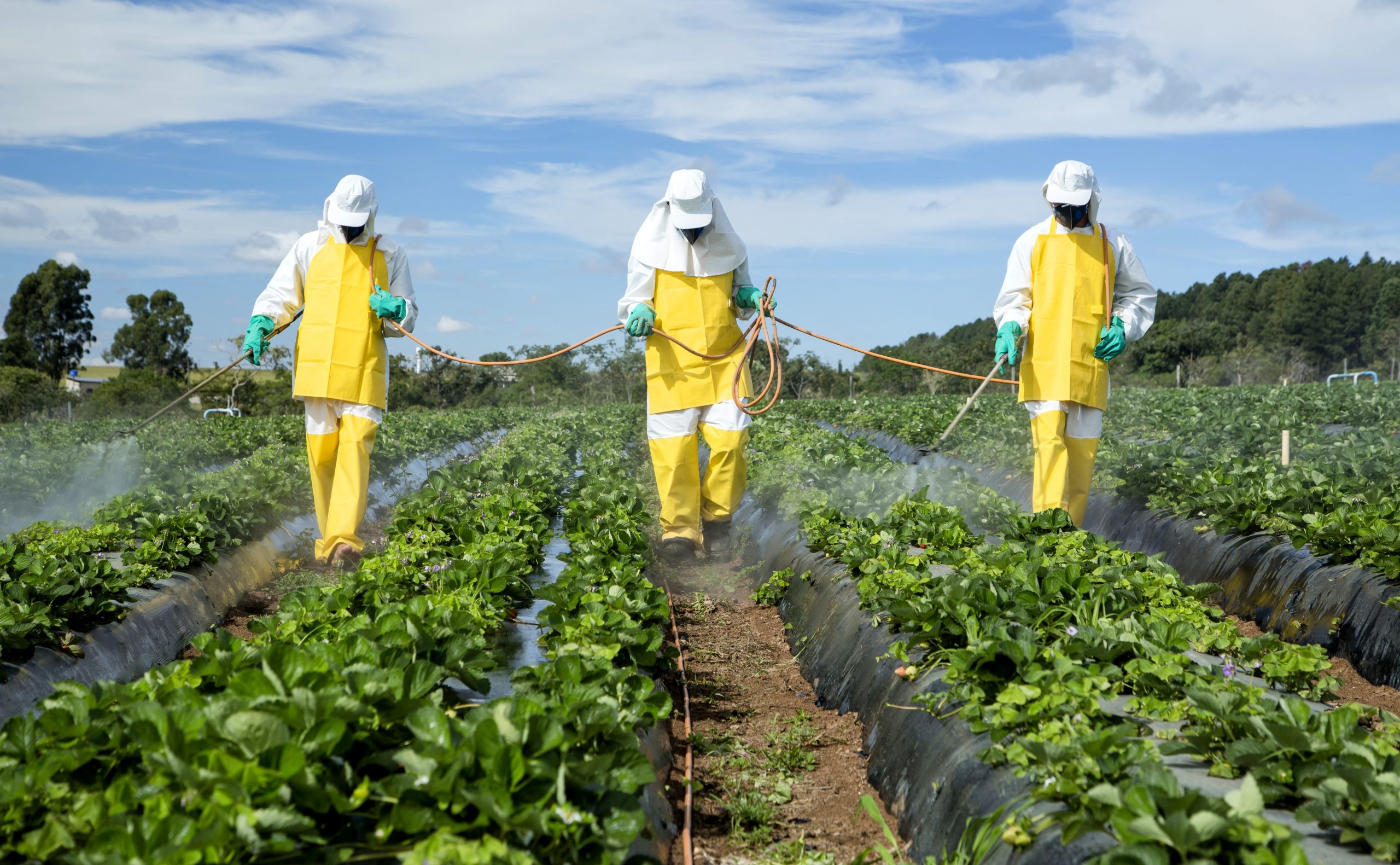
Compliance with occupational health and safety regulations
These requirements ensure that products are safe, market-accepted, and export-ready.
Market Analysis and Profitability Outlook
The insecticide market is closely tied to agriculture and continues to grow due to:
-
Expansion of modern farming practices
-
Need to reduce crop losses
-
Climate change increasing pest pressure
Factories equipped with strong production lines and clear marketing strategies can achieve:
-
Attractive profit margins
-
Stable revenue streams
-
Export opportunities to regional markets
Smart Investment Tips Before Setting Up an Insecticide Plant
Before investing in insecticide manufacturing, it is essential to:
-
Clearly define local and regional market size
-
Calculate capital investment for machines and filling lines
-
Choose scalable equipment that supports future growth
-
Implement a robust occupational safety system
-
Work with suppliers offering full technical and operational support
Investing in the right filling and packaging machinery enables the project to compete effectively and meet large supply contracts.
What Is the Most Critical Stage in Insecticide Manufacturing?
Formulation and mixing control are the most critical stages to ensure product stability, safety, and performance.
Is Insecticide Manufacturing Subject to Licensing?
Yes. Products must be registered and licensed, and manufacturing permits must be obtained before production.
Is Export Possible After Production?
Yes, provided international safety, packaging, and importing-country requirements are met.
What Is the Difference Between Liquid and Wettable Insecticides?
The difference lies in formulation and application method, with each requiring different filling equipment.
Does the Project Require Continuous Technical Support?
Yes, especially for safe operation, maintenance, and regulatory compliance.
The Right Industrial Decision Starts with an Integrated Production Line
Insecticide manufacturing is not merely chemical mixing—it is a strategic industrial project that requires:
-
Safe, high-quality production lines
-
Full regulatory and environmental compliance
-
Professional filling and packaging systems
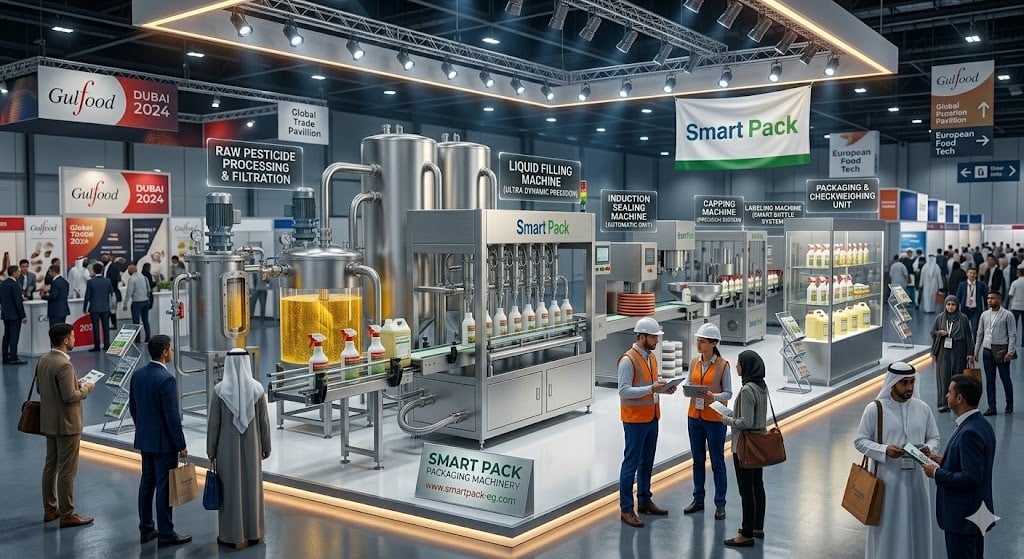
Factories that invest in integrated filling and packaging lines and collaborate with specialized suppliers such as Smart Pack benefit from:
-
Pre- and post-purchase technical support
-
Scalable production solutions
-
Higher operational efficiency
This approach positions insecticide manufacturing projects for sustainable growth and long-term profitability.