 Admin
Admin Cosmetics, Hair Powder & Skincare Products
An Exceptional Industrial Opportunity for Modern Factories
4
With the growing global awareness of health, beauty, and personal care, the cosmetics market is no longer limited to simple consumer products. It has evolved into a large-scale industrial sector offering strong opportunities for investors and factory owners, driven by continuous and growing demand at both local and regional levels.
Products such as skincare formulations, cosmetic creams, and hair powders remain among the most in-demand categories—especially when developed with safe, effective formulations that meet modern market expectations.
Any factory capable of combining scientific formulations, high-quality industrial production, and professional filling & packaging can achieve excellent profit margins and build a strong competitive position in the market.
Why Is Cosmetics Manufacturing a Profitable Industrial Project?
The cosmetics industry covers a wide range of daily-use products, including:
Skin creams and moisturizing formulations
Hair powders, gels, and styling products
Hair removal products
Body lotions and cleansers
General skincare and haircare products
Key advantages of this industry include:
Stable, non-seasonal demand
Wide product diversity allowing multiple production lines
Strong potential for local and regional expansion
High suitability for private label manufacturing
These factors make cosmetics one of the most resilient and scalable industrial sectors.
From Scientific Formulation to Industrial Production
Transitioning from simple recipes to full-scale industrial manufacturing requires deep understanding of:
Active ingredients and their functions
Chemical compatibility and stability
Quality control and regulatory standards
In professional cosmetics factories:
Ingredients are carefully selected
Mixing and homogenization are carried out under strict quality control systems
Products are tested for texture stability, consistency, and shelf life
These production stages are just as critical as the formula itself in ensuring market-ready products.
4
Filling & Packaging: The Core of Cosmetic Product Success
In the cosmetics industry, effectiveness alone is not enough. Products must be delivered in secure, attractive, and professional packaging that reflects quality and builds consumer trust.
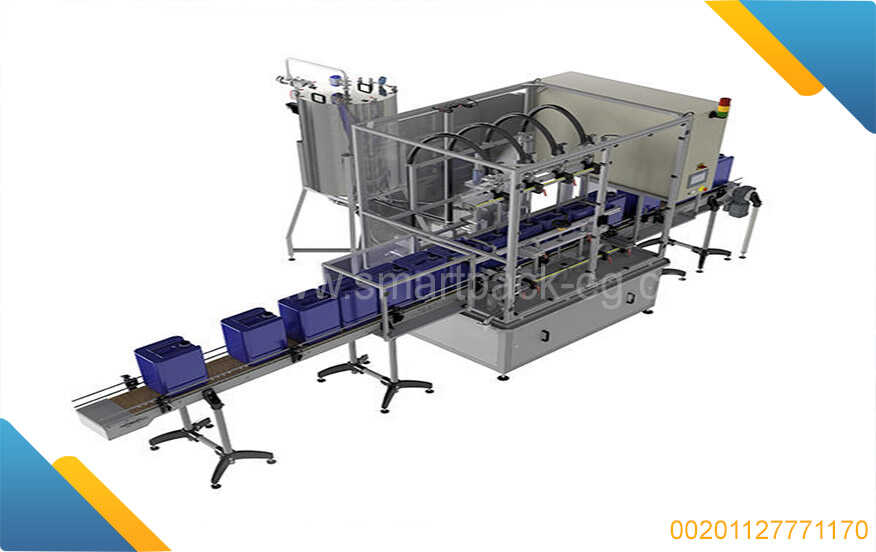
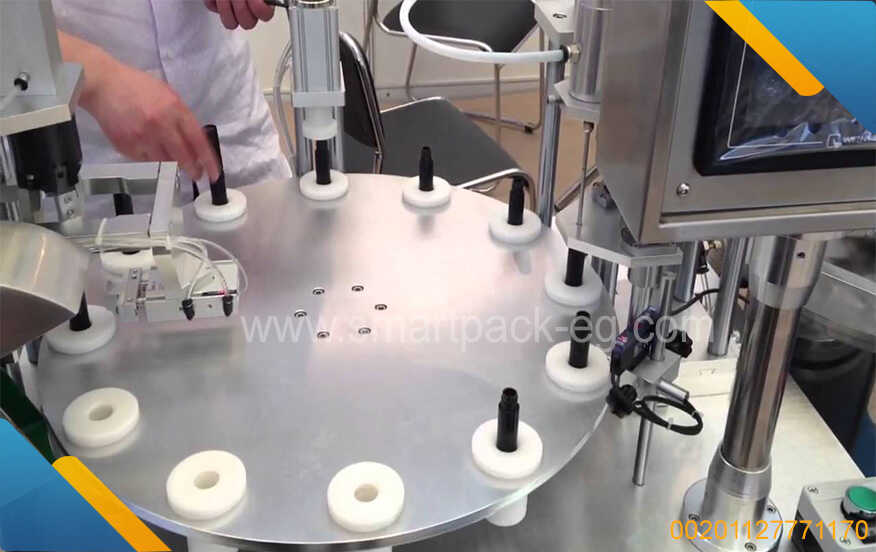
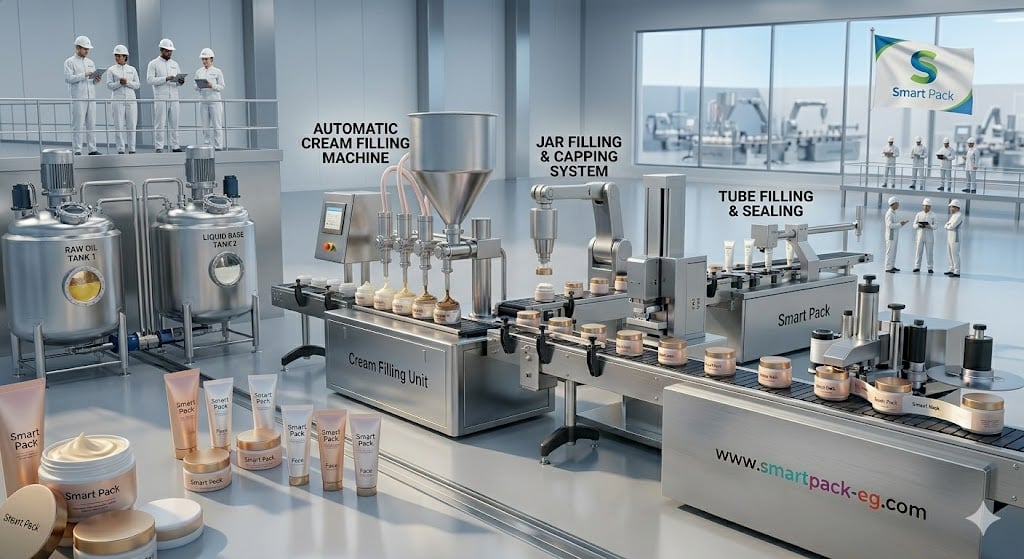
Filling and packaging machines play a strategic role in:
Accurate weight and volume control
Protection against oxidation and contamination
Enhancing final product appearance
Supporting expansion into multiple markets
4
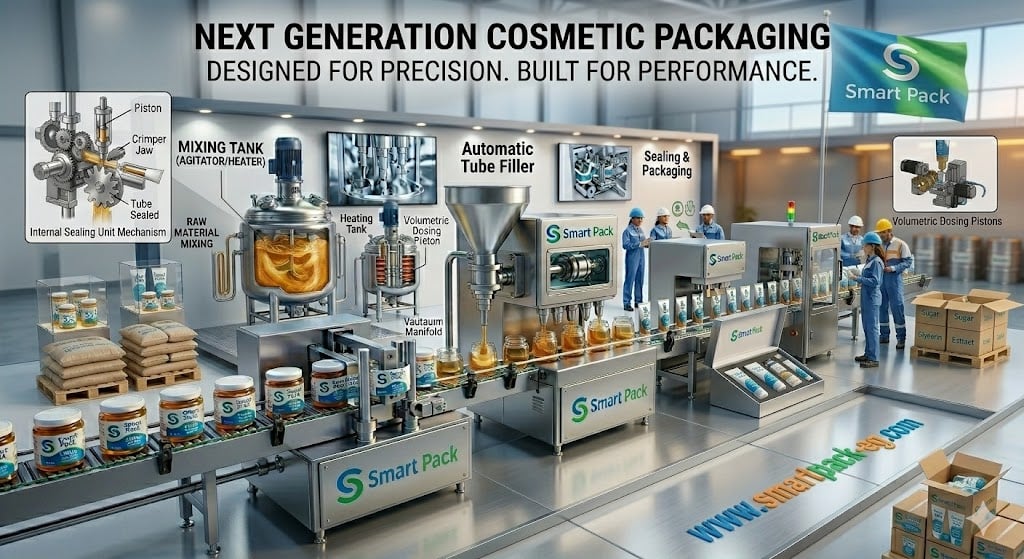
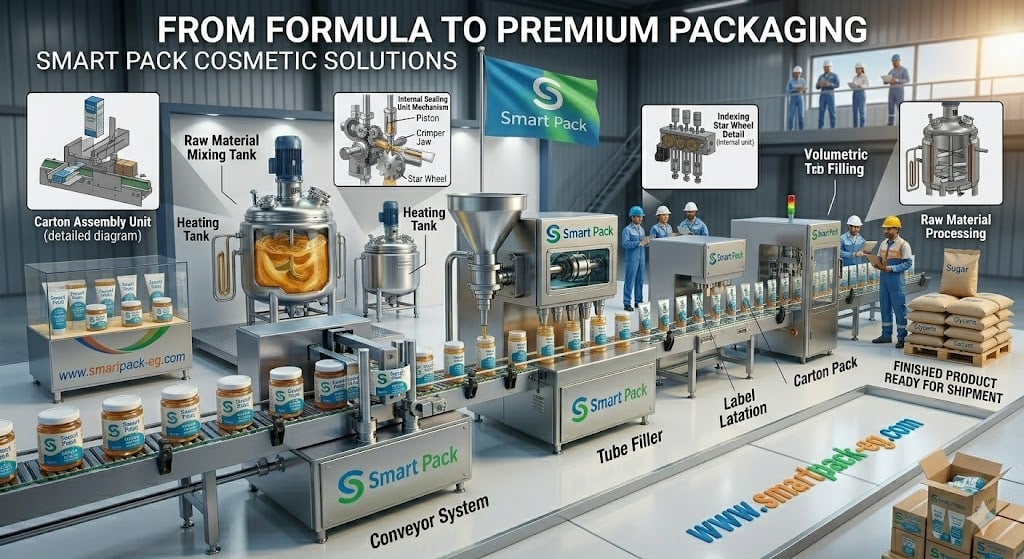
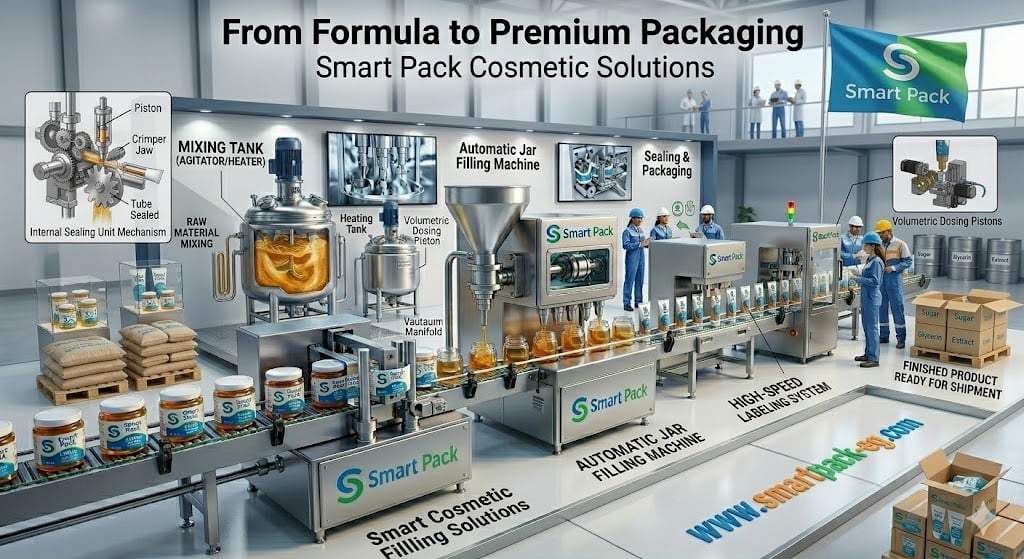
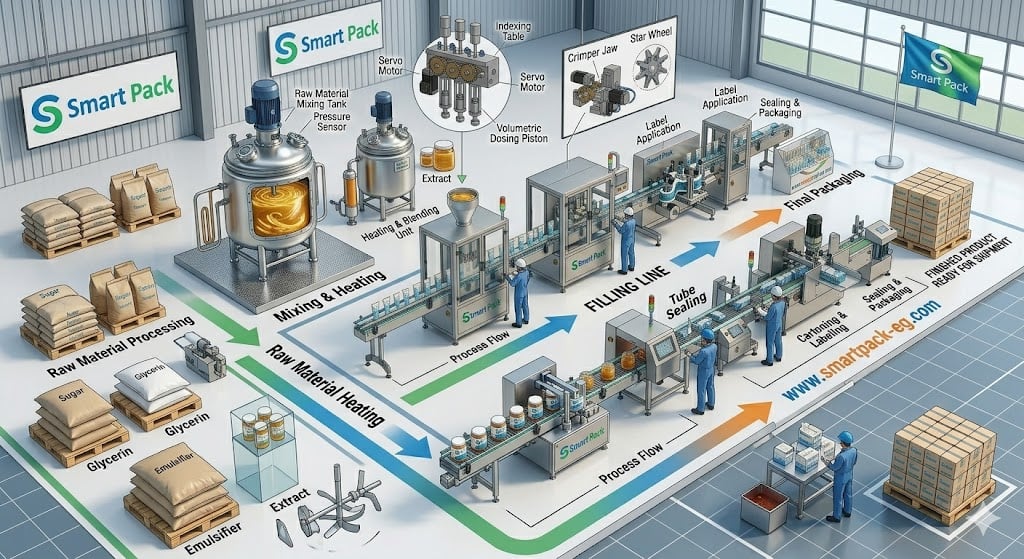
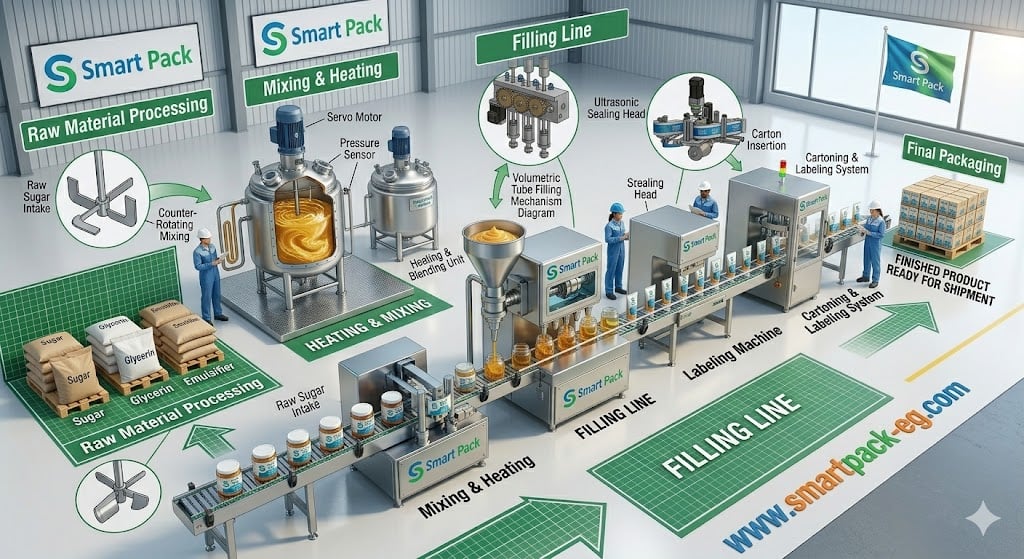
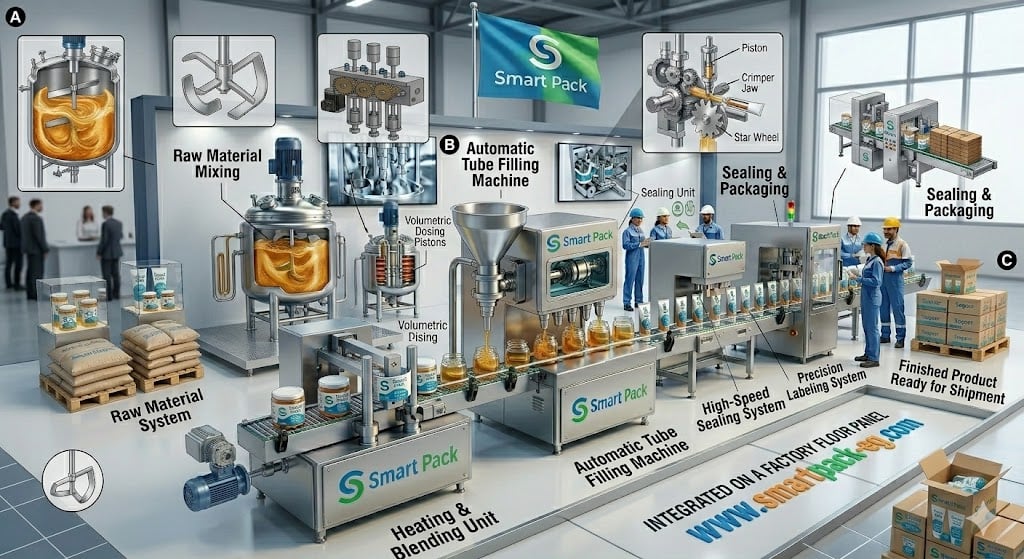
Suitable Filling & Packaging Machines and Production Lines
| Product Type | Machine Type | Operational Advantage |
|---|---|---|
| Cosmetic & moisturizing creams | Cream/Paste filling machine | High accuracy |
| Hair styling products (gel) | Gel filling machine | Clean and secure filling |
| Powder cosmetics & hair powder | Powder filling machine | Hygiene and consistency |
| Mixed production (cream + gel + powder) | Integrated filling & packaging line | Scalability & efficiency |
| Large supply contracts | Fully automatic production line | High-volume output |
The right machine selection depends on product type, target market size, and future expansion plans.
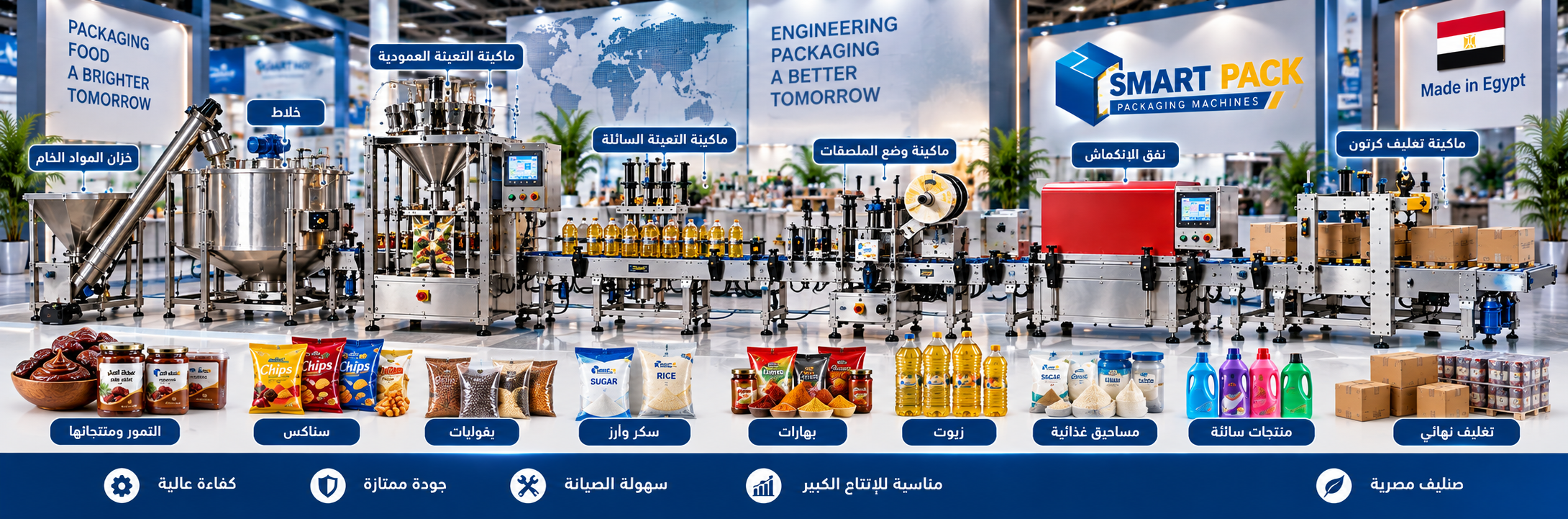
Why Choose Machines from Smart Pack?
When setting up a modern cosmetics factory, smart investment decisions significantly increase success potential:
Do not choose machines based on price alone
Ensure availability of technical support and spare parts
Plan production needs based on future growth, not just current demand
Confirm machines can handle continuous operation and chemical formulations
This is where working with an experienced industrial supplier becomes essential.
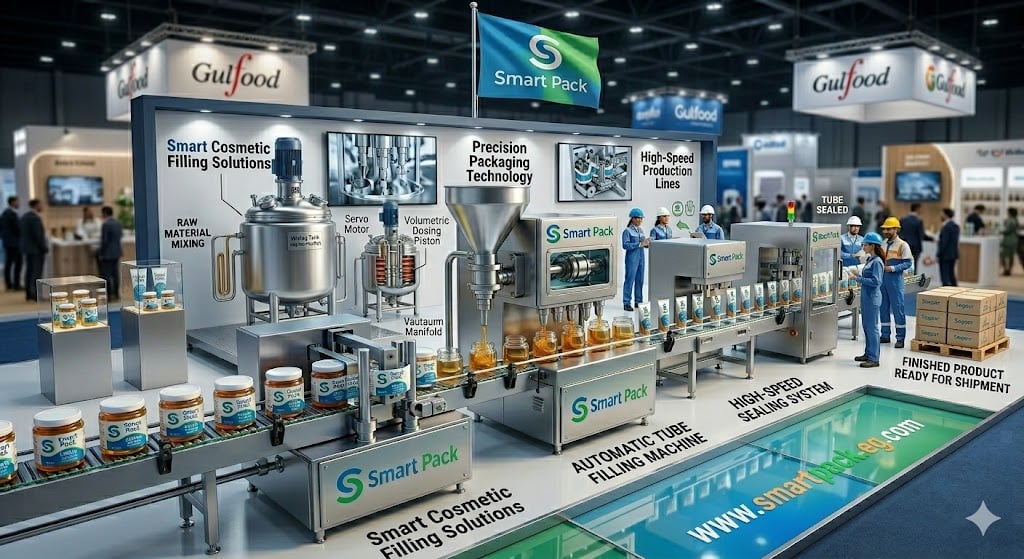
Companies like Smart Pack offer complete solutions rather than just selling equipment:
✔ Pre-purchase production needs analysis
✔ Machine selection based on product type and formulation
✔ Custom-designed filling and packaging lines for maximum efficiency
✔ Continuous technical support and operational consultation
Such an approach directly reduces operational risks and increases return on investment (ROI).
Cost & Profit Overview for a Cosmetics Manufacturing Plant
Initial Setup Costs May Include:
Production equipment (mixing tanks, quality testing units)
Filling and packaging machines
Material handling and production logistics
Monthly Operating Costs:
Raw materials and consumables
Maintenance and spare parts
Energy and labor
Expected Revenue Depends On:
Product variety
Long-term distributor contracts
Private label and branded market entry
With flexible production planning and professional production lines, factories can achieve strong financial returns within a reasonable timeframe.
Frequently Asked Questions
Is cosmetics manufacturing suitable for medium-sized factories?
Yes, especially when using flexible, multi-product production lines.
What is the difference between natural and industrial cosmetics?
Industrial products follow strict quality and regulatory standards and often require official registration.
Does packaging affect export potential?
Absolutely. Packaging quality directly impacts safety, compliance, and international market access.
Can factories produce private label cosmetics?
Yes, and it is one of the most profitable business models.
When does ROI typically start?
With proper management, often within a relatively short period due to steady demand.
The Strategic Industrial Decision Starts with the Right Equipment
Manufacturing cosmetics, hair powder, and skincare products has become a real industrial investment opportunity for factories that successfully integrate quality, production efficiency, and professional packaging.
Factories that invest in integrated filling & packaging lines from trusted suppliers like Smart Pack secure:
Higher production quality
Reduced downtime
Stronger market positioning
Improved return on investment
This is how modern factories turn cosmetics manufacturing into a sustainable and scalable industrial success.