 Admin
Admin Advanced Industrial Detergent Manufacturing
From a Production Idea to a High-Profit Industrial Project
4
Advanced industrial detergents are no longer just auxiliary products used inside factories or commercial facilities. Today, they have become a core component of modern industrial operations and a standalone production sector characterized by continuous demand and steady growth in local and regional markets.
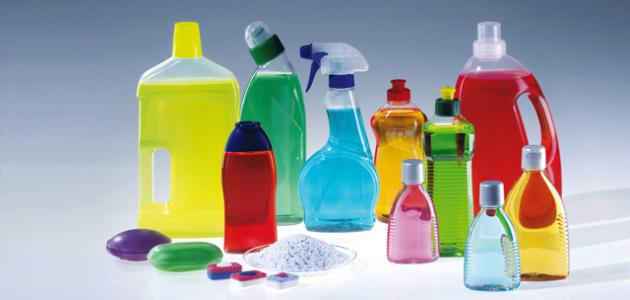
Factories, warehouses, food processing companies, hospitals, hotels, and large service stations now rely on specialized industrial detergents that differ completely from household cleaners in formulation, strength, and application. This shift has opened the door to a powerful industrial investment opportunity for manufacturers capable of organized production and professional filling and packaging.
Success in this sector does not depend solely on chemical formulations. It relies on an integrated system that starts with understanding real market needs, passes through precise industrial manufacturing, and ends with packaging and presentation that transform the product into a trusted, scalable commercial commodity.
Why Has Demand for Industrial and Commercial Detergents Increased So Sharply?
Industrial detergents are used in high-risk operating environments where errors are not acceptable, such as:
Manufacturing plants and production lines
Heavy machinery and industrial equipment
Hospitals and medical centers
Industrial kitchens and hotels
Cleaning and facility management companies
These environments require detergents that are:
Highly concentrated
Fast-acting
Safe for equipment and surfaces
Compliant with safety regulations
As a result, demand for industrial detergents is continuous and non-seasonal, driven by daily operations rather than household consumption. This makes it a stable and highly attractive industrial sector for investment.
From Industrial Use to a Profitable Manufacturing Opportunity
Many factories and commercial facilities rely on external suppliers for industrial detergents. However, forward-thinking manufacturers are asking different questions:
Why not manufacture these products locally?
Why not establish a specialized production line serving multiple sectors?
With this mindset, industrial detergents shift from being an operating cost to becoming an independent production sector that can be marketed through long-term supply contracts—especially when supported by well-designed industrial formulations and efficient filling and packaging lines.
4
Industrial Detergent Formulations and How They Differ from Household Cleaners
Industrial detergents are formulated using:
Higher concentrations of active ingredients
Additives that protect surfaces and machinery
Components that reduce corrosion and excessive foaming
Customized formulas based on specific applications
For example:
Machine cleaners differ from industrial floor cleaners
Industrial kitchen detergents differ from hospital disinfectants
Food-processing plant detergents must meet stricter standards
This diversity allows manufacturers to produce multiple product lines within the same factory, increasing profit margins while reducing investment risk.
Key Stages of Industrial Detergent Manufacturing
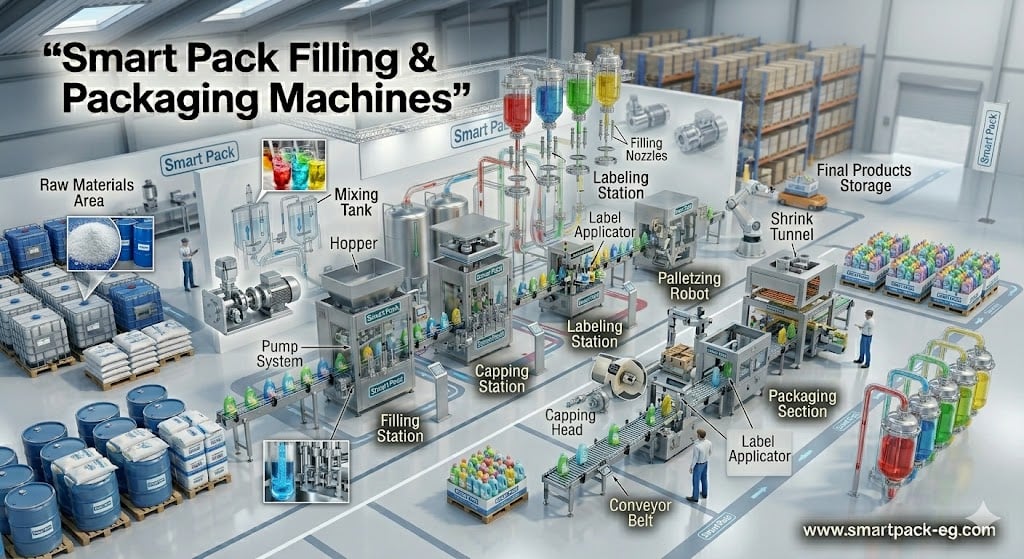
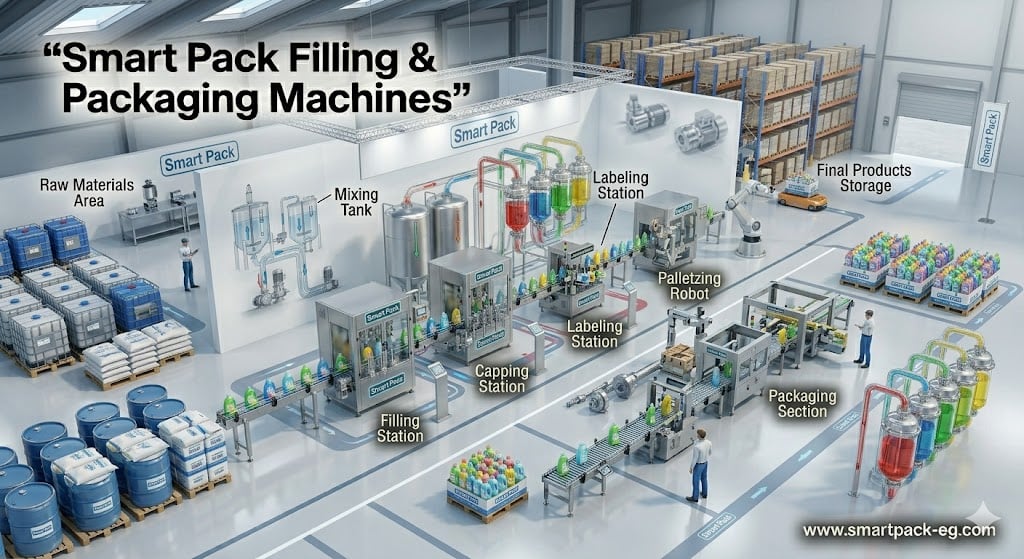
The production process follows interconnected stages, each directly impacting final quality:
Industrial Raw Material Preparation
Chemicals are selected based on safety standards and targeted industrial use.
Mixing and Processing
A critical stage to ensure homogeneous formulations and consistent performance.
Testing and Quality Control
Verifying effectiveness and safety before filling.
Filling and Packaging
The stage where the product becomes market-ready and commercially viable.
4
Packaging and Filling: A Critical Factor in Industrial Detergents
In this sector, packaging is not just visual—it is an operational and safety requirement:
Poor sealing can cause leaks
Inconsistent volumes damage credibility
Weak packaging affects transport and storage
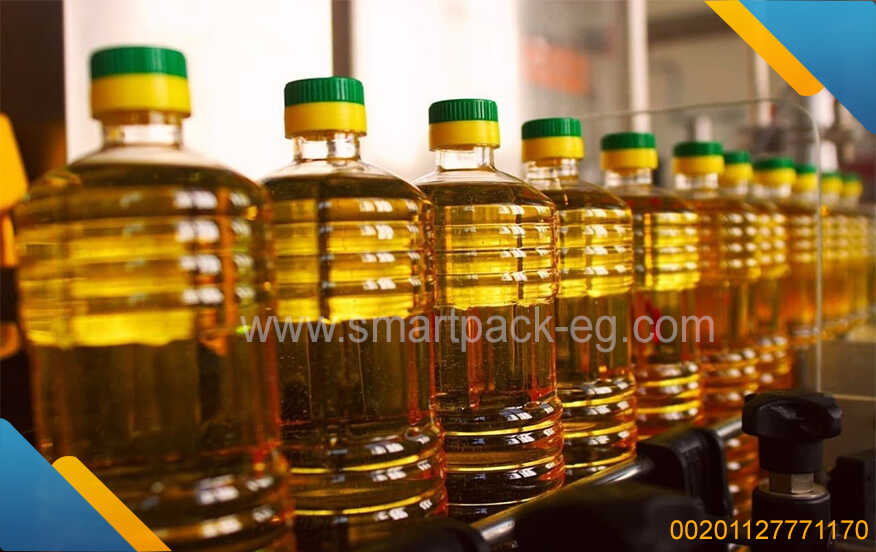
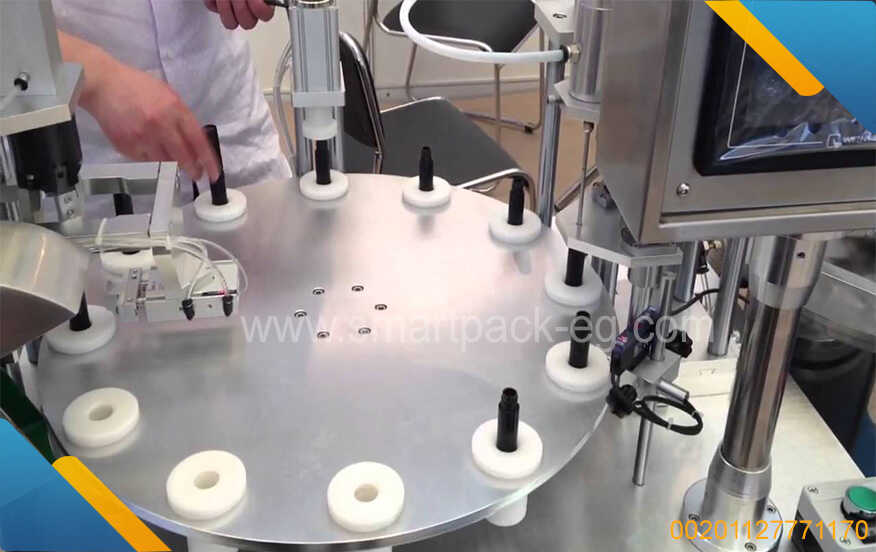
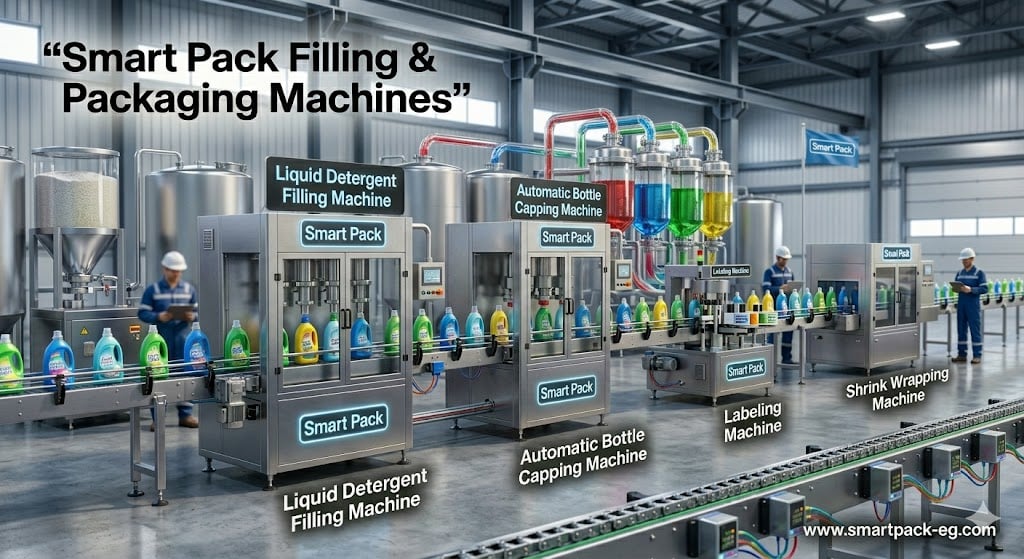
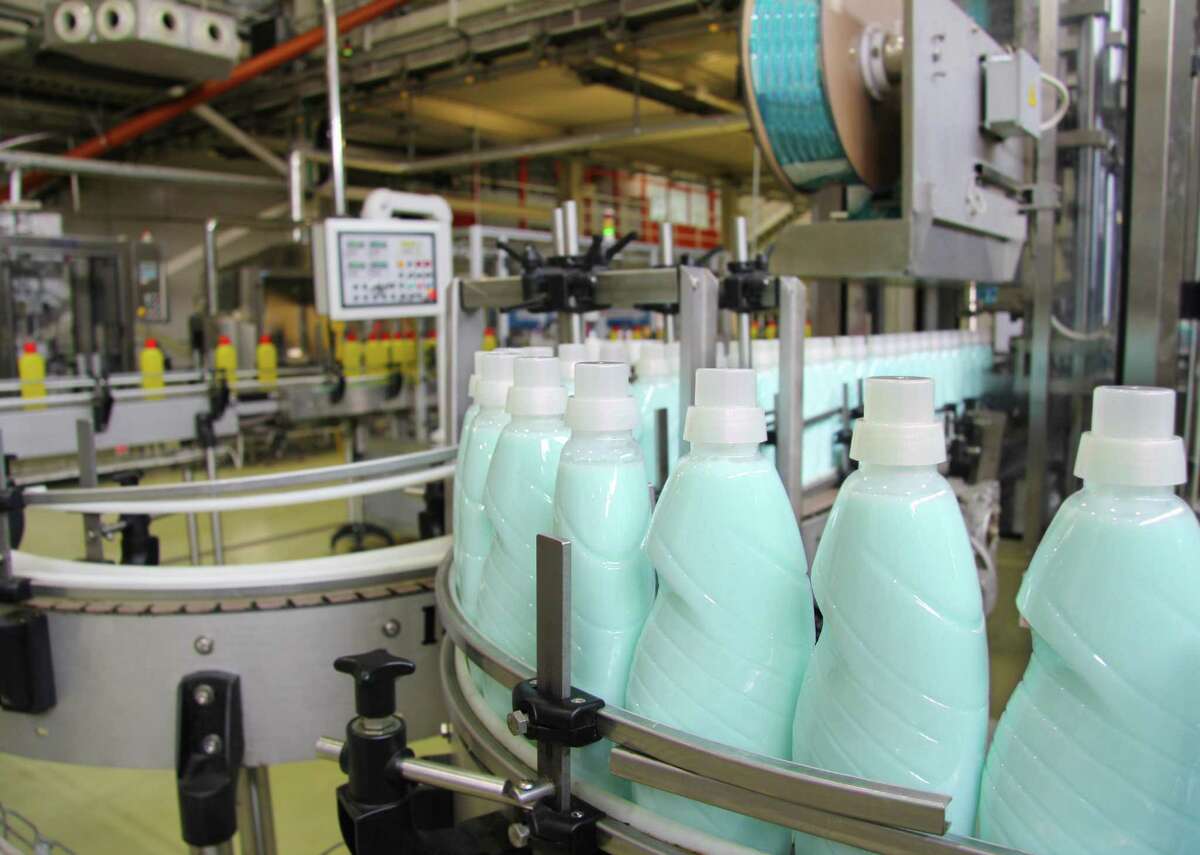
That is why successful manufacturers rely on industrial filling and packaging machines designed specifically for liquids and chemical products, ensuring:
Accurate filling
Consistent volume or weight
Secure sealing
Production speeds suitable for large supply contracts
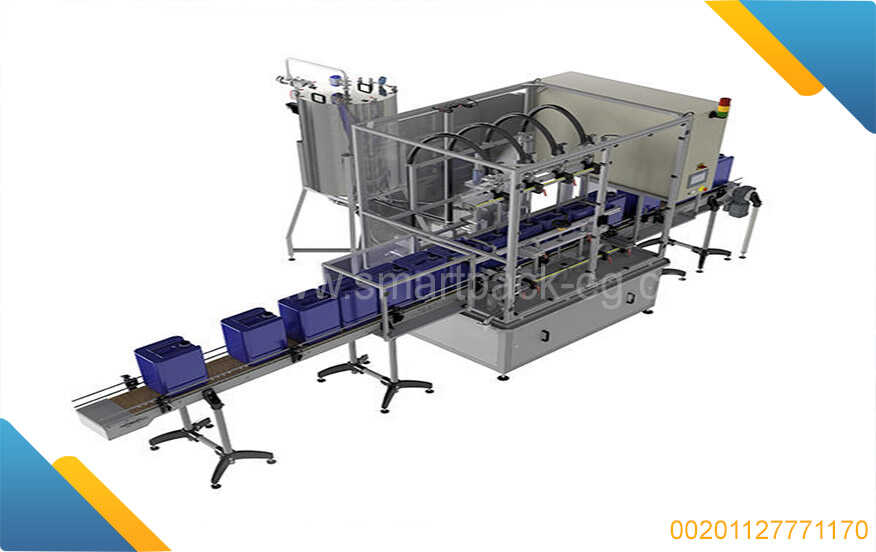
Suitable Filling Machines for Industrial Detergents
| Product Type | Machine Type | Application |
|---|---|---|
| Liquid industrial detergents | Liquid filling machine | Bottles & jerry cans |
| High-concentration detergents | Precision filling machine | Controlled volumes |
| Multiple product lines | Integrated filling line | Flexibility & scalability |
| Large supply contracts | Fully automatic line | High-volume production |
Smart machine selection should be based on contract volume and expansion plans, not price alone.
Integrated Production Lines: The Fastest Path to Stability and Growth
Factories that adopt integrated production lines for industrial detergents achieve:
Reduced reliance on manual labor
Faster order fulfillment
Consistent product quality
Lower operating costs
Easy addition of new products
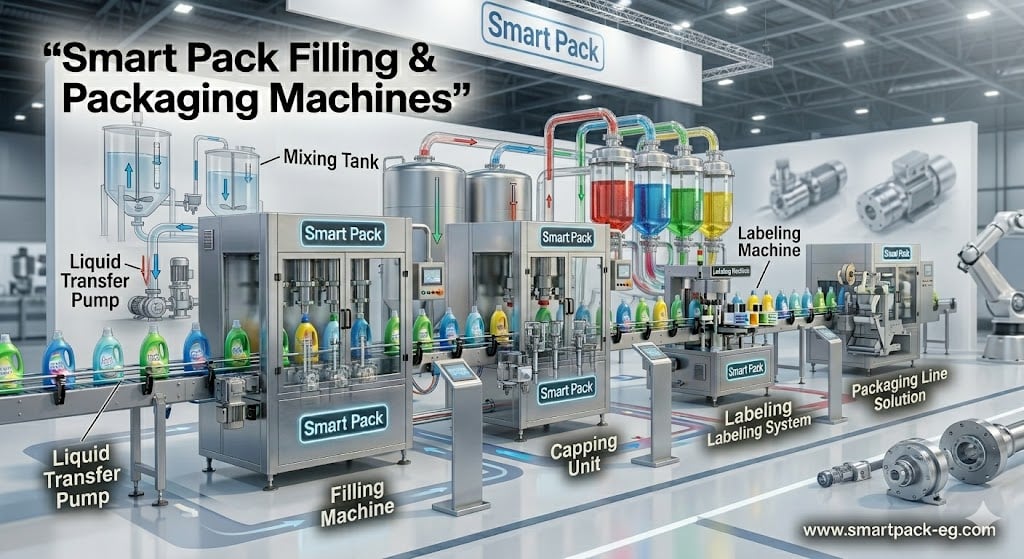
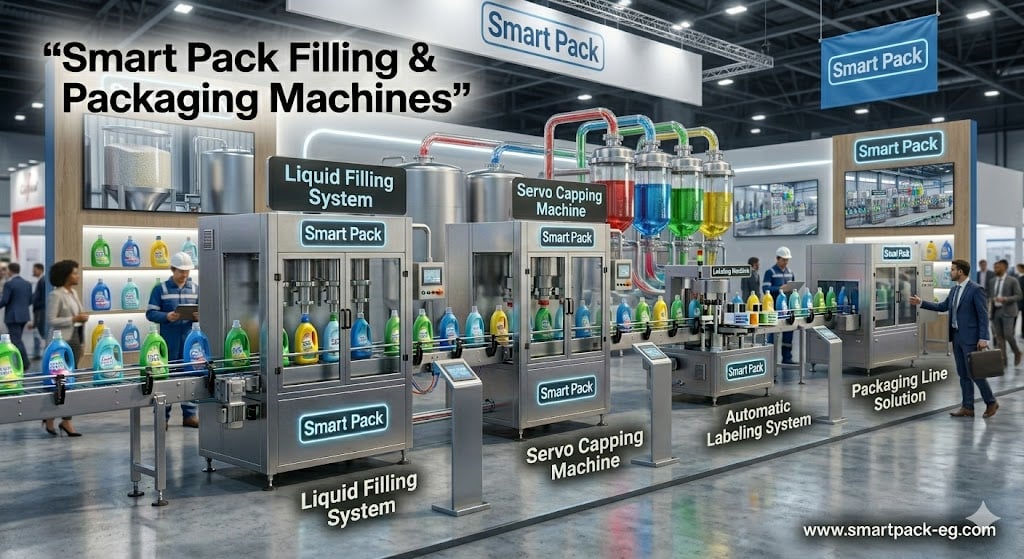
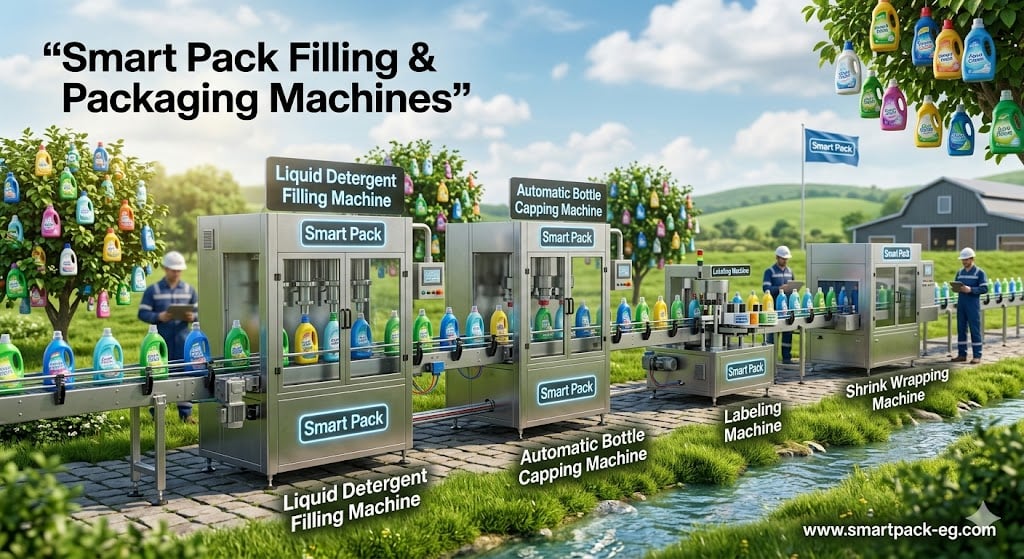
This is why manufacturers with long-term vision prefer working with specialized companies that deliver complete production line solutions, not just standalone machines.
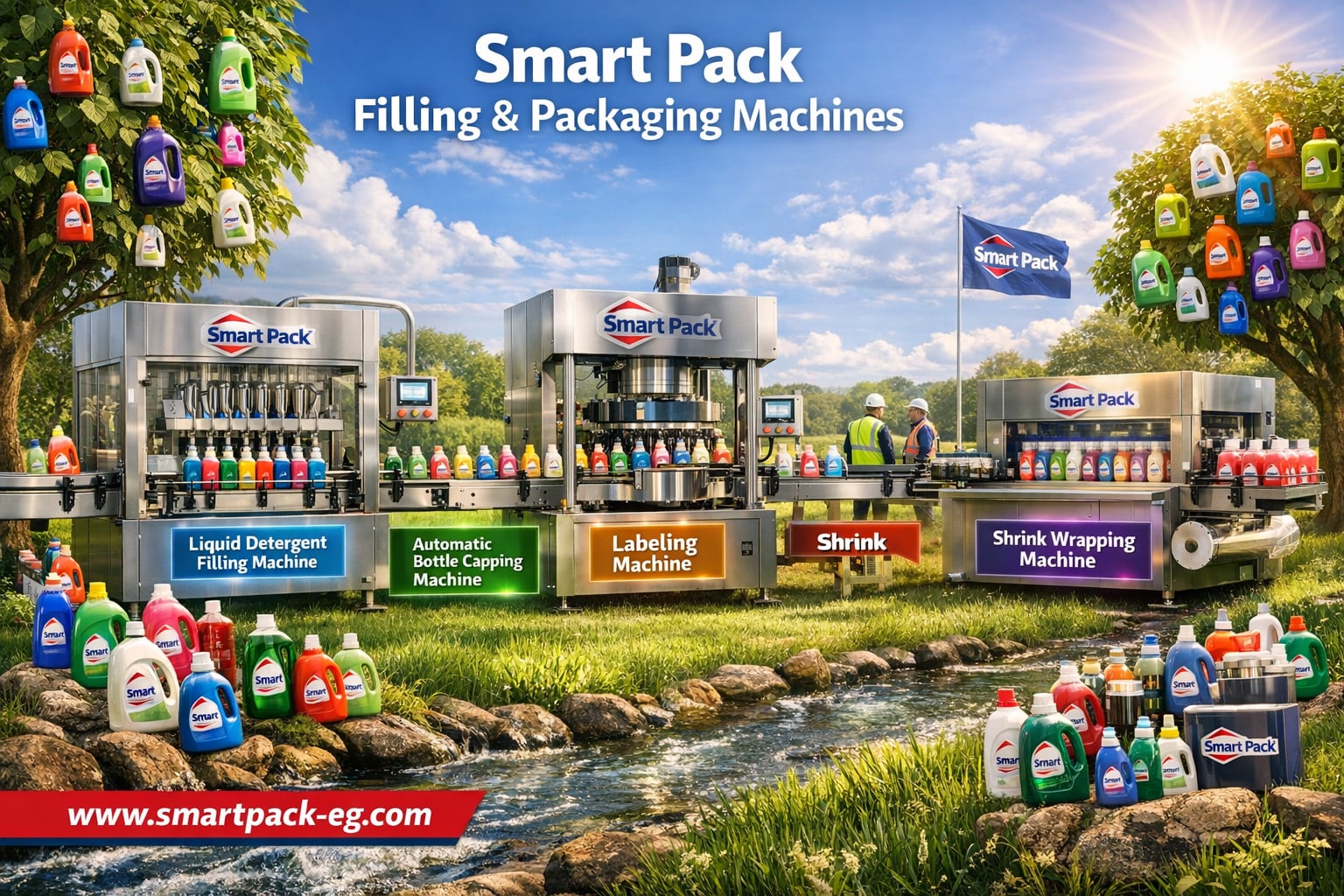
Many factories choose to cooperate with experienced partners such as Smart Pack, because they:
Analyze the detergent type before recommending equipment
Design production lines tailored to specific formulations
Provide safe filling and packaging solutions for chemical products
Offer long-term technical support
This type of partnership reduces risk and accelerates profitability.
4
Market Outlook and Profitability of Industrial Detergents
The industrial detergent market continues to expand due to:
Growth of industrial sectors
Stricter hygiene and safety standards
Expansion of cleaning and service companies
Reliance on long-term supply contracts
With proper management and the right production lines, manufacturers can achieve a strong and stable return on investment (ROI) within a reasonable timeframe.
Smart Investment Tips Before Purchasing Filling and Packaging Machines
Do not buy machines based only on current needs
Plan for contracts one or two years ahead
Ensure machines can handle continuous operation
Choose suppliers who understand chemical industries
The right decision at this stage determines whether detergent manufacturing becomes a high-margin industrial business or a constant operational struggle.
Frequently Asked Questions
Is industrial detergent manufacturing suitable for medium-scale factories?
Yes, especially when starting with flexible, scalable production lines.
What is the difference between industrial and household detergents?
Industrial detergents are more concentrated and designed for specialized applications.
Does packaging affect contract opportunities?
Directly. Professional packaging reflects reliability and operational readiness.
Can multiple products be manufactured in the same factory?
Yes, which increases profitability and reduces risk.
When does ROI typically begin?
Within a relatively short period with proper planning and equipment selection.
The Smart Industrial Decision Starts with the Right Production Line
Advanced industrial detergent manufacturing is no longer a side activity—it is a fully developed industrial sector capable of delivering stable profits and long-term growth.
Factories that invest today in professional filling and packaging machines and integrated production lines, and choose reliable partners like Smart Pack, position themselves strongly in a rapidly growing and resilient market.