 Admin
Admin Powdered Milk: From a Traditional Food Product to a High-Value Food Industry Pillar
4
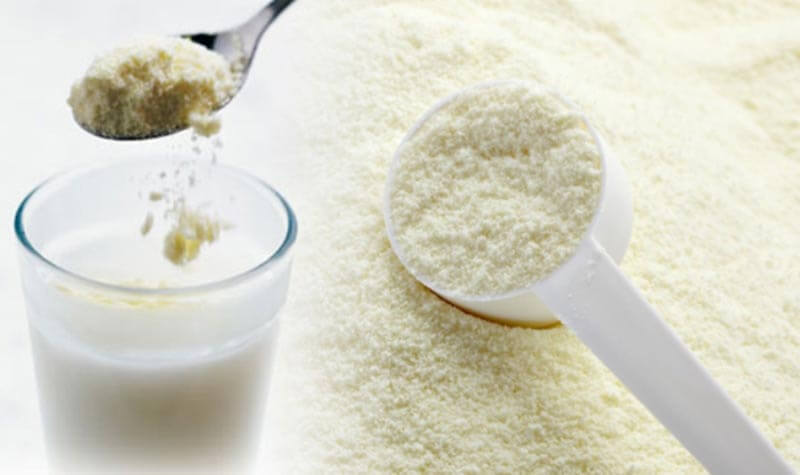
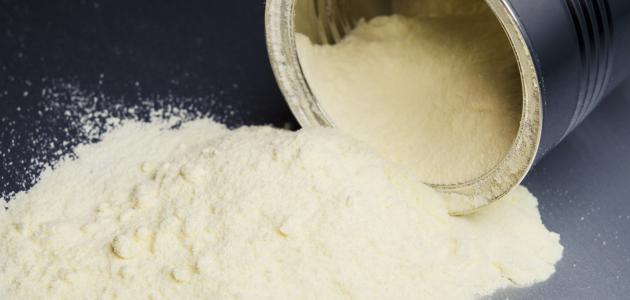
Powdered milk is no longer just a household substitute for fresh milk. Over recent years, it has become a core ingredient in multiple food industries, including dry food products, dietary supplements, energy drinks, infant nutrition, and instant food formulations.
This transformation has created a real investment opportunity for factories seeking products with stable demand, long shelf life, and easy transportation and export—especially when powdered milk production is integrated into a complete food manufacturing system based on drying, milling, and professional filling and packaging.
Why Is Powdered Milk a Cornerstone of Dry Food Industries?
Powdered milk has several advantages that make it ideal for industrial use:
Long shelf life compared to liquid milk
Easy storage and transportation without refrigeration
Wide applicability across multiple food products
Consistent global demand in food markets
These features have positioned powdered milk as either a primary product or a key input in dozens of dry food applications, opening the door to diversified production lines and higher profit margins.
From Raw Milk to High-Quality Food Powder
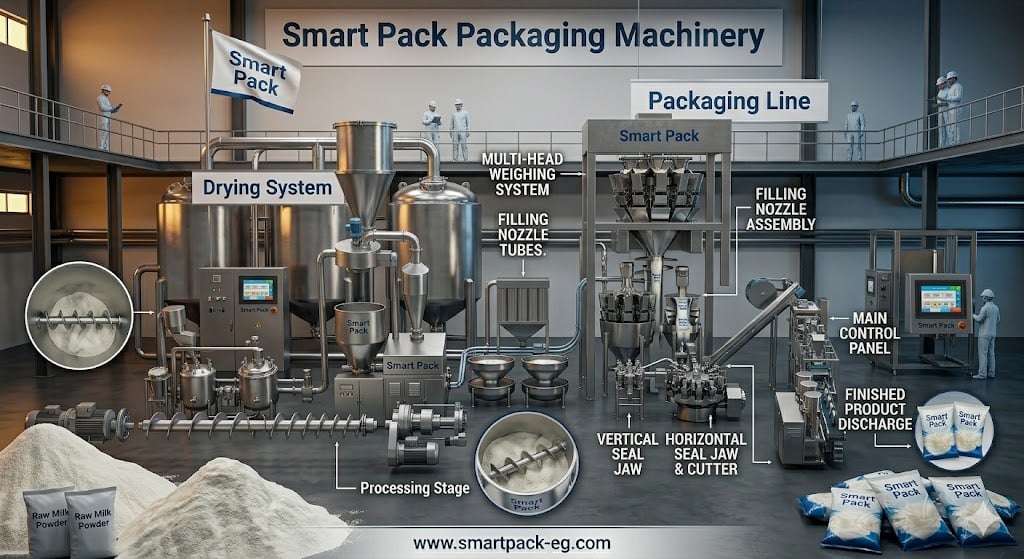
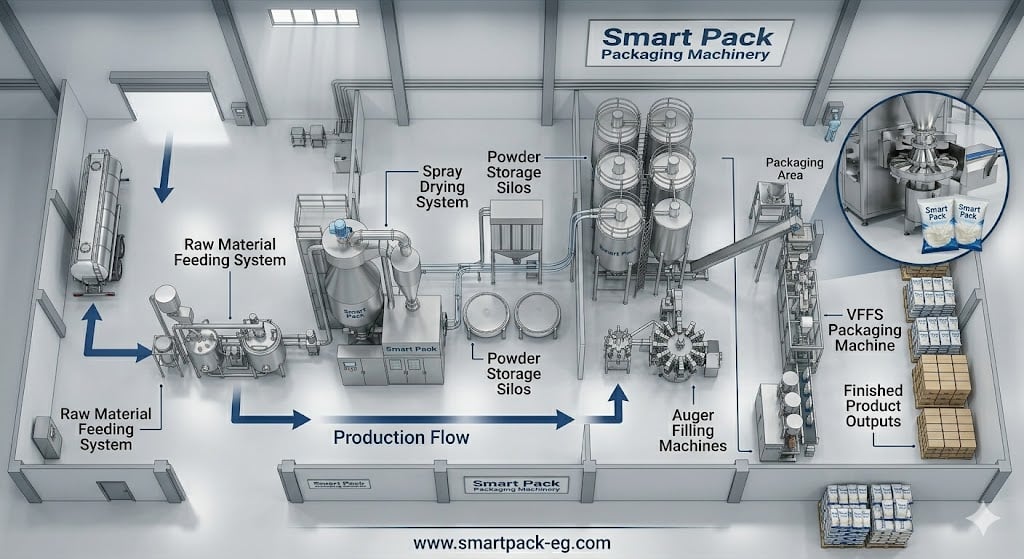
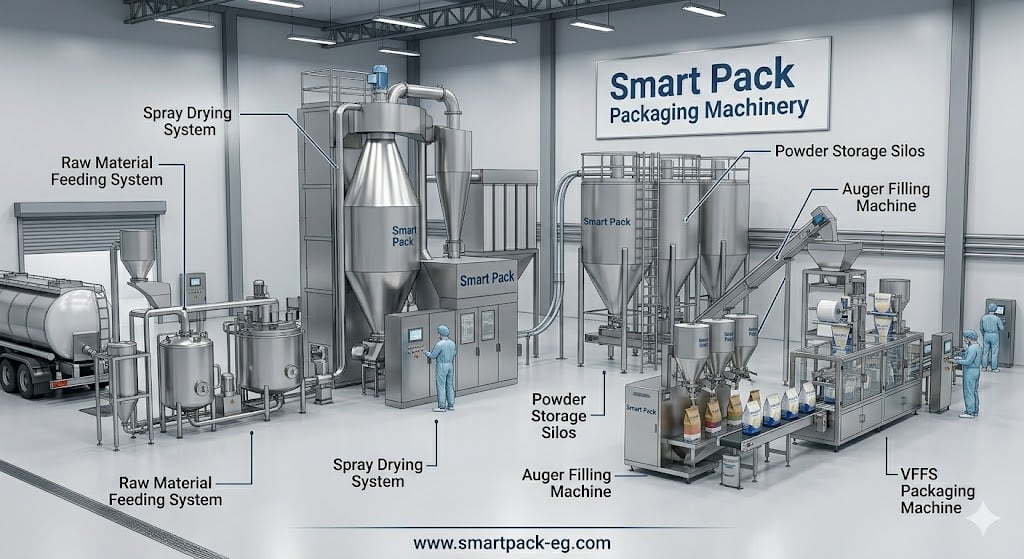
True industrial value begins when raw milk enters the factory, where it goes through carefully controlled stages:
Filtration and preliminary treatment
Evaporation and moisture removal
Industrial drying
Conversion into fine powder
Cooling and preparation for packaging
Each stage requires precise control to preserve nutritional value and ensure consistent final quality.
4
Integrating Powdered Milk into a Broader Dry Food Product System
One of the greatest advantages of powdered milk is how easily it integrates into a wider dry food manufacturing ecosystem, including:
Instant beverage powders
Coffee and cappuccino mixes
Protein powders and dietary supplements
Infant food products
Bakery and dessert mixes
This integration allows factories to use the same infrastructure and packaging lines to produce multiple products—significantly increasing ROI without proportionally increasing costs.
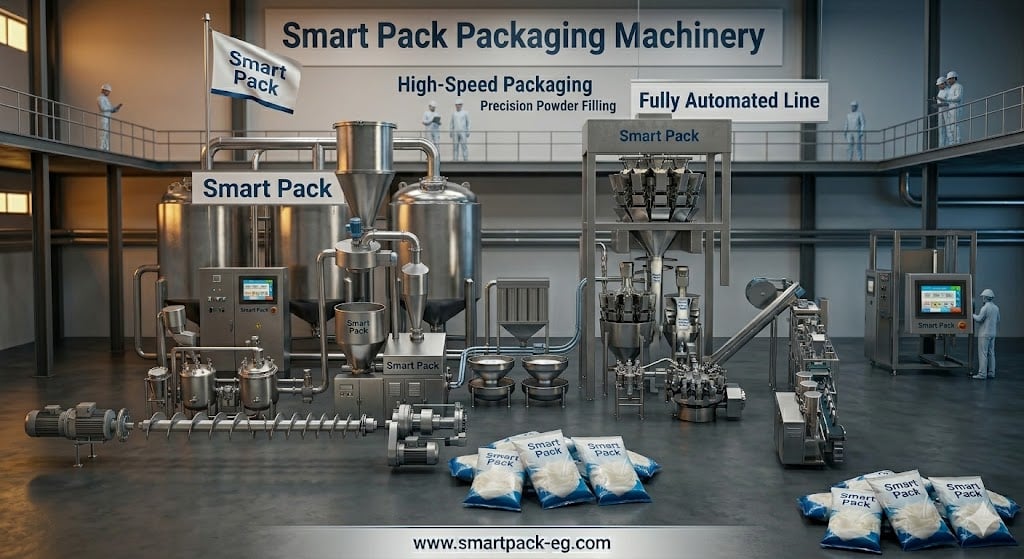
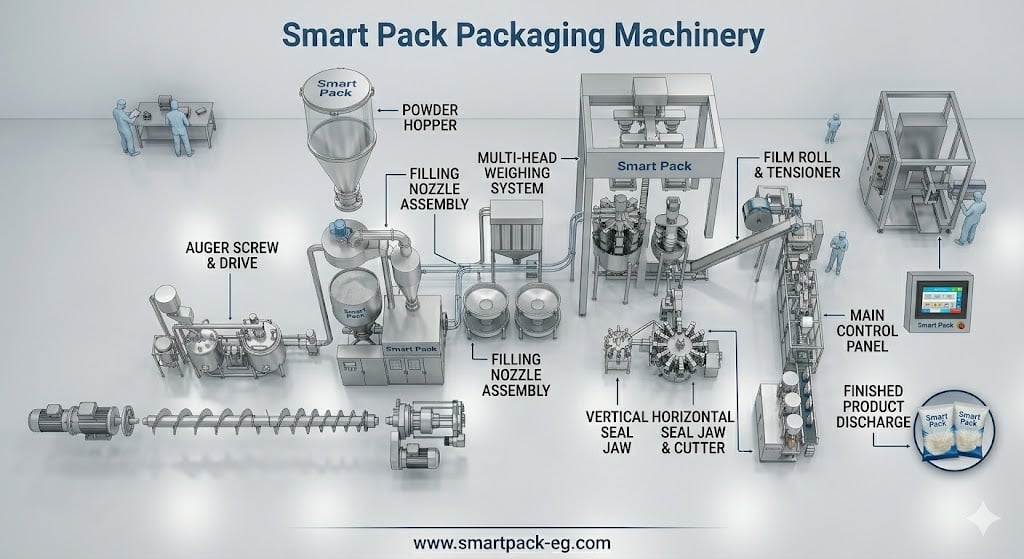
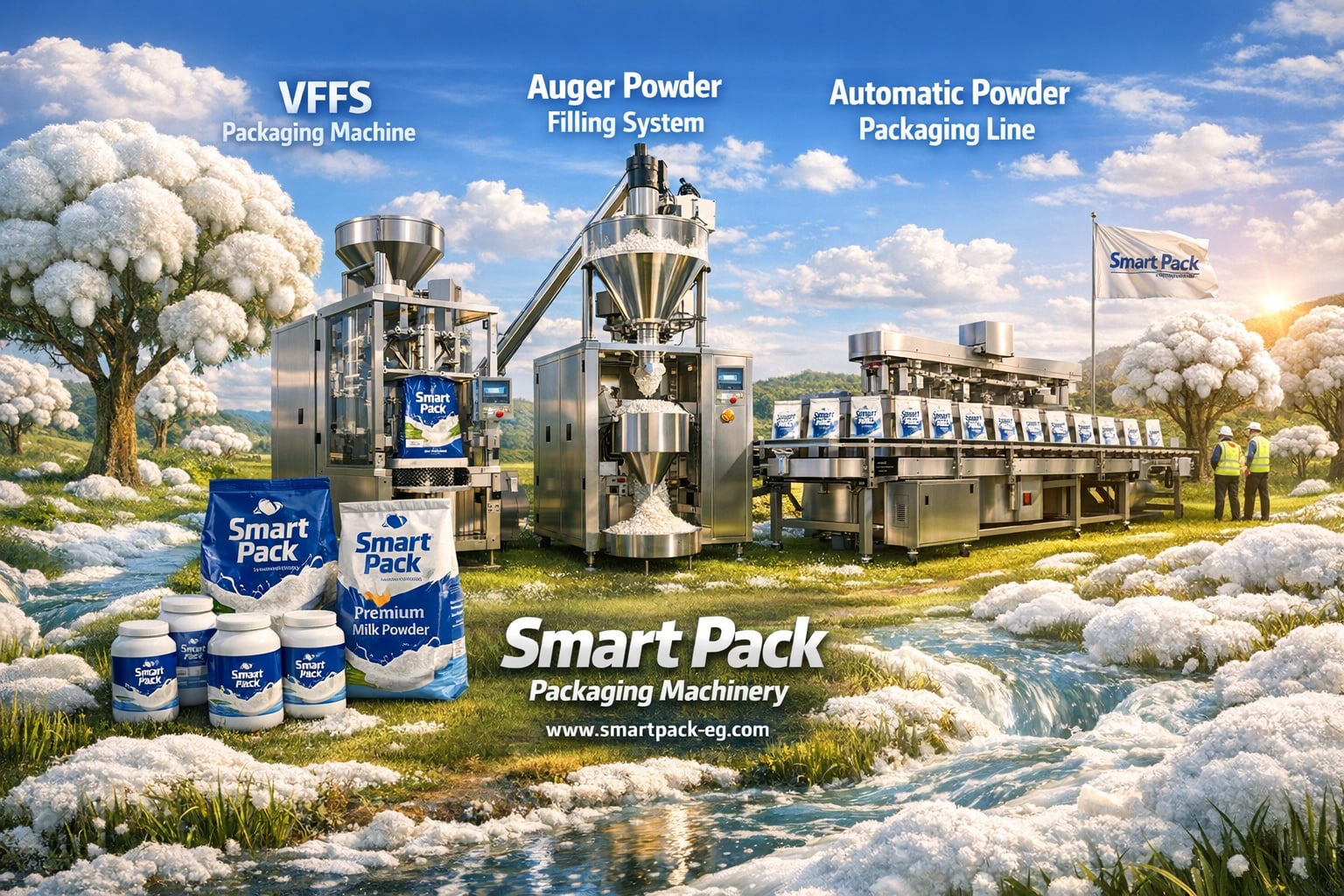
Filling and Packaging: The Decisive Factor in Dry Food Success
In a highly competitive food market, product quality alone is not enough. Products must reach consumers in secure, attractive packaging that preserves their properties.
Professional filling and packaging machines ensure:
Accurate weight control
Protection from moisture and air
Preservation of taste and nutritional value
Ease of storage and transportation
A professional market-ready appearance
Choosing the right machinery here is not just an operational decision—it is a direct marketing and investment decision.
4
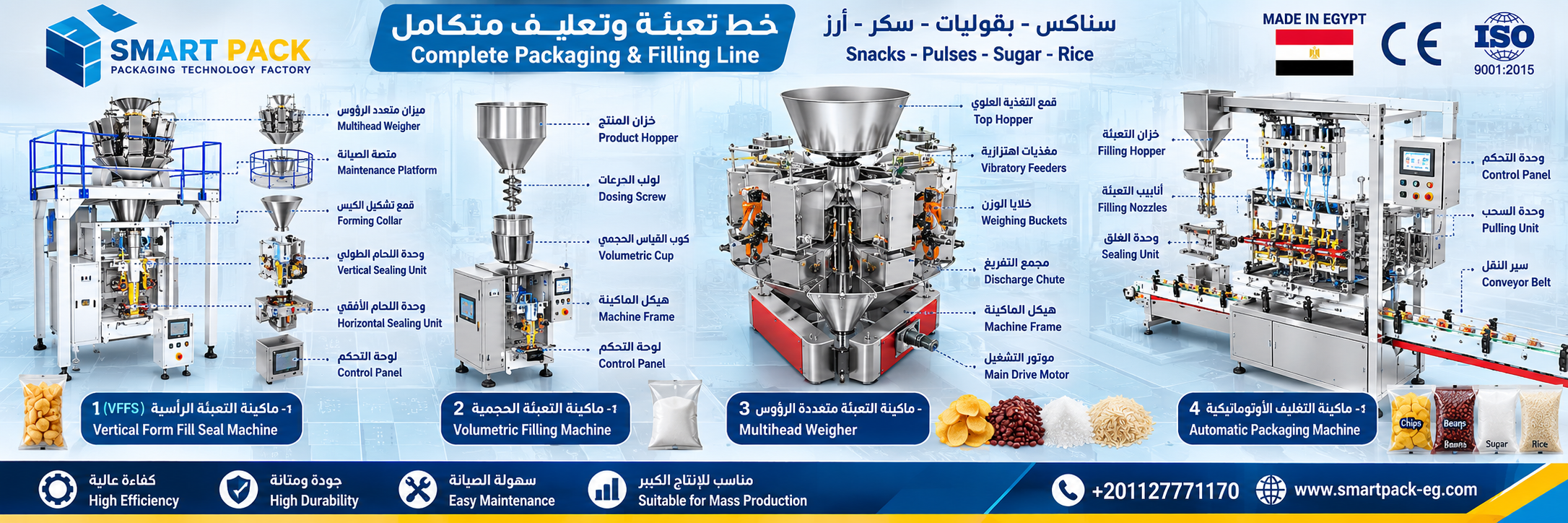
Types of Filling Machines for Powdered Milk and Dry Products
| Product Type | Machine Type | Operating Characteristics |
|---|---|---|
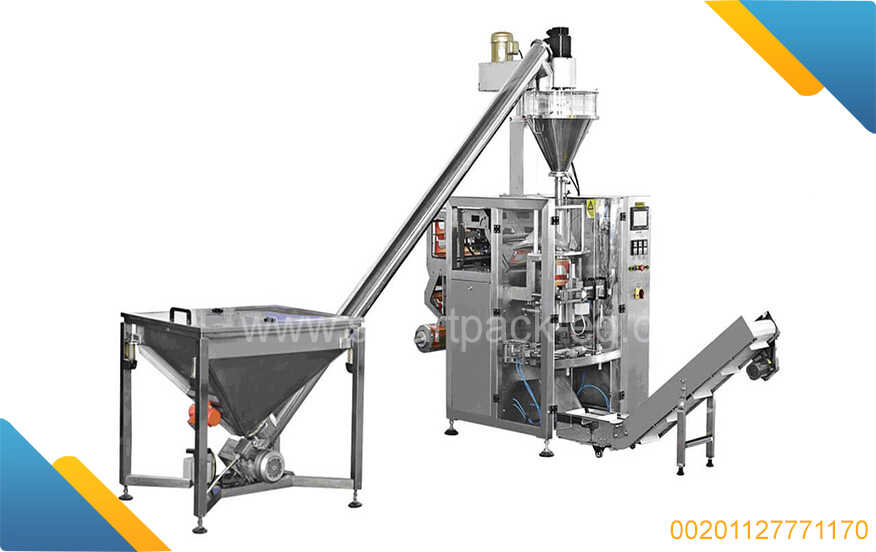
| Powdered Milk | Powder Filling Machine | High precision |
| Food Mixes | Multi-purpose Filling Machine | Flexible operation |
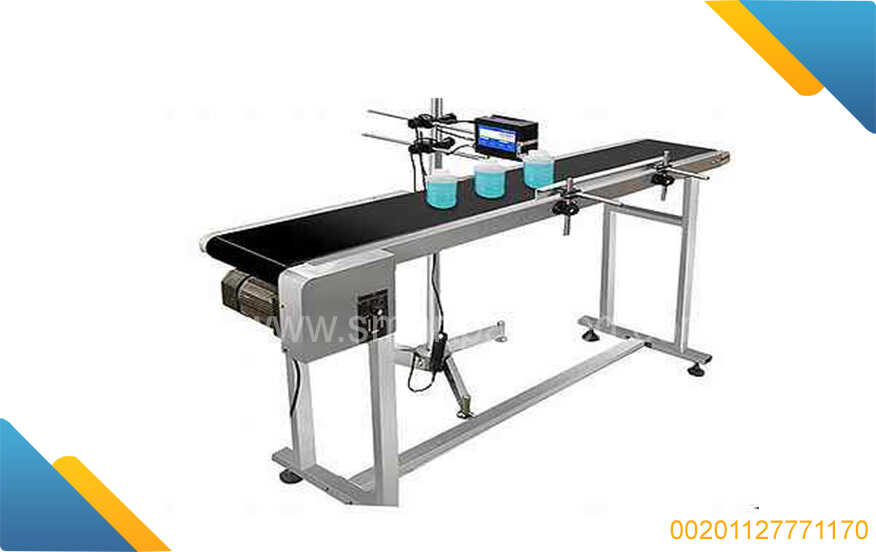
| Dietary Supplements | Integrated Filling Line | Continuous production |
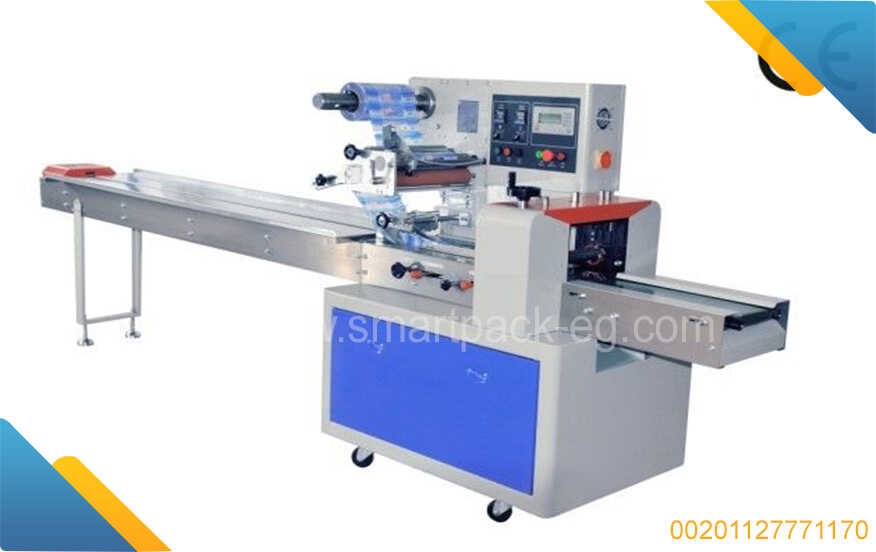
| Diverse Products | Complete Filling & Packaging Line | Industrial scalability |
Machine selection should be based on the factory’s future growth plan, not only today’s needs.
Integrated Production Lines: The Path to Sustainable Factory Growth
Factories that rely on integrated production lines for dry food manufacturing achieve:
Operational stability
Reduced material waste
Consistent product quality
Fast response to market demand
Easy addition of new products
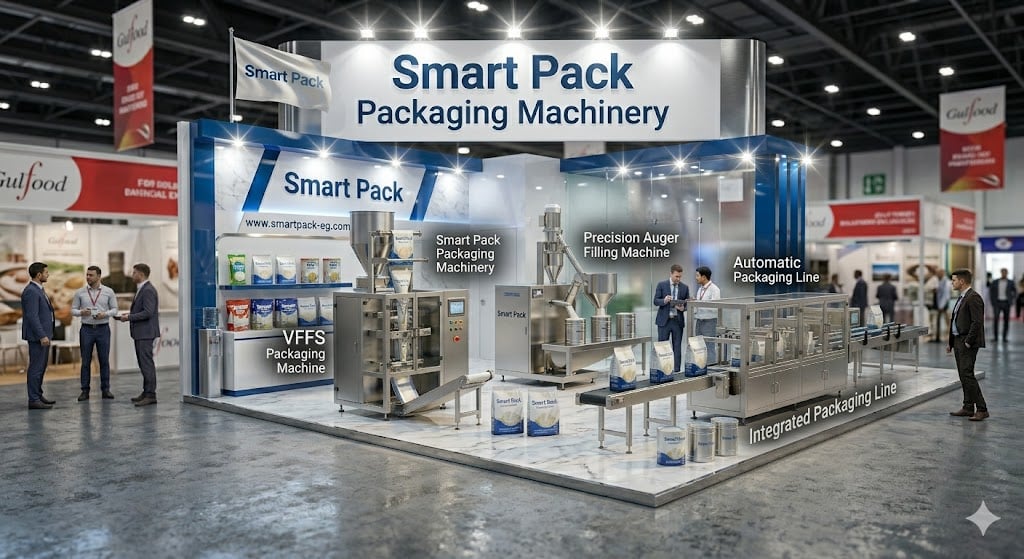
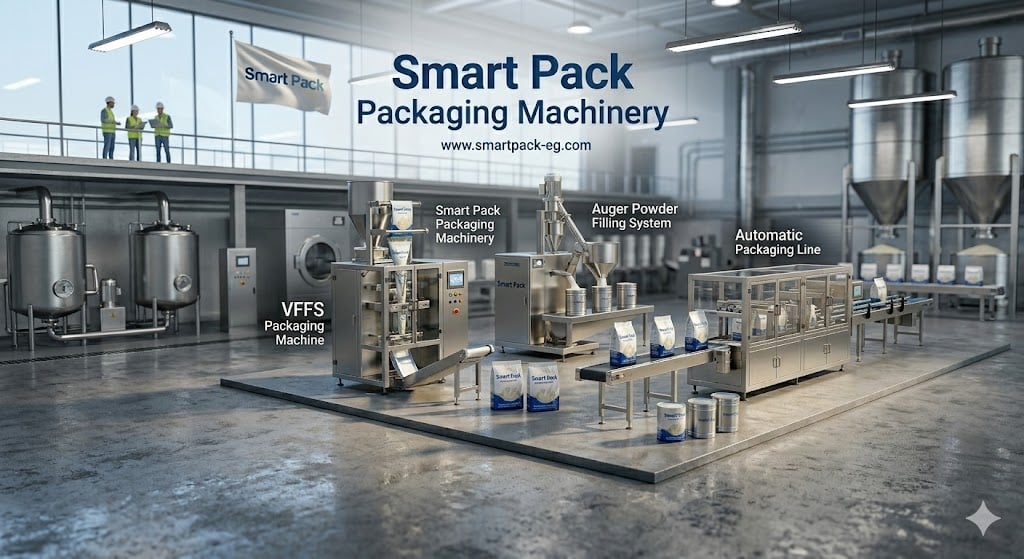
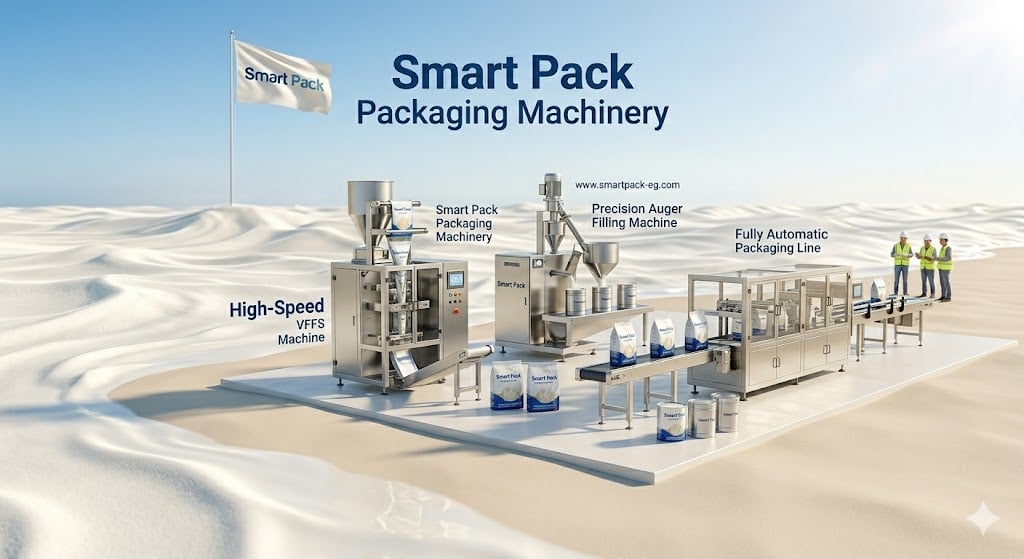
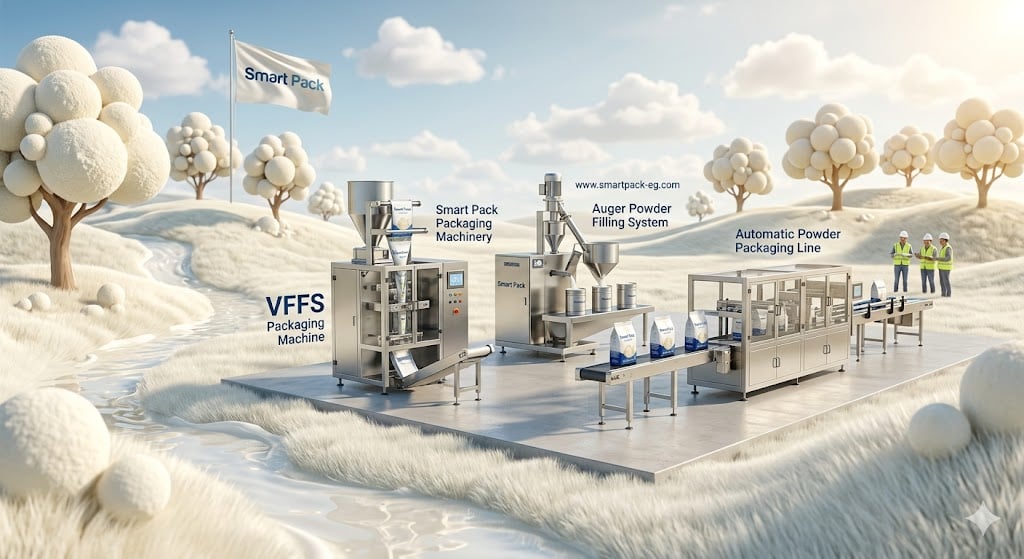
That is why serious projects depend on specialized filling and packaging solutions from experienced providers such as Smart Pack, known for delivering scalable systems tailored to food industries.
Market Outlook and Profitability of Dry Food Products
The global dry food market continues to grow due to:
Rising reliance on instant and ready-to-use foods
Expansion of international trade and exports
Strong demand for long shelf-life products
This growth results in a high return on investment (ROI), especially when factories:
Diversify products within the same facility
Maintain control over the production chain
Use filling and packaging machines that minimize waste and maximize output
Investment Tips Before Entering Powdered Milk and Dry Food Manufacturing
Do not rely on a single product
Design flexible, scalable production lines
Strictly follow food safety and quality standards
Treat packaging as a core marketing element
Success in this sector depends on a comprehensive industrial vision, not just operating a single production line.
Frequently Asked Questions
Is powdered milk manufacturing suitable for mid-sized factories?
Yes, factories can start with a medium-scale line and expand gradually.
Can powdered milk be combined with other food products?
Yes, this significantly improves investment efficiency and profitability.
Why is packaging so important for dry food products?
It preserves quality and determines competitiveness and export readiness.
Are integrated production lines necessary?
Yes for factories targeting growth, as they reduce long-term costs.
When does ROI typically begin?
Within a relatively short period with proper management and equipment selection.
The Smart Industrial Decision Starts Here
Powdered milk is no longer a simple food product—it is the foundation of a comprehensive food industry capable of delivering stable profits and long-term growth when planned correctly.
Factories that invest today in professional filling machines and integrated production lines secure a strong competitive position in a rapidly expanding global market.