 Admin
Admin Ginger: From an Agricultural Crop to an Integrated Industrial Project with High Investment Returns
4
Ginger is no longer just a traditional agricultural crop grown for household use or simple trade. Over recent years, it has evolved into a strategic raw material relied upon by multiple industries, including food processing, pharmaceuticals, and health-related sectors. This transformation has positioned ginger as one of the most promising crops that can be converted into a fully integrated industrial project, starting from cultivation and ending with packaged, market-ready products for local and global markets.
This shift in market perception has created real opportunities for factories seeking projects based on continuous demand and high added value—especially when smart integration is achieved between organized farming, professional processing, and modern packaging systems.
Where Is Ginger Grown and Why Is It an Economic Opportunity?
Ginger is cultivated in many regions around the world, particularly in warm and humid climates such as Asia, Africa, and Latin America. In recent years, several Arab countries have also begun expanding ginger cultivation as a high-value agricultural crop.
The economic attractiveness of ginger lies in the fact that it:
Enjoys growing global demand
Is used across multiple industries
Can be stored or processed after harvest
Achieves strong market prices compared to many other crops
All these factors make ginger cultivation a smart first step within a complete industrial production chain.
From Farming to Processing: Where Ginger’s Real Value Is Created
The true value of ginger is not realized when it is sold as raw produce alone, but when it is processed and transformed into value-added products, such as:
Ginger powder
Ginger oil
Ginger extracts
Food and health products based on ginger
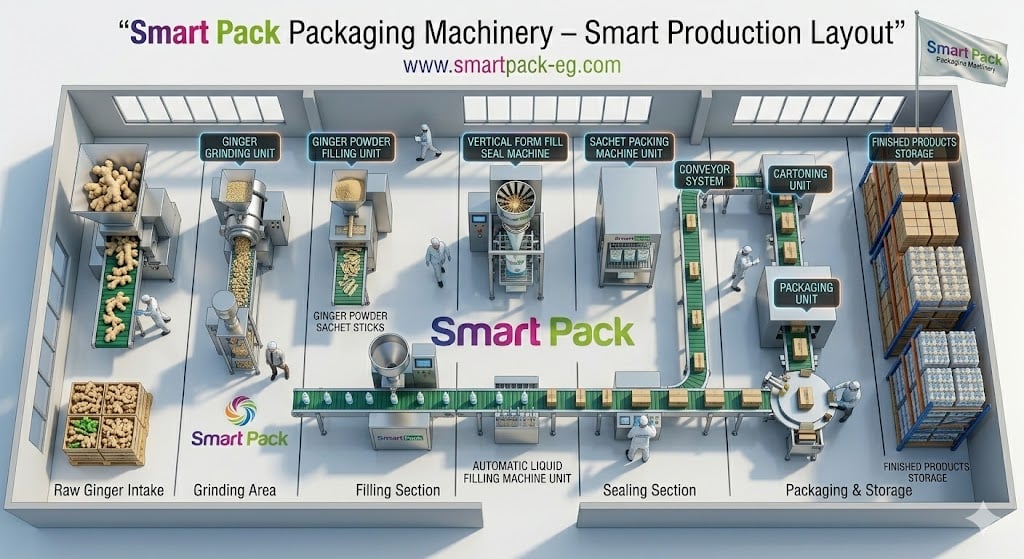
This is where factories play a key role. Raw ginger is received, cleaned, dried, processed, and converted into industrial products that can be filled, packaged, and sold with significantly higher profit margins than raw ginger.
4
Industrial Ginger Processing in Modern Factories
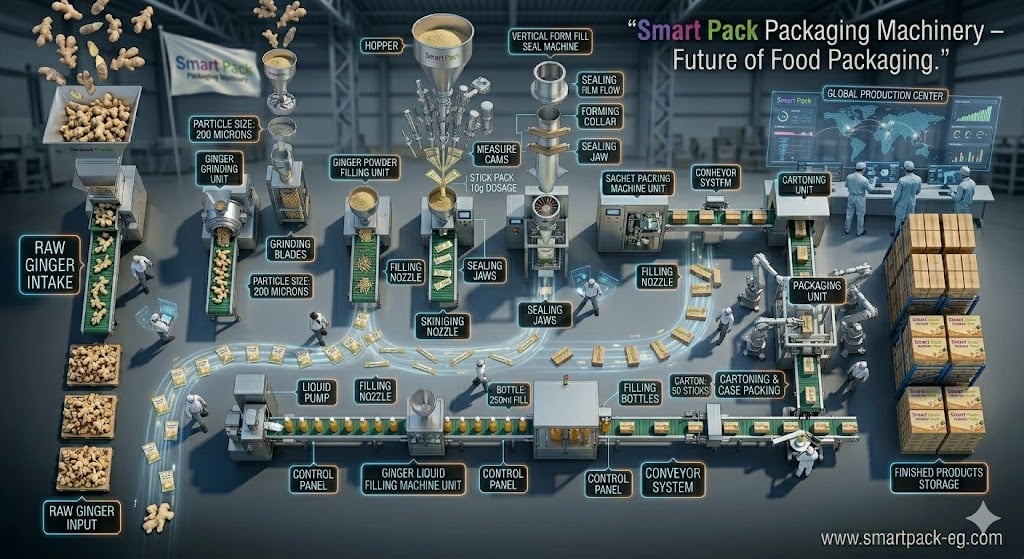
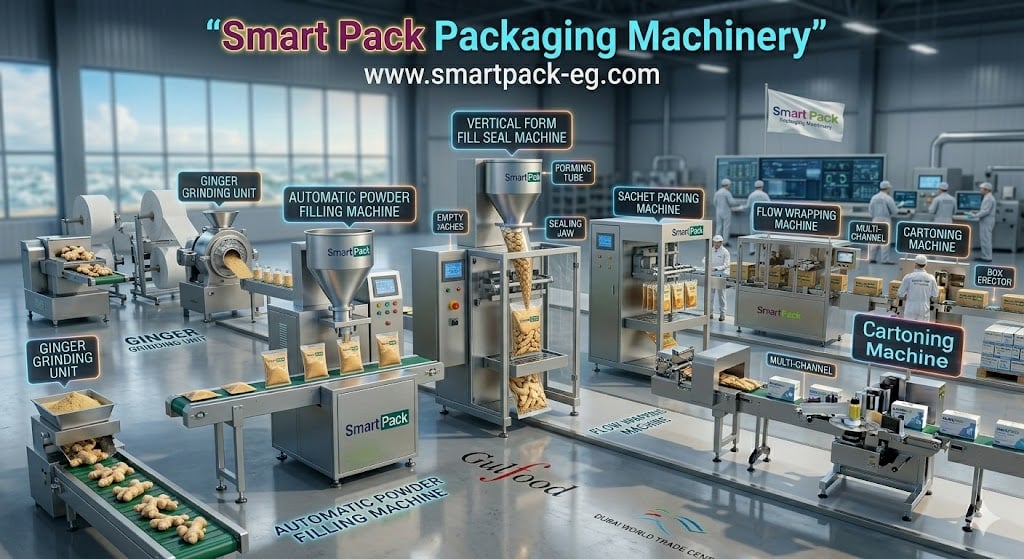
The industrial processing of ginger follows a series of interconnected stages, each requiring precise equipment to ensure consistent quality.
Sorting and Cleaning
Ginger roots are cleaned and impurities removed to ensure high-quality raw material before processing.
Drying and Treatment
Industrial drying or treatment techniques are used depending on the required final product.
Grinding or Extraction
The ginger is either ground into fine powder or processed to extract oils and active compounds.
Filling and Packaging
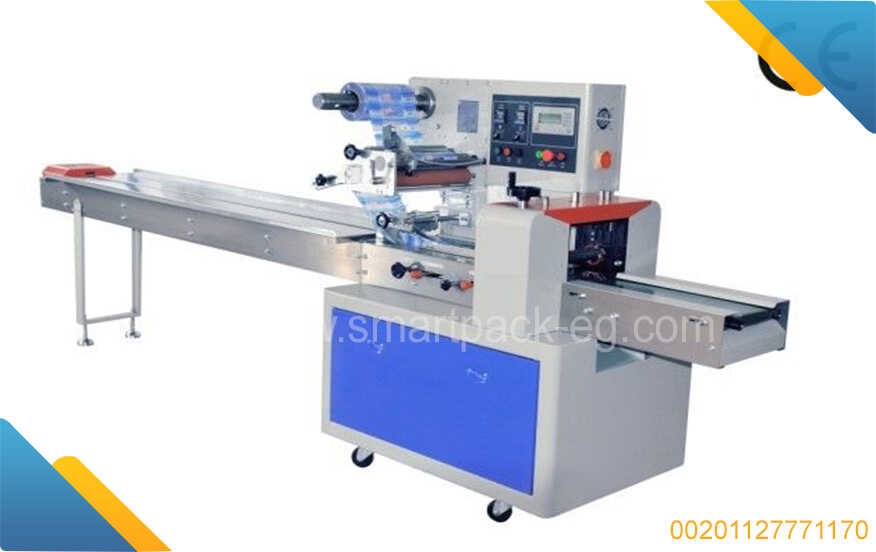
This is where the packaging and filling system becomes critical, transforming ginger into a finished, market-ready product.
Filling and Packaging Machines: The Key to a Successful Ginger Project
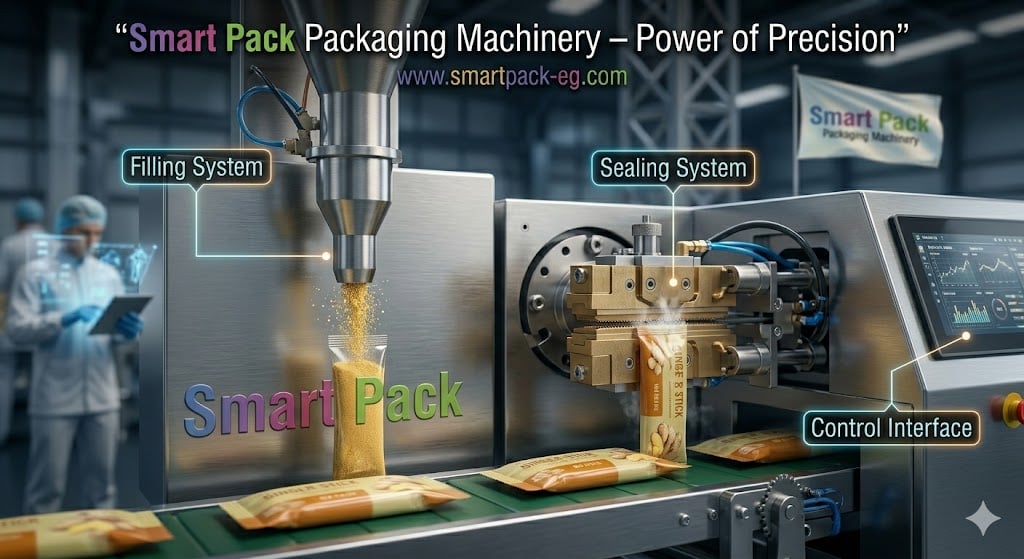
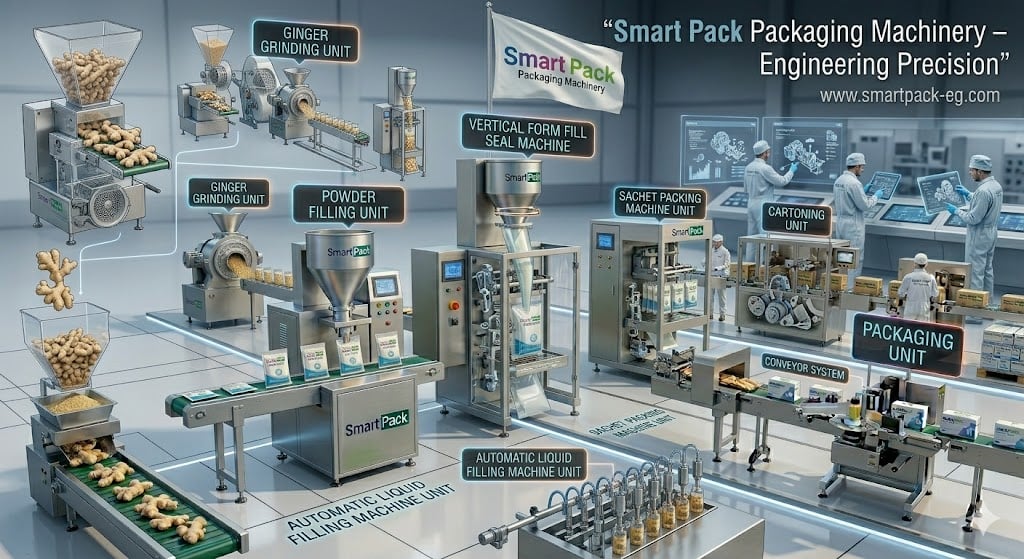
Any industrial project producing food or health products cannot succeed without professional filling and packaging machines that ensure:
Accurate weight and dosage
Preservation of product quality
Extended shelf life
Attractive and market-ready appearance
Whether the product is ginger powder, oil, or extract, selecting the right filling and packaging machines is the decisive factor between an average product and one that can compete strongly in the market.
4
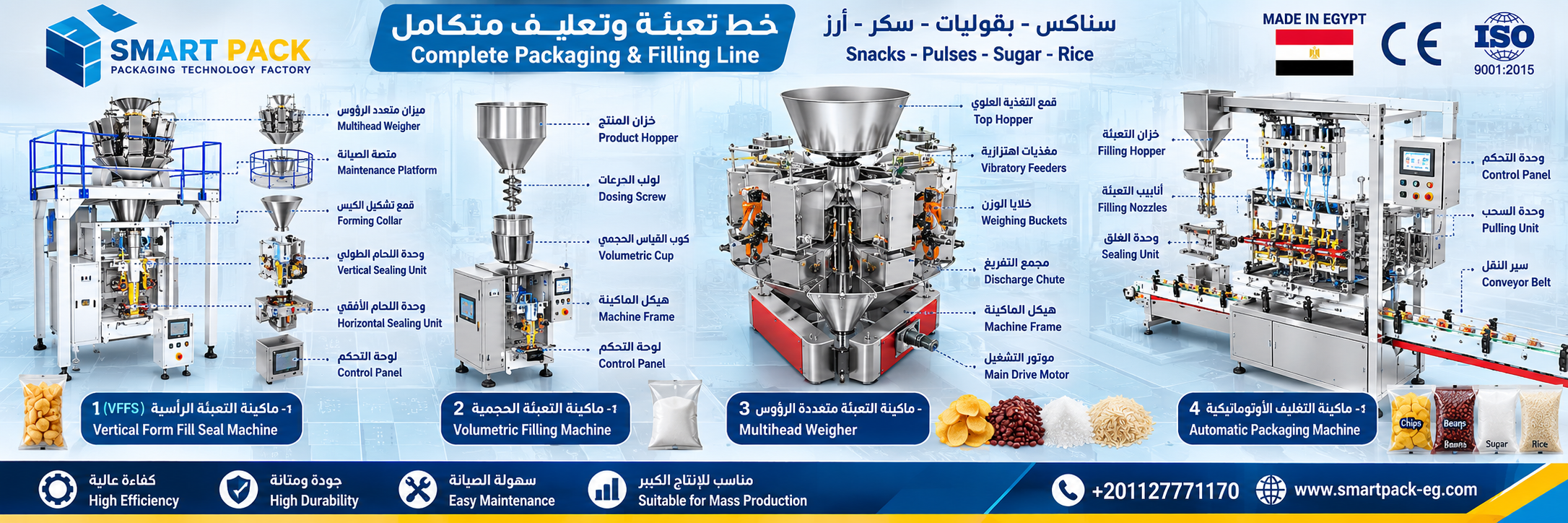
Types of Filling Machines Suitable for Ginger Products
| Product Type | Machine Type | Operating Nature |
|---|---|---|
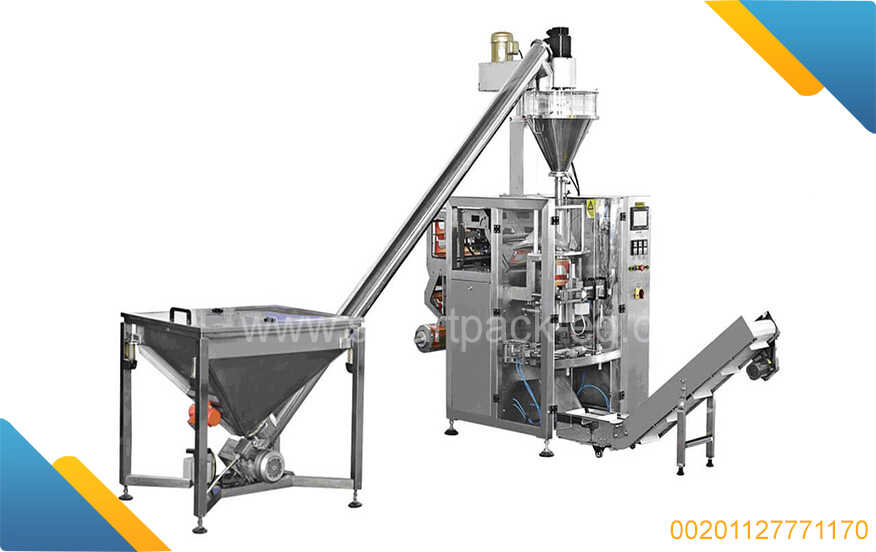
| Ginger Powder | Powder Filling Machine | High precision |
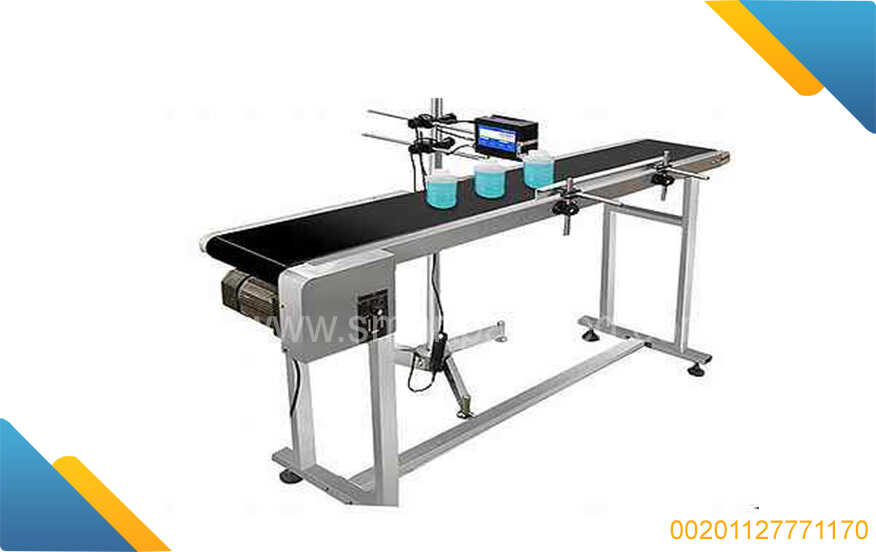
| Ginger Oil | Liquid Filling Machine | Secure sealing |
| Ginger Extracts | Integrated Filling Line | Continuous production |
Choosing the right machine depends on the product type and target market—not on price alone.
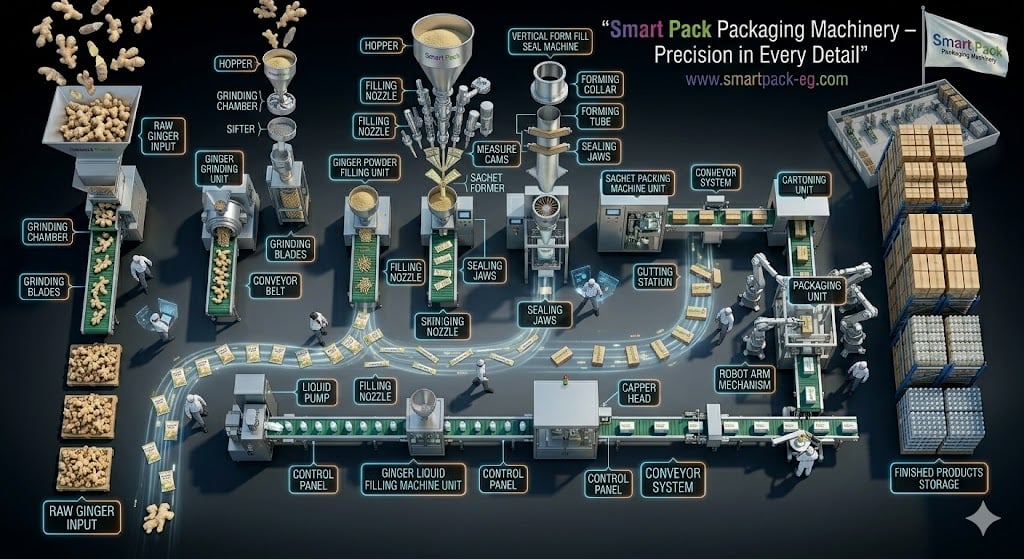
Integrated Production Lines: The Fastest Path to Profitability
Factories that rely on integrated production lines—from raw material intake to final packaging—achieve:
Higher operating speed
Reduced material waste
Consistent product quality
Easier scalability
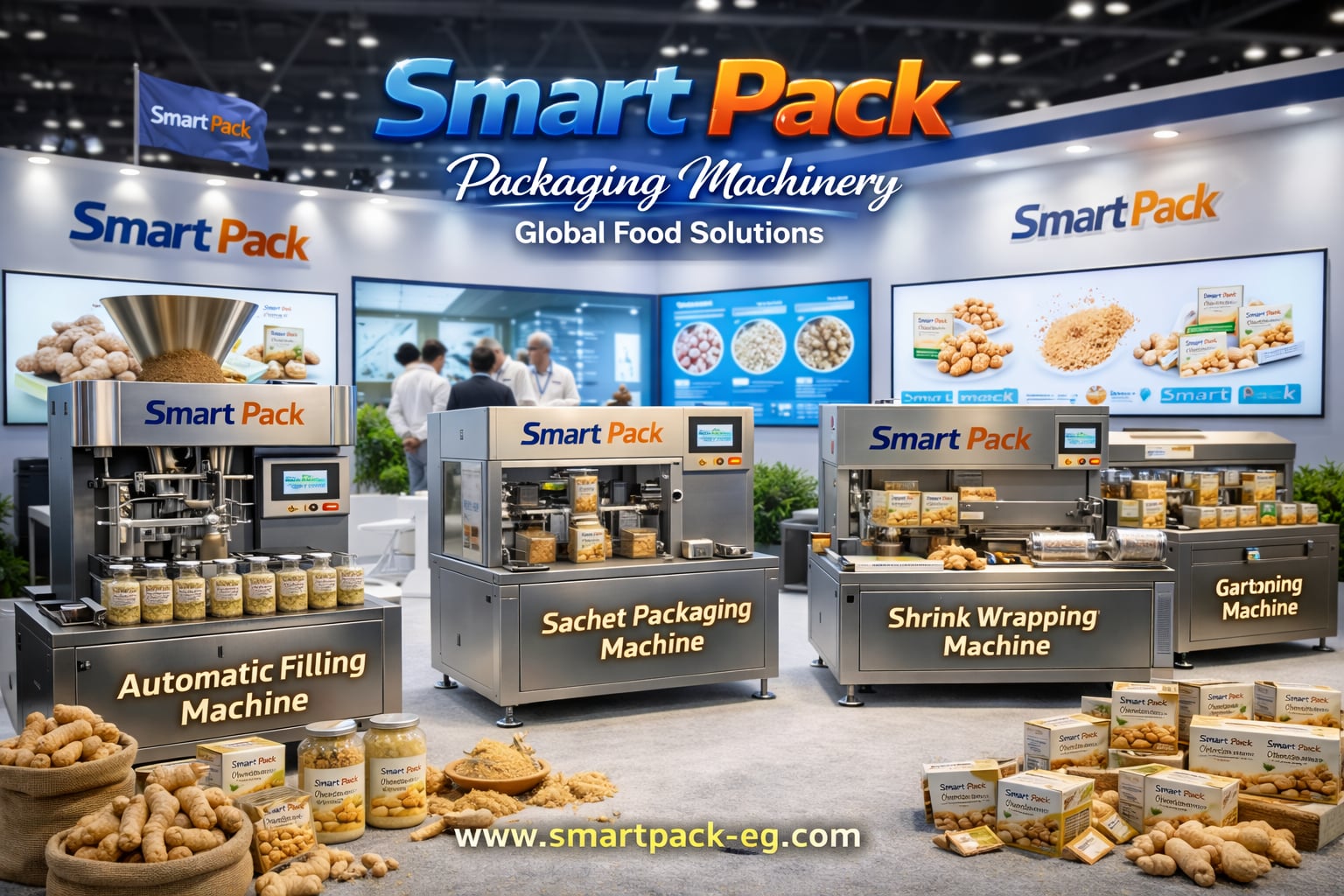
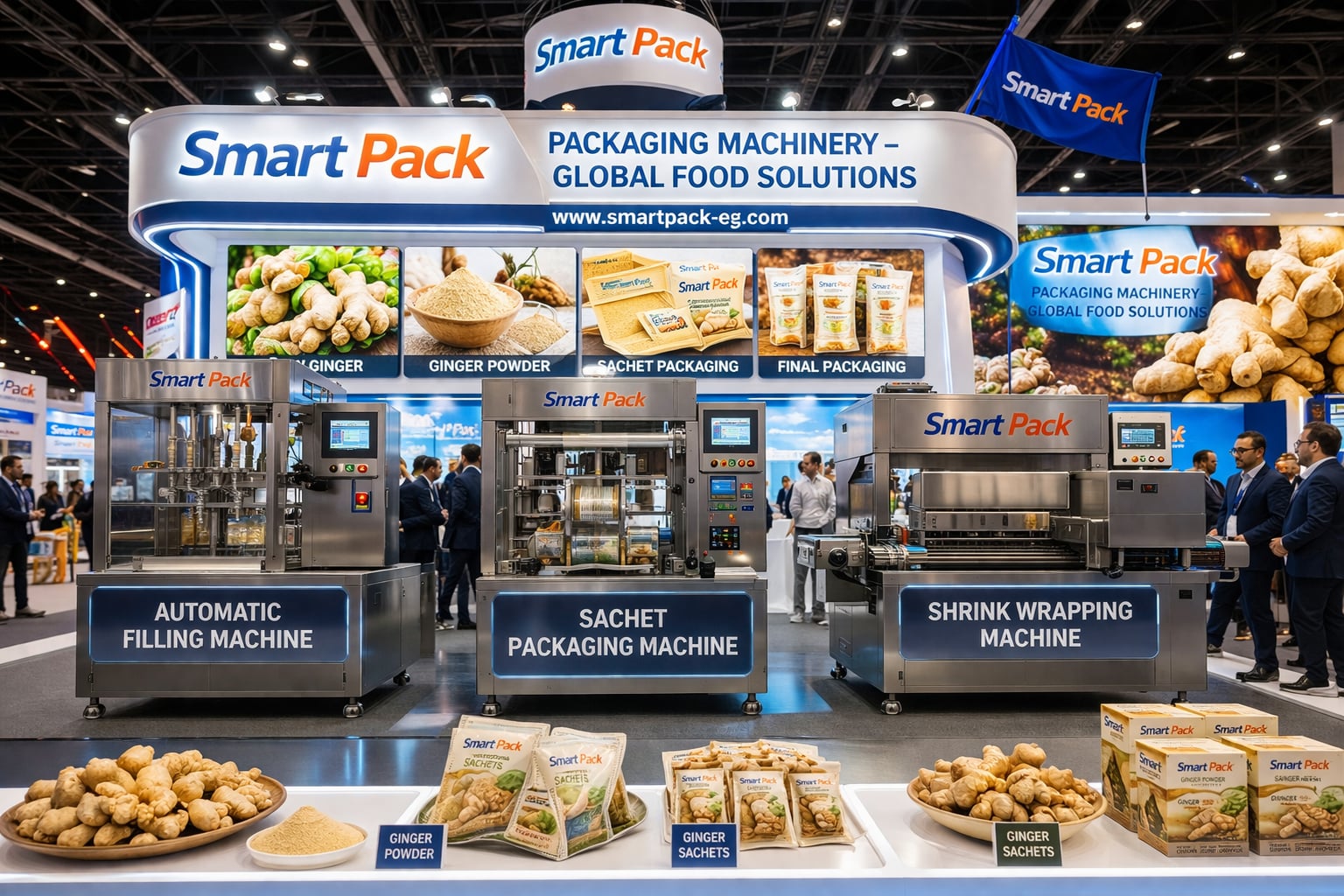
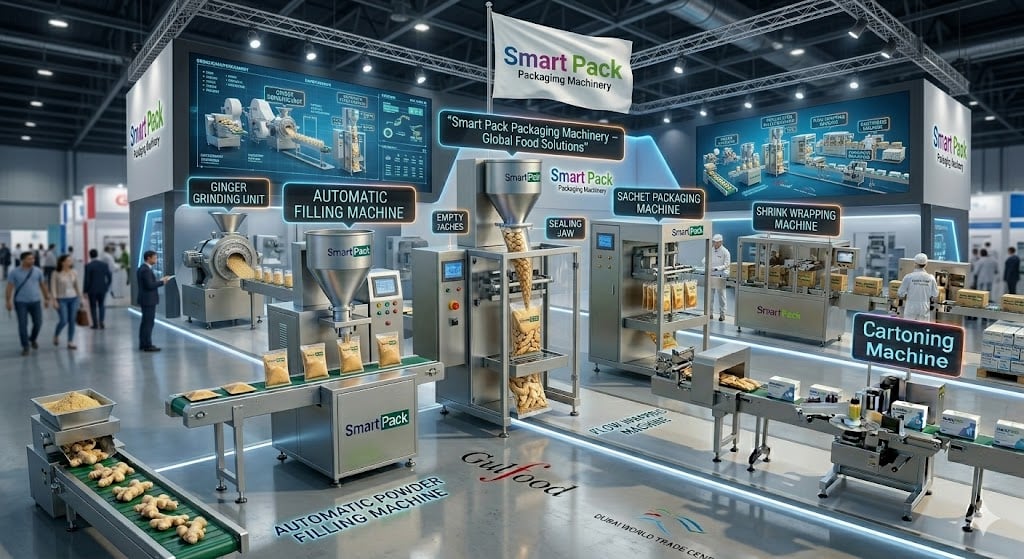
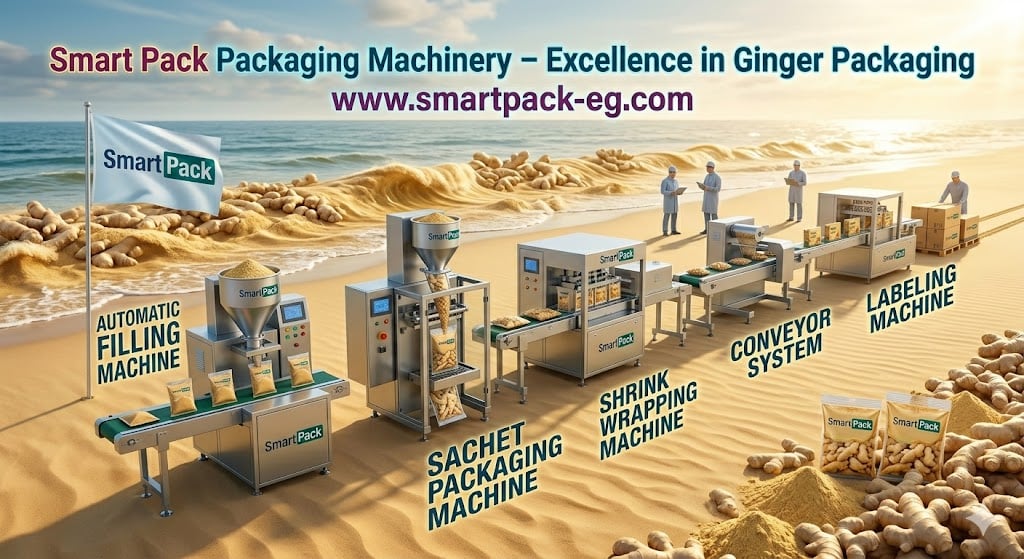
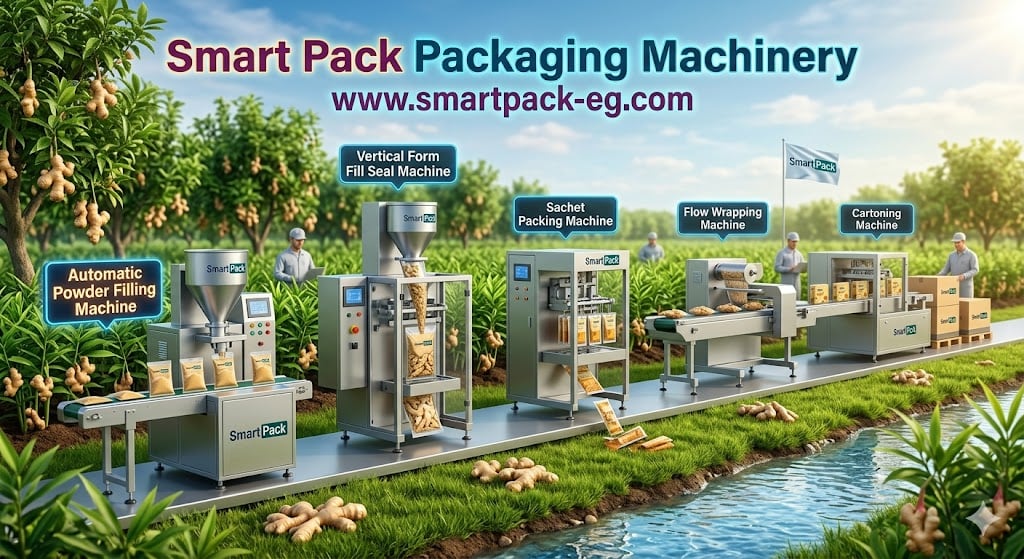
This is where cooperation with specialized packaging and filling machinery providers such as Smart Pack becomes essential, as they offer complete solutions tailored to the nature of the product and production volume.
4
Market and Profitability Analysis of an Integrated Ginger Project
The global ginger market is experiencing strong growth driven by:
The shift toward natural products
Rising demand for dietary supplements
Expanding use in food and health industries
This demand results in a high return on investment (ROI), especially when:
The entire production chain is controlled
Dependence on intermediaries is reduced
Efficient filling and packaging machines are used to minimize waste and boost productivity
Investment Tips Before Entering an Industrial Ginger Project
Do not limit your plan to ginger farming alone
Focus on processing and value addition
Choose scalable production lines
Give packaging and presentation the same importance as the product itself
True success in this project comes from a holistic vision, not from a single step.
Frequently Asked Questions
Is ginger farming alone enough to achieve high profits?
Farming is essential, but the highest profits come from processing and packaging.
Is ginger processing suitable for medium-sized factories?
Yes, especially when starting with flexible and scalable production lines.
How important is packaging for ginger products?
It plays a critical role in preserving quality and increasing market value.
Can processed ginger products be exported?
Yes, global demand is high when quality and standards are met.
When does ROI usually begin?
Within a relatively short period with proper management and the right machinery.
The Smart Investment Decision Starts Here
Ginger is no longer just an agricultural crop—it is a fully integrated industrial project capable of generating real profits when farming, processing, and packaging are properly aligned.
Factories that begin building this integrated system today and invest in professional filling machines and production lines position themselves strongly in a rapidly growing global market.