

 Admin
Admin Preventing the Spread of Viruses Has Become a Complete Industry and a Real Investment Opportunity for Factories
4
Preventing the spread of viruses and epidemics is no longer an individual responsibility or a temporary behavior linked to exceptional circumstances. Over the past few years, it has evolved into a comprehensive system that countries, institutions, and factories rely on continuously.
This transformation has created a steady and growing demand for disinfection and sanitation products, making them among the most widely consumed products in homes, factories, hospitals, and both public and private facilities.
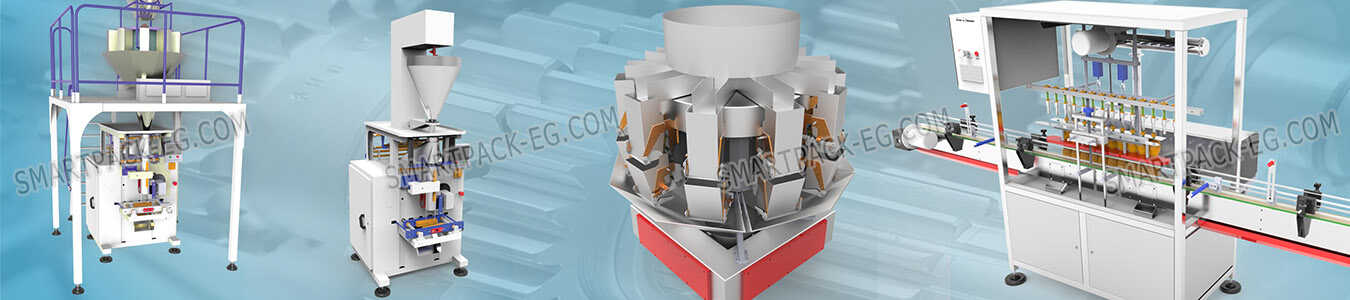
As a result, smart factories have started to view prevention not only as a health obligation, but as a stable industrial and investment opportunity—one based on continuous production, organized filling, and professional packaging. This opens the door to strong projects in disinfectant and sanitizer manufacturing, supported by modern filling machines, packaging systems, and integrated production lines.
Why Has Prevention Become an Industrial Sector That Cannot Be Ignored?
Different methods of preventing virus spread—such as surface disinfection, hand sanitizing, and cleaning public spaces—are no longer temporary actions. They have become a core part of health policies and operational requirements in factories, companies, and service facilities.
This reality has created constant demand for:
Liquid disinfectants
Hand sanitizers
Surface cleaners
Industrial sterilization materials
With such ongoing demand, relying on imports or limited production is no longer sufficient. Organized local manufacturing has become the optimal solution to meet market needs while achieving sustainable profits.
The Central Role of Factories in the Modern Prevention Ecosystem
Factories are no longer just consumers of sanitation products. They have become:
Primary producers
Key elements in supply chains
Partners in supporting public health
However, entering this sector requires more than random decisions. It demands a strong production infrastructure—starting with selecting suitable filling and packaging machines, moving through detergent and disinfectant filling machines, and ending with integrated production lines capable of operating efficiently without interruptions.
4
From Prevention to Production: How Health Demand Turns Into a Profitable Project
Every preventive action taken in a home, factory, or street directly results in the consumption of a disinfectant or sanitizer product. This daily and repeated consumption is what gives the sector its exceptional stability and profitability.
A factory that enters this field with proper planning can:
Produce consistent daily quantities
Serve multiple sectors simultaneously
Market products with relative ease
Expand gradually with limited risk
The decisive factor in all of this is the filling and packaging system, which transforms liquid formulations into ready-to-sell products.
Filling and Packaging Machines: The Foundation of Quality and Trust
In a market built on trust and quality, there is no room for error. Any inconsistency in fill volume, weak sealing, or unprofessional packaging can lead to immediate loss of market confidence.
That is why filling and packaging machines are a cornerstone of disinfectant factories. They:
Ensure precise filling in every container
Maintain consistent product quality
Reduce raw material waste
Increase production capacity
Deliver a professional product appearance that boosts sales
4
How Do Disinfectant and Sanitizer Factories Operate with an Organized Production Line?
The production process consists of interconnected stages, each directly dependent on the previous one.
Raw Material Preparation
Active ingredients and base components are prepared using precise ratios to ensure product effectiveness and safety.
Mixing and Homogenization
A critical stage that guarantees formula uniformity and directly impacts product quality before filling.
Precision Filling
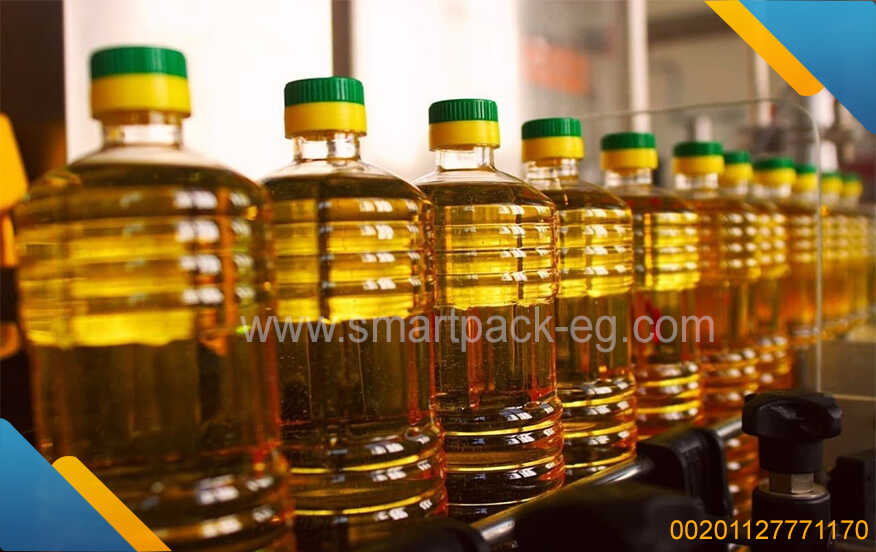
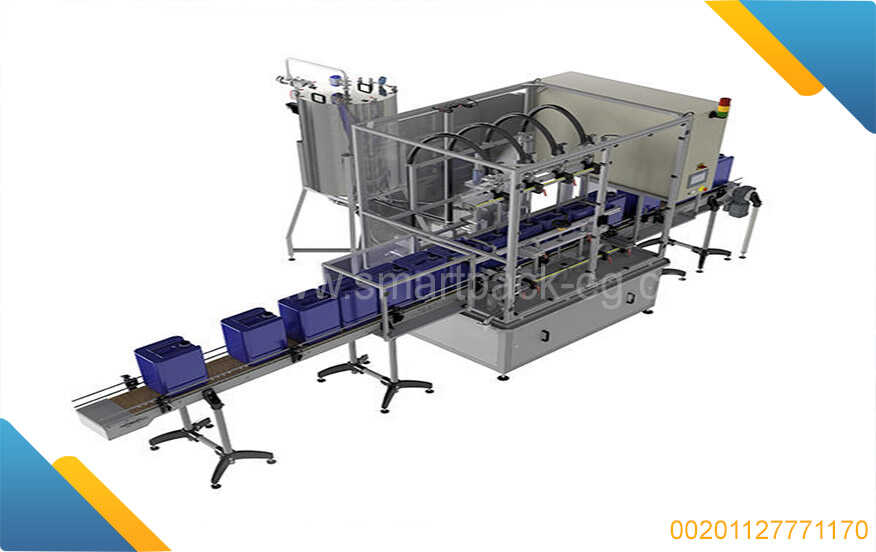
This is where the importance of detergent and disinfectant filling machines becomes clear. These machines are designed to handle liquids efficiently, without leakage or volume variation.
Final Packaging
A stage just as important as manufacturing itself, as it directly influences purchasing decisions and first impressions.
Filling Machine Types Suitable for Prevention and Disinfection Projects
| Machine Type | Operation Mode | Production Capacity | Suitable For |
|---|---|---|---|
| Semi-Automatic Filling Machine | Flexible operation | Medium | Startup factories |
| Automatic Filling Machine | Continuous operation | High | Medium-scale factories |
| Integrated Production Line | Industrial operation | Very high | Large-scale expansion |
Choosing the right type should be based not only on current capacity, but on the factory’s future growth strategy.
Integrated Production Lines: The Optimal Solution for Ambitious Factories
Relying on integrated production lines provides factories with:
Operational stability
Smooth coordination between production stages
Higher production speed
Lower long-term operating costs
For this reason, serious manufacturers collaborate with specialized companies such as Smart Pack, which offer complete solutions in filling and packaging machinery tailored to disinfection and sanitation industries.
4
Market and Profitability Analysis of Disinfectant Manufacturing Projects
From an investment perspective, this project is characterized by:
Continuous, non-seasonal demand
Fast capital turnover
Healthy profit margins
Easy scalability
Return on investment (ROI) in this field increases significantly when high-efficiency filling and packaging machines are used to reduce waste and maximize productivity.
Key Investment Tips Before Entering the Prevention Manufacturing Sector
Do not start without studying real market demand
Choose machines designed for continuous operation
Never compromise on quality or technical support
Work with a supplier that understands industrial manufacturing
The right decision during the establishment phase is what determines project success for years to come.
Frequently Asked Questions
Is virus prevention a real industrial opportunity?
Yes, because it has created constant demand for disinfection products.
Is disinfectant manufacturing suitable for medium-sized factories?
Very suitable, especially when starting with scalable production lines.
What role do filling machines play in project success?
They ensure quality consistency, efficiency, and reduced waste.
Is expansion easy in this sector?
Yes, when flexible and upgradable production lines are selected.
When does a factory start generating profits?
Within a relatively short period with proper management and the right machinery.
The Decision That Makes the Difference for Today’s Factories
Prevention is no longer just a health measure—it has become a full-scale industry and a real investment opportunity.
Factories that recognize this shift and move early toward organized production, while selecting reliable filling machines, packaging systems, and production lines, are the ones that will achieve long-term stability, growth, and profitability.