








 Admin
Admin
The Professional Approach to Choosing and Using the Best Degreaser for Optimal Results
A Practical Guide to Powerful, Safe, and Efficient Grease Removal
Grease buildup on surfaces, stovetops, walls, and cookware does not only affect the visual cleanliness of the kitchen—it represents a real health risk that can encourage bacterial growth, spread germs, and reduce the efficiency of kitchen equipment.
Using a degreaser correctly is the key to achieving shiny, hygienic surfaces with minimal effort and time, whether at home, in restaurants, or in large industrial kitchens.
4
Why Is a Degreaser Essential for Kitchen Hygiene?
Accumulated fats and oils on kitchen surfaces create an ideal environment for bacteria, especially near food preparation areas such as ovens, stoves, walls, and floors.
Grease cannot be removed effectively with water or regular soap alone. A proper degreaser works by chemically breaking down fats, making them easy to wipe away without excessive scrubbing.
Step-by-Step Guide to Using a Degreaser for Best Results
1. Remove heavy debris first
Clear visible food residues or solid particles before applying the degreaser. This allows the product to work faster and more effectively.
2. Apply the degreaser to greasy areas
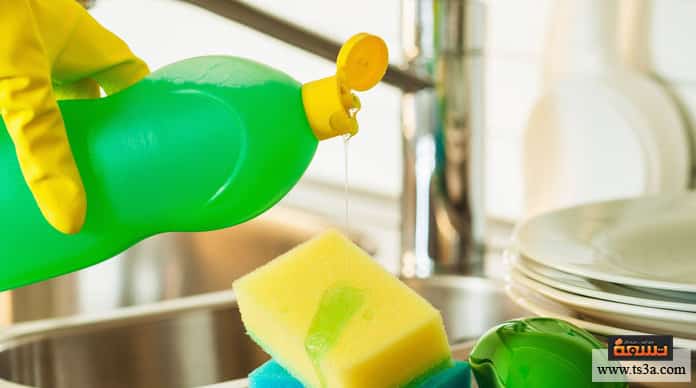
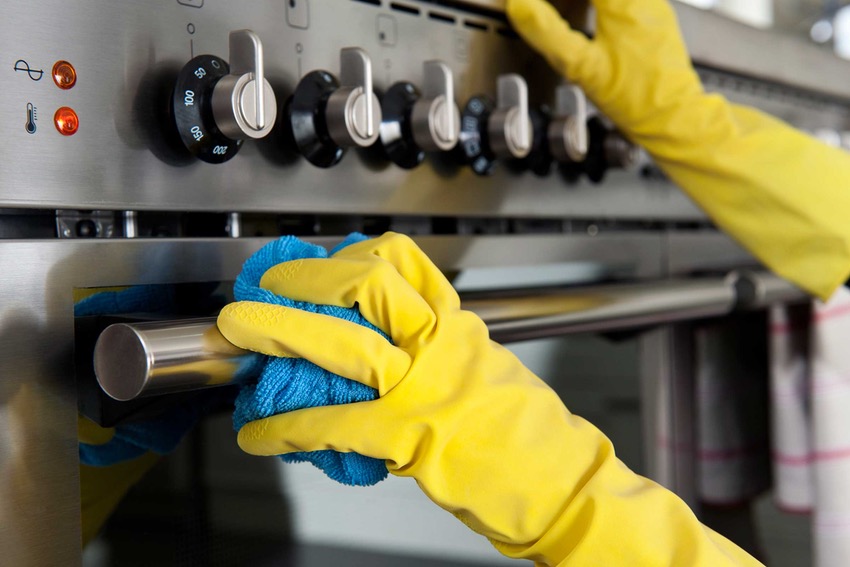
Spray or apply the degreaser directly onto surfaces such as stovetops, oven backsplashes, or shelves near heat sources.
3. Allow proper contact time
Let the degreaser sit for 7–10 minutes. This contact time allows the active ingredients to penetrate and break down stubborn grease.
4. Gently scrub the surface
Use a soft sponge or a non-metal brush. Avoid abrasive tools that may scratch sensitive surfaces.
5. Rinse and dry thoroughly
Rinse with clean water and dry the surface well to remove any product residue and achieve a clean, glossy finish.
Comparison Table: Types of Degreasers and Their Uses
| Product Type | Ideal Use | Suitable For | Key Feature |
|---|---|---|---|
| High-strength degreaser | Stubborn grease on ovens & stoves | Homes & restaurants | Requires 7–10 min contact time |
| Multi-purpose cleaner | Countertops & cabinets | Household use | For light to medium grease |
| Natural degreaser | Sensitive surfaces | Eco-friendly use | Mild and safe |
| Gel degreaser | Heavy equipment & machinery | Industrial applications | Longer surface adhesion |
| Industrial-grade degreaser | Commercial kitchens | Hotels & restaurants | Fast, professional performance |
Professional Tips for Safe and Effective Degreasing
-
Ensure proper ventilation
Good airflow reduces inhalation of chemical vapors and improves safety. -
Test on a small area first
Always test the product on an inconspicuous spot to prevent discoloration or surface damage. -
Use protective equipment
Wear gloves and, when necessary, safety goggles to protect skin and eyes. -
Never mix chemicals
Avoid mixing degreasers with chlorine or ammonia, as this can produce toxic fumes.
Why Do Degreaser Results Vary Between Products?
Performance differences are mainly due to chemical formulation. High-quality degreasers contain effective solvents that dissolve deep grease without harming surfaces.
There is no single cleaner suitable for all surfaces and grease types—choosing the right product saves time, effort, and ensures better hygiene.
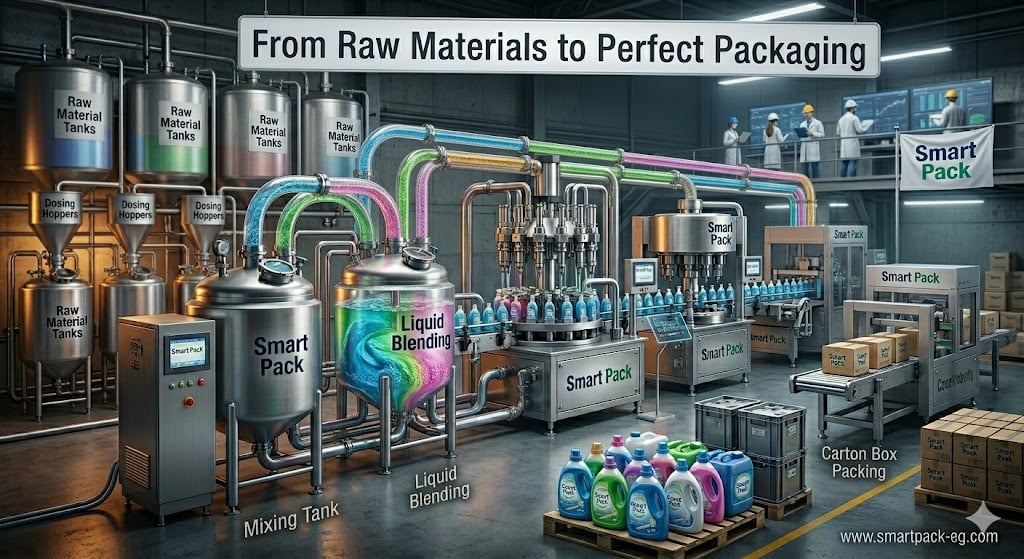
The Role of Professional Packaging in Degreasing Products
High-quality degreasing products are usually professionally packaged to preserve their active ingredients until use.
Proper packaging:
-
Maintains product stability
-
Prevents contamination
-
Ensures consistent performance with repeated use
This is where advanced liquid filling systems play a critical role by ensuring:
-
Accurate volume in every bottle
-
Stable formulation during long storage
-
Easy and safe application for end users
Frequently Asked Questions About Degreasers
What is the difference between a degreaser and a regular cleaner?
A degreaser dissolves deep grease, while regular cleaners remove surface dirt only.
How long should a degreaser stay on grease?
Ideally 7–10 minutes before scrubbing.
Can degreasers be used on wood?
Yes, but use mild products and always test first.
Are degreasers safe around children?
They should be stored out of reach and used with protective gloves.
What if grease stains remain?
Reapply the degreaser, allow longer contact time, and gently scrub before rinsing.
Final Insight
Removing stubborn kitchen grease is more than surface cleaning—it is a commitment to health, safety, and efficiency, whether in a home kitchen, restaurant, or professional cleaning facility.
By choosing the right degreaser, allowing proper contact time, and applying a professional method, you can achieve sparkling, grease-free kitchens with minimal effort.
When these cleaning products are accurately filled and professionally packaged using advanced liquid filling technology from a trusted supplier, you ensure consistent quality and reliable results every time.