 Admin
Admin A Comprehensive Guide to Health Disinfectants
How They Work Against Viruses and Bacteria
Health disinfectants are a fundamental pillar in fighting infectious diseases and maintaining clean, safe environments in hospitals, factories, public facilities, and homes. They are not ordinary cleaning products; disinfectants are powerful chemical formulations designed to kill or deactivate viruses, bacteria, and fungi, helping to prevent the spread of infection and protect human health.
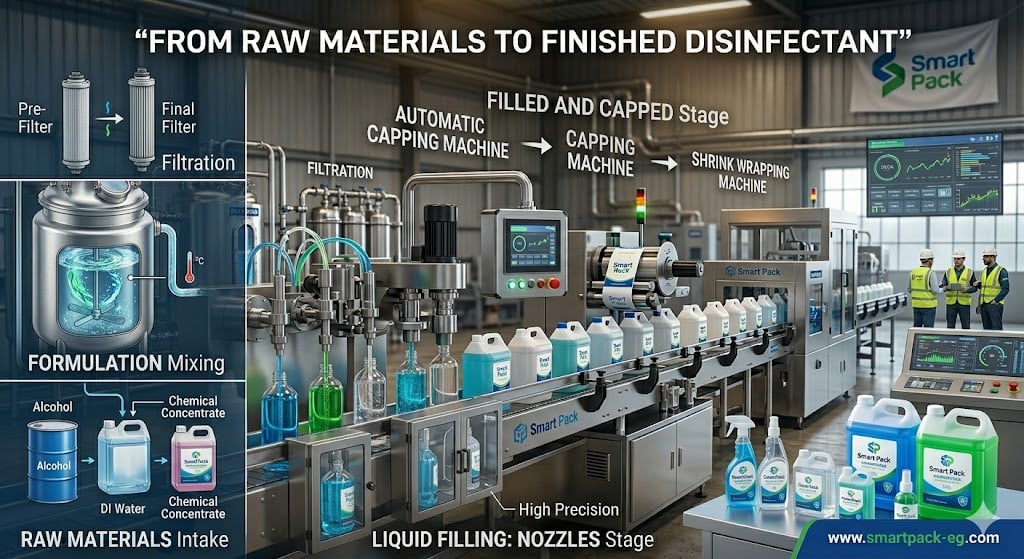
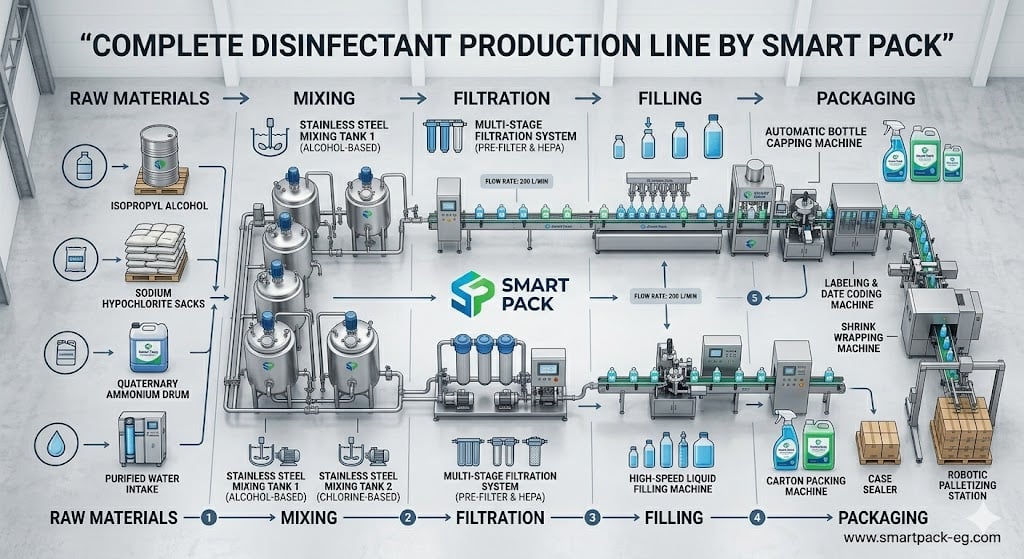
Understanding how disinfectants work and how to use them correctly helps in selecting the right product and also forms the foundation for establishing high-quality disinfectant manufacturing, filling, and packaging projects using modern industrial production lines that meet growing market demand.
What Are Health Disinfectants?
Disinfectants are chemical substances formulated to eliminate microorganisms on non-living surfaces such as floors, walls, desks, machinery, and equipment. They are mainly used in environments that require high-level surface sanitation, unlike antiseptics, which are applied to skin or living tissues.
Disinfectants are not intended for direct skin use. Their role is to destroy bacteria, viruses, and fungi on surfaces, making them essential in industrial plants, healthcare facilities, and large institutions.
How Do Disinfectants Work Against Viruses and Bacteria?
Disinfectants rely on advanced chemical mechanisms to neutralize or destroy microorganisms, including:
-
Damaging microbial cell membranes, preventing microorganisms from surviving or reproducing
-
Denaturing proteins and enzymes, which disrupts essential biological functions
When applied correctly, disinfectants effectively eliminate pathogens from surfaces.
Because some viruses and bacteria have protective outer layers, selecting the right disinfectant and proper active concentration is crucial for maximum effectiveness.
Why Are Disinfectants Essential for Public Health?
Disinfectants represent the first line of defense in preventing disease transmission, especially in high-traffic and industrial environments.
Key public health benefits:
-
Reducing infection spread in factories and public facilities
-
Protecting workers from surface-borne diseases
-
Creating safer work environments that boost productivity
-
Essential use in hospitals, restaurants, schools, offices, and industrial sites
Effective prevention always starts with proper cleaning, followed by the use of appropriate disinfectants.
Types of Disinfectants and Their Uses
1. Alcohol-Based Disinfectants
Disinfectants containing 60%–70% alcohol or higher are highly effective at rapidly killing bacteria and viruses when used as directed.
2. Chlorine-Based Disinfectants
Sodium hypochlorite (chlorine) solutions are powerful broad-spectrum disinfectants, widely used for large surface areas when applied at the correct concentration.
3. Quaternary Ammonium Compounds (QACs)
These compounds are effective against enveloped viruses and many bacteria, making them suitable for routine surface disinfection in public spaces.
Each disinfectant type has specific properties and optimal applications depending on the surface and environment.
Use of Disinfectants in Industrial Facilities
Maintaining a safe industrial environment requires strong and reliable disinfectants for shared spaces and equipment.
Common applications include:
-
Disinfecting factory floors and industrial machinery
-
Offices and meeting rooms
-
Common areas and worker facilities
-
Production zones before and after shifts
Correct disinfectant use helps reduce infection risks and ensures continuous, uninterrupted production.
Disinfection vs. Sterilization
Disinfection aims to eliminate most harmful microorganisms on surfaces, while sterilization destroys all forms of microbial life.
For most industrial and commercial applications, disinfection is sufficient to maintain safe and hygienic environments without the complexity of full sterilization processes.
Benefits of Using Disinfectants Against Viruses
-
Reducing the spread of infectious diseases in workplaces and communities
-
Improving overall hygiene standards
-
Protecting employee health and reducing sick leave
-
Supporting public health prevention strategies
Disinfectant Manufacturing and Packaging: A Profitable Industrial Opportunity
Due to rising global demand, establishing a disinfectant manufacturing, filling, and packaging facility is a strong investment opportunity.
Key advantages:
-
Growing demand from hospitals, factories, and institutions
-
Export potential to markets requiring certified, high-quality disinfectants
-
Integrated production lines increase efficiency and profitability
Role of Filling and Packaging Machines in Disinfectant Projects
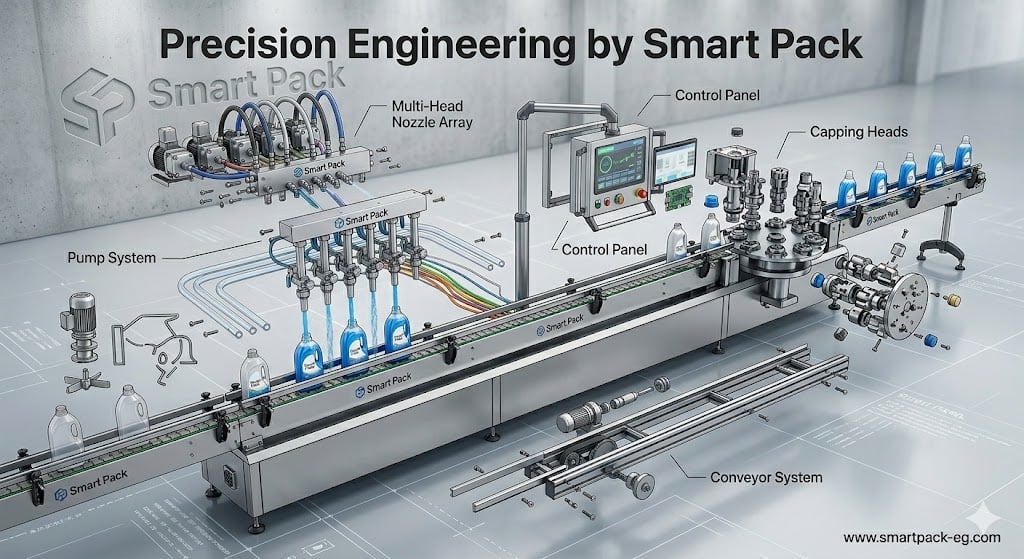
Filling Machines
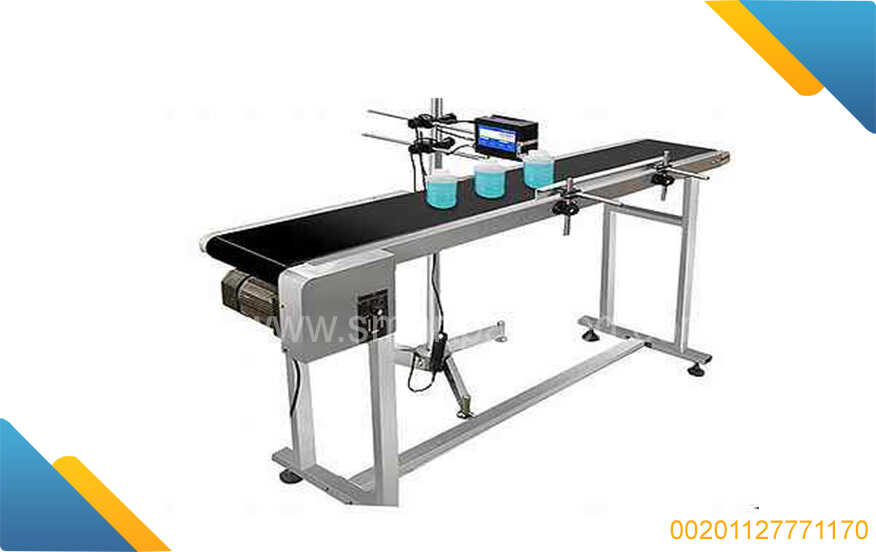
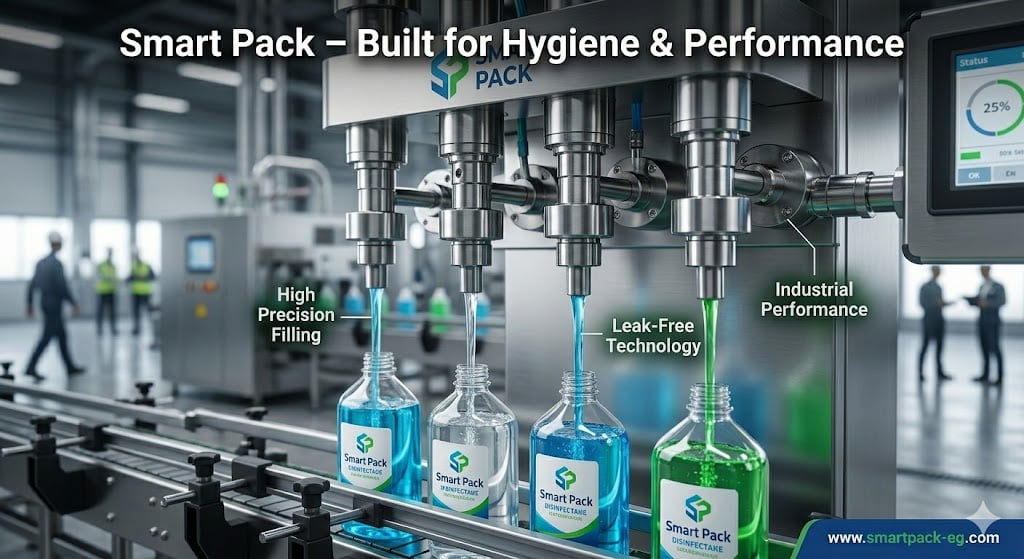
Disinfectant filling machines ensure accurate volume and weight in every container, maintaining consistent quality and minimizing product loss.
Key benefits:
-
Precise dosing for each bottle
-
Increased consumer trust through consistent quality
-
Higher production capacity
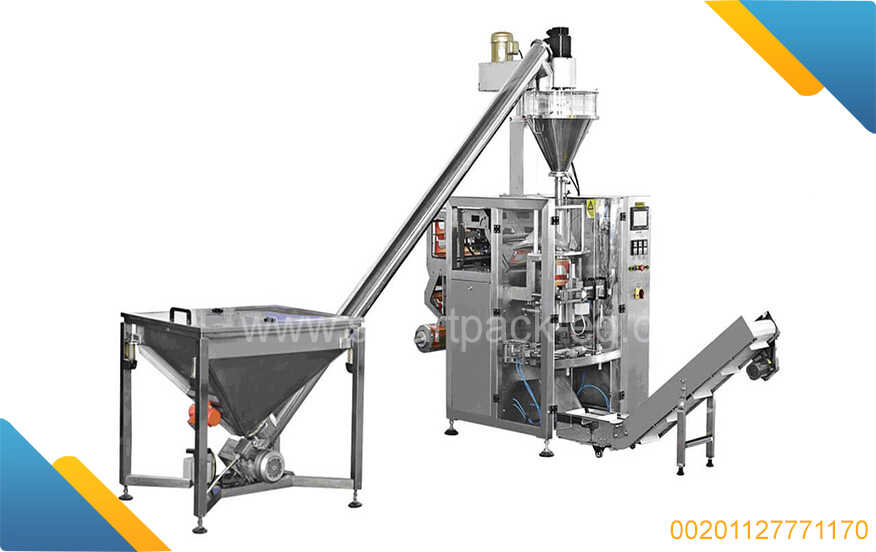
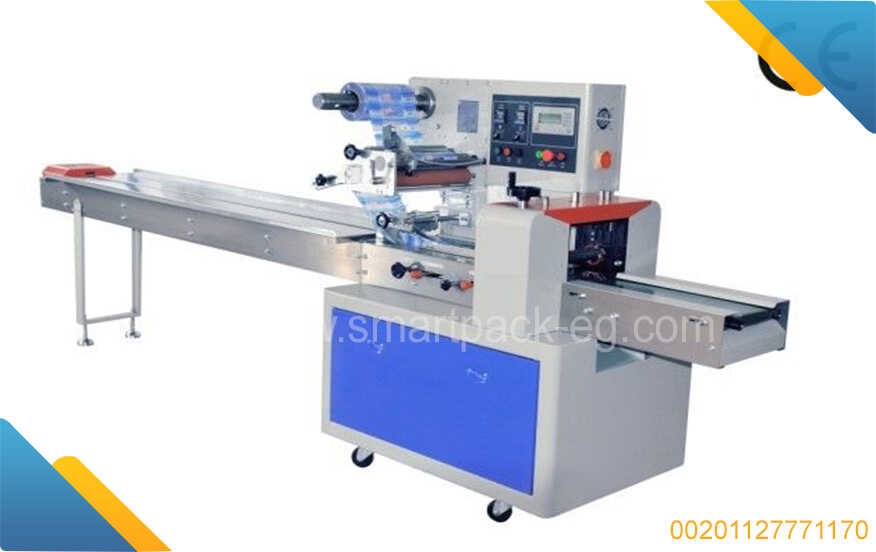
Packaging Machines
Proper packaging protects disinfectants during storage and transport:
-
Protection from air and moisture
-
Ready for local distribution and export
-
Enhanced shelf appeal and brand presentation
Disinfectants vs. Traditional Cleaning Methods
| Comparison Factor | Traditional Methods | Health Disinfectants |
|---|---|---|
| Germ elimination | Weak | Strong and effective |
| Work efficiency | Moderate | High |
| Surface protection | Temporary | Long-lasting |
| Health compliance | Limited | Fully compliant |
| Usage flexibility | Low | Multi-purpose |
Why Choose Smart Pack for Disinfectant Packaging Projects?
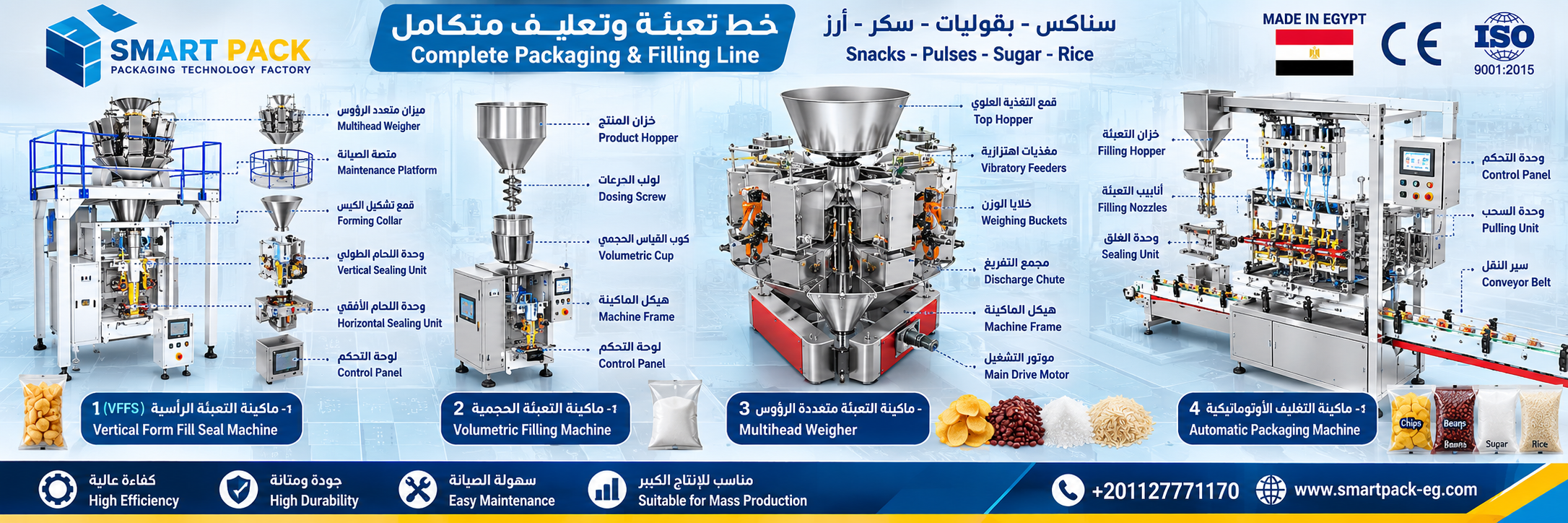
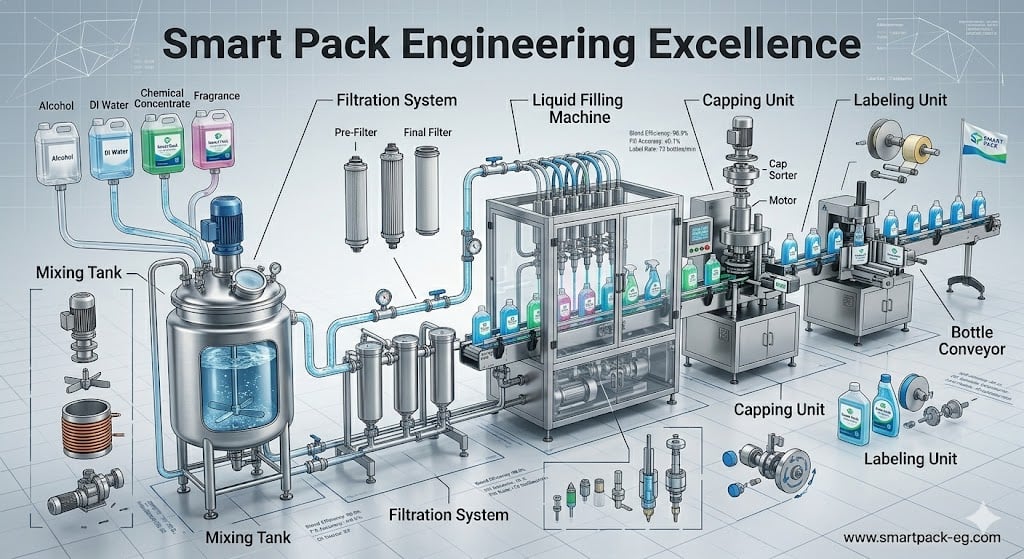
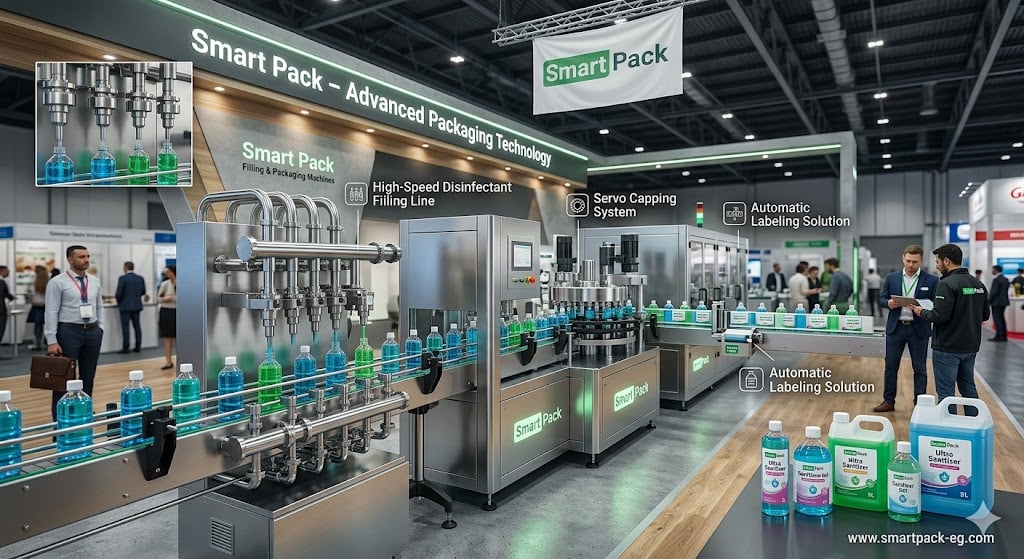
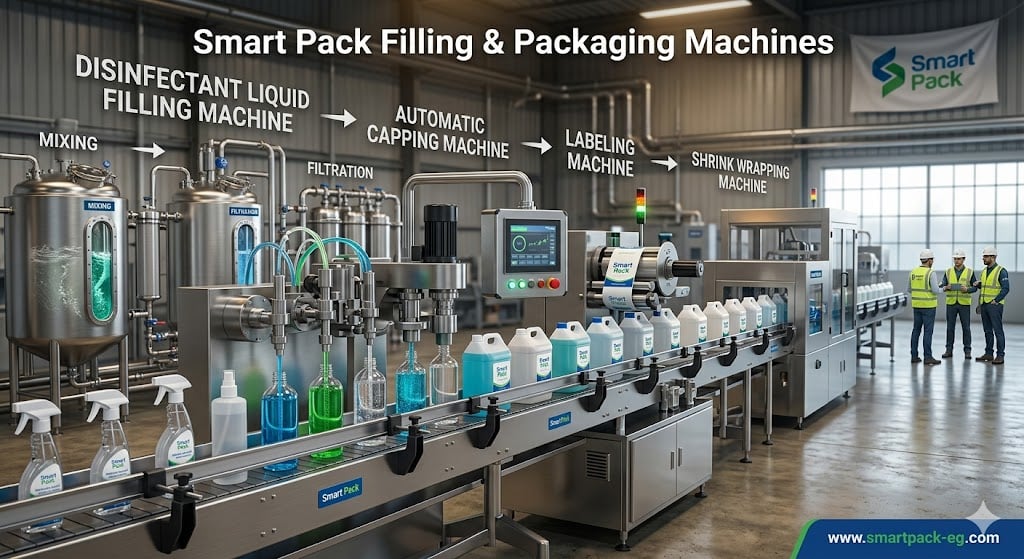
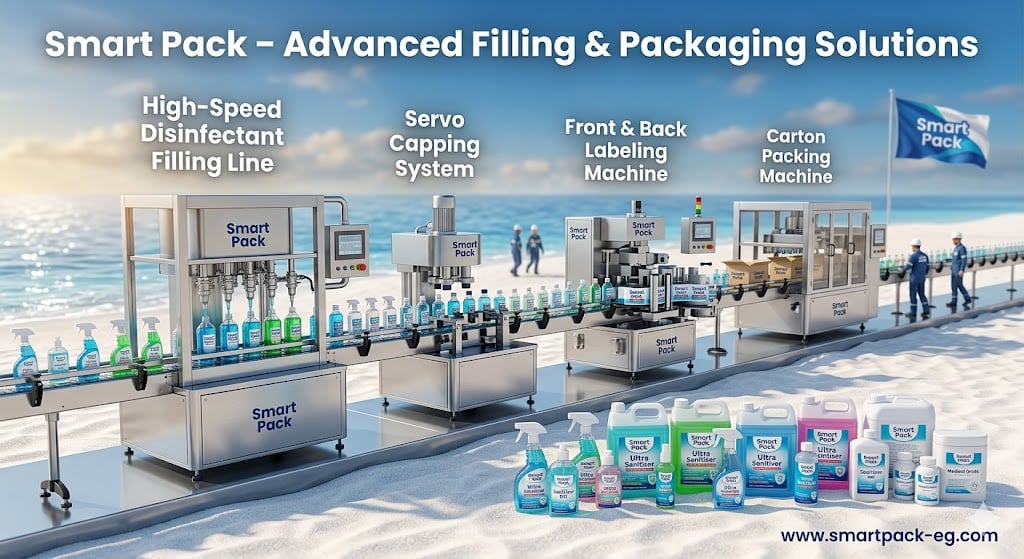
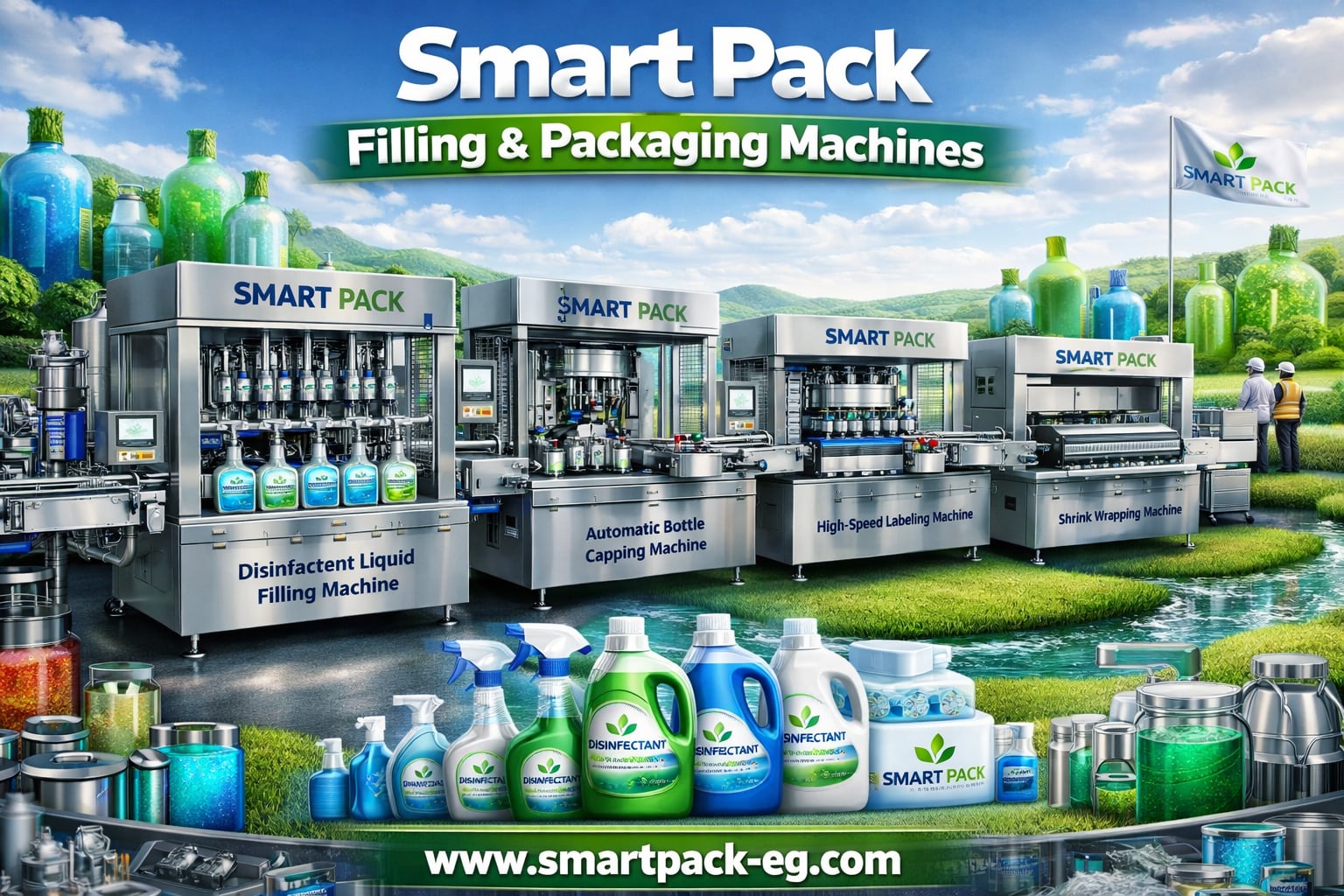
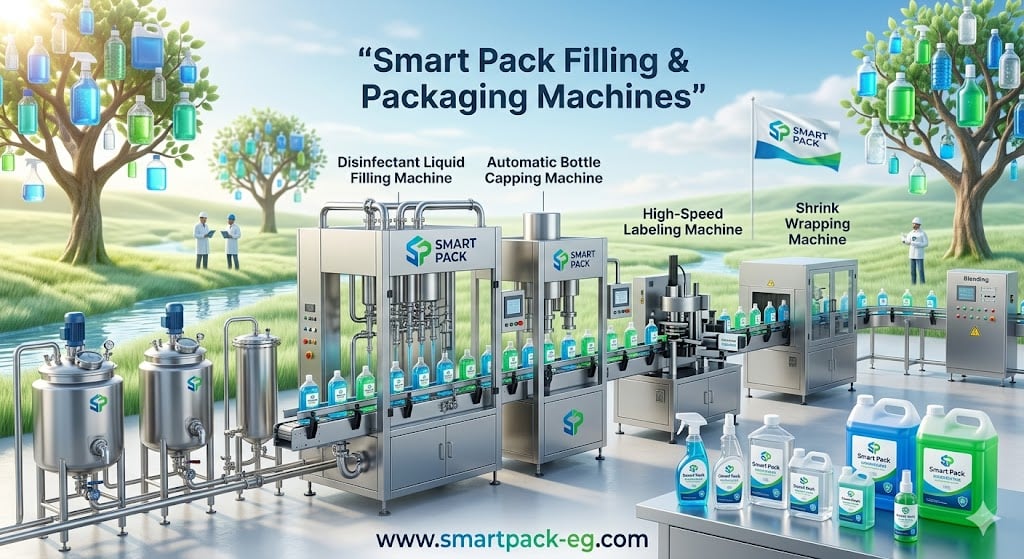
Smart Pack specializes in designing and manufacturing filling machines, packaging machines, and complete production lines for health disinfectant projects.
Key strengths:
-
Integrated solutions for small, medium, and large factories
-
Machines built for continuous industrial operation
-
Comprehensive technical support and after-sales service
-
Production lines customized for different output capacities
Important Tips for Using Disinfectants
-
Choose the right disinfectant for each surface type
-
Always follow usage instructions and recommended concentrations
-
Ensure proper ventilation during disinfection
-
Store products safely away from children
Frequently Asked Questions About Health Disinfectants
Do disinfectants kill all viruses?
Not all disinfectants kill every virus, but properly formulated products at correct concentrations are effective against enveloped viruses and bacteria.
What is the difference between disinfectants and antiseptics?
Disinfectants are used on non-living surfaces, while antiseptics are designed for use on skin or living tissues.
Can disinfectants be manufactured for commercial sale?
Yes. With compliance to health standards and proper formulation, disinfectants can be safely manufactured and sold.
Does packaging affect disinfectant quality?
Yes. Proper packaging preserves active ingredients and prevents degradation.
Does Smart Pack offer complete production solutions?
Yes. Smart Pack provides end-to-end solutions for disinfectant production and packaging lines.
Health Disinfectant Project Outlook
Demand for health disinfectants continues to grow due to increased awareness of surface sanitation and infection prevention.
Establishing a high-quality disinfectant manufacturing, filling, and packaging project using advanced machines and production lines from Smart Pack offers a strong opportunity for high profitability and long-term stability in both local and export markets.