 Admin
Admin Soybean Feasibility Study | Filling & Packaging Machines + Production & Sales Strategies
Soybeans and How to Turn Them into Profitable Products | Industrial Opportunities for Factories
Soybean Production Line | Filling, Packaging & Innovative Food Products
First: What Are Soybeans and Why Are They Economically Important?
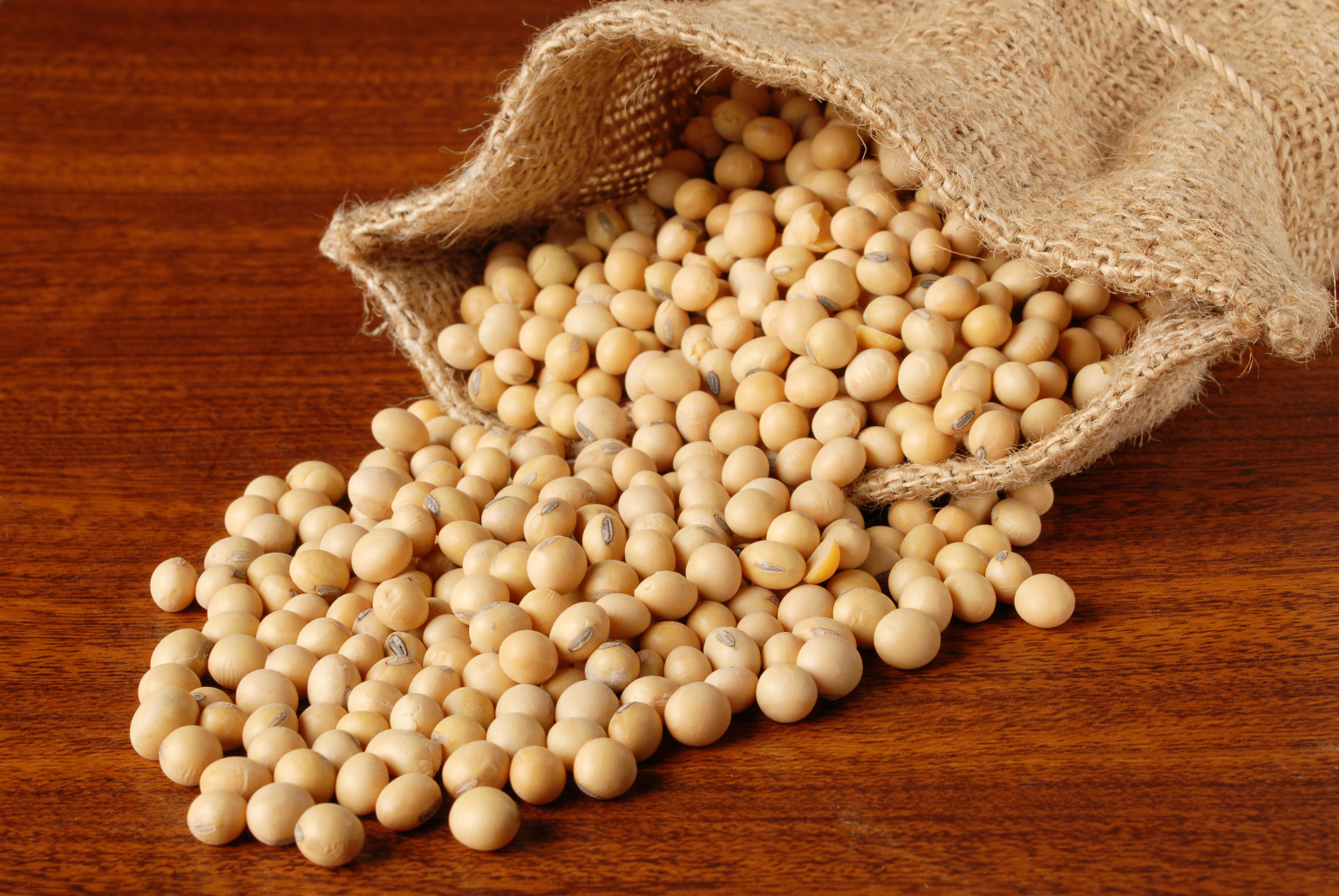
Soybeans are one of the most important agricultural crops worldwide due to their high nutritional value. They have become a core product in the food-processing industry with strong economic feasibility, as they are used in the production of many products such as soy milk, plant-based protein, soybean oil, and more.
Transforming soybeans from a raw crop into high value-added food products represents a powerful investment opportunity for factories—especially when supported by modern filling and packaging machines that improve product quality, reduce waste, and open doors to both local markets and export opportunities.
Soybeans typically contain:
-
Up to 37% protein
-
Around 21% oil
This composition makes soybeans an ideal raw material for a wide range of food and industrial applications.
Key Uses of Soybeans
-
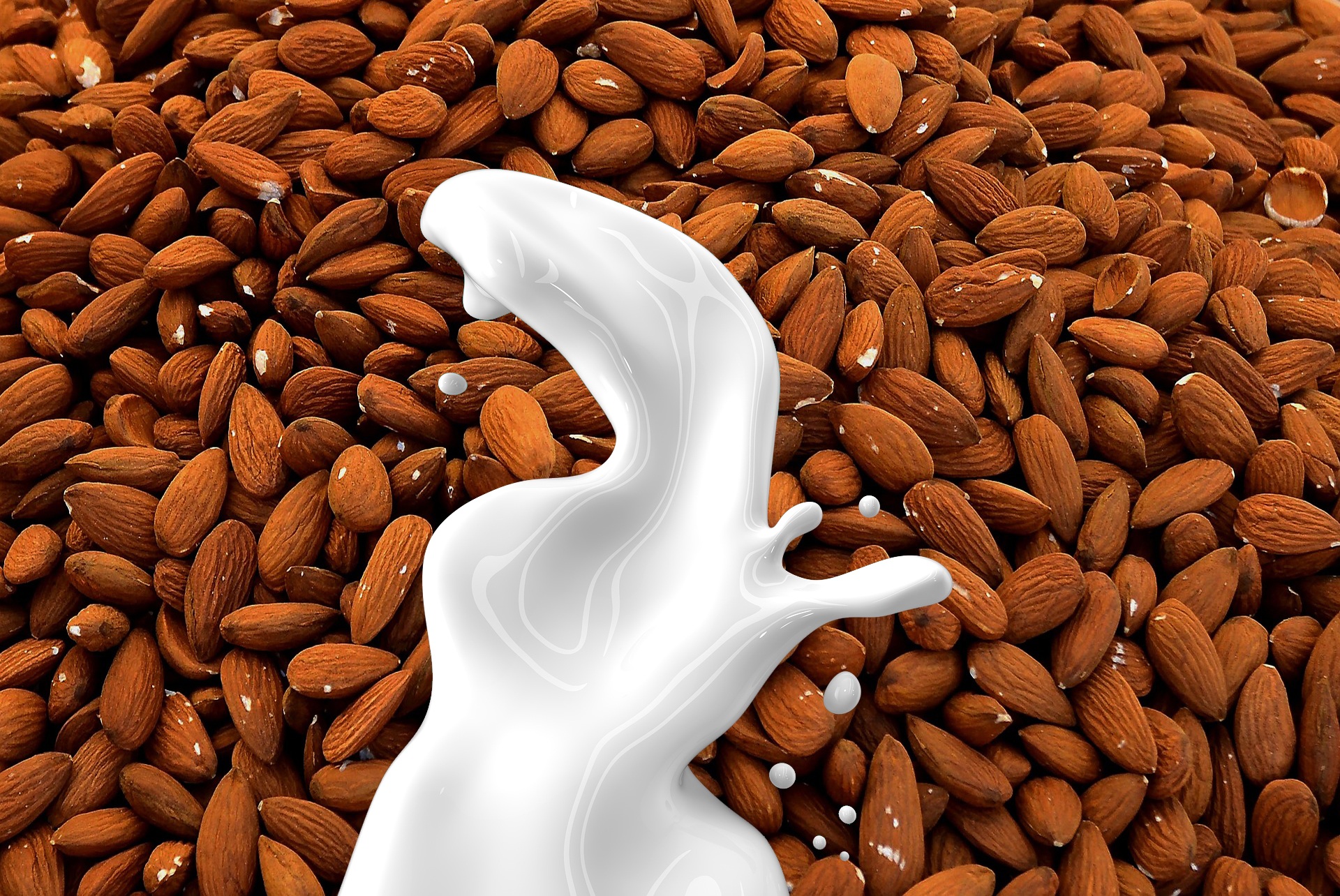
Production of soy milk and soy-based beverages
-
Edible soybean oil production
-
Manufacturing of plant-based protein and textured soy protein
-
Food products such as tofu, plant-based sausages, and meat alternatives
-
High-protein animal feed
These diverse uses create strong opportunities to convert soybeans into commercially attractive, market-ready products.
Second: Why Is a Soybean Project Profitable for Factories?
-
Product diversification: A single factory can produce multiple soybean-based products (soy milk, soy protein, packaged soybeans), expanding the customer base.
-
Stable and growing demand: Rising health awareness and increasing demand for plant-based protein drive continuous market growth.
-
Export potential: Soy products are in high demand in the Middle East, Africa, and Europe, increasing export revenues.
-
Relatively low raw material cost: Soybeans can be sourced locally or imported at competitive prices, while processed products generate higher margins.
Third: Multi-Product Industrial Project Scope
A soybean processing factory may include several production lines, such as:
-
Packaged soybeans for direct food consumption
-
Soy milk filling and packaging lines in multiple container sizes
-
Textured Soy Protein (TSP) production and packaging lines
-
Plant-based alternative food lines such as tofu and meat substitutes
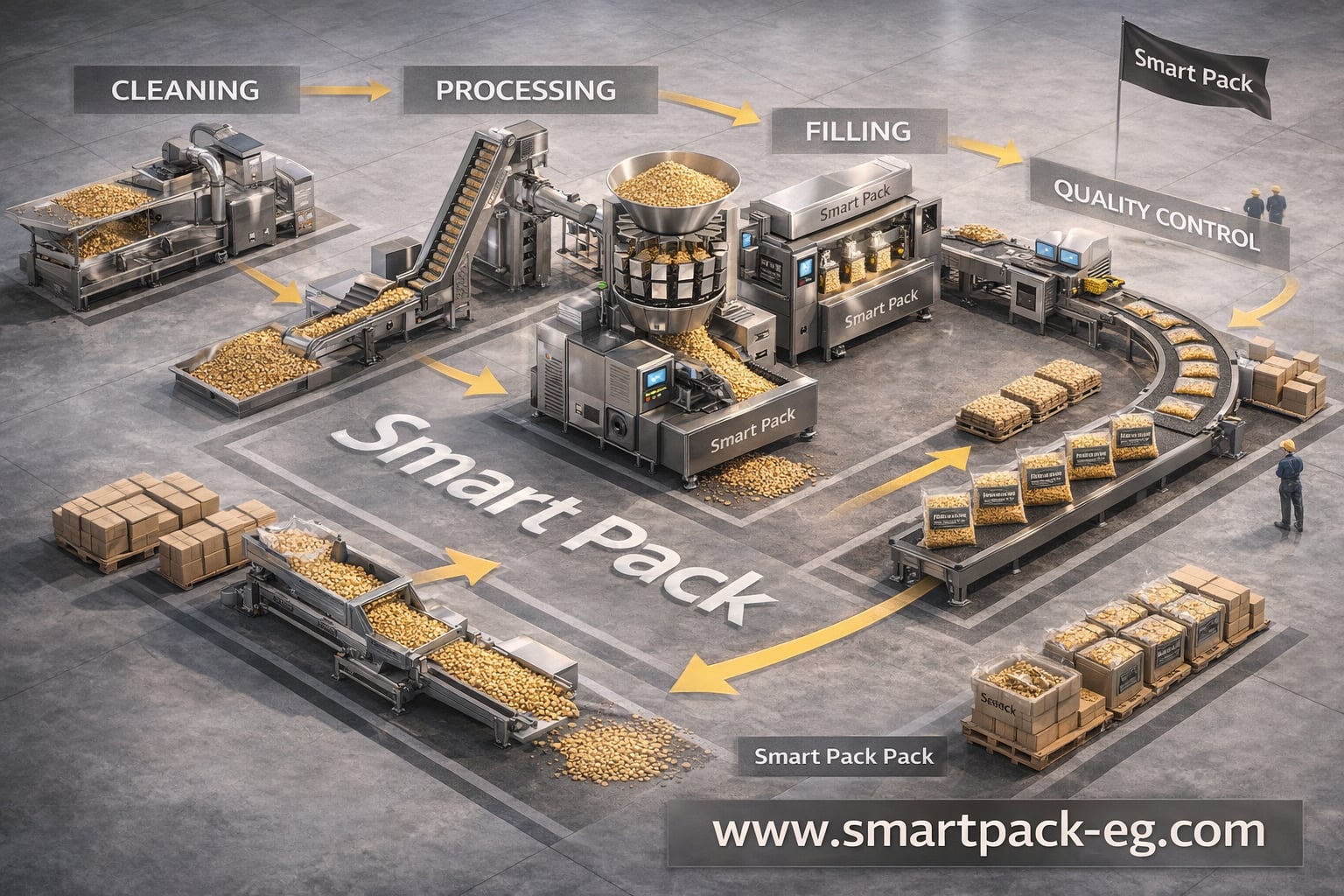
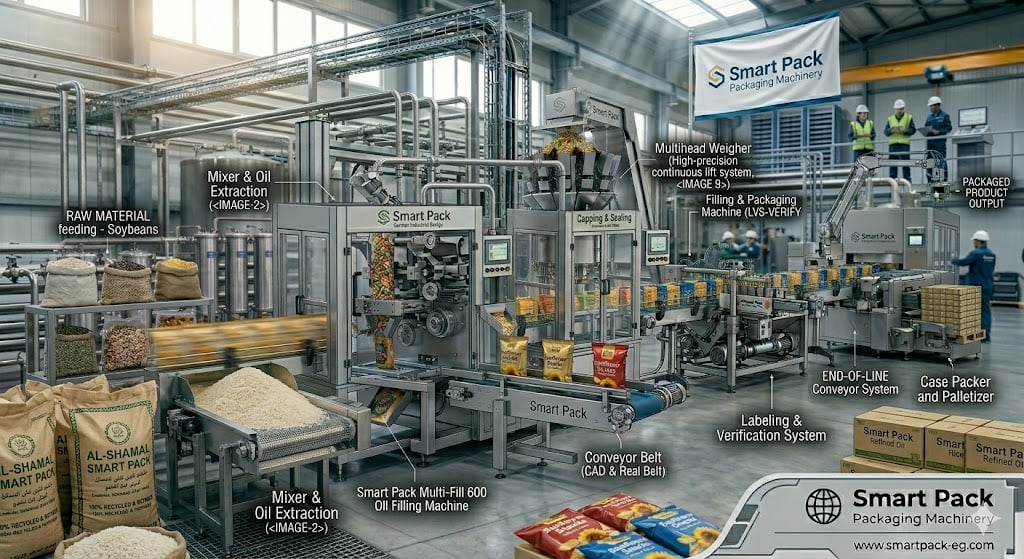
Fourth: Main Production Stages Inside the Factory
1. Raw Material Receiving and Selection
High-quality soybeans are received to ensure premium final products.
2. Cleaning and Pre-Treatment
Seeds are cleaned to remove impurities and damaged grains.
3. Multiple Processing Operations
-
Soy flour / soy milk: soaking, grinding, heating, and filtration
-
Plant protein: protein extraction and drying
-
Other products: tofu and plant-based meat alternatives
4. Filling and Packaging
Products are packed into suitable containers (plastic bags, bottles, or sealed packages).
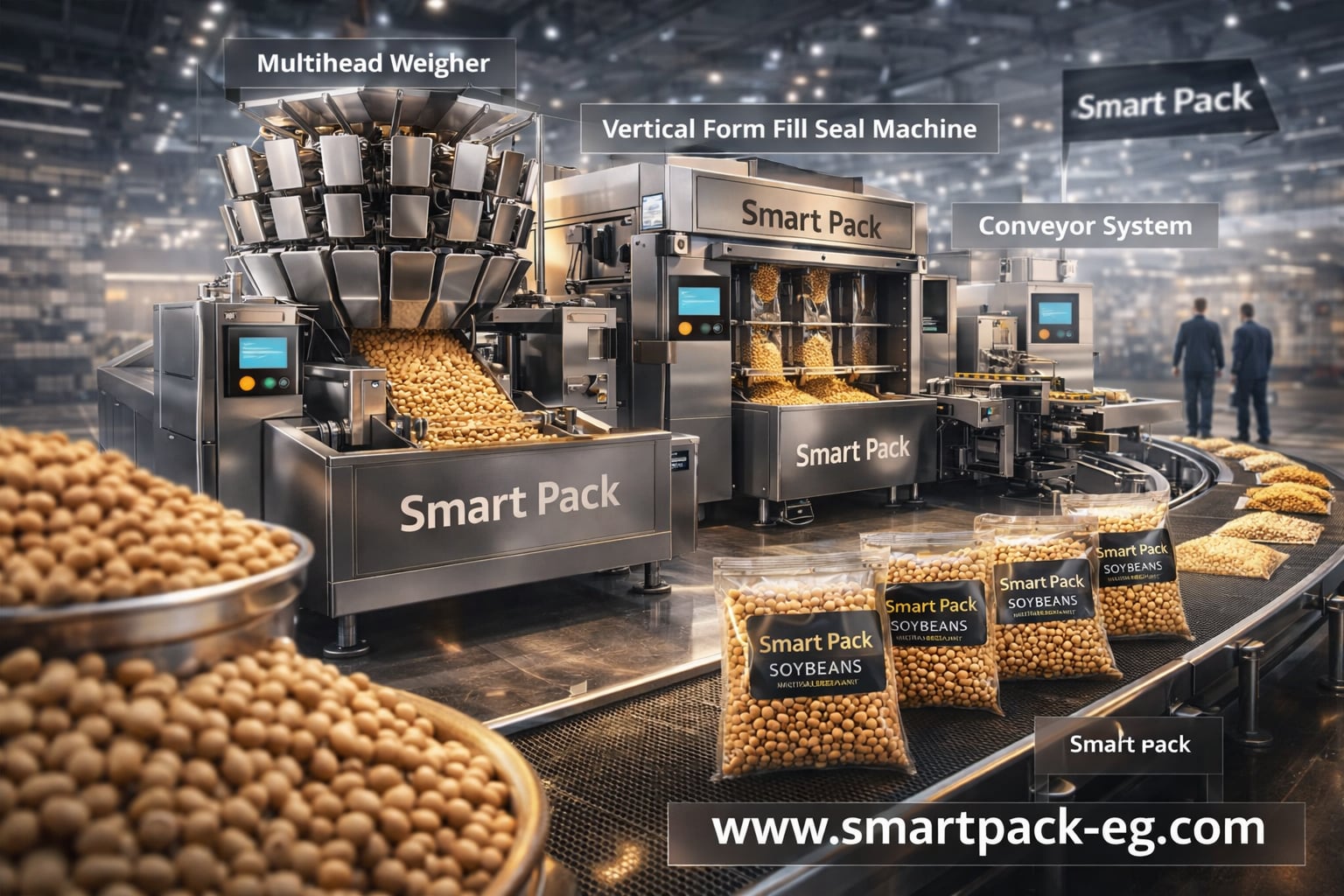
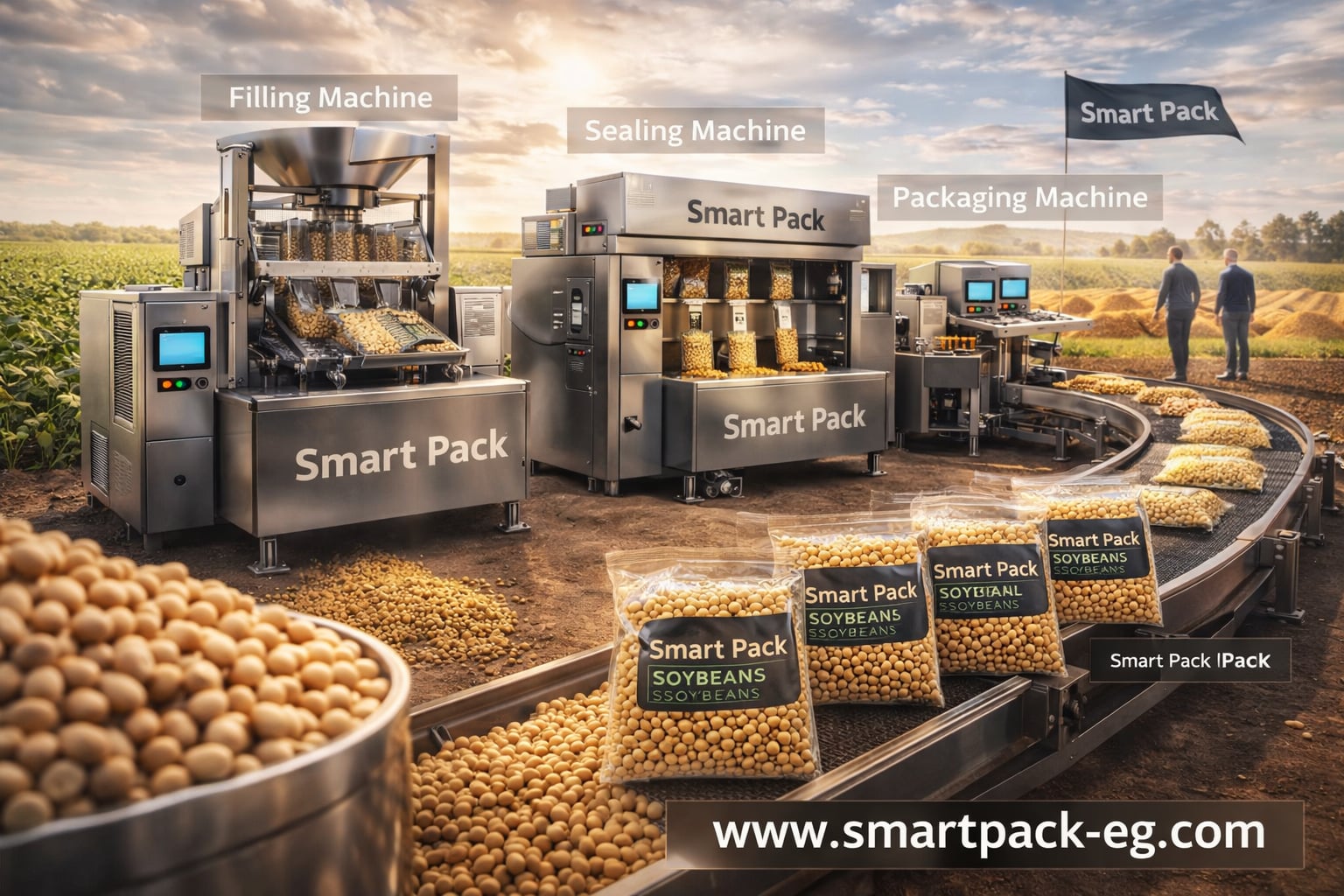
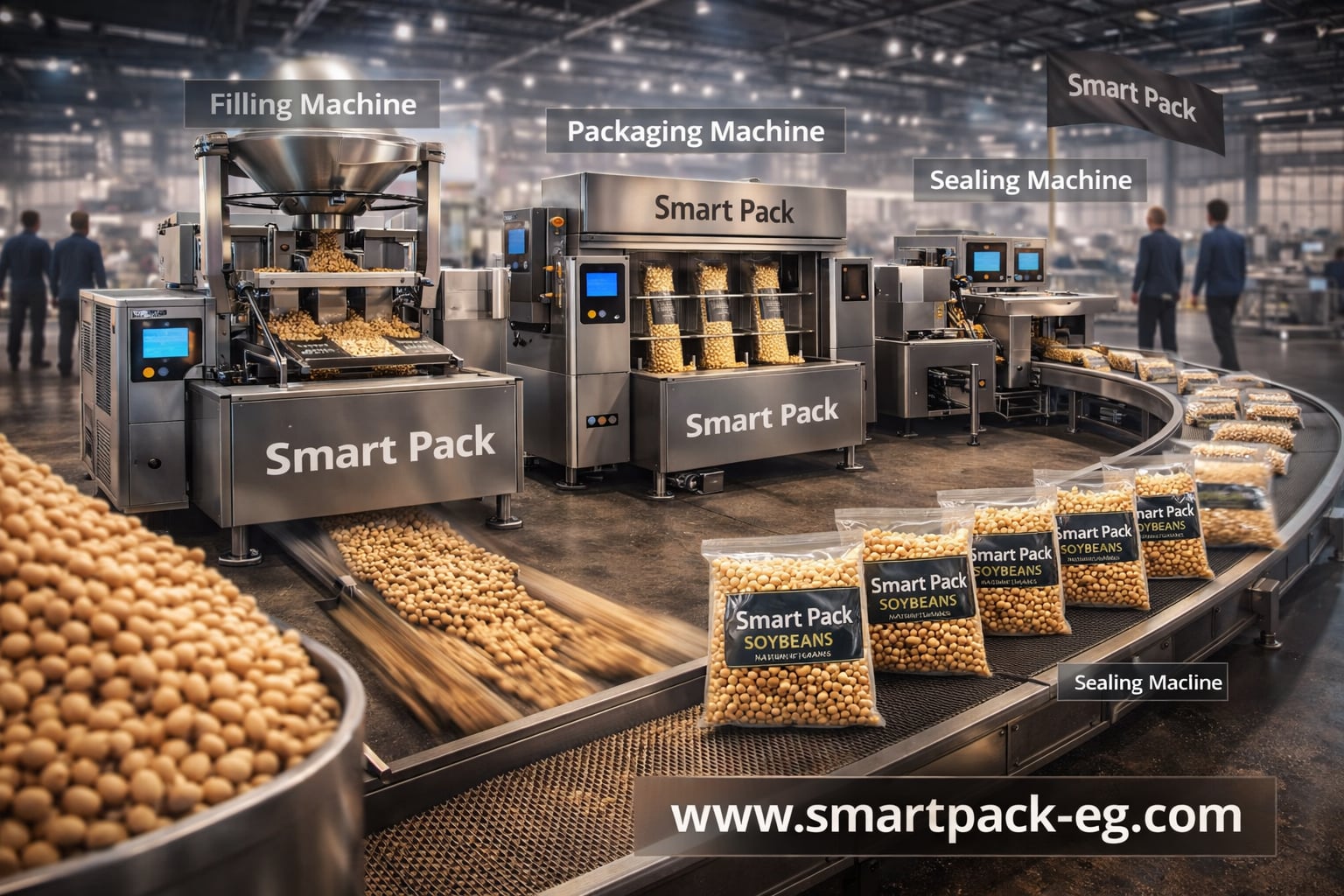
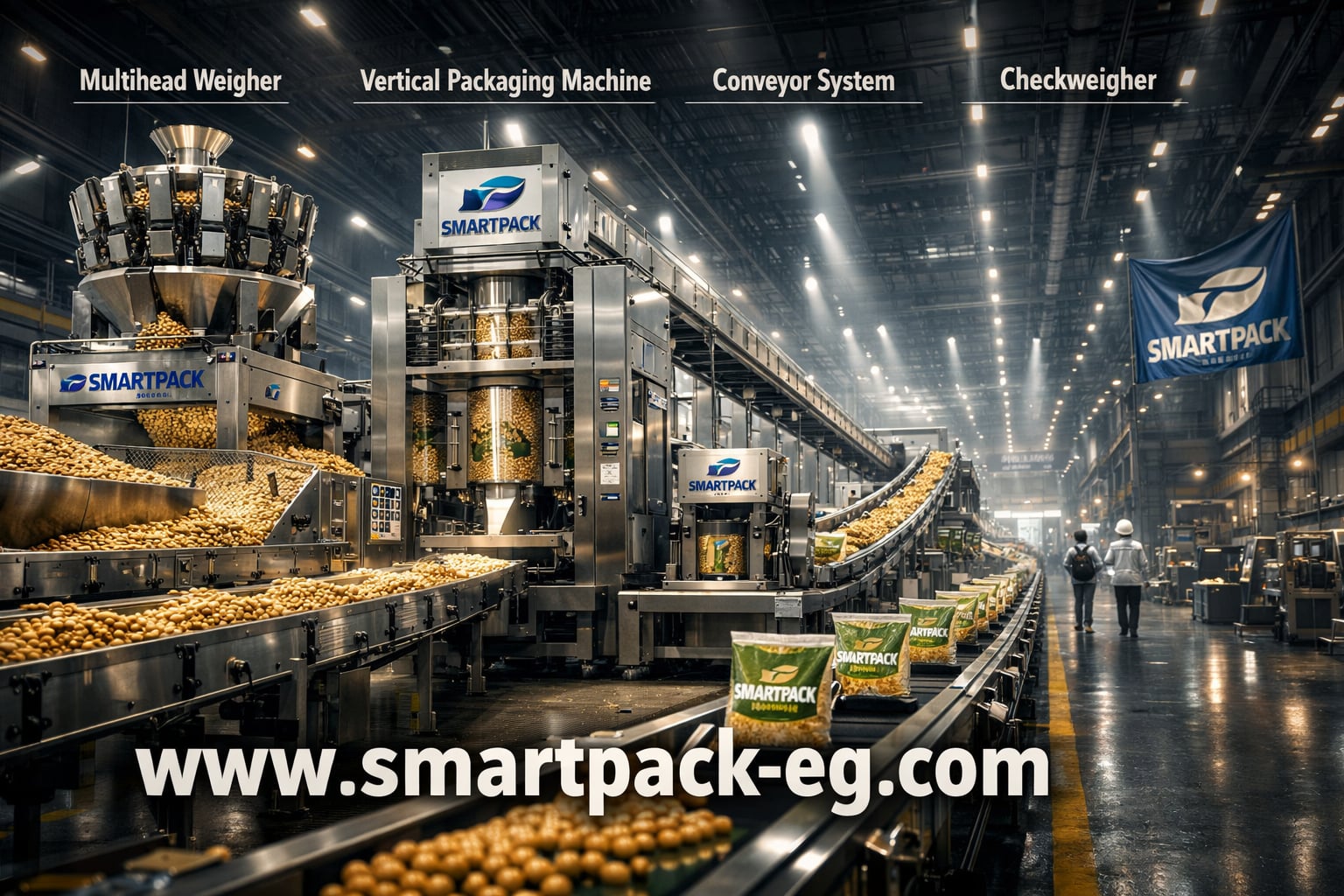
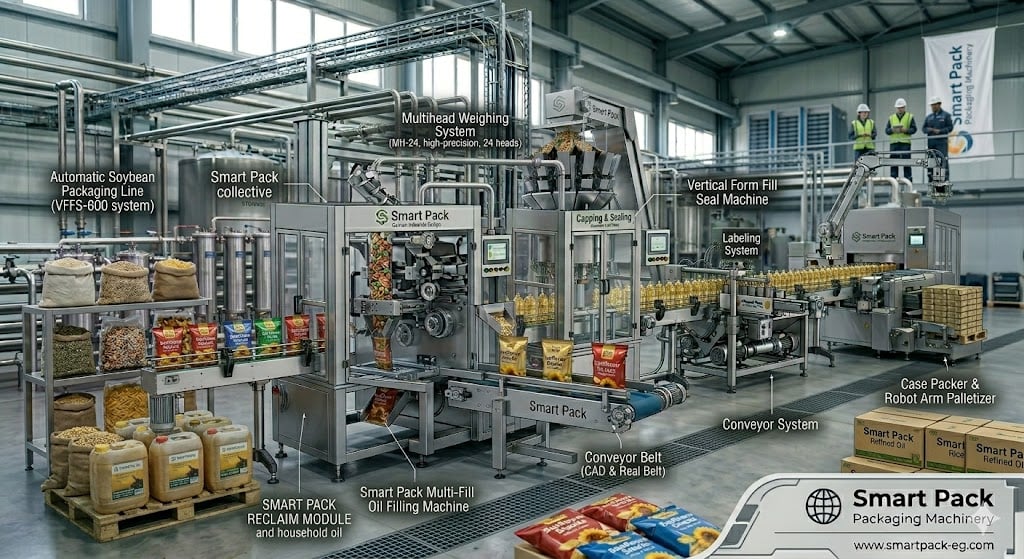
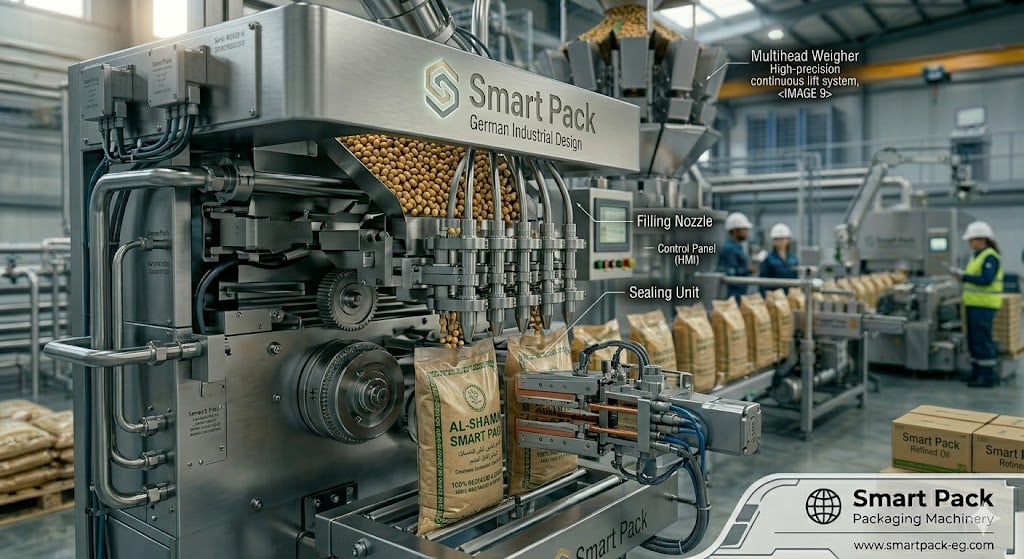
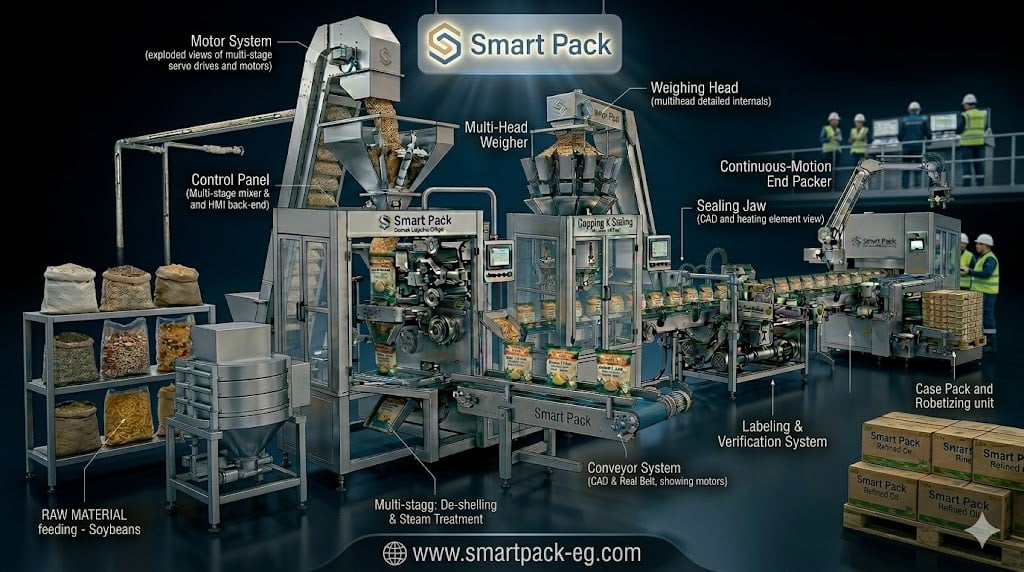
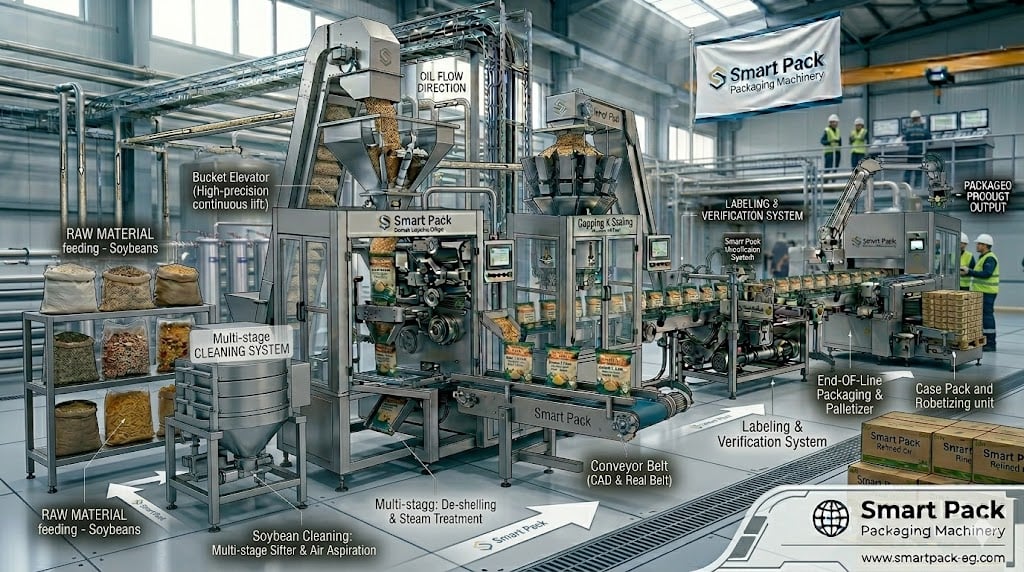
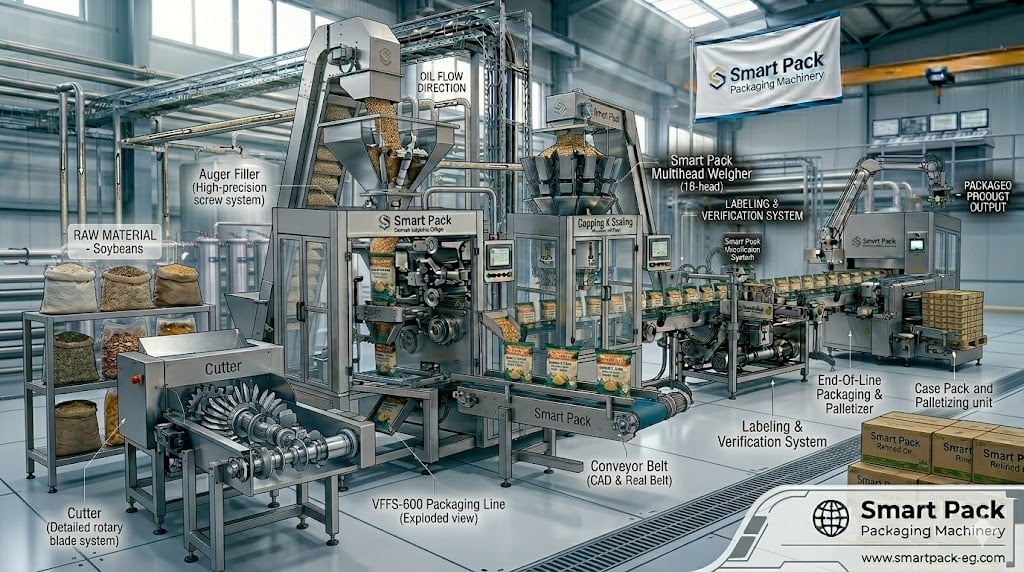
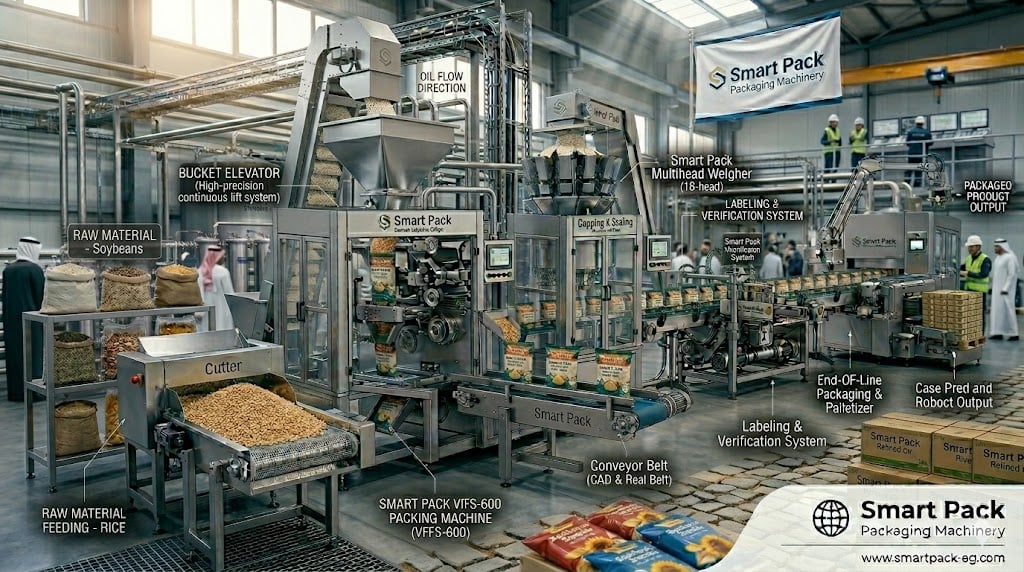
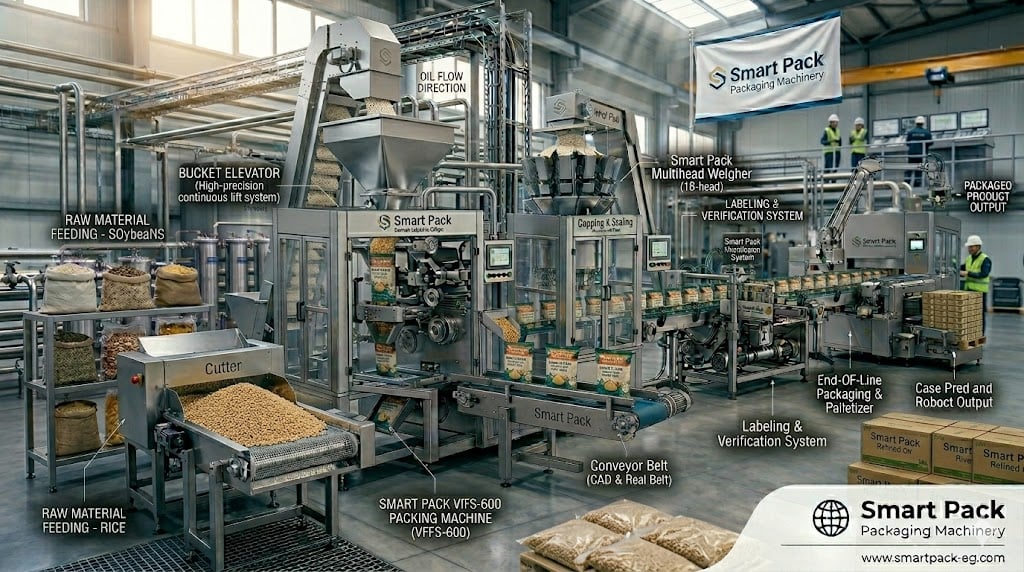
Here, advanced filling and packaging machines play a crucial role in ensuring consistent quality and food safety.
Fifth: Soybean Filling and Packaging Machines
Using modern filling and packaging equipment is a core success factor for the project. These machines help to:
-
Ensure accurate weight and volume in every package
-
Increase production speed and reduce material loss
-
Preserve product quality and safety until it reaches the consumer
-
Enable strong competition with other packaged food brands
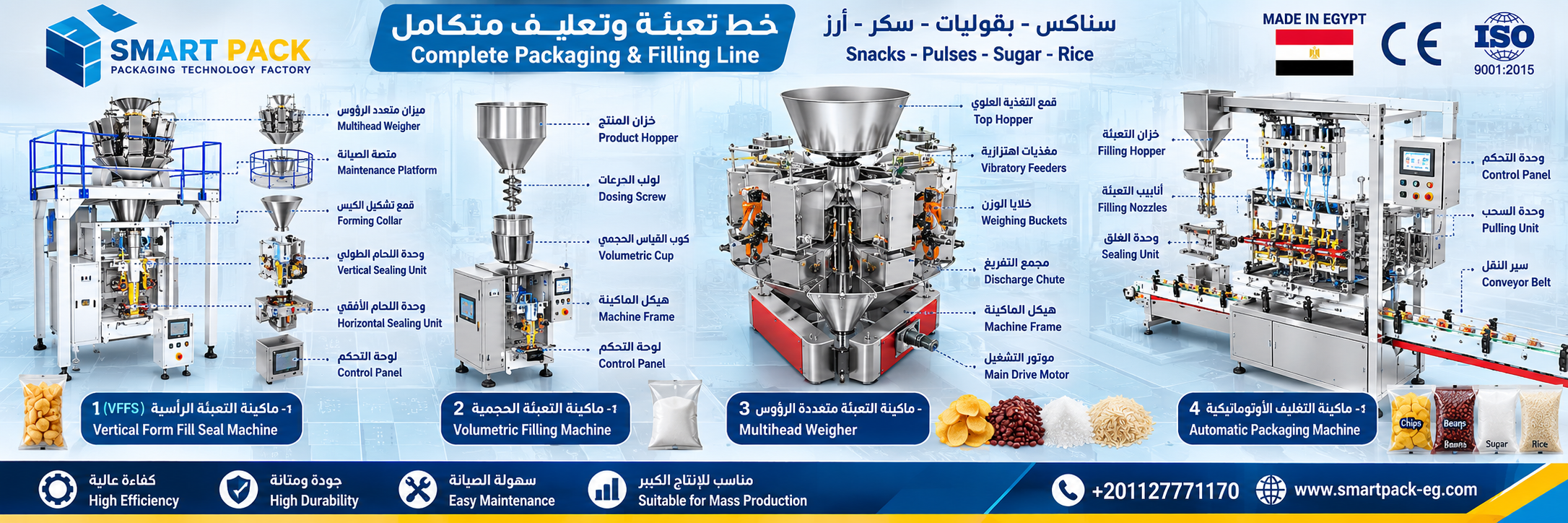
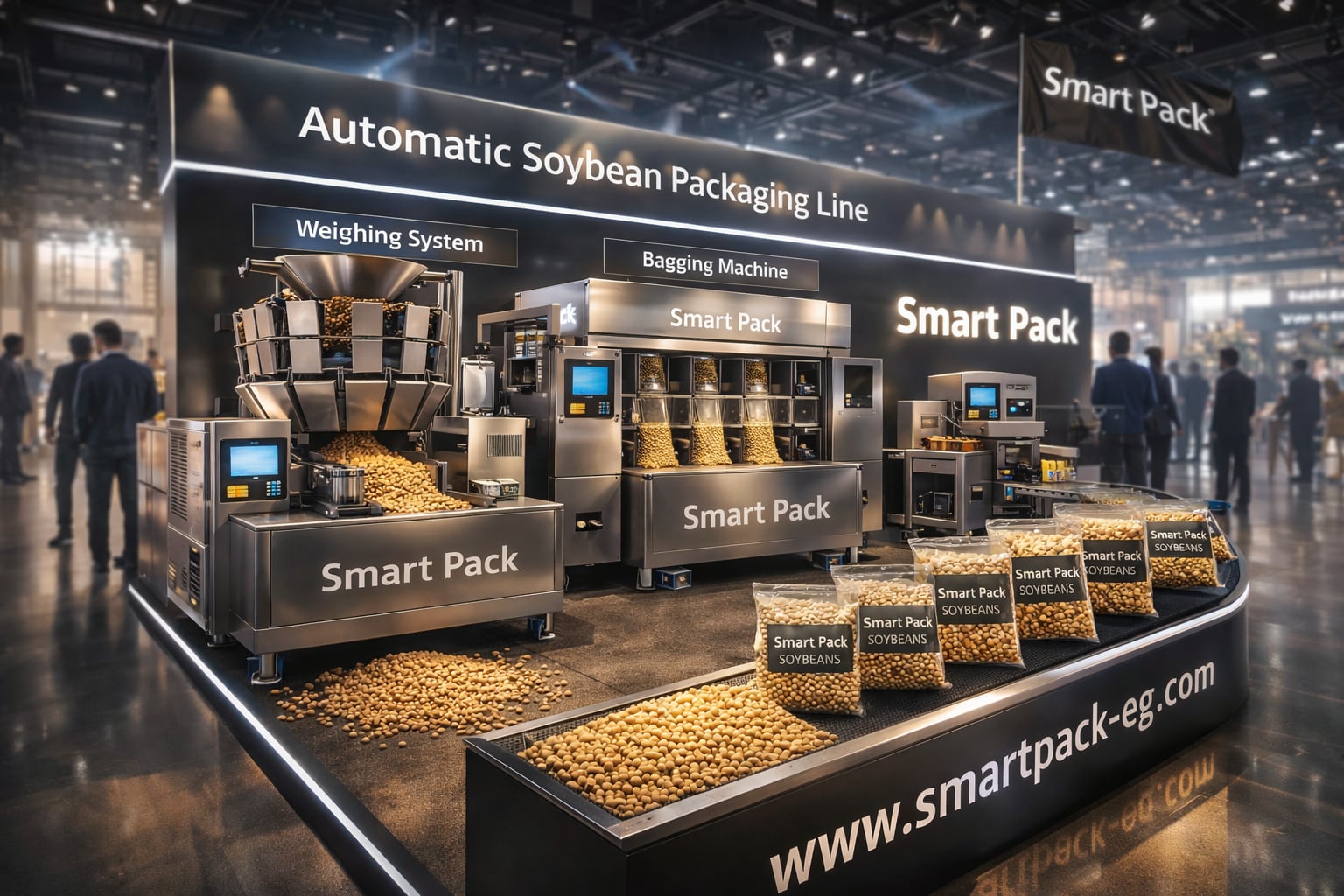
Common machines used in soybean projects include:
-
Bag filling machines with multiple weight options
-
Heat sealing and shrink-wrapping machines
-
Multi-head weighing systems
-
Printing and labeling systems for product information
Sixth: Comparison of Filling Systems
| System Type | Production Speed | Accuracy | Investment Cost | Suitable For |
|---|---|---|---|---|
| Manual Filling | Low | Inconsistent | Low | Small projects |
| Semi-Automatic | Medium | Good | Medium | Mid-scale factories |
| Fully Automatic | High | Very high | High | Large factories |
Seventh: Approximate Investment Considerations
The following costs are indicative and vary depending on specifications, space, and factory location:
-
Purchase of filling and packaging machines
-
Production line preparation (tanks, pumps, storage systems)
-
Bulk procurement of raw soybeans
-
Licensing, packaging materials, and labeling
All of these should be included in a well-structured business plan to ensure industrial and economic feasibility.
Eighth: Practical Tips for Manufacturers
-
Test soybean samples before bulk purchasing to verify quality
-
Use flexible filling and packaging machines to support multiple products
-
Study market requirements before selecting final product types
-
Develop a strong marketing strategy highlighting your product’s advantages
Ninth: Frequently Asked Questions (FAQ)
1. What is the most profitable soybean product?
Soy milk, soy protein, and plant-based meat alternatives are among the highest-demand products with strong returns.
2. Does the project require advanced filling machines?
Yes, modern filling and packaging machines ensure higher quality and reduced waste.
3. Can soybean products be exported?
Yes, plant-based protein and soy milk have growing global demand.
4. What is the main cost factor in the project?
Machinery investment, packaging materials, and raw material quality are key cost drivers.
5. How can factories enter the local market quickly?
Through wide distribution networks, high product quality, and professional packaging.
6. Is there government support for such projects?
In some regions, food-processing projects may qualify for industrial support programs—local verification is recommended.
This soybean feasibility study provides a comprehensive overview of how to transform soybeans into multiple value-added food products, emphasizing the critical role of modern filling and packaging machines in ensuring quality, reducing waste, and supporting industrial and commercial expansion for factories.