 Admin
Admin Animal Feed Manufacturing Industry
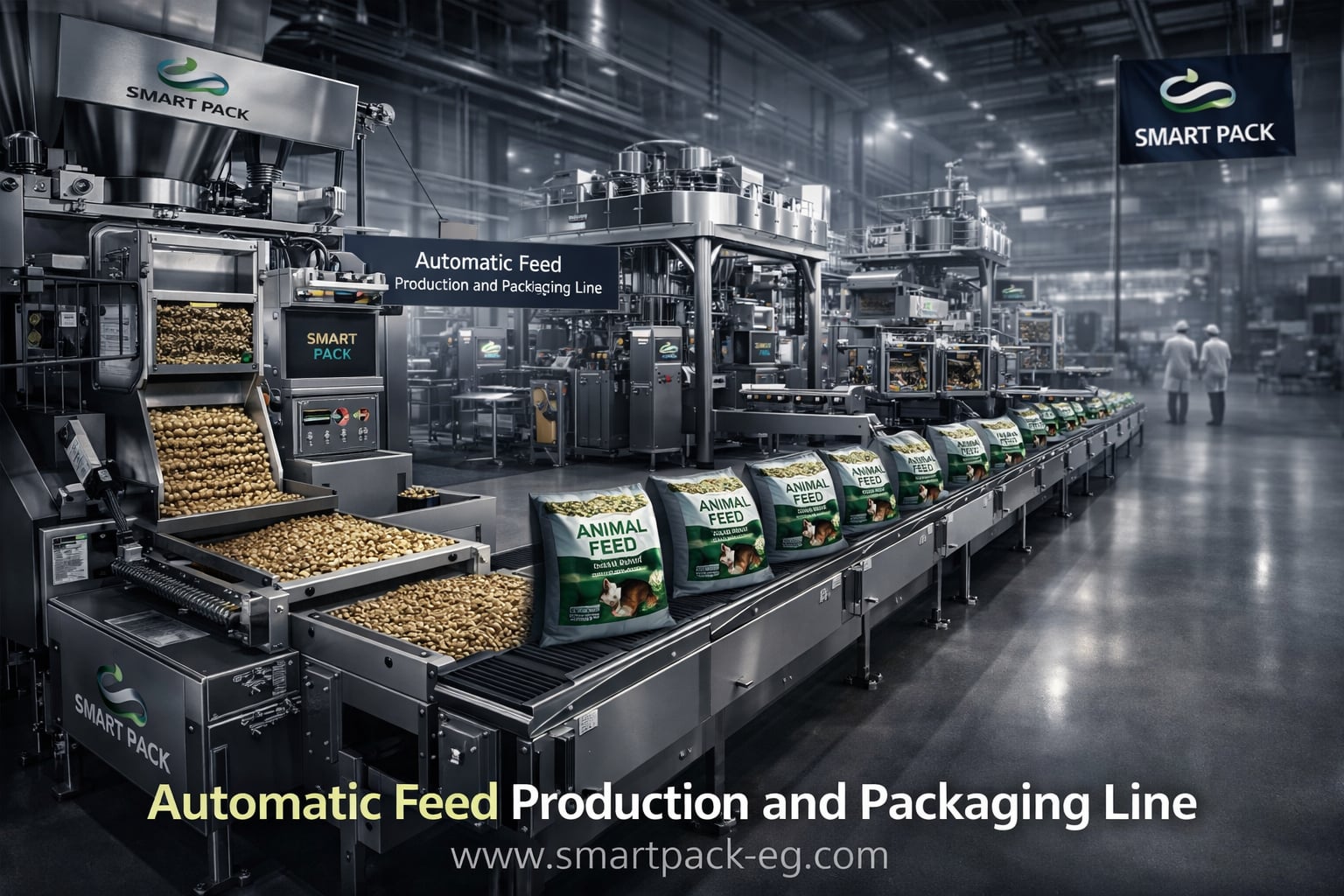
Integrated Production, Filling, and Packaging Lines for Feed Factories
The animal feed industry is one of the most important and powerful sectors supporting agriculture, livestock, poultry, and aquaculture production in Egypt. The success of poultry farms, cattle operations, and fish farms is directly linked to the quality, consistency, and availability of feed throughout the year.
With the growing demand for industrially manufactured feed produced under precise standards, establishing a fully integrated feed factory based on modern production, filling, and packaging lines has become a strategic step for any investor or manufacturer seeking entry into a stable, high-demand market.
Relying on professional filling and packaging machines in feed factories not only increases operational efficiency but also enhances product quality, improves marketing and distribution opportunities, and supports expansion in both local and export markets.
Feed Factory in Egypt
Feed Production, Filling, and Packaging Lines for Manufacturers
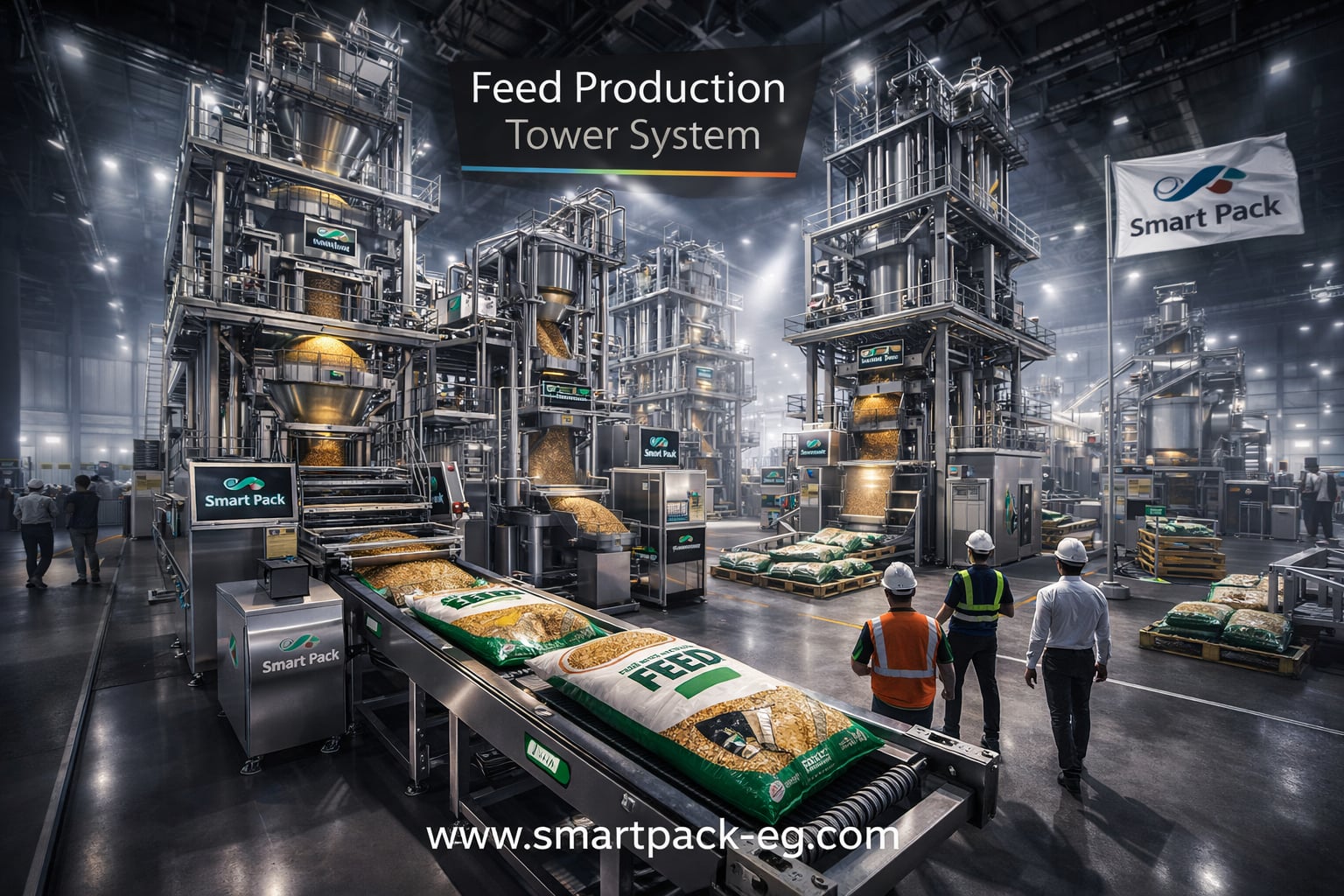
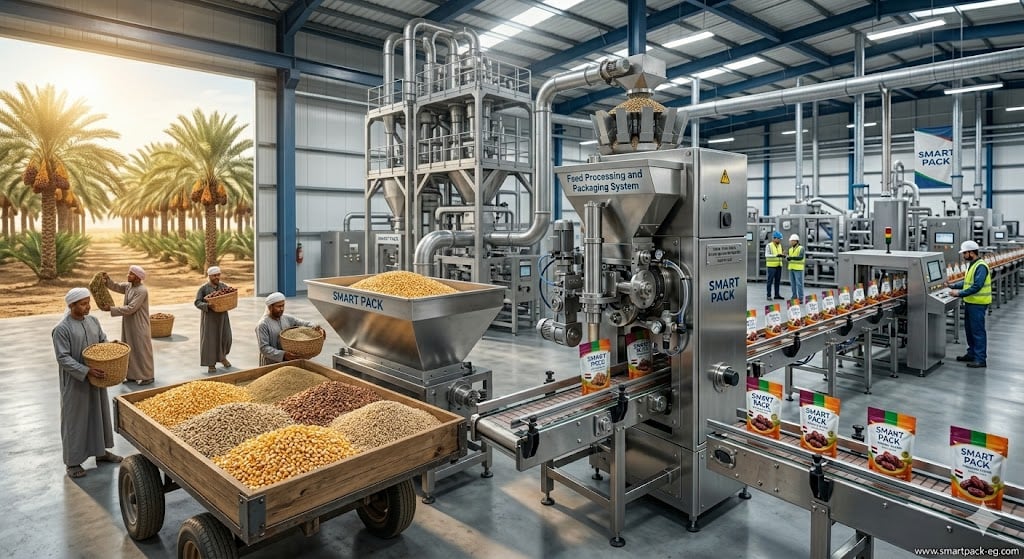
Feed Production Lines
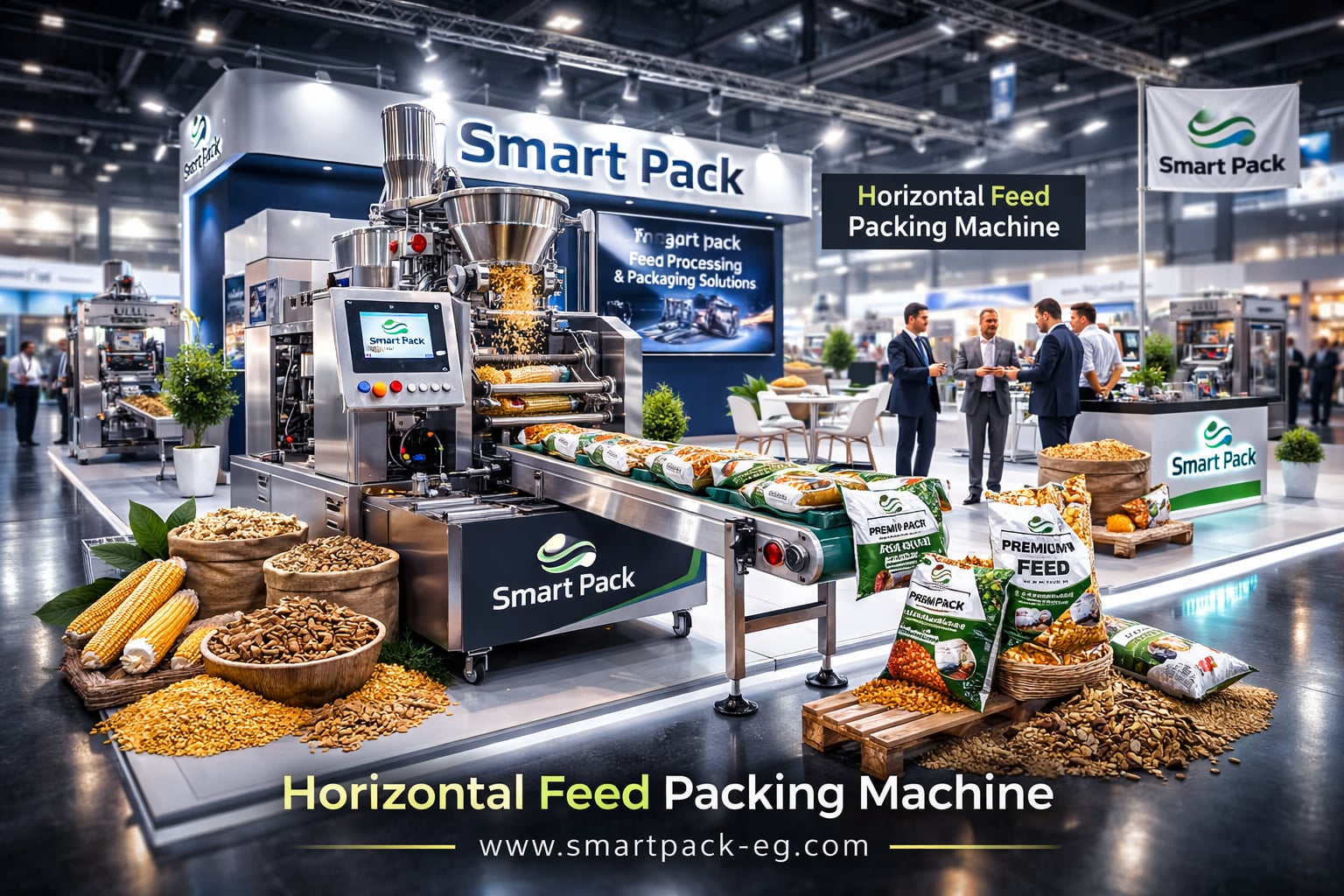
Professional Filling and Packaging Machines to Increase Output
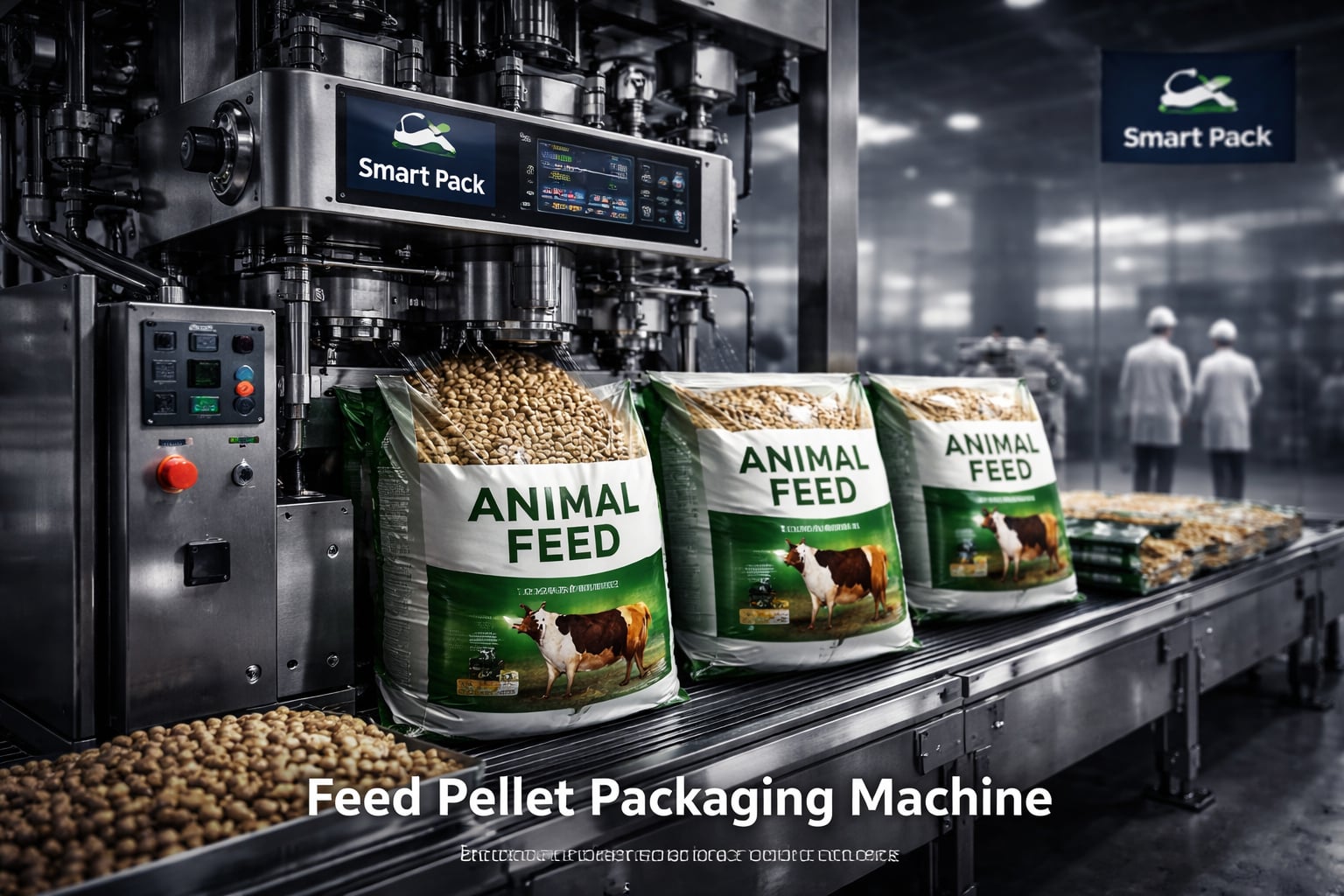
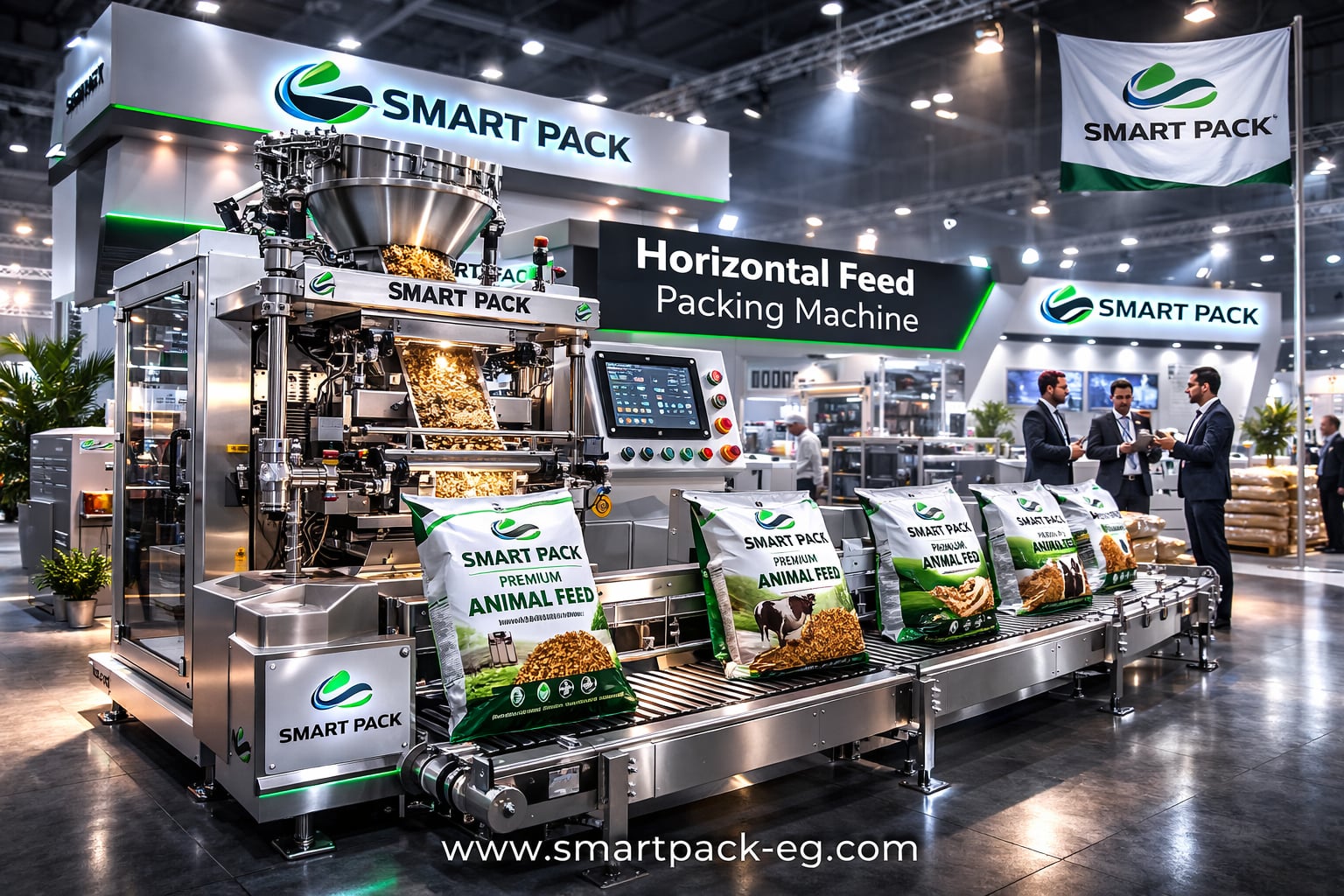
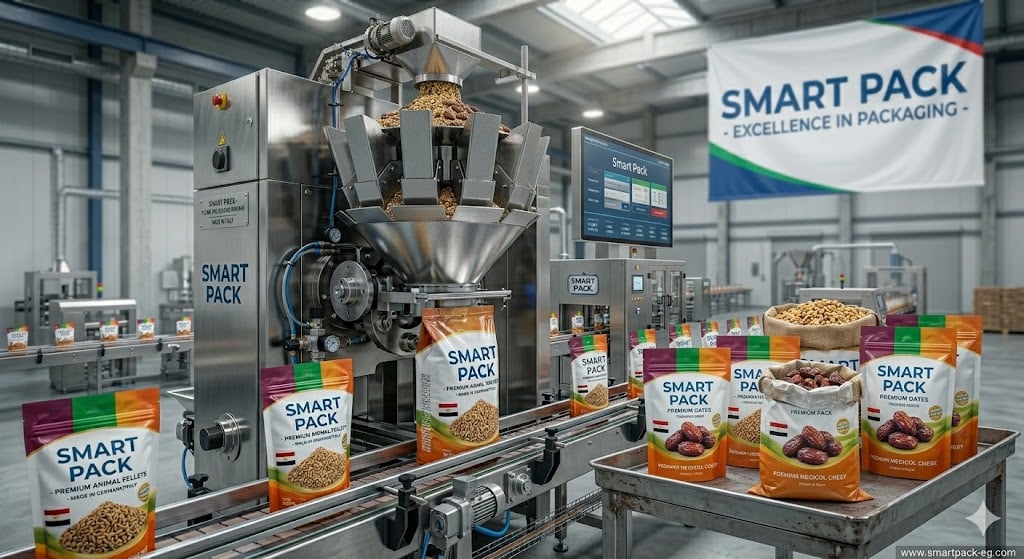
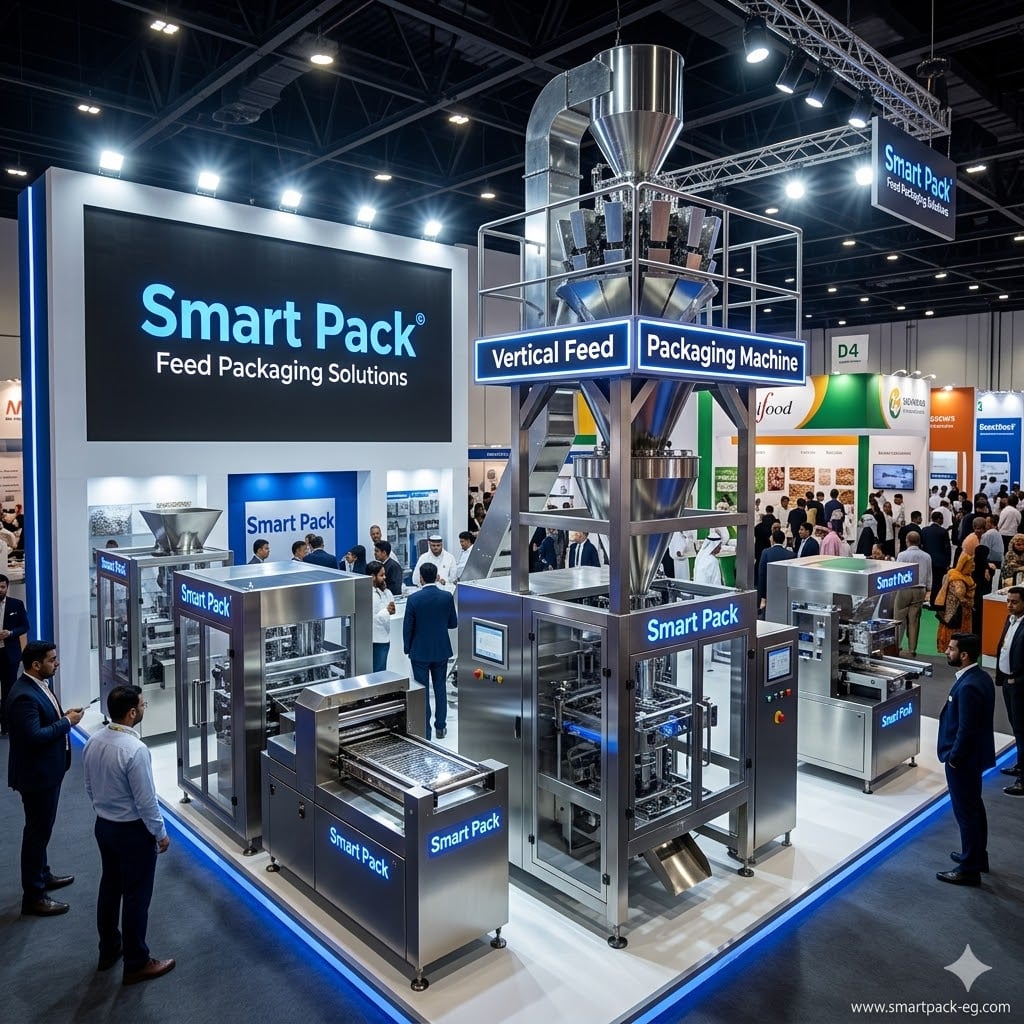
Feed Filling and Packaging Machines
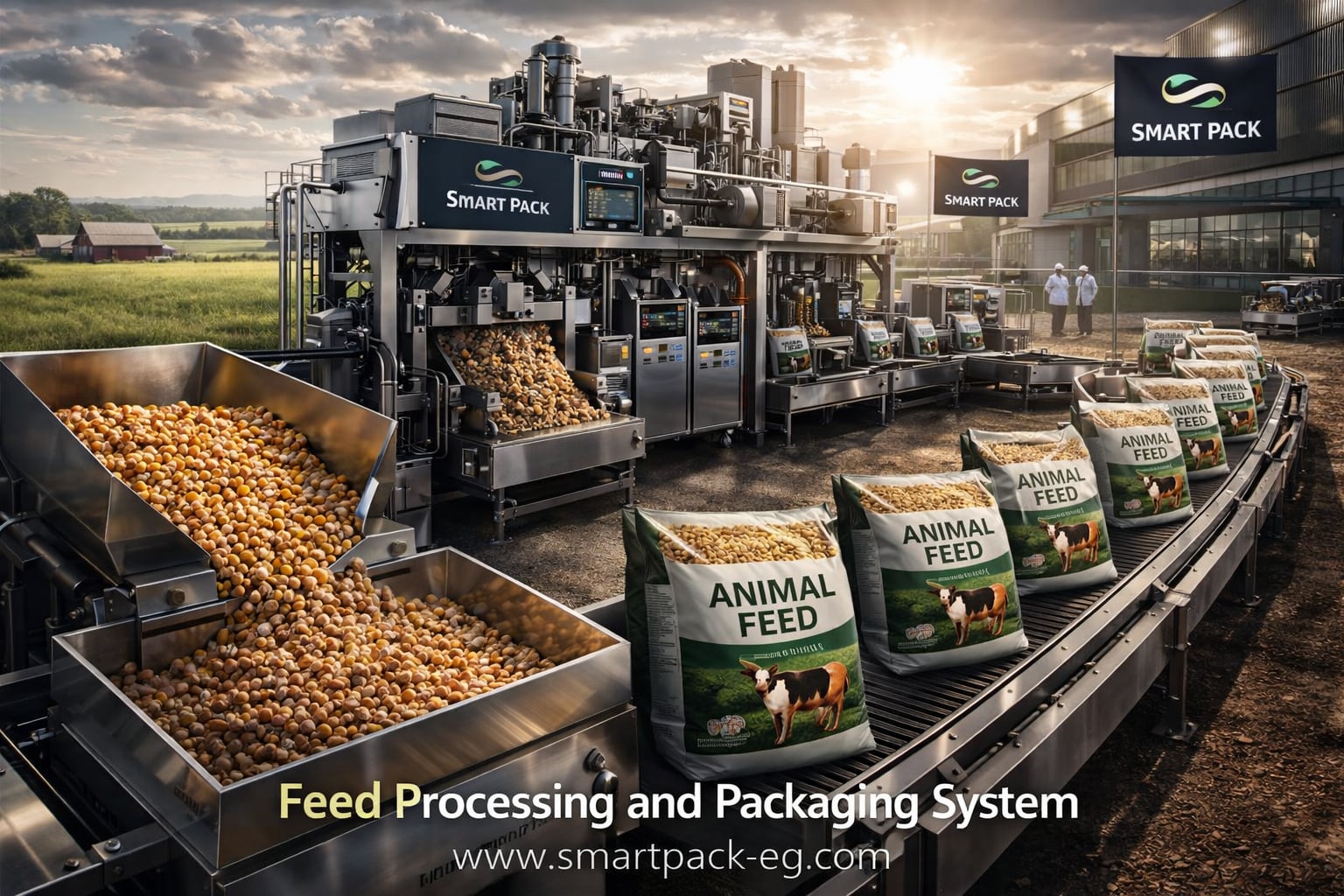
Integrated Industrial Solutions for Feed Manufacturers
The Importance of the Feed Industry in the Egyptian Market
The feed industry in Egypt is characterized by continuous, non-seasonal demand, as it serves multiple sectors such as poultry farming, livestock production, and fish farming. This makes it one of the most stable and profitable industries in the long term.
Factories that rely on modern production lines are better positioned to:
-
Produce uniform, high-quality feed
-
Meet market demand with consistent quantities
-
Reduce waste during production and packaging
-
Improve product image and customer confidence
Main Stages of the Feed Production Line Inside the Factory
Feed production passes through several interconnected stages. The integration of these stages ensures a final product that meets specifications and can be stored and distributed efficiently.
Raw Material Receiving Stage
The process begins with receiving basic raw materials such as grains, protein sources, and nutritional additives. These materials are inspected to ensure quality before entering the production line.
Grinding and Mixing Stage
Raw materials are ground in precise ratios and then mixed in industrial mixers that guarantee uniform distribution of ingredients. This stage has a direct impact on feed quality.
Forming Stage
The mixture is converted into the required form—either powder feed or pellet feed—depending on market needs and the target animal type.
Cooling and Drying Stage
After forming, feed passes through cooling and drying systems to stabilize the product and prevent spoilage during storage.
Filling and Packaging Stage
The feed is then transferred to filling machines that package it into bags or containers of various weights with high accuracy and secure sealing, preserving product quality.
The Role of Filling and Packaging Machines in Feed Factories
The filling and packaging stage is one of the most critical stages of production, as it represents the commercial face of the product and directly influences purchasing decisions by customers and distributors.
Using modern filling machines enables factories to achieve:
-
High weight accuracy
-
High production speed
-
Reduced dependence on manual labor
-
Improved package appearance and strength
-
Easier transportation and storage
Types of Feed Filling and Packaging Machines Suitable for Factories
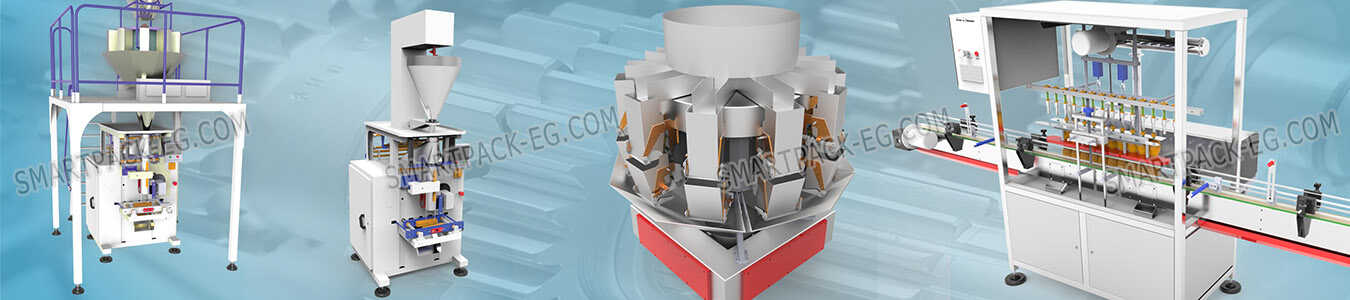
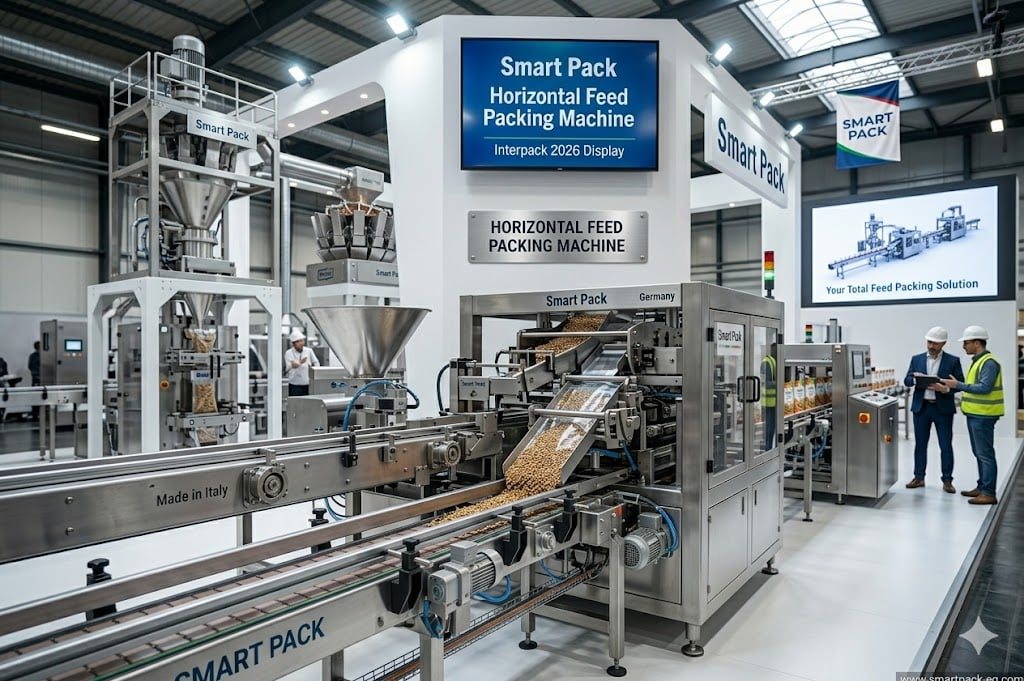
Bag Filling Machines
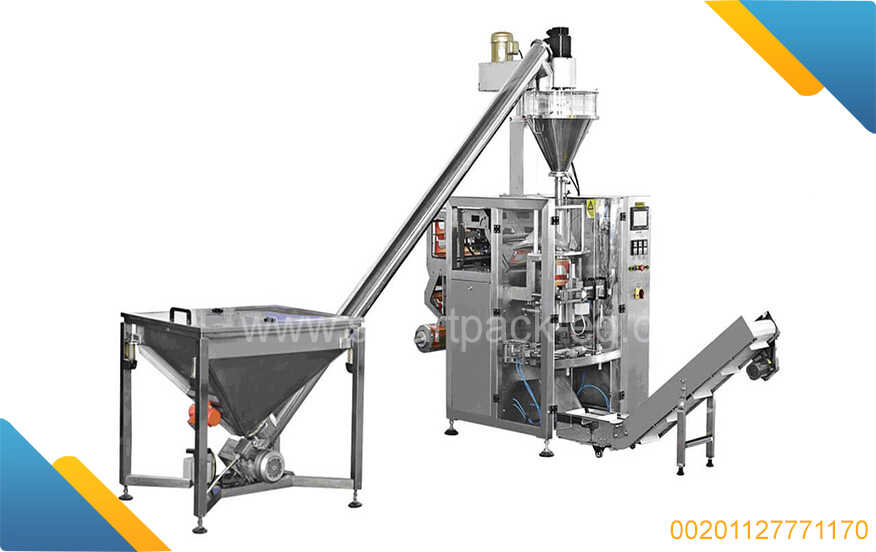
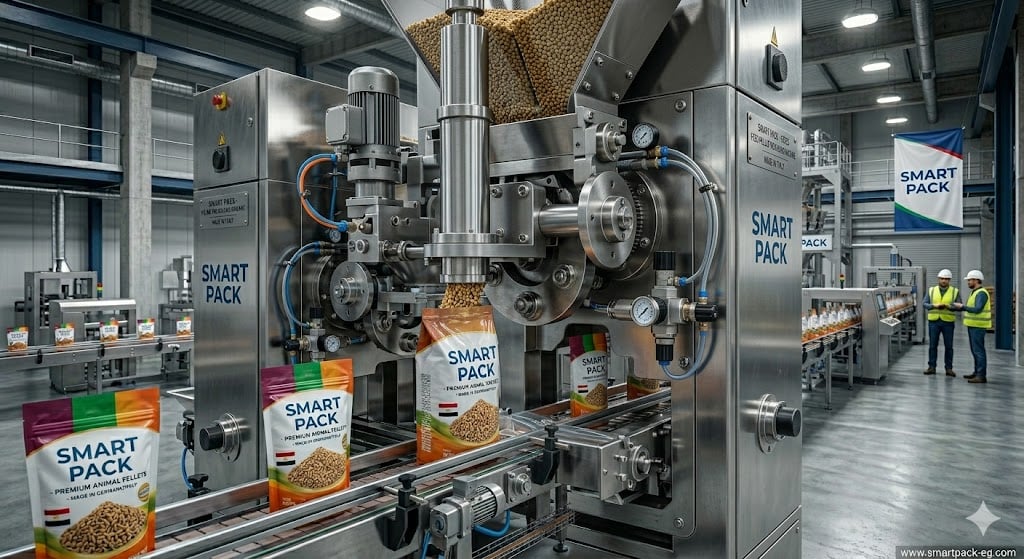
Used for filling feed into medium and large bags, relying on precise weighing systems to meet specifications.
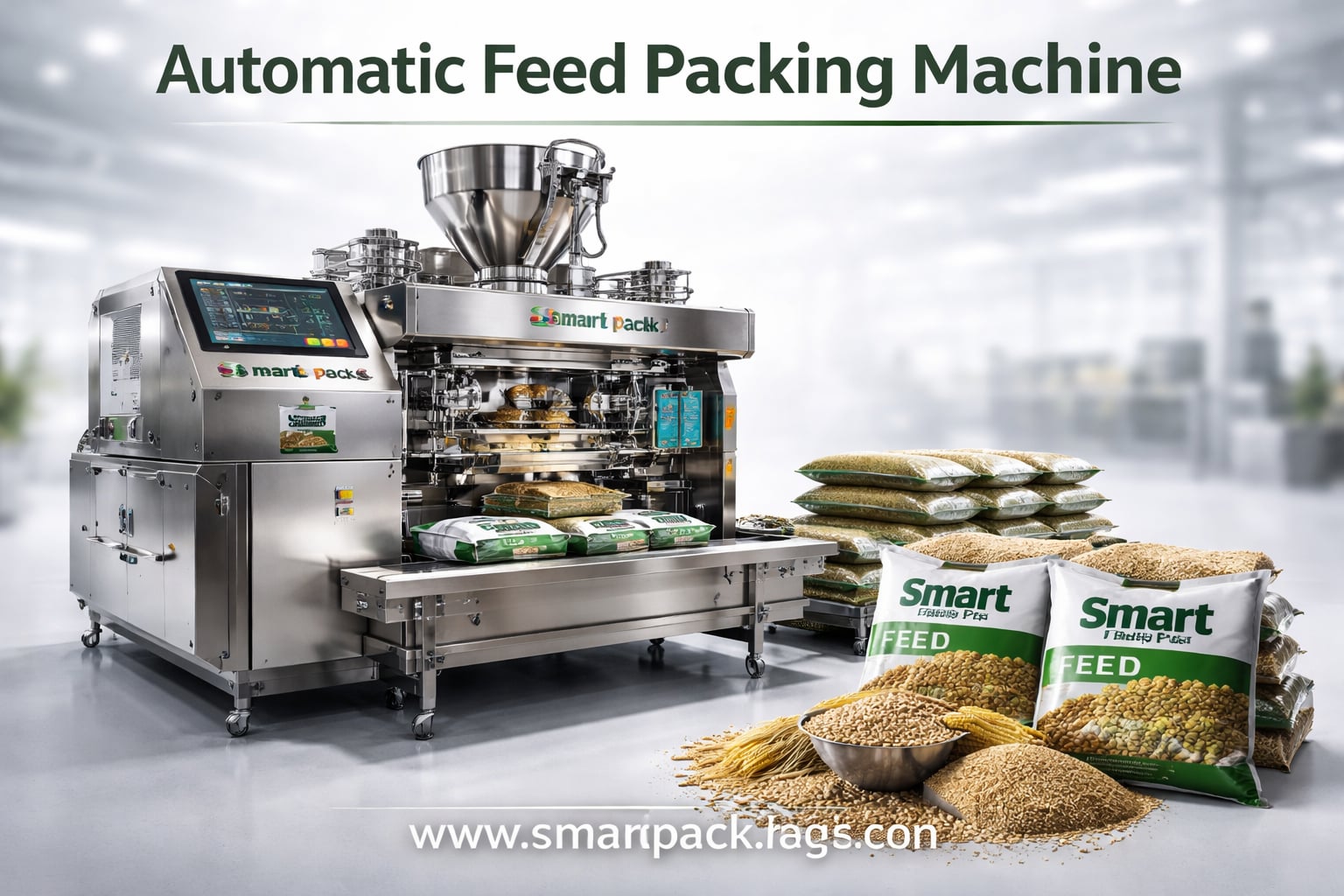
Automatic Filling Machines
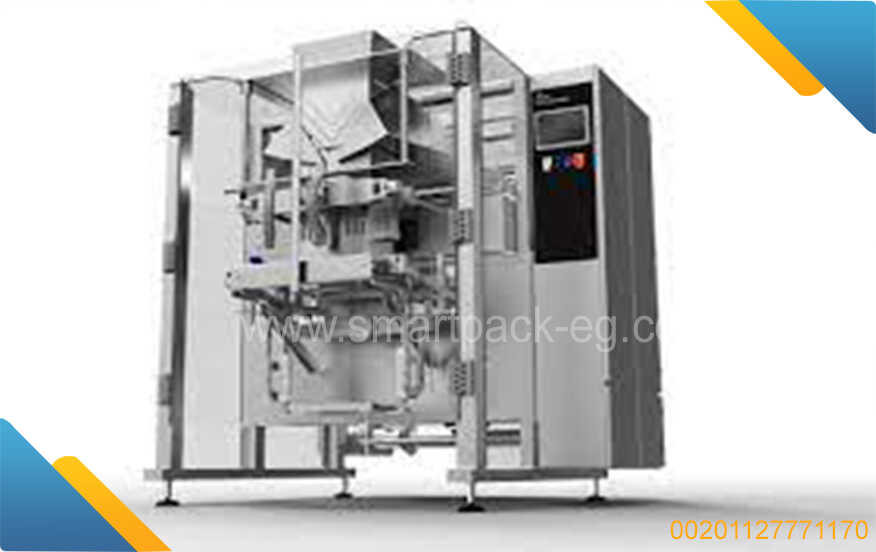
Operate at high speed and are ideal for factories with large production capacities, requiring minimal human intervention.
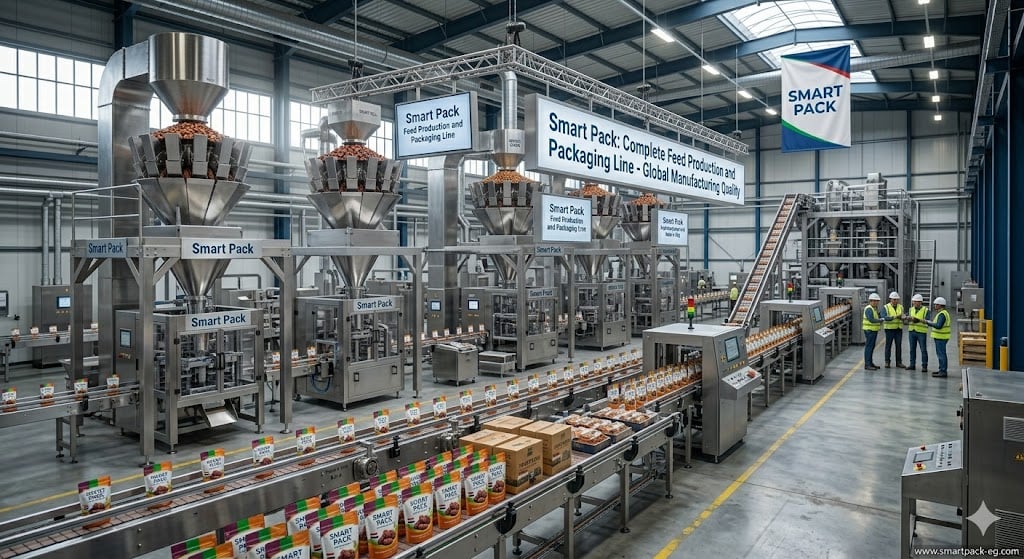
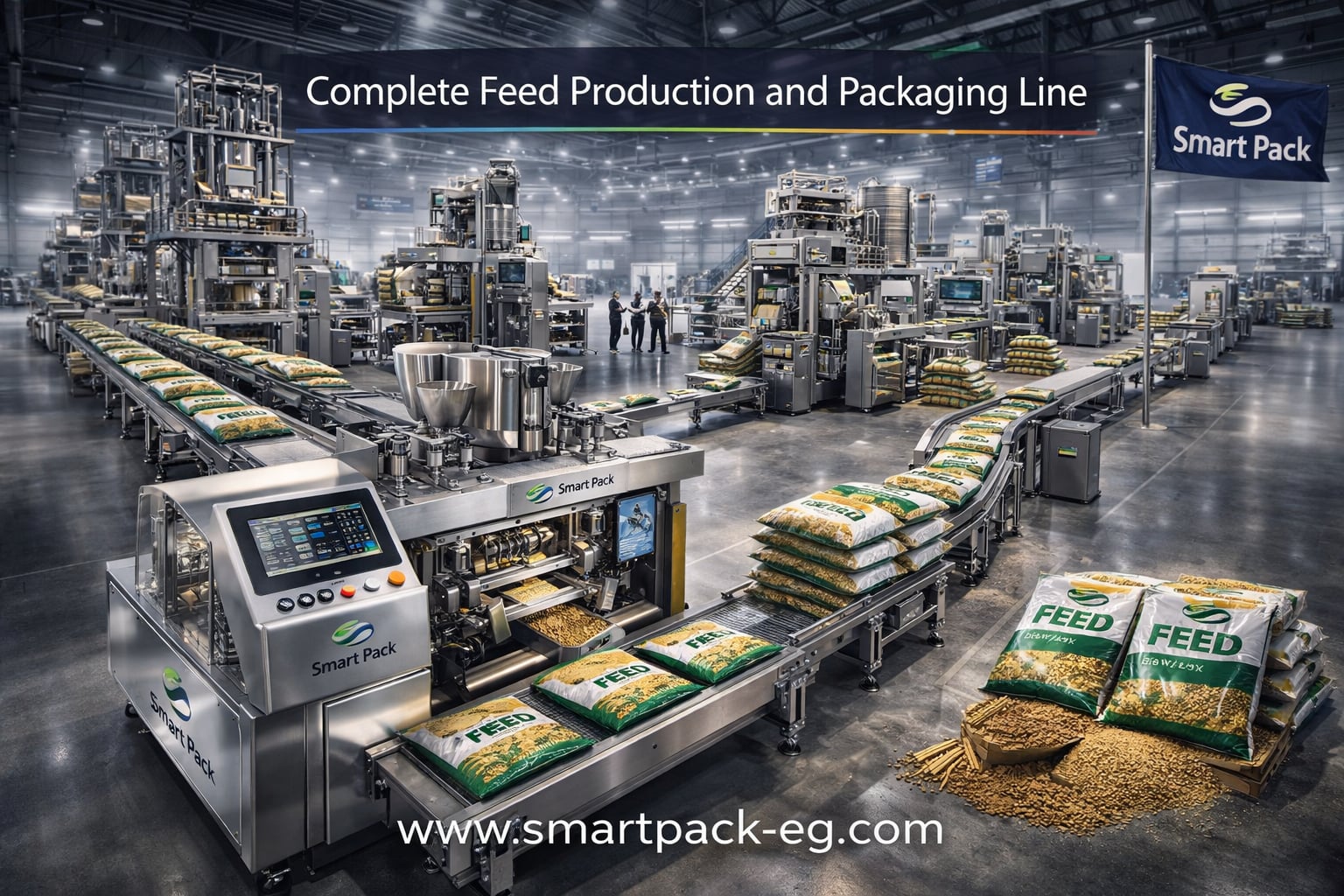
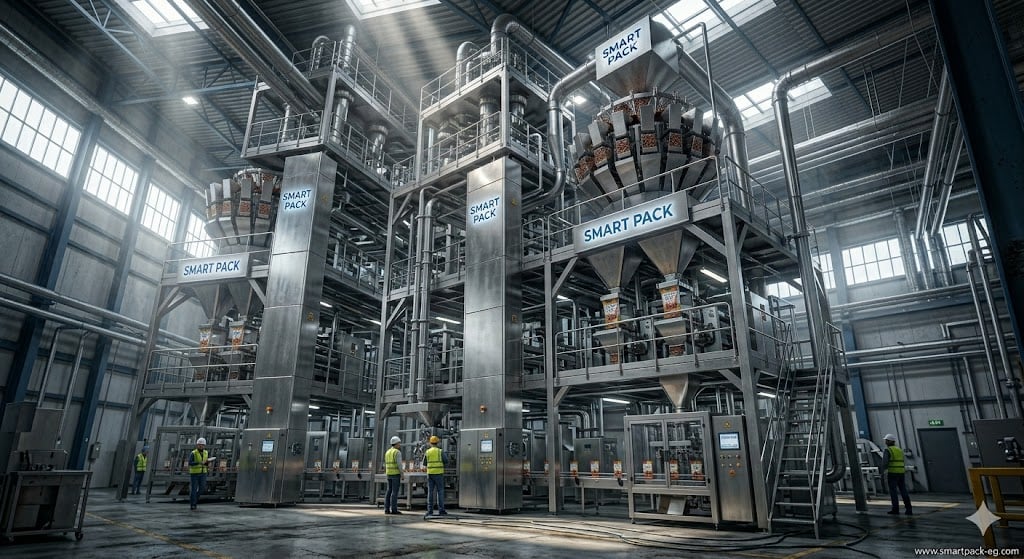
Integrated Filling and Packaging Lines
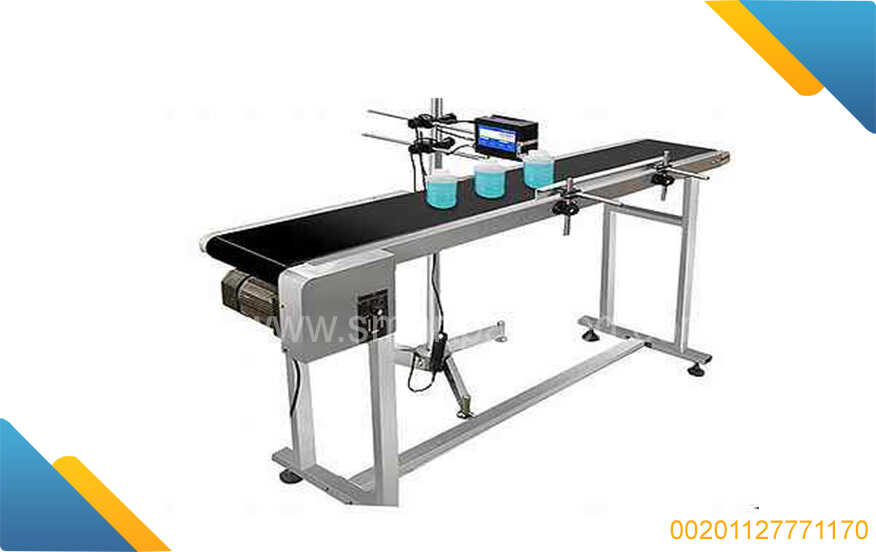
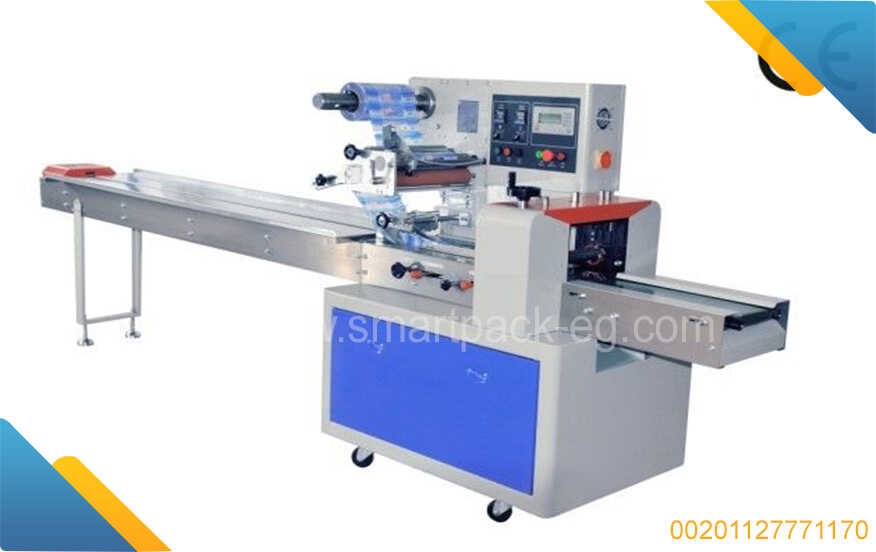
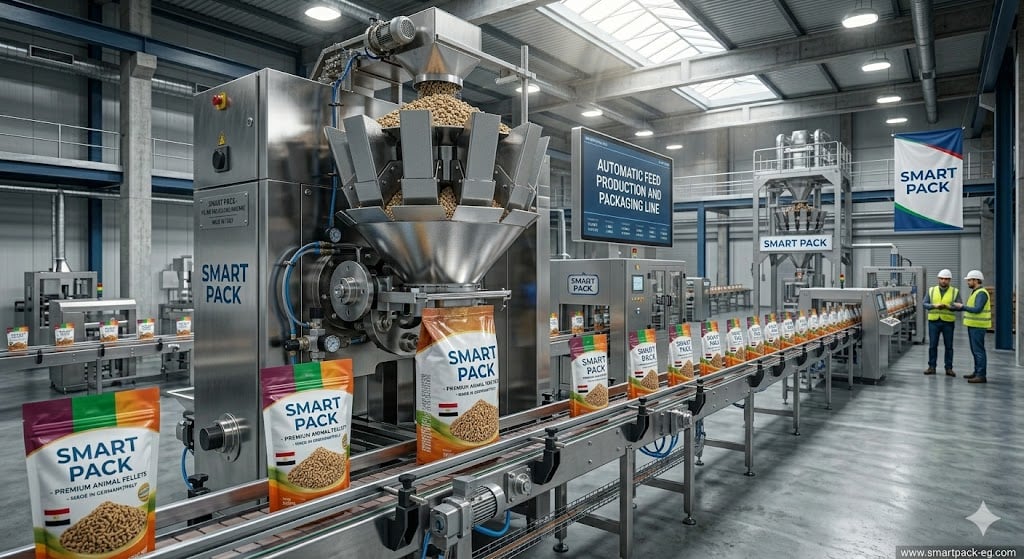
Combine weighing, filling, sealing, and printing in one system and are the best option for factories targeting expansion and export.
Comparison Table of Feed Filling Systems
| Comparison Factor | Manual Filling | Semi-Automatic Filling | Automatic Filling Lines |
|---|---|---|---|
| Production Speed | Low | Medium | Very High |
| Weight Accuracy | Inconsistent | Good | Very Accurate |
| Product Waste | High | Medium | Very Low |
| Packaging Quality | Limited | Good | Professional |
| Scalability | Weak | Medium | High |
How Filling Lines Affect Feed Marketing and Distribution
Good packaging does not only protect the product; it also builds customer trust, facilitates transportation and storage, and increases acceptance among traders and distributors.
Factories using professional filling lines are more capable of:
-
Entering major distribution chains
-
Expanding geographic sales coverage
-
Preserving feed quality for longer periods
-
Building a strong and reliable brand in the market
Key Tips Before Purchasing Feed Machines and Production Lines
Before making a purchase decision, factory owners should consider the following:
-
Selecting a production capacity that suits current and future needs
-
Ensuring machine materials are durable, especially parts in contact with feed
-
Choosing machines that are easy to maintain and have low breakdown rates
-
Working with a company that has proven experience in industrial filling and packaging
Here, Smart Pack stands out as a reliable solution for providing feed filling and packaging machines and lines specifically designed to meet the needs of factories of all sizes, with a strong focus on efficiency, durability, and ease of operation.
Why Choose Smart Pack to Equip Your Feed Factory
Smart Pack provides complete solutions for feed filling and packaging machines, starting from factory needs analysis, through line design, to installation, commissioning, and technical support.
Relying on Smart Pack machines gives factories:
-
High operational efficiency
-
Reduced waste and production errors
-
Improved final product quality
-
Continuous technical support
Frequently Asked Questions About Feed Factories and Production Lines
Why are filling and packaging machines important in a feed factory?
They play a vital role in preserving feed quality, ensuring accurate weight, and improving product appearance, which directly affects marketing success and customer trust.
What is the difference between manual and automatic feed filling?
Automatic filling offers higher speed, greater accuracy, and less waste, making it ideal for factories aiming for stable production and long-term growth.
Does packaging quality affect feed marketing?
Yes, good packaging increases distributor confidence, protects feed during transport and storage, and provides a clear competitive advantage.
What type of filling machines is best for feed factories?
This depends on production volume and bag type, but integrated automatic filling lines are the best option for medium and large factories.
Can feed production lines be expanded in the future?
Choosing flexible systems allows additional stages or increased capacity without replacing the entire line.
Why is it recommended to work with a specialized packaging machinery company?
To ensure reliable machines, continuous technical support, customized solutions, and reduced unexpected downtime.
Conclusion
This guide has provided a comprehensive overview of feed factories in Egypt, feed production, filling, and packaging lines, highlighting the importance of investing in modern machinery and its role in improving quality, increasing output, and strengthening marketing and expansion opportunities.
If you are planning to establish a new feed factory or upgrade an existing production line, choosing the right filling and packaging machines is the cornerstone of your project’s success.
Contact the Smart Pack team today for a specialized consultation to help you select a feed production line that delivers maximum operational efficiency and long-term results.