 Admin
Admin Dabur Amla Hair Oil Production and Filling Machines
Complete Industrial Guide to Building a Profitable Hair Oil Manufacturing & Packaging Factory Step by Step
If you’re looking for an industrial project that combines strong customer demand, fast capital turnover, and high profit margins, a Dabur Amla hair oil production and filling factory is an exciting opportunity. The hair care market continues to expand rapidly, and natural herbal oils are increasingly preferred across Arab, African, and international markets.
With the right production and packaging line, this business transforms into a fast-moving, scalable, and highly profitable manufacturing operation.
Success is not only about the formula. It depends on selecting precise mixing, filtration, and filling machines that reduce waste, speed up production, and deliver a premium final appearance that competes with major brands. Every extra minute of efficient production means more bottles and higher profits.
This comprehensive industrial guide explains ingredients, manufacturing stages, required machinery, costs, and smart equipment selection to help you build a competitive factory using professional solutions from Smart Pack.
What Is Dabur Amla Hair Oil and How Is It Commercially Produced
Dabur Amla hair oil is a natural herbal hair care product based on Indian amla extract blended with nourishing vegetable oils such as coconut oil and light fragrances. It is produced under cosmetic and pharmaceutical-grade standards to ensure stability, safety, and consistent performance.
Basic Formula Ingredients
-
Concentrated amla extract oil
-
Refined coconut oil
-
Cosmetic-grade carrier oils
-
Hair-nourishing vitamins
-
Safe preservatives
-
Light fragrance or essential oils
Stable, high-quality ingredients ensure better shine, texture, and consumer trust.
Industrial Manufacturing Process
-
Heating base oils in stainless steel mixing tanks
-
Adding herbal extracts under controlled mixing
-
Homogenization for uniform texture
-
Fine filtration to remove impurities
-
Cooling and storage in sealed tanks
-
Transfer to filling and packaging stage
Each step requires specialized machines to guarantee product consistency and shelf stability.
Main Production Equipment Inside the Factory
4
Mixing Tanks
Food/cosmetic-grade stainless steel
Heating systems
Slow agitators
Precise temperature control
Homogenizers
Uniform blending
Prevent ingredient separation
Smooth product texture
Filtration Units
Remove particles
Improve clarity
Ensure high-quality appearance
Storage Tanks
Sealed and hygienic
Oxidation protection
Ready for filling
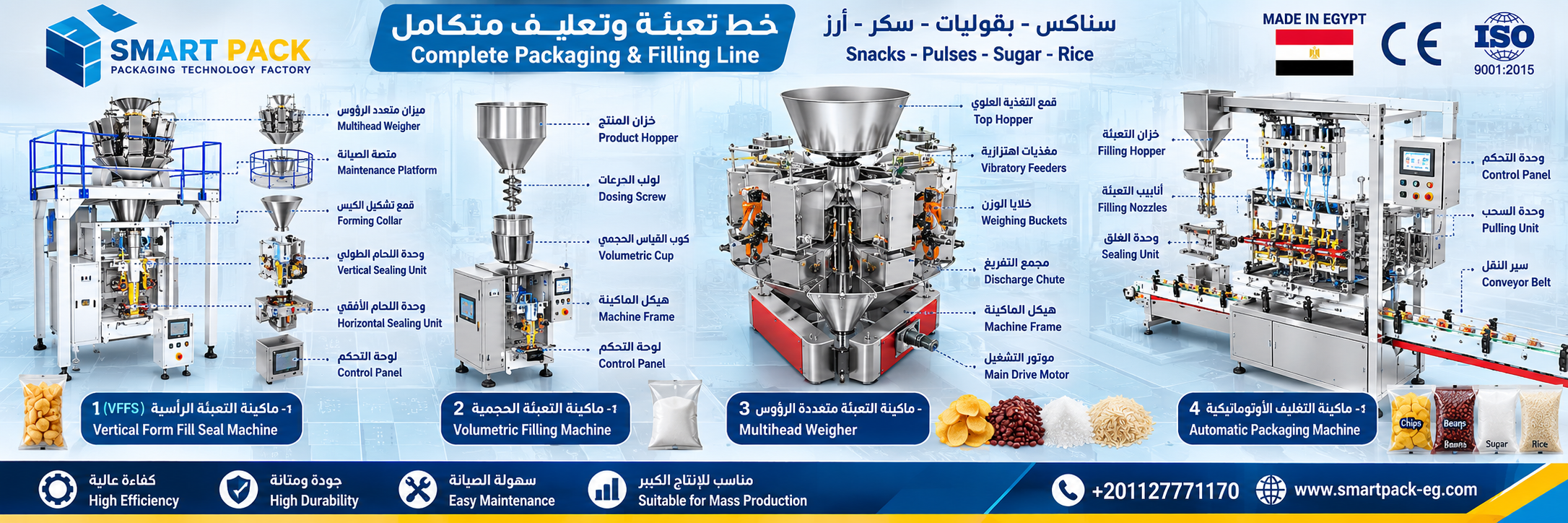
Filling and Packaging Machines for Hair Oils
4
Liquid/Oil Filling Machine
High-precision volumetric or servo filling
Suitable for small bottles (30–200 ml)
Compatible with viscous oils
Capping Machine
Pump, flip-top, or dropper caps
Leak-proof sealing
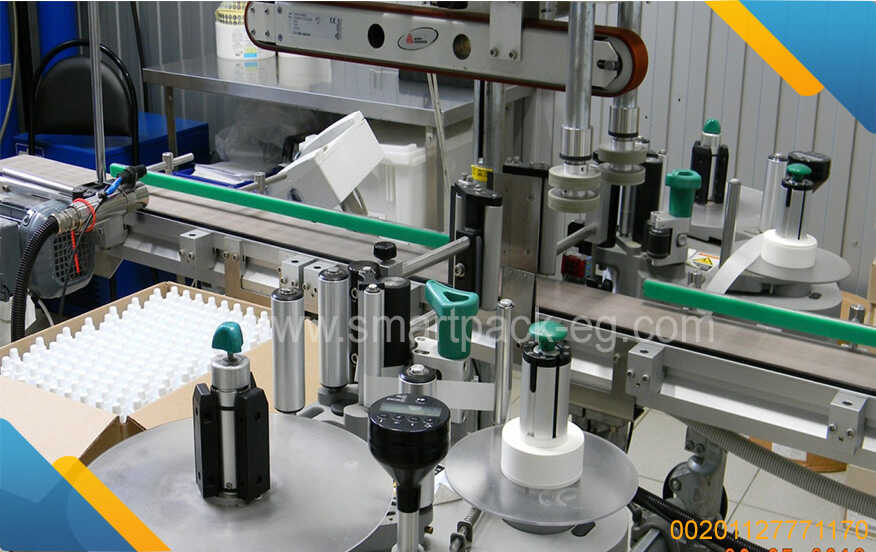
Labeling Machine
Front and back labels
Professional brand presentation
Final Packaging Machine
Shrink wrapping or cartoning
Ready for distribution and export
Complete Integrated Production Line Workflow
-
Raw material reception
-
Mixing and heating
-
Homogenization
-
Filtration
-
Storage
-
Automatic filling
-
Capping and labeling
-
Final packaging and shipping
Integrated lines reduce labor, increase speed, and ensure consistent quality.
Types of Filling Machines Available
-
Semi-automatic small bottle fillers for startups
-
Servo high-precision automatic fillers
-
Multi-head filling lines for medium factories
-
Fully automatic high-speed production lines for large-scale operations
Comparison Between Production Line Types
| Line Type | Bottles/Hour | Automation Level | Workers Needed | Best For |
|---|---|---|---|---|
| Semi-auto | 800–1200 | Partial | 4–6 | Small projects |
| Full auto | 3000–6000 | High | 2–3 | Medium factories |
| High-speed | 10,000+ | Fully automatic | 1 operator | Large/export factories |
Investment Cost Overview
| Item | Purpose |
|---|---|
| Mixing tanks | Hygienic blending with temperature control |
| Filling machines | Fast production with minimal waste |
| Packaging machines | Shrink/carton wrapping |
| Operating costs | Raw materials, labor, utilities |
Modern machines reduce waste and increase long-term profitability.
Market Study and Profit Potential Example
Hair oil demand is rising across pharmacies, supermarkets, online stores, and export markets.
Example:
Daily production: 8,000 bottles
Cost per bottle: $0.60
Wholesale price: $1.20
Net profit per bottle: $0.60
Daily profit ≈ $4,800
Monthly profit ≈ $120,000+
This shows how quickly investment can generate strong returns.
Smart Tips for Buying Equipment from Smart Pack
-
Choose stainless steel machines for hygiene
-
Ensure spare parts and after-sales service
-
Prefer complete production lines instead of separate machines
-
Request live testing before purchase
-
Select scalable designs based on your capacity
Smart Pack offers customized solutions tailored to your budget and production goals.
Investment Tips for Factory Success
Start with medium capacity and expand gradually
Focus on premium packaging to increase consumer trust
Target African and Arab export markets
Register your brand legally
Use modern automation to reduce labor costs
Frequently Asked Questions
What is the minimum factory space required
Around 250–400 m² for a semi-automatic line
Can detergent filling machines be used for hair oil
Yes, if they support viscous liquids and precise control
What is a good starting capacity
3,000–5,000 bottles per hour
Do automated lines really increase profits
Yes, they reduce waste and labor while increasing output
How long is the payback period
Typically 8–14 months depending on sales
Take the Next Step
If you’re planning to enter the cosmetics and hair oil manufacturing market or upgrade your current production capacity, this is the perfect time to invest. Choosing the right machines determines your speed, quality, and profitability.
Partner with Smart Pack today to design a customized production and filling line that delivers faster output, lower costs, and stronger margins — and positions your brand for real market leadership.