 Admin
Admin Cooking Oil Production and Filling Machines
Complete Factory Setup, Components, and Step-by-Step Processing Guide
Launching a cooking oil production plant is one of the smartest investments in the food manufacturing sector today. Demand is constant, repeat purchases are guaranteed, and distribution channels are wide and reliable. With a fully integrated refining and filling line, cooking oil becomes a high-turnover, stable-profit product that is easy to market locally and internationally.
Why a Cooking Oil Factory Is a Strong Investment Opportunity
Cooking oil is not a seasonal product. It is consumed daily in homes, restaurants, hotels, and food processing facilities. This creates predictable cash flow and steady sales all year long.
Key advantages include:
-
High daily consumption and non-seasonal demand
-
Continuous orders from households and food service businesses
-
Flexible pricing tiers and profit margins
-
Easy brand building and private labeling
-
Multiple packaging sizes for different markets
Cooking oil combines large sales volume with consistent financial stability, making it ideal for industrial investors.
Types of Cooking Oils You Can Produce
4
-
Blended vegetable oil
-
Sunflower oil
-
Soybean oil
-
Corn oil
-
Refined palm oil (according to local regulations)
Your oil type determines the refining technology, equipment configuration, and total investment size.
Core Ingredients of Cooking Oil
-
Crude oil (sunflower, soybean, corn, or others)
-
Food-grade refining and purification materials
-
Antioxidants
-
Optional vitamins depending on target market requirements
The quality of crude oil is the primary factor affecting color stability, taste, and frying performance.
Essential Machines for a Cooking Oil Production Plant
4
Refining and Purification Units
Remove impurities
Reduce free fatty acids
Improve color and smell
Ensure food-grade compliance
Mixing and Processing Tanks
Food-grade stainless steel construction
Slow-speed agitators
Temperature control systems
Precise oil blending
Deodorization Systems
Remove unwanted odors
Enhance frying quality
Increase market acceptance
Filtration Systems
Fine filtering
Sediment removal
Clear, bright oil output
Storage Tanks
Hygienic pre-filling storage
Protection from oxidation
Safe transfer outlets
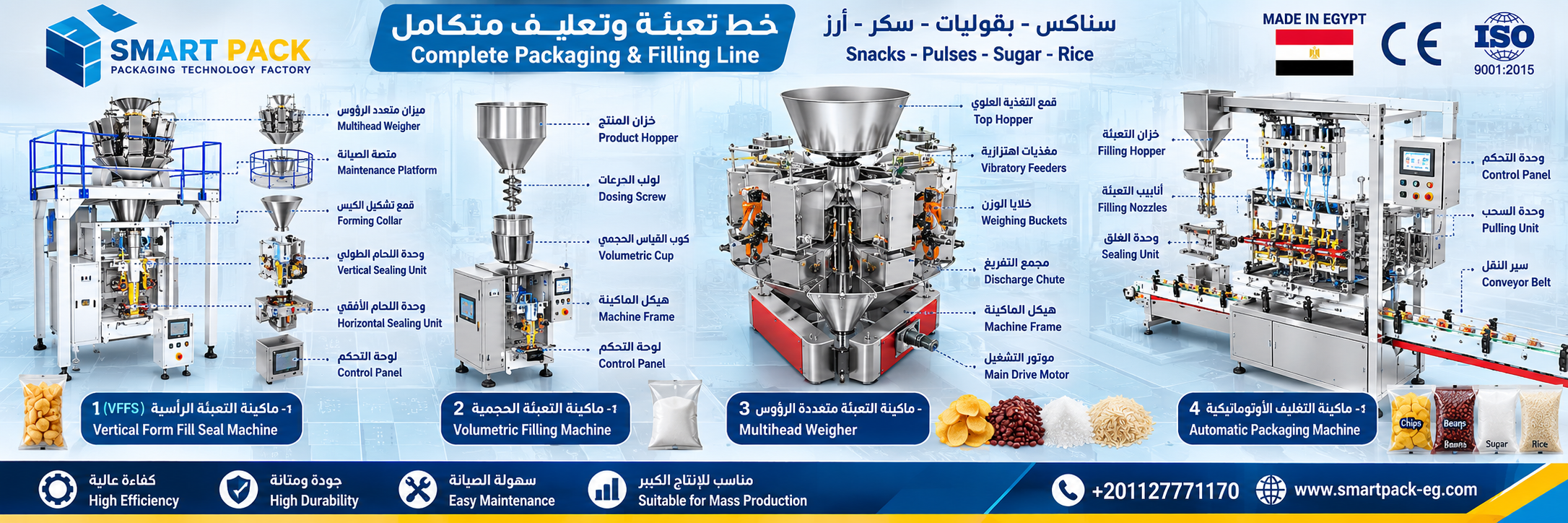
Cooking Oil Filling and Packaging Machines
4
Oil Filling Machine
Accurate volumetric or weight filling
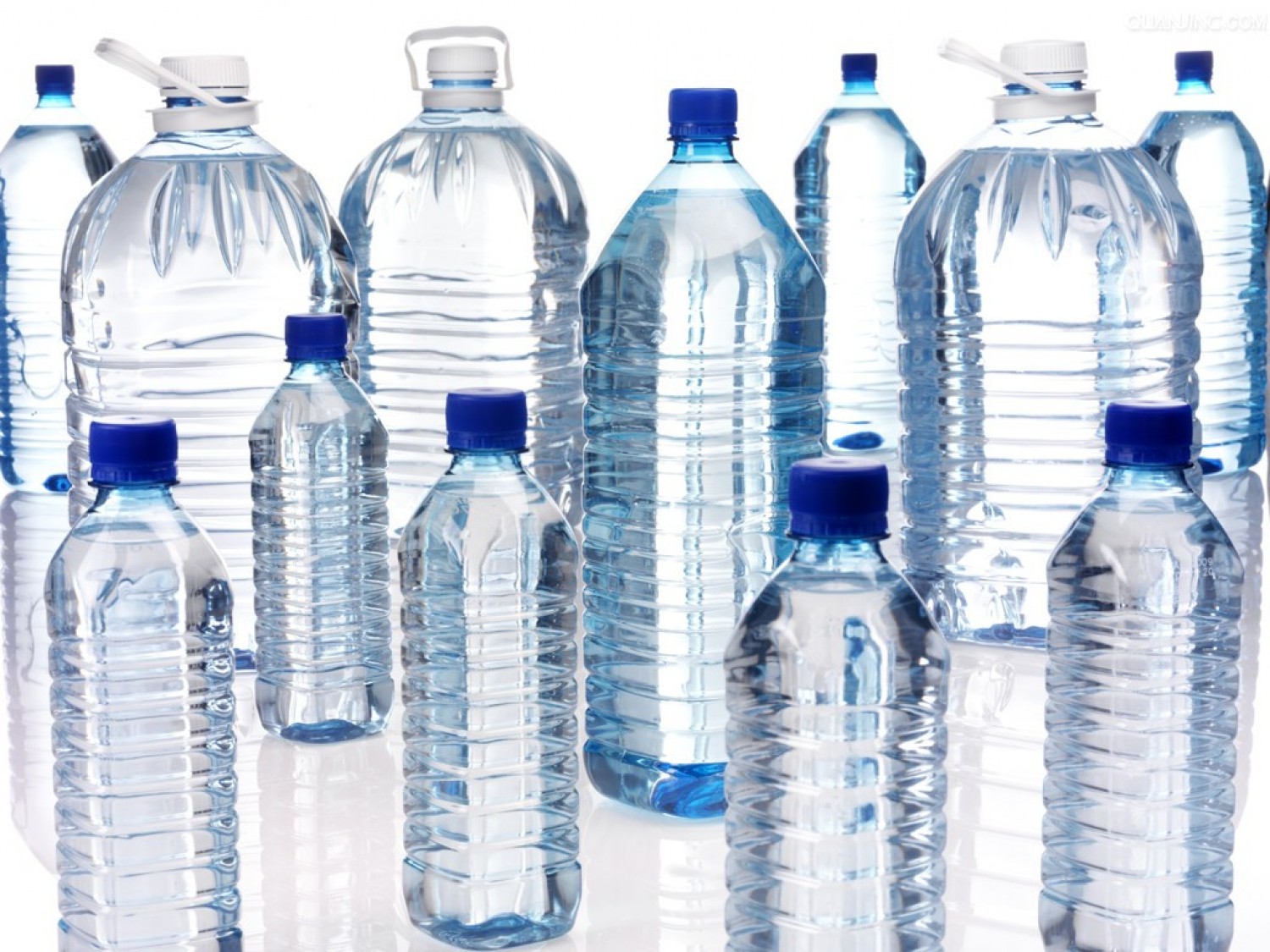
Compatible with plastic bottles and large containers
Oil-resistant components
Capping Machine
Tight, leak-proof sealing
Suitable for screw and press caps
Labeling Machine
Front and back labeling
Clear nutritional and product information
Final Packaging Machine
Shrink wrapping or carton packing
Ready for transport and distribution
Complete Cooking Oil Production and Filling Line
A fully integrated line typically follows these steps:
-
Crude oil reception
-
Refining and purification
-
Deodorization
-
Final filtration
-
Hygienic storage
-
Automatic filling
-
Capping, labeling, packaging
-
Storage and shipping
Integrated lines reduce labor costs, improve consistency, and significantly increase production capacity.
Technical Requirements for Factory Setup
-
Oil-resistant industrial flooring
-
Proper ventilation
-
Stable power supply
-
Thermal safety systems
-
Separation between refining and filling zones
-
Compliance with food safety regulations
Proper infrastructure reduces downtime and extends machine lifespan.
Traditional Operation vs Integrated Industrial Line
| Comparison Factor | Traditional Setup | Integrated Line |
|---|---|---|
| Quality stability | Inconsistent and operator dependent | Highly stable and standardized output |
| Production capacity | Limited and slow throughput | High-speed continuous production |
| Material waste | High losses during handling | Optimized use of raw materials |
| Scalability | Difficult to expand | Easy modular upgrades |
| Profitability | Lower margins | Higher long-term returns |
How to Successfully Start a Cooking Oil Factory
-
Conduct detailed market research
-
Select the right oil type
-
Define production capacity
-
Choose an expandable production line
-
Design attractive, practical packaging
-
Obtain food safety licenses
-
Develop a distribution and marketing plan
A correct start minimizes costly future modifications.
Common Mistakes to Avoid
-
Low-quality crude oil
-
Incomplete refining
-
Poor sealing during filling
-
Missing or unclear label information
-
Expanding too fast without quality control
Avoiding these issues protects both your brand and profits.
Why Choosing Smart Pack Solutions Is a Smart Business Decision
Smart Pack provides advanced filling and packaging machinery for edible oil factories with:
-
High filling accuracy
-
Oil-resistant construction materials
-
Flexible bottle sizes and formats
-
Easy scalability for export growth
-
Reliable technical support and after-sales service
Their solutions help reduce waste, ensure consistent quality, and build a strong competitive brand.
Frequently Asked Questions
Is a cooking oil factory profitable
Yes. It is one of the most stable and fast-moving food manufacturing businesses with continuous demand.
Can I start with a semi-automatic line
Yes. Start small and upgrade later using modular equipment.
What is the most important machine in the plant
Refining and purification units, as they directly determine oil quality.
Does packaging influence buying decisions
Absolutely. Packaging strongly affects consumer trust and brand perception.
What is the minimum space required
It depends on production capacity but is generally moderate compared to other food factories.
Can the line be expanded later
Yes. Modern production lines are designed for easy upgrades and higher capacities.
If you are planning to launch a profitable cooking oil production and filling factory, investing in a complete automated line is the fastest path to consistent quality and strong market positioning. Contact Smart Pack today for professional consultation and tailored manufacturing solutions that reduce waste, stabilize production, and accelerate your business growth locally and globally.