
 Admin
Admin Liquid Chocolate Manufacturing
A High-Turnover, High-Margin Product with Integrated Filling and Packaging
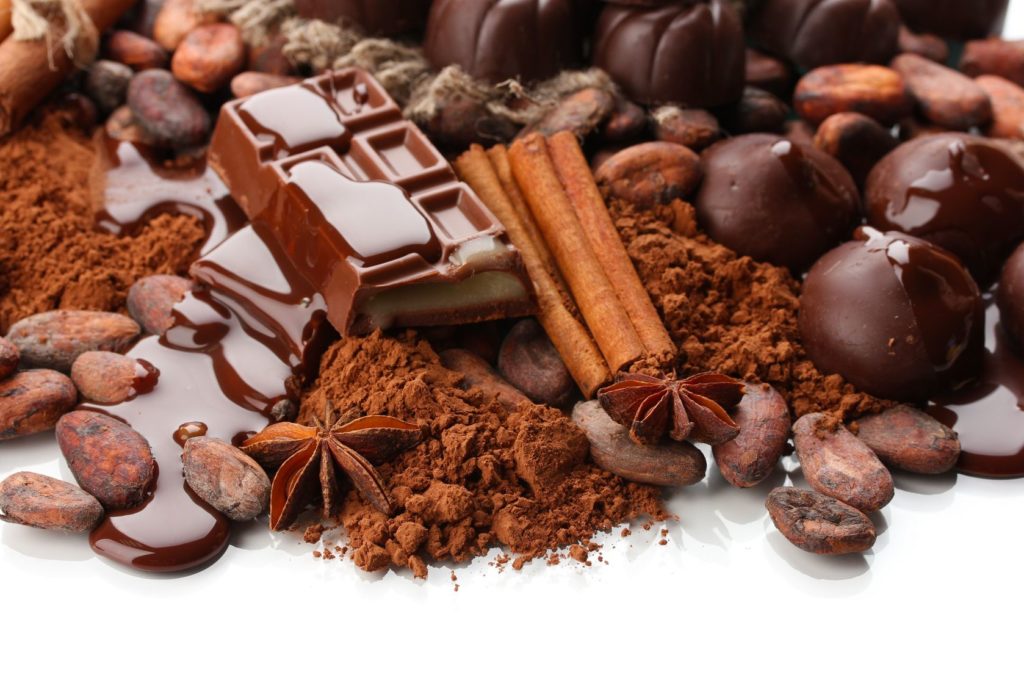
Liquid chocolate is one of the fastest-moving and highest-value food products in the market. Its profit margin increases significantly when it is produced with a stable, homogeneous formula and filled on a fully integrated packaging line that reduces waste and ensures precise weight and shape control.
Factories that adopt this professional approach can quickly enter restaurant, retail, and wholesale markets with confidence, consistent quality, and scalable profits.
Why Liquid Chocolate Is a Highly Profitable Manufacturing Opportunity
4
Liquid chocolate offers strong commercial advantages:
Continuous demand from restaurants, cafés, and retailers
High perceived value that supports premium pricing
Flexible packaging sizes for multiple sales channels
Excellent compatibility with precision filling lines that minimize waste
This combination makes it ideal for stable, large-scale production.
1. Core Ingredients for Stable Industrial Liquid Chocolate
A successful industrial formula relies on:
Cocoa or standardized cocoa powder
Sugar or sweeteners in controlled ratios
Suitable fats (cocoa butter or approved food oils)
Food-grade emulsifiers to stabilize texture
Optional natural flavors
The goal is a smooth, uniform texture that does not separate during storage or filling.
2. Production Stages from Mixing to Filling Readiness
4
The manufacturing process typically includes:
Initial mixing and heating to fully dissolve ingredients
High-shear homogenization to prevent lumps
Viscosity and temperature adjustment according to packaging type
Optional filtration for extra smoothness
Light thermal stabilization before filling
These steps guarantee smooth flow through machines without clogging or interruptions.
3. Viscosity Control and Its Impact on Waste
Texture control is critical:
Very low viscosity causes leakage and inconsistent weight
Very high viscosity causes clogging and slow production
Balanced viscosity ensures steady flow and accurate filling
Precise control at this stage directly reduces product loss and improves efficiency.
4. Specifications of an Integrated Filling and Packaging Line
4
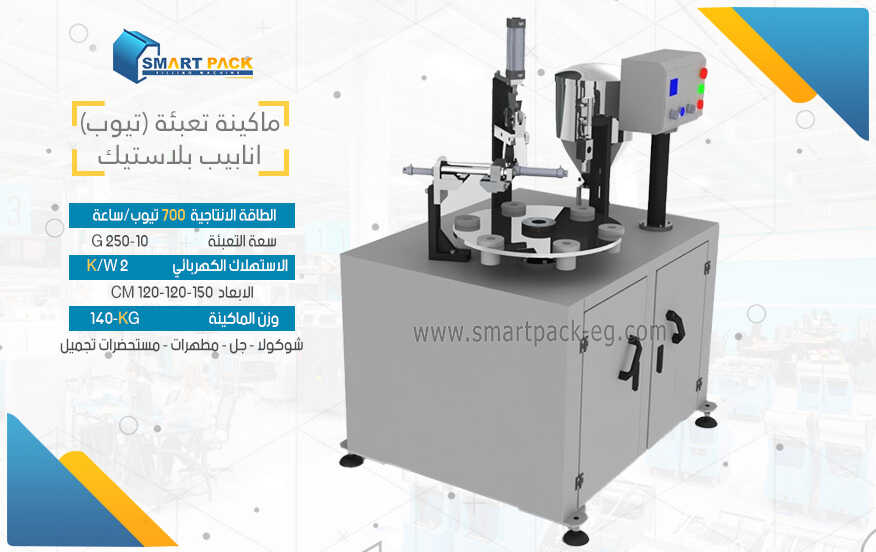
A complete line typically includes:
Heated feeding tanks with temperature control
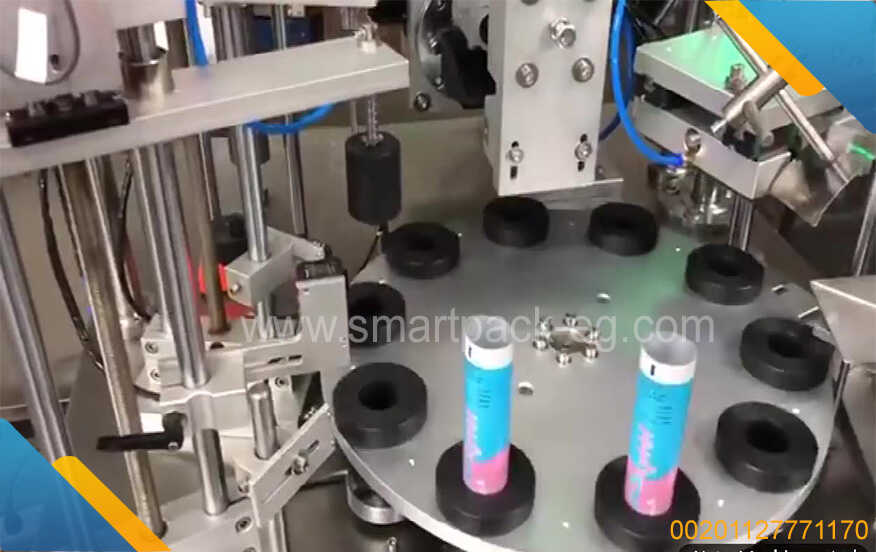
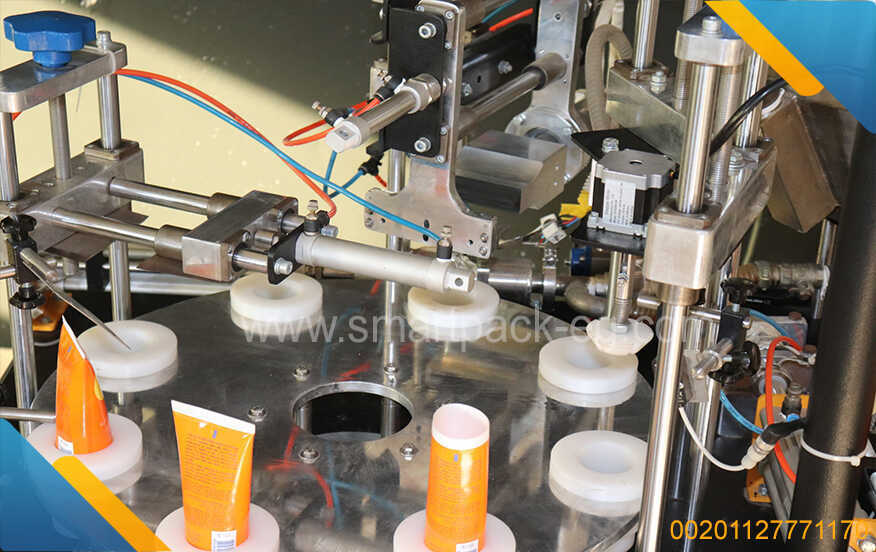
High-accuracy liquid filling machines for medium viscosity products
Consistent weight or volumetric systems
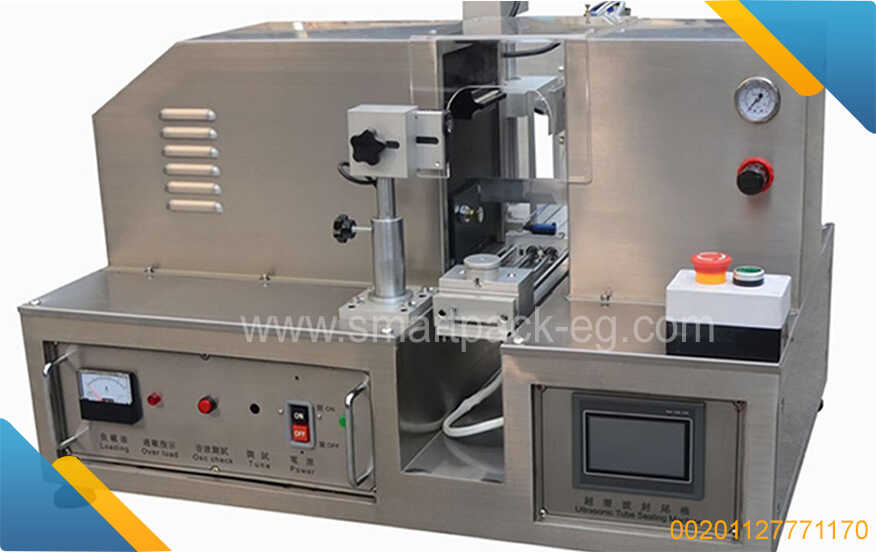
Secure sealing or capping units
Labeling and date coding machines
Integration between these units minimizes downtime and maximizes productivity.
5. Choosing the Right Packaging to Increase Margins
Smart packaging directly improves profitability:
Squeeze bottles for restaurants reduce waste
Small retail bottles support higher selling prices
Large wholesale packs accelerate bulk sales
The right pack format can double returns without changing the recipe.
6. Operational Comparison: Manual vs Integrated Line
| Factor | Manual Operation | Integrated Line |
|---|---|---|
| Weight accuracy | Inconsistent | Precise |
| Waste rate | High | Low |
| Production speed | Limited | High |
| Quality consistency | Unstable | Stable |
| Profit margin | Limited | Higher and sustainable |
Automation clearly delivers stronger and more predictable returns.
7. Sales Channels Opened by Professional Packaging
Professional packaging allows the same product to serve multiple markets:
Restaurants and cafés through supply contracts
Retail through attractive consumer bottles
Wholesale through economical bulk sizes
Specialized packaging adapts the product to each channel easily.
8. Costs and Expected Profits
With organized production:
Unit cost decreases as speed increases
Returns drop thanks to stable texture and weight
Professional appearance supports premium pricing
The result is higher margins and long-term operational sustainability.
9. Common Mistakes to Avoid
Poor temperature control during filling
Using machines not suited to viscosity
Weak containers that fail in storage
Inconsistent operating procedures
Avoiding these issues immediately improves profitability.
10. Why Smart Pack Is a Practical Choice
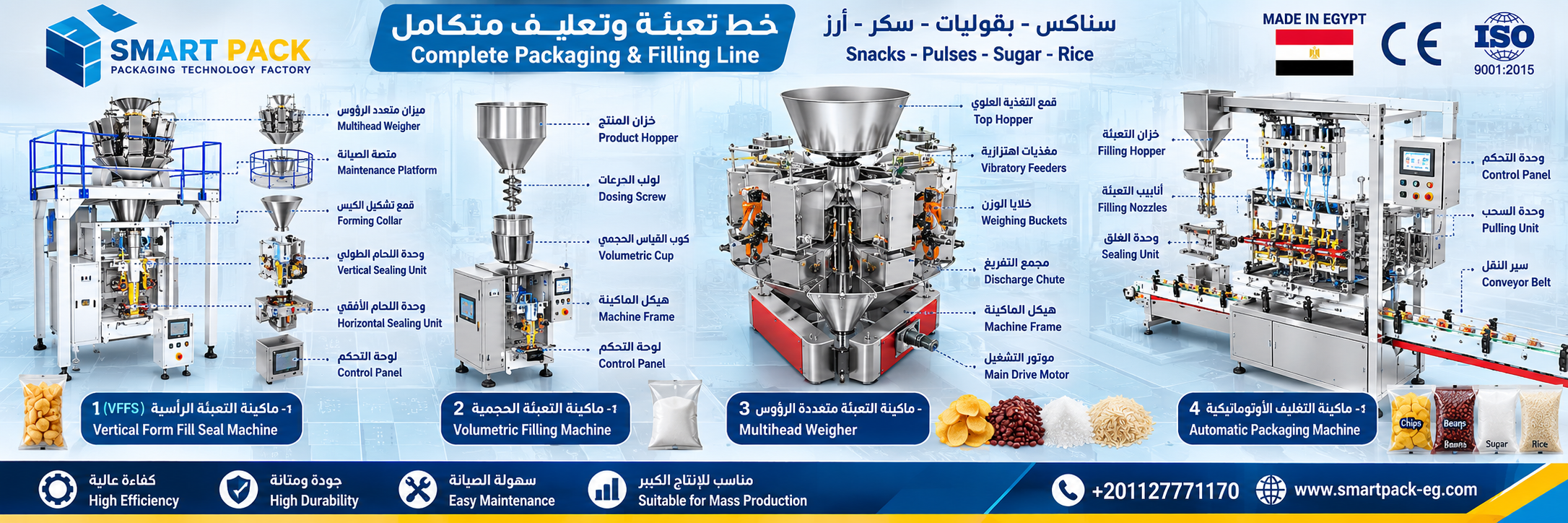
Smart Pack provides advanced filling and packaging machines for liquid food products, offering temperature control, precise dosing, and flexible sizes. These solutions help factories reduce waste, increase productivity, and reach markets faster with consistent quality.
Frequently Asked Questions
How is liquid chocolate produced industrially
Through mixing, heating, homogenizing, viscosity control, and sealed filling on an integrated line.
How does an integrated packaging line increase profit margins
By improving weight accuracy, boosting speed, and minimizing leaks and returns.
What role does texture play in reducing waste
Proper viscosity prevents clogging, leakage, and inconsistent filling.
What is the best packaging for liquid chocolate
Squeeze bottles for foodservice and smaller bottles for retail sales.
Why is liquid chocolate a fast-moving factory product
Because of high demand, multiple uses, and easy marketing with professional packaging.
If you’re targeting higher margins and lower waste, start producing liquid chocolate on an integrated filling and packaging line. Partner with Smart Pack to gain precise, flexible solutions that support rapid growth and consistent quality in a competitive market.