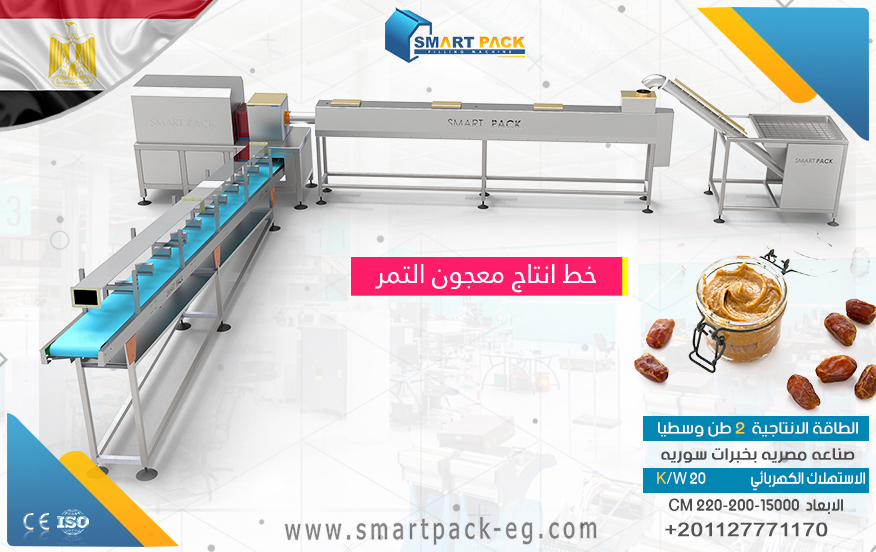
Product Description
Date Paste Production System – The Ideal Solution for Food-Processing Projects
The premium industrial solution for producing high-quality date paste
In the food industry, date paste is a key raw ingredient used in the production of many products such as confectionery, pastries, juices, and high-value bakery items.
Having a high-quality Date Paste Production Line elevates the final product and gives you consistent, clean, and industry-ready paste suitable for packaging or further processing.
General Description
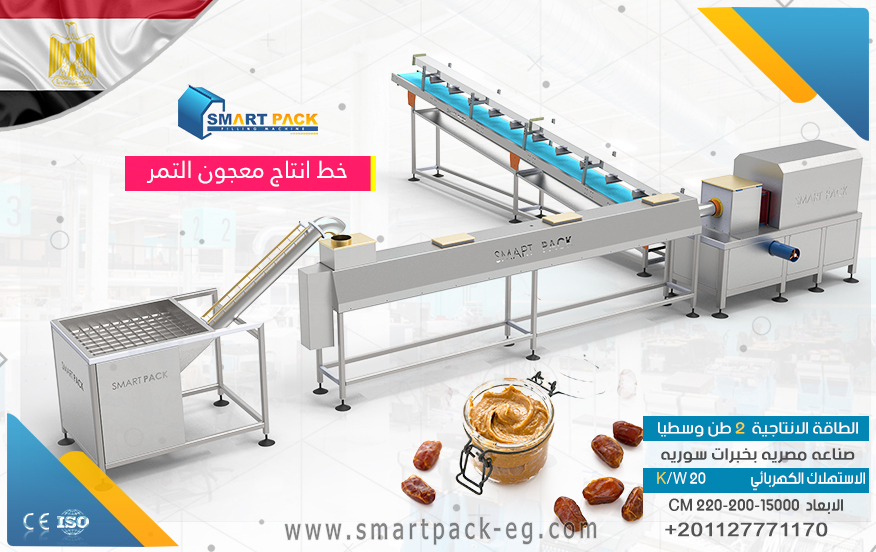
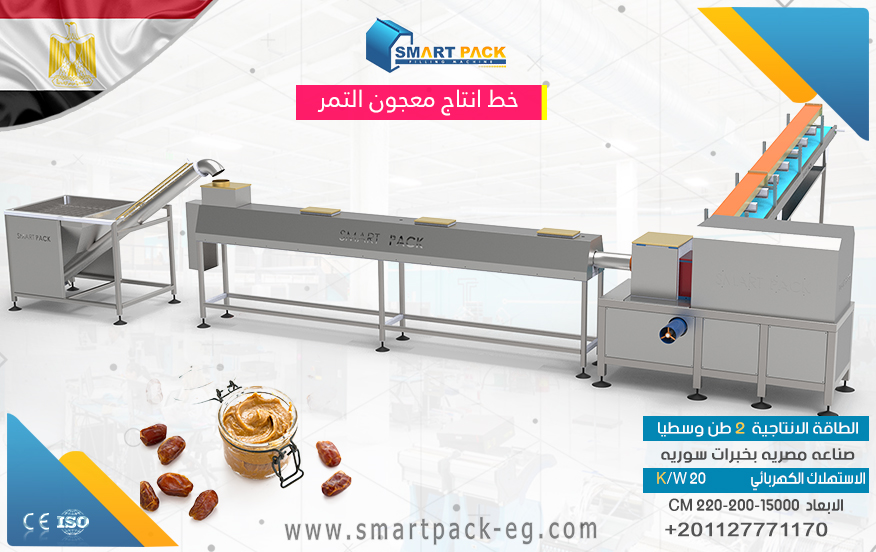
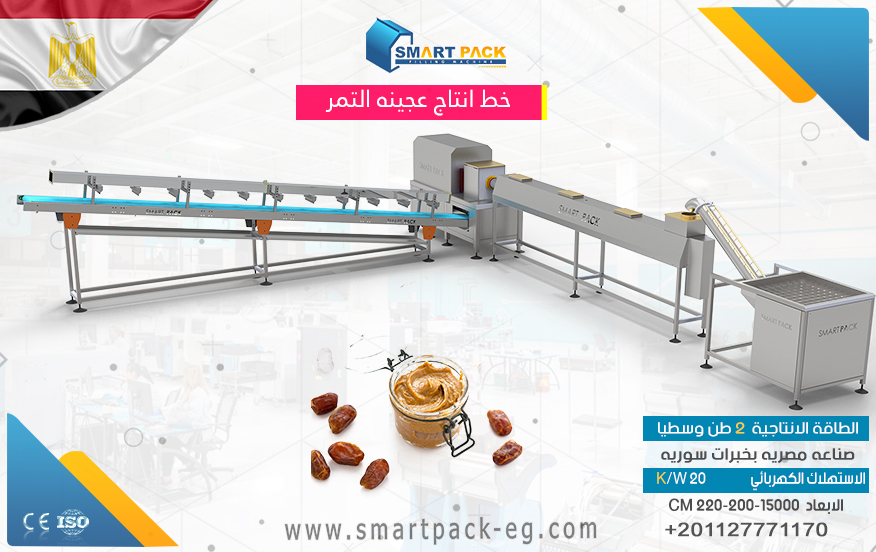
The Date Paste Production Line is a fully integrated industrial system designed to mash, grind, and transform dates into a smooth, homogeneous paste using advanced mechanical stages.
The system relies on specialized machines engineered to handle the texture of dates and process them efficiently—ensuring a uniform paste ready for the next step in production.
Get premium-quality date paste with ease
From raw dates to a refined industrial ingredient
Robust design… steady performance… outstanding results
Smartpack – Your trusted partner for professional date-paste processing
Components & Design of the Date Paste Production Line
The production line consists of the following core components:
✔ Washing unit for cleaning dates before processing
✔ Date crushing and pre-processing machine to prepare dates for mixing
✔ Heavy-duty industrial mixing tank equipped with strong blades
✔ PLC electronic control system to regulate mixing speed and temperature
✔ Food-grade stainless-steel frame for durability and hygiene
✔ Food-grade conveyor belt to transport materials within the system
✔ Paste discharge unit for smooth and consistent paste output
The system is designed with a focus on safety, user-friendly operation, and easy maintenance for continuous, long-term use.
Applications of the Date Paste Production Line
✔ Producing date paste for pastries and baked goods
✔ Preparing paste for natural or ready-to-drink juices
✔ Converting dates into an industrial food ingredient
✔ Preparing paste for canned or processed food industries
✔ Supplying high-value products for commercial markets
Key Features of the Date Paste Production Line
✔ Consistent and high-quality paste in every batch
✔ Strong industrial design suitable for long hours of operation
✔ Easy-to-use control panel for adjusting speeds and mixing cycles
✔ Seamless integration with other production lines
✔ Suitable for all types of dates after initial preparation
✔ Reduces waste and damaged product during processing
✔ Manufactured from safe, food-grade materials
Common Use Cases
-
Food factories that rely on dates as a raw ingredient
-
Large and medium-scale industrial projects
-
Pre-packaging preparation for food products
-
Factories producing date-based derivatives
-
Large farms converting dates into ready-market products
Technical Specifications
| Item | Specification |
|---|---|
| System Type | Date Paste Production Line |
| Function | Converting dates into smooth paste |
| Material | 304 food-grade stainless steel |
| Control Panel | PLC + digital interface |
| Usage | Factories – Farms – Production lines |
| Operating Speed | High and consistent |
Operation • Maintenance • Quality Control
Operation
-
Place cleaned dates into the washing unit
-
Transfer washed dates to the crushing machine
-
Dates move into the industrial mixing tank
-
Extract the ready-to-use date paste
Maintenance
✔ Clean the mixing tank after each operation
✔ Inspect blades and rotating components
✔ Clean the conveyor belt regularly
Quality Control
✔ Ensure paste smoothness and uniformity
✔ Verify consistency across batches
✔ Monitor equipment for any operational issues
FAQ – Frequently Asked Questions
1) What is the difference between a date-paste line and other date-processing equipment?
The paste line grinds and mixes dates into a smooth, uniform paste, while other equipment focuses on washing, sorting, or cleaning.
2) Is the system suitable for all date varieties?
Yes, settings can be adjusted depending on the date type.
3) Can it be integrated with packaging lines?
Absolutely—easy integration with filling and packing systems.
4) Does it require advanced technical skills?
No, operation is simple and requires only minimal training.
5) Does it reduce waste?
Yes, the system is designed to minimize losses and increase usable output.
6) Is it suitable for large-scale industrial projects?
Yes, the system is engineered for medium and large production capacities.
 عدد الزوار 3264
related products
-
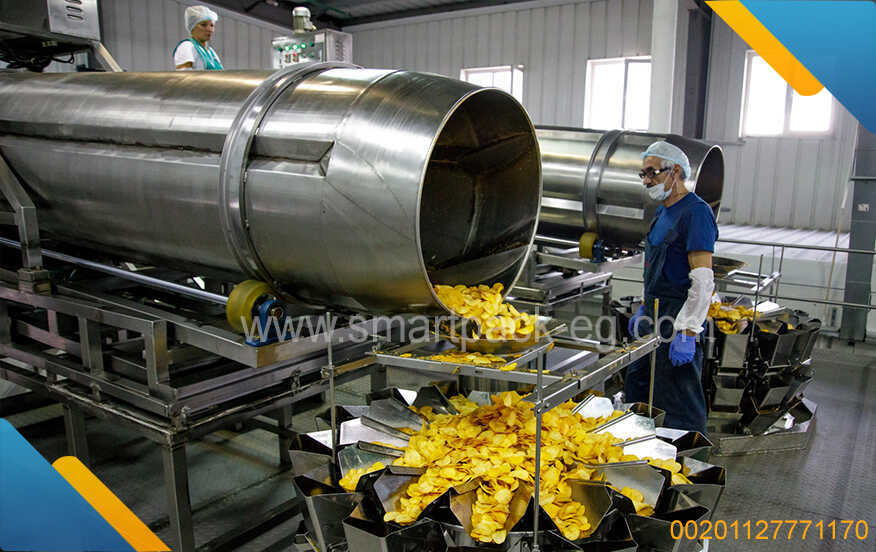 Professional corn chips and popcorn production lines – powerful performance
-
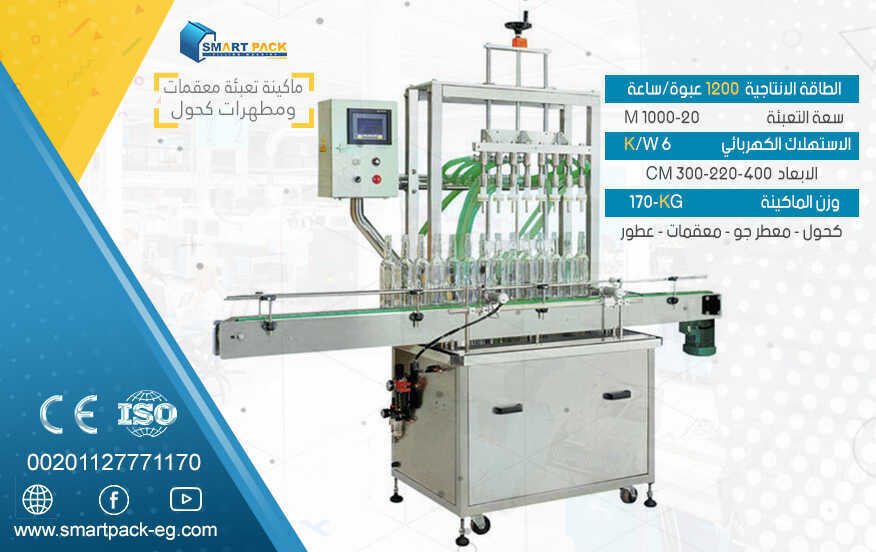 Food and chemical production & packaging line | Industrial filling and packaging
-
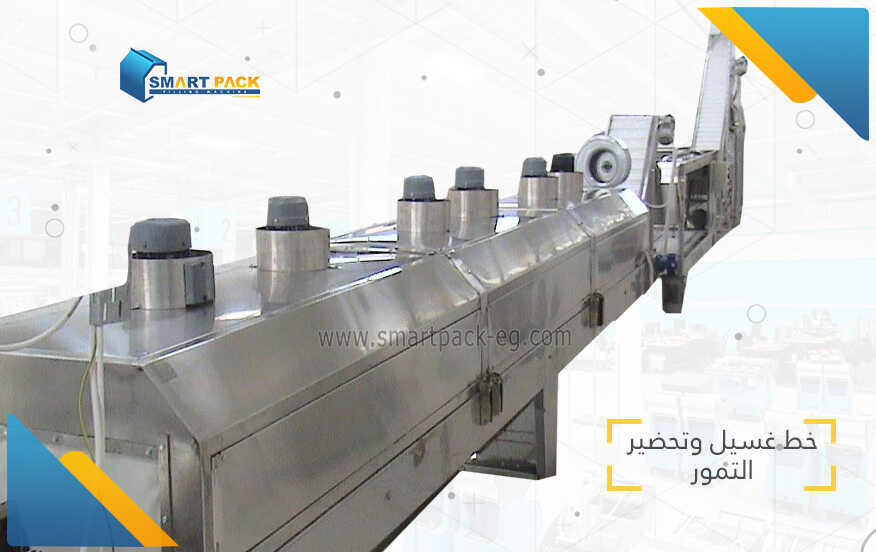 The best date processing and packaging production lines in Egypt
-
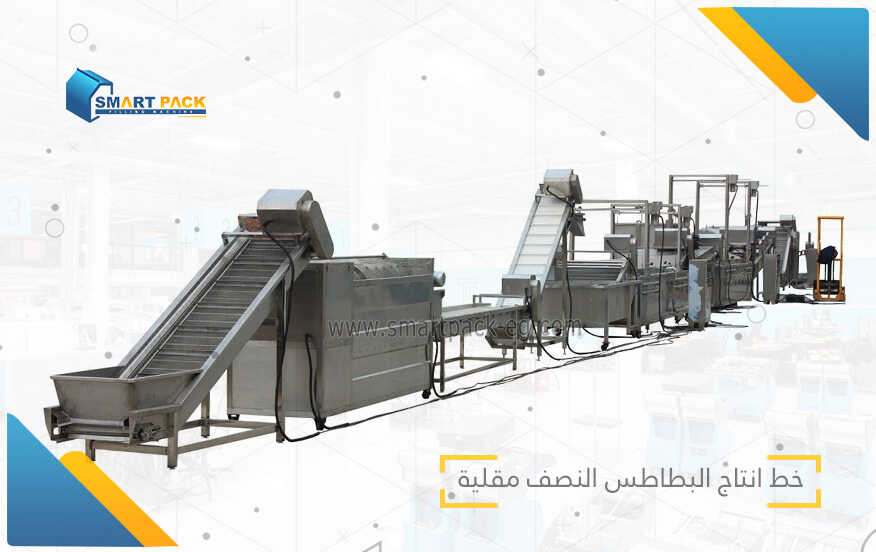 Complete solutions for a French fries production line – from washing to final packaging.
-
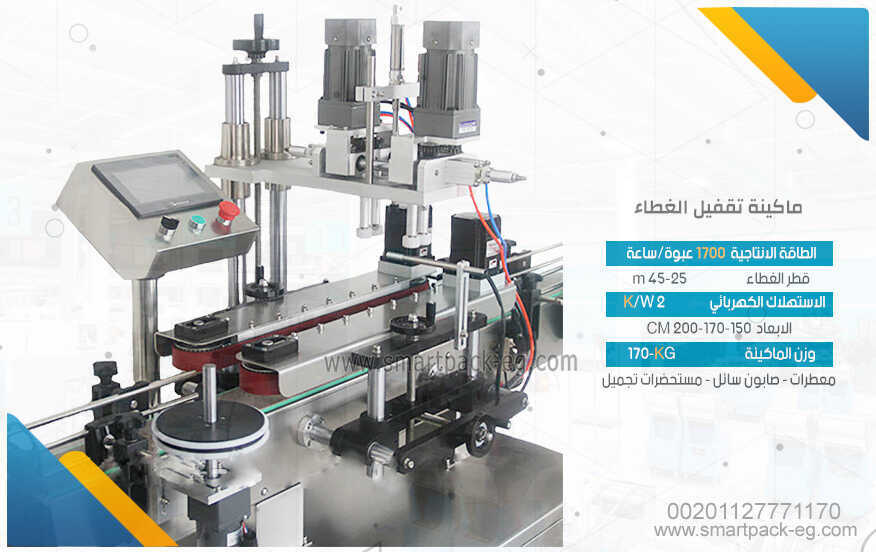 Cap placement and sealing machines – durable design and reliable technology
-
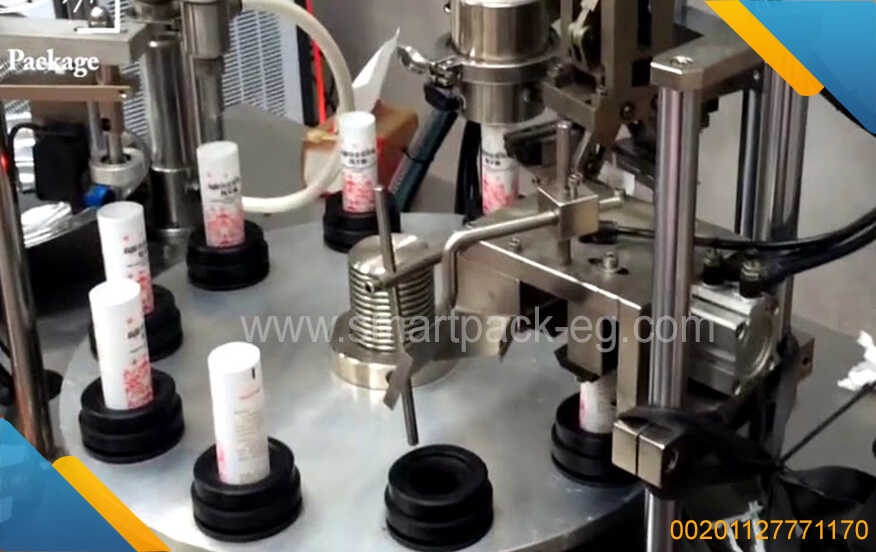 Plastic tube filling machines – exceptional performance for filling liquid and paste
-
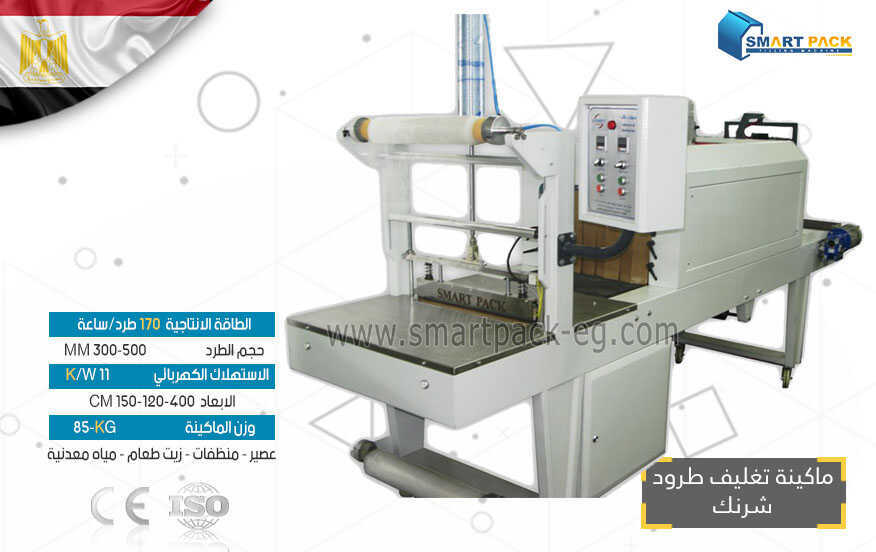 Heat Shrink Wrapping and Vacuum Packaging Machines
-
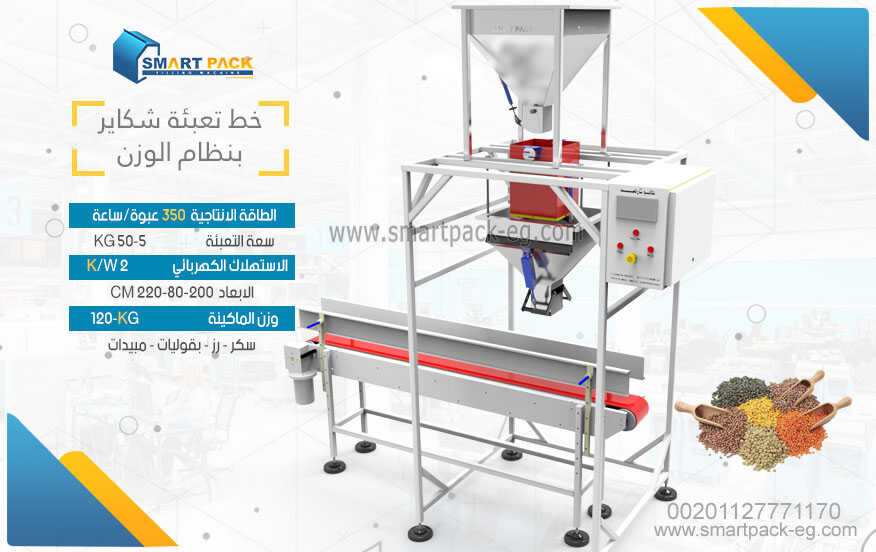 Bag filling machines for sacks and bags – industrial solutions for filling cement
-
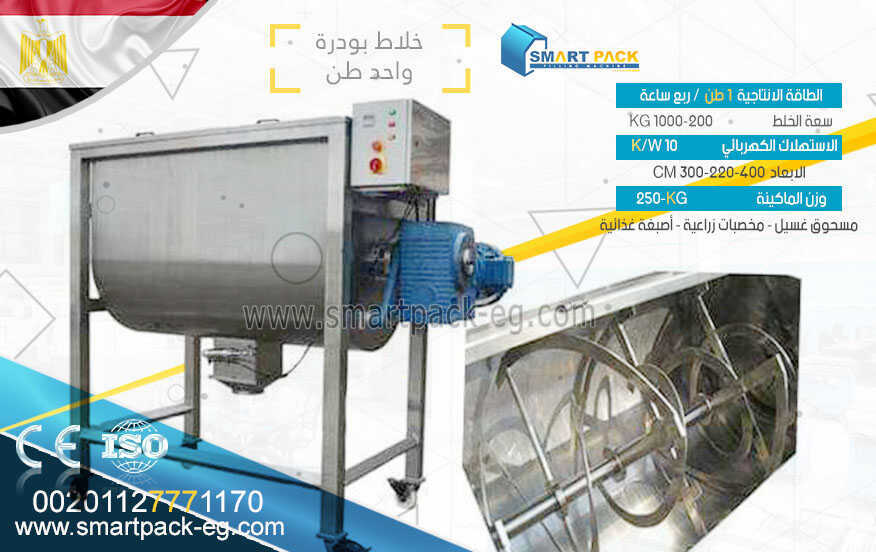 Powder mixing machines, powder mixer, ribbon blender – advanced mixing solutions for food
-
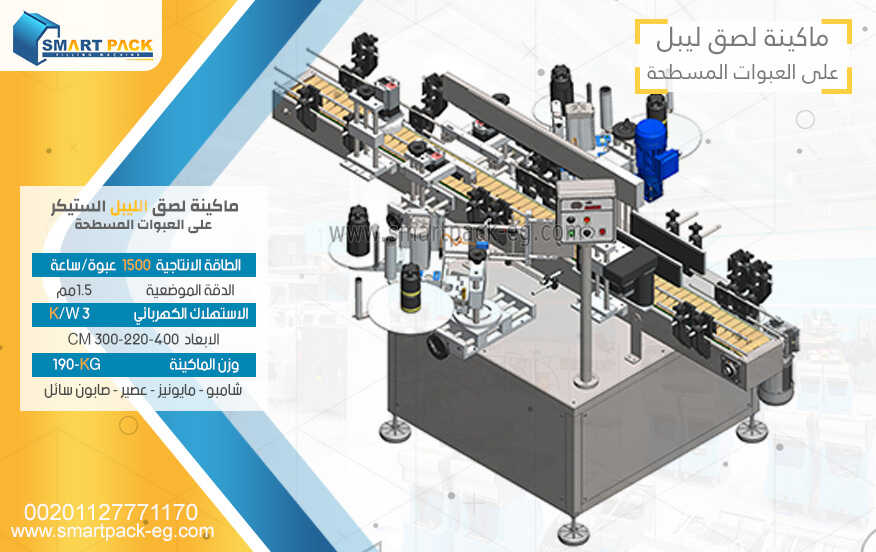 Sticker labeling machines for bottles and containers – fast performance and excellent
-
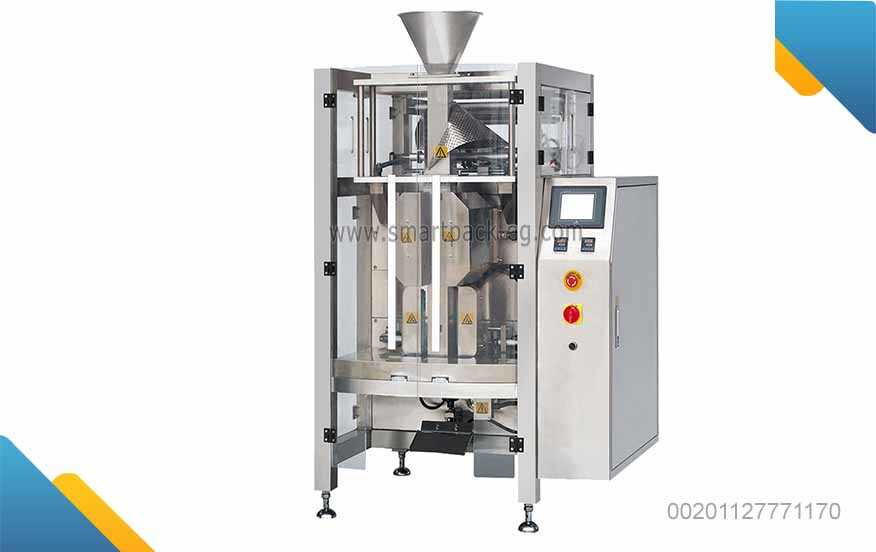 Filling and packaging machines Volumetric
-
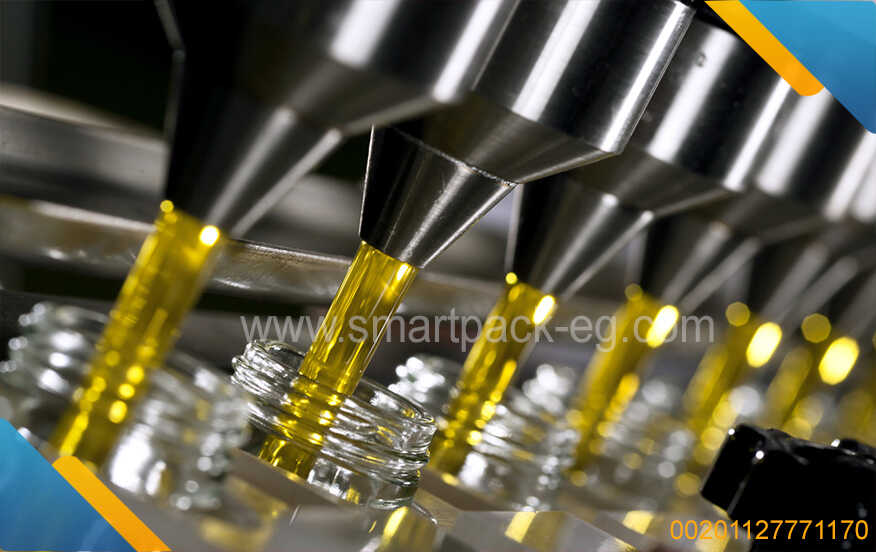 liquid filling machines
-
Professional corn chips and popcorn production lines – powerful performance
-
Food and chemical production & packaging line | Industrial filling and packaging
-
The best date processing and packaging production lines in Egypt
-
Complete solutions for a French fries production line – from washing to final packaging.
-
Cap placement and sealing machines – durable design and reliable technology
-
Plastic tube filling machines – exceptional performance for filling liquid and paste
-
Heat Shrink Wrapping and Vacuum Packaging Machines
-
Bag filling machines for sacks and bags – industrial solutions for filling cement
-
Powder mixing machines, powder mixer, ribbon blender – advanced mixing solutions for food
-
Sticker labeling machines for bottles and containers – fast performance and excellent
-
Filling and packaging machines Volumetric
-
liquid filling machines