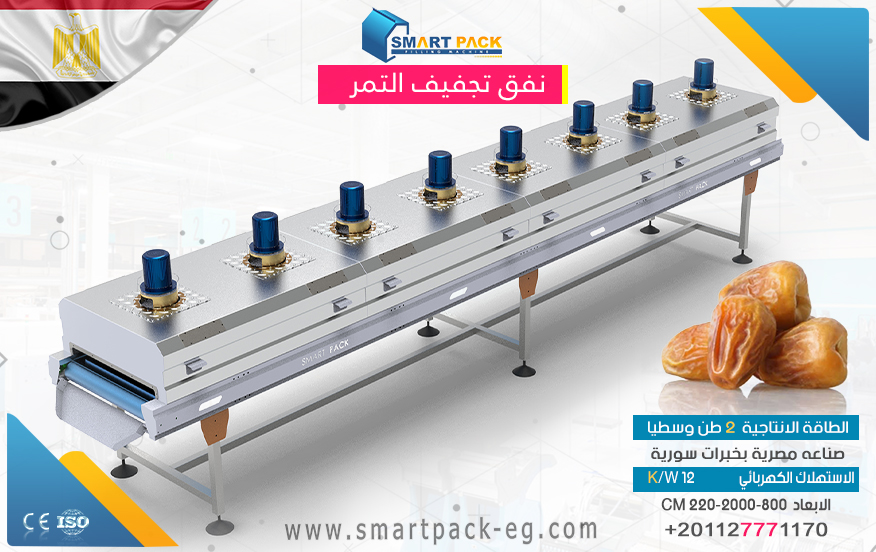
Product Description
Integrated Date Washing & Drying Solutions – Higher Quality, Less Waste
A fully integrated industrial solution for preparing dates before packaging
When preparing dates for packaging or sale, proper drying after washing and cleaning is essential. It directly affects product quality, shelf life, and consumer acceptance.
The Date Washing & Drying Line is a complete industrial system that combines washing, cleaning, and professional thermal drying to deliver perfect results every time while reducing the chances of spoilage and waste.
General Description
The Date Washing & Drying Line processes dates from the washing stage—removing dust and impurities—through a balanced thermal drying phase that removes excess moisture with high precision.
This ensures that dates are ready for pressing, packaging, or long-term storage without issues.
The line offers strong performance, efficient energy use, practical design, and ease of operation.
Cleaned and processed… dried and perfected… dates ready for the market
Integrated design… industrial-grade performance… professional results
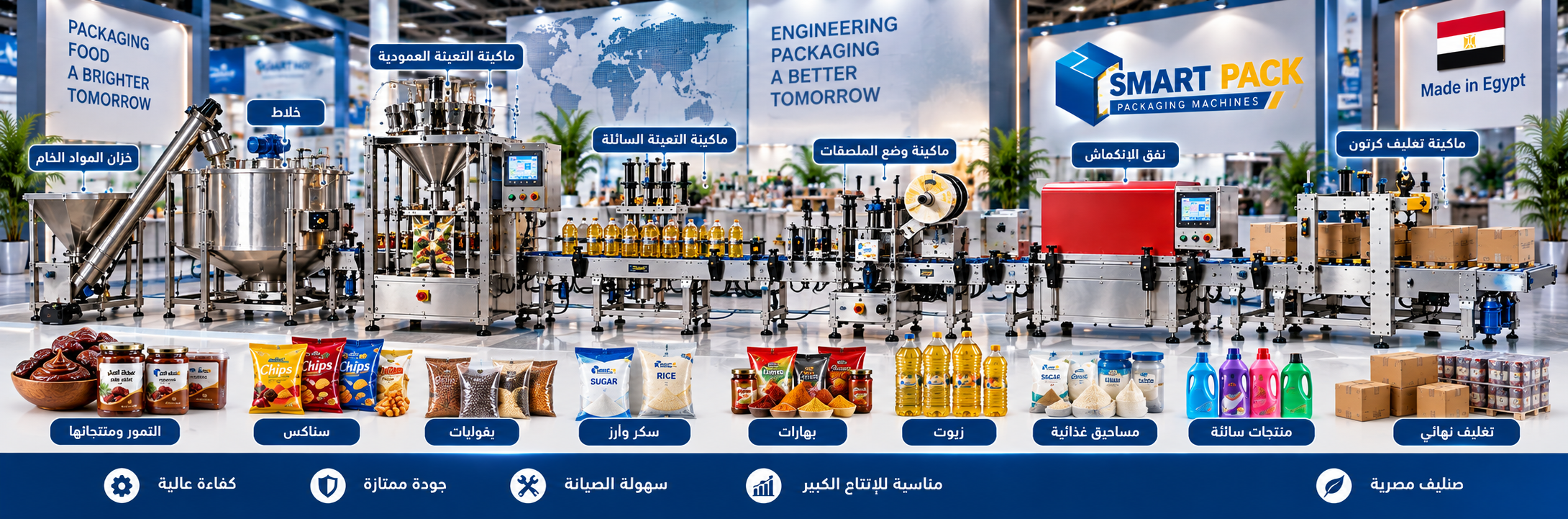
From washing to packaging… every step engineered with care
Smartpack – The leader in advanced date-processing solutions
Components & Design of the Date Washing & Drying Line
The system includes:
✔ Date washing conveyor for removing dust and residues
✔ Vibrating impurity separator for deeper cleaning of sticks and debris
✔ Manual inspection & sorting conveyor to ensure each date is checked
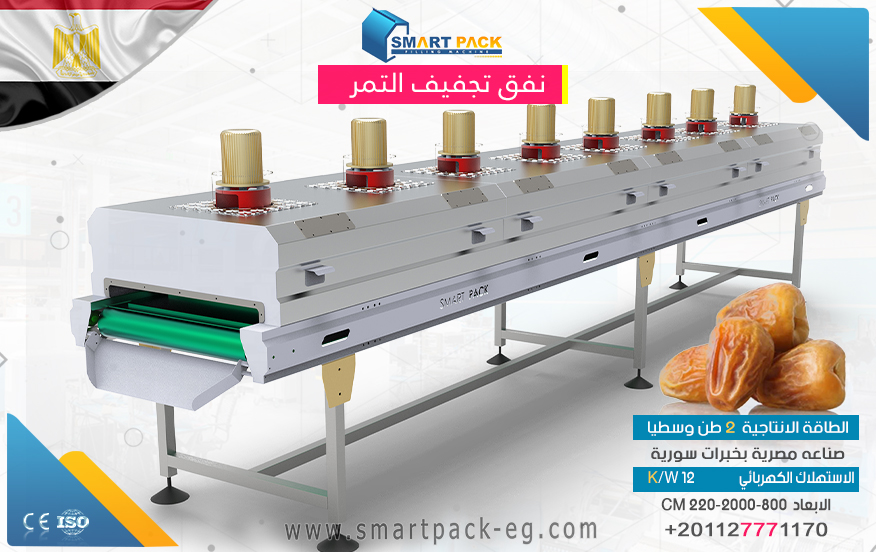
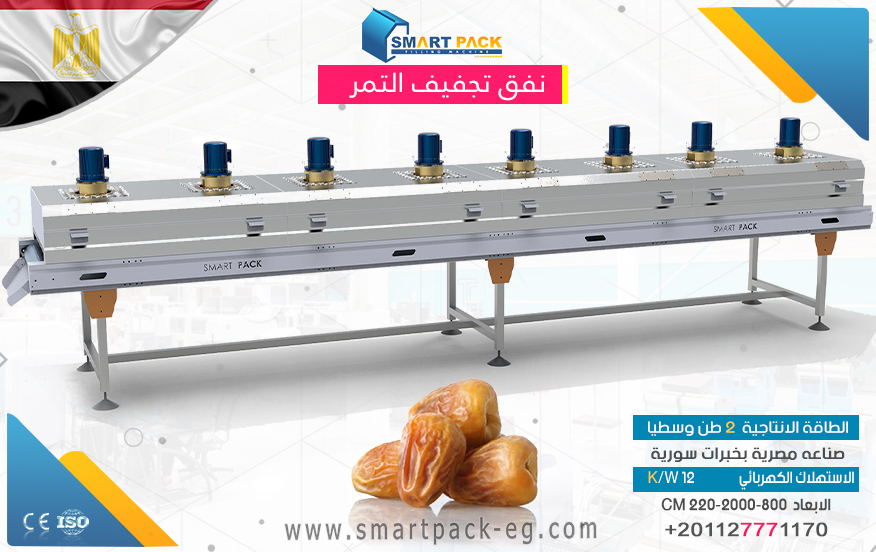
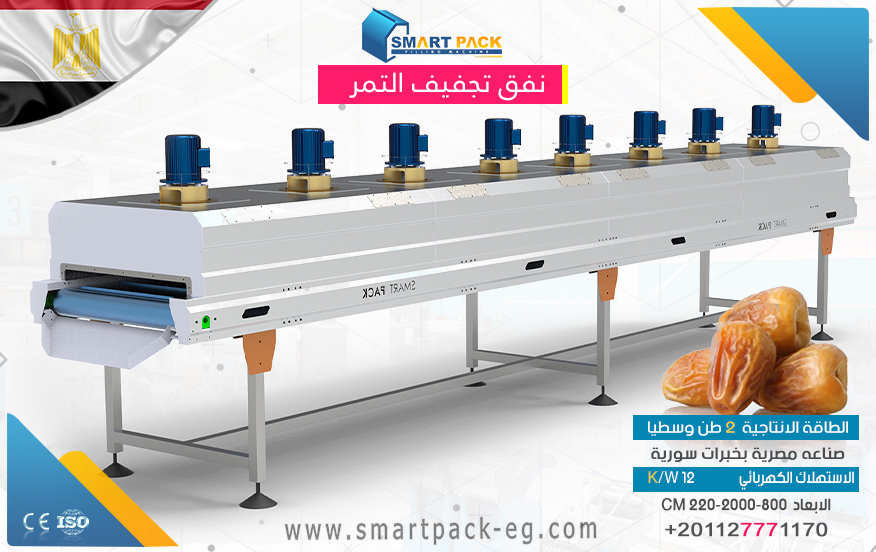
✔ Thermal drying unit to remove moisture and excess steam
✔ PLC digital control panel for adjusting speed and temperature
✔ Food-grade stainless-steel structure suitable for industrial environments
✔ Internal air channels & heat-distribution system for balanced drying
These components work smoothly together to transform raw dates into a dry, ready-to-package product.
Applications
✔ Preparing dates after washing to remove moisture
✔ Pre-sorting and pre-packaging preparation
✔ Preparing dates for long-term storage
✔ Preparing dates for retail display
✔ An essential component in modern production lines
✔ Suitable for large farms and small-to-large factories
Key Features of the Washing & Drying Line
✔ Comprehensive cleaning and balanced drying for excellent product quality
✔ Strong industrial design capable of long, continuous operation
✔ Smart control panel for easy drying adjustments
✔ Efficient energy usage without unnecessary waste
✔ Integrates seamlessly with other production steps such as packaging or sorting
✔ Extends date shelf life through moisture reduction
✔ Consistent results regardless of batch size
Common Use Cases
-
Immediately after washing
-
Before manual or electronic sorting
-
Within packaging lines
-
Before cold or hot storage
-
In high-quality production operations
-
In large farms and industrial production plants
Technical Specifications
| Item | Specification |
|---|---|
| System Type | Date Washing & Drying Line |
| Function | Washing – Cleaning – Drying |
| Material | Food-grade stainless steel |
| Control | PLC + digital interface |
| Usage | Factories – Farms – Production lines |
| Energy | High-performance, optimized consumption |
| Operating Speed | High efficiency with stable flow |
Operation • Maintenance • Quality Control
Operation
-
Load dates onto the washing conveyor
-
Cleaning and filtration take place
-
Dates move into the thermal drying unit
-
Dried, market-ready dates exit the system
Maintenance
✔ Clean machine components after operation
✔ Inspect pumps and air systems
✔ Monitor temperature sensors
Quality Control
✔ Ensure dates are fully dry
✔ Monitor drying speed
✔ Compare consistency across batches
FAQ – Frequently Asked Questions
1) What’s the difference between washing and drying dates?
Washing removes dust and impurities, while drying removes moisture and prepares dates for packaging.
2) Can drying speed be adjusted based on the date variety?
Yes, using the smart PLC control panel.
3) Is the system suitable for all date varieties?
Yes, settings can be adjusted as needed.
4) Does drying increase shelf life?
Absolutely—removing moisture reduces spoilage.
5) Does the system require labor during operation?
It is mostly automated but can be monitored by operators.
6) Does the line save production time?
Yes, it is faster and more efficient than traditional methods.
 عدد الزوار 3184
related products
-
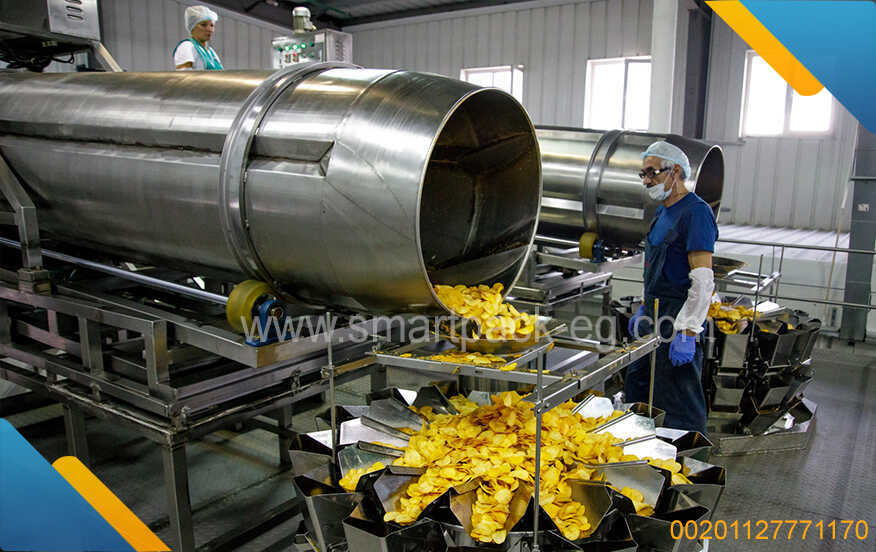 Professional corn chips and popcorn production lines – powerful performance
-
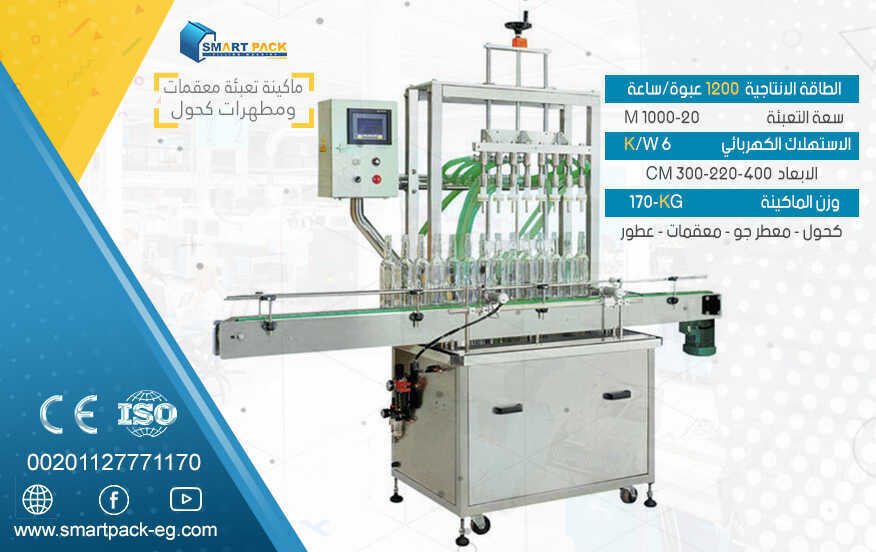 Food and chemical production & packaging line | Industrial filling and packaging
-
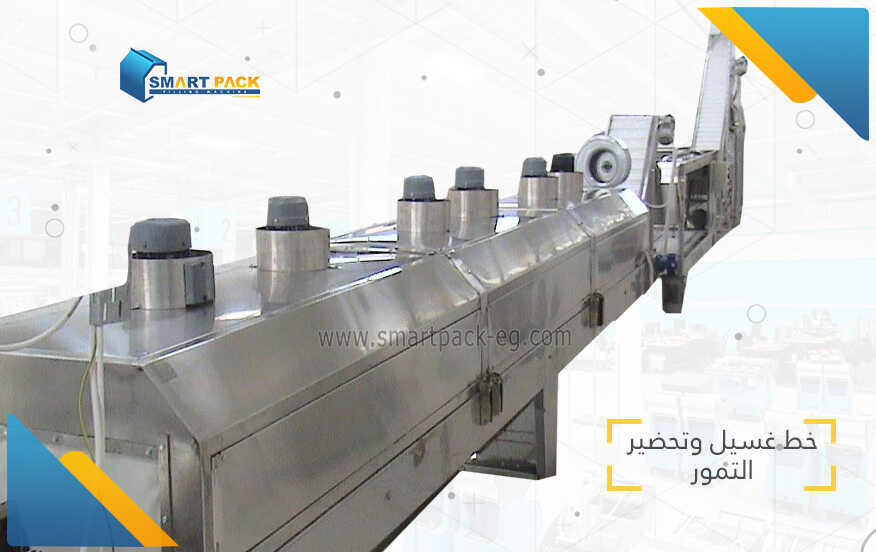 The best date processing and packaging production lines in Egypt
-
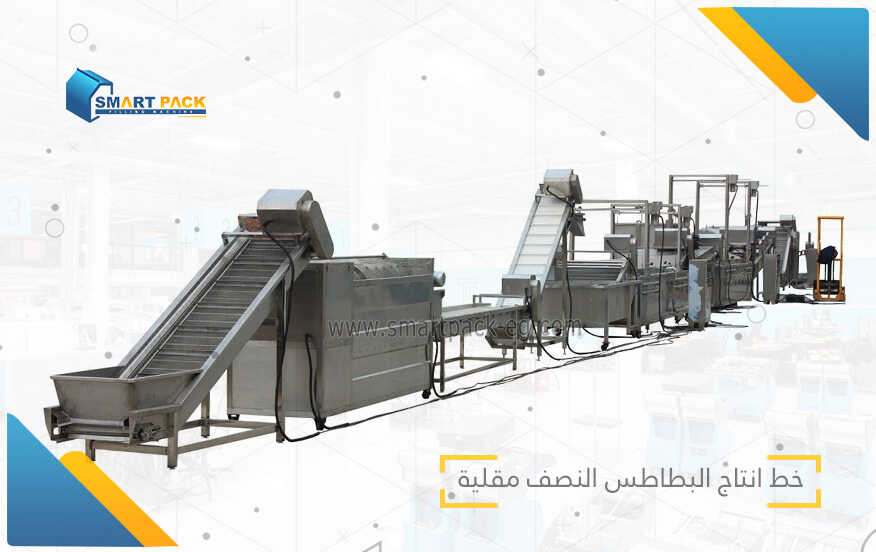 Complete solutions for a French fries production line – from washing to final packaging.
-
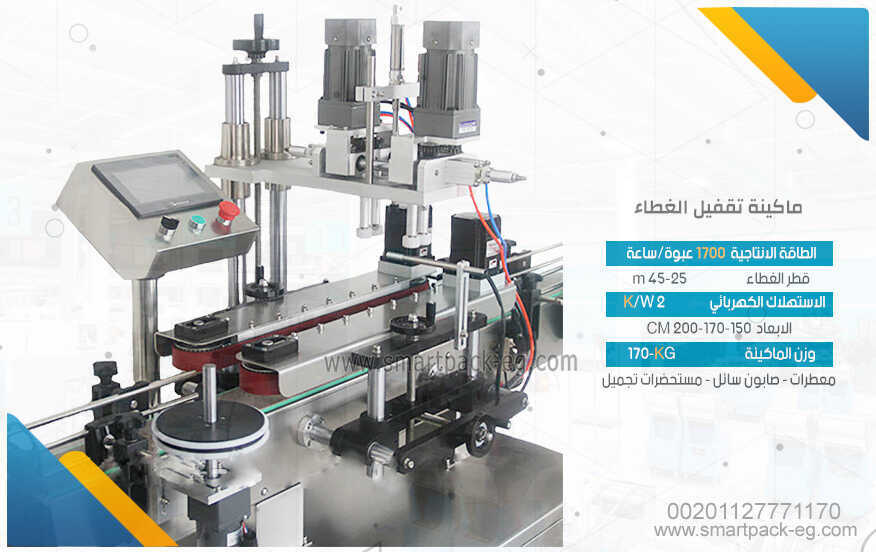 Cap placement and sealing machines – durable design and reliable technology
-
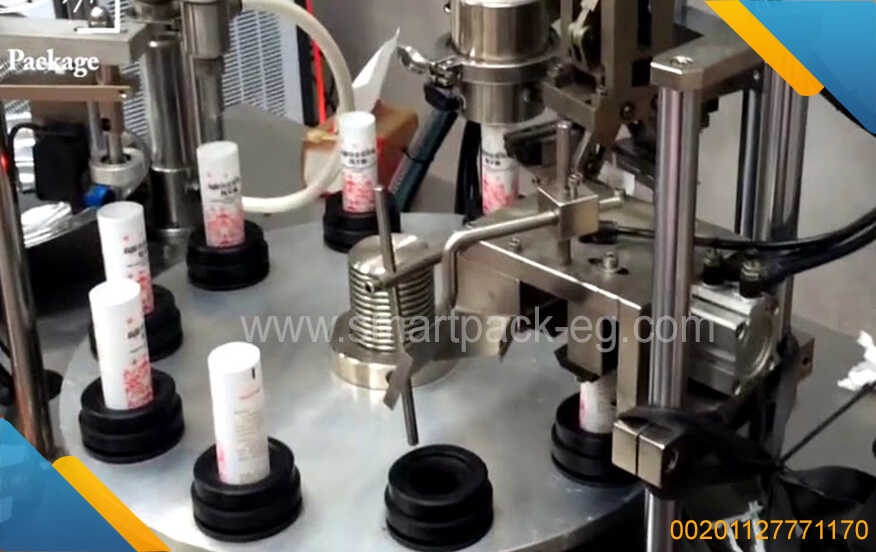 Plastic tube filling machines – exceptional performance for filling liquid and paste
-
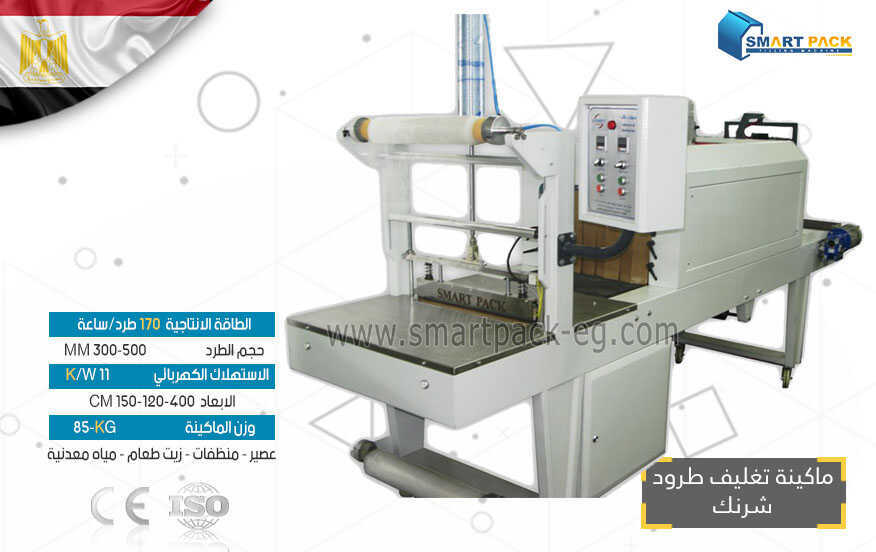 Heat Shrink Wrapping and Vacuum Packaging Machines
-
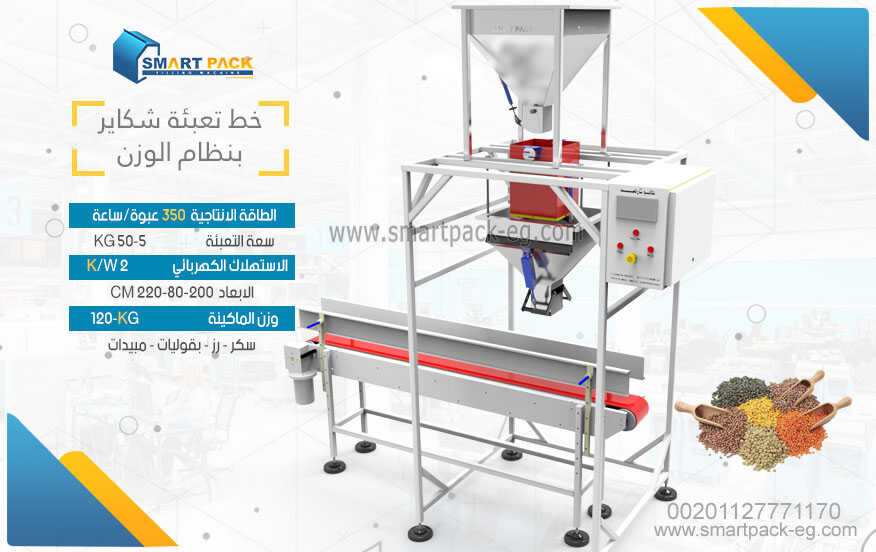 Bag filling machines for sacks and bags – industrial solutions for filling cement
-
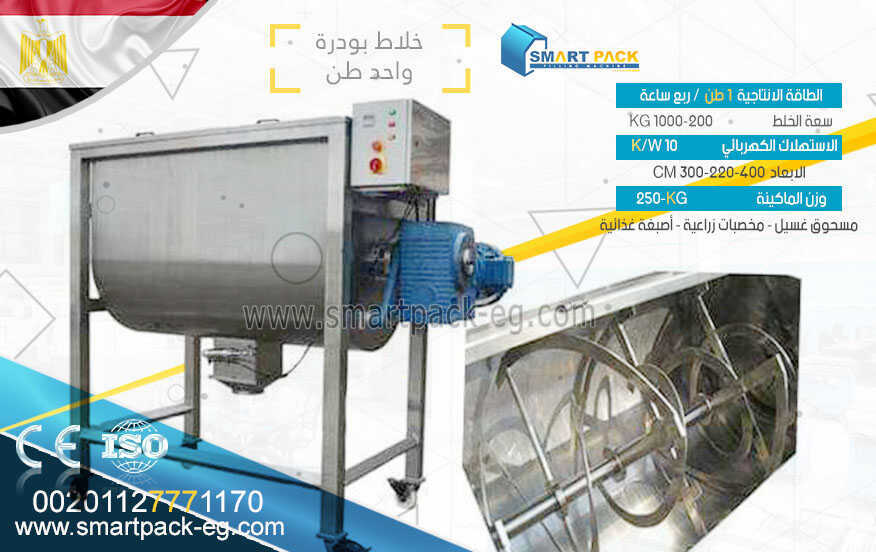 Powder mixing machines, powder mixer, ribbon blender – advanced mixing solutions for food
-
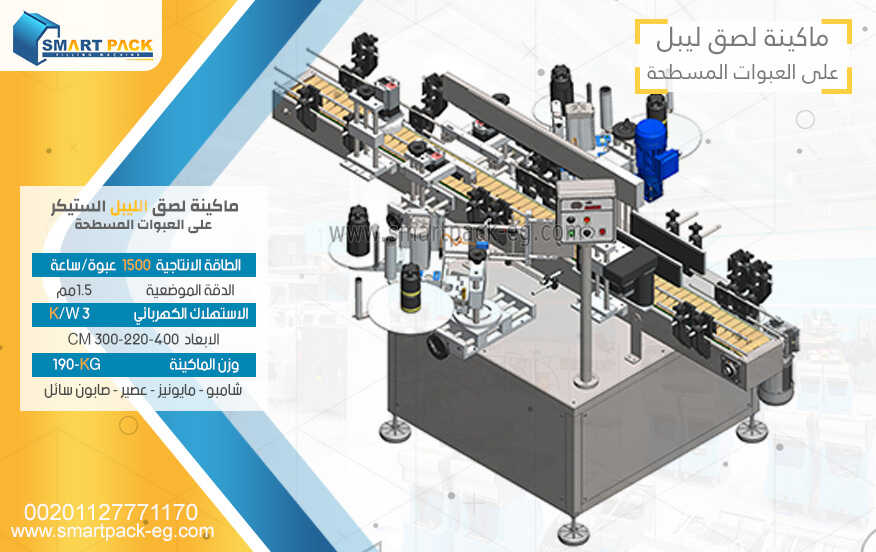 Sticker labeling machines for bottles and containers – fast performance and excellent
-
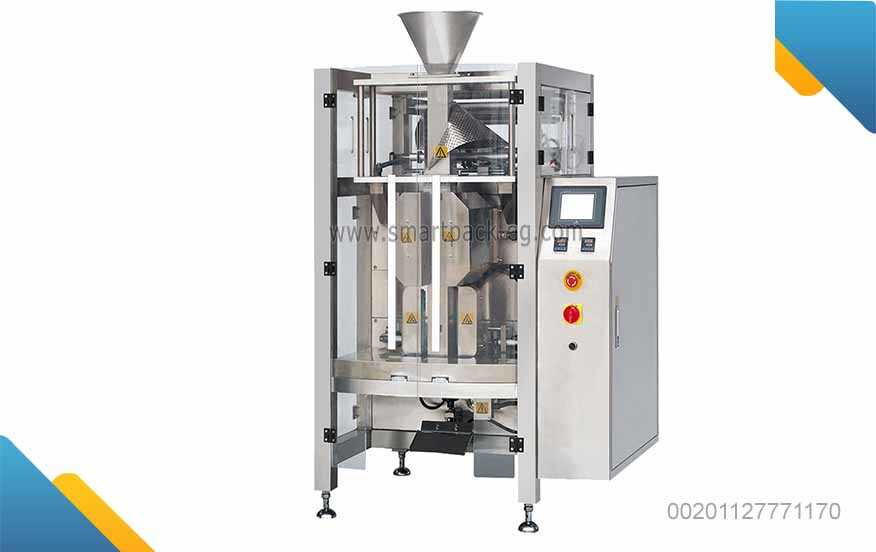 Filling and packaging machines Volumetric
-
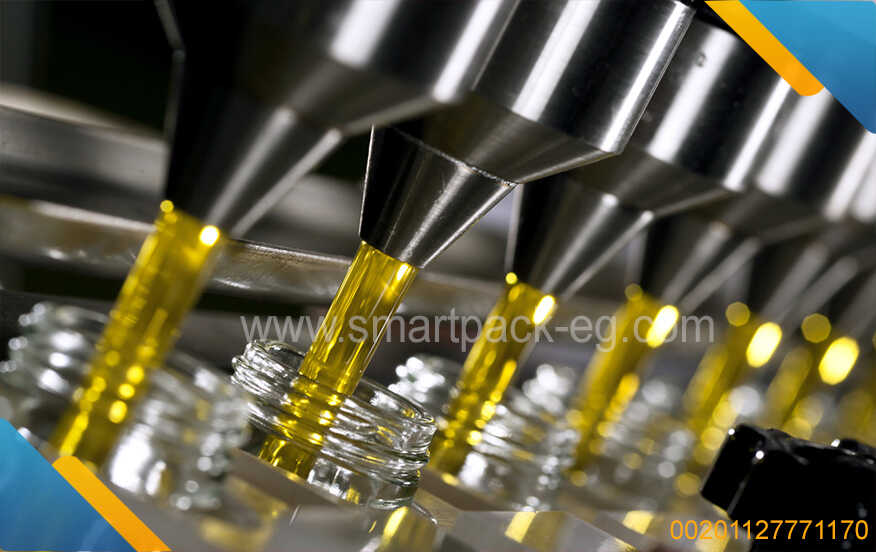 liquid filling machines
-
Professional corn chips and popcorn production lines – powerful performance
-
Food and chemical production & packaging line | Industrial filling and packaging
-
The best date processing and packaging production lines in Egypt
-
Complete solutions for a French fries production line – from washing to final packaging.
-
Cap placement and sealing machines – durable design and reliable technology
-
Plastic tube filling machines – exceptional performance for filling liquid and paste
-
Heat Shrink Wrapping and Vacuum Packaging Machines
-
Bag filling machines for sacks and bags – industrial solutions for filling cement
-
Powder mixing machines, powder mixer, ribbon blender – advanced mixing solutions for food
-
Sticker labeling machines for bottles and containers – fast performance and excellent
-
Filling and packaging machines Volumetric
-
liquid filling machines