 Admin
Admin Choosing the Right Plastic Packaging: A Practical Guide to Higher Quality, Lower Costs, and Stronger Market Presence
Selecting the correct type of plastic packaging is the cornerstone of any production project that relies on filling and packaging. Packaging quality directly affects product stability in the market, competitiveness, and export readiness.
Factories that clearly understand plastic material properties—and use filling machines specifically designed for each container type—can significantly improve productivity while reducing operating costs.
This guide provides an in-depth look at the most common plastic packaging materials, their operational characteristics, and how to choose filling and packaging machines that increase profits and expand market reach.
What Is Plastic Packaging and Why It Is the First Choice in Manufacturing
Plastic packaging is a container made from industrial polymer materials. It is lightweight, highly moldable into various shapes, and offers good moisture resistance—making it suitable for a wide range of industrial and consumer products.
Plastic can be transparent, rigid, flexible, or chemically resistant. Selecting the right material directly impacts product quality, shelf life, and future export potential.
Common Plastic Identification Codes and What They Mean
When purchasing plastic packaging, you will notice a triangle with a number inside. This number does not indicate how many times the material can be recycled; it identifies the type of plastic used to manufacture the container.
Understanding these codes helps factories choose the most suitable material for their products.
Key Plastic Codes and Materials
Code 1 – PET (Polyethylene Terephthalate)
Commonly used for water and beverage bottles. PET offers excellent protection against oxygen and moisture, high transparency, and is ideal for high-speed filling operations.
Code 2 – HDPE (High-Density Polyethylene)
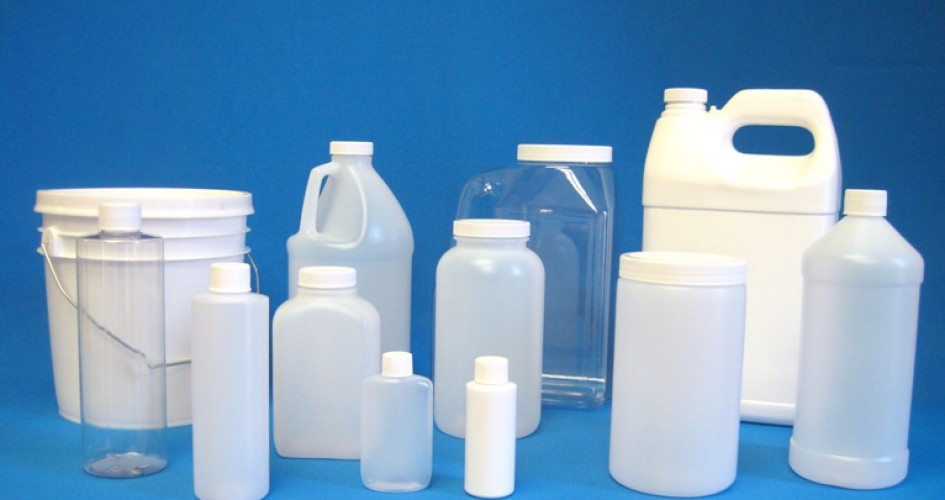
Widely used for detergent and chemical liquid containers. It provides strong chemical and moisture resistance and higher container strength for heavy-duty production lines.
Code 3 – PVC (Polyvinyl Chloride)
Used in oil containers and certain industrial applications. It offers good resistance to oily products, but requires careful control to ensure product safety.
Other and Mixed Materials
Materials such as PP, PS, and LDPE are used where flexibility, higher heat resistance, or special physical properties are required.
Plastic Material Properties That Affect Factory Performance
Plastic materials differ in rigidity, chemical resistance, moisture absorption, and durability during transportation and storage—all of which affect product performance in the market.
Some plastics are lightweight and flexible (such as LDPE), while others are rigid and impact-resistant (such as HDPE). The correct choice improves product protection and extends shelf life.
Choosing Filling and Packaging Machines Based on Container Type
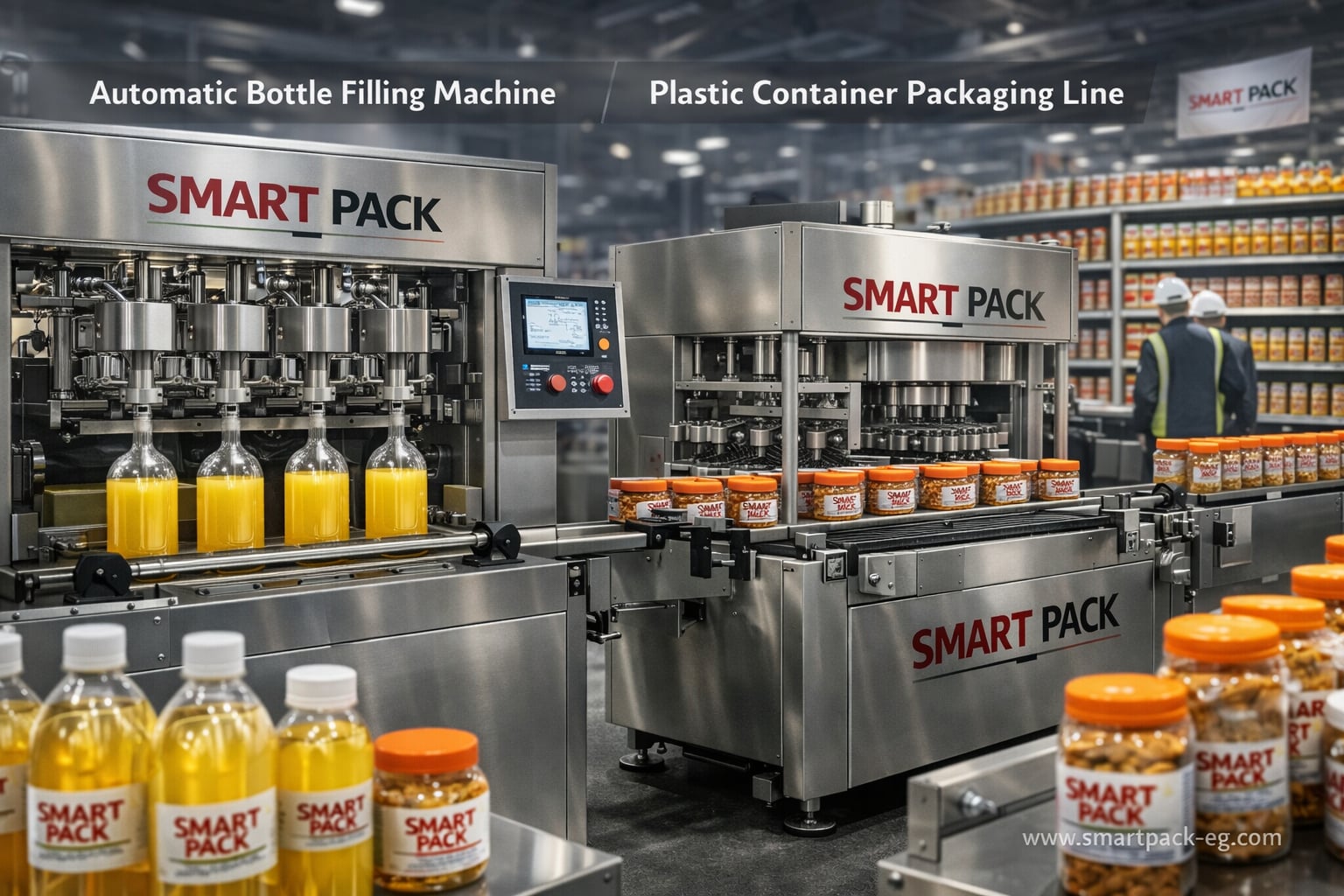
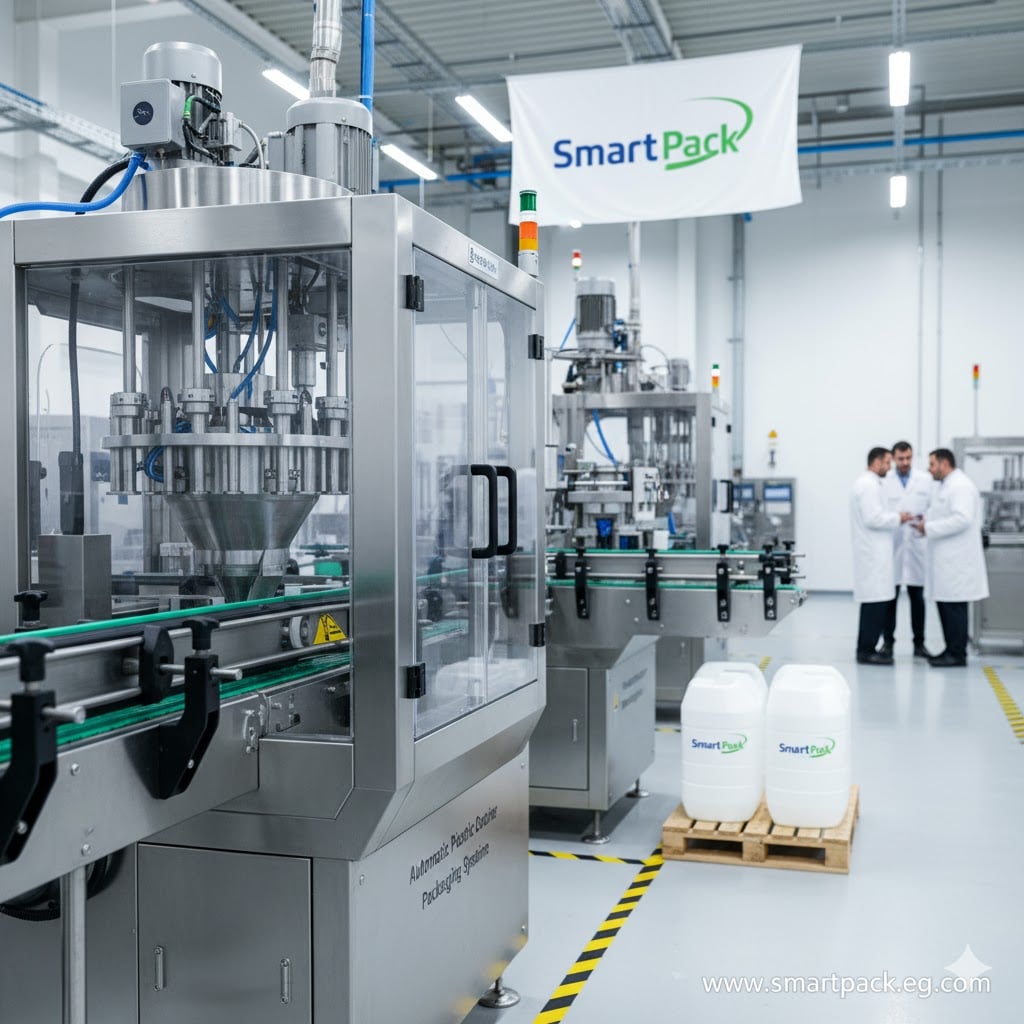
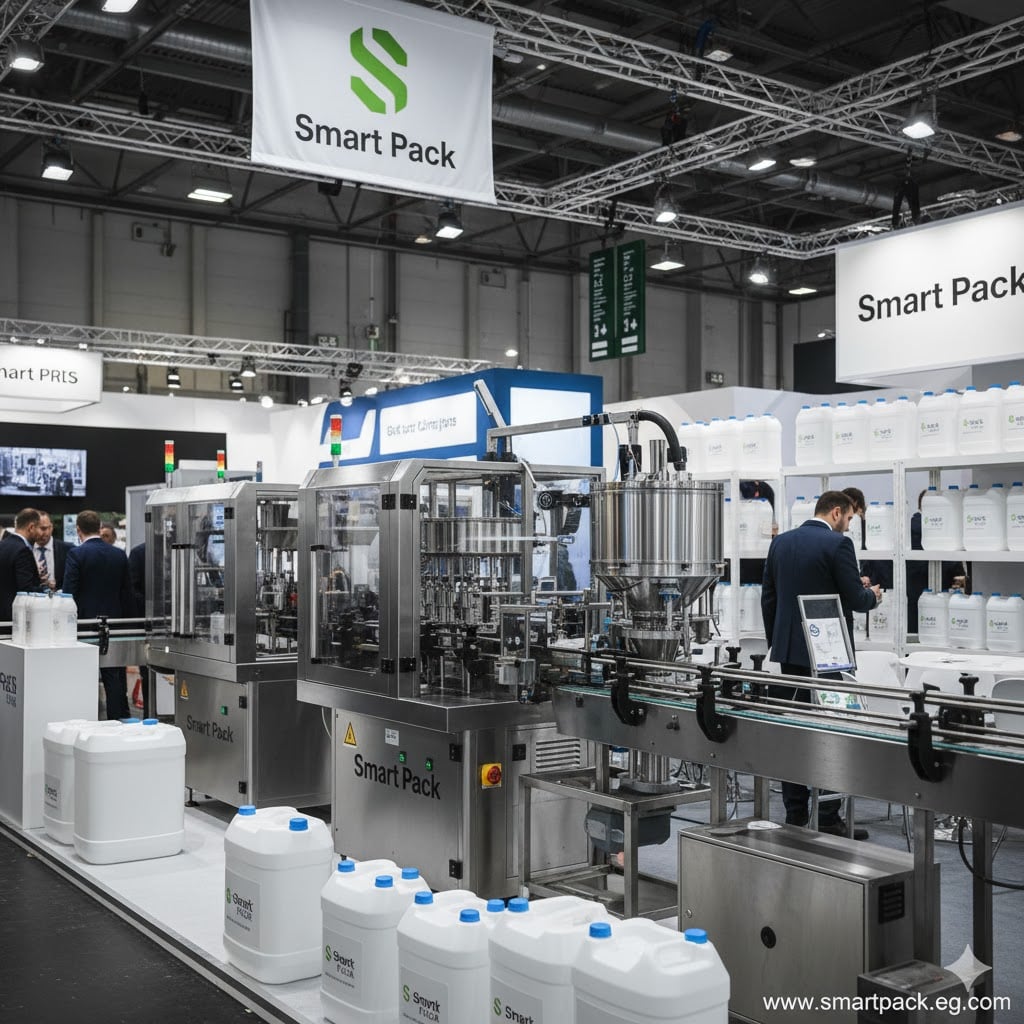
After selecting the most suitable plastic material for your product, the next step is choosing filling machines that can handle these containers efficiently and at high production capacity.
Common Filling Machines Used in Factories
-
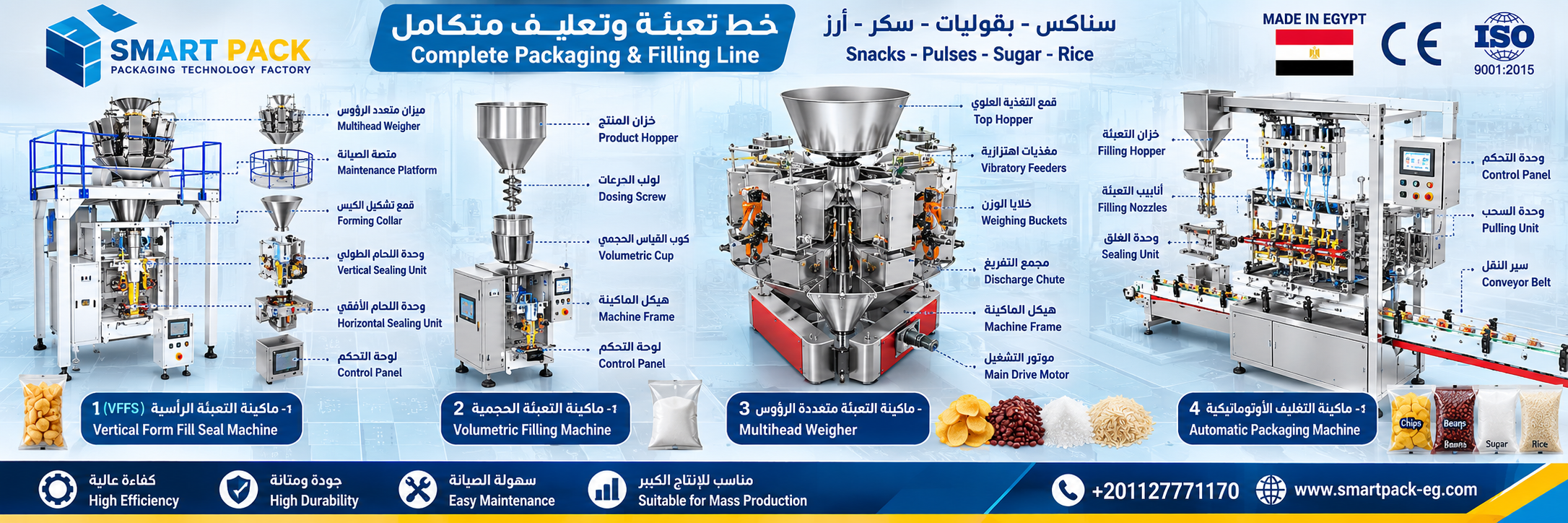
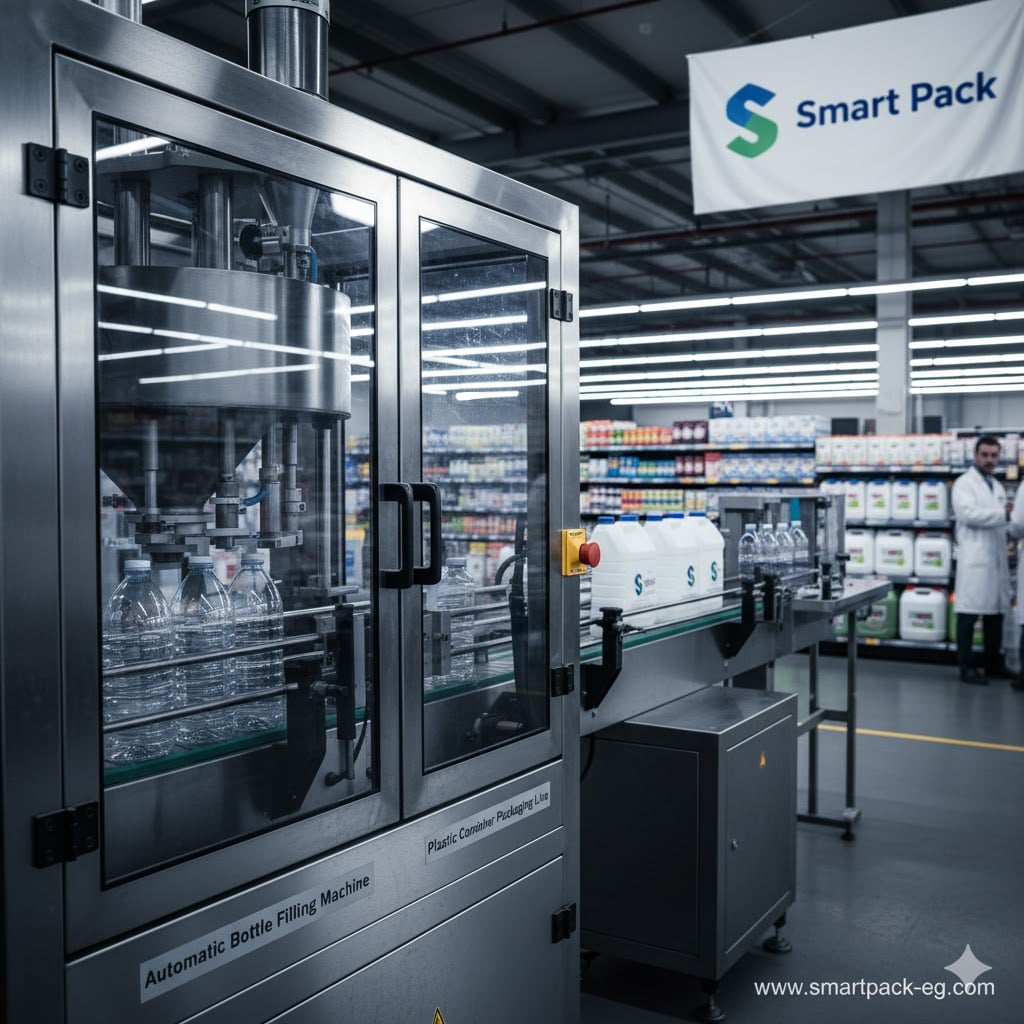
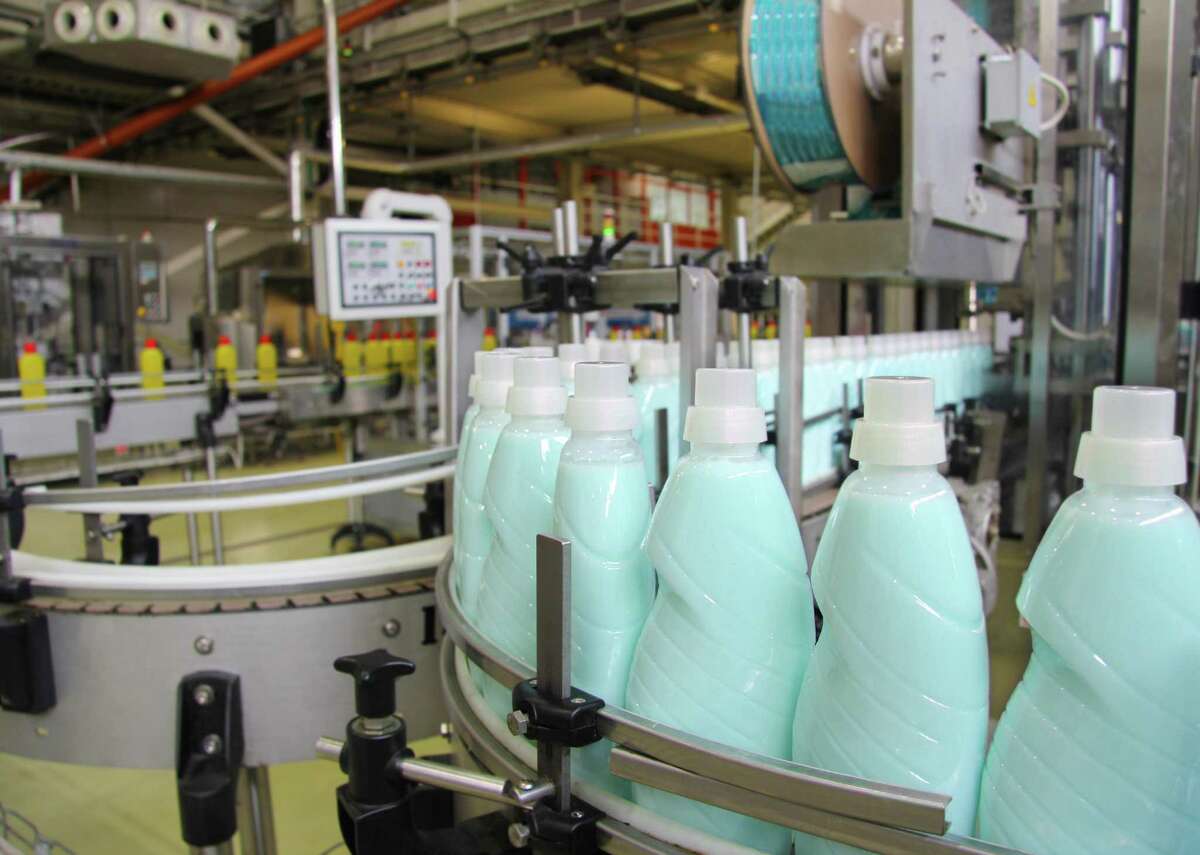
Automatic liquid filling machines: Ideal for detergents, chemicals, and industrial liquids
-
Powder or granule filling machines: Suitable for products packed in small or large plastic containers
-
Sealing and capping machines: Ensure secure closure after filling
-
Coding and marking machines: Automatically print production data, expiration dates, and barcodes
Filling Machines Selection Table by Product Type
| Machine Type | Product Nature | Plastic Container Type | Operational Benefit |
|---|---|---|---|
| Automatic Liquid Filling Machine | Detergents and disinfectants | PET or HDPE bottles | High-speed filling with high accuracy |
| Powder / Granule Filling Machine | Powders and dry products | Wide-neck plastic containers | Consistent weight control |
| Automatic Sealing Machine | All product types | Plastic bottles and jars | Secure and reliable sealing |
| Coding & Printing Machine | All production lines | PET / HDPE / PP | Traceability and quality control |
Why Choosing the Right Plastic Material Increases Profitability
Selecting the correct plastic material improves product acceptance across different markets and preserves product quality for longer periods. This reduces waste and increases export potential.
Using filling and packaging machines compatible with these materials improves line efficiency, reduces downtime, and minimizes mechanical issues—leading to higher long-term profitability.
Frequently Asked Questions
What do the numbers on plastic containers mean?
They identify the type of plastic material used to manufacture the container.
Can all plastic types be used for every product?
No. Material selection must match the product nature and operational requirements of each market.
What is the difference between PET and HDPE?
PET is transparent and lightweight, ideal for clean liquids, while HDPE is rigid and resistant to chemicals.
Does plastic type affect filling operations?
Yes. Different materials affect sealing behavior and container strength, requiring different machines.
How do I choose the right filling machine?
Selection depends on product type, container material, and required production capacity.
A deep understanding of plastic materials and their properties is a powerful competitive advantage—not only for serving local markets but also for opening export opportunities.
When the right material choice is combined with advanced filling and packaging machines, your factory becomes capable of producing high-quality, competitive, and highly profitable products at scale.