 Admin
Admin Introduction: Why Is Licensing a Packaging Machinery Factory a Critical Step for Project Success?
Establishing a food and beverage packaging machinery factory in Egypt is considered a promising industrial investment, driven by the continuous growth of the food industry and the increasing demand for modern packaging solutions.
However, the success of such a project does not depend solely on technical expertise or capital. It begins with strict compliance with legal procedures and obtaining the required licenses, which ensure that the factory operates officially, safely, and without legal risk.
Licensing is not just a routine process—it is the foundation that enables you to:
-
Operate without legal risks
-
Contract with major factories and corporations
-
Participate in tenders and official projects
-
Expand confidently in the future
In this comprehensive guide, we walk you step by step through the licensing procedures for food and beverage packaging machinery factories in Egypt, with practical tips to help speed up approvals and build a strong factory from the start.
What Is a Food and Beverage Packaging Machinery Factory?
It is a specialized factory focused on the manufacturing, assembly, and development of packaging machinery used in:
-
Food filling
-
Beverage filling
-
Packaging liquid and dry food products
These machines include:
-
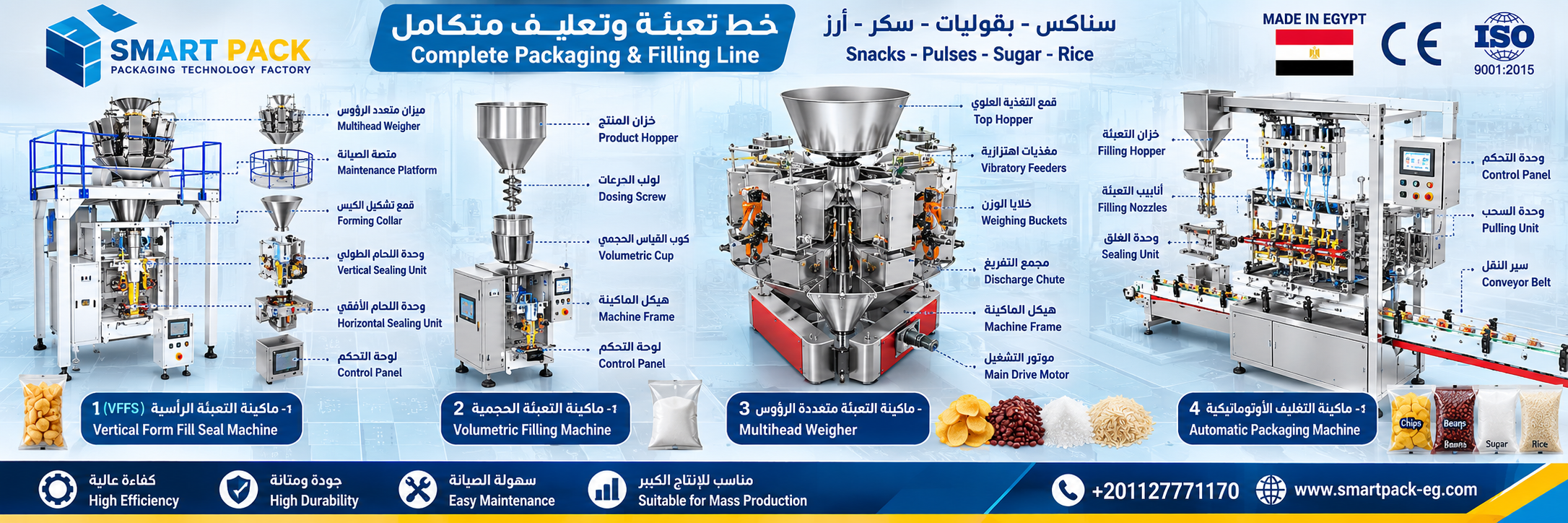
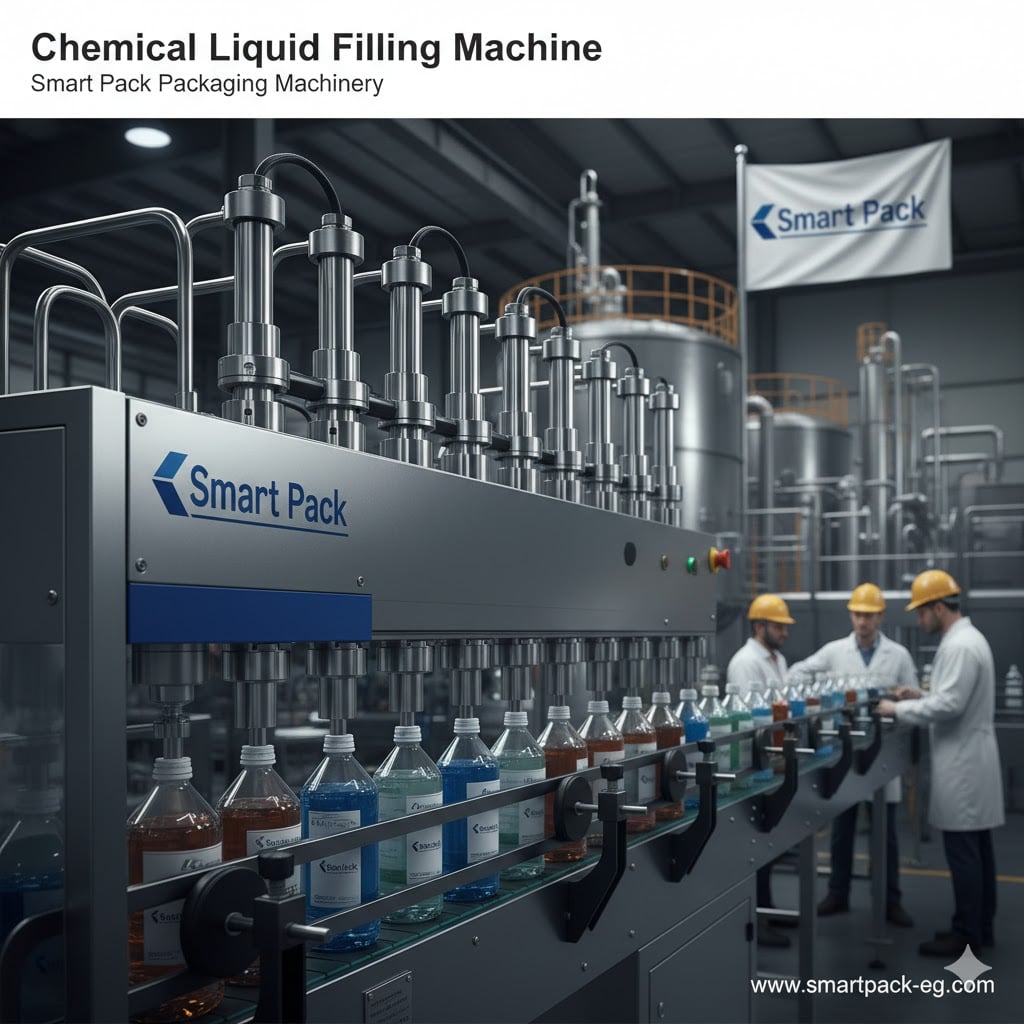
Liquid filling machines
-
Powder filling machines
-
Granule filling machines
-
Fully automatic filling and packaging lines
Due to the direct connection between this industry and food safety, the government applies strict licensing requirements for this type of factory.
Authorities Responsible for Licensing Packaging Machinery Factories in Egypt
The licensing process involves several official authorities, including:
-
The General Authority for Industrial Development
-
The Industrial Registry
-
Local Authorities (Civil Protection – Environmental Departments)
-
The Environmental Affairs Agency
-
Civil Defense
Proper coordination with these authorities from the beginning can save significant time and effort.
Basic Requirements for Licensing a Packaging Machinery Factory
1. Factory Location
-
The factory must be located in a licensed industrial zone
-
Compliance with legally required space standards
-
Adequate ventilation and lighting
2. Industrial Activity
-
Clearly defining the activity as manufacturing packaging machinery
-
Specifying the target industries (food and beverages)
3. Occupational Safety and Health
-
Equipping the factory with safety systems
-
Emergency exits
-
Approved fire extinguishers
Required Documents for Licensing a Packaging Machinery Factory
| Document | Purpose |
|---|---|
| Ownership or lease contract | Proof of factory location |
| Commercial registration | Proof of business activity |
| Tax card | Tax registration |
| Engineering layout drawings | Equipment distribution |
| Civil Defense approval | Safety compliance |
| Environmental approval | Environmental compliance |
Licensing Steps for a Packaging Machinery Factory (Detailed)
Step One: Application to the General Authority for Industrial Development
Submitting an initial application to define the factory activity and location and obtain preliminary approval.
Step Two: Factory Preparation
This includes:
-
Installing machinery
-
Preparing infrastructure
-
Meeting safety requirements
Step Three: Technical Inspections
The competent authorities inspect the factory to verify:
-
Activity compliance
-
Workplace safety
-
Operational readiness
Step Four: Issuance of the Final License
After addressing all inspection notes, the final industrial license is issued.
The Role of Proper Equipment Selection in Facilitating Licensing
Selecting packaging machinery that complies with specifications helps to:
-
Pass inspections smoothly
-
Reduce regulatory remarks
-
Accelerate license issuance
For this reason, it is recommended to work with specialized manufacturers such as Smart Pack, which designs machines in compliance with industrial and food safety standards.
Why Is Smart Pack an Ideal Partner at This Stage?
Because Smart Pack does not only supply machines—it provides integrated industrial solutions that help investors to:
-
Select machines compliant with licensing requirements
-
Design production lines aligned with regulatory standards
-
Minimize post-inspection modifications
-
Obtain reliable technical support
What Makes Smart Pack Stand Out?
-
Strong experience in the Egyptian market
-
Full understanding of food factory requirements
-
Materials compliant with safety standards
-
Professional technical support and after-sales service
Important Tips Before Starting the Licensing Process
-
Begin with technical consultation before purchasing equipment
-
Avoid unapproved or non-compliant machinery
-
Plan for future expansion
-
Keep complete copies of all documents
-
Work with suppliers experienced in licensed factories
Relationship Between Licensing and Equipment Selection
| Element | Impact on Licensing |
|---|---|
| Type of machinery | Activity approval |
| Safety level | Civil Defense approval |
| Manufacturing quality | Inspection success |
| Line layout | Speed of approval |
Frequently Asked Questions About Licensing a Packaging Machinery Factory (FAQ)
1. Is it mandatory for the factory to be located in an industrial zone?
Yes, in most cases this is required.
2. Do licensing procedures differ based on factory size?
Yes, larger factories require additional conditions.
3. How long does the licensing process take?
It varies depending on readiness and may range from a few weeks to several months.
4. Does machinery quality affect licensing approval?
Yes, non-compliant equipment may delay or prevent licensing.
5. Can the activity be modified after licensing?
Yes, but additional procedures are required.
6. Does Smart Pack assist during the pre-operation stage?
Yes, through technical consultation and customized solutions.
Proper Licensing Is the Foundation of a Successful and Stable Factory
Compliance with the licensing procedures for food and beverage packaging machinery factories in Egypt is the first step toward building a strong, scalable industrial project.
With proper planning, compliant equipment, and cooperation with a trusted industrial partner like Smart Pack, you can reduce risks, save time, and confidently enter a rapidly growing industrial market