 Admin
Admin Professional Steps to Install and Operate a Food Packaging Production Line for Stable Operation and Fast Profitability
-
Proper factory preparation eliminates up to 50% of future operational problems.
-
Organized installation of food filling and packaging lines reduces breakdowns, minimizes waste, and improves product quality.
-
Professional startup and operation ensure faster production and higher profitability from day one.
If you are investing in a food packaging factory for products such as rice, sugar, grains, spices, or snacks, success depends not only on buying modern packaging machines but also on proper installation and startup procedures.
Many factories invest in high-quality equipment but lose thousands of dollars due to improper installation, poor line layout, and incorrect operation, resulting in downtime, waste, and inconsistent product quality.
This practical guide explains step-by-step how to install and operate a food packaging production line professionally to ensure stable, efficient, and profitable operation.
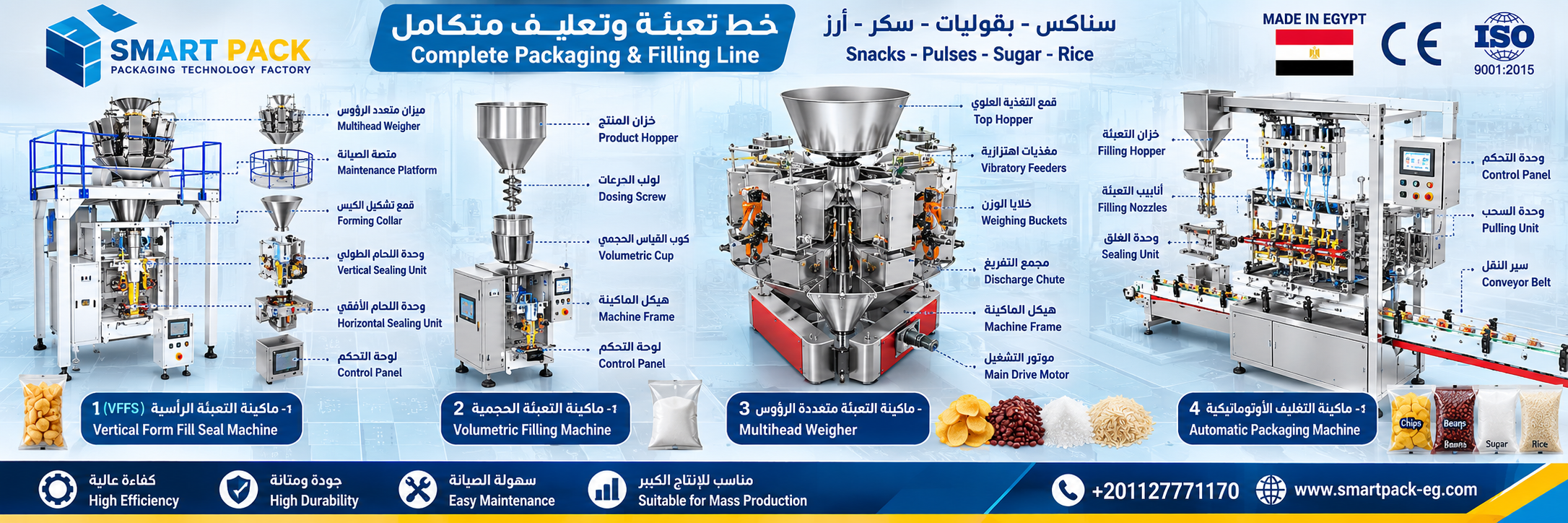
Components of a Complete Food Filling and Packaging Production Line
4
Before installation, ensure your production line includes:
-
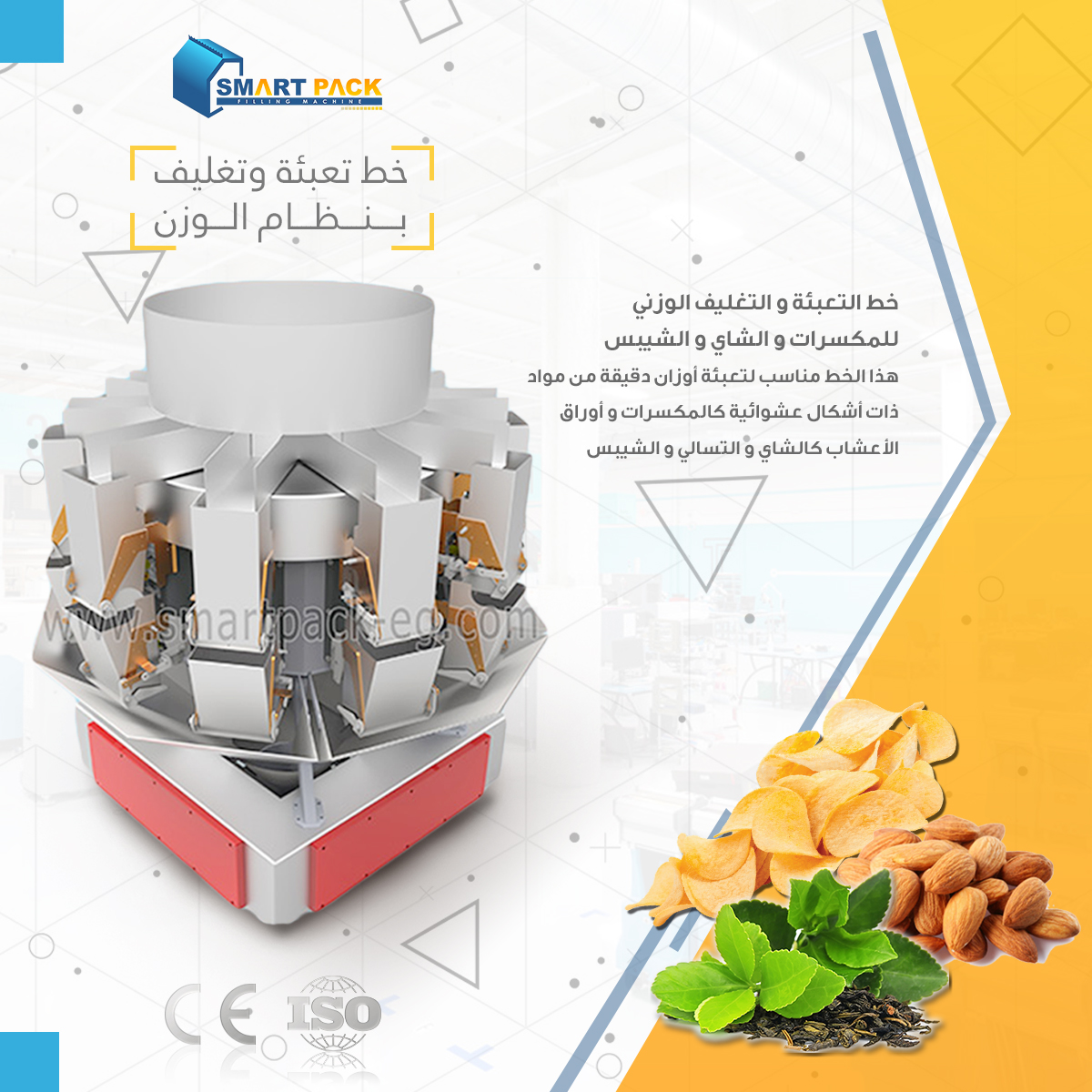
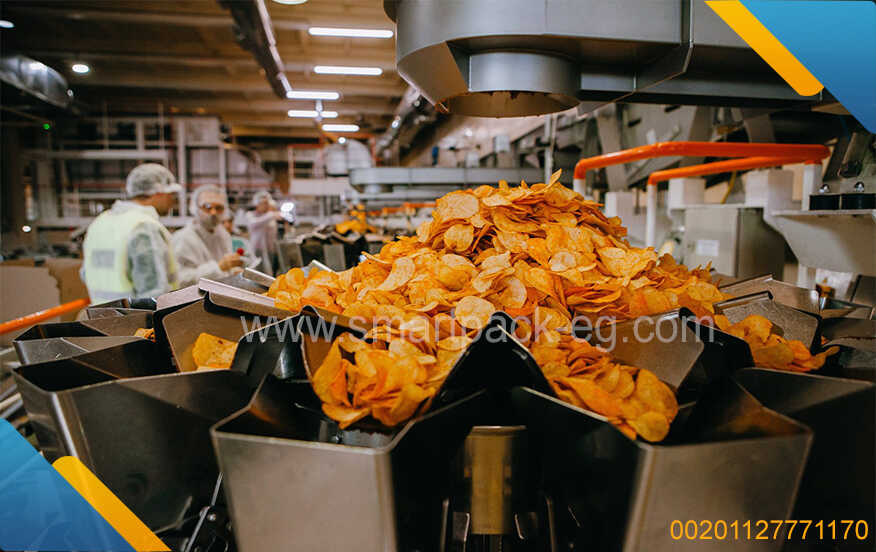
Weighing or filling machine for grains or powders
-
Bagging or container filling machine
-
Heat sealing machine
-
Date coding and labeling machine
-
Shrink wrapping or cartoning machine
-
Conveyor systems
-
Central PLC control panel
Integration of these components ensures fully automated food packaging production without interruptions.
Phase 1: Preparing the Factory Before Machine Installation
1. Industrial Flooring Preparation
The factory floor must be:
-
Flat and strong enough to support heavy machinery
-
Slip-resistant and easy to clean
-
Slightly sloped for proper drainage
Uneven floors can cause:
-
Machine vibration
-
Filling inaccuracies
-
Mechanical failures
2. Industrial Electrical System Preparation
Ensure the factory has:
-
Stable three-phase power supply
-
Electrical protection systems and control panels
-
Industrial-grade wiring
-
Dedicated power connections for each machine
Power instability can stop the entire production line and cause significant financial losses.
3. Food-Grade Hygienic Environment Preparation
The factory must include:
-
Proper ventilation
-
Strong lighting
-
Cleaning and washing areas
-
Dust and pest control systems
-
Separation between raw materials and finished products
These measures are essential for food safety compliance and product quality certification.
Phase 2: Professional Installation of Food Packaging Machines
4
4. Proper Production Line Layout
Golden rule:
Raw materials → Filling → Packaging → Cartoning → Storage
Best practices:
-
Avoid reverse movement of materials
-
Minimize distance between machines
-
Use conveyor systems for smooth transfer
Improper layout causes:
-
Production delays
-
Increased labor requirements
-
Production bottlenecks
5. Machine Positioning and Alignment
Ensure:
-
Machines are securely fixed to the floor
-
Horizontal alignment is accurate
-
No vibration during operation
Vibration affects filling accuracy and sealing quality.
6. Conveyor System Integration
Ensure:
-
Proper height alignment between machines
-
No gaps between conveyors
-
Smooth product movement
Gaps can cause product damage and loss.
7. PLC Control System Integration
Ensure:
-
All machines are connected to a central PLC control system
-
Speed synchronization between machines
-
Proper sensor calibration
Centralized control ensures smooth operation and maximum efficiency.
Phase 3: First-Time Startup and Testing
8. Dry Run Testing (Without Product)
4
This includes:
-
Running conveyor systems without product
-
Checking mechanical movement
-
Ensuring no friction or misalignment
-
Adjusting operating speeds
This step prevents mechanical failures during production.
9. Real Product Testing
Test the production line using actual product:
-
Check weight accuracy
-
Adjust filling volumes
-
Test sealing quality
-
Test packaging performance
-
Inspect final product quality
Adjust key parameters such as:
-
Filling weight
-
Production speed
-
Sealing temperature
This ensures consistent product quality and minimal waste.
10. Operator Training
Train operators on:
-
Machine operation
-
Cleaning procedures
-
Basic maintenance
-
Early fault detection
Well-trained operators significantly reduce operational costs.
Phase 4: Improving Efficiency After Startup
4
11. Gradual Speed Optimization
Start at low speed and gradually increase to optimal production levels without errors.
12. Preventive Maintenance Implementation
Perform regular maintenance including:
-
Daily cleaning
-
Weekly lubrication
-
Sensor inspection
-
Replacement of worn components
Preventive maintenance ensures uninterrupted production and long equipment life.
Summary Table: Installation and Startup Process
| Phase | Step | Operational Goal |
|---|---|---|
| Preparation | Flooring, electrical, hygienic environment | Stable and safe operation |
| Installation | Line layout, fixing machines, conveyors | Efficient production flow |
| Startup | Dry run and product testing | Quality assurance |
| Optimization | Training and maintenance | Maximum productivity |
Common Installation Mistakes to Avoid
Avoid random machine placement without proper planning.
Avoid improper machine leveling.
Avoid skipping test runs.
Avoid running machines at full speed immediately.
Avoid neglecting maintenance.
These mistakes can reduce production efficiency by 20% to 40%.
Professional Tips for Purchasing and Installing Food Packaging Production Lines
4
Request professional line layout design before installation
Choose food-grade stainless steel equipment
Ensure installation by experienced technicians
Train your staff thoroughly
Invest in complete integrated production lines
Partner with Smart Pack for professional installation and technical support
Frequently Asked Questions
How long does installation take?
Typically 3 to 7 days depending on line size.
Can installation be done without professional engineers?
Professional installation is recommended to avoid costly mistakes.
What is the most important factor affecting product quality?
Proper filling accuracy and sealing quality.
Is automation necessary in food packaging lines?
Yes, automation improves efficiency and reduces contamination risk.
Where can I buy reliable food packaging production lines?
From specialized suppliers such as Smart Pack.
Start Your Food Packaging Production Line Professionally and Maximize Profit
Stable operation
High packaging quality
Faster production speed
Lower operating costs
Higher profitability
Contact Smart Pack today for professional design, installation, and startup of your food packaging production line and ensure maximum efficiency and return on investment.