 Admin
Admin Top 10 Questions Customers Ask Before Buying Packaging Machines and Production Lines
If you are planning to upgrade your factory’s production capacity, the right packaging machine can transform your profitability.
If you are targeting export markets, your packaging line becomes your competitive advantage.
If you want sustainable industrial growth, investing in the right filling and packaging technology is no longer optional — it is strategic.
When factory owners and investors consider buying packaging machines or automatic production lines, they ask critical questions about productivity, operating costs, return on investment, and packaging quality.
Clear answers to these questions protect factories from costly mistakes such as raw material waste, slow output, or missed export opportunities.
This practical SEO-optimized guide highlights the 10 most common questions about packaging machines and filling production lines to help you make a smart, profitable industrial decision.
Overview of Modern Packaging Machines and Production Lines
4
Today’s packaging machines are no longer simple filling devices. They are:
-
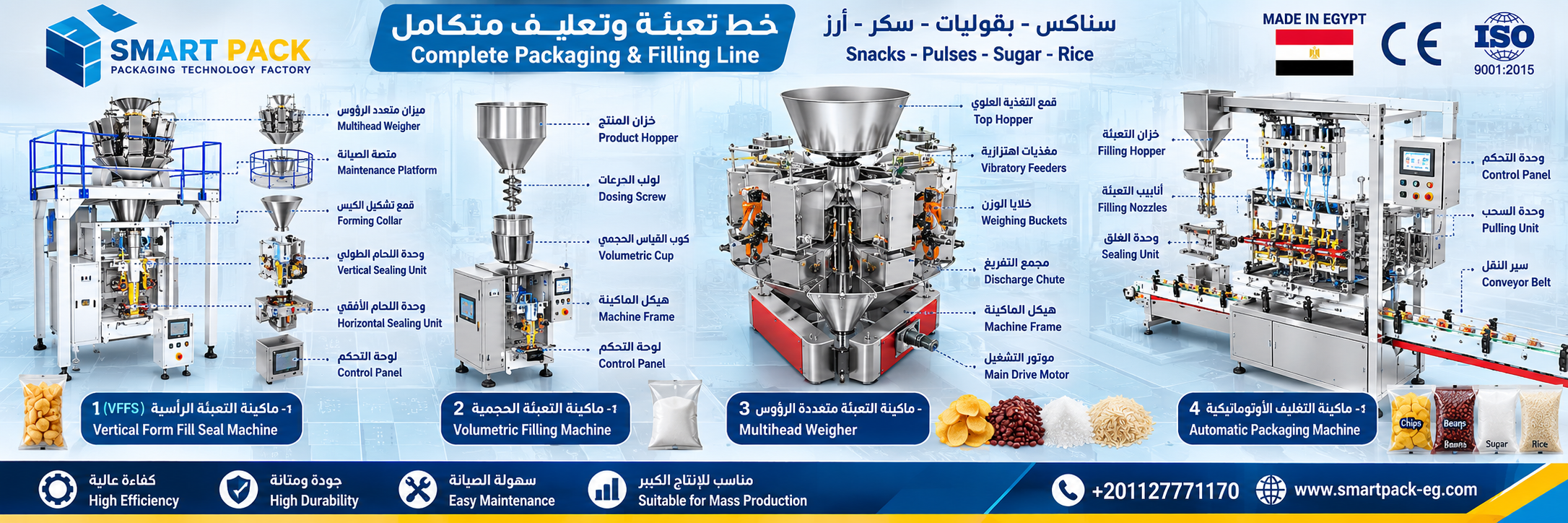
Integrated production and packaging systems
-
High-speed automatic production lines
-
Industrial solutions that reduce waste and increase profitability
-
A key requirement for entering local and export markets
Modern packaging lines combine precision engineering, automation, and cost-efficiency to maximize production performance.
1. What Are the Best Packaging Machines for Small and Medium Factories?
For small and medium packaging factories, semi-automatic or compact automatic production lines are often the best investment.
An integrated system combining:
-
Filling machine
-
Packaging or sealing machine
-
Conveyor system
offers a balance between lower initial cost and higher production speed while reducing dependence on manual labor.
This setup allows scalable growth without excessive capital risk.
2. How Do I Choose the Right Filling Machine for My Product?
4
The correct filling machine depends on product characteristics:
-
Liquids → Liquid filling machines
-
Viscous products → Piston filling machines (detergents, sauces)
-
Powders → Auger filling systems
-
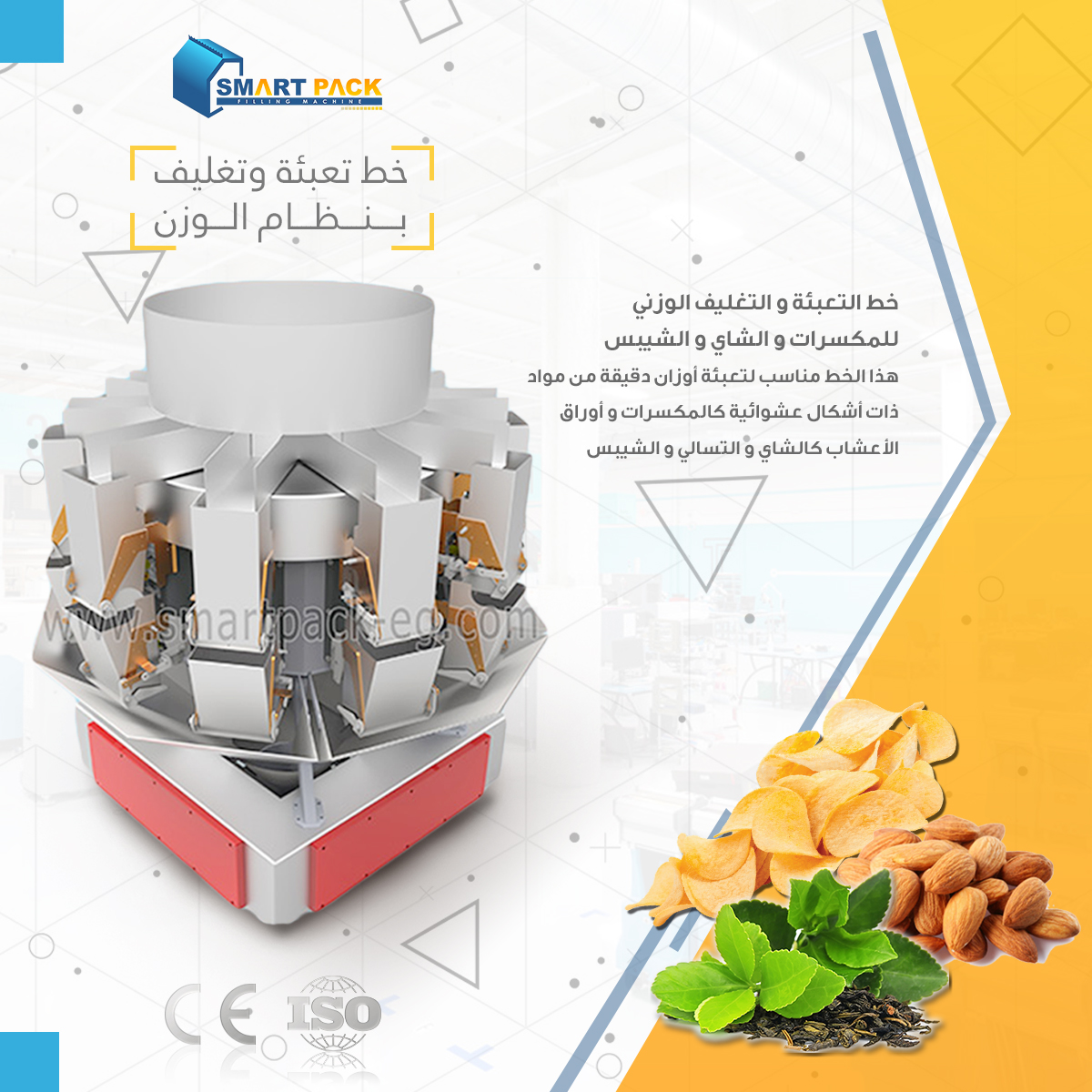
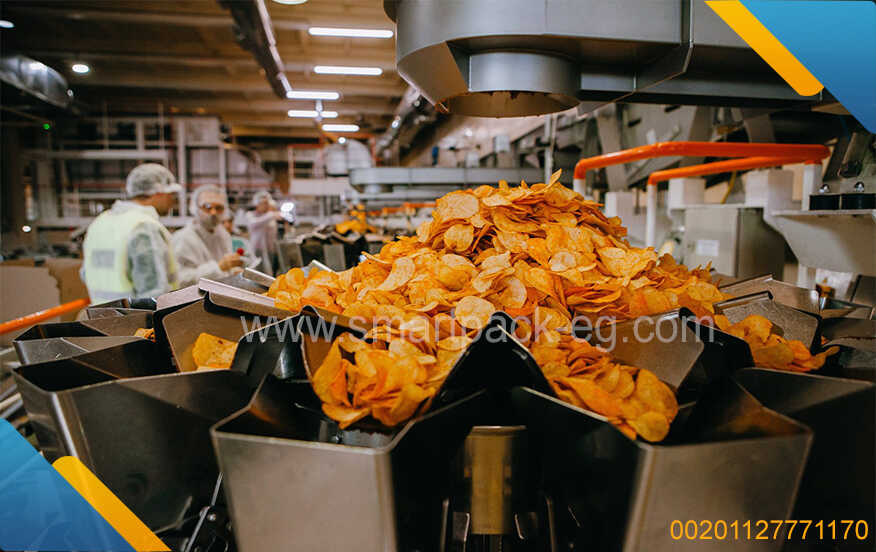
Granules and snacks → Multihead weighing systems
Selecting the correct packaging machine type reduces material waste, improves filling accuracy, and enhances packaging quality.
3. What Production Capacity Should a Packaging Line Provide?
To determine the ideal production capacity, calculate:
-
Bottles or bags per hour
-
Monthly demand volume
-
Future expansion and export plans
Golden rule:
Choose a packaging machine with 30–50% higher capacity than your current needs to allow for business growth without immediate equipment replacement.
4. Does Automation in Packaging Machines Really Reduce Costs?
Absolutely.
Automatic packaging production lines:
-
Reduce labor costs
-
Minimize raw material waste
-
Increase production speed
-
Lower human error
The result is lower cost per unit and higher industrial profit margins.
5. What Is the Difference Between Buying Separate Machines and an Integrated Production Line?
4
Separate machines may cause:
-
Compatibility issues
-
More breakdowns
-
Slower synchronization
Integrated production lines provide:
-
Stable operation
-
Higher speed
-
Easier maintenance
-
Greater long-term efficiency
Investing in a complete packaging line ensures smoother production and better ROI.
6. What Is the Real Operating Cost of Packaging Machines?
The total cost includes:
-
Electricity consumption
-
Maintenance
-
Spare parts
-
Labor
-
Waste percentage
Sometimes a higher-priced packaging machine offers lower operating costs and faster return on investment.
7. Can One Filling Machine Handle Multiple Products?
Yes.
Many modern packaging machines are designed with interchangeable molds and adjustable settings, allowing factories to produce multiple products on the same production line.
This flexibility reduces capital expenditure and increases operational efficiency.
8. How Does Packaging Quality Affect Sales and Export Opportunities?
4
Professional packaging means:
-
Attractive product presentation
-
Better protection
-
Longer shelf life
-
Higher acceptance in international markets
High-quality packaging increases product value and justifies premium pricing.
9. How Important Is Maintenance and After-Sales Service?
Any downtime in packaging production lines results in direct financial loss.
Reliable suppliers provide:
-
Technical support
-
Spare parts availability
-
Preventive maintenance programs
Strong after-sales service ensures operational continuity and extends equipment lifespan.
10. How Can I Ensure the Best Return on Investment?
The best ROI in packaging machines depends on four key factors:
-
Choosing the correct machine for your product
-
Investing in integrated production lines
-
Reducing waste
-
Increasing production speed
When these elements align, packaging machinery becomes a stable and sustainable profit generator.
Summary Table: Key Questions and Their Impact
| Common Question | Strategic Objective | Impact on Packaging Machines & Production Lines |
|---|---|---|
| Machine type selection | Product compatibility | Higher filling accuracy and lower waste |
| Production capacity | Meeting market demand | Faster output and scalable growth |
| Automation level | Reduce labor cost | Lower operating expenses |
| Integration | Stable operation | Fewer breakdowns |
| Maintenance | Continuous production | Longer machine lifespan |
| Packaging quality | Improve competitiveness | Higher sales and export potential |
Smart Buying Tips for Packaging Machines and Production Lines
When selecting a supplier like Smart Pack, focus on:
-
Fully integrated ready-to-operate production lines
-
High-precision filling systems to minimize waste
-
On-site machine testing before purchase
-
Proven expertise in supplying high-efficiency industrial packaging machinery
Factories that ask the right questions before investing in packaging machines and automatic production lines achieve:
-
Faster production
-
Lower operating costs
-
Higher packaging quality
-
Stronger competitiveness in local and export markets
Your packaging line is not just equipment — it is the engine of your factory’s growth.