 Admin
Admin The Most Common Mistakes Packaging Factory Owners Make When Buying Filling Machines — And How to Avoid Losing Money and Production
Buying new filling and packaging machines or production lines should increase productivity and profitability. Yet many factories lose thousands of dollars due to rushed purchasing decisions and poorly evaluated equipment choices.
Choosing the wrong filling machine or packaging system for your product type or production capacity can result in constant downtime, raw material waste, poor packaging quality, and failure to enter export markets.
Understanding these common mistakes before investing in filling and packaging machinery can save years of financial losses and position your factory for stable, professional production.
Why Do Packaging Factory Owners Make Costly Equipment Mistakes?
4
The Most Common Reasons
-
Focusing only on purchase price instead of operational efficiency
-
Failing to analyze product characteristics accurately
-
Buying standalone machines instead of integrated production lines
-
Ignoring future expansion plans
-
Overlooking after-sales service and maintenance support
These decisions often lead to unstable production lines, higher operating costs, and reduced profitability.
Mistake #1: Buying Filling Machines Based Only on the Lowest Price
Low price does not mean low total cost.
Many factories purchase inexpensive filling machines believing they are saving money, only to later face:
-
Frequent breakdowns
-
Production line stoppages
-
High spare parts consumption
-
Increased maintenance costs
Low-quality machines often cause:
-
Slow production output
-
Raw material waste
-
Inconsistent packaging quality
-
Lost supply or export contracts
The correct metric is total operating cost and return on investment (ROI) — not just purchase price.
Mistake #2: Choosing a Filling Machine That Doesn’t Match the Product Type
4
Ignoring product characteristics causes direct losses.
Examples:
-
Using a standard liquid filling machine for viscous detergents leads to leakage and waste.
-
Using a powder filling machine for granular or snack products results in inaccurate weighing.
-
Using non-compliant machines for food or chemical products creates safety and quality issues.
The golden rule:
Select the appropriate filling machine type based on product nature (liquid, powder, granule, viscous, chemical).
Mistake #3: Buying Separate Machines Instead of Integrated Production Lines
4
Lack of integration reduces efficiency.
Buying filling machines from one supplier and packaging machines from another often results in:
-
Speed mismatches
-
Compatibility issues
-
Frequent breakdowns
-
Maintenance complexity
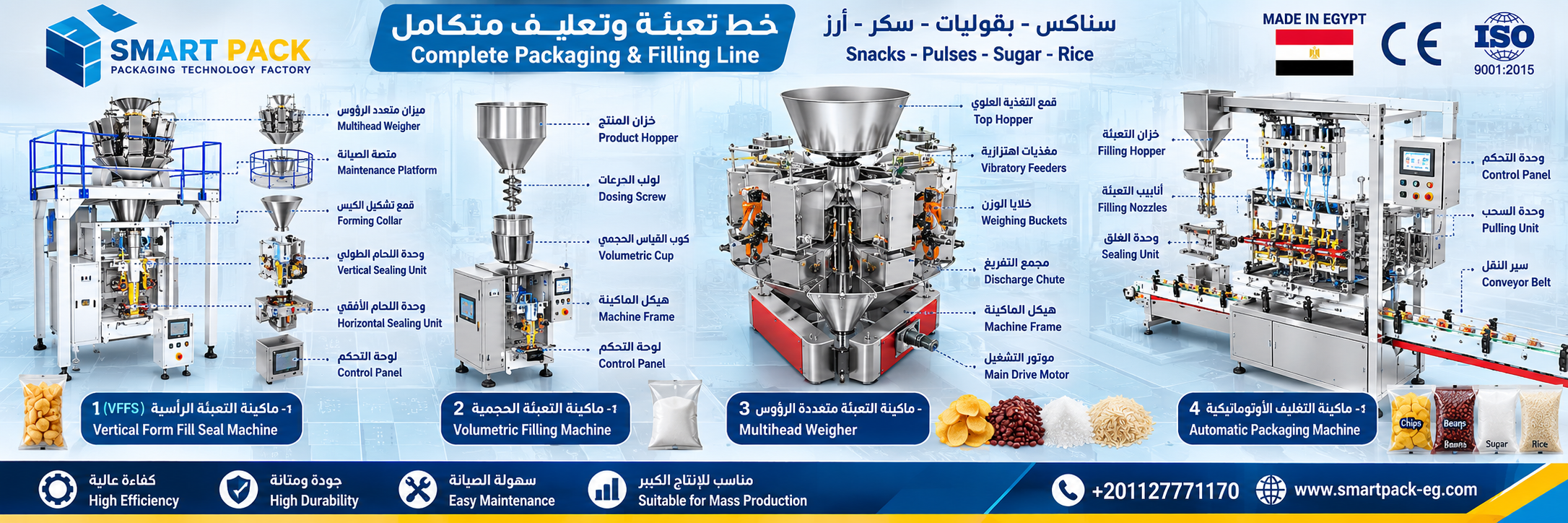
Integrated filling and packaging production lines provide:
-
Synchronized operating speeds
-
Continuous production
-
Higher efficiency
-
Lower maintenance costs
Mistake #4: Ignoring Future Production Capacity
Purchasing a low-capacity filling machine to reduce initial cost can become a major obstacle when demand increases.
This leads to:
-
Double investment
-
Production interruptions
-
Missed market opportunities
The smarter strategy:
Choose scalable production lines with higher capacity than current demand.
Mistake #5: Neglecting Maintenance and After-Sales Support
4
A machine without local spare parts or fast technical support can stop production for days or weeks.
Every hour of downtime means:
-
Lost production
-
Additional operational costs
Always choose suppliers that provide:
-
Technical support
-
Operator training
-
Warranty coverage
-
Readily available spare parts
Mistake #6: Ignoring Safety and Quality Standards
Machines that do not meet proper standards can cause:
-
Use of non-food-grade materials
-
Weak sealing
-
Leakage
-
Inaccurate filling
These problems lead to:
-
Shipment rejection
-
Lost customers
-
Damaged factory reputation
Quality in filling and packaging machines equals quality in the final product.
Comparison: Poor Purchasing Decisions vs. Professional Investment
| Decision Factor | Wrong Equipment Choice | Professional Integrated Production Line |
|---|---|---|
| Purchase Criteria | Cheapest price only | Efficiency + durability + ROI |
| Machine Type | Not suitable for product | Fully compatible with production needs |
| Equipment Integration | Separate machines | Integrated production lines |
| Maintenance | No service support | Full technical support & spare parts |
| Production Speed | Low | Very high |
| Profitability | Limited | High and sustainable |
How to Choose Filling & Packaging Machines Professionally
Practical Steps for Factory Owners:
-
Precisely define product type and physical characteristics
-
Calculate current and future production capacity
-
Choose integrated production lines
-
Compare total operating cost, not just purchase price
-
Ensure maintenance and technical support availability
-
Test the machine under real production conditions before purchase
Smart Investment Tips
-
Select integrated solutions including filling machine, packaging machine, conveyors, and cartoning systems
-
Work with experienced suppliers capable of designing customized production lines
-
Train your operating team to reduce handling errors
-
Invest in high-quality machines for long-term performance and higher profitability
Frequently Asked Questions
Is buying a cheap filling machine a good option for new factories?
Usually not. Frequent breakdowns and material waste increase total costs.
Should I buy a full production line or just one machine?
An integrated production line is more efficient and reliable.
How do I determine the correct filling machine type?
Based on product type, production capacity, and market requirements.
Does automation truly reduce costs?
Yes. It lowers labor needs, reduces waste, and increases production speed.
What is the most important factor when choosing a supplier?
Reliable maintenance, strong after-sales support, and proven industrial experience.
Avoiding common filling machine purchasing mistakes and investing in high-efficiency integrated production lines is the most important step toward faster production, lower costs, higher quality, and sustainable industrial profitability.